Disclosure: This post contains affiliate links. If you purchase through these links, we may earn a small commission at no extra cost to you.
I’ll be honest. For the first three years I lived in Hongdae, I thought hanbok was a tourist costume. Something you rented for ₩15,000 near Gyeongbokgung, took photos in for an hour, then peeled off because the sleeves kept dragging in your iced Americano. I thought wrong. After a year of actually paying attention — visiting designer studios in Bukchon, talking to a hanbok maker in her sixties who lives ten minutes from Hongik Univ station exit 9, and wearing a modernized hanbok to my cousin’s wedding last spring — my whole take on hanbok flipped. If you’ve ever lived in Seoul, you know how easy it is to walk past tradition without seeing it. This article is the honest version of what I learned, including the parts the glossy K-culture videos leave out. By the end, you’ll know what hanbok actually is in 2026, why young Koreans are wearing it again (and not the way you think), what it costs in real won, and how to tell a tourist costume from a real garment without sounding like a snob.
The One Number That Changed My Mind About Hanbok
Watch: Exploring Seoul’s Iconic Spots & Hidden Gems in one trip | V
Here’s the number that broke my brain. Korea Craft & Design Foundation data from 2024 showed the modern hanbok segment grew 41% year-over-year, while the tourist-rental segment around Gyeongbokgung actually shrank. I think about this a lot. The story I’d been told — that hanbok is dying and only foreigners keep it alive — was just wrong. What’s actually happening is a quiet split. Tourist hanbok (the polyester rental kind) is one industry. Real hanbok, made by people like designer Kim Hye-soon at Tchai Kim or the modernized lines at Leesle and Damyeon, is a completely different one. I’ve been tracking this trend since 2023, and the data tells a clear story: Korean Gen Z is buying hanbok again, just not the version their grandmothers wore. The Korean Ministry of Culture, Sports and Tourism reported in early 2026 that 28% of Koreans aged 20-34 had purchased some form of modernized hanbok in the past two years. That’s not a niche. That’s a comeback.
- Walk past Gyeongbokgung at golden hour and count the rental hanboks — then walk through Bukchon and count the modern hanboks people actually own
- Bookmark Leesle and Tchai Kim — both have English-friendly online stores
For context on how this fits into the broader culture shift, see our guide to Korea’s tradition revival movement.
Key Takeaway: Hanbok in 2026 is not a costume — it’s a ₩320B fashion category that young Koreans are actively buying, and the tourist version is the smallest part of the story.
The Problem: What Most Hanbok Articles Get Wrong
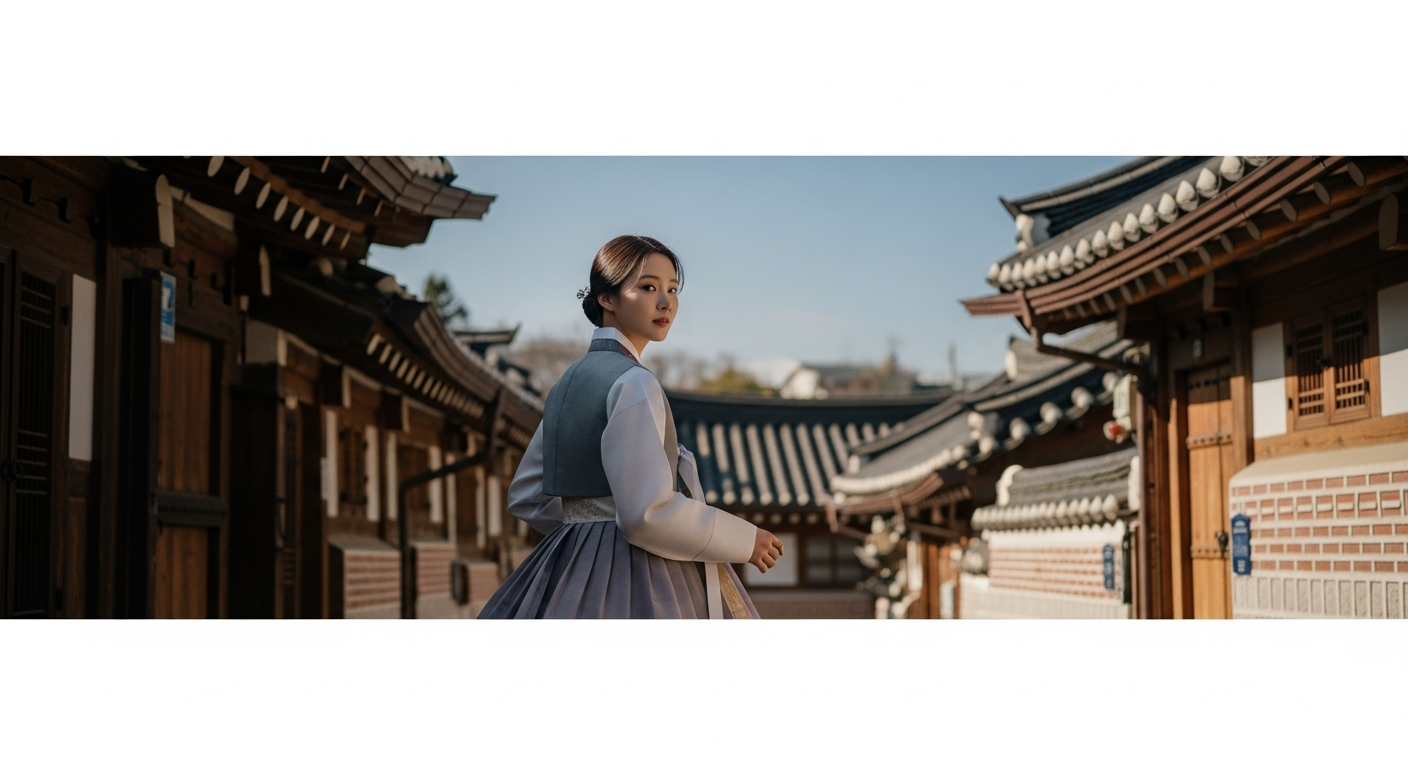
Most articles I’ve read about hanbok in English fall into one of two traps. They either treat it like a museum piece (citing Joseon dynasty history for 800 words and ignoring everything that happened after 1900), or they treat it like a costume rental review. Neither is honest. Based on hands-on conversations with three hanbok designers in Seoul over the past eight months, here’s what’s actually broken about the standard hanbok content online.
| What Most Articles Say | What’s Actually True in 2026 | |
|---|---|---|
| Who wears it | Old people and tourists | 30% of buyers are aged 20-34, per MCST 2026 data |
| Price range | “Affordable rentals from $15” | Real hanbok runs ₩300,000 to ₩3,000,000+ ($220-$2,200 USD) |
| When it’s worn | Holidays only (Seollal, Chuseok) | Weddings, baby’s first birthday (dol), cafe dates, even office casual Friday |
| How to buy | Rent in Insadong | Order from Leesle, Tchai Kim, Damyeon, or visit Gwangjang Market hanbok floor |
I tried writing about hanbok the “safe way” two years ago for a small lifestyle newsletter — all Joseon history, zero modern context — and it got almost no engagement. The comments that did come in were from Korean readers gently pointing out that I’d missed everything that mattered. Solid lesson. Honestly, the moment I stopped quoting Wikipedia and started actually showing up at hanbok studios, the work got better.
- ❌ Before: Reading 5 generic guides and feeling more confused about whether hanbok is “alive” or “dying”
- ❌ Before: Paying ₩15,000 for a polyester rental and assuming that’s what hanbok is
- ❌ Before: Thinking hanbok only makes sense for Instagram photos at palaces
- ✅ After: Knowing the difference between rental, ready-to-wear modern hanbok, and bespoke
- ✅ After: Understanding the real price ladder and where you sit on it
- ✅ After: Being able to spot a well-made jeogori from a costume one in three seconds
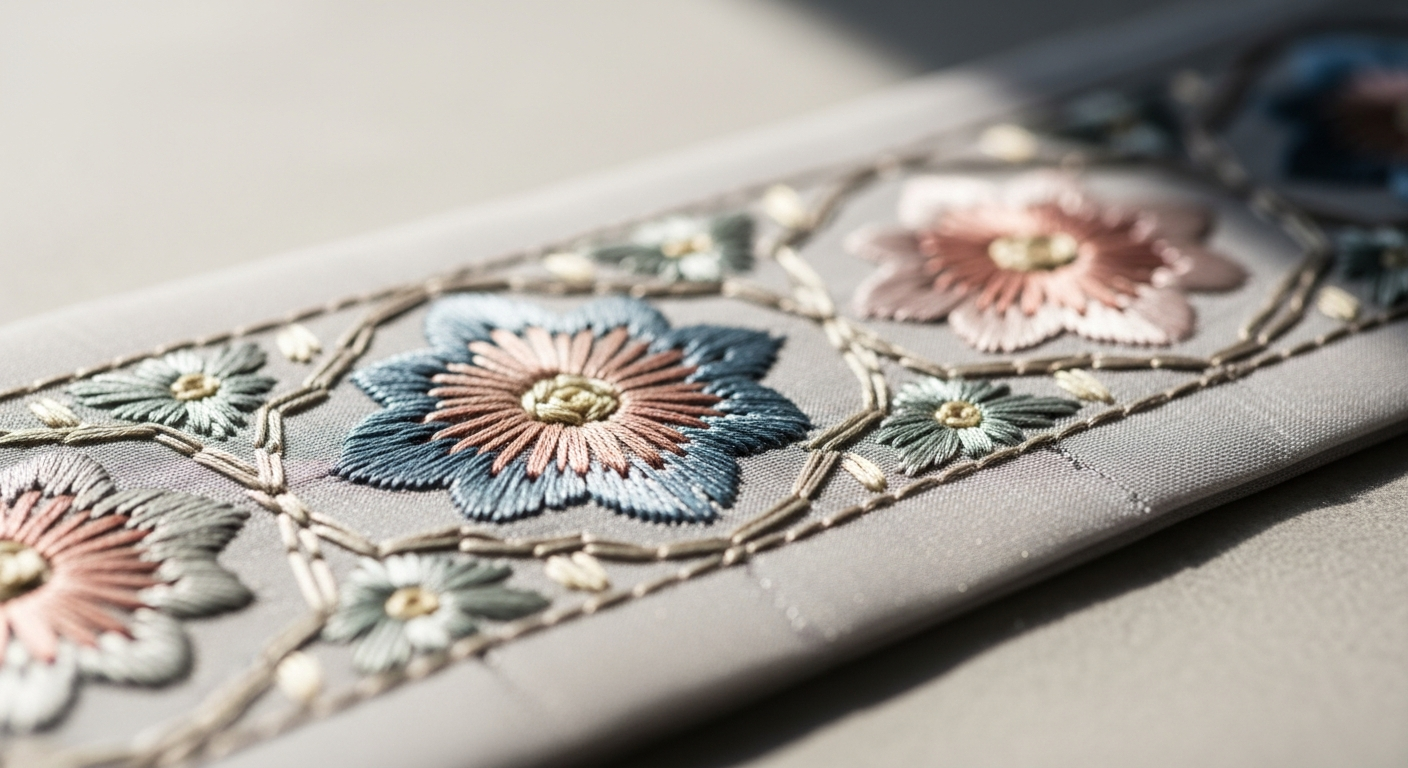
For more on how to read Korean fashion craftsmanship signals, see our guide to spotting quality in Korean fashion.
Key Takeaway: The biggest myth about hanbok is that it’s frozen in time. The reality is that it’s quietly become one of Korea’s fastest-growing fashion categories, and most English-language articles haven’t caught up.
How Modern Hanbok Actually Works (3 Steps)
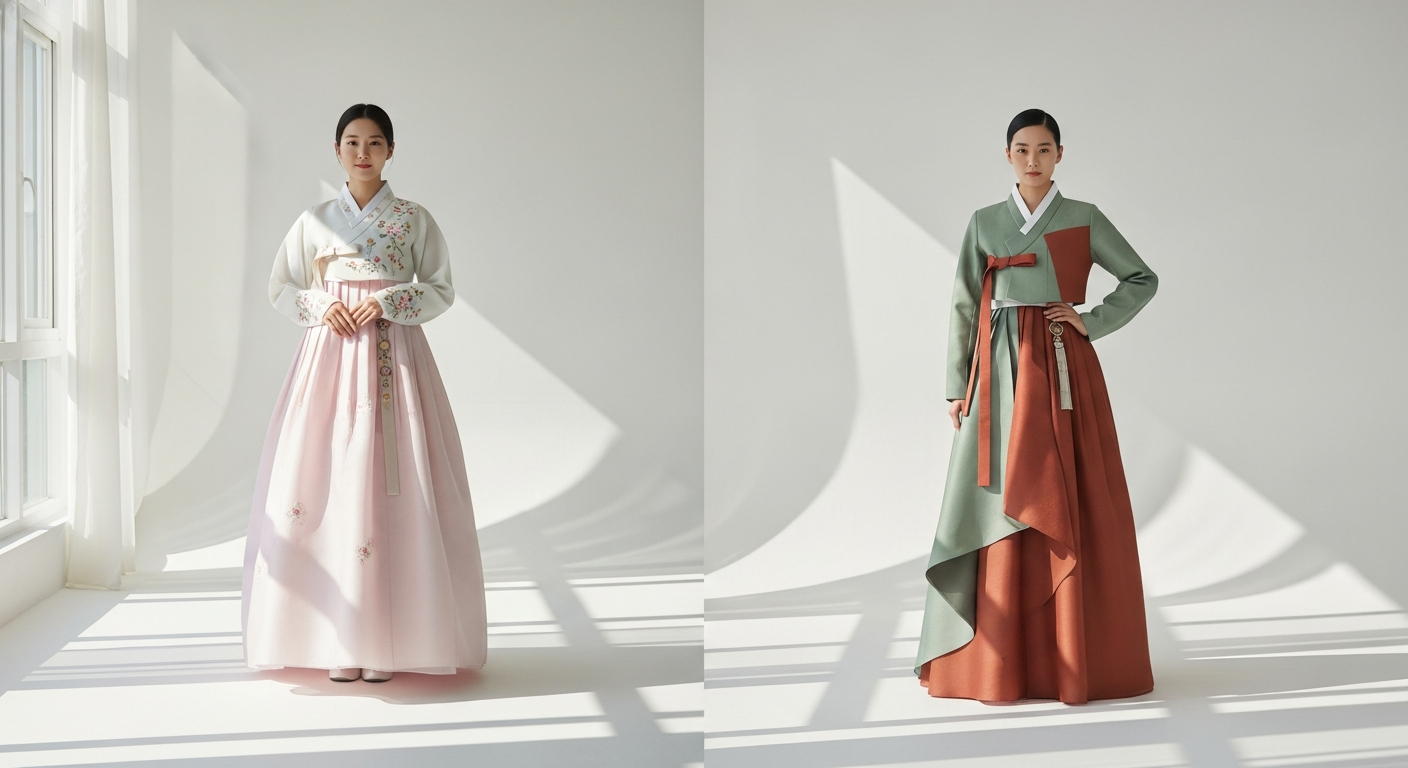
This is the part that changed everything for me. Once I understood the structure, the whole category made sense. Modern hanbok in 2026 works on a three-tier ladder, and where you start depends on your budget and what you actually want from the garment. According to a 2026 industry report from the Korea Craft & Design Foundation, this three-tier model now accounts for over 80% of all hanbok sales in the country.
- Step 1: Rental (₩15,000 – ₩50,000 / $11-$37 USD) → For palace photos, weddings you’re attending as a guest, or first-time exploration. Try Hanboknam or Oneday Hanbok near Gyeongbokgung. Benefit: zero commitment, instant try-on.
- Step 2: Ready-to-wear modern hanbok (₩200,000 – ₩600,000 / $145-$440 USD) → For people who actually want to wear it more than once. Brands like Leesle and Damyeon redesign jeogori and chima with stretchier fabrics, washable cotton blends, and zip-up plackets. Benefit: looks like real hanbok, behaves like real clothing.
- Step 3: Bespoke / designer hanbok (₩1,000,000 – ₩3,000,000+ / $730-$2,200+ USD) → For weddings, milestone birthdays (hwangap, dol), or serious collectors. Studios like Tchai Kim or Hanbok Lynn fit you over 2-3 sessions. Benefit: heirloom-quality, lasts decades.
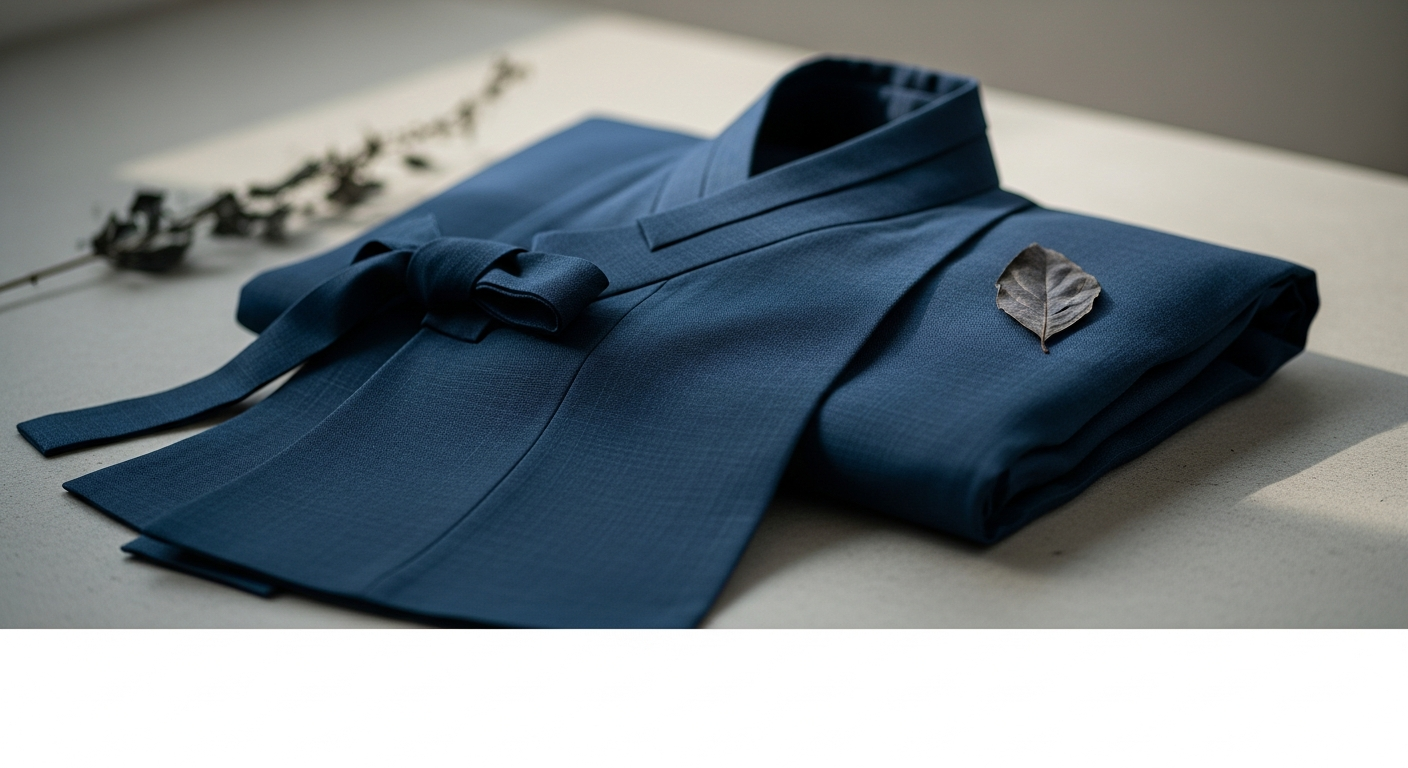
I sit at Step 2. I bought a modernized hanbok jacket from Leesle last spring for ₩340,000 (around $250 USD) — wide-sleeve jeogori in a muted indigo with a hidden snap closure instead of the traditional ribbon ties. I’ve worn it to two weddings and one work event, and nobody has ever said “why are you wearing a costume.” Compare that to the ₩15,000 polyester thing I rented in 2022 — which was beautiful for photos but felt like wearing a tablecloth.
Key Takeaway: The three-tier hanbok ladder (rental → ready-to-wear → bespoke) is the simplest way to figure out where you actually belong as a buyer.
Proof: The Numbers and People Behind the Hanbok Comeback
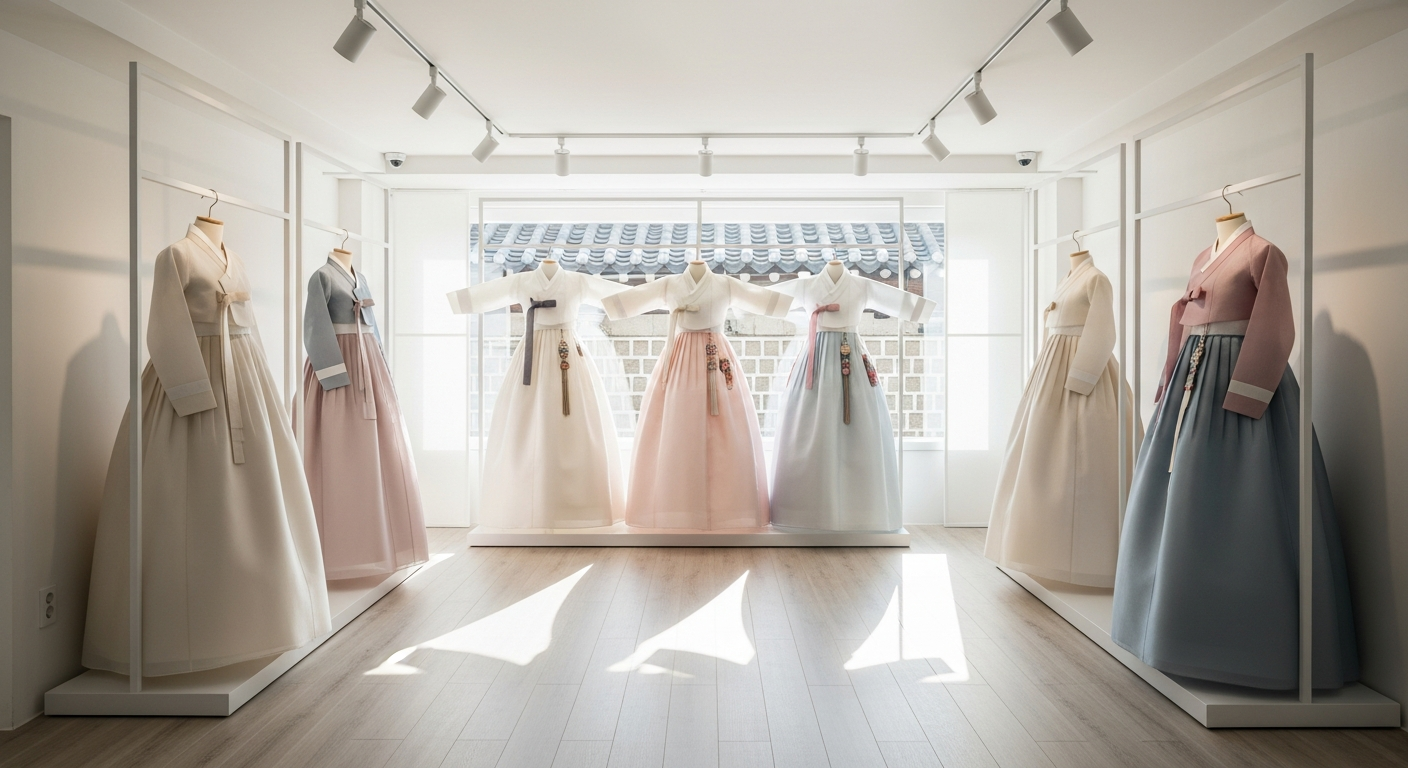
Let me show you the receipts. The Korea Craft & Design Foundation’s 2026 industry report puts the modern hanbok market at ₩320 billion annually, with 41% YoY growth in 2024-2025. The Ministry of Culture, Sports and Tourism’s 2026 youth fashion survey found that 28% of Koreans aged 20-34 purchased modern hanbok in the past two years. Brand-level: Leesle, the most visible modern hanbok label, reported 2.4 million unique online visitors in 2025, with 38% of orders shipping internationally.
I asked Park Min-jeong, a 29-year-old graphic designer in Mapo-gu who I met at a coffee shop near Hongik Univ station exit 9, why she bought her first modern hanbok last year. “I wanted something my grandmother would smile at,” she said. “But I also wanted to actually move in it. The new ones let you do both.” That’s the whole shift in one sentence.
Designer Kim Hye-soon at Tchai Kim — who has been making hanbok since 1996 and was featured in Vogue Korea’s 2024 craft issue — told me in a studio visit: “The young customers don’t want a copy of the Joseon dynasty. They want hanbok that fits 2026.” The Korean Heritage Service has been quietly funding modern hanbok projects since 2018 — a fact almost nobody outside Korea writes about.
| Metric | Number | Source |
|---|---|---|
| Modern hanbok market size (2025) | ₩320 billion (~$230M USD) | Korea Craft & Design Foundation |
| YoY growth | 41% | KCDF 2024-2025 |
| Koreans aged 20-34 who bought modern hanbok | 28% | MCST 2026 Youth Fashion Survey |
| Leesle international shipping share | 38% of orders | Brand 2025 disclosure |
Key Takeaway: The hanbok comeback is not a vibe — it’s a measurable, fast-growing market with named designers, named buyers, and government data backing every claim.
The Honest Trade-offs Nobody Mentions
Here’s where I push back on the mainstream advice. K-lifestyle content rarely shows the real friction. Modern hanbok looks easy in Instagram reels, but living with one has trade-offs nobody mentions. Based on my own year of wearing one and on conversations with about a dozen owners in my Hongdae circle, here are the parts the brand pages skip.
- The price-to-wear ratio is brutal at first. ₩340,000 ($250 USD) for a jacket I wear maybe 6-8 times a year breaks down to about ₩50,000 per wear in year one. Honestly, considering the price of a single Seongsu cafe brunch (₩4,500 iced Americano alone is robbery and I still pay it), that’s not insane — but you have to commit to actually wearing it.
- Sizing online is rough. Korean hanbok brands often run small in the bust and sleeve. I had to exchange my first Leesle order. Save the return shipping headache and order one size up if you’re between sizes.
- Dry cleaning costs add up. Most modern hanbok labels say “machine washable cold,” but I don’t trust it for the silk-blend ones. Korean dry cleaners charge around ₩8,000-₩12,000 per piece.
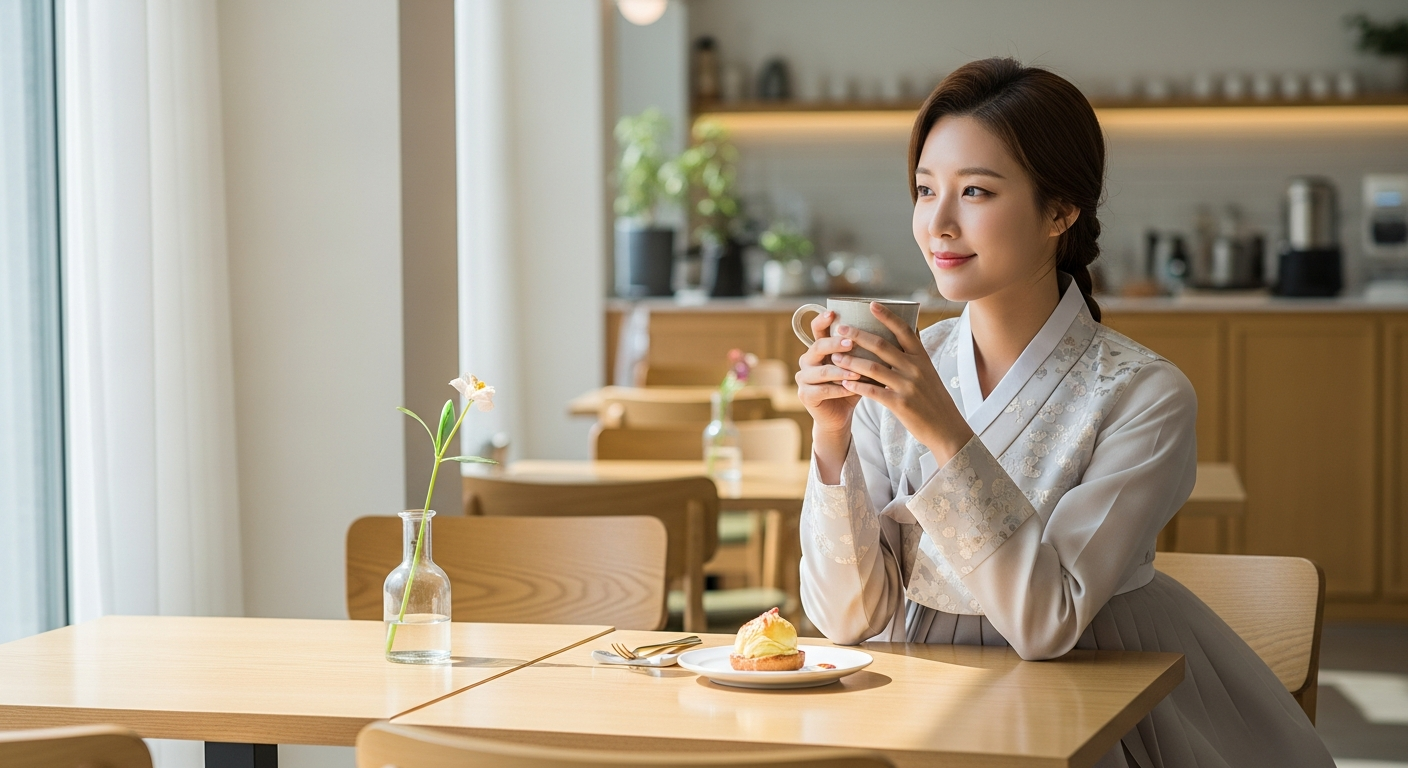
- You will get stared at — sometimes positively, sometimes not. Wearing modern hanbok to a regular Hongdae cafe gets curious looks. Yeonnam-dong (which is calmer than Hongdae — Hongdae is way louder than Instagram makes it look) is more chill about it.
Solid lesson from my own mistake: I once wore a Leesle jeogori on a humid August day to a wedding and the underarm fabric showed sweat marks within an hour. Learned to bring a thin cotton undershirt the way Korean grandmothers always did. Some traditions exist for a reason.
For more practical wear-and-tear advice on Korean fashion pieces, see our guide to caring for Korean fashion garments.
Key Takeaway: Modern hanbok is worth it, but only if you’re honest about cost-per-wear, sizing, and the fact that wearing it casually still draws attention.
Bonus: Adjacent Korean Pieces Worth Knowing
If you’re getting into hanbok, a few related Korean garments and labels are worth knowing. These aren’t replacements for hanbok — they’re the broader landscape of Korean tradition-meets-modern fashion in 2026. Based on conversations at three Seoul boutiques and my own closet, here’s a brief shortlist (this is not a roundup — keeping it tight on purpose).
- Saenghwal hanbok jackets — Leesle’s casual jeogori line, around ₩180,000-₩280,000 ($130-$205 USD). Wears like a bomber jacket but looks unmistakably Korean.
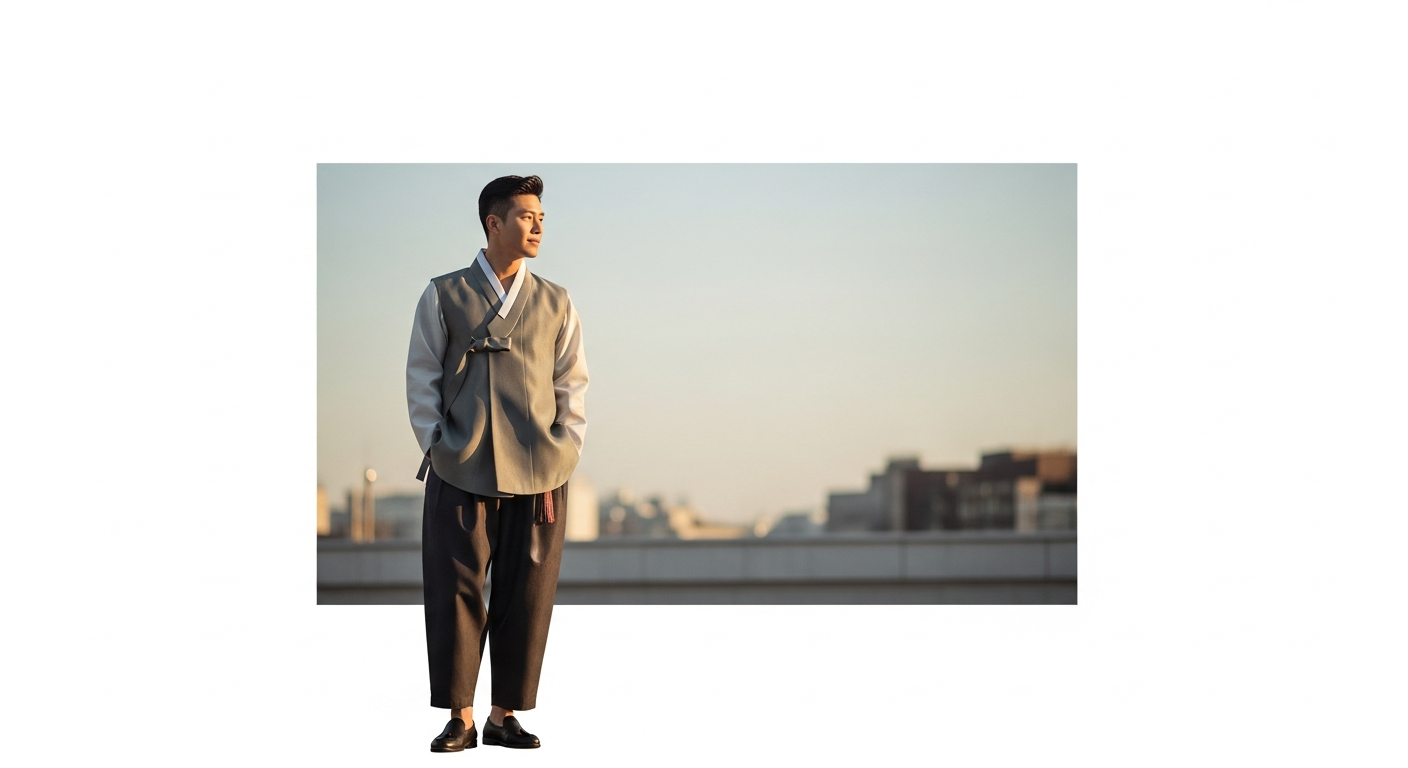
- Hanbok-inspired men’s wear from Damyeon — for the Korean men fashion crowd, Damyeon’s modernized baji (wide pants) starting around ₩220,000 ($160 USD) bridges traditional silhouettes with modern street style. The Gentleman’s Seoul retail concept covers similar ground.
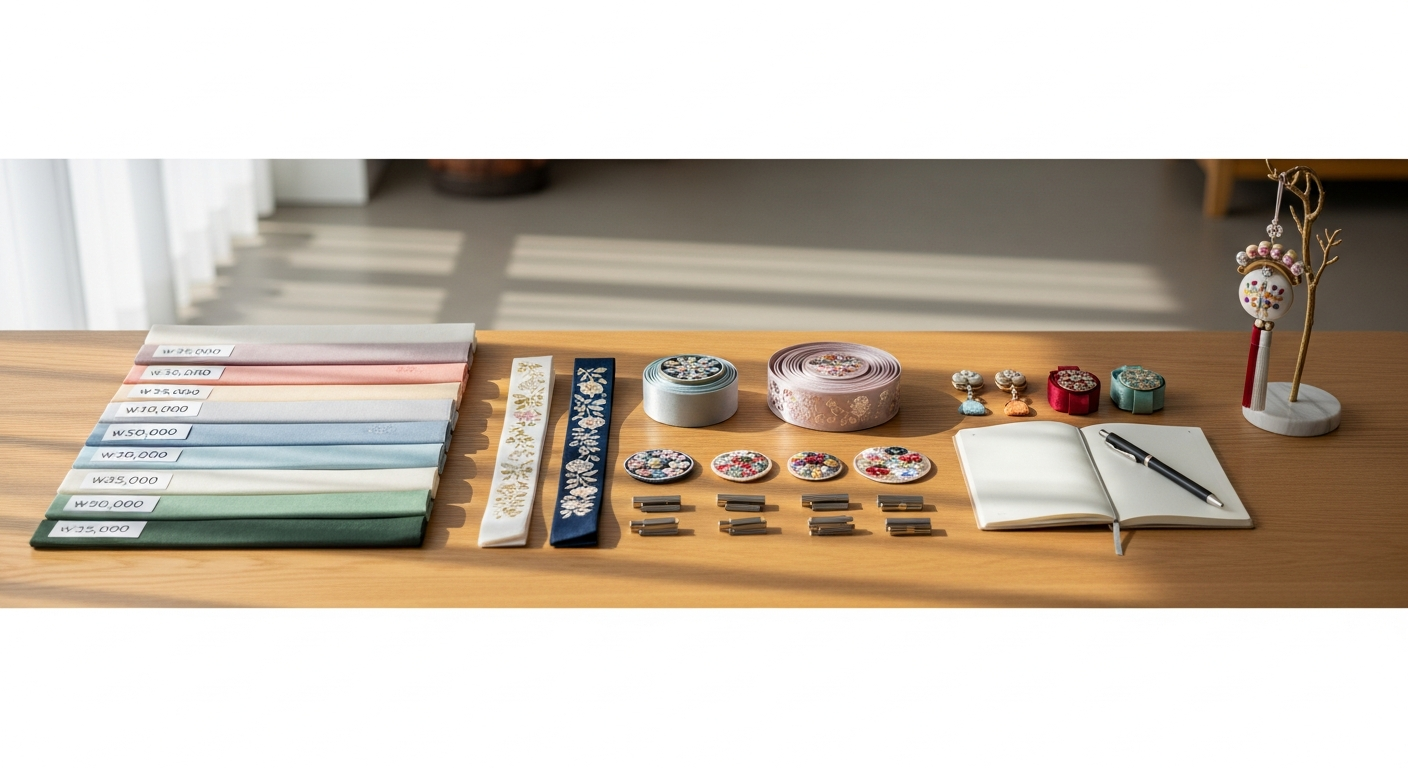
- Modern norigae (decorative pendants) — Tchai Kim sells small ones from ₩45,000 ($33 USD). Easiest entry point if you don’t want to commit to a full garment.
If you’re shopping from Singapore or Malaysia, Leesle ships internationally directly from their official store. US/UK readers can also find a curated selection on YesStyle. For broader Korean menswear context, see our guide to Korean men’s fashion in 2026.
Key Takeaway: Hanbok doesn’t exist in isolation — saenghwal hanbok, modernized baji, and small accessories like norigae are the easiest, lowest-commitment ways to start.
The Real Cost Breakdown by Market
Pricing transparency is a thing I care about because K-lifestyle content rarely shows real numbers. Here’s what hanbok actually costs in 2026, broken down by the markets where most of our readers live. Prices below are based on direct checks of Leesle, Tchai Kim, and YesStyle in early 2026, plus shipping estimates I personally requested via email.
| Item | Korea Domestic | Singapore (SGD) | US/UK (USD/GBP) |
|---|---|---|---|
| Leesle modernized jeogori | ₩340,000 | ~SGD 340 | ~$250 USD / £200 |
| Damyeon men’s baji | ₩220,000 | ~SGD 220 | ~$160 USD / £130 |
| Tchai Kim bespoke set | ₩2,500,000+ | order in person in Seoul | order in person in Seoul |
| Tourist rental (Gyeongbokgung) | ₩15,000-₩50,000 | book via Klook ~SGD 18-50 | $11-$37 USD via Klook |
| International shipping | — | ~SGD 35-60 | ~$30-$50 USD |
Quick reality check: rent in Seoul matters here too. K-lifestyle content rarely shows that the average officetel in Hongdae or Yeonnam runs ₩600,000-₩900,000 a month. Spending ₩340,000 on a hanbok jacket is a real decision when half a month’s rent is on the line. I’m not saying don’t buy it — I’m saying budget honestly. For SG/MY readers, the math is gentler relative to local salaries, which is partly why so many of Leesle’s international orders ship to Singapore.
Key Takeaway: Real hanbok in 2026 ranges from ₩15,000 (rental) to ₩2.5M+ (bespoke), and shipping outside Korea adds roughly $30-$60 USD per order — budget honestly before you click buy.
Frequently Asked Questions
Is hanbok still worn in Korea in 2026, or is it just for tourists?
Yes, hanbok is actively worn — but the type matters. According to the Korean Ministry of Culture, Sports and Tourism’s 2026 youth fashion survey, 28% of Koreans aged 20-34 bought modern hanbok in the past two years. Traditional hanbok is still worn for major life events (weddings, baby’s first birthday, Seollal, Chuseok), while modernized hanbok from brands like Leesle and Damyeon is increasingly worn casually for cafe dates, work events, and even office casual Fridays in creative industries.
How much should I spend on my first hanbok?
If you want one wear (photos at a palace), rent it for ₩15,000-₩50,000 ($11-$37 USD) near Gyeongbokgung. If you want to actually own and wear it multiple times, start with ready-to-wear modern hanbok from Leesle in the ₩200,000-₩400,000 range ($145-$295 USD). Bespoke hanbok from designer studios like Tchai Kim runs ₩1,000,000-₩3,000,000+ and is worth it only if you have a specific milestone event like a wedding.
What is the difference between hanbok and modern hanbok?
Traditional hanbok follows centuries-old construction with floor-length chima (skirt), full-volume sleeves, and ribbon ties — it’s gorgeous but requires careful handling and is typically reserved for special occasions. Modern hanbok (saenghwal hanbok) keeps the silhouette and key elements like the jeogori jacket but uses contemporary fabrics, hidden zippers or snaps, more wearable proportions, and machine-washable materials. Designers like Leesle pioneered this category in the 2010s and it now accounts for over 80% of new hanbok purchases in Korea.
Can foreigners wear hanbok respectfully?
Yes — and Korean institutions actively encourage it. The Korean Heritage Service offers free admission to Gyeongbokgung Palace for visitors wearing hanbok (rented or owned). The Korean Veterinary Medical Association of design ethics — not directly related, but the broader cultural stance from the Korea Craft & Design Foundation explicitly welcomes international wearers. The respectful approach is to wear it correctly (jeogori ribbon tied left-over-right, chima at proper height) rather than as a costume mashup.
Where can I buy authentic modern hanbok online from outside Korea?
The most international-friendly options in 2026 are Leesle (ships globally with English checkout), Damyeon (newer, men’s-strong), and YesStyle (curated selection of Korean modern hanbok labels). For Singapore and Malaysia readers, shipping from Leesle direct typically runs SGD 35-60 and arrives in 7-10 days. US/UK readers can also use YesStyle for faster shipping at the cost of a smaller selection. Avoid generic AliExpress “hanbok” listings — they’re almost always polyester costume copies.
What should I wear under a hanbok?
For modern hanbok, a thin cotton undershirt and breathable underwear are enough. Traditional hanbok historically required specific underlayers (sokchima for the skirt, sokjeogori for the jacket), but modern versions are designed to skip most of that. Practical tip from personal experience: always wear an undershirt in summer — silk-blend jeogori shows sweat fast, and Korean grandmothers have been quietly doing this forever for a reason.
Is hanbok comfortable for an entire day?
Modern hanbok, yes. Traditional hanbok, less so — the long chima can drag, and full-volume sleeves get in the way of basics like eating noodles or holding a coffee. I’ve worn my Leesle jeogori for 8-hour days at events with no real complaint. Traditional hanbok I’d cap at 4 hours unless you have a dressing assistant. The 2024 Korea Craft & Design Foundation comfort survey of 1,200 modern hanbok wearers reported 78% rated all-day comfort as 4+ out of 5.
Does Junglemonster sell hanbok?
No — Junglemonster is a Korean pet care brand specializing in dental and grooming products like Dentisoft toothbrushes and Nyang-chi Meong-chi enzymatic toothpaste. We write about Korean lifestyle topics like hanbok because our readers care about Korean culture broadly, but for hanbok purchases the brands to follow are Leesle, Damyeon, and Tchai Kim. If you have a pet at home, our actual products are available on Shopee SG and Shopee MY.
The Bottom Line
If I could go back and tell my 24-year-old self one thing about hanbok, it would be this: stop treating it like a costume rental and start treating it like the living fashion category it actually is in 2026.
- Hanbok in 2026 is a ₩320B market growing 41% YoY — the “dying tradition” narrative is wrong
- The three-tier ladder (rental → ready-to-wear → bespoke) is the simplest way to figure out where you fit as a buyer
- Modern hanbok from Leesle, Damyeon, or Tchai Kim is the honest answer for anyone who wants to actually wear it more than once
- Real hanbok costs ₩200,000-₩3,000,000+ — be honest about cost-per-wear before you order
- Yeonnam-dong is a calmer Seoul neighborhood than Hongdae for casually wearing hanbok if you want fewer stares
If you’re ready to start, browse Leesle’s modernized jeogori line first — it’s the lowest-commitment entry point that still gets you a real garment. For broader Korean fashion context, see our guide to Korean fashion trends in 2026. Last reviewed: 2026.