Why Tteokbokki Has Taken Over the World — And Your Kitchen Is Next
Picture this: you’re walking through the neon-lit streets of Myeongdong in Seoul, and a sweet, spicy aroma pulls you toward a tiny street cart. Steam rises from a bubbling red pot filled with plump, chewy rice cakes swimming in a fiery gochujang sauce. You take your first bite, and the combination of pillowy-soft rice cake, rich umami broth, and that slow-building Korean chili heat hits you all at once. That’s tteokbokki (떡볶이) — and once you’ve tried it, you’ll understand why over 3.8 billion servings are consumed in South Korea every single year.
But here’s the best part: you don’t need a plane ticket to Seoul. Learning how to make tteokbokki at home is shockingly simple, and the results are every bit as addictive as the street-cart original. Whether you’re a K-drama binge-watcher who’s been drooling over those iconic street food scenes, or a home cook looking for your next weeknight obsession, this guide will walk you through absolutely everything.
From the history behind Korea’s most beloved comfort food to step-by-step recipes, regional variations, and pro tips that even Korean grandmothers swear by — consider this your definitive 2026 guide to tteokbokki. Grab your chopsticks. Let’s get cooking.
What Exactly Is Tteokbokki? A Deep Dive Into Korea’s #1 Street Food

The Basics: Ingredients and Flavor Profile
Tteokbokki (pronounced “tuck-BOH-kee”) is a Korean dish made from garaetteok — cylindrical rice cakes with a dense, chewy texture unlike anything in Western cuisine. These rice cakes are simmered in a sweet-and-spicy sauce built on gochujang (fermented red chili paste) and gochugaru (Korean red pepper flakes), then enriched with anchovy or kelp broth.
The flavor profile is a masterful balance of five tastes: spicy, sweet, savory, slightly salty, and deeply umami. The sauce clings to each rice cake like velvet, and as you chew, the tteok yields with a satisfying, almost mochi-like bounce. It’s comfort food elevated to art form.
Common additions include fish cakes (eomuk), boiled eggs, scallions, and cabbage. Modern variations throw in everything from mozzarella cheese to ramen noodles — but the soul of the dish remains those gloriously chewy rice cakes drenched in crimson sauce.
A Surprising History: Tteokbokki Wasn’t Always Spicy
Here’s a fact that surprises most people: the original tteokbokki was a savory, soy sauce-based royal court dish — not spicy at all. During the Joseon Dynasty (1392–1897), tteokbokki was made with sliced rice cakes stir-fried in soy sauce, sesame oil, beef, and vegetables. It was considered elegant fare fit for kings.
The fiery red version we know today didn’t appear until the 1950s, when a street vendor named Ma Bok-lim in Seoul’s Sindang-dong neighborhood accidentally dropped her rice cakes into a pot of gochujang jjigae. She loved the result, started selling it, and the rest is culinary history. Sindang-dong’s “Tteokbokki Town” still exists today — an entire alley of restaurants dedicated to the dish. Korea Tourism Organization – Korean Street Food Guide
The soy sauce version, now called gungjung tteokbokki (궁중떡볶이 or “royal court tteokbokki”), is still popular and makes an excellent option for those who prefer milder flavors or are cooking for kids.
Why Is Tteokbokki So Popular Worldwide?
The global K-food wave has pushed tteokbokki from a local street snack to an international sensation. According to the Korea Agro-Fisheries & Food Trade Corporation, exports of tteokbokki products grew by over 120% between 2020 and 2025. Brands like Yopokki, Samyang, and CJ Bibigo now sell ready-to-eat tteokbokki cups at Walmart, Costco, and Amazon.
K-dramas like Crash Landing on You, Itaewon Class, and Lovely Runner regularly feature characters bonding over steaming plates of tteokbokki, turning millions of international viewers into craving customers overnight. TikTok’s #tteokbokki hashtag has over 4.2 billion views as of early 2026.
How to Make Tteokbokki at Home: The Classic Recipe
Ready to learn how to make tteokbokki at home? This classic recipe serves 2-3 people and takes about 25 minutes from start to finish. It’s genuinely one of the easiest Korean dishes you’ll ever make.
Essential Ingredients You’ll Need
| Ingredient | Amount | Where to Buy |
|---|---|---|
| Garaetteok (cylinder rice cakes) | 1 lb (450g) | H-Mart, Asian grocery, Amazon ($4-6) |
| Gochujang (red chili paste) | 2.5 Tbsp | H-Mart, Whole Foods, Trader Joe’s ($5-8) |
| Gochugaru (red pepper flakes) | 1 Tbsp | H-Mart, Amazon ($7-10/bag) |
| Fish cakes (eomuk), sliced | 4 sheets | H-Mart frozen section ($3-5) |
| Anchovy/kelp broth | 2 cups | Make fresh or use dashida stock ($3) |
| Sugar | 1 Tbsp | Any grocery store |
| Scallions, chopped | 2-3 stalks | Any grocery store |
| Hard-boiled eggs (optional) | 2 | Any grocery store |
Pro tip: If you can’t find garaetteok locally, frozen rice cakes from Amazon or H-Mart’s online store work perfectly. Just soak them in warm water for 20 minutes before cooking to soften them up. How to Make Tteokbokki at Home: Easy 2026 Guide
Step-by-Step Cooking Instructions
Here’s exactly how to make tteokbokki at home with restaurant-quality results:
- Prepare the broth: Bring 2 cups of anchovy-kelp broth (or 2 cups water + 1 tsp dashida stock powder) to a boil in a wide, shallow pan or pot. A wider pan gives you better sauce reduction and coating.
- Mix the sauce: Add 2.5 tablespoons gochujang, 1 tablespoon gochugaru, and 1 tablespoon sugar directly into the boiling broth. Whisk until fully dissolved. Taste it — it should be noticeably sweet and spicy. Adjust sugar or gochugaru to your preference.
- Add the rice cakes: Drop in your soaked (or fresh) rice cakes and sliced fish cakes. Stir gently to coat everything in sauce. If using hard-boiled eggs, add them now.
- Simmer and stir: Cook over medium heat for 8-12 minutes, stirring every 2 minutes to prevent sticking. The sauce will thicken naturally as the rice cakes release starch. This is the magic moment — the sauce goes from watery to glossy and clingy.
- Check the texture: Pierce a rice cake with a chopstick. It should be soft and chewy throughout with no hard center. If they’re still firm, add a splash of water and cook 2-3 minutes more.
- Finish and serve: Scatter chopped scallions on top. Serve immediately in the cooking pan for that authentic Korean street-food experience. Tteokbokki waits for no one — the rice cakes firm up as they cool.
Total cost: approximately $8-12 for 2-3 servings. Compare that to $14-18 per portion at a Korean restaurant, and you’ll see why learning how to make tteokbokki at home is a game-changer for your wallet and your weeknight dinner rotation.
Common Mistakes to Avoid
- Don’t skip soaking frozen rice cakes. They’ll cook unevenly — crunchy outside, rock-hard inside. A 20-minute warm water soak fixes this completely.
- Don’t use high heat the entire time. The sauce will burn and the sugar will caramelize into bitter patches. Medium heat with patient stirring is the way.
- Don’t overcook. Rice cakes go from perfectly chewy to mushy in about 3 minutes. Set a timer and start testing at the 8-minute mark.
- Don’t forget to stir. The starchy sauce loves to stick to the bottom. Stir every couple of minutes and you’ll be rewarded with a silky, even coating.
7 Incredible Tteokbokki Variations You Need to Try

Once you’ve mastered the classic, it’s time to explore. Korean home cooks and restaurants have created dozens of tteokbokki variations, each with its own cult following. Here are the seven you absolutely need on your radar.
1. Cheese Tteokbokki (치즈떡볶이)
This is the variation that broke the internet. A generous blanket of shredded mozzarella is melted directly over the bubbling sauce, creating those impossibly stretchy cheese pulls you’ve seen in every K-food mukbang video. The mild, creamy cheese tempers the spice beautifully, making this the perfect version for heat-sensitive eaters. Simply sprinkle 1 cup of shredded mozzarella over your finished tteokbokki, cover the pot for 2 minutes, and serve.
2. Rabokki (라볶이) — Ramen + Tteokbokki
Add a packet of instant ramen noodles (Shin Ramyun is the classic choice) to your tteokbokki during the last 3 minutes of cooking. The noodles soak up that spicy sauce while adding a completely different texture. This is the ultimate Korean college student meal — cheap, filling, and devastatingly delicious. Budget: under $3 per serving.
3. Gungjung Tteokbokki (궁중떡볶이) — Royal Court Style
The original, non-spicy version uses a soy sauce, sesame oil, and beef base. Sliced vegetables like carrots, mushrooms, and bell peppers add color and crunch. This is perfect for kids, spice-averse guests, or anyone who wants to taste what Korean royalty ate centuries ago. Maangchi’s Gungjung Tteokbokki Recipe
4. Rose Tteokbokki (로제떡볶이)
The biggest Korean food trend of 2024-2026, rosé tteokbokki blends the traditional gochujang sauce with heavy cream and tomato sauce, creating a pink, creamy, mildly spicy masterpiece. It’s often made with short pasta shapes alongside the rice cakes. Think of it as a Korean-Italian fusion that somehow works perfectly.
5. Jjajang Tteokbokki (짜장떡볶이)
Rice cakes coated in black bean sauce (jjajang) instead of gochujang. Rich, savory, and deeply satisfying without any spice at all. The dark, glossy sauce gives the dish a completely different visual appeal, and the slightly sweet, fermented black bean flavor is addictive.
6. Gireum Tteokbokki (기름떡볶이) — Oil-Based
A Seoul street-food favorite that’s stir-fried in oil rather than simmered in broth. The rice cakes get lightly crispy on the outside while staying chewy inside. The sauce — gochujang, soy sauce, sugar, and garlic — coats each piece in a concentrated, caramelized glaze. No broth means bigger, bolder flavors.
7. Seafood Tteokbokki (해물떡볶이)
Loaded with shrimp, squid, mussels, and clams, this premium version turns tteokbokki from a snack into a full-on seafood feast. The shellfish release their juices into the sauce, adding layers of oceanic umami. This is what you’ll find at higher-end tteokbokki restaurants in Seoul’s Jongno district.
| Variation | Spice Level | Difficulty | Best For |
|---|---|---|---|
| Classic | 🌶🌶🌶 | Easy | First-timers |
| Cheese | 🌶🌶 | Easy | Kids & spice-averse |
| Rabokki | 🌶🌶🌶 | Easy | Budget meals |
| Royal Court | None | Medium | Non-spicy preference |
| Rosé | 🌶 | Medium | Date night |
| Jjajang | None | Easy | Black bean lovers |
| Oil-Based | 🌶🌶🌶🌶 | Medium | Crispy texture fans |
| Seafood | 🌶🌶🌶 | Medium | Special occasions |
Where to Buy Tteokbokki Ingredients in the US (2026 Guide)
One of the best things about the Korean food boom is that ingredients for tteokbokki are now easier to find than ever in the United States. Here’s your complete sourcing guide.
In-Store Options
- H-Mart: Your one-stop shop. Every H-Mart location carries fresh and frozen garaetteok, multiple brands of gochujang, gochugaru, fish cakes, and anchovy packs for broth. Over 97 locations across the US as of 2026. The fresh rice cakes in the refrigerated section (usually near the tofu) are the best quality.
- Whole Foods: Now stocks Bibigo and Mother-in-Law’s brand gochujang in most locations. You may not find rice cakes here, but the sauce ingredients are covered.
- Trader Joe’s: Carries their own gochujang and Korean-style sauces. Limited but affordable.
- Walmart: Stocks Yopokki instant tteokbokki cups ($3.48) and CJ Bibigo gochujang in the international aisle. Availability varies by location.
- Costco: Occasionally carries bulk gochujang (2.2 lb tubs for around $8) and frozen rice cake packs — an incredible deal when available.
Online Options
- Amazon: Search “tteokbokki rice cakes” for dozens of options. The Assi brand frozen garaetteok (2.2 lb bag, ~$7) is the most popular and reliable choice. Prime delivery makes this effortless.
- H-Mart Online (hmart.com): Full selection with delivery in many metro areas.
- Weee!: Asian grocery delivery app with competitive prices and fast shipping. Great selection of Korean ingredients.
- Seoul Mills / Kimchimari: Specialty Korean ingredient shops with curated selections.
Budget breakdown for a complete tteokbokki kit: rice cakes ($5) + gochujang ($6) + gochugaru ($8) + fish cakes ($4) + dried anchovies ($6) = approximately $29 total, enough for 4-5 batches. That’s roughly $6-7 per batch feeding 2-3 people.
Tteokbokki Nutrition: Is It Healthy?

Let’s be honest — tteokbokki is comfort food, not a salad. But understanding its nutritional profile helps you enjoy it mindfully and make smarter modifications.
Nutritional Breakdown Per Serving
| Nutrient | Classic Tteokbokki | Cheese Tteokbokki | Royal Court |
|---|---|---|---|
| Calories | 380-420 | 480-550 | 350-400 |
| Carbs | 72g | 74g | 58g |
| Protein | 8g | 16g | 14g |
| Fat | 3g | 14g | 10g |
| Sodium | 890mg | 1,050mg | 680mg |
Health Benefits You Might Not Expect
Gochujang contains capsaicin, the compound that gives chili peppers their heat. Research published in the British Medical Journal has linked regular capsaicin consumption to improved metabolism, reduced inflammation, and even cardiovascular benefits. Korean fermented chili paste also contains beneficial probiotics from its fermentation process.
The rice cakes themselves are naturally gluten-free (when made from pure rice flour), low in fat, and provide sustained energy from complex carbohydrates. Tteokbokki is also naturally dairy-free and vegan-friendly when you skip the fish cakes and use kelp broth instead of anchovy broth.
How to Make It Healthier
- Add vegetables: Throw in cabbage, zucchini, carrots, or spinach to boost fiber and micronutrients without changing the flavor profile significantly.
- Reduce sugar: Use half the sugar or substitute with a teaspoon of honey or maple syrup.
- Control portions: Use a smaller plate and pair your tteokbokki with a fresh Korean side salad or some banchan (small side dishes) to fill up on lighter options first. 7 Easy Korean Banchan Recipes for Beginners (2026)
- Add protein: Include boiled eggs, grilled chicken, or tofu to make it more satiating and balanced.
Pairing Tteokbokki: What to Serve Alongside Korea’s Favorite Snack
In Korea, tteokbokki is rarely eaten alone. It’s part of a communal snacking experience, typically ordered alongside other street food favorites. Here’s how to build the ultimate tteokbokki spread at home.
Classic Korean Street Food Pairings
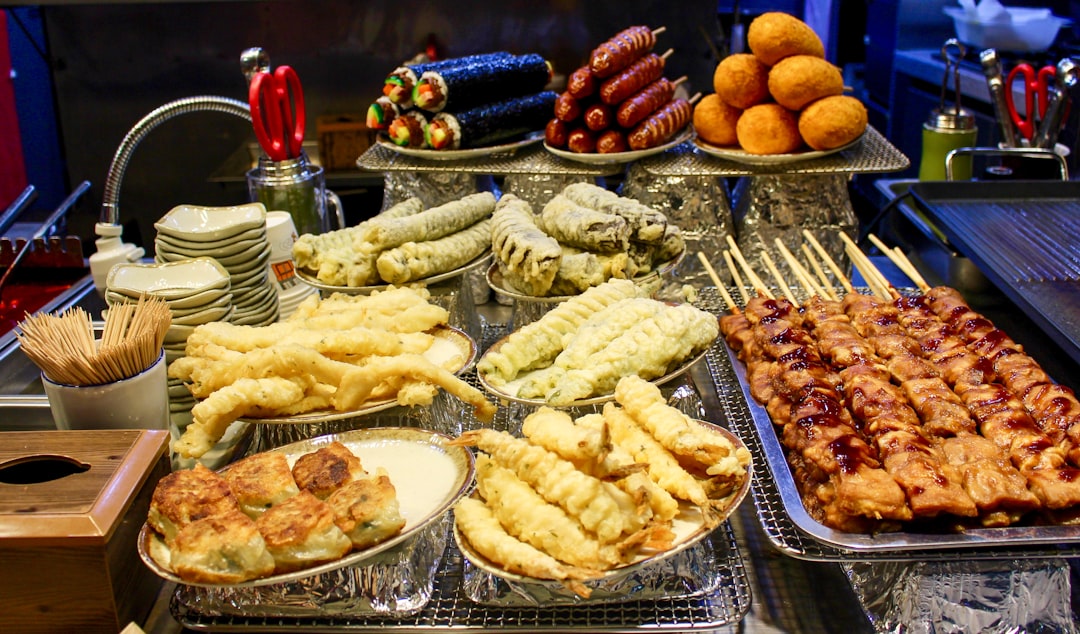
- Kimbap (김밥): Korean seaweed rice rolls are the #1 pairing. The mild, slightly sweet rice and crunchy vegetables provide a cooling contrast to the spicy sauce. You can find pre-made kimbap at H-Mart or make your own.
- Sundae (순대): Korean blood sausage — not the ice cream! These savory, chewy sausages filled with glass noodles and pork blood are a beloved street food that balances tteokbokki’s sweetness with earthy, savory depth.
- Twigim (튀김): Korean-style tempura. Deep-fried sweet potato, shrimp, squid, and vegetables dipped directly into the tteokbokki sauce. The crunch factor is unreal.
- Odeng/Eomuk soup (어묵탕): A light, clear fish cake broth served in a cup on the side. After each fiery bite of tteokbokki, a sip of this mild, warming broth is the traditional Korean palate cleanser.
Drinks That Go Perfectly
- Soju + beer (somaek): The classic Korean combination. The crisp, slightly sweet soju and cold beer cut through the spice beautifully.
- Banana milk (바나나맛우유): Korea’s iconic banana-flavored milk is the non-alcoholic go-to. The creamy sweetness is the perfect fire extinguisher.
- Iced barley tea (보리차): Nutty, caffeine-free, and refreshing. This is what most Korean families drink at home.
Planning a full Korean dinner party? Tteokbokki makes an incredible appetizer or side dish alongside Korean BBQ. Korean BBQ at Home for Beginners: Complete Guide 2026
Pro Tips: Secrets to Perfect Tteokbokki Every Time
After testing dozens of batches and consulting Korean home cooks and street vendors, here are the insider tips that separate good tteokbokki from life-changing tteokbokki.
The Sauce Secrets
- Use both gochujang AND gochugaru. Most beginner recipes use only gochujang, but the combination is essential. Gochujang provides deep fermented sweetness and body; gochugaru adds bright, fresh chili heat and those gorgeous red flakes that cling to each rice cake.
- Add a splash of soy sauce. Just 1 teaspoon of soy sauce or fish sauce deepens the umami profile dramatically. This is a common ajumma (Korean auntie) secret.
- Corn syrup for the gloss. Street vendors add a tablespoon of mulyeot (Korean corn syrup) for that signature glossy, sticky coating you see in food photos. Regular corn syrup works too.
- A pinch of MSG is authentic. Korean street food unapologetically uses MSG, and it makes a noticeable difference in the sauce’s savory depth. Totally optional, but if you’re chasing that street-cart flavor, this is the shortcut.
The Rice Cake Secrets
- Fresh rice cakes > frozen. If your local Korean grocery sells refrigerated, freshly made garaetteok, grab it. The texture is noticeably softer and chewier. Fresh rice cakes also cook faster — about 5-7 minutes versus 8-12 for frozen.
- Don’t let cooked tteokbokki sit. Rice cakes harden as they cool. If you have leftovers, reheat them with a splash of water or broth to restore the chewy texture. Microwaving alone will make them tough.
- Cut larger rice cakes for faster cooking. If your garaetteok are very long, cut them into 2-3 inch pieces on a diagonal. This gives more surface area for sauce absorption and ensures even cooking.
Flavor Boosters for Advanced Cooks
- Toast the gochugaru: Briefly dry-toast the gochugaru in the pan for 30 seconds before adding broth. This releases smoky, nutty aromas.
- Add garlic late: Minced garlic added in the last 2 minutes stays pungent and fresh. Added early, it mellows out.
- Finish with sesame oil: A half-teaspoon of toasted sesame oil drizzled on right before serving adds a beautiful aromatic note.
- Try doenjang: A teaspoon of doenjang (Korean fermented soybean paste) adds a funky depth that makes people say “what IS that?” in the best way.
Tteokbokki in Pop Culture: Why K-Dramas Made It Famous
You can’t talk about tteokbokki’s global rise without talking about Korean pop culture. The dish appears in K-dramas so frequently that fans have compiled lists of the most iconic tteokbokki scenes.
Iconic K-Drama Tteokbokki Moments
In Goblin (2016), the lead characters share tteokbokki at a street cart in a scene that’s been rewatched millions of times. Reply 1988 features an entire episode arc centered around a neighborhood tteokbokki shop. More recently, Lovely Runner (2024) and Queen of Tears (2024) both feature emotional tteokbokki-sharing scenes that sent search traffic for “tteokbokki recipe” spiking by 340% on Google Trends.
In Korean storytelling, sharing tteokbokki represents intimacy, nostalgia, and authentic connection. It’s the food characters eat when they’re being their truest selves — not at a fancy restaurant, but standing at a plastic table on a cold night, fingers stained red from the sauce. 7 K-Pop Idols With the Best K-Drama Roles in 2026
K-Pop and Tteokbokki
K-pop idols regularly feature tteokbokki in their V-Live streams, YouTube mukbangs, and variety show appearances. BTS’s Jungkook has called it his favorite comfort food. BLACKPINK’s Rosé once ate an entire pan of rosé tteokbokki on camera, contributing to the rosé variation’s viral explosion. When your favorite idol eats something on camera, millions of fans want to try it — and they search for how to make tteokbokki at home.
Frequently Asked Questions About Tteokbokki
Is tteokbokki gluten-free?
Traditional tteokbokki rice cakes made from 100% rice flour are naturally gluten-free. However, some commercial brands mix in wheat flour to reduce costs, so always check the ingredient label. The fish cakes typically contain wheat flour, so substitute with extra vegetables, tofu, or gluten-free fish cakes if you have celiac disease or gluten sensitivity. Gochujang itself is generally gluten-free (made from glutinous rice, which despite the name contains no gluten), but some brands add wheat — check for a certified gluten-free label.
How spicy is tteokbokki, and can I make it less spicy?
On a scale of 1-10, classic tteokbokki is about a 6-7 for most Western palates. To reduce the heat: use less gochugaru (or skip it entirely), add more sugar, stir in a tablespoon of heavy cream or butter, or try the cheese version which naturally mellows the spice. For zero spice, make the royal court (gungjung) or jjajang variation. You can also gradually build your spice tolerance — many people who couldn’t handle it initially become addicted within a few tries.
Can I make tteokbokki ahead of time or store leftovers?
Tteokbokki is best eaten immediately, as the rice cakes harden when they cool. If you must store leftovers, refrigerate the sauce and rice cakes separately in airtight containers for up to 2-3 days. To reheat, combine in a pan with 2-3 tablespoons of water or broth over medium heat, stirring until the sauce loosens and the rice cakes soften again (about 5 minutes). Do not freeze cooked tteokbokki — the rice cakes become crumbly and lose their signature chew.
What’s the difference between tteokbokki and ddeokbokki? Are they the same thing?
Yes, they’re the same dish! The spelling varies because Korean romanization isn’t standardized. You’ll see tteokbokki, ddeokbokki, ddukbokki, topokki, and several other variations. “Tteokbokki” follows the Revised Romanization of Korean system (the official standard), which is why it’s the most commonly used spelling in English. Regardless of spelling, they all refer to the same beloved spicy rice cake dish.
Is tteokbokki vegan?
Classic tteokbokki is not vegan because it uses anchovy broth and fish cakes. However, it’s incredibly easy to make vegan: use kelp (dashima) broth instead of anchovy broth, skip the fish cakes (or use store-bought vegan fish cakes — they exist!), and add extra vegetables like mushrooms, cabbage, and zucchini. The rice cakes, gochujang, gochugaru, and sugar are all plant-based. A fully vegan tteokbokki tastes 95% as good as the original — the kelp broth provides plenty of umami.
Where can I eat the best tteokbokki in Korea?
If you’re visiting Seoul, head to Sindang-dong Tteokbokki Town near Sindang Station (Line 2/6) — an entire alley of tteokbokki restaurants where the modern dish was invented. For a more curated experience, Mabokrim Tteokbokki (named after the woman who created spicy tteokbokki) is a legendary choice. In Busan, try BIFF Square street food area for a slightly sweeter, seafood-heavy regional style. suggested topic: Best Street Food Markets in Seoul: A Complete 2026 Guide
Related Posts You’ll Love
If you enjoyed this guide on how to make tteokbokki at home, check out these other popular articles on our site:
- Easy Tteokbokki Recipe From Scratch (2026 Guide) — Our detailed, printable recipe card version with exact measurements and timing.
- Korean BBQ at Home for Beginners: Complete Guide 2026 — Master another iconic Korean food experience in your own kitchen.
- 7 Easy Korean Banchan Recipes for Beginners (2026) — Complete your Korean meal with these simple, authentic side dishes.
Suggested future articles:
- suggested topic: Top 10 Korean Street Foods You Can Make at Home
- suggested topic: Korean Pantry Essentials: A Beginner’s Shopping Guide 2026
Your Turn: Make Tteokbokki Tonight!
Now you know exactly how to make tteokbokki at home — from the classic spicy version to seven incredible variations, where to buy every ingredient, and the pro tips that make all the difference. The total investment? About $8, 25 minutes, and zero culinary experience required.
Tteokbokki is one of those rare dishes that’s simultaneously dead simple and absolutely extraordinary. It’s the dish that Korean people reach for when they’re happy, sad, celebrating, or just hungry at midnight. And now it can be yours whenever the craving hits.
Here’s what I want you to do:
- Pick up rice cakes and gochujang on your next grocery run (or order online tonight — Amazon Prime has you covered by tomorrow).
- Make your first batch this week using the classic recipe above.
- Drop a comment below telling me which variation you tried and how it turned out! I read and reply to every single comment.
Did your family love it? Did you discover a genius topping combination? Are you already on batch #3 this week? I want to hear it all.
And if this guide helped you, share it with a friend who’s been curious about Korean cooking. Sometimes all it takes is one perfect plate of tteokbokki to start a lifelong love affair with Korean food.
Happy cooking! 🌶️