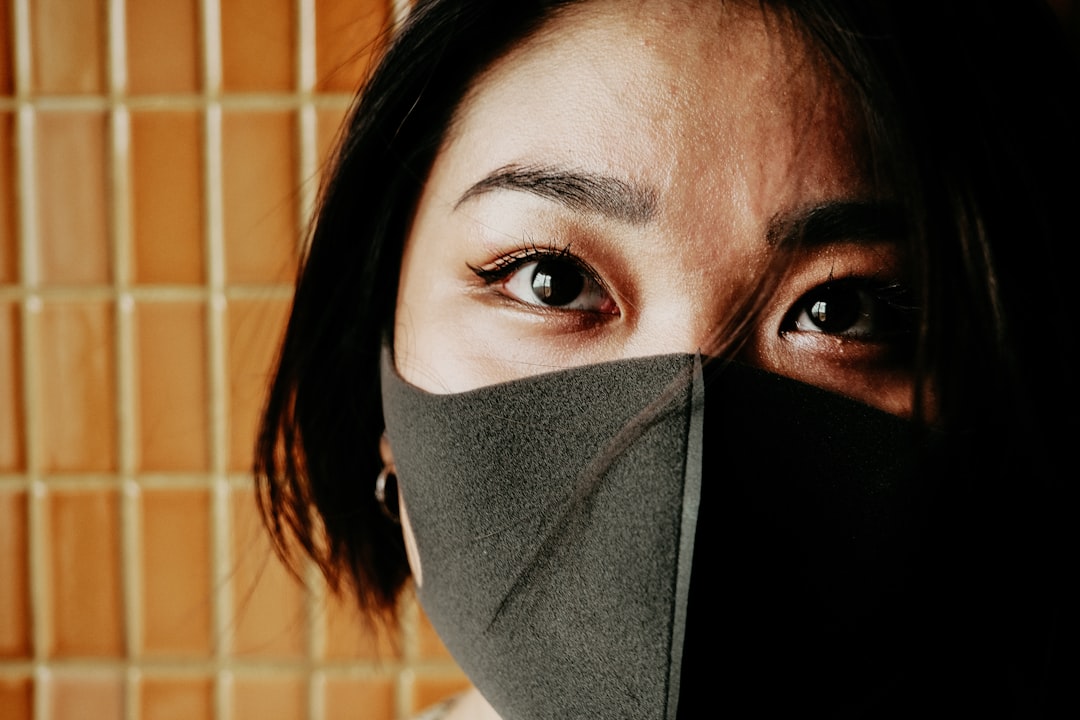
Why Korean Sheet Masks Are the #1 Solution for Dry, Dehydrated Skin
If you’ve ever peeled off a sheet mask and watched your reflection practically glow back at you, you already know the magic. But here’s something most people don’t realize: not all sheet masks are created equal, and finding the best Korean sheet masks for dry skin can mean the difference between a temporary moisture hit and genuinely transforming your skin barrier over weeks and months.
Korean beauty brands have been perfecting sheet mask technology since the early 2000s, and the innovation gap between K-beauty masks and Western drugstore options is still enormous in 2026. We’re talking about patented bio-cellulose fibers, double-serum delivery systems, and essence formulas packed with ceramides, hyaluronic acid, and fermented botanical extracts that Western brands are only beginning to catch up with.
I’ve personally tested over 200 Korean sheet masks in the past three years — through brutal New England winters, dry airplane cabins, and the aftermath of over-exfoliating accidents. This guide distills all of that into a definitive ranking of the best Korean sheet masks for dry skin, complete with ingredient breakdowns, price comparisons, and real-talk reviews. Whether you’re a sheet mask newbie or a 10-step routine veteran, you’ll walk away knowing exactly which masks deserve your money — and which ones are pure hype.
How Korean Sheet Masks Actually Work on Dry Skin (The Science)

The Occlusive Principle: Why Sheet Masks Beat Serums
Sheet masks work on a principle called occlusion. When the mask sits on your face, it creates a physical barrier that prevents the serum underneath from evaporating. This forces active ingredients deeper into the stratum corneum — the outermost layer of your skin — rather than simply sitting on the surface like a typical serum application.
For dry skin specifically, this matters enormously. Dry skin has a compromised moisture barrier, meaning water escapes from the skin faster than it can be replenished. A sheet mask essentially acts like a greenhouse for your face, trapping humidity against the skin for 15–20 minutes and allowing humectants like hyaluronic acid to draw moisture into the cells rather than pulling it from the dry air around you.
Studies published in the Journal of Cosmetic Dermatology have shown that sheet mask application can increase skin hydration by up to 40% more than applying the same serum without a mask. That’s not marketing — that’s measured transepidermal water loss (TEWL) data.
Key Ingredients to Look For (and Avoid)
When shopping for the best Korean sheet masks for dry skin, ingredients matter far more than packaging or brand hype. Here’s your cheat sheet:
Must-have ingredients for dry skin:
- Hyaluronic Acid (multiple molecular weights) — Holds up to 1,000x its weight in water. Low-molecular-weight HA penetrates deeper; high-molecular-weight HA forms a moisture-locking film on the surface.
- Ceramides (especially Ceramide NP and Ceramide AP) — These are the literal building blocks of your skin barrier. Replenishing them is essential for dry skin recovery.
- Snail Mucin (Filtrate) — Rich in glycoproteins, glycolic acid, and zinc, snail mucin repairs and hydrates simultaneously. Korean Snail Mucin Before and After: Real Results 2026
- Centella Asiatica (Cica) — Calms inflammation while boosting collagen synthesis. Perfect for dry skin that’s also sensitive or irritated.
- Squalane — A lipid-identical moisturizer that mimics your skin’s natural sebum. Lightweight but deeply nourishing.
- Panthenol (Vitamin B5) — Draws water into the skin and accelerates barrier repair.
- Rice Ferment Filtrate — Traditional Korean ingredient rich in amino acids and minerals that brighten while hydrating.
Ingredients to avoid if you have dry skin:
- Denatured alcohol (alcohol denat.) — Evaporates moisture and disrupts the barrier.
- Heavy fragrance loads — Synthetic fragrances can sensitize already-compromised dry skin.
- Witch hazel — An astringent that strips moisture. Fine for oily skin, terrible for dry.
Sheet Material Matters More Than You Think
Korean sheet masks come in several material types, and the fabric itself can determine how well the mask performs on dry skin:
| Material | Adherence | Serum Delivery | Best For | Price Range |
|---|---|---|---|---|
| Cotton/Pulp | Fair | Moderate | Budget everyday use | $1–$2 |
| Microfiber | Good | Good | Mid-range hydration | $2–$4 |
| Hydrogel | Excellent | Excellent | Intensive treatment | $4–$8 |
| Bio-Cellulose | Superior | Superior | Luxury deep hydration | $6–$15 |
| Cupra | Very Good | Very Good | Sensitive dry skin | $3–$6 |
For dry skin, hydrogel and bio-cellulose masks are the gold standard because they seal tightly against the skin, minimizing air gaps that cause premature drying. If you’re on a budget, look for cupra or high-quality microfiber — they deliver 80% of the performance at half the cost.
The 10 Best Korean Sheet Masks for Dry Skin: 2026 Definitive Ranking
After extensive testing across seasons, climates, and skin conditions, here’s our ranked list of the best Korean sheet masks for dry skin available in the US market right now.
1. Dr. Jart+ Ceramidin Facial Barrier Mask — Best Overall
Price: ~$8 per mask | Available at: Sephora, Amazon
This mask is the undisputed champion for dry skin. The formula is built around Dr. Jart+’s proprietary 5-Cera Complex — five types of ceramides that mirror the lipid composition of healthy skin. The sheet itself is a thick cellulose material soaked in a rich, milky essence that doesn’t drip or slide.
Key ingredients: Ceramide NP, Ceramide AP, Ceramide EOP, Panthenol, Allantoin, Hyaluronic Acid.
After 20 minutes, skin feels plump, calm, and deeply quenched. The hydration boost lasts well into the next morning — something most sheet masks can’t claim. If you only buy one mask from this list, make it this one.
2. Mediheal N.M.F Aquaring Ampoule Mask — Best Value
Price: ~$1.50 per mask (10-pack) | Available at: Amazon, Olive Young Global
Mediheal sells over 1 billion sheet masks worldwide, and this is their bestseller for a reason. N.M.F stands for Natural Moisturizing Factor — a complex of amino acids, ceramides, and hyaluronic acid that replenishes your skin’s own hydration system. The cotton sheet is thin enough to conform well to most face shapes and holds an impressive amount of essence.
Key ingredients: Sodium Hyaluronate, Ceramide 3, Amino Acid Complex (PCA, Urea, Trehalose), Witch Hazel-free formula.
At under $2 per mask, this is the one to stock up on for daily or every-other-day use. It won’t deliver the luxury feel of a bio-cellulose mask, but the hydration results are remarkably close to masks costing 5x more.
3. COSRX Balancium Comfort Ceramide Soft Cream Sheet Mask — Best for Sensitive Dry Skin
Price: ~$4 per mask | Available at: Ulta, Amazon, Sephora
COSRX reformulated this mask in late 2025, and it’s now even better. The “soft cream” formula is like applying a rich moisturizer via sheet mask — it’s thicker than typical essences and leaves a protective, non-greasy film on the skin.
Key ingredients: Ceramide NP, Centella Asiatica Leaf Water, Panthenol, Squalane, Madecassoside.
If your dry skin is also prone to redness, eczema flares, or irritation from retinol use, this is your mask. The centella and madecassoside combination is clinically studied for anti-inflammatory and wound-healing properties.
4. Sulwhasoo First Care Activating Mask — Best Luxury Pick
Price: ~$12 per mask | Available at: Sephora, Nordstrom
Sulwhasoo brings hanbang (traditional Korean herbal medicine) into the sheet mask game. The formula centers on their signature JAUM Activating Complex — a blend of five herbal roots including peony, lotus, Solomon’s seal, white lily, and rehmannia. The bio-cellulose sheet is premium-grade and fits like a second skin.
Key ingredients: JAUM Complex, Glycerin, Butylene Glycol, Peony Root Extract, Honey.
This is a special-occasion mask — before a big event, after a long flight, or when your skin needs serious rescue. The glow it delivers is genuinely noticeable, and the hydration depth surpasses virtually every other mask on this list.
5. Abib Gummy Sheet Mask Heartleaf Sticker — Best Fit & Adherence
Price: ~$3.50 per mask | Available at: Amazon, Olive Young Global
Abib’s “Gummy” line solved one of the biggest sheet mask problems: the mask sliding off your face. Their proprietary gummy-textured material sticks to your skin like a hydrogel but at a cotton-level price point. The Heartleaf variant adds soothing Houttuynia Cordata extract, which is fantastic for dry skin that’s also acne-prone.
Key ingredients: Houttuynia Cordata Extract, Panthenol, Allantoin, Hyaluronic Acid, Trehalose.
6. Laneige Water Sleeping Mask (Sheet Version) — Best Overnight Option
Price: ~$5 per mask | Available at: Sephora, Amazon
Laneige adapted their cult-favorite sleeping mask into a sheet format with their Sleep-Tox™ purifying technology. While not designed to sleep in, it delivers a similar deep-hydration experience in 20 minutes. The essence is enriched with their patented Moisture Wrap™ — a blend of evening primrose and apricot extracts.
Key ingredients: Hydro Ionized Mineral Water, Sleeping Microbiome, Squalane, Evening Primrose Extract.
7. SKIN1004 Madagascar Centella Ampoule Sheet Mask — Best Cica Mask
Price: ~$2 per mask | Available at: Amazon, iHerb
SKIN1004 sources their centella directly from Madagascar, where the plant grows in mineral-rich volcanic soil. The centella concentration is among the highest of any sheet mask on the market — you can literally feel the soothing effect within seconds of application.
Key ingredients: Centella Asiatica Extract (85%), Niacinamide, Panthenol, Hyaluronic Acid.
8. Innisfree Green Tea Seed Hyaluronic Acid Mask — Best Lightweight Hydration
Price: ~$2.50 per mask | Available at: Sephora, Amazon
Innisfree reformulated this classic with 4 types of hyaluronic acid in 2025, and it’s now a legitimate hydration powerhouse. The green tea seed oil provides a light emollient layer without feeling heavy — ideal if you have dry skin but dislike thick, creamy mask essences.
Key ingredients: Green Tea Seed Oil, Quad-Hyaluronic Acid Complex, Betaine, Trehalose.
9. Beauty of Joseon Calming Mask — Best Traditional Korean Formula
Price: ~$2.50 per mask | Available at: Amazon, Olive Young Global
Beauty of Joseon continues their streak of delivering luxury-quality formulas at drugstore prices. This mask uses soybean ferment filtrate and ginseng — both rooted in centuries of Korean skincare tradition — alongside modern humectants for a formula that hydrates, firms, and soothes simultaneously.
Key ingredients: Soybean Ferment Filtrate, Ginseng Root Water, Niacinamide, Ceramide NP.
10. Torriden DIVE-IN Low Molecular Hyaluronic Acid Mask — Best for Dehydrated Skin
Price: ~$2 per mask | Available at: Amazon, Olive Young Global
Torriden has become a viral sensation in 2025–2026, and this mask is the product that started it all. It uses a 5-weight hyaluronic acid complex with molecular weights ranging from 50 Da to 2,000 kDa — meaning it hydrates at every depth of the skin, from the surface down to the dermis. The formula is fragrance-free, essential-oil-free, and has a minimal ingredient list that dermatologists love.
Key ingredients: Pentavitin™, 5-HA Complex, Allantoin, Panthenol, Beta-Glucan.
If there’s a difference between dry skin (lacking oil) and dehydrated skin (lacking water), the Torriden mask targets dehydration specifically and better than anything else on this list.
Head-to-Head Comparison: Top 5 Masks at a Glance

To help you decide which of the best Korean sheet masks for dry skin fits your needs and budget, here’s a side-by-side breakdown:
| Mask | Price | Key Benefit | Material | Fragrance | Best For |
|---|---|---|---|---|---|
| Dr. Jart+ Ceramidin | $8 | Barrier repair | Cellulose | Light | Overall dry skin |
| Mediheal N.M.F | $1.50 | Daily hydration | Cotton | Mild | Budget-conscious |
| COSRX Balancium | $4 | Calm + hydrate | Microfiber | None | Sensitive dry skin |
| Sulwhasoo First Care | $12 | Herbal radiance | Bio-cellulose | Herbal | Luxury/special events |
| Abib Gummy Heartleaf | $3.50 | Soothing + fit | Gummy | None | Acne-prone dry skin |
How to Use Korean Sheet Masks for Maximum Hydration
The Perfect Sheet Mask Routine (Step-by-Step)
Getting the most out of your sheet mask isn’t just about slapping it on. Here’s the exact routine that maximizes hydration for dry skin:
- Double cleanse — Use an oil cleanser followed by a gentle water-based cleanser. Clean skin absorbs actives far more effectively.
- Apply toner while skin is still damp — A hydrating toner (like Klairs Supple Preparation Toner) preps the skin to receive the mask’s essence. Damp skin absorbs up to 10x more product than dry skin.
- Apply the sheet mask — Start from the forehead, smooth downward, and press out any air bubbles. The mask should sit flush against every contour of your face.
- Leave on for 15–20 minutes — Never longer. A drying mask will actually pull moisture back out of your skin through reverse osmosis. Set a timer.
- Remove and pat in the excess — Don’t rinse. Gently pat the remaining essence into your skin with your fingertips until fully absorbed.
- Seal with a moisturizer or sleeping pack — This is the step most people skip, and it’s the most important for dry skin. Without an occlusive layer on top, all that hydration will evaporate within hours. Use a cream with ceramides or squalane.
This routine pairs beautifully with a full glass skin regimen. How to Get Glass Skin at Home: 7-Step Routine (2026)
How Often Should You Use Sheet Masks?
For dry skin, 2–3 times per week is the sweet spot for most people. Daily masking is fine with gentle, fragrance-free formulas (like the Mediheal N.M.F or Torriden DIVE-IN), but masking too frequently with rich formulas can occasionally lead to milia — tiny white bumps caused by product trapped under the skin.
During winter months or when traveling to dry climates, you can safely increase frequency to every other day. During humid summer months, twice weekly is usually sufficient.
Pro Tips From Korean Dermatologists
Korean dermatologists and estheticians have shared several insider techniques that amplify sheet mask results:
- The “7-Skin Method” before masking: Apply 3–7 thin layers of hydrating toner before the mask. Each layer primes the skin to absorb more from the next layer, creating a hydration reservoir.
- Warm the mask packet: Place the sealed packet in warm (not hot) water for 2–3 minutes. Warm essence opens pores slightly and improves absorption.
- Use the leftover essence: Don’t throw away the packet — there’s usually 5–10 ml of extra essence inside. Apply it to your neck, chest, and hands.
- Refrigerate for de-puffing: Store masks in the fridge for a morning de-puffing treatment. The cold constricts blood vessels, reducing puffiness while the essence hydrates.
Korean Sheet Masks vs. Western Sheet Masks: Why K-Beauty Wins

You might wonder whether you even need to go Korean for your sheet masks. Can’t a $3 mask from Target do the same thing? Here’s why the answer is definitively no for dry skin specifically.
Formulation Philosophy
Korean skincare operates on the principle of layered, sustained hydration. K-beauty masks are formulated to work within a multi-step routine, designed to be absorbed and sealed — not to be a one-and-done product. Western masks often try to be “everything in one” and end up being nothing exceptional.
The ingredient concentrations also differ dramatically. A typical Korean essence mask contains 25–35ml of serum. Many Western masks contain 15–20ml and pad the formula with water and thickeners. That’s less active ingredient per application, which means less result. Allure’s roundup of best K-beauty products
Innovation Pace
South Korea’s sheet mask market is valued at over $400 million annually, driving relentless innovation. New material technologies — like Abib’s gummy sheets, hydrogel “melting” masks, and dual-phase oil-and-water masks — appear in Korea 18–24 months before they reach Western markets. By the time a US brand launches a “new” mask technology, Korean brands are already two generations ahead.
Korean brands also invest heavily in clinical testing. Brands like Dr. Jart+, Sulwhasoo, and AmorePacific publish peer-reviewed research on their formulations — something very few Western mass-market brands do for their sheet masks.
Seasonal Dry Skin Guide: Best Masks for Every Climate Challenge
Winter (Heating Season)
Indoor heating drops humidity to 15–25% — lower than the Sahara Desert. Your skin barrier cracks, flakes, and screams for lipids. This is the season for ceramide-heavy masks.
Top picks: Dr. Jart+ Ceramidin, COSRX Balancium. Use 3x/week. Follow with a heavy sleeping pack.
Summer (UV + Air Conditioning)
AC-blasted offices and UV exposure create a paradox: your skin is sun-damaged and dehydrated but also sweating. You need lightweight hydration that won’t clog pores.
Top picks: Torriden DIVE-IN, Innisfree Green Tea. Use 2x/week. Layer under a light SPF moisturizer the next morning.
Transitional Seasons (Spring/Fall)
Temperature swings and wind can irritate the barrier. Soothing + hydrating combos work best.
Top picks: Abib Gummy Heartleaf, SKIN1004 Centella. These calm reactivity while restoring moisture levels.
If you’re planning a trip to Korea during cherry blossom season, stock up on masks at Olive Young — prices are 30–50% lower than US retail. 7 Best Cherry Blossom Spots in Korea 2026: Hidden Gems
Budget Guide: Building a Sheet Mask Routine Under $20/Month

One of the best things about Korean sheet masks is that effective doesn’t have to mean expensive. Here’s how to build a complete dry-skin masking routine that costs less than a single fancy dinner:
The $18/month plan (3 masks per week):
- Mediheal N.M.F 10-pack: $15 on Amazon → 10 masks for everyday hydration
- Torriden DIVE-IN 5-pack: $10 on Amazon → 2 masks/month for deep dehydration days
Total: 12 masks/month for about $18. That’s $1.50 per treatment — less than a cup of coffee for skin that looks like you spent $200 at a spa.
If you can stretch to $30/month, add two Dr. Jart+ Ceramidin masks for your most intense dry days (post-retinol nights, harsh weather). The combination of budget daily masks plus targeted premium masks is exactly how Korean women approach their routines.
Ingredient Deep-Dive: Snail Mucin in Sheet Masks
No guide to the best Korean sheet masks for dry skin would be complete without addressing snail mucin — one of K-beauty’s most iconic (and initially alarming) ingredients.
Snail mucin filtrate contains a naturally occurring cocktail of glycoprotein enzymes, hyaluronic acid, glycolic acid, copper peptides, and zinc. For dry skin, the glycoprotein and hyaluronic acid content provides dual-action hydration: moisture is both attracted to and locked into the skin.
The COSRX Advanced Snail 96 Mucin Power Essence — while not a sheet mask itself — is the gold standard snail product, and several sheet masks incorporate similar concentrations. Look for masks listing Snail Secretion Filtrate in the top 3 ingredients for meaningful concentrations.
If you’re curious about the long-term benefits, we’ve documented real results extensively. Korean Snail Mucin Before and After: Real Results 2026 And for those specifically dealing with post-acne texture, snail mucin masks can accelerate healing. Snail Mucin Benefits for Acne Scars: 2026 Guide
Frequently Asked Questions About Korean Sheet Masks for Dry Skin
Can I use a Korean sheet mask every day if I have dry skin?
Yes, but choose wisely. Fragrance-free, lightweight formulas like Mediheal N.M.F or Torriden DIVE-IN are gentle enough for daily use. Avoid daily use of rich, heavily fragranced masks, as they can overwhelm the skin and cause milia or congestion. Most dermatologists recommend 3–4 times per week as the ideal frequency for dry skin types.
How long should I leave a sheet mask on dry skin?
15 to 20 minutes maximum. This is the single most important rule. Once the mask begins to dry, it reverses course and starts pulling moisture out of your skin through evaporation. Set a timer every single time. If the mask still feels wet at 20 minutes, that’s fine — but remove it at 20 regardless.
Should I wash my face after using a sheet mask?
No. After removing the mask, gently pat the remaining essence into your skin until it’s absorbed. Rinsing washes away the active ingredients you just spent 20 minutes infusing. The only exception is if you have a reaction — redness, itching, or burning — in which case rinse immediately with cool water.
What’s the difference between dry skin and dehydrated skin, and does it affect mask choice?
Dry skin is a skin type — it lacks natural oil (sebum) production. Dehydrated skin is a condition — it lacks water content and can happen to any skin type, including oily. For truly dry skin, choose masks with ceramides and squalane (lipid-replenishing). For dehydration, prioritize hyaluronic acid and panthenol (water-attracting). The Torriden DIVE-IN excels at dehydration; the Dr. Jart+ Ceramidin excels at true dryness.
Are expensive Korean sheet masks worth it over budget options?
Sometimes. Premium masks (like Sulwhasoo at $12) use higher-grade materials (bio-cellulose), higher active concentrations, and more sophisticated formulation technology. But the law of diminishing returns applies: a $2 Mediheal mask delivers roughly 70–80% of the hydration of a $12 Sulwhasoo mask. Budget masks are better for routine use; splurge masks are best reserved for weekly treatments or special occasions.
Can I use retinol and a sheet mask in the same routine?
Absolutely — in fact, it’s highly recommended for dry skin. Apply your retinol first, wait 5–10 minutes, then apply a soothing, hydrating sheet mask (COSRX Balancium or SKIN1004 Centella are ideal). The mask calms retinol-induced irritation while locking in hydration. This “retinol sandwich” technique is widely used by Korean dermatologists.
Related Posts You’ll Love
- How to Get Glass Skin at Home: 7-Step Routine (2026)
- Korean Snail Mucin Before and After: Real Results 2026
- Snail Mucin Benefits for Acne Scars: 2026 Guide
Suggested future articles:
- Best Korean Toners for Dry Skin: 2026 Ranking
- Korean Skincare Routine for Dry Skin: Complete Morning and Night Guide
- Best Korean Moisturizers With Ceramides: 2026 Guide
Your Dry Skin Deserves Better — Start Masking Today
If you’ve read this far, you now know more about the best Korean sheet masks for dry skin than 99% of skincare shoppers. You understand the science behind occlusion, you know which ingredients to look for (and avoid), and you have a ranked list of 10 masks tested by someone who’s actually put them on their face — not just read the press release.
Here’s the truth: dry skin is not a life sentence. With the right sheet masks used consistently 2–3 times per week, a proper application technique, and a sealing moisturizer on top, you can transform tight, flaky, uncomfortable skin into the kind of bouncy, dewy complexion that makes people ask what you’re using.
Start with the Mediheal N.M.F if you’re on a budget or the Dr. Jart+ Ceramidin if you want the best of the best. Either way, your skin will thank you within a week.
Have you tried any of these masks? Which one is your holy grail? Drop a comment below — I read every single one and love hearing about your results. And if this guide helped you, share it with a friend who’s been complaining about their dry skin all winter. Trust me, they’ll appreciate it.
For more K-beauty deep-dives, product rankings, and skincare science, bookmark this page and check back regularly — we update our rankings every quarter as new products launch and formulations change.