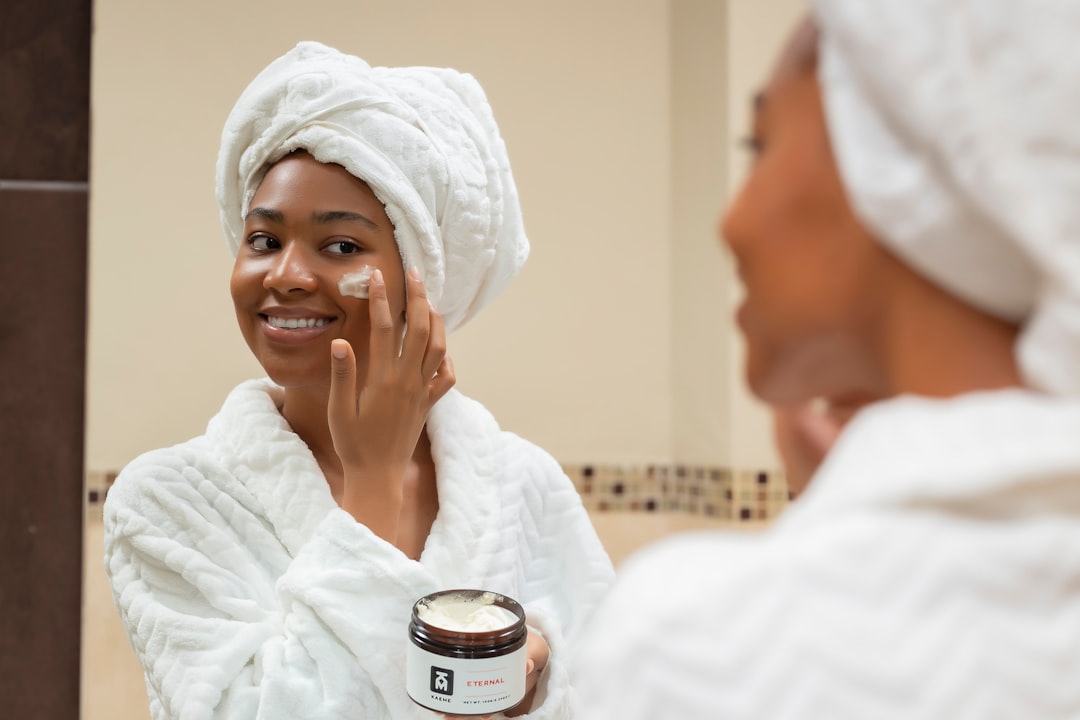
Why Snail Mucin, Centella, and Rice Are the Holy Trinity of K-Beauty
Picture this: you’re standing in the skincare aisle at Sephora, overwhelmed by dozens of serums promising glass skin, and every single one seems to feature at least one of three star ingredients — snail mucin, centella asiatica, or rice extract. There’s a reason for that. These three powerhouse ingredients have been used in Korean skincare for decades, long before the K-Beauty wave hit Western shores around 2015. In fact, Korean grandmothers have known about snail mucin benefits and the brightening magic of rice water since before Instagram existed.
But here’s the question that keeps skincare enthusiasts up at night: which one is actually best for YOUR skin? Should you layer all three? Are some just hype? In this deep-dive comparison guide, we’re breaking down the science, the real-world results, and the best products featuring each ingredient — so you can build a routine that actually works for your skin type, your climate, and your budget.
Whether you’re battling dry winter skin in New York, hormonal acne in humid Houston, or post-sun hyperpigmentation in LA, one (or more) of these ingredients belongs in your routine. Let’s find out which one. K-Beauty Trends 2025: The New K-Beauty Routine Guide
What Is Snail Mucin and Why Is Everyone Obsessed With It?

The Science Behind Snail Mucin Benefits
Snail mucin — technically called snail secretion filtrate (SSF) — is the mucus produced by the Cryptomphalus aspersa snail species. Before you cringe, consider this: a 2013 study published in the Journal of Drugs in Dermatology found that snail mucin significantly improved skin hydration, reduced fine lines, and decreased photoaging damage after just 12 weeks of use.
The magic lies in its composition. Snail mucin naturally contains:
- Glycoproteins — support skin’s natural repair process
- Hyaluronic acid — draws moisture into the skin (up to 1,000x its weight in water)
- Glycolic acid — gentle exfoliation for smoother texture
- Zinc — antimicrobial properties that help with acne
- Allantoin — soothes irritation and promotes cell regeneration
- Collagen and elastin — support firmness and bounce
What makes snail mucin benefits so unique is that no single synthetic ingredient replicates this exact combination. It’s essentially a multi-tasking cocktail that nature designed for wound healing — snails produce it to repair their own skin when damaged.
Who Should Use Snail Mucin?
Snail mucin is one of the most universally tolerated ingredients in K-Beauty, making it ideal for nearly every skin type. However, it truly shines for these concerns:
- Dehydrated skin: The hyaluronic acid content provides deep hydration without heaviness — perfect for those dealing with forced-air heating in winter or air-conditioned offices in summer.
- Acne-prone skin: Unlike heavy creams, snail mucin delivers moisture without clogging pores. The zinc content also offers mild antibacterial benefits.
- Post-procedure recovery: Dermatologists increasingly recommend snail mucin after chemical peels, microneedling, and laser treatments for its wound-healing properties.
- Anti-aging beginners (25-35): If you’re starting to notice fine lines but aren’t ready for retinol, snail mucin offers gentle collagen support.
Pro tip: If you live in a dry Western climate (Denver, Phoenix, Salt Lake City), snail mucin’s humectant properties work best when sealed with a good occlusive moisturizer on top. In dry air, humectants alone can actually pull moisture out of your skin.
Top Snail Mucin Products Worth Trying
1. COSRX Advanced Snail 96 Mucin Power Essence ($21-25, Amazon/Ulta) — The undisputed champion. With 96.3% snail secretion filtrate, this lightweight essence layers beautifully and has over 60,000 five-star reviews on Amazon. It absorbs in under 30 seconds and works under makeup.
2. COSRX Advanced Snail 92 All-in-One Cream ($18-22, Amazon/Ulta) — The cream counterpart, perfect as a final moisturizing step. The 92% concentration delivers a satisfying bouncy texture without greasiness.
3. Beauty of Joseon Revive Eye Serum with Ginseng + Retinal ($16, Sephora/Amazon) — While primarily a retinal product, its snail mucin base makes it exceptionally gentle around the delicate eye area.
The COSRX Snail Mucin Essence alone sells over one bottle every three seconds globally, making it one of the best-selling skincare products in history. That’s not just hype — that’s millions of people seeing real results. See Allure’s best K-Beauty picks for more recommendations
Centella Asiatica: The Calming Powerhouse Your Irritated Skin Needs
Understanding Centella’s Four Key Compounds (the “CICA” Complex)
Centella asiatica — also known as cica, tiger grass, or gotu kola — earned its legendary nickname because wounded tigers in Asia were observed rolling in the plant to heal their injuries. While that story may be partly folklore, the science behind centella is rock solid.
Centella’s power comes from four active compounds, collectively known as titrated extract of centella asiatica (TECA):
- Madecassoside — the strongest anti-inflammatory compound; reduces redness and calms irritation at the cellular level
- Asiaticoside — stimulates collagen type I synthesis, supporting wound healing and anti-aging
- Madecassic acid — boosts collagen type III production and strengthens skin barrier integrity
- Asiatic acid — promotes fibroblast proliferation, essentially helping your skin rebuild itself faster
A landmark 2012 study in the International Journal of Lower Extremity Wounds confirmed that centella extract accelerated wound closure by up to 40% compared to control groups. In skincare terms, this translates to faster recovery from breakouts, reduced post-inflammatory redness, and strengthened moisture barrier function.
Who Should Use Centella Asiatica?
If your skin is constantly throwing tantrums — redness, stinging, reactive breakouts, eczema flare-ups — centella should be your first call. It’s particularly excellent for:
- Sensitive/reactive skin: Centella is one of the few active ingredients that calms rather than stimulates. It won’t cause purging, tingling, or adjustment periods.
- Rosacea-prone skin: The anti-inflammatory properties of madecassoside specifically target the inflammation pathways involved in rosacea flare-ups.
- Acne recovery: Not for treating active acne (that’s where snail mucin benefits or targeted actives come in), but for healing the red marks and damaged barrier left behind after breakouts clear.
- Retinol users: If you’re using tretinoin or retinol and experiencing irritation, centella products are the perfect buffer — apply before or after retinol to reduce peeling and redness.
- Winter skin in harsh climates: Forced-air heating, sub-zero temperatures, and wind in cities like Chicago, Minneapolis, or Boston destroy your moisture barrier. Centella helps rebuild it.
Top Centella Products Worth Trying
1. Dr. Jart+ Cicapair Tiger Grass Color Correcting Treatment ($52, Sephora) — This iconic green-to-beige cream neutralizes redness while treating it. A cult favorite with over 15,000 reviews at Sephora and perfect for those who want skincare and light coverage in one step.
2. SKIN1004 Madagascar Centella Ampoule ($16-18, Amazon) — Pure centella extract in a lightweight ampoule format. No fragrance, no filler ingredients — just concentrated calm. The brand sources centella exclusively from Madagascar, where the plant grows in optimal conditions.
3. Purito Centella Unscented Serum ($15, Amazon) — Fragrance-free formulation that layers 49% centella extract with peptides and hyaluronic acid. Budget-friendly and gentle enough for twice-daily use.
4. COSRX Pure Fit Cica Serum ($22, Ulta/Amazon) — Features 76% centella water and is specifically formulated for acne-prone sensitive skin. The lightweight watery texture won’t trigger breakouts.
Rice Extract: The Brightening Secret Korean Women Have Used for Centuries

How Rice Works on Your Skin (It’s Not Just a Kitchen Ingredient)
Rice-based skincare dates back to Japan’s Edo period and Korea’s Joseon dynasty, where women used fermented rice water to cleanse their faces and maintain luminous complexions. Today, modern cosmetic science confirms what these women knew instinctively: rice contains powerful compounds that brighten, hydrate, and protect the skin.
The key active components in rice extract include:
- Ferulic acid — a potent antioxidant that neutralizes UV-induced free radicals (works synergistically with vitamins C and E)
- Phytic acid — a gentle, natural brightening agent that inhibits tyrosinase (the enzyme responsible for melanin production) without the irritation of hydroquinone
- Oryzanol — unique to rice, this compound has UV-absorbing properties and promotes microcirculation for a natural glow
- Inositol — promotes cell turnover and helps minimize the appearance of pores
- Vitamins B, C, and E — comprehensive antioxidant protection and brightening
A 2013 study in the Journal of Cosmetic Science demonstrated that rice bran extract reduced melanin production by up to 30% in vitro, making it a compelling alternative for people who can’t tolerate vitamin C serums or hydroquinone. When rice is fermented (as in many K-Beauty formulas), these active compounds become even more bioavailable — meaning your skin can absorb and use them more efficiently.
Who Should Use Rice Extract?
Rice is the K-Beauty ingredient for anyone chasing that coveted “glass skin” luminosity. It’s especially beneficial for:
- Dull, uneven skin tone: If your complexion looks flat, tired, or sallow — especially during gray winter months — rice extract delivers visible radiance within 2-3 weeks of consistent use.
- Hyperpigmentation and dark spots: Sun damage, melasma, and post-acne marks respond well to rice’s tyrosinase-inhibiting properties. It’s slower than hydroquinone but far gentler and safer for long-term use.
- Mature skin: The antioxidant profile protects against photoaging while ferulic acid boosts collagen preservation.
- Sensitive skin that can’t tolerate vitamin C: Many people experience stinging, redness, or breakouts with L-ascorbic acid serums. Rice extract offers comparable brightening without the irritation risk.
Korean Makeup vs Western Makeup: 7 Key Differences
Top Rice-Based Products Worth Trying
1. Beauty of Joseon Glow Serum: Propolis + Niacinamide ($14-17, Sephora/Amazon) — While propolis is the headliner, this serum’s rice bran water base provides the luminous glow that made it go viral on TikTok with over 500 million views under the tag #beautyofjoseon.
2. I’m From Rice Toner ($22-28, Amazon/Sephora) — Contains 77.78% rice extract from Yeoju, a region famous for premium rice in South Korea. This milky toner delivers instant brightness and has a cult following for its “chok chok” (dewy, plump) finish.
3. TONYMOLY I’m Real Rice Mask Sheet ($3, Ulta) — An affordable sheet mask entry point for rice skeptics. Use 2-3 times per week for cumulative brightening results. At this price point, there’s zero risk in trying it.
4. Sulwhasoo First Care Activating Serum ($89, Sephora/Nordstrom) — A luxury option that combines fermented rice with traditional Korean herbal medicine (hanbang). It’s pricey but delivers visible luminosity from the first application.
Head-to-Head Comparison: Snail Mucin vs. Centella vs. Rice
Now for the moment you’ve been waiting for. Let’s put all three ingredients side by side so you can see exactly how they compare across the categories that matter most. Understanding these differences is crucial for building a routine that targets YOUR specific concerns.
| Category | 🐌 Snail Mucin | 🌿 Centella | 🍚 Rice |
|---|---|---|---|
| Primary Benefit | Hydration + Repair | Calming + Barrier Repair | Brightening + Glow |
| Best For | Dehydrated, aging, acne-prone | Sensitive, rosacea, irritated | Dull, uneven, hyperpigmented |
| Results Timeline | 1-2 weeks (hydration), 8-12 weeks (texture) | 3-7 days (calming), 4-6 weeks (barrier) | 2-3 weeks (glow), 8-12 weeks (dark spots) |
| Irritation Risk | Very Low | Extremely Low | Very Low |
| Anti-Aging | ⭐⭐⭐⭐ | ⭐⭐⭐ | ⭐⭐⭐⭐ |
| Hydration | ⭐⭐⭐⭐⭐ | ⭐⭐⭐ | ⭐⭐⭐ |
| Brightening | ⭐⭐ | ⭐⭐ | ⭐⭐⭐⭐⭐ |
| Soothing/Calming | ⭐⭐⭐ | ⭐⭐⭐⭐⭐ | ⭐⭐ |
| Avg. Price Point | $15-25 | $15-52 | $14-28 |
| Layering Flexibility | Excellent (pairs with everything) | Excellent (buffer for actives) | Very Good (best as toner/serum step) |
Here’s what this comparison reveals: there is no single “best” ingredient. The best choice depends entirely on your primary skin concern. And the real secret? Most K-Beauty experts use all three in different steps of their routine — snail mucin benefits for hydration, centella for calming, and rice for brightening. That layering philosophy is what makes the Korean skincare approach so effective.
How to Layer All Three Ingredients in One Routine

The Morning Routine (Protect + Brighten)
In the AM, your goals are hydration, protection, and a glowing base for makeup (or sunscreen). Here’s the optimal layering order:
- Cleanse — gentle water-based cleanser
- Rice Toner — I’m From Rice Toner or similar; brightens and preps skin for absorption
- Centella Serum — if you’re using retinol at night, this morning layer soothes any residual irritation
- Snail Mucin Essence — COSRX 96 Mucin Essence; lock in hydration
- Lightweight Moisturizer — optional in humid climates
- Sunscreen SPF 50+ — non-negotiable, especially when using brightening ingredients
The Evening Routine (Repair + Treat)
- Double Cleanse — oil cleanser → water cleanser to remove sunscreen and makeup thoroughly
- Active Treatment — retinol, AHA/BHA, or vitamin C (2-3 nights per week)
- Centella Serum — buffer and calm after actives; apply within 60 seconds
- Snail Mucin Essence — deep repair while you sleep; snail mucin benefits are amplified during nighttime when skin’s repair cycle peaks between 11 PM and 2 AM
- Rice Sleeping Mask or Cream — seal everything in and wake up with that Joseon-dynasty glow
Key layering rule: Always go from thinnest to thickest consistency. Watery toners first, gel essences next, then creams and oils last. This ensures each layer absorbs properly rather than sitting on top of the previous one.
Budget-Friendly Complete Routine Under $75
You don’t need to spend hundreds to build an effective three-ingredient routine. Here’s a complete routine using all three hero ingredients for under $75 total:
- I’m From Rice Toner — $22
- SKIN1004 Centella Ampoule — $16
- COSRX Snail 96 Mucin Essence — $21
- COSRX Snail 92 Cream — $14
Total: approximately $73. Each product lasts 2-3 months with daily use, bringing your monthly cost to roughly $25-37 — less than a single facial at most spas. Compare that to a typical Western routine with separate hydrating serum ($45), calming treatment ($38), and brightening serum ($55), and K-Beauty’s value proposition becomes even clearer.
Skin Type Cheat Sheet: Which Ingredient to Prioritize
While layering all three is ideal, sometimes your skin needs you to lead with one ingredient and support with the others. Here’s your quick-reference guide based on skin type and primary concern:
Oily and Acne-Prone Skin
Lead with: Snail Mucin. The lightweight, non-comedogenic texture of snail mucin delivers hydration without triggering excess oil production. Many people with oily skin make the mistake of skipping hydration entirely, which actually causes the skin to overproduce oil to compensate. Snail mucin benefits include breaking this cycle by providing balanced moisture.
Support with: Centella to calm any active breakout inflammation. Skip heavy rice creams; opt for a rice toner instead.
Dry and Dehydrated Skin
Lead with: Snail Mucin + Rice. The hyaluronic acid in snail mucin pulls moisture in, while rice extract’s emollient properties help seal it. This combination is particularly effective in winter climates with low humidity and central heating — a common challenge in cities like Boston, Minneapolis, and Denver.
Support with: Centella if your dryness has progressed to barrier damage (flaking, stinging when applying products).
Sensitive and Rosacea-Prone Skin
Lead with: Centella. No question. Start with centella as your foundation, then slowly introduce snail mucin once your barrier stabilizes (usually after 2-4 weeks). Avoid fermented rice products initially, as fermentation can sometimes irritate highly reactive skin.
Combination Skin With Hyperpigmentation
Lead with: Rice. The brightening benefits address your primary concern, while the lightweight texture won’t overwhelm oily zones. Use snail mucin only in drier areas (cheeks, under-eyes) and centella on any red or irritated patches.
K-Beauty Trends 2025: The New K-Beauty Routine Guide
Common Myths and Misconceptions About These K-Beauty Ingredients
Myth 1: “Snail Mucin Is Gross and Unethical”
This is the number-one objection people raise when they first hear about snail mucin benefits. The “gross” factor fades the moment you try it — the product is a clear, slightly viscous gel that looks and feels like a hydrating serum. There’s no smell, no slime trail, nothing remotely unpleasant.
As for ethics: reputable K-Beauty brands like COSRX collect mucin using a stress-free “net” method where snails move across mesh surfaces and naturally secrete mucin without harm. The snails are not harmed in the process and are returned to their habitats afterward. However, if you’re strictly vegan and avoid all animal-derived ingredients, centella and rice are excellent plant-based alternatives.
Myth 2: “Centella and Cica Are Different Things”
Nope — “cica” is just short for centella asiatica. You’ll see both terms used interchangeably on Korean product labels. Some brands prefer “cica” for marketing because it sounds cleaner and more modern. Dr. Jart+ popularized the “Cicapair” branding, while brands like SKIN1004 stick with “Centella.” Same ingredient, same benefits.
Myth 3: “Rice Water DIY Is Just as Good as K-Beauty Products”
While rinsing your face with leftover rice water is a lovely tradition, it’s not comparable to formulated rice extract products. K-Beauty formulations use standardized concentrations of fermented rice extract with controlled pH levels, preservatives to prevent bacterial contamination, and complementary ingredients that boost bioavailability. DIY rice water varies wildly in concentration and can actually harbor bacteria if stored improperly.
Myth 4: “You Can’t Use Snail Mucin With Active Ingredients”
False. Snail mucin is one of the most compatible ingredients in skincare. It layers beautifully with retinol, vitamin C, niacinamide, AHAs, and BHAs. In fact, many dermatologists recommend applying snail mucin after retinol to reduce irritation and boost hydration. The only caveat: wait 1-2 minutes between your active and snail mucin to let the active absorb at its intended pH.
Frequently Asked Questions About Snail Mucin, Centella, and Rice
Can I use snail mucin, centella, and rice all in the same routine?
Absolutely — and many K-Beauty enthusiasts do exactly that. These three ingredients complement each other perfectly because they target different skin concerns without competing or interacting negatively. Layer them from thinnest to thickest: rice toner → centella serum → snail mucin essence → cream. Your skin will receive brightening, calming, and hydrating benefits simultaneously. This layering approach is a core principle of the Korean skincare philosophy.
How long does it take to see snail mucin benefits on my skin?
You’ll notice hydration improvements within 1-2 weeks — skin feels plumper, softer, and more supple. Texture improvements (smoother skin, reduced appearance of pores) typically appear around the 4-6 week mark. For more significant results like faded acne scars or reduced fine lines, give it a full 8-12 weeks of consistent, twice-daily use. Patience is key — skin cell turnover takes approximately 28 days, so meaningful change requires at least one full cycle.
Is snail mucin safe for fungal acne (malassezia folliculitis)?
This is a nuanced question. Pure snail mucin (like COSRX 96 Mucin Power Essence) is generally considered fungal-acne safe because it doesn’t contain fatty acids or esters that feed malassezia yeast. However, always check the full ingredient list of any product, as some snail mucin creams include additional oils or fatty alcohols that may not be fungal-acne friendly. When in doubt, cross-reference products on folliculitis-safe databases.
Are there any side effects or allergies associated with these ingredients?
All three ingredients have excellent safety profiles, but allergies are possible with any skincare ingredient. Snail mucin: rare allergic reactions have been reported in people with dust mite allergies, as snails and dust mites share certain proteins. Always patch test behind your ear for 24-48 hours. Centella: extremely rare allergic reactions; it’s one of the safest active ingredients available. Rice: those with rice or grain allergies should avoid rice-based products and opt for snail mucin or centella instead.
Can men use these K-Beauty ingredients too?
One hundred percent yes. Skin is skin — these ingredients don’t discriminate by gender. In fact, snail mucin is particularly popular among men in Korea because of its lightweight, non-greasy texture that won’t feel heavy or shiny. Men dealing with razor irritation benefit greatly from centella’s calming properties, while rice toner helps combat dullness from not wearing (or reapplying) sunscreen as consistently. K-Beauty for men is a rapidly growing category, and these three ingredients are the best starting point. K-Beauty Trends 2025: The New K-Beauty Routine Guide
Where can I buy authentic K-Beauty products in the United States?
Sephora now carries an extensive K-Beauty section including COSRX, Dr. Jart+, Beauty of Joseon, and Laneige. Ulta has expanded their Korean skincare offerings significantly since 2024. Amazon stocks nearly every brand mentioned in this article, but buy from verified brand storefronts to avoid counterfeits. Specialty retailers like Sokoglam, YesStyle, and Olive Young Global offer the widest selection and often have bundles and discovery sets for beginners.
Related Posts You’ll Love
If you enjoyed this deep dive into K-Beauty’s star ingredients, check out these related articles on our site:
- Korean Makeup vs Western Makeup: 7 Key Differences — discover how the philosophy behind K-Beauty extends to makeup application and product formulation
- Korean Convenience Store Food Haul: Must-Try Street Food Finds — because great skin also starts with what you eat, and Korean diet is rich in skin-friendly fermented foods
- K-Beauty Trends 2025: The New K-Beauty Routine Guide — stay ahead of the curve with the latest innovations in Korean skincare
Suggested future articles:
- Best K-Beauty Sunscreens Compared: Japanese vs Korean SPF Guide
- K-Beauty for Beginners: Your First 30-Day Korean Skincare Challenge
- Fermented Skincare Ingredients: Why Korean Brands Love Fermentation
Your Glass Skin Journey Starts Now
Here’s the beautiful thing about snail mucin, centella, and rice: you don’t need to choose just one. The Korean skincare philosophy has always been about layering complementary ingredients to address multiple skin concerns simultaneously — and these three work together like a dream team.
Start simple. Pick one product from each category, use them consistently for 4-6 weeks, and watch your skin transform. Whether you’re battling dryness, redness, dullness, or all three at once, the snail mucin benefits of deep hydration combined with centella’s calming power and rice’s luminous brightening will get you closer to that coveted glass skin than any single miracle product ever could.
Now it’s your turn: Which of these three K-Beauty ingredients have you tried? Did snail mucin live up to the hype? Are you a centella convert or a rice water devotee? Drop your experience in the comments below — we read every single one and love hearing about your skincare journeys.
If this guide helped you understand these ingredients better, share it with a friend who’s curious about K-Beauty — chances are, someone in your life is standing in that Sephora aisle right now, overwhelmed and needing exactly this breakdown.
Want more ingredient deep-dives, product reviews, and K-Beauty routine guides delivered straight to your inbox? Subscribe to our newsletter and never miss an update. Your best skin is waiting. 💧🌿✨