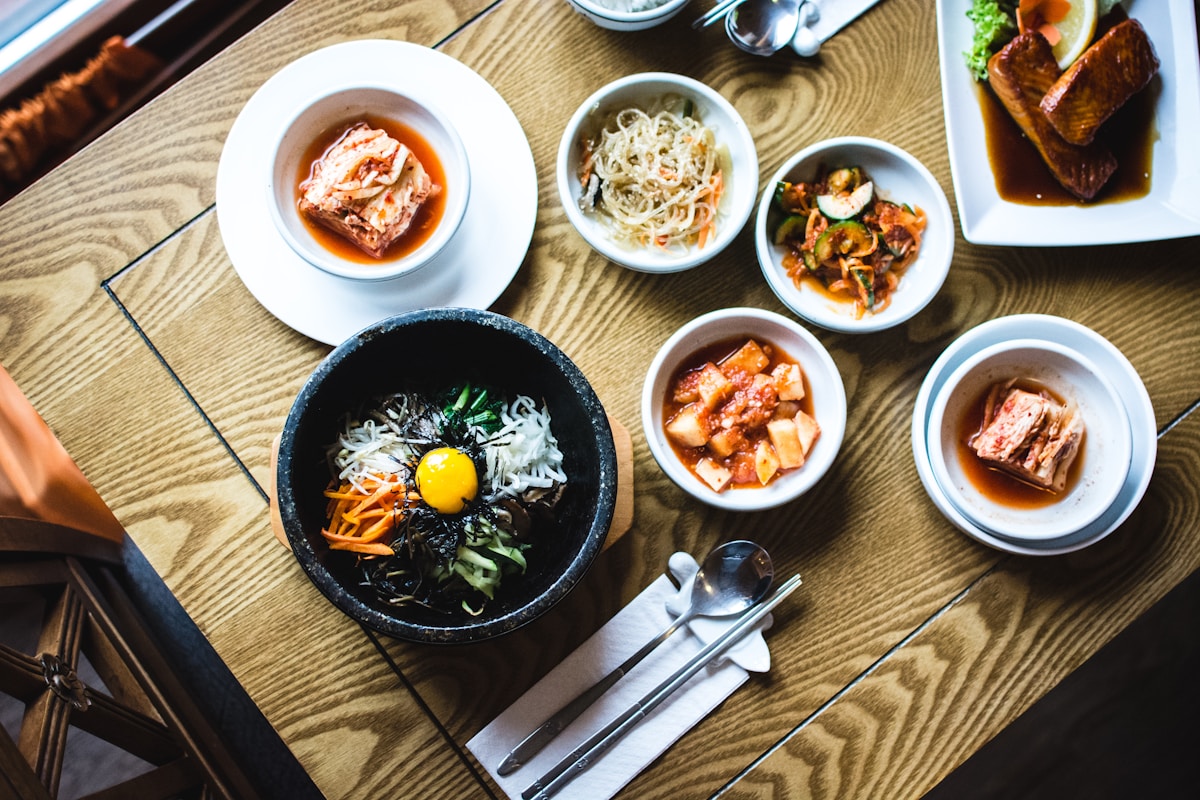
Imagine strolling through the bustling streets of Seoul, where the air is filled with the enticing aroma of sizzling meats and savory broth. Korean cuisine, known for its bold flavors and vibrant colors, has captured the hearts of food enthusiasts worldwide. From traditional dishes like kimchi to contemporary fusion cuisine, Korean food offers a unique culinary journey that reflects the country’s rich history and culture. In this article, we’ll explore the latest trends in Korean cuisine, spotlight some of the best dining spots, and provide practical tips for experiencing the best of Korean food in Hong Kong and beyond.

Understanding the Essence of Korean Cuisine
Quick Answer: Korean cuisine is characterized by its use of vibrant flavors, fermented ingredients, and a balance of textures and colors. Key dishes include kimchi, bulgogi, and bibimbap.
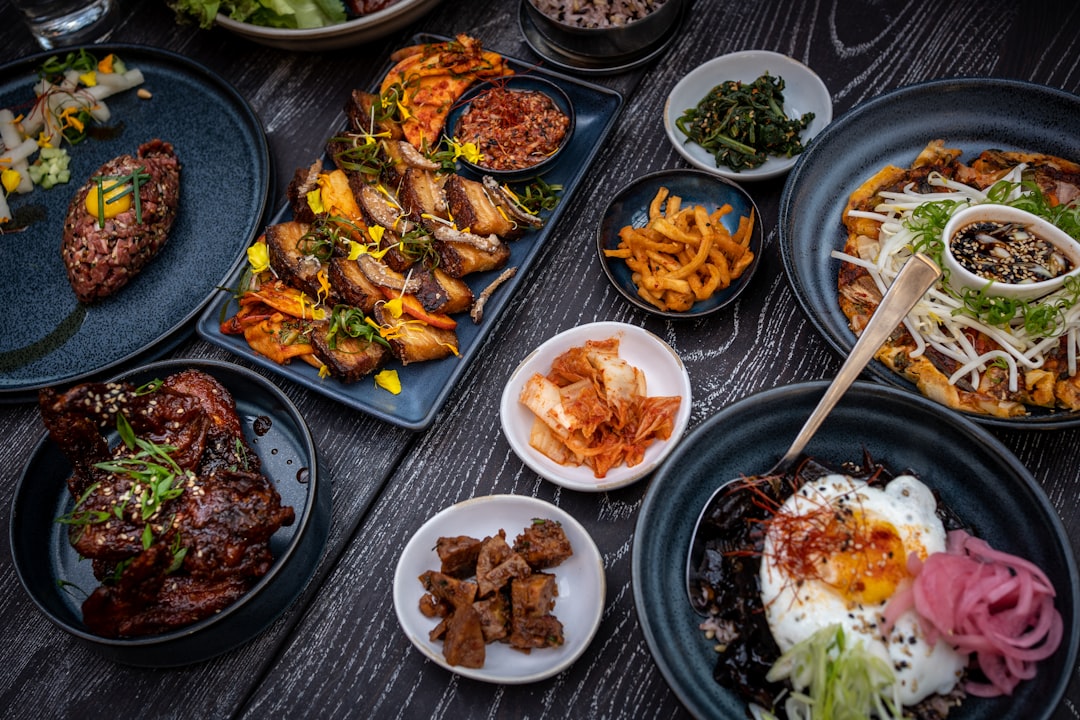
Korean cuisine is a harmonious blend of flavors, colors, and textures that reflect the country’s diverse culture and history. At its core, Korean food emphasizes balance and harmony, often achieved through the use of contrasting flavors and ingredients. A typical Korean meal includes a variety of banchan (side dishes), which are shared among diners and provide a range of tastes and textures.
According to a study by the Korean Food Promotion Institute, kimchi, a fermented vegetable dish, is perhaps the most iconic representation of Korean cuisine. It is served at nearly every meal and is known for its health benefits, including probiotics that aid digestion. Another staple is bulgogi, marinated beef grilled to perfection, often served with rice and lettuce wraps.
Key Takeaway: Korean cuisine is about balance and variety, with each meal offering a symphony of flavors that cater to all taste buds. Experience the essence of Korean cuisine by trying a variety of banchan alongside your main dishes.Learn more about kimchi here.
The Rise of Modern Korean Fine Dining
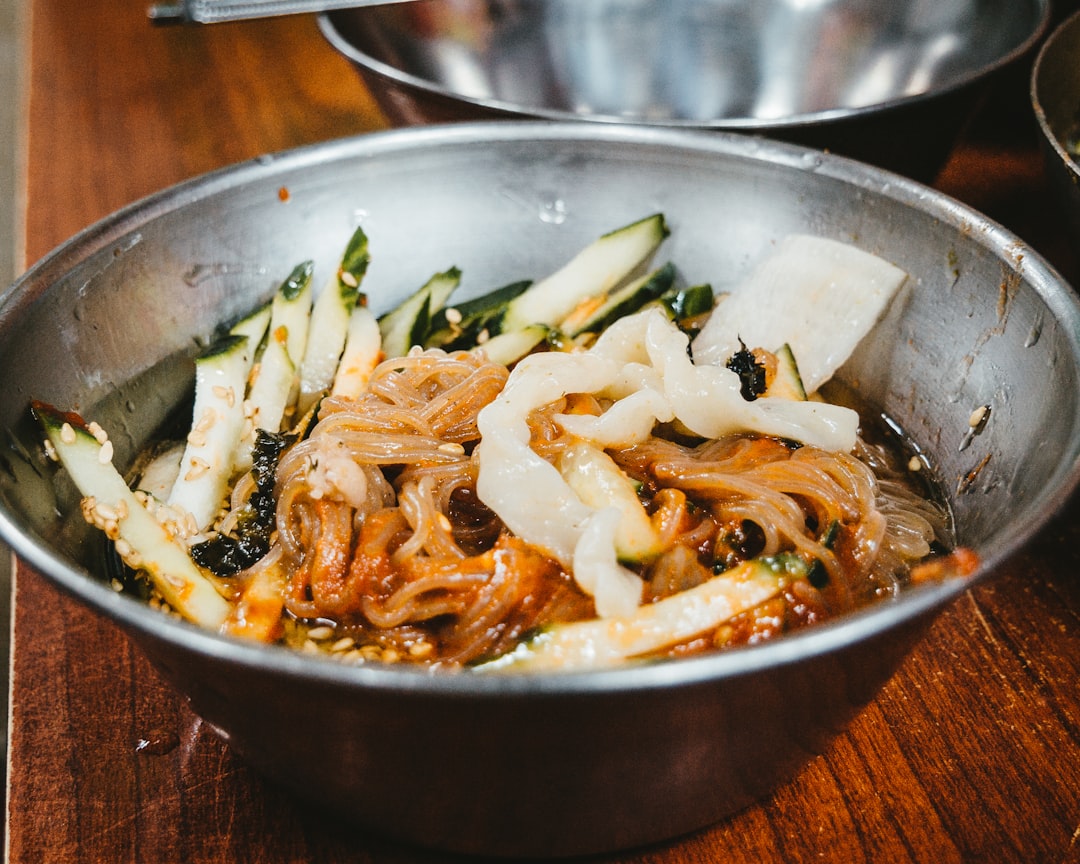
Recently, Korean cuisine has seen a surge in fine dining establishments that blend traditional flavors with modern culinary techniques. A notable example is Restaurant San in Seoul, which was named ‘One To Watch’ by Asia’s 50 Best Restaurants 2026. This restaurant exemplifies the potential of modern Korean fine dining, combining French influences with traditional Korean ingredients to create innovative dishes that captivate the palate.
Chef Kim Joon, the mastermind behind Restaurant San, believes that the future of Korean cuisine lies in its ability to innovate while staying true to its roots. His approach involves using locally sourced ingredients and incorporating elements of molecular gastronomy to enhance traditional dishes. The result is a dining experience that is both familiar and exciting.
Key Takeaway: Modern Korean fine dining offers a unique experience that marries tradition with innovation. Restaurants like San are setting the stage for a new era of Korean cuisine, where creativity and authenticity coexist.Explore more about modern Korean dining.
Street Food: The Heartbeat of Korean Culinary Culture
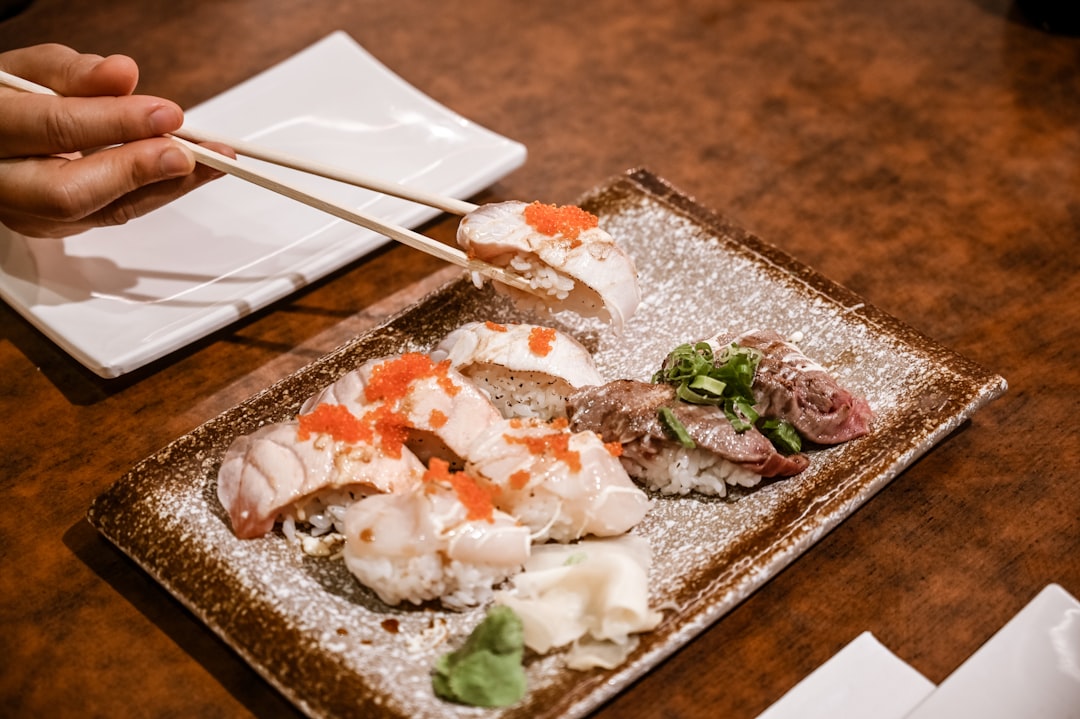
No exploration of Korean cuisine is complete without diving into its vibrant street food scene. In places like Myeongdong and Hongdae, street vendors offer a plethora of options ranging from tteokbokki (spicy rice cakes) to hotteok (sweet pancakes filled with brown sugar and nuts).
- Tteokbokki: Known for its spicy and sweet sauce, this dish is a favorite among locals and tourists alike.
- Odeng: Skewered fish cakes served in a warm broth, perfect for a quick snack on a chilly day.
- Gimbap: Korean rice rolls filled with vegetables and meat, often compared to sushi but with its own unique twist.
According to the Korea Tourism Organization, street food is not just about the food itself but also about the experience of eating while exploring the bustling streets. The casual, communal nature of street food is a quintessential part of Korean culture.
Key Takeaway: Korean street food offers a unique culinary adventure. From spicy tteokbokki to sweet hotteok, these dishes provide an authentic taste of Korea’s vibrant street culture.Discover more about Korean street food.

Korean BBQ: A Social Dining Experience
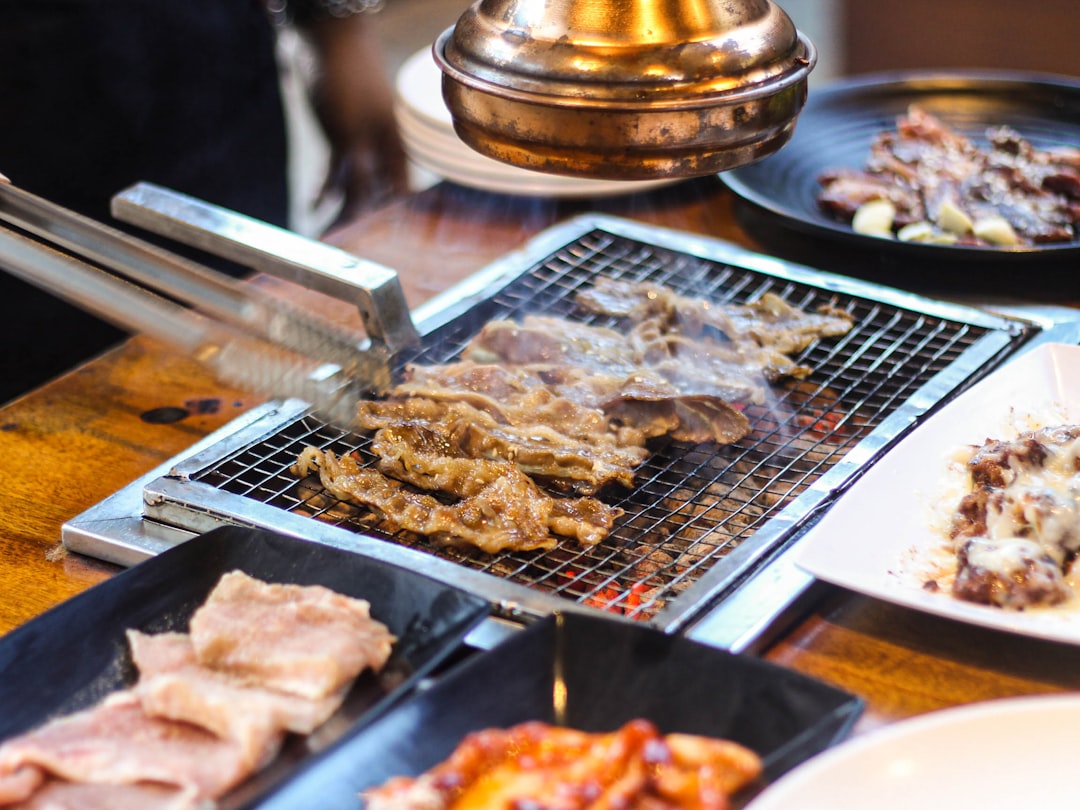
Korean BBQ is a beloved dining tradition that has gained popularity worldwide. It involves grilling various meats, such as beef, pork, and chicken, at the table, often accompanied by an array of side dishes and dipping sauces. This interactive dining experience is not just about the food but also about the social aspect of cooking and eating together.
In my experience living in Korea, Korean BBQ is more than just a meal; it’s an event. Friends and family gather around the grill, sharing stories and laughter as they cook their own meats to perfection. The communal nature of the meal fosters a sense of togetherness and camaraderie.
According to a 2025 survey by the Korean Food Promotion Institute, Korean BBQ is one of the most popular dining experiences among international visitors, with bulgogi and samgyeopsal (pork belly) being the top choices.
Key Takeaway: Korean BBQ is a must-try experience that combines delicious food with social interaction. Whether you’re a meat lover or a vegetarian, there’s something for everyone at the BBQ table.Check out our Korean BBQ guide.
The Health Benefits of Korean Cuisine
Korean cuisine is not only delicious but also nutritious. Many traditional dishes are rich in vegetables, lean proteins, and fermented foods, making them a healthy choice for those looking to maintain a balanced diet. Kimchi, for example, is packed with vitamins A, B, and C, as well as beneficial bacteria that promote gut health.
According to Dr. Lee Min-jung, a nutritionist at Seoul National University, the emphasis on fermented foods in Korean cuisine is one of its key health benefits. Fermented foods like kimchi and doenjang (soybean paste) are rich in probiotics, which can improve digestion and boost the immune system.
For those interested in exploring the health benefits of Korean food, consider incorporating more banchan into your meals. These small side dishes often include a variety of vegetables and fermented foods that are both tasty and nutritious.
Key Takeaway: Korean cuisine offers a wealth of health benefits, from its nutrient-rich ingredients to its emphasis on fermentation. Embrace the healthful aspects of Korean food by incorporating more banchan into your diet.Learn about the health benefits of Korean food.
Exploring Korean Cuisine in Hong Kong
For those in Hong Kong eager to explore Korean cuisine, there are numerous options available. From authentic Korean restaurants to bustling food markets, Hong Kong offers a taste of Korea right at your doorstep. Some popular spots include the Korean eateries in Tsim Sha Tsui and the vibrant Korean markets in Kowloon.
According to a 2026 report by the Hong Kong Tourism Board, Korean food has become one of the top foreign cuisines enjoyed by locals and tourists alike. This is reflected in the growing number of Korean restaurants and food stalls popping up across the city.
| Korean Restaurant | Location | Specialty Dish |
|---|---|---|
| Kimchi Kingdom | Tsim Sha Tsui | Kimchi stew |
| Seoul BBQ | Causeway Bay | Samgyeopsal |
| Bibimbap House | Kowloon | Bibimbap |
Key Takeaway: Hong Kong offers a diverse array of Korean dining experiences, from traditional dishes to modern interpretations. Whether you’re a local or a tourist, there’s no shortage of places to enjoy Korean cuisine in the city.Explore Korean food in Hong Kong.
Korean Ingredients: Where to Find Them in Hong Kong
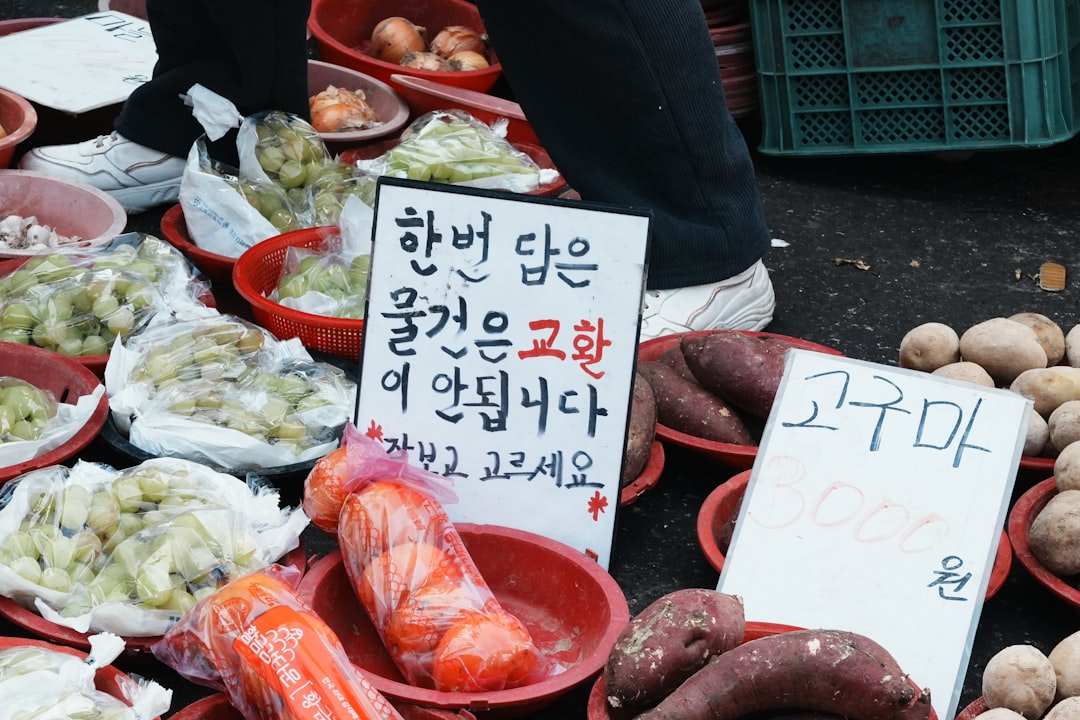
For those interested in cooking Korean dishes at home, sourcing authentic Korean ingredients is key. Fortunately, Hong Kong is home to several stores that offer a wide range of Korean products. Stores such as Sasa and HKTVmall provide everything from gochujang (Korean chili paste) to high-quality Korean soy sauce.
According to a survey by the Hong Kong Consumer Council, Korean ingredients are increasingly available in local supermarkets, reflecting the growing popularity of Korean cuisine in the region. For those looking to dive into Korean cooking, these stores offer a convenient way to access authentic ingredients.
Key Takeaway: Finding authentic Korean ingredients in Hong Kong is easier than ever, thanks to the availability of specialized stores and online platforms. Start your culinary journey by exploring these local options.Find Korean ingredients in Hong Kong.
FAQ
What are the must-try Korean dishes?
Some must-try Korean dishes include kimchi, bulgogi, bibimbap, and Korean BBQ. Each dish offers a unique taste of Korean culture and cuisine.
Where can I find authentic Korean food in Hong Kong?
Authentic Korean food can be found in areas like Tsim Sha Tsui and Causeway Bay, where a variety of Korean restaurants and food stalls offer traditional and modern dishes.
What makes Korean cuisine healthy?
Korean cuisine is healthy due to its emphasis on vegetables, lean proteins, and fermented foods, which are rich in probiotics and nutrients.
How can I recreate Korean dishes at home?
To recreate Korean dishes at home, source authentic ingredients from stores like Sasa or HKTVmall, and follow traditional recipes or modern interpretations.
What is the significance of banchan in Korean meals?
Banchan are small side dishes served with Korean meals, offering a variety of flavors and textures that complement the main dish.
How has Korean fine dining evolved?
Korean fine dining has evolved by incorporating modern techniques and international influences while staying true to traditional flavors, as seen in restaurants like San.
What are the benefits of fermented foods in Korean cuisine?
Fermented foods in Korean cuisine, like kimchi and doenjang, offer health benefits such as improved digestion and boosted immunity due to their probiotic content.
Why is Korean BBQ so popular?
Korean BBQ is popular because it offers an interactive dining experience where diners can cook their own meats, creating a social and enjoyable meal.
Conclusion
Korean cuisine is a rich tapestry of flavors, textures, and cultural significance. Whether you’re enjoying traditional dishes or exploring modern culinary innovations, Korean food offers something for everyone. With the growing popularity of Korean cuisine in Hong Kong and around the world, now is the perfect time to embark on your own culinary journey. Discover the vibrant flavors of Korea and bring a piece of its culinary heritage to your table.