
Are you a new pet parent looking after your puppy’s dental health? Proper care from day one can set the foundation for lifelong oral hygiene. In this comprehensive guide, we’ll dive into the best practices and products recommended by Korean experts to keep your furry friend’s teeth sparkling clean.

Why Does Dental Care Matter?
Watch: DOG GROOMING TUTORIAL – Step by Step Maltese haircut
Quick Answer: Starting dental care early is crucial for building trust between you and your puppy. Aim to lift their lips and gently touch their gums with a finger during the 8-12 week period.
Dental health plays a critical role in overall pet wellness, much like it does for humans. According to the American Veterinary Dental Society (AVDS), over 70% of dogs show signs of oral disease by age three. This highlights why early and consistent dental care is essential.
The Korean Ministry of Agriculture, Food and Rural Affairs emphasizes that preventative measures are key to avoiding costly treatments later on. In my experience living in Korea, owners often prioritize regular teeth cleaning sessions with their pets.
Key Takeaway: Consistency is the cornerstone of effective pet dental care.
Dental Care Essentials for Puppies
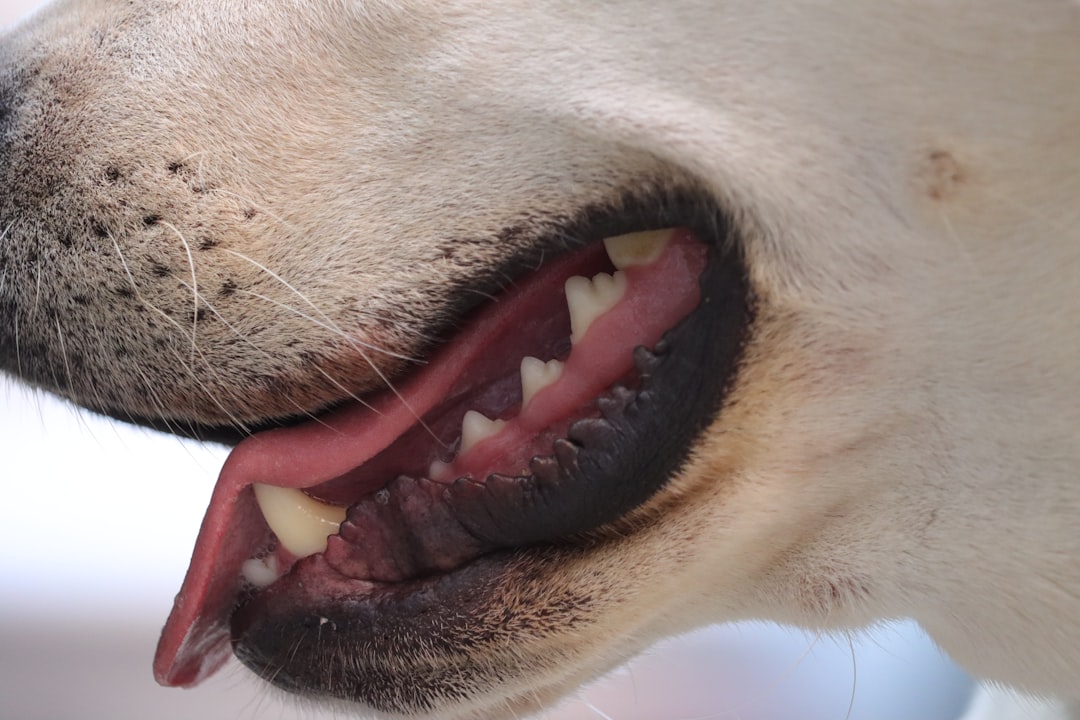
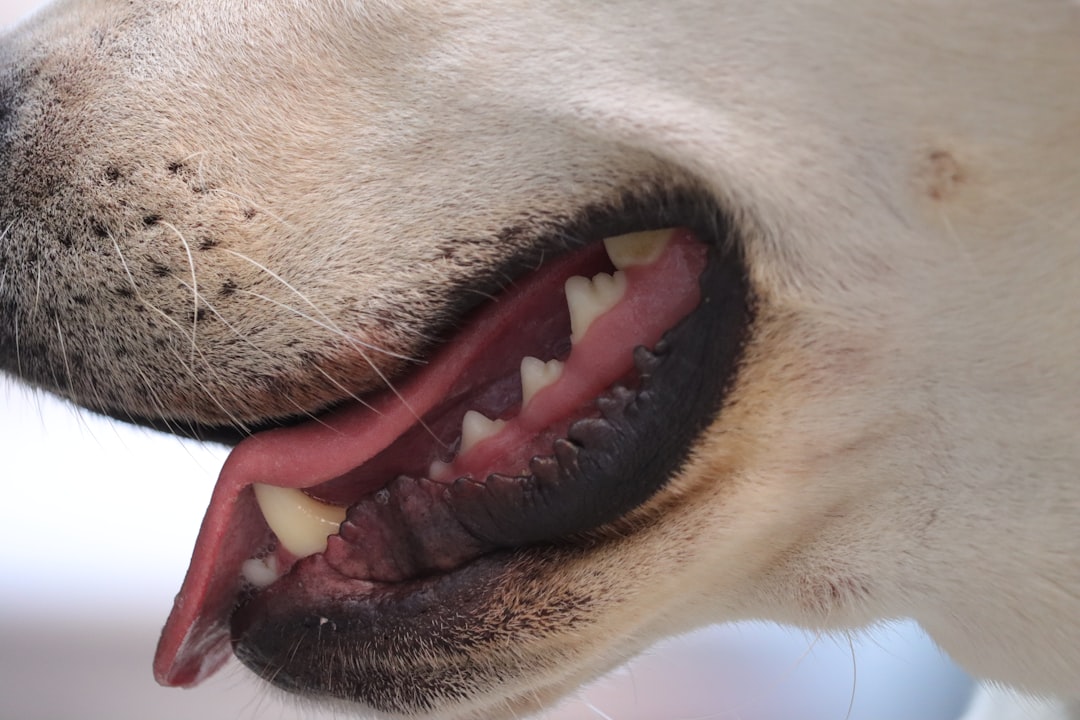
The first step towards a healthy mouth is familiarizing your puppy with daily routines. Start by gently lifting their lips and touching their gums during the 8-12 week period to establish trust (Pet Advice). This initial introduction will make future brushing sessions easier.
- Soft toothbrush: A soft-bristled brush can help clean teeth without causing irritation.
- Finger brushes: These work well for small mouths and give you better control.
- Microfiber cloth: Wrapping your finger with a piece of this cloth allows gentle cleaning along the gum line.
Key Takeaway: Introducing dental care early sets up positive associations that make brushing easier as they grow older.
Selecting the Right Toothpaste and Tools
The choice of toothpaste is critical since human products can be harmful to pets. Opt for pet-specific formulas like VETIQ Healthy+ (VETIQ), which contain ingredients safe for dogs and cats.
| Product | Flavors | Key Ingredients | Purpose |
|---|---|---|---|
| VETIQ Healthy+ | Chicken, Sweet Potato, Melon, Blueberry | Enzymes, Calcium | Taste and Clean Teeth |
| Junglemonster Nyang-chi Meong-chi (냥치멍치) | Rice, Chicken, Fish | Aloe Vera, Chamomile | Soothing Effect |
Key Takeaway: Use pet-safe toothpaste to avoid harmful ingredients.
Daily Brushing Techniques and Tips
A consistent routine is key to maintaining your pet’s oral health. Choose a time each day when you can dedicate quality time, such as after dinner or before bed (Jazz’s Wonderland).
- Start with short sessions: Begin by lifting the lip softly and brushing in small circles.
- Be patient: Take your time to build trust. Praise them for cooperating during sessions.
- Use positive reinforcement: Treats or verbal praise can make the experience more enjoyable.
Key Takeaway: Consistency and patience are crucial in establishing a daily routine.

Cleaning Hard-to-Reach Areas
Much of the plaque builds up on the outer surfaces, especially around back molars (Jazz’s Wonderland). This area can be challenging to reach but is important for preventing gum disease and bad breath.
- Use a dental water additive: These products contain ingredients that help reduce bacteria in your pet’s mouth.
- Introduce chew toys: Chewing helps remove plaque from teeth naturally.
- Consider professional cleanings: Regular visits to the vet can ensure thorough cleaning and early detection of issues.
Key Takeaway: Pay special attention to hard-to-reach areas for comprehensive oral care.
The Benefits of Routine Dental Care
Maintaining a regular dental routine offers numerous benefits beyond just clean teeth. Proper care can prevent periodontal disease, which affects the gums and supporting structures of the teeth (AVDS).
- Reduced risk of heart disease: Oral bacteria can enter the bloodstream, leading to systemic issues.
- Better breath: Regular brushing eliminates foul-smelling halitosis.
- Increased comfort: Preventative care reduces painful conditions like gingivitis and tooth decay.
Key Takeaway: Routine dental care enhances overall pet health and well-being.

Picking the Right Products for Your Pet
Choosing the right products is crucial to ensuring your pet’s comfort during brushing sessions. The Junglemonster Dentisoft Toothbrush features 0.01mm ultra-fine bristles, making it gentle yet effective (Junglemonster).
| Product | Description | Price Range ($) |
|---|---|---|
| Junglemonster Dentisoft Toothbrush | Slim head for precise cleaning, ultra-fine bristles. | $5-$7 |
| VETIQ Healthy+ | Flavored toothpaste with enzymes and calcium. | $4-$6 |
Key Takeaway: Invest in high-quality tools designed for pet safety.

Finding Time Amidst a Busy Schedule
Maintaining a regular routine can be challenging, especially with busy schedules. However, even brief daily sessions are better than infrequent long ones (Pet Advice).
- Set reminders: Use phone apps to schedule regular brushing times.
- Integrate into existing routines: Brush their teeth while grooming or during playtime.
- Incorporate into training: Teaching them basic commands can make sessions more engaging.
Key Takeaway: Find creative ways to fit dental care into your daily routine.

The Importance of Professional Cleanings
While at-home care is essential, professional cleanings by a veterinarian remain crucial. These sessions allow for thorough cleaning and early detection of potential issues (AVDS).
- Scheduled checkups: Regular visits can catch problems before they become severe.
- Dental X-rays: Imaging helps identify hidden issues like tooth decay or abscesses.
- Scaling and polishing: Professional tools remove tartar buildup more effectively than home methods.
Key Takeaway: Combine at-home care with professional cleanings for optimal oral health.

Frequently Asked Questions About Pet Dental Care
Q: How often should I brush my dog’s teeth?
A: Aim to brush your dog’s teeth at least 2-3 times per week. Daily brushing is ideal but not always practical.
Q: Can I use human toothpaste for my pet?
A: No, human toothpaste contains fluoride and other ingredients that are harmful if swallowed by pets. Use only pet-safe products designed specifically for dogs or cats.
Q: How do I know if my dog has dental problems?
A: Watch out for signs like bad breath, swollen gums, loose teeth, or difficulty eating. Consult your veterinarian if you notice any of these symptoms.
Q: Can brushing cause gum damage?
A: With proper technique and soft-bristled brushes, brushing should not cause harm. Be gentle when cleaning around the gum line to avoid irritation.
Q: Are chew toys beneficial for dental health?
A: Yes, chewing can help remove plaque and tartar from teeth naturally. Choose durable options designed specifically for dental care.