Why Tteokbokki Is Korea’s Most Irresistible Street Food
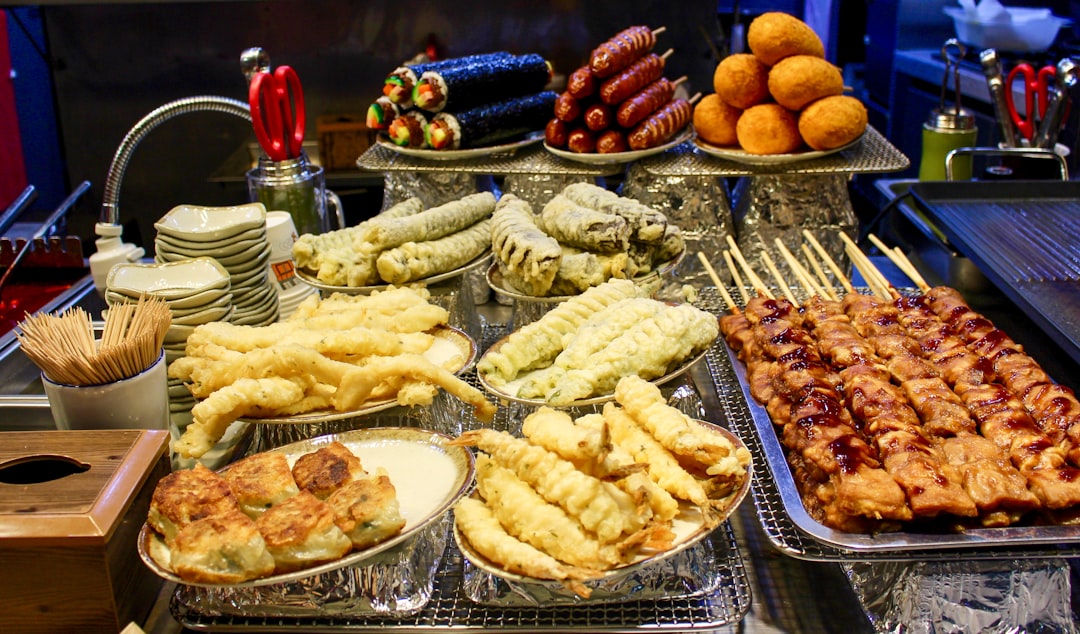
Picture this: you’re walking through the narrow, neon-lit alleyways of Seoul’s Myeongdong district on a chilly evening. The air is thick with steam rising from bubbling pots, and a sweet-spicy aroma pulls you toward a street vendor’s cart like a magnet. You watch as a vendor stirs thick, cylindrical rice cakes through a fiery red sauce, the gochugaru (Korean red pepper flakes) painting everything in a gorgeous crimson. She hands you a paper cup filled with glossy, bouncy rice cakes, and you take your first bite. The chew is unlike anything you’ve experienced — pillowy, stretchy, and satisfying in a way that’s almost addictive. The sauce hits next: sweet, then spicy, then deeply savory, building heat that makes you reach for another piece before you’ve even finished the first.
That experience is tteokbokki (떡볶이), and it’s been captivating taste buds across Korea for decades. What was once a humble royal court dish has transformed into the country’s most beloved street food — and now, thanks to the Korean Wave (Hallyu), it’s conquering kitchens worldwide. The best part? Making a tteokbokki recipe easy at home is far simpler than you might think.
In this comprehensive guide, I’ll walk you through everything you need to know: the history behind this iconic dish, the exact ingredients and equipment you’ll need, a foolproof step-by-step recipe, creative variations, and expert tips to make your homemade tteokbokki taste like it came straight from a Seoul street cart. Whether you’re a complete beginner or an experienced home cook looking to level up your Korean cooking game, this guide has you covered.
The Fascinating History and Cultural Significance of Tteokbokki

From Royal Court to Street Cart: A Culinary Transformation
Tteokbokki’s history stretches back to Korea’s Joseon Dynasty (1392–1897), but the version you know today is radically different from the original. The royal court version, called gungjung tteokbokki, was a savory stir-fried dish made with rice cakes, vegetables, and soy sauce — no spicy red sauce in sight. It was considered elegant fare, served alongside other elaborate dishes during royal banquets.
The transformation happened in the 1950s, during the aftermath of the Korean War. According to popular legend, a woman named Ma Bok-rim in the Sindang-dong neighborhood of Seoul accidentally dropped rice cakes into a pot of gochujang (fermented red chili paste). The result was so delicious that she began selling it, and the spicy version of tteokbokki was born. Sindang-dong remains famous for its “Tteokbokki Town” to this day — a cluster of restaurants dedicated entirely to this one dish.
Explore Korean food culture and history
Why Koreans Are Obsessed (and You Will Be Too)
Tteokbokki isn’t just food in Korea — it’s a cultural phenomenon. It ranks consistently as the #1 most popular street food in nationwide surveys. According to the Korea Agro-Fisheries & Food Trade Corporation, the domestic tteokbokki market was valued at over $3.5 billion USD in 2024, with exports growing by 25% year-over-year as international demand skyrockets.
For many Koreans, tteokbokki is deeply tied to childhood nostalgia. It’s the snack you’d grab with friends after school, spending just 2,000–3,000 won (about $1.50–$2.25 USD) for a heaping portion from a street vendor. It’s comfort food during exam season, a late-night craving after a night out, and a go-to dish when you need something warm, filling, and deeply satisfying.
The dish has also become a staple in K-dramas and variety shows, which has dramatically boosted its international profile. If you’ve ever watched a Korean drama where characters huddle around a bubbling pot of red rice cakes at a street stall, you’ve felt the pull. Korean Street Food Markets by City: 2026 Ultimate Guide
Essential Ingredients for the Perfect Tteokbokki Recipe Easy at Home
The Rice Cakes: Choosing the Right Tteok
The star ingredient is garaetteok (가래떡) — cylindrical rice cakes made from glutinous and non-glutinous rice flour. These are completely different from the flat, oval-shaped rice cakes used in tteokguk (rice cake soup). For tteokbokki, you want the thick, finger-length cylinders that deliver that signature chewy, bouncy texture.
Where to buy:
- H-Mart — The largest Asian grocery chain in the US, with locations in 15+ states. They carry both refrigerated and frozen garaetteok year-round. A 2 lb package typically runs $4.99–$6.99.
- Whole Foods — Many locations now stock Korean rice cakes in the international foods aisle, particularly the Whole Foods 365 brand or imported brands.
- Amazon — Brands like Chonga, Assi, and Wang are available with Prime delivery. Prices range from $5.99–$8.99 for a 2 lb bag.
- Local Korean markets — Often the freshest and cheapest option. Freshly made rice cakes from a local Korean bakery are incomparably soft and chewy.
Pro tip: If your rice cakes are frozen, soak them in room-temperature water for 30–60 minutes before cooking. If they’re refrigerated and stuck together, run them under warm water and gently separate them. Never microwave frozen rice cakes — they’ll turn mushy on the outside while remaining frozen inside.
The Sauce: Building Layers of Flavor
A great tteokbokki sauce balances four essential flavors: sweet, spicy, savory, and slightly smoky. Here’s what you’ll need:
| Ingredient | Amount | Purpose | Substitution |
|---|---|---|---|
| Gochugaru (red pepper flakes) | 2 tablespoons | Smoky heat, vibrant color | 1 tsp cayenne + 1 tbsp paprika |
| Gochujang (red pepper paste) | 1.5 tablespoons | Fermented depth, thick body | Sriracha + miso (not ideal) |
| Soy sauce | 1 tablespoon | Umami, saltiness | Tamari for gluten-free |
| Sugar (or corn syrup) | 1–2 tablespoons | Sweetness, gloss | Honey or maple syrup |
| Anchovy/kelp stock | 2 cups | Savory base, depth | Dashida or vegetable broth |
Gochugaru vs. gochujang: Many beginners confuse these two ingredients, but they serve very different purposes. Gochugaru is dried red pepper flakes — coarse, slightly sweet, and smoky. Gochujang is a thick, fermented paste made from red pepper, glutinous rice, and soybeans. Using both together creates the complex flavor profile that makes tteokbokki irresistible. Detailed Korean ingredient guides
Supporting Ingredients and Optional Add-Ins
The classic tteokbokki setup includes a few additional ingredients beyond the rice cakes and sauce:
- Eomuk (fish cakes) — Flat, processed fish cakes sliced into triangles. They absorb the sauce beautifully and add a mild, slightly sweet seafood flavor. Find them at H-Mart for about $3.99 per pack.
- Green onions (scallions) — Sliced on the bias, added in the last minute of cooking for freshness and color.
- Hard-boiled eggs — A classic addition. The eggs soak up the sauce and provide a creamy contrast to the chewy rice cakes.
- Cabbage — Napa or regular cabbage adds a slight sweetness and additional texture.
Popular premium add-ins: ramen noodles (making it rabokki), mozzarella cheese, dumplings (mandu), sliced sausage, or thinly sliced pork belly. We’ll cover these variations in detail below.
Step-by-Step Tteokbokki Recipe Easy at Home (Classic Version)

This tteokbokki recipe easy at home takes about 25 minutes from start to finish and serves 2–3 people. It’s beginner-friendly, requires no special equipment, and produces results that rival your favorite Korean restaurant.
Step 1: Prepare the Anchovy-Kelp Stock (5 Minutes)
A proper stock is what separates good tteokbokki from great tteokbokki. While you can use plain water, taking five extra minutes to make a quick stock adds incredible depth of flavor.
- Add 2.5 cups of water to a medium saucepan.
- Add 5–6 dried anchovies (heads and guts removed) and a 4-inch piece of dried kelp (dashima).
- Bring to a boil over medium-high heat, then reduce to a simmer for 5 minutes.
- Remove the anchovies and kelp with a slotted spoon. You should have approximately 2 cups of golden stock.
Shortcut option: Dissolve 1 teaspoon of Korean anchovy stock powder (dashida) in 2 cups of hot water. It’s not quite as good as the real thing, but it’s a perfectly acceptable weeknight shortcut. Available at H-Mart or Amazon for about $3.49.
Step 2: Mix the Sauce (2 Minutes)
While your stock is simmering, whisk together the sauce ingredients in a small bowl:
- 2 tablespoons gochugaru
- 1.5 tablespoons gochujang
- 1 tablespoon soy sauce
- 1.5 tablespoons sugar (adjust to taste)
- 1 teaspoon minced garlic (about 2 cloves)
Mix until smooth. Taste the paste — it should be intensely sweet-spicy-savory. Remember, it will mellow out significantly when combined with the stock and rice cakes.
Step 3: Cook the Tteokbokki (12–15 Minutes)
This is where the magic happens. The key is patience and steady stirring — you want the sauce to reduce and coat every rice cake in a thick, glossy layer.
- Pour the stock into a wide skillet or shallow pan (a wide pan works better than a deep pot because it allows the sauce to reduce faster and coat the rice cakes more evenly).
- Add the sauce mixture and stir to combine. Bring to a boil over medium-high heat.
- Add the rice cakes and fish cakes. Make sure the rice cakes are in a single layer as much as possible.
- Reduce heat to medium and cook for 8–10 minutes, stirring every 1–2 minutes to prevent sticking.
- The sauce will gradually thicken. You’ll know it’s ready when the rice cakes are soft and chewy (not hard in the center) and the sauce clings to them like a glaze.
- In the last minute, add sliced green onions and any hard-boiled eggs.
- Remove from heat and serve immediately.
Critical tip: Tteokbokki continues to thicken as it sits because the rice cakes absorb the sauce. If you’re not serving immediately, remove from heat slightly earlier than you think you should and add a splash of water when reheating. Overcooked rice cakes become mushy and lose their bounce — the texture should be al dente, with a satisfying chew.
Step 4: Serve and Enjoy
Transfer your tteokbokki to a wide, shallow bowl or serve it directly in the skillet for that authentic Korean street food presentation. Garnish with sesame seeds and additional sliced green onions.
Traditional Korean accompaniments include:
- Steamed white rice — to soak up the extra sauce
- Danmuji (yellow pickled radish) — the tangy crunch cuts through the richness perfectly
- A cup of iced barley tea (boricha) — the classic Korean beverage pairing for spicy food
5 Incredible Tteokbokki Variations to Try
Once you’ve mastered the classic tteokbokki recipe easy at home, it’s time to explore the exciting world of tteokbokki variations. Korean cooks have been remixing this dish for decades, and some variations have become iconic dishes in their own right.
1. Rabokki (라볶이) — Ramen + Tteokbokki
Rabokki is perhaps the most popular variation, combining instant ramen noodles with tteokbokki. The noodles absorb the spicy sauce and add a slurpable element to the chewy rice cakes. To make it, simply add one packet of Korean instant ramen noodles (Shin Ramyun is the classic choice) to your tteokbokki about 3 minutes before it’s done. Add an extra half cup of stock to account for the noodles absorbing liquid. The result is an outrageously satisfying one-pot meal that Korean college students swear by.
2. Cheese Tteokbokki (치즈떡볶이)
This variation has taken Korean social media by storm. Once your tteokbokki is done, create a well in the center and pile in 1–2 cups of shredded mozzarella cheese. Cover with a lid for 1–2 minutes until the cheese is melted and stretchy. The combination of fiery gochujang sauce and gooey, mild mozzarella is absolutely heavenly. Some restaurants serve this with a blowtorch for extra browning on top.
3. Gungjung Tteokbokki (궁중떡볶이) — Royal Court Style
For those who prefer non-spicy food, this soy sauce-based version is the original royal court recipe. Replace the gochugaru and gochujang with 3 tablespoons soy sauce, 1 tablespoon sesame oil, and 1 tablespoon sugar. Add julienned carrots, shiitake mushrooms, bell peppers, and thinly sliced beef. It’s savory, elegant, and perfect for guests who can’t handle heat.
4. Jjajang Tteokbokki (짜장떡볶이) — Black Bean Sauce
A fusion creation that swaps the red chili sauce for Korean black bean paste (chunjang). The result is a rich, slightly sweet, and deeply savory tteokbokki with a striking dark color. Add diced onions, zucchini, and pork belly for an incredible weeknight dinner.
5. Rose Tteokbokki (로제떡볶이) — Creamy Pink Sauce
The trendiest variation of the 2020s, rose tteokbokki combines the classic spicy sauce with heavy cream and sometimes tomato sauce, creating a pink, creamy, milder version that’s become hugely popular among younger Koreans. To adapt the basic recipe, reduce the gochugaru to 1 tablespoon and stir in ½ cup heavy cream and 2 tablespoons tomato paste near the end of cooking. It’s rich, indulgent, and incredibly Instagram-worthy.
7 Traditional Korean Desserts to Try in 2026 — the perfect follow-up to any tteokbokki feast.
Pro Tips for Restaurant-Quality Tteokbokki at Home

Mastering the Sauce Consistency
The #1 mistake home cooks make is ending up with sauce that’s either too watery or too thick. Here’s how to nail it every time:
- Too watery? Keep cooking on medium-high heat, stirring constantly. The rice cakes release starch that naturally thickens the sauce. If it’s still too thin after 12 minutes, mix 1 teaspoon of cornstarch with 1 tablespoon of cold water and stir it in.
- Too thick? Add stock or water, 2 tablespoons at a time, until you reach your desired consistency. The ideal sauce should coat the back of a spoon but still flow easily.
- Perfect consistency: Think of it like a thick gravy — it should cling to the rice cakes and pool slightly on the plate, but not be gloopy or pasty.
Adjusting the Spice Level
Korean spice levels can be intense for first-timers. Here’s a heat scale to customize your tteokbokki:
| Spice Level | Gochugaru | Gochujang | Notes |
|---|---|---|---|
| Mild 🌶️ | 1 tbsp | 1 tbsp | Good for kids and spice-sensitive eaters |
| Medium 🌶️🌶️ | 2 tbsp | 1.5 tbsp | Classic street food level (our recipe) |
| Hot 🌶️🌶️🌶️ | 3 tbsp | 2 tbsp | For experienced spice lovers |
| Korean Hot 🌶️🌶️🌶️🌶️ | 4 tbsp | 2.5 tbsp | Add fresh chili for extra kick |
Pro tip: Adding more sugar or corn syrup tames the heat without diluting the flavor. Korean street vendors use a surprising amount of sugar — sometimes up to 3 tablespoons — because sweetness counterbalances and rounds out the spice beautifully.
Storage and Reheating
Tteokbokki is best eaten fresh, but leftovers can be stored in an airtight container in the fridge for 2–3 days. The rice cakes will harden as they cool — this is normal.
To reheat: Add the tteokbokki to a pan with 2–3 tablespoons of water or stock. Heat over medium heat, stirring frequently, until the rice cakes soften and the sauce loosens. Do not microwave — it heats unevenly and can make the rice cakes rubbery in some spots and mushy in others.
Can you freeze tteokbokki? You can freeze the uncooked rice cakes for up to 6 months, but freezing the finished dish is not recommended. The texture degrades significantly after thawing.
Where to Buy Tteokbokki Ingredients in the US
In-Store Options
Finding tteokbokki ingredients has never been easier in the United States. The Korean food boom means most major grocery stores now carry at least the basics:
- H-Mart — Your one-stop shop. Available in 15 states with 97 locations. They carry every ingredient listed in this guide, plus pre-made tteokbokki kits for around $5.99–$7.99.
- Whole Foods Market — Carries gochujang (often the Mother-in-Law’s Kimchi brand), rice cakes, and gochugaru in many locations.
- Trader Joe’s — Their Korean Rice Cakes with Sweet & Spicy Sauce ($3.99) is a popular frozen option, though purists will find it lacking compared to homemade.
- Target — Now stocks Bibigo and CJ brand Korean sauces and frozen rice cakes in the international aisle.
- Costco — Increasingly carries Korean food items, including large packs of rice cakes and gochujang at warehouse prices.
Online Shopping
If you don’t have a Korean grocery store nearby, online retailers have you covered:
- Amazon — Search for “tteokbokki kit” and you’ll find complete meal kits from brands like Yopokki, Dongwon, and CJ for $5–$12. Great for beginners who want to test the waters before buying individual ingredients.
- Weee! — An Asian grocery delivery service available in most major US metro areas. Excellent selection of fresh and frozen Korean ingredients.
- Seoul Mills (seoulMills.com) — Specializes in premium Korean pantry staples shipped directly to your door.
Budget tip: A complete homemade tteokbokki for 3–4 servings costs approximately $8–$12 in ingredients, compared to $12–$18 for a single serving at a Korean restaurant. Once you have the pantry staples (gochugaru, gochujang, soy sauce), subsequent batches cost even less — around $4–$6 total.
Nutritional Information and Dietary Adaptations
Nutrition Breakdown
A typical serving of tteokbokki (about 1.5 cups) contains approximately:
- Calories: 380–450 kcal
- Carbohydrates: 75–85g (primarily from rice cakes)
- Protein: 8–12g (more with fish cakes and eggs)
- Fat: 3–5g (it’s naturally low-fat)
- Sodium: 800–1,200mg
- Fiber: 2–3g
Tteokbokki is naturally low in fat and provides a good source of energy from complex carbohydrates. The capsaicin in gochugaru has been studied for its potential metabolism-boosting and anti-inflammatory properties. However, it is a carb-heavy dish, so portion control matters if you’re watching your intake.
Making Tteokbokki for Special Diets
Vegan/Vegetarian: Swap the anchovy-kelp stock for vegetable broth or mushroom stock. Skip the fish cakes or substitute with fried tofu puffs. Check your gochujang label — most brands are vegan, but some contain anchovy extract. Sempio and Chung Jung One brands are reliably vegan.
Gluten-free: Rice cakes are naturally gluten-free, but check your gochujang — traditional recipes use wheat flour. Look for specifically labeled gluten-free gochujang, or use tamari instead of soy sauce and a certified gluten-free gochujang brand.
Lower-carb adaptation: While tteokbokki is inherently a rice-based dish, you can reduce the carb load by using fewer rice cakes and adding more vegetables like cabbage, mushrooms, and zucchini. Some creative cooks have experimented with konjac rice cakes as a lower-calorie alternative, though the texture is notably different.
Frequently Asked Questions About Making Tteokbokki at Home
What does tteokbokki taste like?
Tteokbokki has a complex sweet-spicy-savory flavor profile. The dominant flavors are the fruity heat from gochugaru, the deep fermented savoriness of gochujang, and a pronounced sweetness that balances the spice. The rice cakes themselves are fairly neutral in flavor but have an incredibly satisfying chewy, bouncy texture (similar to fresh mochi or thick gnocchi). Many first-timers describe it as “addictive” — the combination of flavors and textures keeps you reaching for more.
Can I make tteokbokki without gochujang?
While gochujang is ideal, you can create a passable substitute by mixing 1 tablespoon red miso paste + 1 teaspoon sriracha + ½ teaspoon sugar per tablespoon of gochujang called for. The flavor won’t be identical — you’ll miss the unique fermented depth of real gochujang — but it will get you in the ballpark. That said, gochujang is now widely available at most US grocery stores for $4–$7, so I’d strongly recommend picking up a tub. It lasts for months in the fridge and is useful in dozens of Korean recipes.
How do I prevent my rice cakes from sticking together?
Rice cakes stick together because of their starch content. To prevent this: (1) If frozen, soak them in room-temperature water for 30–60 minutes before cooking — never soak in hot water, which makes them sticky. (2) Stir your tteokbokki frequently during cooking, at least every 1–2 minutes. (3) Make sure there’s always enough liquid in the pan. If the sauce gets too thick, the rice cakes will clump. Add a splash of stock or water as needed. (4) Serve immediately — rice cakes harden and stick as they cool.
Is tteokbokki gluten-free?
The rice cakes themselves are naturally gluten-free since they’re made from rice flour. However, two common ingredients may contain gluten: gochujang (which often includes wheat) and fish cakes (which contain wheat flour as a binder). For a fully gluten-free version, use certified gluten-free gochujang and skip the fish cakes or substitute with tofu. Always read labels carefully, as formulations vary by brand.
How spicy is tteokbokki? Can kids eat it?
Standard Korean street-style tteokbokki is moderately spicy — roughly equivalent to a medium Buffalo wing. However, you have complete control over the heat level when making your tteokbokki recipe easy at home. For kids, reduce the gochugaru to 1 tablespoon and the gochujang to 1 tablespoon. You can also increase the sugar slightly. Many Korean parents feed their children a milder version starting from around age 4–5, and it’s one of the most popular after-school snacks in Korea.
Can I make tteokbokki ahead of time for a party?
Tteokbokki is best served fresh because the rice cakes harden as they cool. However, you can prep the sauce and stock up to 2 days ahead and store them separately in the fridge. When you’re ready to serve, simply heat the stock and sauce in a pan, add the rice cakes, and cook for 10–12 minutes. This “prep-ahead, cook-last-minute” approach lets you serve piping hot tteokbokki with minimal effort. For parties, consider setting up a tteokbokki station with a portable burner and letting guests customize their own bowls with various toppings.
Related Posts You’ll Love
If you enjoyed learning about tteokbokki, explore more of our Korean culture and food guides:
- Korean Street Food Markets by City: 2026 Ultimate Guide — Discover where to find the best tteokbokki and more across Seoul, Busan, and beyond.
- 7 Traditional Korean Desserts to Try in 2026 — The perfect sweet ending after a spicy tteokbokki meal.
- Korean Cafe Study Room Experience: Complete Guide 2026 — Explore Korea’s unique cafe culture where you can enjoy snacks like tteokbokki in cozy study spaces.
Suggested future articles:
- 10 Essential Korean Pantry Staples Every Home Cook Needs
- Korean Fried Chicken at Home: Ultimate Recipe Guide 2026
- Kimchi Jjigae for Beginners: Easy Korean Stew Recipe
Ready to Make Your First Batch?
There’s something deeply satisfying about making tteokbokki at home for the first time. The moment you see that glossy red sauce bubbling away, filling your kitchen with the sweet-spicy aroma of gochugaru, you’ll understand why millions of Koreans consider this their ultimate comfort food. And with this tteokbokki recipe easy at home, you’re just 25 minutes away from that experience.
Here’s my challenge to you: Try making this recipe this weekend. Start with the classic version, then work your way through the variations. Rabokki on Monday, cheese tteokbokki on Wednesday, rose tteokbokki for date night on Friday. Before you know it, you’ll have a whole repertoire of Korean rice cake dishes in your cooking rotation.
I’d love to hear how your tteokbokki turns out! Drop a comment below with your experience — did you adjust the spice level? Try any creative add-ins? Snap a photo and share it with us. And if you found this guide helpful, share it with a friend who’s been curious about Korean cooking. Everyone deserves to experience the magic of a perfectly made bowl of tteokbokki.
Don’t miss our next recipe! Subscribe to our newsletter for weekly Korean cooking guides, K-culture deep dives, and insider tips delivered straight to your inbox. Next week, we’re tackling another Korean street food classic — stay tuned!