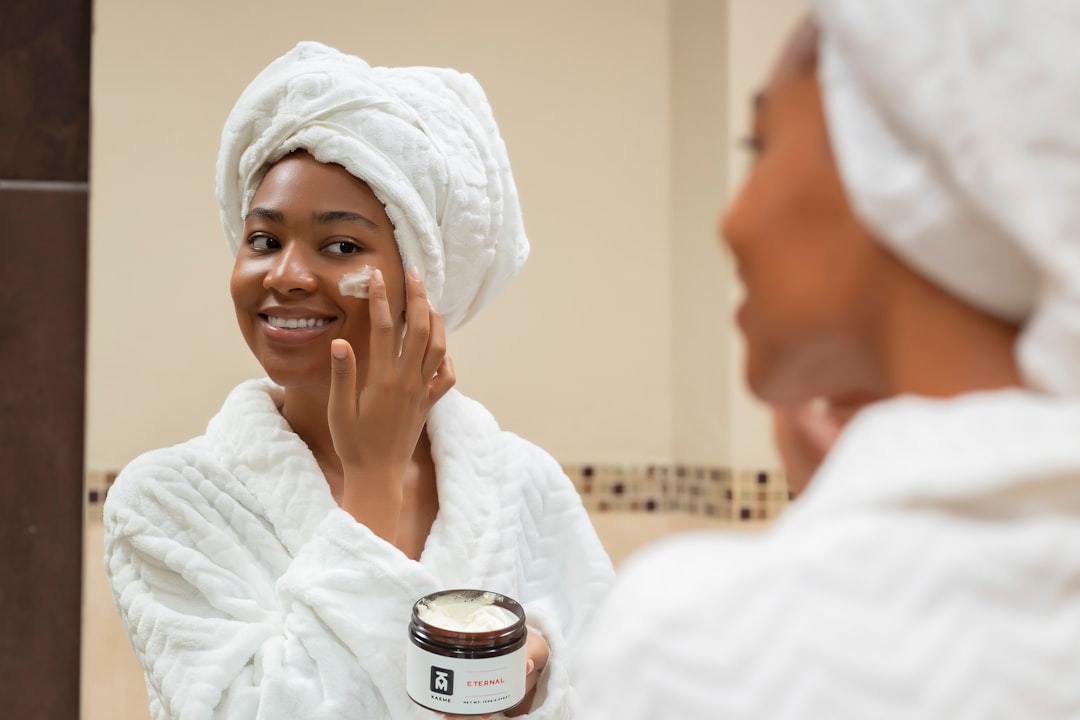
If you’ve ever scrolled through a K-Beauty aisle—whether at Sephora, Ulta, or deep in the rabbit hole of Amazon reviews—you’ve probably noticed three ingredients showing up everywhere: snail mucin, centella asiatica, and rice extract. These aren’t just trendy buzzwords. They’re the backbone of Korean skincare science, backed by decades of formulation research and, increasingly, by Western dermatological studies. But here’s the real question that thousands of skincare enthusiasts are Googling every single day: when it comes to snail mucin vs centella asiatica benefits, which one actually deserves a permanent spot in your routine? And where does humble rice fit into this powerhouse trio? In this comprehensive guide, we’re breaking down the science, the real-world results, and the exact products worth your money in 2026.
What Makes These Three Ingredients the Holy Trinity of K-Beauty?
Korean skincare didn’t become a global phenomenon by accident. The philosophy centers on barrier repair, hydration, and gentle actives—and snail mucin, centella asiatica, and rice extract embody all three principles perfectly. While Western skincare has historically leaned on aggressive actives like retinol and glycolic acid, K-Beauty’s approach prioritizes strengthening the skin’s natural defenses first.
The Science Behind K-Beauty’s Ingredient Philosophy
Korean cosmetic laboratories invest heavily in fermentation technology and bio-active extraction. The result? Ingredients that deliver measurable results without the irritation cycle that plagues so many Western routines. A 2023 study published in the Journal of Cosmetic Dermatology found that products featuring snail secretion filtrate improved skin hydration by up to 24% over eight weeks, while centella-based formulas reduced transepidermal water loss (TEWL) by 17%.
Rice extract, meanwhile, has been used in Japanese and Korean beauty rituals for centuries. Modern research confirms what generations of women in Asia already knew: rice bran contains ferulic acid, gamma-oryzanol, and phytic acid, all of which brighten skin and fight oxidative stress. Together, these three ingredients cover virtually every skin concern—from acne scars to dryness to premature aging.
Why Western Consumers Are Making the Switch
Harsh winters in North America and Europe strip the skin barrier relentlessly. Central heating, low humidity, and cold wind create a perfect storm for dehydration, redness, and sensitivity. Traditional Western moisturizers often rely on heavy occlusives that sit on top of the skin. K-Beauty’s approach—using humectant-rich, bioactive ingredients like snail mucin and centella—works from within the skin’s layers to restore balance.
According to market research firm Statista, the global K-Beauty market reached $13.2 billion in 2025, with North America representing the fastest-growing segment at 19% year-over-year growth. That growth is driven almost entirely by ingredient-educated consumers who understand what snail mucin vs centella asiatica benefits actually mean for their specific skin type. Best Korean Beauty Products
Snail Mucin Benefits: Why This Slimy Superstar Dominates K-Beauty

Let’s address the elephant in the room: yes, snail mucin comes from snails. Specifically, it’s the secretion filtrate produced by the species Cryptomphalus aspersa (common garden snail). And no, the snails are not harmed—reputable Korean brands use a mesh collection process that allows snails to move freely while their mucin is collected beneath them.
Key Compounds in Snail Mucin
Snail mucin is not a single ingredient—it’s a complex cocktail of bioactives. Here’s what makes it so effective:
- Glycoproteins — Stimulate cell turnover and repair damaged tissue
- Hyaluronic acid — Draws moisture into the skin, plumping fine lines
- Glycolic acid (trace amounts) — Provides gentle exfoliation without irritation
- Zinc and manganese — Anti-inflammatory minerals that calm redness
- Copper peptides — Promote collagen synthesis and wound healing
- Allantoin — Soothes irritation and accelerates cell regeneration
This combination is why snail mucin is often called a “multi-tasking miracle” in the skincare community. A single product can address hydration, texture, scarring, and anti-aging simultaneously.
Who Should Use Snail Mucin?
Snail mucin is remarkably versatile, but it truly shines for these skin types and concerns:
- Acne-scarred skin — The glycoproteins and allantoin accelerate scar remodeling. Clinical studies show visible improvement in post-inflammatory hyperpigmentation within 6-8 weeks of consistent use.
- Dehydrated but oily skin — Snail mucin provides deep hydration without adding oil, making it perfect for combination skin types common in humid-to-dry transitional climates.
- Aging skin in dry climates — If you live somewhere with harsh winters (think Chicago, Denver, Toronto), the hyaluronic acid content helps combat the constant moisture loss from indoor heating.
- Sensitive skin recovering from actives — Overdid it with retinol or chemical peels? Snail mucin’s wound-healing properties make it an ideal recovery treatment.
If you’re already exploring snail mucin in your routine, you’ll want to know the correct layering order. Snail Mucin Before or After Moisturizer? 2026 Guide
Top Snail Mucin Products Worth Buying in 2026
COSRX Advanced Snail 96 Mucin Power Essence ($16-$25 on Amazon, Ulta) — The gold standard. Contains 96% snail secretion filtrate. Lightweight, absorbs quickly, layers beautifully under sunscreen. Over 85,000 five-star reviews on Amazon for a reason.
Beauty of Joseon Revive Serum: Ginseng + Snail Mucin ($13-$18 on Amazon, Sephora) — Combines snail mucin with ginseng root water for anti-aging benefits. The texture is slightly thicker, making it ideal for nighttime routines in dry climates.
Missha Super Aqua Cell Renew Snail Cream ($22-$30 on Amazon) — A richer option for those who want snail mucin in moisturizer form. Contains 70% snail extract plus stem cell technology.
Centella Asiatica Benefits: The Calming Powerhouse Your Irritated Skin Needs
Centella asiatica—also known as cica, tiger grass, or gotu kola—has been used in traditional Ayurvedic and Chinese medicine for thousands of years. The legend goes that tigers in Asia would roll in centella plants to heal their wounds after battle, which is how it earned the name “tiger grass.” Whether or not tigers actually did this, the science behind centella’s healing properties is rock solid.
The Four Active Compounds (Madecassoside Complex)
Centella’s power comes from four key triterpene compounds, collectively known as the madecassoside complex:
- Madecassoside — The most potent anti-inflammatory. Reduces redness, calms eczema flares, and inhibits pro-inflammatory cytokines.
- Asiaticoside — Stimulates collagen Type I synthesis. Essential for wound healing and scar prevention.
- Madecassic acid — Strengthens the skin barrier by promoting ceramide production.
- Asiatic acid — Antioxidant properties that protect against UV-induced free radical damage.
When evaluating snail mucin vs centella asiatica benefits, the key difference is focus. Snail mucin is a broad-spectrum multi-tasker. Centella is a targeted specialist—it does fewer things, but it does them exceptionally well, particularly when it comes to inflammation and barrier repair.
Who Should Use Centella Asiatica?
Centella is especially beneficial for:
- Rosacea and chronic redness — Madecassoside directly inhibits the inflammatory pathways that trigger rosacea flares. Multiple clinical trials show significant redness reduction within 4 weeks.
- Post-procedure skin — After laser treatments, microneedling, or chemical peels, centella accelerates recovery time by 30-40% according to dermatological research.
- Active acne (inflammatory) — While snail mucin helps with scarring after acne, centella helps during active breakouts by reducing the inflammation that causes painful, cystic lesions.
- Eczema and contact dermatitis — The barrier-strengthening properties make centella a go-to for anyone dealing with chronic skin conditions aggravated by Western climate extremes.
- Retinol users — Pairing centella with retinol is one of the smartest moves in modern skincare. It counteracts retinol-induced irritation while allowing the anti-aging benefits to continue working.
Top Centella Products Worth Buying in 2026
Dr. Jart+ Cicapair Tiger Grass Color Correcting Treatment SPF 30 ($38-$52 at Sephora, Ulta) — A cult favorite that doubles as a color-correcting primer. The green-to-beige formula neutralizes redness while delivering centella’s calming benefits all day.
COSRX Pure Fit Cica Serum ($18-$24 on Amazon) — Lightweight, fragrance-free, and packed with 76% centella water. Perfect for layering in humid climates or under heavier moisturizers in winter.
Purito Centella Unscented Serum ($14-$18 on Amazon) — Combines centella with niacinamide and peptides. The unscented formula makes it ideal for ultra-sensitive skin. A best-seller among the r/SkincareAddiction community.
Rice Extract Benefits: The Brightening Secret Hiding in Your Pantry

Rice might be the most underrated ingredient in the K-Beauty trinity. While snail mucin and centella get the TikTok hype, rice extract has been quietly delivering flawless skin to Asian women for centuries. Japanese geishas famously used rice water to maintain their porcelain complexions. Korean grandmothers swear by it. And modern cosmetic chemistry has validated every single one of those traditional claims.
What Makes Rice Extract So Effective?
Rice bran and rice ferment filtrate contain an impressive array of skin-benefiting compounds:
- Ferulic acid — A powerful antioxidant that boosts the effectiveness of vitamins C and E by up to 8x
- Gamma-oryzanol — Unique to rice, this compound inhibits melanin production, making it a natural brightening agent
- Phytic acid — A gentle AHA alternative that exfoliates without the sting
- Inositol — Minimizes the appearance of pores and regulates sebum production
- Ceramides and squalane (in fermented forms) — Strengthen the moisture barrier
The fermentation process is crucial. Fermented rice extract (like sake or makgeolli-derived filtrates) contains smaller molecular compounds that penetrate the skin more effectively than raw rice water. This is why K-Beauty brands invest heavily in proprietary fermentation processes.
Who Should Use Rice Extract?
Rice extract is particularly effective for:
- Dull, uneven skin tone — The combination of gamma-oryzanol and ferulic acid tackles hyperpigmentation from multiple angles
- Sun damage and age spots — Especially relevant for those in sunnier U.S. states like California, Florida, and Texas
- Oily or combination skin — Inositol helps regulate oil without stripping
- Anyone looking for a gentle vitamin C alternative — If pure ascorbic acid irritates your skin, rice extract delivers similar brightening with zero irritation
Top Rice-Based Products Worth Buying in 2026
Beauty of Joseon Glow Serum: Propolis + Niacinamide ($13-$17 on Amazon, Sephora) — While known for propolis, this formula also contains rice bran extract that contributes to its legendary glow-giving properties.
I’m From Rice Toner ($18-$24 on Amazon, Sephora) — Contains 77.78% rice extract from Yeoju, Korea’s premium rice-growing region. This milky toner brightens skin from the first application and layers beautifully with snail mucin or centella serums.
SKIN1004 Madagascar Centella + Rice Cream ($20-$28 on Amazon) — Combines centella and rice for a dual-action brightening and calming moisturizer. Perfect for those who want both benefits in a single step.
Snail Mucin vs Centella Asiatica Benefits: The Ultimate Comparison
This is the section you’ve been waiting for. Let’s put snail mucin vs centella asiatica benefits head-to-head across every category that matters.
| Category | Snail Mucin | Centella Asiatica | Rice Extract |
|---|---|---|---|
| Hydration | ⭐⭐⭐⭐⭐ | ⭐⭐⭐ | ⭐⭐⭐⭐ |
| Anti-inflammation | ⭐⭐⭐ | ⭐⭐⭐⭐⭐ | ⭐⭐ |
| Scar healing | ⭐⭐⭐⭐⭐ | ⭐⭐⭐⭐ | ⭐⭐ |
| Brightening | ⭐⭐⭐ | ⭐⭐ | ⭐⭐⭐⭐⭐ |
| Anti-aging | ⭐⭐⭐⭐ | ⭐⭐⭐ | ⭐⭐⭐⭐ |
| Barrier repair | ⭐⭐⭐⭐ | ⭐⭐⭐⭐⭐ | ⭐⭐⭐ |
| Acne-prone skin | ⭐⭐⭐⭐ | ⭐⭐⭐⭐⭐ | ⭐⭐⭐ |
| Price range | $13–$30 | $14–$52 | $13–$28 |
The Verdict: You Don’t Have to Choose
Here’s what most articles won’t tell you: snail mucin and centella asiatica work even better together. They address different biological pathways, so there’s zero conflict when layering them. In fact, many Korean dermatologists recommend using centella in the morning (for its anti-inflammatory and mild UV-protective properties) and snail mucin at night (for its repair and regeneration benefits during sleep).
Add rice extract as your brightening layer—typically in toner form—and you have a three-ingredient routine that covers hydration, repair, calming, and brightening without a single harsh active in sight.
How to Build the Perfect Routine with All Three Ingredients

Knowing the snail mucin vs centella asiatica benefits is only half the battle. The real magic happens when you layer them correctly. Here’s a step-by-step routine for both morning and night that maximizes the benefits of all three ingredients.
Morning Routine (Focus: Protection + Brightening)
- Gentle cleanser — Low-pH gel or foam cleanser (skip if your skin feels fine with just water)
- Rice toner — I’m From Rice Toner, 2-3 layers patted in. This delivers ferulic acid and brightening compounds that pair synergistically with sunscreen.
- Centella serum — COSRX Pure Fit Cica Serum or Purito Centella Unscented Serum. Apply to any areas of redness or active irritation.
- Lightweight moisturizer — Something with ceramides to lock everything in
- SPF 50+ sunscreen — Non-negotiable. All the brightening in the world means nothing without UV protection.
Evening Routine (Focus: Repair + Regeneration)
- Double cleanse — Oil cleanser first, then water-based cleanser
- Rice toner — Same as morning, 2-3 layers
- Snail mucin essence — COSRX Advanced Snail 96 Mucin Power Essence. Apply generously. This is where the heavy repair work happens overnight.
- Centella cream or sleeping mask — Seal everything in with a centella-based occlusive. Dr. Jart+ Cicapair Sleepair Intensive Soothing Repair Mask is excellent for this step.
- Optional: retinol (2-3 nights per week) — If you use retinol, apply it before the snail mucin. The centella cream on top will buffer any irritation.
This routine takes about 5-7 minutes morning and night. Total product cost for the basics? Roughly $65-$90 for a 2-3 month supply. That’s less than a single facial at most U.S. spas.
Common Myths and Misconceptions About These Ingredients
As these ingredients have gained mainstream popularity in the West, misinformation has spread just as quickly. Let’s set the record straight on the most common myths.
Myth #1: “Snail Mucin Clogs Pores”
False. Snail mucin has a comedogenic rating of 0-1, meaning it’s virtually non-comedogenic. The slimy texture tricks people into thinking it’s heavy, but it’s actually a lightweight humectant that absorbs fully within 60-90 seconds. If you’re breaking out from a snail mucin product, check the other ingredients—common culprits are added fragrance, dimethicone, or preservatives like methylparaben.
Myth #2: “Centella Is Just for Sensitive Skin”
Partially true, but limiting. While centella excels for sensitive and reactive skin, its collagen-boosting and barrier-strengthening properties benefit every skin type. Even people with resilient, “normal” skin can benefit from centella’s antioxidant protection against pollution and UV damage—especially in urban environments like New York, LA, or Chicago.
Myth #3: “Rice Water Is the Same as Rice Extract”
Not even close. DIY rice water (soaking rice and using the cloudy liquid) contains a fraction of the active compounds found in commercially extracted and fermented rice filtrates. Professional extraction concentrates gamma-oryzanol, ferulic acid, and inositol to levels that actually move the needle. Save the rice water for cooking and invest in properly formulated products.
Ingredient Interactions: What to Pair and What to Avoid
One of the biggest advantages of snail mucin, centella, and rice extract is their exceptional compatibility with other actives. Unlike ingredients such as benzoyl peroxide or high-concentration vitamin C, these three play nicely with almost everything in your routine.
Best Pairings
| Ingredient | Pairs Well With | Why It Works |
|---|---|---|
| Snail mucin | Niacinamide, retinol, vitamin C | Mucin’s hydration buffers irritation from actives |
| Centella | Retinol, AHAs/BHAs, benzoyl peroxide | Anti-inflammatory action counterbalances irritating actives |
| Rice extract | Vitamin C, arbutin, tranexamic acid | Ferulic acid amplifies other brightening agents |
Combinations to Use with Caution
While these three ingredients themselves have no conflicts, be careful when combining them with:
- High-concentration AHAs (over 15%) + snail mucin in the same step — The low pH of strong AHAs can destabilize mucin’s glycoprotein structure. Apply AHA first, wait 15-20 minutes, then apply snail mucin.
- Pure vitamin C (L-ascorbic acid) at pH 2.5-3.5 + centella in the same step — The acidic environment may reduce centella’s efficacy. Layer vitamin C first, then centella after absorption.
When in doubt, the universal rule of K-Beauty layering applies: thinnest to thickest, lowest pH to highest pH. Snail Mucin Before or After Moisturizer? 2026 Guide
Frequently Asked Questions About Snail Mucin, Centella, and Rice
Can I use snail mucin and centella asiatica together every day?
Absolutely. These two ingredients target different biological mechanisms and have no known negative interactions. Many Korean skincare routines layer a centella toner or serum underneath a snail mucin essence daily. In fact, using both morning and night is standard practice recommended by K-Beauty dermatologists. Start with centella (water-based, lighter) and follow with snail mucin (slightly thicker, more viscous).
Is snail mucin or centella better for acne scars?
For existing scars (post-inflammatory hyperpigmentation, atrophic scarring), snail mucin is superior due to its glycoproteins and copper peptides that directly stimulate tissue remodeling. For preventing new scars from active acne, centella’s anti-inflammatory properties reduce the severity of breakouts, which means less tissue damage and therefore less scarring. The ideal approach is using both simultaneously—centella to calm active inflammation and snail mucin to repair the damage left behind.
Will rice extract make my skin more sensitive to the sun?
No. Unlike chemical exfoliants like glycolic acid or retinol, rice extract does not increase photosensitivity. The ferulic acid in rice is actually a photoprotective antioxidant that enhances your sunscreen’s effectiveness. That said, any brightening routine should always be paired with SPF 50+ sunscreen to protect your results and prevent new pigmentation from forming.
How long does it take to see results from these ingredients?
Results vary by concern, but here’s a general timeline based on consistent twice-daily use:
- Hydration improvement — 1-3 days (snail mucin)
- Redness reduction — 1-2 weeks (centella)
- Skin tone brightening — 3-4 weeks (rice extract)
- Visible scar improvement — 6-12 weeks (snail mucin)
- Fine line reduction — 8-12 weeks (combination of all three)
Are these ingredients safe during pregnancy?
Snail mucin, centella asiatica, and rice extract are generally considered safe for topical use during pregnancy. They contain no retinoids, no high-concentration acids, and no known teratogenic compounds. However, always consult with your OB-GYN or dermatologist before changing your skincare routine during pregnancy. Look for products labeled fragrance-free and minimal-ingredient to further reduce any risk of sensitivity during hormonal skin changes.
Related Posts You’ll Love
If you’re diving deeper into Korean culture and lifestyle, check out these popular guides on our site:
- Best Day Trips From Seoul by Train 2026: Top 10 Spots — Planning a K-Beauty shopping trip to Seoul? Combine it with these incredible day trips.
- First Time Jjimjilbang Etiquette Tips: 2026 Complete Guide — Experience Korean spa culture firsthand, where many of these skincare traditions originated.
- 7 Best Cherry Blossom Spots in Korea 2026 Guide — Time your Korea trip right and experience the most Instagrammable season.
Looking for more K-Beauty deep dives? We’re working on these guides next: Best Korean Sunscreens for Every Skin Type 2026, Korean Double Cleansing Method: Complete Beginner Guide 2026, and Niacinamide in K-Beauty: Why Every Product Contains It.
Final Thoughts: Your Skin Deserves All Three
The debate over snail mucin vs centella asiatica benefits is a bit like asking whether you need water or food—you need both. Add rice extract into the mix, and you have a complete, science-backed trio that addresses hydration, inflammation, scarring, brightening, and aging in one elegant routine.
The best part? These ingredients are affordable, widely available, and beginner-friendly. You don’t need a 12-step routine or a $200 serum. A rice toner, a centella serum, and a snail mucin essence—that’s three products, under $60 total, that can transform your skin within weeks.
K-Beauty isn’t just a trend. It’s a philosophy that respects your skin’s biology instead of fighting it. And snail mucin, centella asiatica, and rice extract are the perfect entry point into that philosophy.
Have you tried any of these ingredients? Which one transformed your skin the most? Drop a comment below—we read every single one and love hearing about your routines. If this guide helped you, share it with a friend who’s still confused about their skincare. And if you want more K-Beauty breakdowns, ingredient deep dives, and honest product reviews delivered to your inbox, subscribe to our newsletter so you never miss a post.
Your skin already knows what it needs. Sometimes you just need the right ingredients to listen.