Seoul is a city where 600 years of history collide with cutting-edge modernity. Ancient palaces stand beside glass skyscrapers. Traditional markets neighbor luxury shopping districts. Buddhist temples share neighborhoods with K-Pop entertainment headquarters. In 2026, Seoul welcomes a record 14 million international visitors, and for good reason — this city offers an experience unlike anywhere else on Earth.

Best Neighborhoods in Seoul
Watch: 아기 강아지 투명 울타리 설치하는 방법_도로시펫 Tip #초보견주
Gangnam — The Modern Heart
Yes, the Gangnam made famous by PSY’s global hit. But beyond the song, Gangnam is Seoul’s business and luxury district. COEX Mall (one of Asia’s largest underground shopping centers), Bongeunsa Temple, and the trendy Garosugil street offer a full day of exploration. Gangnam is also home to many K-Beauty flagship stores where you can try products before buying.
Hongdae — Youth Culture Hub
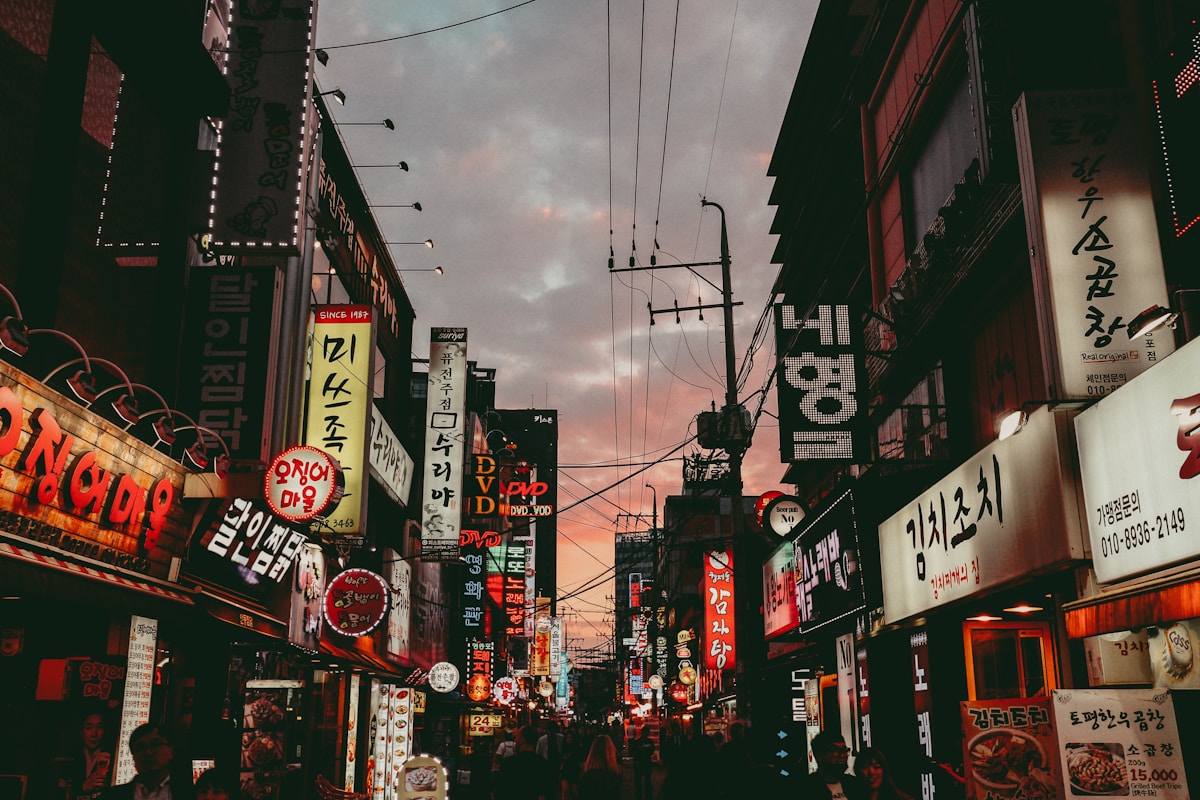
The area around Hongik University pulses with creative energy. Street performers, indie boutiques, vintage shops, and some of Seoul’s best nightlife make Hongdae essential for any visitor under 40. Visit on a Friday or Saturday night to experience the famous busking performances and free concerts in Hongdae Playground.
Bukchon Hanok Village — Traditional Seoul
A cluster of hundreds of traditional Korean houses (hanok) nestled between Gyeongbokgung Palace and Changdeokgung Palace. Walking through the narrow alleyways feels like stepping back in time. Many hanok have been converted into guesthouses, tea houses, and cultural centers. Visit early morning (before 9 AM) to avoid crowds and get the best photos.
Itaewon — International Flavor
Seoul’s most multicultural neighborhood has reinvented itself as a foodie paradise. Restaurants serving cuisines from 50+ countries line the streets. The Yongsan area nearby has emerged as a hip cultural district with museums, rooftop bars, and concept stores.
Top 10 Must-Visit Attractions
- Gyeongbokgung Palace: The grandest of Seoul’s five royal palaces. Rent a hanbok (traditional Korean dress) for free entry and stunning photos. The changing of the guard ceremony happens daily at 10 AM and 2 PM.
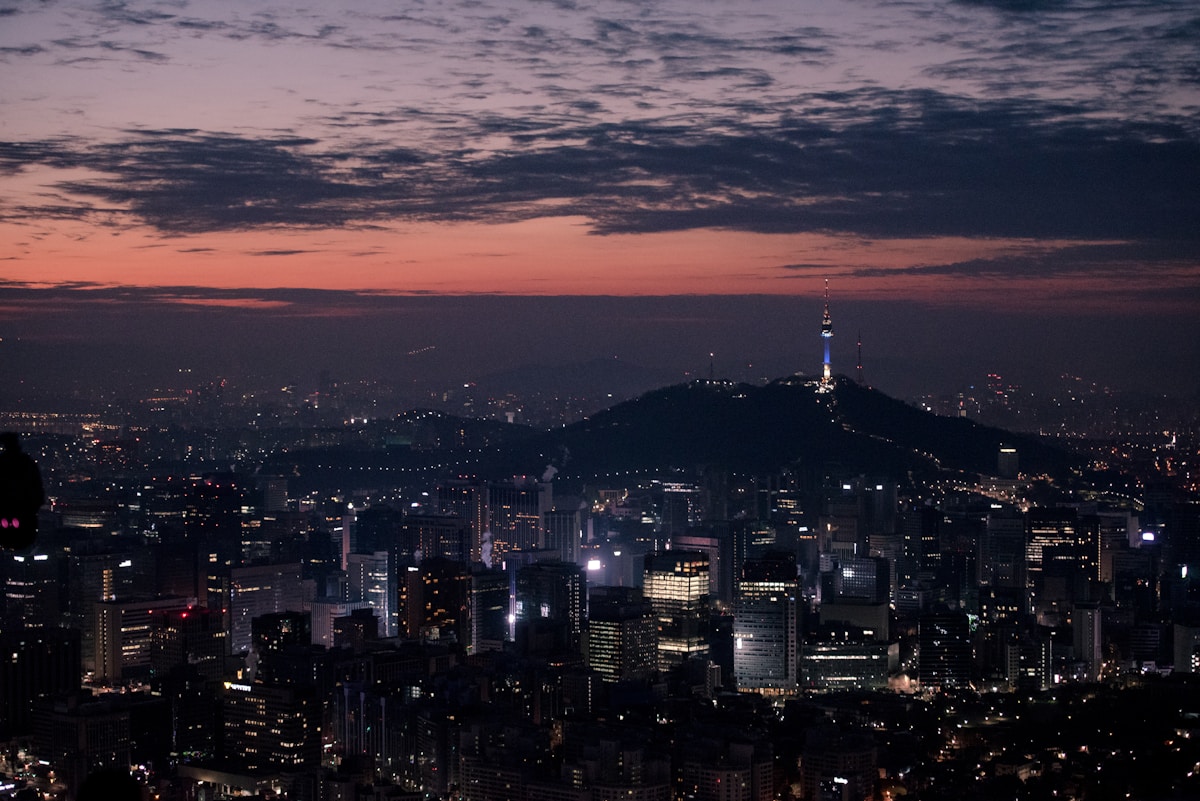
- N Seoul Tower: The iconic landmark atop Namsan Mountain. Take the cable car up for panoramic city views. The “love locks” fence is a favorite spot for couples.
- Bukchon Hanok Village: Over 900 traditional houses in a living, breathing historic neighborhood.
- Myeongdong: Shopping and street food paradise. K-Beauty stores, international brands, and the best street food stalls in Seoul.
- Changdeokgung Secret Garden: A UNESCO World Heritage Site with one of the most beautiful traditional gardens in Asia.
- Gwangjang Market: Seoul’s oldest market. The ultimate street food destination with over 200 food stalls.
- Lotte World Tower: Korea’s tallest building (555m). The Seoul Sky observation deck on the 117th-123rd floors offers breathtaking 360-degree views.
- Insadong: Traditional arts and crafts street. Galleries, antique shops, and traditional tea houses line this charming pedestrian area.
- Han River Parks: Rent a bike, order chicken and beer for delivery (a uniquely Korean experience), and enjoy the riverside atmosphere.
- DMZ Tour: The border between North and South Korea is one of the most surreal tourist experiences in the world. Book through official tour operators only.
Practical Travel Tips
Getting Around
Seoul’s public transportation system is world-class. The subway system has 23 lines covering virtually every corner of the city. Get a T-money card (available at any convenience store for 4,000 KRW) and load it with credit. A single subway ride costs 1,400 KRW ($1 USD). The subway runs from approximately 5:30 AM to midnight.
Taxis are affordable by international standards. A base fare is 4,800 KRW ($3.50 USD) and most trips within the city cost 8,000-15,000 KRW ($6-11 USD). Use the Kakao T app to hail taxis — it works like Uber and automatically translates your destination for the driver.
Best Time to Visit
- Spring (March-May): Cherry blossom season in April is magical. Mild temperatures (15-22°C). The entire city turns pink.
- Autumn (September-November): Stunning fall foliage, perfect weather (15-25°C), and fewer tourists than spring.
- Summer (June-August): Hot and humid with monsoon rains. Budget-friendly but bring an umbrella.
- Winter (December-February): Cold (-5 to 5°C) but beautiful with snow. Christmas markets and winter festivals.
Budget Breakdown (Per Day)
- Budget ($50-70/day): Guesthouse, street food and convenience store meals, subway transport, free attractions.
- Mid-Range ($100-150/day): Boutique hotel, restaurant meals, mix of paid attractions and shopping.
- Luxury ($250+/day): 5-star hotel, fine dining, private tours, premium experiences.
Hidden Gems Most Tourists Miss
- Seongsu-dong: Seoul’s Brooklyn. Converted warehouses, specialty coffee roasters, and artisan workshops.
- Ikseon-dong: Tiny hanok alleys converted into trendy cafes and restaurants. More intimate than Bukchon.
- Mangwon Market: A local market without tourist crowds. Authentic Korean food at local prices.
- Naksan Park: One of Seoul’s best-kept secrets for city views. Beautiful at sunset.
- Ttukseom Resort: Han River park perfect for picnics, water sports, and escaping the urban rush.
Essential Korean Phrases for Travelers
- Annyeonghaseyo (안녕하세요): Hello (formal)
- Kamsahamnida (감사합니다): Thank you
- Eolmayeyo? (얼마예요?): How much?
- Hwajangshil eodi-yeyo? (화장실 어디예요?): Where is the restroom?
- Mashisseoyo! (맛있어요!): Delicious!
- Sajin jom jigeo juseyo (사진 좀 찍어 주세요): Please take my photo
Seoul is a city that rewards the curious traveler. Beyond the famous landmarks, every neighborhood has its own personality, every alley hides a gem, and every meal is an adventure. Whether you come for the K-Pop, the K-Beauty, the food, or the history, Seoul will exceed your expectations and leave you planning your return trip before you even leave.