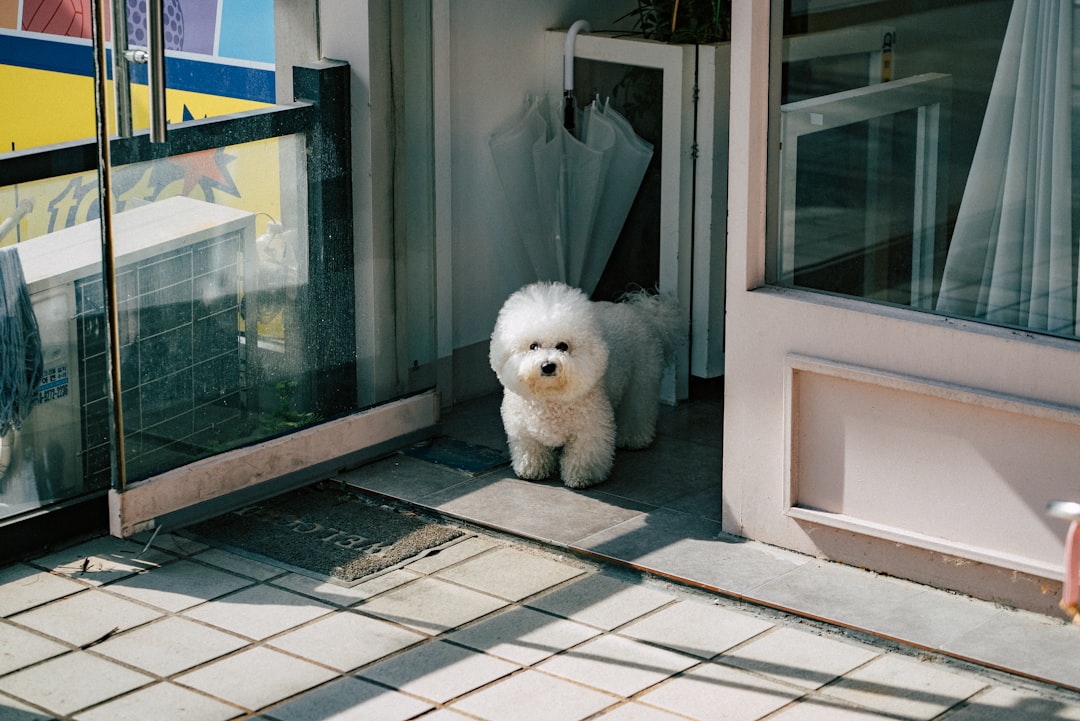
Why Popular Korean Dog Breeds Are Taking Over American Homes in 2026
If you’ve ever scrolled through Korean variety shows, K-dramas, or viral pet TikToks, you’ve probably noticed something: Korea has some of the most adorable, unique dog breeds on the planet. And American pet owners are finally catching on.
In 2025 alone, searches for popular Korean dog breeds as pets surged by over 340% on Google Trends in the United States. The American Kennel Club (AKC) reported that interest in Asian dog breeds — particularly those from South Korea — has been climbing steadily since 2022.
But here’s what most people don’t realize: Korea’s relationship with dogs goes back thousands of years. Long before Poodles and Golden Retrievers dominated American suburbs, Korean families were raising Jindo dogs on remote islands and keeping tiny Sapsali pups as spiritual guardians against evil spirits. These aren’t just pets — they’re living cultural treasures, some even designated as National Natural Monuments by the Korean government.
Whether you’re a first-time dog owner curious about a Korean Jindo, a K-drama fan who fell in love with a fluffy Bichon Frise on screen, or an experienced breeder looking for something truly special, this guide covers everything you need to know about the most popular Korean dog breeds as pets — including care tips, costs, temperament breakdowns, and where to find them in the US.
The Top 8 Most Popular Korean Dog Breeds as Pets

Korea’s dog culture is a fascinating blend of ancient heritage breeds and modern favorites. Let’s break down the eight breeds that dominate Korean households — and are increasingly showing up in American homes too.
1. Korean Jindo (진돗개) — The Loyal National Treasure
The Korean Jindo is arguably the most iconic of all popular Korean dog breeds as pets. Originating from Jindo Island in South Korea’s Jeollanam-do province, this breed has been designated as Korean Natural Monument No. 53 since 1962. That’s right — it’s literally illegal to export purebred Jindos from Korea without special government permission.
Jindos are medium-sized dogs, typically weighing between 30 to 50 pounds, with a lifespan of 12 to 15 years. They’re famous for their unwavering loyalty — there’s a legendary true story of a Jindo named Baekgu who was sold to a new owner 186 miles away, escaped, and walked home over seven months. That story became a children’s book and a national symbol of canine devotion.
Temperament: Jindos are independent, intelligent, and fiercely loyal to one person or family. They can be reserved with strangers, making them excellent watchdogs. However, they require experienced owners who understand their strong prey drive and need for early socialization.
Care Tips:
- Jindos need at least 60–90 minutes of daily exercise — hiking and off-leash running in secure areas are ideal
- They blow their double coat twice a year; invest in a quality de-shedding tool like the Furminator Undercoat Deshedding Tool (available on Amazon for around $28)
- Jindos are notoriously cat-unfriendly due to their prey drive — introduce other pets very carefully
- Crate training works well; try the MidWest iCrate (Chewy, $40–$80 depending on size)
US Availability: The AKC recognized the Jindo in its Foundation Stock Service in 2008. Reputable breeders exist in California, Texas, and Virginia, with puppies typically costing $800 to $2,500.
2. Sapsali (삽살이) — The Ghost-Chasing Shaggy Dog
The Sapsali is one of Korea’s most ancient breeds, dating back over 1,000 years to the Silla Dynasty. The name literally translates to “one who roots out evil spirits,” and Korean families traditionally kept Sapsalis to ward off ghosts and bad luck. They’re designated as Korean Natural Monument No. 368.
These shaggy, medium-to-large dogs weigh between 35 to 60 pounds and are covered in a long, flowing coat that gives them a charmingly disheveled look — think a Korean version of an Old English Sheepdog. Their temperament is remarkably gentle, affectionate, and patient with children.
Fun Fact: The Sapsali nearly went extinct during the Japanese colonial period (1910–1945) when occupying forces killed thousands of Korean dogs. By the 1980s, fewer than 30 purebred Sapsalis remained. Korean professors at Kyungpook National University launched a dedicated breeding recovery program that saved the breed from total extinction.
Care Tips:
- Their long coat requires brushing 3–4 times per week to prevent matting
- Use a slicker brush like the Chris Christensen Big G Slicker Brush (Amazon, ~$45) for best results
- Sapsalis are prone to hip dysplasia — ask your vet about joint supplements like Nutramax Cosequin (Chewy, $25–$50)
- They do well in apartments if walked daily — they’re less hyperactive than Jindos
US Availability: Extremely rare in the US. Most Sapsalis remain in South Korea. If you’re determined, contact the Korean Sapsali Preservation Society for referrals. Expect to pay $1,500 to $3,000+ with import costs.
3. Korean Pungsan (풍산개) — The Mountain Hunter
Here’s a curveball: the Pungsan dog actually originates from North Korea, specifically from Pungsan County in Ryanggang Province. It’s designated as North Korea’s national dog and is a symbol of bravery and strength. In 2000, North Korean leader Kim Jong-il famously gifted two Pungsan dogs to South Korean President Kim Dae-jung during the historic inter-Korean summit.
Punsgans are large, powerful dogs weighing 45 to 70 pounds, bred for centuries to hunt wild boars and even Siberian tigers in the mountainous terrain of northern Korea. They have a thick white or cream double coat built to withstand harsh winters.
Temperament: Brave, loyal, and energetic. Punsgans bond deeply with their families but can be territorial and dominant with other dogs. They need firm, consistent training and are not recommended for first-time dog owners.
Care Tips:
- Minimum 90 minutes of vigorous daily exercise — these are working dogs bred for mountain terrain
- High-protein diet recommended; try Orijen Original Dry Dog Food (Chewy, ~$90 for 25 lbs)
- Double coat needs weekly brushing; increases to daily during shedding season
- Secure, high-fenced yard is essential — Punsgans are skilled escape artists, similar to Jindos
4. Donggyeongi (동경이) — The Adorable Bobtail
The Donggyeongi — also called the Korean Short-Tailed Dog — is one of the rarest and most charming Korean breeds. These dogs are born with a naturally short or absent tail, which in Korean folk tradition symbolized good fortune. They’re designated as Korean Natural Monument No. 540.
Medium-sized at 20 to 35 pounds, Donggyeongis have a friendly, sociable temperament that makes them excellent family companions. They were historically common in the Gyeongju region, the ancient capital of the Silla Kingdom, where stone carvings of short-tailed dogs dating back 1,500+ years have been found.
Care Tips:
- Low-to-moderate exercise needs — 30 to 45 minutes of daily walks suffice
- Short, dense coat is easy to maintain with weekly brushing
- Very food-motivated, making them highly trainable with positive reinforcement
- Stock up on training treats like Zuke’s Mini Naturals (PetSmart, ~$10 for 16 oz)
5. Jeju Dog (제주개) — The Island Survivor
The Jeju Dog hails from South Korea’s volcanic Jeju Island and nearly went extinct in the late 20th century. A rescue effort by the Jeju National University in the early 2000s brought the population back from fewer than three known purebred specimens. Today, roughly 300 Jeju Dogs exist, almost all on the island itself.
These medium-sized dogs (30–45 lbs) come in distinctive brindle, black, or white coats and have a primitive, wolf-like appearance. They’re athletic, intelligent, and somewhat independent — traits that reflect their centuries of semi-feral existence on the rugged island.
Popular Korean Dog Breeds vs. American Favorites: A Side-by-Side Comparison
How do popular Korean dog breeds as pets stack up against the breeds Americans already know and love? Let’s compare them head-to-head so you can see where each excels.
| Trait | Korean Jindo | Golden Retriever | Sapsali | Labrador |
|---|---|---|---|---|
| Size | 30–50 lbs | 55–75 lbs | 35–60 lbs | 55–80 lbs |
| Lifespan | 12–15 years | 10–12 years | 10–14 years | 10–12 years |
| Trainability | Moderate (independent) | High (eager to please) | Moderate-High | High |
| Shedding | Heavy (seasonal) | Heavy (year-round) | Moderate | Heavy (year-round) |
| Good with Kids | With supervision | Excellent | Excellent | Excellent |
| Apartment Friendly | Not ideal | Not ideal | Moderate | Not ideal |
| Puppy Cost (US) | $800–$2,500 | $1,000–$3,500 | $1,500–$3,000+ | $800–$2,000 |
One thing that stands out: Korean breeds generally live longer than their American counterparts. The Jindo’s 12–15 year lifespan beats the Golden Retriever and Labrador by 2–3 years on average. Researchers at Seoul National University’s veterinary college attribute this partly to the fact that Korean heritage breeds have smaller gene pools with fewer inherited conditions linked to overbreeding — a common issue with popular American breeds.
That said, Korean breeds tend to be more independent and require experienced handling, while American favorites like Labs and Goldens are famously beginner-friendly. If you’re a first-time dog owner drawn to popular Korean dog breeds as pets, the Sapsali or Donggyeongi would be your best starting point.
Why Korean Dog Breeds Are Trending in the US Right Now

The surge of interest in popular Korean dog breeds as pets among American families isn’t happening in a vacuum. Several cultural and practical factors are driving this trend.
The Hallyu (Korean Wave) Effect on Pet Culture
K-dramas, K-pop, and Korean lifestyle content have fundamentally shifted how Americans perceive Korean culture. Shows like “Hometown Cha-Cha-Cha” and “My Lovely Sam Soon” featured adorable dogs that had viewers flooding forums asking, “What breed is that?”
K-pop idols are also major influencers in the pet space. BTS’s V (Kim Taehyung) famously owns a Pomeranian named Yeontan who has over 3 million fan accounts on Instagram. BLACKPINK’s Jennie has a Cocker Spaniel, and Jisoo’s Maltese mix Dalgom has appeared in multiple brand campaigns.
This cultural exposure doesn’t just boost interest in the specific breeds idols own — it creates a broader fascination with Korean pet culture, including traditional breeds. If you’re deep into K-pop culture, you might also enjoy our guide on 7 Hardest K-Pop Choreographies to Learn in 2026 — because let’s be honest, many K-pop fans are also dog lovers.
The Rise of “Unique Breed” Culture in America
American dog culture is shifting away from the same handful of breeds. According to the AKC’s 2025 registration data, while Labrador Retrievers still hold the #1 spot, registrations for “rare” and “foreign” breeds have increased 28% since 2020. Dog owners — especially Millennials and Gen Z — want breeds that reflect their individuality.
Korean breeds fit this perfectly. A Korean Jindo at the dog park is a guaranteed conversation starter. Nobody mistakes a Sapsali for a Goldendoodle. These breeds offer something genuinely different in a market saturated with Doodle mixes.
Health and Longevity Advantages
Many traditional Korean breeds are landrace dogs — meaning they developed naturally over centuries through environmental pressures rather than selective breeding for appearance. This gives them significant health advantages over heavily bred Western counterparts.
Korean Jindos, for example, have remarkably low rates of hip dysplasia compared to similarly-sized breeds like Australian Shepherds or Border Collies. The breed’s natural development on Jindo Island’s rugged terrain essentially performed centuries of fitness selection.
Essential Care Guide for Korean Dog Breeds
Owning one of the popular Korean dog breeds as pets requires understanding their specific needs. Korean breeds have distinct care requirements that differ from typical American breeds.
Diet and Nutrition
In Korea, many dog owners feed a combination of commercial kibble and fresh food. This approach actually aligns with the growing “fresh food” movement in American pet nutrition. Here’s what works best for Korean breeds:
- High-protein kibble — Korean heritage breeds are athletic dogs that thrive on 25–30% protein content. Try Taste of the Wild High Prairie (Chewy, ~$55 for 28 lbs) or Orijen Original (Amazon, ~$90 for 25 lbs)
- Fresh food toppers — Many Korean dog owners add steamed sweet potato, boiled chicken breast, or blanched vegetables to kibble. Services like The Farmer’s Dog ($2–$12/day) offer similar convenience
- Fish-based options — Korean breeds historically had access to marine protein. Acana Wild Atlantic (PetSmart, ~$75 for 25 lbs) is an excellent fish-forward formula
- Avoid grain-free controversies — The FDA has investigated potential links between grain-free diets and dilated cardiomyopathy (DCM) in dogs. Stick with grain-inclusive formulas unless your vet specifically recommends otherwise
Exercise and Mental Stimulation
Korean heritage breeds are working dogs, not couch potatoes. Inadequate exercise leads to destructive behaviors — and with a Jindo, that can mean chewed-through drywall and scaled fences.
Daily exercise minimums by breed:
- Jindo: 60–90 minutes (hiking, running, agility)
- Pungsan: 90+ minutes (needs vigorous activity)
- Sapsali: 30–60 minutes (moderate walks, play sessions)
- Donggyeongi: 30–45 minutes (walks, fetch)
- Jeju Dog: 60–75 minutes (trail walks, free running)
For mental stimulation, invest in puzzle toys. The Kong Classic (PetSmart, ~$13) stuffed with peanut butter is a universal hit. For more advanced problem-solvers like Jindos, try the Nina Ottosson Dog Brick Puzzle (Amazon, ~$15) — it has sliding compartments that challenge even the smartest dogs.
Grooming Essentials
Most Korean breeds have double coats designed for Korea’s four distinct seasons — hot, humid summers and cold, dry winters. If you live in a similar climate in the US (think the Midwest or Northeast), your Korean breed will adapt beautifully. In warmer states like Florida or Arizona, extra precautions are needed.
Must-have grooming tools:
- Furminator Undercoat Tool (Amazon, ~$28) — essential during spring/fall coat blows
- Chris Christensen Coral Slicker Brush (Amazon, ~$40) — perfect for Sapsali’s long coat
- Earthbath Oatmeal & Aloe Shampoo (Chewy, ~$12) — gentle on sensitive Korean breed skin
- Dremel PawControl Nail Grinder (Amazon, ~$35) — less stressful than clippers for anxious breeds
Korean Pet Culture: What American Owners Can Learn

Korea’s pet industry is booming — valued at over $3.6 billion in 2025 according to the Korea Pet Industry Association. With roughly 6 million pet-owning households (about 26% of all Korean homes), the country has developed some fascinating pet care innovations that American owners can benefit from.
Korean Pet Dental Care Revolution
Koreans take pet dental health incredibly seriously. While only about 2% of American dog owners brush their dog’s teeth daily (per the AVMA), Korean pet stores dedicate entire aisles to dental care products. Korean brands like Junglemonster’s DentiSoft have developed innovative dental chews that combine taste appeal with genuine plaque-fighting ingredients.
If your Korean breed (or any breed!) struggles with dental chews, try the Greenies Original Dental Treats (Chewy, ~$25 for 36 count) or Whimzees Natural Dental Chews (PetSmart, ~$20 for 28 count). For a deeper dive into Korean pet care trends, check out our article Why Koreans Love Cats So Much: 7 Cultural Reasons (2026) — the cultural insights apply to dog owners too.
Dog Cafés and Socialization Culture
Korea is famous for its dog cafés — dedicated spaces where you can enjoy a latte while playing with friendly dogs. Seoul alone has over 200 dog cafés. This culture of structured socialization is something American Korean breed owners should emulate.
Korean breeds, especially Jindos and Punsgans, benefit enormously from early, consistent socialization. Puppy socialization classes at PetSmart ($119 for 6 weeks) or local training clubs are essential for these independent-minded breeds. If you’re interested in Korean café culture more broadly, our guide on Korean Cafe Study Rooms: Complete Guide for 2026 explores this fascinating lifestyle trend.
High-Tech Pet Care Gadgets from Korea
Korea leads the world in pet tech innovation. Products developed for the Korean market that are now available in the US include:
- Petcube Bites 2 — HD camera with treat-tossing feature (~$200, Amazon)
- FURBO 360° Dog Camera — originally popular in Asia, now America’s best-selling pet camera (~$150, Amazon)
- Automatic water fountains — Korean brands pioneered the ceramic pet fountain design; the PetSafe Drinkwell Pagoda (Chewy, ~$50) is inspired by Korean aesthetics
- Smart pet doors — microchip-activated doors popular in Korean apartments are gaining traction in the US through brands like SureFlap (~$170, Amazon)
How to Find and Adopt Korean Dog Breeds in the US
Finding popular Korean dog breeds as pets in the United States takes more effort than picking up a Lab from your local shelter, but it’s absolutely possible. Here are your main options.
Reputable US-Based Breeders
For Korean Jindos, the most accessible Korean breed in America, look for breeders registered with:
- The Jindo Project — a US-based rescue and education organization
- AKC Foundation Stock Service breeders — search the AKC marketplace for FSS Jindo listings
- Korean American Jindo Association — connects buyers with ethical breeders in California, Virginia, and Texas
Red flags to avoid: Any breeder who won’t let you visit, can’t provide health clearances, has puppies available “right now” at suspiciously low prices, or ships puppies sight-unseen. A reputable Korean breed breeder typically has 6–12 month waitlists.
Korean Dog Rescue Organizations
Several rescue organizations specialize in bringing Korean dogs — including purebred Jindos and Korean village dogs (“Ttongsuni”) — to American homes:
- Free Korean Dogs (FKD) — one of the largest Korean dog rescue operations, based in the US and Canada
- SaveKoreanDogs.org — focuses on rescuing dogs from meat farms and rehoming them internationally
- Korean K9 Rescue — California-based rescue with regular transport flights from Korea
- KARA (Korea Animal Rights Advocates) — partners with US-based foster networks
Adoption fees through rescue organizations typically range from $350 to $600, which covers vaccinations, spay/neuter, microchipping, and international transport. This is significantly less than buying from a breeder, and you’re giving a dog a second chance at life.
International Import Considerations
If you want a rare breed like a Sapsali or Donggyeongi, you may need to import directly from Korea. Be aware of:
- USDA/CDC import requirements — all dogs entering the US must be at least 6 months old, vaccinated for rabies, and have a valid health certificate
- Quarantine periods — varies by state; Hawaii requires 120 days
- Transport costs — air cargo for a medium dog from Incheon to LAX runs approximately $500 to $1,200
- Korean export restrictions — purebred Jindos require government documentation for export
Training Tips Specific to Korean Dog Breeds

Training a Korean heritage breed is fundamentally different from training a Golden Retriever or Labrador. These are intelligent, independent dogs that were bred to make their own decisions — not to blindly follow commands.
Understanding the “Independent Thinker” Mindset
Korean breeds like the Jindo and Pungsan were developed as working dogs that operated semi-independently. A Jindo guarding a village didn’t wait for commands — it assessed threats and acted. This means your Korean breed will:
- Learn commands quickly but choose when to obey
- Get bored with repetitive training sessions
- Respond better to respect-based training than food-lure training
- Test boundaries regularly, especially during adolescence (8–18 months)
Recommended Training Approach
Positive reinforcement works, but with modifications:
- Keep sessions short — 10–15 minutes maximum, 2–3 times per day
- Vary rewards — alternate between treats, play, and verbal praise to prevent treat dependency
- Earn respect first — Korean breeds need to see you as a calm, consistent leader, not just a treat dispenser
- Socialization is non-negotiable — expose your Korean breed puppy to 100 new people, places, and experiences before 16 weeks of age
- Never use punishment-based methods — Korean breeds shut down and become fearful or aggressive when treated harshly
Recommended resources: The book “The Other End of the Leash” by Patricia McConnell ($12, Amazon) is excellent for understanding independent-minded breeds. For in-person training, look for CPDT-KA certified trainers in your area through the Certification Council for Professional Dog Trainers website.
Frequently Asked Questions About Popular Korean Dog Breeds as Pets
Are Korean Jindo dogs legal in the United States?
Yes, Korean Jindos are completely legal to own in the United States. They are recognized by the AKC’s Foundation Stock Service and the United Kennel Club (UKC). However, some homeowners’ insurance policies may require breed disclosure, as Jindos are sometimes mistaken for Akitas or Shiba Inus, which appear on certain breed restriction lists. Always check with your insurance provider and landlord (if renting) before bringing a Jindo home.
Which Korean dog breed is best for families with young children?
The Sapsali is widely considered the best Korean breed for families with young children. Their gentle, patient temperament and affectionate nature make them natural family dogs. Donggyeongis are also excellent with kids. Jindos can be good family dogs but require more supervision around small children due to their independent nature and strong prey drive. Punsgans are generally not recommended for families with children under 10 due to their size, energy level, and dominant personality.
How much does it cost to own a Korean dog breed in the US per year?
Annual costs for owning a Korean breed in the US are comparable to other medium-to-large breeds. Budget approximately $1,500 to $3,000 per year, broken down as follows: premium dog food ($600–$1,200), veterinary care including preventives ($400–$800), grooming supplies and professional grooming ($200–$500), toys and enrichment ($100–$300), pet insurance ($300–$700), and miscellaneous costs like boarding or dog walking ($200–$500). First-year costs are higher due to puppy vaccinations, spaying/neutering, and initial supplies — expect $3,000 to $5,000 in year one.
Can Korean dog breeds live in hot climates like Texas or Florida?
Yes, but with precautions. Korean breeds have double coats designed for Korea’s continental climate, which includes hot, humid summers (similar to the American Southeast). However, extended heat exposure above 90°F is risky. Provide access to air conditioning, never shave their double coat (it actually insulates against heat too), ensure constant fresh water access, and limit outdoor exercise to early morning and evening hours. Cooling mats like the Arf Pets Self-Cooling Mat (Amazon, ~$25) are excellent investments for hot-climate Korean breed owners.
Do Korean dog breeds get along with cats?
It depends heavily on the breed and individual dog. Jindos and Punsgans have strong prey drives and are generally not recommended for homes with cats unless raised together from a very young age. Sapsalis and Donggyeongis tend to be more cat-tolerant, especially with proper introduction. If you’re a cat person considering a Korean breed, read our article Why Koreans Love Cats So Much: 7 Cultural Reasons (2026) for more insight into Korean pet culture and multi-pet households.
Are Korean dog breeds hypoallergenic?
No, none of the traditional Korean dog breeds are hypoallergenic. Jindos, Sapsalis, Punsgans, and Donggyeongis all have double coats that shed moderately to heavily. If you have allergies but are drawn to Asian breeds, consider a Korean-popular breed like the Bichon Frise or Maltese — both are extremely common in Korean cities and produce minimal dander. Alternatively, regular grooming, HEPA air purifiers, and allergy medications can help manage symptoms if your heart is set on a heritage Korean breed.
Related Posts You’ll Love
If you enjoyed learning about popular Korean dog breeds as pets, you’ll find these articles equally fascinating:
- Why Koreans Love Cats So Much: 7 Cultural Reasons (2026) — discover the other side of Korean pet culture
- Nami Island Rail Bike Day Trip 2026: Complete Guide — the perfect pet-friendly Korean travel destination
- 7 Best Korean Lip Tints for Dry Lips in 2026 — because K-beauty lovers are often K-pet lovers too
Topics we think you’d enjoy next:
- Best Korean Pet Products Available on Amazon in 2026
- Korean Dog Training Methods vs. American: Key Differences
- How to Feed Your Dog Like a Korean Pet Owner: Fresh Food Guide
Share Your Korean Breed Story With Us!
We’d love to hear from you! Do you own a Korean dog breed? Are you considering adding a Jindo, Sapsali, or another Korean breed to your family? Drop a comment below telling us:
- Which Korean breed caught your eye and why?
- Your experience owning or meeting Korean dog breeds
- Any questions about care, training, or finding a Korean breed near you
If this guide helped you, please share it with fellow dog lovers on Facebook, Pinterest, or your favorite pet forum. Korean breeds deserve more recognition in the US, and every share helps connect these amazing dogs with loving homes.
Want more Korean pet culture content delivered to your inbox? Subscribe to our newsletter for weekly articles on K-pet trends, breed spotlights, product reviews, and exclusive adoption alerts from Korean rescue organizations. Join our community of 15,000+ pet lovers who are passionate about the intersection of Korean culture and animal care.
Have a specific question about popular Korean dog breeds as pets that we didn’t cover? Email us or leave a comment — we read and respond to every single one.