Why Korean Street Food Is Taking Over the World in 2026
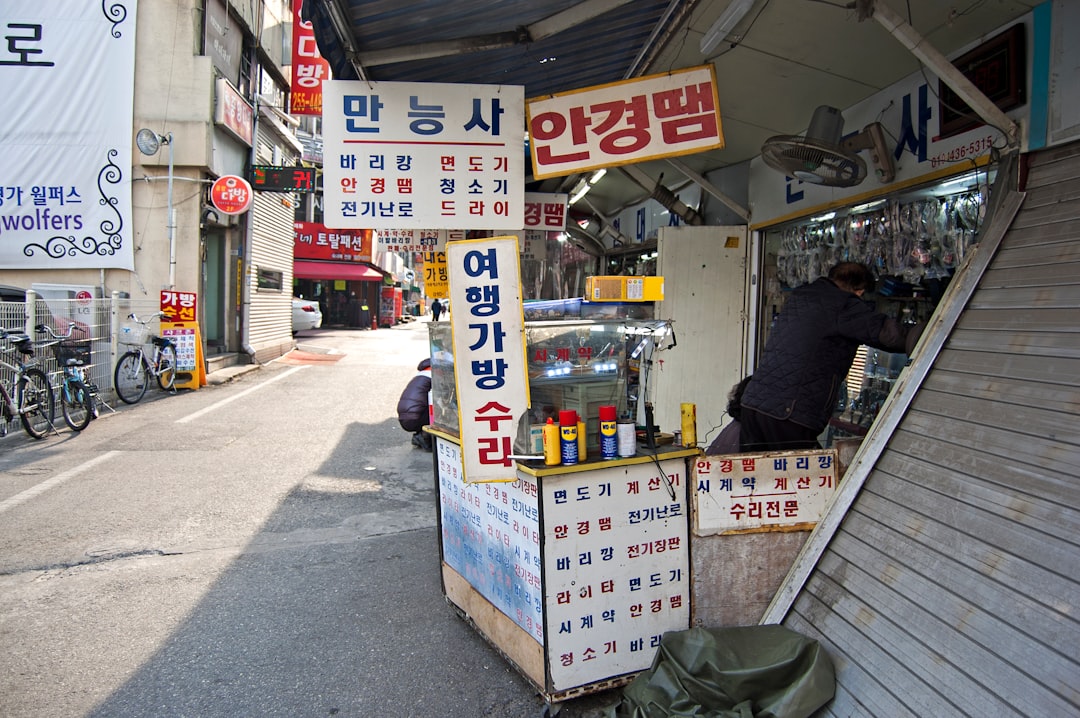
Picture this: you’re walking through the neon-lit alleyways of Seoul’s Myeongdong district at 10 PM on a Friday night. The air is thick with the sweet, smoky aroma of grilled skewers, the sizzle of batter hitting hot oil, and the unmistakable spicy-sweet scent of gochujang-glazed rice cakes bubbling in enormous cast-iron pans. Vendors call out to you from every direction, and the line at your favorite tteokbokki stall stretches around the corner — again.
This isn’t just food. This is a cultural phenomenon that has exploded far beyond Korea’s borders, fueled by K-drama food scenes, viral TikTok mukbang videos, and a global appetite for bold, complex flavors that Western fast food simply can’t match.
According to the Korea Tourism Organization, street food is now the #1 reason international tourists cite for visiting Seoul — surpassing K-Pop concerts and temple stays. In 2025 alone, Myeongdong’s food stalls served an estimated 14 million visitors. Whether you’re planning a trip to Korea or hunting down the best Korean street food at your local H-Mart, this must try Korean street food guide will walk you through every iconic bite, where to find it, how much it costs, and how to recreate the magic at home.
Let’s eat.
Tteokbokki (떡볶이): The Undisputed King of Korean Street Food

What Makes Tteokbokki So Addictive
Tteokbokki — spicy stir-fried rice cakes — is the single most iconic item in any must try Korean street food guide. These chewy, thumb-sized cylinders of rice cake are simmered in a fiery red sauce made from gochujang (fermented red chili paste), gochugaru (red pepper flakes), soy sauce, and sugar. The result is a dish that hits every note: sweet, spicy, savory, and deeply umami.
Street vendors typically cook tteokbokki in massive shallow pans, adding fish cakes (eomuk), boiled eggs, and scallions. A single serving costs about ₩3,000–₩4,000 ($2.20–$3.00 USD) from a street cart in Seoul, making it one of the most affordable and filling snacks you’ll find anywhere.
Regional Variations You Should Know
Not all tteokbokki is created equal. Here’s a quick breakdown of regional styles:
| Style | Region | Key Difference | Heat Level |
|---|---|---|---|
| Classic (Seoul-style) | Seoul | Gochujang-based, sweet-spicy | 🌶🌶🌶 |
| Gungjung (Royal Court) | Jeonju | Soy-based, savory, no chili | 🌶 |
| Gireum (Oil) Tteokbokki | Busan | Stir-fried in oil, chewier texture | 🌶🌶 |
| Cheese Tteokbokki | Modern fusion | Mozzarella blanket on top | 🌶🌶 |
| Rabokki | Nationwide | Ramyeon noodles added | 🌶🌶🌶🌶 |
How to Make Tteokbokki at Home
You don’t need a plane ticket to enjoy authentic tteokbokki. Grab a bag of frozen rice cakes from H-Mart (around $4.99 for 2 lbs) and a tub of CJ Haechandle gochujang ($6.99). The entire dish takes about 20 minutes from start to finish.
For a detailed step-by-step walkthrough, check out our Tteokbokki Recipe Easy at Home: Step-by-Step Guide 2026 — it covers everything from choosing the right rice cake brand to adjusting spice levels for beginners.
Maangchi’s classic tteokbokki recipe with video tutorial
Hotteok (호떡): Korea’s Perfect Sweet Pancake
The Winter Street Food You’ll Dream About
If tteokbokki is the king of Korean street food, hotteok is the queen. These golden, crispy-on-the-outside, gooey-on-the-inside stuffed pancakes are the ultimate cold-weather comfort food. Vendors press the dough flat on a greased griddle, and when you bite in, a river of melted brown sugar, cinnamon, and crushed peanuts flows out.
A single hotteok from a street vendor costs about ₩1,500–₩2,000 ($1.10–$1.50 USD). During Seoul’s winter months (November through February), you’ll find hotteok carts on virtually every major street corner. The lines at the famous Insadong Hotteok stand can stretch 30 people deep during peak hours.
Sweet vs. Savory: Which Hotteok Should You Choose?
While the classic sugar-filled version dominates, savory hotteok has been gaining serious traction. The Busan-style “ssiat hotteok” (seed hotteok) is packed with a mixture of sunflower seeds, pumpkin seeds, and a slightly less sweet filling — it’s a must try if you visit Busan’s BIFF Square market.
Modern variations include:
- Green tea hotteok — matcha-infused dough with red bean filling
- Cheese hotteok — stretchy mozzarella with a honey drizzle
- Pizza hotteok — stuffed with ham, corn, and cheese (popular with kids)
- Sweet potato hotteok — filled with mashed goguma (Korean sweet potato)
For more traditional Korean sweets that pair beautifully with hotteok, see our guide to 7 Traditional Korean Desserts to Try in 2026.
Making Hotteok at Home
H-Mart carries CJ Beksul hotteok mix ($4.49) that makes the process incredibly simple — just add water, let the dough rise for 30 minutes, stuff with the included filling packet, and pan-fry. For the adventurous, making dough from scratch with bread flour and a touch of glutinous rice flour yields superior chewiness.
Korean Fried Chicken on a Stick: Crispy, Saucy, Unforgettable

Street-Style Chicken Skewers vs. Restaurant Fried Chicken
Korean fried chicken has become a global phenomenon, but the street food version is a completely different experience from what you get at restaurants like Bonchon or bb.q Chicken. Street vendors sell bite-sized pieces on wooden skewers, double-fried for maximum crunch, then glazed in your choice of sauce.
The double-frying technique is what sets Korean fried chicken apart from every other style in the world. The first fry cooks the chicken through. The second fry, at a higher temperature, creates an ultra-thin, shatteringly crispy coating that stays crunchy even after being drenched in sauce. This technique was perfected by Korean street vendors in the 1970s and has since been adopted by fine-dining chefs worldwide.
A typical chicken skewer costs ₩3,000–₩5,000 ($2.20–$3.70 USD) and comes in three classic sauce options:
- Yangnyeom — the classic sweet-spicy gochujang glaze, sticky and addictive
- Ganjangsauce — soy-garlic based, slightly sweet, universally loved
- Honey Butter — a newer craze combining melted butter with honey and a pinch of salt
Where to Find the Best Chicken Skewers in Seoul
The Hongdae neighborhood is ground zero for Korean fried chicken street food. The area around Hongik University is packed with vendors selling everything from classic yangnyeom skewers to over-the-top cheese-drizzled creations. The cart near Exit 9 of Hongdae Station is legendary among locals — they’ve been there since 2008.
For a broader look at Korea’s best street food districts, check out Korean Street Food Markets by City: 2026 Ultimate Guide.
Pro Tips for Eating Chicken Skewers Like a Local
Always grab extra napkins — you’ll need them. Order a side of pickled radish (치킨무, chikinmu) to cut through the richness. And if you see a vendor offering “bul-dak” (fire chicken) skewers, proceed with caution: these are genuinely, searingly hot, often rated at 10,000+ Scoville units.
Eomuk (어묵) and Odeng: Korea’s Comforting Fish Cake Soup
The Street Snack That Warms Your Soul
Eomuk (also called odeng) is one of the most underrated items in any must try Korean street food guide. These are fish cake sheets threaded onto wooden skewers in a zigzag pattern, simmered for hours in a light anchovy-kelp broth. The broth is the real star — deeply savory, warming, and served to you in a small paper cup, free of charge.
Yes, you read that right. At most Korean street food stalls, the broth is complimentary. You pay for the skewers (₩1,000–₩1,500 each, about $0.75–$1.10 USD) and help yourself to as much steaming broth as you want from the communal pot.
How the Honor System Works
Eomuk carts operate on Korea’s famous honor system. You grab however many skewers you want, eat them standing at the cart, sip the broth, and then tell the vendor how many you had when you’re done. They’ll count your empty skewers and charge you accordingly. This system has been running smoothly for decades — a beautiful testament to Korean social trust.
During the colder months, eomuk vendors are on nearly every street corner in Seoul, Busan, and Daegu. Busan, in particular, is famous for its fish cakes — the city’s Busan Eomuk brand is so well-known that it has its own museum and factory tour.
Finding Eomuk in the U.S.
H-Mart stocks frozen fish cake sheets from brands like Samjin and Pulmuone ($5.99–$7.99 per pack). To make the broth at home, simmer dried anchovies and dashima (kelp) in water for 20 minutes, add a splash of soy sauce, and you’re done. Thread the fish cakes onto bamboo skewers for the authentic experience.
Tornado Potato (회오리 감자): The Most Instagrammable Street Food

Why This Spiral Snack Went Viral
The tornado potato (hoeori gamja) is pure spectacle: a whole potato spiral-cut into a thin, continuous ribbon, stretched along a wooden skewer, and deep-fried until golden and impossibly crispy. Vendors dust it with your choice of seasoning — cheese, onion, barbecue, honey butter, or hot chili — and hand you what looks like a golden Christmas tree on a stick.
At ₩3,000–₩4,000 ($2.20–$3.00 USD), the tornado potato is one of the most photogenic and affordable items you’ll encounter. It’s become the signature photo op at markets like Myeongdong, Namsan Tower, and Insadong.
The Upgraded Versions
In recent years, vendors have started getting creative:
- Tornado potato + sausage — a hot dog threaded through the center of the spiral
- Tornado sweet potato — using Korean goguma for a naturally sweeter flavor
- Double tornado — two potatoes spiraled on one extra-long skewer
- Tornado potato + mozzarella — cheese stuffed inside each spiral layer
If you’re visiting Korea during a K-Pop concert trip, you’ll find tornado potato carts near every major concert venue. For tips on planning your concert visit, see How to Buy K-Pop Concert Tickets in Korea: 2026 Guide.
Gimbap (김밥): Korea’s Perfect Grab-and-Go Meal
Not Sushi — Something Better
Let’s get one thing straight: gimbap is not Korean sushi. While both involve rice and seaweed, gimbap uses sesame oil-seasoned rice (not vinegared rice), and the fillings are completely different. Classic gimbap includes seasoned spinach, pickled radish (danmuji), carrots, egg, and processed ham or bulgogi.
A full roll costs ₩2,500–₩4,000 ($1.85–$3.00 USD) from a street vendor or kimbap shop, making it one of the best value meals in Korea. Many Koreans consider gimbap their default on-the-go lunch — the Korean equivalent of a sandwich.
Popular Gimbap Varieties
- Chamchi (Tuna) Gimbap — the most popular filling, mixed with mayo and corn
- Bulgogi Gimbap — marinated beef strips, slightly sweet and savory
- Cheese Gimbap — a kids’ favorite, loaded with processed cheese strips
- Nude Gimbap — rice on the outside, seaweed inside (Instagram-friendly)
- Chungmu Gimbap — tiny, rice-only rolls from the coastal city of Tongyeong, served with spicy squid salad
- Mayak Gimbap — “drug gimbap,” tiny bite-sized rolls so addictive they earned the nickname
Mayak gimbap in particular has become a massive trend. These miniature rolls, served with a mustard-soy dipping sauce, originated at Seoul’s Gwangjang Market and are now found at convenience stores nationwide.
Making Gimbap at Home
Everything you need is available at H-Mart or any Korean grocery store. A bamboo rolling mat costs about $2.99, roasted seaweed sheets about $5.99 for 10, and the fillings are entirely customizable. Budget about $15–$20 total to make 4–5 full rolls, enough to feed a family. The key tip: season your rice generously with sesame oil and a pinch of salt while it’s still hot.
Bungeoppang (붕어빵) and Gyeranppang (계란빵): Savory-Sweet Street Breads

Bungeoppang: The Fish-Shaped Pastry Filled with Red Bean
Bungeoppang is a fish-shaped pastry filled with sweet red bean paste (pat), baked in a cast-iron mold right in front of you. It’s the quintessential Korean winter snack — the vendors appear almost overnight in late October and vanish by April, like delicious seasonal birds.
A set of 3–4 bungeoppang costs about ₩2,000 ($1.50 USD). The best ones have a thin, crispy waffle-like shell and are generously stuffed with red bean from head to tail. (Locals debate endlessly about whether you should eat the head or tail first — it’s the Korean equivalent of the “which end of a Kit Kat” debate.)
Modern variations include custard cream, chocolate, and pizza-flavored fillings, though purists insist that the original red bean version reigns supreme.
Gyeranppang: The Egg Bread That Goes With Everything
Gyeranppang (egg bread) is exactly what it sounds like: a small, sweet cornbread-like loaf with a whole egg baked on top. The combination of fluffy, slightly sweet bread and a perfectly cooked egg with a jammy yolk is unexpectedly satisfying. At ₩2,000–₩2,500 ($1.50–$1.85 USD), it’s one of the most popular breakfast street foods in Korea.
Both of these treats pair perfectly with Korean cafe culture. If you’re looking for a cozy spot to enjoy your street food haul, check out Korean Cafe Study Room Experience: Complete Guide 2026.
For more information on traditional Korean sweet treats and their cultural significance, see 7 Traditional Korean Desserts to Try in 2026.
Building Your Perfect Korean Street Food Crawl
Recommended Street Food Markets
If you’re planning a trip to Korea, these are the top five markets for a complete street food experience:
- Gwangjang Market (Seoul) — Korea’s oldest traditional market (est. 1905). Famous for mayak gimbap, bindaetteok (mung bean pancakes), and yukhoe (Korean beef tartare). Open daily until 11 PM.
- Myeongdong Street Food Alley (Seoul) — the most tourist-friendly option with vendors catering to international tastes. Peak hours are 5–9 PM. Expect 30+ vendor carts lining the main street.
- Tongin Market (Seoul) — unique “lunch box cafe” system where you buy brass coins and trade them for small dishes from different vendors, building your own custom lunch box.
- BIFF Square (Busan) — Busan’s famous film district turned street food paradise. Known for ssiat hotteok and eomuk.
- Seomun Market (Daegu) — the best market for 납작만두 (flat dumplings) and spicy jjokjjokyi rice cakes.
Korea Tourism Organization’s complete guide to Korean food experiences
For a complete breakdown of every market worth visiting, see Korean Street Food Markets by City: 2026 Ultimate Guide.
Budget Planning: How Much Does a Street Food Crawl Cost?
One of the best things about Korean street food is how absurdly affordable it is. Here’s a realistic budget for a full evening crawl:
| Item | Price (KRW) | Price (USD) |
|---|---|---|
| Tteokbokki (1 serving) | ₩3,500 | $2.60 |
| Tornado Potato | ₩3,500 | $2.60 |
| Eomuk (3 skewers) | ₩3,000 | $2.20 |
| Chicken Skewers (2) | ₩6,000 | $4.40 |
| Hotteok | ₩1,500 | $1.10 |
| Bungeoppang (3 pcs) | ₩2,000 | $1.50 |
| Drink (canned coffee or soda) | ₩1,500 | $1.10 |
| TOTAL | ₩21,000 | $15.50 |
That’s a full evening of eating — seven different items — for under $16. Try doing that in New York City.
Enjoying Korean Street Food Without Traveling to Korea
You don’t need a passport to enjoy these flavors. Here’s how to build your own Korean street food night at home:
- H-Mart — the largest Korean grocery chain in the U.S. with 97 locations. Stocks frozen tteokbokki, rice cakes, fish cakes, gochujang, hotteok mix, and gimbap ingredients. Many locations have a prepared foods counter with fresh gimbap and tteokbokki.
- Whole Foods — now carries several Korean sauces including gochujang and doenjang in the international aisle. The Mother-in-Law’s Kimchi brand gochujang is a solid option.
- Amazon / Weee! — for specialty items like bungeoppang molds ($24.99), hotteok presses ($8.99), and tornado potato cutters ($15.99)
- Korean bakeries — Tous les Jours and Paris Baguette, both Korean-owned chains, sell gyeranppang, hotteok, and red bean pastries at hundreds of U.S. locations
For day trip ideas that combine incredible food markets with scenic travel, check out Best Day Trips From Seoul by Train 2026: Top 10 Spots.
Korean Street Food FAQ: Everything You Need to Know
Is Korean street food safe to eat?
Yes, Korean street food is extremely safe. South Korea has strict food hygiene laws, and street vendors are regularly inspected by local health departments. The Seoul Metropolitan Government runs a certification program for street food vendors, and certified carts display a visible hygiene rating sticker. As with street food anywhere, use common sense: choose vendors with high turnover (fresh food) and visible cooking processes.
What is the most popular Korean street food among locals?
Tteokbokki consistently ranks as the #1 street food among Korean consumers. A 2025 survey by the Korean Food Promotion Institute found that 78% of Koreans eat tteokbokki at least once a month, and it generates more annual revenue than any other single street food item. Eomuk (fish cake) and gimbap round out the top three.
How much money should I budget for street food in Korea per day?
Budget about ₩20,000–₩30,000 ($15–$22 USD) per day for a satisfying street food experience covering 5–7 different items plus drinks. If you’re eating street food as your primary meals (many travelers do), you can easily eat three full meals for under $25/day. Korea is one of the most affordable food destinations in the developed world.
Can I find vegetarian or vegan Korean street food?
It can be challenging but it’s getting easier. Hotteok (the sugar-filled variety) is naturally vegan. Tornado potatoes are vegan if cooked in vegetable oil. Bungeoppang can be vegan depending on the batter recipe. However, many dishes contain hidden anchovy broth, fish sauce, or shrimp paste. The Korean Vegetarian Society publishes a card in Korean that you can show vendors to explain dietary restrictions. In Seoul, the Insadong and Itaewon neighborhoods have the most vegetarian-friendly options.
What Korean street food should I try first if I’ve never had Korean food?
Start with gimbap and chicken skewers — they’re the most accessible to Western palates. Gimbap has familiar flavors (rice, vegetables, egg) in a fun format, and Korean fried chicken skewers in soy-garlic sauce are universally loved. Once you’re comfortable, graduate to tteokbokki (start with mild spice) and hotteok for dessert. Save the more adventurous items like sundae (blood sausage) and beondegi (silkworm pupae) for when you’re feeling bold.
Where can I buy Korean street food ingredients in the United States?
H-Mart is your best bet, with locations in over 15 states. If there’s no H-Mart near you, try Lotte Plaza Market, Zion Market (West Coast), or order online from Weee! or Yamibuy. Amazon also carries essentials like gochujang, rice cakes, fish cakes, and roasted seaweed sheets with Prime delivery.
Related Posts You’ll Love
If you enjoyed this must try Korean street food guide, you’ll also love these deep dives into Korean food and culture:
- Tteokbokki Recipe Easy at Home: Step-by-Step Guide 2026 — Master the #1 Korean street food in your own kitchen
- Korean Street Food Markets by City: 2026 Ultimate Guide — Plan your market crawl city by city
- 7 Traditional Korean Desserts to Try in 2026 — From bingsu to yakgwa, the sweet side of Korean food
Topics we recommend exploring next:
- Best Korean Convenience Store Snacks: A Complete 2026 Ranking
- Korean BBQ Etiquette Guide for First-Timers 2026
- Gwangjang Market Food Guide: What to Eat and Where to Find It
Your Turn: What’s Your Favorite Korean Street Food?
We’ve covered the essentials in this must try Korean street food guide, but the truth is, we’ve barely scratched the surface. There are dozens more dishes — bindaetteok (crispy mung bean pancakes), sundae (Korean blood sausage), dakkochi (grilled chicken skewers with spicy sauce), twigim (Korean tempura) — that deserve their own articles.
So we want to hear from you:
What’s the Korean street food you’re most excited to try? Have you already experienced Korean street food, either in Korea or at home? Drop a comment below and share your favorite — we read every single one and love hearing your stories.
If this guide helped you plan your next food adventure, share it with a friend who loves Korean food. And don’t forget to bookmark this page — we update it regularly with new vendors, seasonal specials, and reader recommendations.
Happy eating! 맛있게 드세요! 🍢