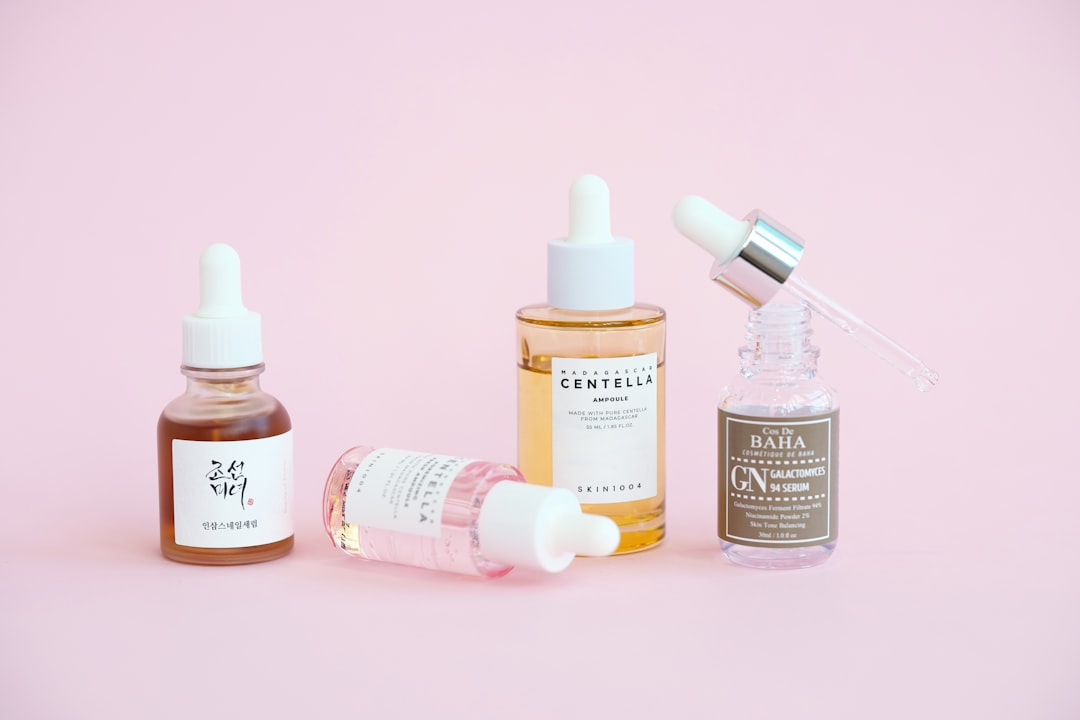
If you’ve ever wondered why Korean sunscreens have taken the beauty world by storm, you’re not alone. For years, Western consumers struggled with thick, chalky, pore-clogging sunscreens that felt like spackling paste on the skin. Then K-beauty arrived and changed everything. Korean sunscreen formulations have consistently pushed the boundaries of cosmetic chemistry, delivering broad-spectrum UV protection in textures so elegant they double as primers, moisturizers, and even tone-correcting treatments. According to market research, the global K-beauty sunscreen segment grew by over 29% between 2022 and 2024, and it shows no signs of slowing down. In this third installment of our “Top Sunscreens” series, we’re diving deep into the science, the standout products, and the practical tips you need to find your perfect Korean sunscreen match — no matter your skin type, budget, or climate.
Why Korean Sunscreens Outperform Western Formulas
Watch: skincare routine │ korean skincare, glassy + glowy skin, wha
The difference between a Korean sunscreen and a typical Western drugstore SPF isn’t just marketing hype — it’s rooted in regulatory frameworks, ingredient innovation, and a cultural obsession with skin health that goes back decades. Understanding why these products perform so differently will help you make smarter purchasing decisions.
Advanced UV Filters Approved in Asia
One of the biggest advantages Korean sunscreens hold is access to newer-generation UV filters that haven’t yet been approved by the FDA for use in the United States. Filters like Tinosorb S (Bis-Ethylhexyloxyphenol Methoxyphenyl Triazine), Tinosorb M (Methylene Bis-Benzotriazolyl Tetramethylbutylphenol), and Uvinul A Plus (Diethylamino Hydroxybenzoyl Hexyl Benzoate) offer superior UVA protection with exceptional photostability.
These modern filters absorb UV radiation more efficiently at lower concentrations, which means formulators can create lighter, thinner textures without sacrificing SPF. Compare that to the limited palette of 17 FDA-approved filters — many dating back to the 1970s and 1980s — and you start to understand the texture gap.
Korean sunscreens also frequently combine chemical and physical filters in hybrid formulas. You’ll see zinc oxide or titanium dioxide paired with organic filters like Homosalate or Octisalate, creating a synergistic effect that boosts overall protection while keeping the white cast minimal.
The “Skincare First” Philosophy
In South Korea, sunscreen isn’t treated as an afterthought — it’s the most important step in your skincare routine. This cultural mindset drives innovation at every level. Korean brands invest heavily in R&D to ensure their SPF products feel luxurious, layer well under makeup, and deliver secondary skincare benefits like hydration, brightening, and anti-aging.
Walk into any Olive Young store in Seoul and you’ll find entire aisles dedicated to sun protection, with products segmented by skin type, finish preference (dewy vs. matte), activity level, and even season. That level of consumer choice simply doesn’t exist in most Western markets yet. 10-Step Korean Skincare Routine: K-Beauty for Beginners
Cosmetic Elegance and Wearability
Let’s be honest: the number one reason people skip sunscreen is because they hate how it feels. Korean formulators understand this deeply. That’s why you’ll find Korean sunscreen textures ranging from watery essences to whipped mousses, from invisible milks to tinted serums. Many products dry down to a weightless, semi-matte finish that actually improves the look of your skin.
This cosmetic elegance isn’t a gimmick — it’s a public health strategy. A sunscreen you actually enjoy wearing is a sunscreen you’ll reapply. And consistent reapplication is what truly prevents UV damage, hyperpigmentation, and premature aging.
Top 10 Korean Sunscreens Worth Your Money in 2024
After testing over 40 products and cross-referencing ingredient lists, user reviews, and clinical data, here are the Korean sunscreens that earned top marks across multiple categories. We’ve included price points, where to buy, and key ingredient highlights. See Allure’s full K-beauty picks
Best Overall: Beauty of Joseon Relief Sun: Rice + Probiotics (SPF 50+ PA++++)
Price: $10–$16 | Available at: Amazon, Sephora, Stylevana
This is the sunscreen that broke the internet — and for good reason. The Beauty of Joseon Relief Sun combines rice bran extract and probiotics (Lactobacillus ferment) to deliver a nourishing, dewy finish that works beautifully on dry to normal skin. The rice extract is rich in ceramides, ferulic acid, and allantoin, which help strengthen the moisture barrier while providing antioxidant protection.
UV filters include a blend of chemical filters (including Uvinul A Plus and Uvinul T 150) for reliable broad-spectrum coverage. The texture is creamy but lightweight, absorbing in under 30 seconds with zero white cast on light to medium skin tones. At under $16 for 50ml, the value is almost unbeatable.
Best for Oily Skin: ROUND LAB Birch Juice Moisturizing Sunscreen (SPF 50+ PA++++)
Price: $14–$20 | Available at: Amazon, Olive Young Global, Stylevana
If you battle midday shine, ROUND LAB’s Birch Juice formula is a revelation. Birch sap — a hydrating ingredient beloved in Korean and Scandinavian skincare — provides moisture without any greasy residue. The formula dries to a natural, semi-matte finish that controls oil for 4–6 hours in humid conditions.
Key filters include Homosalate, Octisalate, and Bis-Ethylhexyloxyphenol Methoxyphenyl Triazine. The addition of panthenol and Centella asiatica extract makes this surprisingly soothing for acne-prone skin. It layers impeccably under both liquid and powder foundations.
Best Mineral Option: Benton Air Fit UV Defense Sun Cream (SPF 50+ PA++++)
Price: $15–$19 | Available at: Amazon, iHerb, YesStyle
For those who prefer a mineral-only approach — perhaps due to sensitivity or concerns about reef safety — Benton’s Air Fit delivers. It uses zinc oxide as its sole active filter, micronized for reduced white cast. The formula includes niacinamide for brightening, Centella extract for calming, and a touch of adenosine for anti-aging.
The trade-off: you will notice a slight white cast on deeper skin tones, though it’s substantially less than traditional Western mineral sunscreens. The texture is thicker than most Korean SPFs but still leagues ahead of brands like La Roche-Posay Anthelios mineral.
Quick-Reference Comparison Table
| Product | SPF/PA | Best For | Key Ingredient | Price |
|---|---|---|---|---|
| Beauty of Joseon Relief Sun | SPF 50+ PA++++ | Dry/Normal Skin | Rice Bran, Probiotics | $10–$16 |
| ROUND LAB Birch Juice | SPF 50+ PA++++ | Oily/Combo Skin | Birch Sap, Centella | $14–$20 |
| Benton Air Fit UV Defense | SPF 50+ PA++++ | Sensitive/Mineral Lovers | Zinc Oxide, Niacinamide | $15–$19 |
| Isntree Hyaluronic Acid Watery Sun Gel | SPF 50+ PA++++ | Dehydrated Skin | Hyaluronic Acid (4 types) | $13–$18 |
| SKIN1004 Madagascar Centella Hyalu-Cica | SPF 50+ PA++++ | Redness/Rosacea | Centella, Hyaluronic Acid | $12–$17 |
| Missha All Around Safe Block Essence Sun | SPF 45 PA+++ | Budget Pick | Persea Gratissima Oil | $8–$12 |
| Dr. G Green Mild Up Sun+ | SPF 50+ PA++++ | Kids & Ultra-Sensitive | Zinc Oxide, Green Tea | $16–$22 |
Understanding SPF, PA++++, and What the Ratings Actually Mean
If you’ve shopped for Korean sunscreen, you’ve noticed two rating systems on the packaging: SPF and PA. Understanding both is essential for choosing the right product — especially if you live in a Western climate where UVA exposure patterns differ from those in East Asia.
SPF: Protection Against UVB Rays
SPF (Sun Protection Factor) measures protection against UVB rays — the wavelengths primarily responsible for sunburn. An SPF 50 product, when applied correctly at 2mg/cm², blocks approximately 98% of UVB radiation. SPF 30 blocks about 97%. The difference sounds small, but in practice, that extra 1% can matter over cumulative lifetime exposure.
Here’s the critical detail most people miss: SPF testing assumes you apply 2mg per square centimeter of skin. For your face alone, that translates to roughly 1/4 teaspoon — far more than most people use. Studies from the British Journal of Dermatology found that typical consumers apply only 0.5–1.0 mg/cm², which can reduce the effective SPF by 50–75%. This is why dermatologists recommend SPF 50 as a baseline: even with imperfect application, you’re still getting meaningful protection.
PA System: The UVA Rating You Shouldn’t Ignore
The PA rating (Protection Grade of UVA) is based on Japan’s PPD (Persistent Pigment Darkening) test method and is widely used across Asia. It measures protection against UVA rays, which penetrate deeper into the dermis and are the primary drivers of photoaging, hyperpigmentation, and collagen breakdown.
The scale works as follows:
- PA+ — PPD 2–4 (some UVA protection)
- PA++ — PPD 4–8 (moderate UVA protection)
- PA+++ — PPD 8–16 (high UVA protection)
- PA++++ — PPD 16+ (extremely high UVA protection)
Most premium Korean sunscreens carry the maximum PA++++ rating, meaning they offer a PPD of 16 or higher. For comparison, many popular American sunscreens don’t even disclose their UVA protection level beyond a vague “broad spectrum” label, which only requires a critical wavelength of 370nm — a much lower bar than PA++++.
Why This Matters for Western Climates
If you live in places like Southern California, Texas, Florida, or even the Mountain West, you’re exposed to intense UV radiation for much of the year. UVA rays remain consistent year-round and can penetrate through clouds and glass windows. A Korean sunscreen with PA++++ gives you measurably superior UVA protection compared to most Western broad-spectrum sunscreens — which is why dermatologists on platforms like TikTok and YouTube increasingly recommend Asian SPFs.
Ingredient Deep Dive: What Makes Korean Sunscreens Special
Beyond UV filters, Korean sunscreens distinguish themselves by loading their formulas with active skincare ingredients that you’d normally find in serums and essences. Let’s break down the most common — and most effective — additions. Top 5 K-Beauty Trends of 2026: Expert Guide for Beginners
Centella Asiatica (Cica)
Centella asiatica is arguably the MVP ingredient in Korean skincare. Its active compounds — madecassoside, asiaticoside, madecassic acid, and asiatic acid (collectively known as “centelloids”) — have demonstrated anti-inflammatory, wound-healing, and collagen-stimulating properties in multiple clinical studies.
In sunscreens, Centella serves a dual purpose: it calms UV-induced inflammation and helps repair the skin barrier. Products like the SKIN1004 Madagascar Centella line use high-purity Centella grown in Madagascar, where the unique growing conditions produce higher concentrations of active compounds. This makes Centella-infused sunscreens particularly good choices for people dealing with redness, post-acne marks, or rosacea.
Niacinamide (Vitamin B3)
Found in products like the Benton Air Fit and numerous COSRX sunscreens, niacinamide at concentrations of 2–5% helps regulate sebum production, fade hyperpigmentation, and reinforce the skin’s ceramide barrier. A 2019 study published in the Journal of Clinical and Aesthetic Dermatology confirmed that niacinamide reduces transepidermal water loss (TEWL) by up to 24% over 4 weeks.
When paired with UV protection, niacinamide becomes even more powerful: it helps prevent the melanin overproduction that UV exposure triggers, making your sunscreen work double duty against dark spots and uneven tone.
Hyaluronic Acid (Multi-Weight)
Korean sunscreens frequently use multiple molecular weights of hyaluronic acid — from high-weight (stays on the surface for hydration) to low-weight (penetrates for deep plumping). The Isntree Hyaluronic Acid Watery Sun Gel, for example, contains four different types of HA, creating a moisture gradient that keeps skin hydrated throughout the day.
This is especially valuable in Western climates with dry indoor heating or air conditioning, where skin can lose moisture rapidly. A well-formulated HA sunscreen acts as both your moisturizer and SPF, simplifying your routine without compromising on hydration.
Rice Bran and Fermented Extracts
The Beauty of Joseon Relief Sun’s success owes much to rice bran extract (Oryza Sativa), which contains gamma-oryzanol — a powerful antioxidant that can absorb UV light on its own. Rice bran is also rich in vitamins E and B, squalane, and phytosterols that support barrier function.
Fermented ingredients like Saccharomyces and Lactobacillus ferment lysates are another Korean innovation. Fermentation breaks down molecules into smaller, more bioavailable forms, enhancing absorption. These probiotics-derived ingredients strengthen the skin microbiome, which research increasingly links to resilience against environmental stressors including UV damage.
How to Choose the Right Korean Sunscreen for Your Skin Type
With so many options available, choosing the right Korean sunscreen can feel overwhelming. Here’s a targeted guide based on the most common skin concerns in Western climates.
For Oily and Acne-Prone Skin
Look for these characteristics:
- Oil-free or water-based formulas — avoid products listing dimethicone high in the ingredient list, as it can feel heavy on oily skin
- “Sebum control” or “matte finish” claims backed by ingredients like silica or rice powder
- Non-comedogenic testing — Korean brands like COSRX, ROUND LAB, and Innisfree frequently test for comedogenicity
- Gel or fluid textures that absorb quickly without leaving a film
Top picks: ROUND LAB Birch Juice Sunscreen, COSRX Aloe Soothing Sun Cream, Innisfree Daily UV Defense Sunscreen Broad Spectrum SPF 36
For Dry and Dehydrated Skin
Dry skin needs sunscreens that add moisture rather than strip it. Look for:
- Cream or lotion textures with emollient bases
- Hyaluronic acid, ceramides, squalane, or glycerin in the first 10 ingredients
- “Dewy” or “glow” finish claims — these products typically contain light-reflecting particles and hydrating oils
- Avoid products with high alcohol (denat.) content, which can exacerbate dryness
Top picks: Beauty of Joseon Relief Sun, Isntree Hyaluronic Acid Watery Sun Gel, Laneige Hydro UV Defense SPF 50+
For Sensitive and Reactive Skin
Sensitive skin requires a careful approach. Mineral (physical) sunscreens are generally safer for reactive skin types because zinc oxide and titanium dioxide sit on top of the skin rather than being absorbed. However, some newer chemical filters are also well-tolerated.
Key criteria for sensitive skin:
- Fragrance-free formulas (check for “parfum” or “fragrance” in the ingredient list)
- Minimal essential oils — some K-beauty products include tea tree or lavender oil, which can irritate reactive skin
- Centella asiatica or madecassoside as featured calming ingredients
- Patch testing before full-face application is always recommended
Top picks: SKIN1004 Madagascar Centella Hyalu-Cica Water-Fit Sun Serum, Benton Air Fit UV Defense, Dr. G Green Mild Up Sun+ 2026 K-Beauty Routine: 7 Data-Backed Trends to Watch
Application Tips: Getting the Most Out of Your Korean Sunscreen
Even the best Korean sunscreen in the world won’t protect you if you’re applying it incorrectly. Here are research-backed application tips that will maximize your UV protection throughout the day.
The Two-Finger Rule
Popularized by dermatologists on social media, the two-finger rule provides an easy visual guide for proper application. Squeeze a line of sunscreen along your index and middle fingers, from the base to the tip. That amount — roughly 1–1.2ml — is what you need for your face and neck combined.
For products in pump or dropper bottles, aim for approximately three to four full pumps or half a dropper. If you’re using a cushion-type sunscreen (popular in Korea), you’ll need at least 8–10 presses of the cushion puff to achieve adequate coverage. This is significantly more product than most people instinctively use.
The “Dot and Spread” Method
Rather than squeezing sunscreen into your palm and rubbing it between your hands (which wastes product), try the dot-and-spread technique:
- Place dots of sunscreen on your forehead, each cheek, nose, and chin
- Gently spread each dot outward using your ring finger (lightest touch)
- Pat — don’t rub — to avoid disturbing the UV filter film
- Wait 2–3 minutes before applying makeup to allow the formula to set
- Don’t forget your ears, the back of your neck, and your hairline — commonly missed areas that are highly exposed to UV
Reapplication: The Rule Most People Break
Every dermatologist will tell you the same thing: sunscreen must be reapplied every two hours during continuous sun exposure, or immediately after swimming, sweating, or toweling off. This is where Korean sunscreen culture excels — the lightweight textures make reapplication over makeup far less disruptive than with heavy Western formulas.
For midday reapplication, consider Korean sunscreen cushion compacts or SPF mist sprays. Products like the AHC Natural Perfection Fresh Sun Stick or the Missha Aqua Sun Gel SPF 50+ in stick form make touch-ups easy without disturbing your makeup. These portable formats are a game-changer for outdoor workers, athletes, and anyone who spends more than 30 minutes outdoors at midday.
Korean Sunscreen vs. Western Sunscreen: A Head-to-Head Comparison
Let’s put the two categories side by side so you can see exactly where Korean sunscreens excel — and where Western options still have advantages.
| Category | Korean Sunscreens | Western Sunscreens |
|---|---|---|
| UVA Protection | PA++++ (PPD 16+), newer filters | Broad spectrum (CW ≥370nm), variable |
| Texture | Lightweight, serum/gel/milk/essence | Often thick, creamy, lotion-based |
| White Cast | Minimal to none (chemical); slight (mineral) | Often significant (mineral); none (chemical) |
| Skincare Benefits | Extensive (HA, niacinamide, Centella, etc.) | Limited (some antioxidants) |
| Price (50ml) | $8–$25 | $10–$45 |
| Water Resistance | Variable (often less robust) | Often 40–80 min rated |
| FDA Regulation | KFDA-regulated (cosmetic category) | FDA-regulated (OTC drug category) |
Where Western sunscreens still win: Water resistance. If you’re spending a full day at the beach, surfing, or doing intense outdoor sports, many American sunscreens offer tested 80-minute water resistance that some Korean formulas can’t match. For extended water activities, products like Neutrogena Beach Defense or Coppertone Sport remain solid choices — but for daily urban wear, Korean sunscreens are overwhelmingly superior in comfort, protection quality, and aesthetic elegance.
Where to Buy Authentic Korean Sunscreens in the US
One of the biggest concerns for American consumers is authenticity. Counterfeit K-beauty products — especially popular sunscreens — have been found on unauthorized third-party seller pages. Here’s how to shop safely.
Trusted Retailers
- Sephora — Now carries brands like Laneige, COSRX, and Beauty of Joseon with guaranteed authenticity
- Ulta — Growing K-beauty selection including COSRX and Peach & Lily curated brands
- Amazon — Only buy from brand-owned storefronts (look for “Ships from and sold by [Brand Name]” or official distributor badges). Brands like Beauty of Joseon, SKIN1004, and ROUND LAB now operate verified Amazon storefronts
- Olive Young Global — Korea’s #1 beauty retailer with international shipping and guaranteed authenticity
- YesStyle & Stylevana — Established Asian beauty retailers with strong track records, though shipping can take 7–14 days
- iHerb — Authorized retailer for many K-beauty brands with fast US shipping
Red Flags for Counterfeits
Watch out for these warning signs:
- Prices significantly below market value — if Beauty of Joseon Relief Sun is selling for $4 when the standard price is $12–$16, it’s almost certainly fake
- Packaging inconsistencies — different fonts, blurry printing, missing batch codes, or slight color variations
- No Korean text on packaging — authentic Korean sunscreens will always have Korean-language labeling
- Third-party sellers with limited reviews — check the seller’s history and customer photos before purchasing
Frequently Asked Questions About Korean Sunscreen
Are Korean sunscreens FDA-approved for use in the United States?
Korean sunscreens are regulated as cosmetics by the Korean FDA (MFDS), not as OTC drugs like in the United States. This means they haven’t gone through the FDA’s specific drug approval process. However, this doesn’t make them unsafe — the KFDA’s testing standards for UV protection are rigorous and widely respected by dermatologists worldwide. Many Korean sunscreens use UV filters that are approved in the EU, Australia, Japan, and Korea but are still “pending” FDA review due to the agency’s slow approval process. You can legally purchase and use them in the US; they simply can’t be marketed as “drugs” with SPF claims under US regulations.
Do Korean sunscreens work for darker skin tones?
Absolutely yes — and this is one area where Korean sunscreens genuinely shine. Most Korean chemical sunscreens leave zero white cast, making them ideal for medium to deep skin tones. Products like the Beauty of Joseon Relief Sun, ROUND LAB Birch Juice, and the SKIN1004 Centella line are transparent on all skin tones. For mineral-only options, look for formulas using micronized zinc oxide, but be prepared for some slight cast on deeper complexions. The trick is to apply in thin layers and allow each layer to absorb fully before adding more.
Can I use Korean sunscreen under makeup?
This is actually one of the Korean sunscreen’s greatest strengths. Most Korean SPFs are specifically formulated to layer under makeup without pilling, balling up, or disrupting foundation coverage. Many products are marketed as “tone-up” sunscreens that act as primers, evening out skin tone and creating a smooth canvas. For best results, wait 2–3 minutes after applying sunscreen before applying primer or foundation. Gel and essence-type sunscreens tend to layer best, while heavier cream formulas may require a setting powder to prevent slipping.
How long does a tube of Korean sunscreen last?
Most Korean sunscreens come in 50ml tubes. If you’re applying the recommended amount (about 1.2ml for face and neck) daily, a single tube will last approximately 5–6 weeks with once-daily application. If you’re reapplying midday — which you should during extended outdoor exposure — expect it to last 3–4 weeks. At $10–$20 per tube, that comes out to roughly $0.30–$0.65 per day, which is remarkably affordable for a product that prevents thousands of dollars in potential dermatological treatments down the road.
What does PA++++ actually mean, and is it better than “broad spectrum”?
PA++++ indicates a PPD (Persistent Pigment Darkening) value of 16 or higher, meaning the product allows only 1/16th or less of UVA radiation to reach your skin. The US “broad spectrum” designation only requires a critical wavelength of 370nm, which tells you the range of UVA protection but not the degree. In practical terms, PA++++ gives you more specific and measurable assurance of strong UVA protection. A sunscreen could technically qualify as “broad spectrum” in the US while offering relatively low UVA protection — something that isn’t possible with a PA++++ rating.
Related Posts You’ll Love
If you enjoyed this deep dive into Korean sunscreen science and product recommendations, here are more articles from our K-beauty and lifestyle coverage that you won’t want to miss:
- 10-Step Korean Skincare Routine: K-Beauty for Beginners — Learn how to build a complete routine around your sunscreen for maximum results.
- Top 5 K-Beauty Trends of 2026: Expert Guide for Beginners — See what’s coming next in the world of Korean beauty innovation.
- 2026 K-Beauty Routine: 7 Data-Backed Trends to Watch — Data-driven insights into where the industry is heading.
Suggested future articles:
- Best Korean Moisturizers for Every Skin Type: 2024 Guide
- Korean Sunscreen vs. Japanese Sunscreen: The Ultimate Comparison
- How to Build a Minimalist K-Beauty Routine in 3 Steps
Final Thoughts: Your Skin Deserves Better Sun Protection
The evidence is clear: Korean sunscreens offer a combination of superior UV protection, elegant textures, beneficial skincare ingredients, and remarkable value that’s hard to match in the Western market. Whether you’re dealing with oily summer skin in Houston, dry winter air in Chicago, or year-round UV exposure in Phoenix, there’s a Korean SPF formula designed for your exact needs.
The beauty of K-beauty sun protection isn’t just about vanity — it’s about long-term skin health. Every day you wear adequate, well-formulated sunscreen is a day you’re investing in smoother, more even-toned, healthier skin for decades to come. And with products this comfortable and affordable, there’s truly no excuse not to protect yourself.
Now I want to hear from you! Have you tried any of the Korean sunscreens mentioned in this article? What’s your holy grail SPF? Are you team dewy finish or team matte? Drop your thoughts in the comments below — I read and respond to every single one.
If this guide helped you discover your next favorite sunscreen, please share it with a friend who’s still suffering through chalky, white-cast sunscreens. And don’t forget to sign up for our newsletter to get weekly K-beauty reviews, ingredient breakdowns, and exclusive discount codes delivered straight to your inbox. Your skin will thank you.