Why Korean Convenience Store Food Is the Ultimate Street Food Experience You’re Missing
Watch: A Beginner’s Guide to Korean Cooking
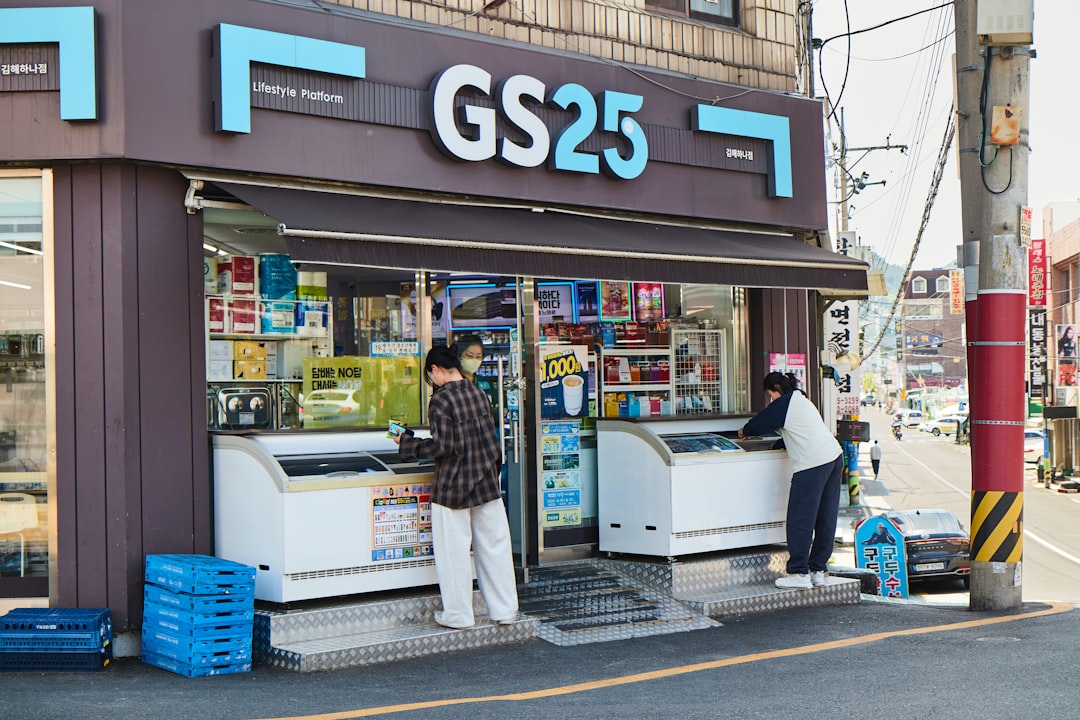
Picture this: it’s 2 AM in Seoul, snow is falling softly on the neon-lit streets of Myeongdong, and you stumble into a brightly lit GS25 convenience store. The warm air hits your face, and suddenly you’re surrounded by an entire universe of food — triangle kimbap glistening under fluorescent lights, steaming cups of tteokbokki ready to grab, and an entire wall of ramen you’ve never seen before. This isn’t your average 7-Eleven back home. This is a Korean convenience store, and it might just be the most underrated Korean street food destination on the planet.
South Korea’s convenience store culture is unlike anything in the West. With over 54,000 convenience stores nationwide — roughly one for every 950 people — these compact culinary wonderlands have evolved far beyond quick snacks and sodas. They’ve become legitimate dining destinations, late-night hangouts, and the first stop for millions of tourists hunting for authentic Korean street food flavors without the outdoor market crowds.
Whether you’re planning a trip to Korea, shopping at your local H-Mart, or just curious about what makes Korean convenience store food so wildly popular on TikTok and YouTube, this comprehensive guide covers everything. We’re breaking down the must-try items, hidden gems, price comparisons, and insider tips that will turn your next convenience store run into a full-blown Korean street food haul.
Explore more Korean food culture on the official Korea Tourism siteThe Big Three: Korea’s Convenience Store Chains Explained
Before you start loading up your basket, it helps to know the major players. Korea has three dominant convenience store chains, each with its own exclusive product lines and collaborations. Understanding the differences can genuinely change your haul strategy.
CU (Formerly FamilyMart Korea)
CU is the largest convenience store chain in South Korea with over 17,000 locations as of 2025. They’re famous for their “Baekjongwon” collaboration products — a line developed with Korea’s most beloved celebrity chef, Baek Jong-won. Their Heistick corn dogs and ready-to-eat bento boxes consistently rank among the top-selling convenience store items nationwide.
CU also leads the pack in private-label snacks. Their “Get” brand chips and “HEYROO” dessert line offer quality that rivals — and sometimes surpasses — major brand-name competitors at a fraction of the price. A full meal at CU typically runs between $3 to $6 USD, making it an incredibly budget-friendly way to sample Korean street food flavors.
GS25
GS25 is the chain most tourists encounter first, thanks to its prime locations near major subway stations and tourist areas. They’ve built a reputation for creative limited-edition products and K-pop collaborations. In recent years, GS25 partnered with BTS’s favorite restaurants and popular mukbang creators to develop exclusive menu items.
Their standout offering is the “Meal Box” (도시락, dosirak) series — beautifully packaged lunch boxes that range from classic bibimbap style to fusion flavors like kimchi fried rice with cheese. At roughly $3.50 to $5 USD per box, these represent some of the best value meals in all of Seoul. GS25 also dominates the fresh sandwich and bakery category, with items baked in-store at many locations.
7-Eleven Korea
Don’t confuse Korean 7-Eleven with what you know from the States. 7-Eleven Korea operates as an entirely different beast, with a food selection that would make American locations weep with inadequacy. Their claim to fame is the “7-Select” premium line and an impressive array of frozen items that you heat up at in-store microwaves.
7-Eleven Korea is also the go-to chain for exclusive beverage collaborations. From banana milk variants you can’t find anywhere else to seasonal fruit sojus, their drink aisle alone is worth a dedicated haul. They tend to be slightly more experimental with flavors, making them the chain of choice for adventurous eaters.
| Feature | CU | GS25 | 7-Eleven Korea |
|---|---|---|---|
| Total Stores | 17,000+ | 16,800+ | 13,000+ |
| Best For | Celebrity chef collabs, budget meals | Dosirak lunch boxes, bakery items | Drinks, frozen items, experimental flavors |
| Average Meal Cost | $3–$6 | $3.50–$5 | $3–$5.50 |
| Exclusive Strength | Baekjongwon line | K-pop collabs | 7-Select premium beverages |
Top 15 Must-Try Korean Convenience Store Foods
Now for the main event. After years of hauls, taste tests, and late-night convenience store runs across Seoul, Busan, and Jeju, here are the absolute must-try items that belong in every Korean convenience store food haul. These are the products that capture authentic Korean street food flavors in grab-and-go form.
1–5: The Essential Staples
1. Samgak Kimbap (삼각김밥) — $0.80 to $1.20 USD
The triangle kimbap is the undisputed king of Korean convenience store food. Wrapped in crispy seaweed with perfectly seasoned rice and fillings like tuna mayo, bulgogi, or kimchi, these little triangles are the snack that launched a thousand TikTok videos. The packaging features an ingenious three-step pull system that keeps the seaweed separate from the rice until you’re ready to eat — keeping everything perfectly crispy.
Pro tip: the chamchi mayo (tuna mayo) flavor is the best seller for a reason, but don’t sleep on the jeyuk bokkeum (spicy pork) variety. It’s like holding an entire Korean BBQ in the palm of your hand.
2. Cup Tteokbokki (컵떡볶이) — $1.50 to $2.50 USD
If you love Korean street food, tteokbokki is non-negotiable. The convenience store cup versions from brands like Yopokki and Dongwon deliver chewy rice cakes in a fiery gochujang sauce that you simply add hot water to. In under four minutes, you’ve got a steaming cup of Korea’s most iconic street snack. The cheese variety adds a creamy, gooey dimension that tempers the heat beautifully.
Tteokbokki: The Easiest Korean Dish You’ll Ever Make
3. Korean Convenience Store Ramen — $1.00 to $2.00 USD
You haven’t truly experienced instant ramen until you’ve tried it the Korean convenience store way. Many stores have dedicated hot water dispensers and even ramen cooking stations where you can boil your noodles on the spot. Shin Ramyun is the classic choice, but insiders know that Buldak Bokkeum Myeon (fire noodles) and the newer Jin Ramen Mild deserve equal attention.
The real move? Grab a cup ramen, a samgak kimbap, and a banana milk. That’s the Korean convenience store golden trio — a complete meal for under $4.
4. Corn Dogs (핫도그) — $1.50 to $2.00 USD
Korean corn dogs bear almost no resemblance to the American county fair version. These Korean street food sensations come coated in a sweet, slightly crispy batter — and the variations are endless. You’ll find versions rolled in french fries, coated in ramen noodle crumbs, or stuffed with stretchy mozzarella cheese instead of a hot dog. The convenience store frozen versions from brands like CU’s Heistick heat up perfectly in the in-store microwave.
5. Dosirak Lunch Boxes (도시락) — $3.00 to $5.50 USD
The Korean convenience store dosirak is a complete meal in a compartmentalized box — rice, protein, pickled vegetables, and usually kimchi, all portioned out beautifully. Popular varieties include bulgogi dosirak, kimchi fried rice boxes, and the increasingly popular “character collaboration” boxes that feature packaging tied to popular K-dramas or anime. GS25’s premium dosirak line is widely considered the best, with restaurant-quality ingredients at fast-food prices.
6–10: The Fan Favorites
6. Banana Milk (바나나맛 우유) — $1.50 to $2.00 USD
Binggrae’s banana-flavored milk in its iconic squat, round bottle is practically a Korean cultural institution. Created in 1974, it remains the number one flavored milk in Korea with over 800 million bottles sold annually. The flavor is sweet, creamy, and nostalgic — like a banana milkshake’s more refined cousin. You’ll also find strawberry, melon, and coffee variations, but the original banana is essential.
7. Convenience Store Fried Chicken — $2.50 to $4.00 USD
Yes, you can get fried chicken at a Korean convenience store, and yes, it’s surprisingly good. CU and GS25 both carry hot-case fried chicken pieces that rival many takeout joints. The yangnyeom (sweet-spicy glazed) variety is the standout, delivering that sticky, garlicky coating that makes Korean fried chicken world-famous. Pair it with a cold can of beer for the authentic chimaek (chicken + beer) experience.
8. Honey Butter Chips — $2.00 to $3.00 USD
When Haitai released Honey Butter Chips in 2014, Korea literally lost its mind. The chips sold out nationwide for months. People resold bags for ten times the retail price. The combination of sweet honey, rich butter, and salty chips hit a flavor nerve that nobody knew existed. While the initial mania has calmed down, they remain one of Korea’s most beloved snacks and a mandatory addition to any convenience store haul.
9. Spam Musubi / Spam Kimbap — $1.50 to $2.50 USD
Korea’s love affair with Spam is well-documented — the country is the world’s second-largest consumer of Spam after the United States. Korean convenience stores honor this passion with Spam-forward items like Spam musubi, Spam kimbap rolls, and even Spam dosirak boxes. The CU Spam Mayo Kimbap is a cult favorite: thick slices of pan-fried Spam wrapped with rice, seaweed, and a drizzle of Kewpie mayo.
10. Hotteok (호떡) — $1.00 to $1.80 USD
Hotteok is a sweet Korean street food pancake filled with brown sugar, cinnamon, and crushed nuts. The convenience store frozen versions are remarkable — pop one in the microwave for 60 seconds and you get a warm, gooey, crispy-edged treat that rivals many street vendor versions. During the winter months, limited-edition flavors like sweet potato and red bean appear, and they sell out fast.
11–15: The Hidden Gems
11. Yakgwa (약과) — $1.50 to $3.00 USD
This traditional Korean honey cookie had a massive resurgence in 2023–2024, becoming one of the trendiest desserts in Korea. Convenience stores responded with yakgwa-flavored everything — yakgwa lattes, yakgwa ice cream, and beautifully packaged individual yakgwa cookies. The texture is dense, chewy, and soaked in honey syrup with warming notes of ginger and sesame oil. It’s centuries-old Korean confection made accessible.
12. Eomuk (어묵) Fish Cake Skewers — $0.80 to $1.50 USD
Many Korean convenience stores have a dedicated hot food section near the register with fish cake skewers simmering in a light, savory broth. You grab a skewer, and some stores let you ladle the broth into a cup for free. This is authentic Korean street food in its most accessible form — warm, comforting, and ridiculously cheap.
13. Buldak Sauce Products — $2.00 to $4.00 USD
The Samyang Buldak (fire chicken) franchise has expanded far beyond instant noodles. Korean convenience stores carry Buldak-branded rice bowls, tteokbokki, dumplings, and even buldak-flavored snacks. The Buldak Carbonara Rice is a newer addition that balances the signature scorching heat with a creamy, cheesy base. It’s become a must-try for spice lovers.
14. Sweet Korean Pancake Mix Snacks — $1.00 to $2.00 USD
Brands like Orion and Lotte produce packaged versions of Korean pancake-style sweets — soft, cake-like snacks filled with red bean paste, custard, or chocolate. The “Choco Pie” is the most internationally recognized, but the custard-filled “Moncher” and the red bean “Bungeo-ppang (fish-shaped pastry) snacks” deserve your attention.
15. Soju Cocktails and Flavored Soju — $2.00 to $4.00 USD
No Korean convenience store haul is complete without beverages. Flavored sojus in peach, grape, grapefruit, and even yogurt varieties have transformed Korea’s national spirit into an approachable, sessionable drink. At around 12–13% ABV, they’re gentler than classic soju. Many tourists buy several bottles to bring home — they make excellent gifts and conversation starters.
How to Build the Perfect Korean Convenience Store Haul
Walking into a Korean convenience store without a strategy is like walking into Costco hungry — you’ll end up with way more than you planned, and half of it might not be what you actually wanted. Here’s how to build a balanced, satisfying haul that covers all the essential Korean street food categories.
The Budget Haul: Under $10 USD
If you’re on a tight budget, you can still experience the best of Korean convenience store culture for under ten dollars. Here’s a sample budget haul:
- Tuna mayo samgak kimbap — $1.00
- Cup tteokbokki (cheese flavor) — $2.00
- Banana milk — $1.50
- Honey Butter Chips — $2.50
- Fish cake skewer — $1.00
- Choco Pie (single) — $0.80
Total: $8.80 USD. That’s a full snack spread that covers savory, sweet, spicy, and creamy — hitting every major flavor profile of Korean street food in a single, affordable run.
The Ultimate Haul: $20–$30 USD
With a slightly larger budget, you can go all out. Add a premium dosirak, fried chicken, a couple of flavored sojus, and some exclusive limited-edition snacks to your baseline. The $20–$30 range lets you build a haul that’s worthy of a YouTube unboxing video — and frankly, many popular food YouTubers spend exactly this amount on their Korean convenience store content.
The key is variety over quantity. Instead of buying five of the same item, get one of fifteen different things. Korean convenience store food is designed to be sampled, mixed, and shared.
Pro Tips for Maximum Haul Value
- Check for 1+1 and 2+1 deals. Korean convenience stores constantly run buy-one-get-one and buy-two-get-one promotions, marked with bright stickers. These deals can effectively halve your total cost.
- Visit after 9 PM. Many stores discount ready-to-eat items like kimbap and sandwiches as they approach their sell-by time. You’ll find yellow discount stickers on items marked down 20–30%.
- Use the store’s app. CU, GS25, and 7-Eleven all have membership apps with digital coupons and points systems that accumulate surprisingly fast.
- Don’t ignore the freezer section. Some of the best Korean convenience store items are frozen — mandu (dumplings), hotteok, and premium rice bowls that heat up beautifully in the in-store microwave.
Where to Find Korean Convenience Store Food in the U.S.
You don’t need a plane ticket to Seoul to experience Korean convenience store culture. The Korean food wave has made most of these items available across the United States, and the selection is expanding rapidly every year.
H-Mart: Your Best Bet
H-Mart is the largest Asian supermarket chain in America with over 97 locations across the country. Their snack and instant food aisles carry the vast majority of items on this list — samgak kimbap, cup tteokbokki, Honey Butter Chips, banana milk, and dozens of ramen varieties. Many H-Mart locations now have dedicated Korean convenience store-style sections with grab-and-go items near the checkout area.
Prices at H-Mart are typically 20–40% higher than in Korea, but still very reasonable. A samgak kimbap that costs $1 in Seoul might be $1.80 at H-Mart — still a bargain by any standard.
Online Retailers and Specialty Shops
If you don’t have an H-Mart nearby, several online retailers specialize in Korean snacks and convenience store items:
- Weee! — Asian grocery delivery app with an excellent Korean section and frequent promotions.
- Amazon — Carries most popular items (Buldak noodles, Honey Butter Chips, banana milk) though prices are higher.
- SnackFever and Seoulbox — Monthly subscription boxes curated with Korean convenience store snacks, including limited-edition items.
Even Whole Foods and Trader Joe’s have started carrying select Korean items. Trader Joe’s Korean-inspired frozen meals and Whole Foods’ expanding Asian snack section reflect the growing mainstream demand for Korean street food flavors.
Find Korean recipes and cooking inspiration at MaangchiKorean Convenience Store Food vs. Korean Street Food: What’s the Difference?
This is a question that comes up constantly, and the answer might surprise you. In many cases, the line between Korean convenience store food and traditional Korean street food has almost completely blurred.
Quality Comparison
Ten years ago, there was a clear quality gap. Street vendor tteokbokki, freshly made on a cart in Myeongdong, was in a completely different league from a microwaveable cup version. But Korean convenience store chains have invested billions of won in food technology and celebrity chef partnerships to close that gap. CU’s collaboration with Chef Baek Jong-won, for example, brought restaurant-level recipe development to convenience store products.
Today, blind taste tests conducted by Korean food media regularly show that consumers often can’t distinguish between premium convenience store items and their street vendor equivalents. The gap that remains is mostly about the experience — the sizzle of a hotplate, the steam rising from a vendor’s pot, the atmosphere of a bustling market.
Price Comparison
Street food prices in Korea have risen significantly in recent years. A serving of tteokbokki at a popular market like Gwangjang Market now costs ₩5,000–₩7,000 ($3.75–$5.25 USD), while the convenience store cup version is ₩1,500–₩2,500 ($1.12–$1.87). Korean corn dogs at tourist-heavy street stalls can run ₩4,000–₩5,000 ($3.00–$3.75), versus ₩2,000 ($1.50) for a convenience store frozen version.
For budget-conscious travelers, Korean convenience stores offer authentic Korean street food flavors at roughly 40–60% of the price you’d pay at a market or street stall.
The Convenience Factor
The biggest advantage of convenience store food is right there in the name: convenience. Street food markets typically operate during limited hours. Popular stalls have long lines. Weather can make outdoor eating miserable in Korea’s humid summers and freezing winters.
Convenience stores are open 24/7, 365 days a year, climate-controlled, and offer seating areas. Many locations near universities and office districts have become de facto dining rooms, complete with microwaves, hot water dispensers, and even outdoor patio seating.
Korean Study Culture: Why Cafes Are the New Study RoomsThe Cultural Phenomenon: Why Koreans Love Convenience Store Dining
To truly understand Korean convenience store food, you need to understand the cultural context behind it. Convenience store dining in Korea isn’t seen as a compromise or a last resort — it’s a genuine cultural practice with deep roots in Korean social life.
The “Pyeonuijeom” Culture
“Pyeonuijeom” (편의점) literally means “convenience store” in Korean, and the word carries far more cultural weight than its English equivalent. For Korean university students, pyeonuijeom runs are a social ritual — grabbing ramen, soju, and snacks with friends at 1 AM isn’t considered sad or cheap. It’s considered fun, communal, and quintessentially Korean.
This cultural attitude is reflected in Korean media. Multiple hit K-dramas and variety shows feature iconic convenience store scenes. The 2020 drama “Backstreet Rookie” was literally set in a convenience store. Mukbang creators regularly film entire episodes dedicated to convenience store hauls, racking up millions of views.
K-Pop Idols Who Act: 15 Best K-Drama Roles in 2025Innovation and Competition Drive Quality
The fierce three-way competition between CU, GS25, and 7-Eleven has created an innovation arms race that directly benefits consumers. Each chain launches hundreds of new products annually, and items that don’t perform are pulled within weeks. This Darwinian pressure means that the products you find on shelves are battle-tested winners — they’ve survived one of the most competitive retail environments in the world.
Recent innovations include AI-recommended product pairings, smart shelf technology that suggests complementary items, and even convenience store-exclusive meal kits that let you cook restaurant-quality dishes at home with pre-portioned ingredients. Korean convenience stores aren’t just keeping up with food trends — they’re setting them.
Bringing Korean Convenience Store Culture Home: DIY Haul Ideas
Even if you’re thousands of miles from Seoul, you can recreate the Korean convenience store experience at home with items available at H-Mart, Asian grocery stores, or online retailers. Here’s how to host your own Korean convenience store food night.
The Movie Night Haul
Set up a spread of Korean snacks and drinks for your next movie marathon. Arrange Honey Butter Chips, shrimp crackers, dried squid, and Pepero sticks on a large plate. Add banana milk, Milkis (a sparkling milk drink), and flavored soju for the adults. Serve warm corn dogs and cup tteokbokki as the main course. This setup feeds 4–6 people for roughly $25–$35 USD total.
The Solo Comfort Meal
Some nights you just want comfort food and zero effort. The Korean convenience store solo meal looks like this: one premium cup ramen (try Nongshim Shin Black for an elevated experience), one samgak kimbap, one banana milk, and a Choco Pie for dessert. Total cost at H-Mart: roughly $6–$8 USD. Total prep time: four minutes of hot water and microwave time.
This kind of efficient, affordable, and genuinely delicious solo dining is exactly why Korean convenience store culture resonates with people worldwide. It strips away pretension and delivers pure comfort through familiar, well-executed flavors.
Korea Winter Travel: Best Ski Resorts Guide 2025 suggested topic: Best Korean Ramen Rankings: Top 20 Instant Noodles ReviewedFrequently Asked Questions About Korean Convenience Store Food
Is Korean convenience store food healthy?
Korean convenience store food covers a wide spectrum. Items like samgak kimbap, fish cake skewers, and hard-boiled eggs are relatively nutritious choices with balanced macronutrients. However, many items — particularly ramen, fried foods, and sweet snacks — are high in sodium, sugar, and calories. As with any cuisine, moderation and variety are key. Korean chains have responded to health trends by introducing low-calorie dosirak options, protein-focused items, and salad boxes in recent years. Always check the nutrition label (영양정보), which is printed on every packaged item.
Can I bring Korean convenience store food back to the U.S. in my luggage?
Most sealed, shelf-stable items are fine to bring through U.S. customs — chips, candy, instant noodles, cookies, and sealed sauces typically pass without issues. However, any fresh or refrigerated items (kimbap, sandwiches, dairy products) are likely to be confiscated. Meat-containing products exist in a gray area and may be flagged. Your safest bet is to stick to sealed snacks, instant noodles, and non-perishable beverages for your suitcase haul. Wrap glass bottles in clothing to prevent breakage.
How do I read Korean convenience store labels if I don’t speak Korean?
Several smartphone apps make navigating Korean labels easy. Google Translate’s camera feature can translate text in real-time by pointing your phone at packaging. The Papago app (made by Naver, Korea’s search engine) is even more accurate for Korean-to-English food translations. Additionally, most convenience store items include small English descriptions or internationally recognizable imagery. Store staff in tourist-heavy areas often speak basic English and are generally very willing to help you identify products.
What are the most popular Korean convenience store items among Korean locals?
According to convenience store sales data published by the Korean Retail Association, the top five bestselling categories in 2024 were: (1) triangle kimbap, (2) instant ramen/cup noodles, (3) flavored milk beverages, (4) dosirak lunch boxes, and (5) coffee drinks. Interestingly, the items popular with tourists — like Honey Butter Chips and Buldak noodles — don’t always match what locals buy most frequently. Koreans tend to gravitate toward practical meal replacements rather than snack items.
Are Korean convenience store foods available internationally outside the U.S.?
Yes, Korean convenience store products are increasingly available worldwide. The UK, Australia, Canada, and several Southeast Asian countries have seen major growth in Korean grocery imports. CU has even opened international locations in Mongolia and Malaysia. Online retailers like YesStyle (Asia-Pacific), Jolse, and various Amazon regional stores ship Korean snacks globally. The Hallyu (Korean Wave) effect on food exports has been substantial — Korea’s processed food exports grew over 15% annually from 2020 to 2024, with convenience-style snacks leading the category.
Related Posts You’ll Love
If you enjoyed this deep dive into Korean convenience store food, check out these related articles:
- Tteokbokki: The Easiest Korean Dish You’ll Ever Make — Master Korea’s most iconic street food right in your own kitchen with our step-by-step guide.
- Korea Winter Travel: Best Ski Resorts Guide 2025 — Planning a trip to Korea? Combine your convenience store food crawl with an incredible winter adventure.
- Korean Study Culture: Why Cafes Are the New Study Rooms — Discover why Korean convenience stores and cafes have become the social hubs of modern Korean life.
Suggested new articles we think you’d enjoy:
- suggested topic: Korean Ramyeon Wars: The Best Instant Noodles of 2025
- suggested topic: Korean Drinking Culture Explained: Soju Etiquette for Beginners
Over to You: What’s in Your Korean Convenience Store Haul?
Korean convenience store food has evolved from a quick pit stop into a genuine culinary experience — one that captures the bold, comforting, endlessly creative spirit of Korean street food culture. Whether you’re wandering the aisles of a GS25 at midnight in Hongdae or browsing the Korean section at your local H-Mart, there’s a whole world of flavor waiting in those brightly lit aisles.
Now we want to hear from you. Have you tried any of the items on this list? What’s your go-to Korean convenience store snack? Did we miss your favorite item? Drop a comment below and share your ultimate haul lineup — we read every single response and love discovering new recommendations from our readers.
If this guide helped you plan your next Korean food adventure, share it with a friend who needs to know about the magic of Korean convenience store food. Tag us on social media with your haul photos using #KFoodHaul — we feature our favorites every week.
And if you want more Korean food guides, K-beauty recommendations, and cultural deep dives delivered straight to your inbox, don’t forget to subscribe to our newsletter. We send one curated email per week, packed with the latest in Korean culture, food, and lifestyle. No spam, just the good stuff — kind of like a perfectly curated convenience store haul, delivered to your inbox.
K-Beauty Trends 2025: The New K-Beauty Routine Guide
Last updated: February 2026. Prices and product availability may vary by location and season. All prices listed in USD are approximate conversions from Korean won.