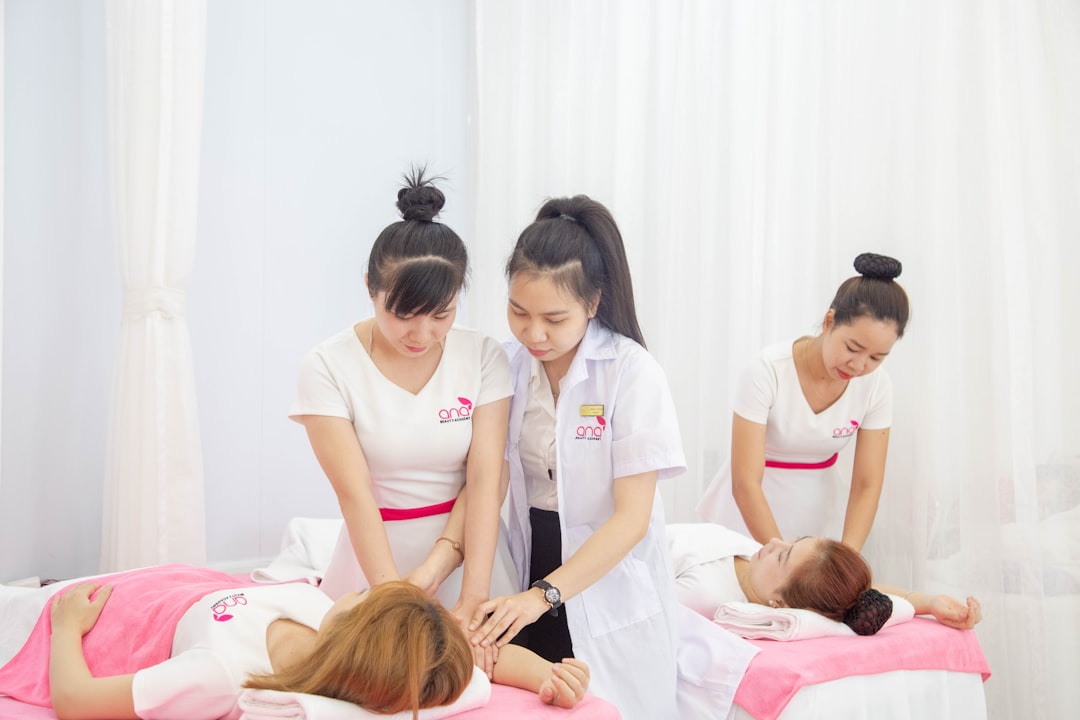
Why the Korean Skincare Routine Is Taking Over Western Beauty Shelves
If you’ve ever scrolled through Instagram or TikTok and wondered how Korean celebrities maintain that impossibly dewy, glass-like skin, you’re not alone. The Korean skincare routine for beginners step by step has become one of the most searched beauty topics worldwide — and for good reason. According to Statista, the global K-Beauty market surpassed $10.2 billion in 2025 and is projected to reach $13.9 billion by 2028, with North America being the fastest-growing region.
But here’s the thing most Western beauty blogs won’t tell you: the famous 10-step Korean skincare routine isn’t about slathering on ten products every single night. It’s a philosophy of layering lightweight, targeted treatments that work synergistically to hydrate, protect, and repair your skin barrier. Think of it less like a rigid checklist and more like a customizable framework.
Whether you’re battling dry winter skin in Chicago, dealing with humidity-induced breakouts in Miami, or fighting the premature aging effects of high-altitude UV in Denver, this guide breaks down every step with science-backed ingredient analysis, real product recommendations you can buy at Sephora, Ulta, and Amazon, and honest advice on which steps you can skip. Let’s dive in.
Step 1: Oil Cleanser — The Foundation of Clean Skin

Why Oil Cleansing Changes Everything
The concept of “like dissolves like” is basic chemistry, and it’s the principle behind oil cleansing. Oil-based cleansers dissolve oil-based impurities — sunscreen, makeup, sebum, and environmental pollutants — far more effectively than foam or gel cleansers alone. This is the first half of the famous “double cleanse” method, and it’s arguably the single most impactful step you can add to your routine.
If you’ve ever washed your face with a regular cleanser and still found mascara residue on your cotton pad afterward, you understand why this step matters. Studies published in the International Journal of Cosmetic Science confirm that oil-based cleansing removes significantly more particulate matter and oxidized sebum than water-based cleansing alone.
Top Oil Cleanser Picks
- Banila Co Clean It Zero Cleansing Balm ($19, Sephora/Amazon) — A sherbet-textured balm with vitamin C derivative (ascorbyl tetraisopalmitate) and acerola extract. Emulsifies beautifully with water and rinses clean. Best for: normal to dry skin.
- KOSE Softymo Speedy Cleansing Oil ($10, Amazon) — Mineral oil-based, fragrance-free, budget-friendly. Removes even waterproof Japanese sunscreens in seconds. Best for: all skin types, especially sensitive.
- Dear, Klairs Gentle Black Fresh Cleansing Oil ($22, Amazon) — Contains black sesame oil and black currant seed oil rich in gamma-linolenic acid (GLA), which supports the skin barrier. Best for: dry and dehydrated skin types common in heated indoor Western environments.
Pro tip: Apply oil cleanser to dry skin and massage for 60 seconds. This gives the oils time to bind with impurities. Then add water to emulsify and rinse. If you wear minimal makeup and no sunscreen (though you should always wear sunscreen!), you can skip this step in the morning.
Step 2: Water-Based Cleanser — The Second Cleanse
Completing the Double Cleanse
After the oil cleanser removes oil-soluble debris, a water-based cleanser targets water-soluble impurities like sweat and environmental dust. Together, these two steps form the legendary Korean double cleanse — a method that dermatologists like Dr. Charlotte Cho (co-founder of Soko Glam) credit as the single most important K-Beauty innovation for Western audiences.
The key here is choosing a cleanser with a pH between 5.0 and 6.0, which matches your skin’s natural acid mantle. Many Western cleansers sit at pH 8-10, which strips the barrier and triggers overproduction of sebum — a vicious cycle that leads to both dryness and breakouts.
Recommended Water-Based Cleansers
- COSRX Low pH Good Morning Gel Cleanser ($12, Amazon/Ulta) — pH 5.0-6.0, contains betaine salicylate (BHA) for gentle exfoliation and tea tree oil for antimicrobial benefits. A cult favorite for oily and acne-prone skin.
- Innisfree Green Tea Foam Cleanser ($12, Sephora) — Amino acid-based surfactants (the gentlest category) with Jeju green tea extract rich in EGCG antioxidants. Leaves skin feeling clean but never tight.
- Rovectin Skin Essentials Conditioning Cleanser ($15, Amazon) — Soap-free, fragrance-free, with niacinamide built into the formula. Perfect for sensitive skin or anyone dealing with rosacea — a common concern in cold, windy Western climates.
If you’re doing the Korean skincare routine for beginners step by step, mastering the double cleanse alone will produce visible results within two weeks. Many beginners report fewer blackheads, smoother texture, and reduced breakouts just from cleansing properly. Korean Makeup vs Western Makeup: 7 Key Differences (2026)
Step 3: Exfoliator — Revealing Fresh Skin (2-3x Per Week)

Chemical vs. Physical Exfoliation
Korean skincare heavily favors chemical exfoliation over physical scrubs. While St. Ives Apricot Scrub was a Western bathroom staple for decades, K-Beauty recognized early that micro-tears from harsh physical exfoliants damage the skin barrier. Instead, Korean formulations rely on AHAs (glycolic acid, lactic acid), BHAs (salicylic acid, betaine salicylate), and PHAs (gluconolactone, lactobionic acid).
Here’s a quick comparison to help you choose:
| Exfoliant Type | Best For | Penetration | Frequency |
|---|---|---|---|
| AHA (Glycolic, Lactic) | Dry skin, sun damage, hyperpigmentation | Surface level | 2-3x/week |
| BHA (Salicylic Acid) | Oily skin, blackheads, acne | Oil-soluble, penetrates pores | 2-3x/week |
| PHA (Gluconolactone) | Sensitive skin, rosacea, eczema-prone | Surface level, larger molecule | Daily okay |
Top Exfoliator Recommendations
- COSRX AHA 7 Whitehead Power Liquid ($16, Amazon) — 7% glycolic acid at pH 4.0. Targets dullness, rough texture, and closed comedones. Start once weekly and build up.
- COSRX BHA Blackhead Power Liquid ($16, Amazon/Ulta) — 4% betaine salicylate (gentler than pure salicylic acid). Unclogs pores without the intense dryness that Western BHA products often cause.
- ISNTREE Clear Skin 8% AHA Essence ($18, Amazon) — Blend of glycolic and lactic acids. The lactic acid component also functions as a humectant, so it exfoliates while drawing moisture into the skin.
Important: Never use exfoliators on the same night as retinol or vitamin C serums. And always — always — wear sunscreen the next morning. AHAs increase photosensitivity by up to 45%, according to FDA guidelines.
Step 4: Toner — Prepping Your Skin for Maximum Absorption
Korean Toners Are Not What You Think
Forget everything you know about Western astringent toners loaded with alcohol. Korean toners are hydrating, pH-balancing prep steps designed to create a moist canvas so subsequent products absorb better. The Korean term is “skin” (스킨), and it functions more like a liquid moisturizer than a toner in the Western sense.
The science is straightforward: damp skin absorbs active ingredients up to 10 times more effectively than dry skin. By applying a hydrating toner immediately after cleansing, you’re keeping your skin in that optimal absorption window.
The “7-Skin Method” for Extreme Hydration
One uniquely Korean technique is the 7-skin method — applying up to seven thin layers of a lightweight toner, patting each layer in before adding the next. This is especially effective during harsh winter months when indoor heating decimates your skin’s moisture levels. You don’t need to do all seven layers every time; even 3-4 layers make a dramatic difference.
- Klairs Supple Preparation Unscented Toner ($22, Sephora/Amazon) — Hyaluronic acid + beta-glucan. The unscented version removes potential irritants for sensitive skin. A Reddit HolyGrail favorite for three years running.
- Laneige Cream Skin Toner & Moisturizer ($34, Sephora) — Contains white tea leaf extract and amino acid-rich cream blended into a milky toner. So hydrating it can replace moisturizer in humid climates.
- Pyunkang Yul Essence Toner ($13, Amazon) — 91.3% milk vetch root extract (astragalus membranaceus), a traditional Korean herbal medicine ingredient with proven anti-inflammatory properties. Seven ingredients total — minimalism at its best.
See Allure’s picks for the best K-Beauty products
Steps 5 & 6: Essence and Serum — The Heart of K-Beauty

What Makes Essences Different From Serums?
This is where the Korean skincare routine for beginners step by step gets uniquely Korean. Essences don’t really exist in Western skincare. Think of them as a lightweight, watery treatment packed with fermented ingredients and humectants that boost cell turnover and hydration at a deeper level than toners.
Serums, on the other hand, are concentrated treatments targeting specific concerns — think vitamin C for brightening, niacinamide for pore refinement, or peptides for anti-aging. The distinction:
| Feature | Essence | Serum |
|---|---|---|
| Texture | Watery, lightweight | Thicker, viscous |
| Purpose | Overall hydration + cell renewal | Targeted treatment |
| Key ingredients | Ferments, hyaluronic acid | Vitamin C, retinol, peptides |
| Application | Pat over entire face | Apply to specific areas |
Essence Recommendations
SK-II Facial Treatment Essence ($185, Sephora) is the gold standard — 90%+ Pitera™ (galactomyces ferment filtrate), which contains over 50 micronutrients including vitamins, amino acids, minerals, and organic acids. Yes, it’s pricey. But there’s a reason it’s been the #1 essence in Asia for 40 years.
Budget alternative: COSRX Advanced Snail 96 Mucin Power Essence ($16, Amazon/Ulta) — 96% snail secretion filtrate, rich in glycoprotein enzymes, copper peptides, and hyaluronic acid. Clinically shown to improve hydration by 85% after four weeks. Don’t let the “snail” part deter you — it’s odorless, clear, and absorbs instantly.
Serum Recommendations by Skin Concern
- Brightening: Wishtrend Pure Vitamin C 21.5% Advanced Serum ($22, Amazon) — L-ascorbic acid at an effective concentration with sea buckthorn extract.
- Acne: Some By Mi AHA-BHA-PHA 30 Days Miracle Serum ($18, Amazon) — Triple acid complex with tea tree and centella. Targets active breakouts and post-acne marks simultaneously.
- Anti-aging: Beauty of Joseon Revive Serum: Ginseng + Snail Mucin ($15, Amazon) — Combines Korean ginseng root water (anti-aging powerhouse used in Korean herbal medicine for centuries) with snail mucin for repair.
- Hydration: COSRX Hyaluronic Acid 3 Power Serum ($14, Amazon) — Three molecular weights of hyaluronic acid for multi-layer hydration. Essential for anyone living in dry, air-conditioned environments.
Korean Minimalist Fashion Basics for Beginners 2026 — Because great skin is the ultimate accessory.
Step 7: Sheet Mask — The Weekly Skin Reset
Why Korean Sheet Masks Outperform Western Alternatives
Sheet masks are the most iconic element of K-Beauty, and they’re not just a gimmick. The occlusive barrier created by the sheet prevents evaporation, forcing active ingredients deeper into the epidermis than open-air application ever could. A 2019 study in the Journal of Cosmetic Dermatology found that sheet masking increased the penetration of hyaluronic acid by up to 70% compared to applying the same serum without a mask.
Korean sheet masks also tend to contain higher concentrations of active ingredients and use superior mask materials — hydrogel, bio-cellulose, and microfiber — compared to the basic cotton sheets common in Western drugstore masks.
Best Sheet Masks to Try
- Mediheal N.M.F Aquaring Ampoule Mask ($12/10-pack, Amazon) — Natural Moisturizing Factor complex including ceramides, amino acids, and hyaluronic acid. The #1 selling sheet mask in Korea for five consecutive years.
- Dr. Jart+ Dermask Water Jet Vital Hydra Solution ($9/5-pack, Sephora) — Infused with aquaxyl™ technology and xylitol for deep, long-lasting hydration. Great for post-flight dehydration.
- Abib Gummy Sheet Mask Heartleaf Sticker ($3/each, Amazon) — Heartleaf (houttuynia cordata) is a traditional Korean medicinal herb with powerful anti-inflammatory and antibacterial properties. Perfect for calming irritated or acne-prone skin.
How often? 1-3 times per week. Leave on for 15-20 minutes — no longer, as a drying mask will pull moisture out of your skin. Follow immediately with your next skincare step to seal in the benefits.
Steps 8 & 9: Eye Cream and Moisturizer — Locking It All In

Why Eye Cream Isn’t Optional
The skin around your eyes is up to 10 times thinner than the rest of your face and has fewer oil glands. This means it loses moisture faster and shows aging first — fine lines, dark circles, and puffiness are often the earliest signs of skin aging, especially in dry Western climates with indoor heating.
Innisfree Jeju Orchid Eye Cream ($28, Sephora) contains jeju orchid extract and fermented soybean for collagen support. MIZON Snail Repair Eye Cream ($13, Amazon) uses 80% snail mucin filtrate for intense repair around the delicate eye area.
Choosing the Right Moisturizer for Your Climate
Korean moisturizers generally fall into three categories, and choosing correctly for your environment is critical:
- Gel-cream (humid climates / oily skin): Belif The True Cream Aqua Bomb ($38, Sephora) — Water-based with lady’s mantle extract. Hydrates without any greasiness.
- Cream (moderate climates / normal-combination skin): COSRX Oil-Free Ultra-Moisturizing Lotion with Birch Sap ($15, Amazon) — 70% birch sap for lightweight, soothing hydration.
- Rich cream (dry/cold climates / dry skin): Sulwhasoo Concentrated Ginseng Renewing Cream ($250, Sephora) — The luxury pick with ginsenoside-rich Korean red ginseng. Or the budget hero: ILLIYOON Ceramide Ato Concentrate Cream ($16, Amazon) — dermatologist-recommended, packed with ceramide NP to rebuild the skin barrier destroyed by harsh winters.
The Korean approach to moisturizing emphasizes layering light hydration rather than relying on one thick cream. By the time you reach this step, your skin has already absorbed multiple hydrating layers — the moisturizer simply seals everything in.
Step 10: Sunscreen — The Non-Negotiable Final Step
Korean Sunscreen Technology Is Years Ahead
Ask any dermatologist and they’ll tell you: sunscreen is the single most effective anti-aging product you can use. A landmark 2013 study in the Annals of Internal Medicine found that daily sunscreen users showed 24% less skin aging than occasional users over a 4.5-year period.
Korean sunscreens are globally renowned because they’ve solved the problems that make Western consumers hate sunscreen. No white cast. No greasy film. No pilling under makeup. Korean formulations use next-generation UV filters like Tinosorb S, Uvinul A Plus, and encapsulated organic filters that Western brands are only now beginning to adopt.
Best Korean Sunscreens for Western Consumers
- Beauty of Joseon Relief Sun: Rice + Probiotics SPF 50+ PA++++ ($16, Amazon) — The viral TikTok sensation for good reason. Rice bran extract + probiotics create a dewy, moisturizing finish. Zero white cast on all skin tones. Wears beautifully under makeup.
- ISNTREE Hyaluronic Acid Watery Sun Gel SPF 50+ PA++++ ($18, Amazon) — Hyaluronic acid-infused, lightweight gel texture. Feels like a moisturizer, protects like a sunscreen.
- Missha All Around Safe Block Essence Sun SPF 45 ($10, Amazon) — The budget king. Under $10 for solid broad-spectrum protection with a cosmetically elegant finish.
Critical rule: Apply two finger-lengths (approximately 1/4 teaspoon for face alone) and reapply every two hours of direct sun exposure. Most people under-apply by 50-75%, getting a fraction of the labeled SPF protection.
Building Your Personalized Routine: You Don’t Need All 10 Steps
The Minimalist Korean Routine (5 Steps)
If the full Korean skincare routine for beginners step by step feels overwhelming, start with the essentials and build from there. Korean skincare experts, including Dr. Yoon-Soo Cindy Bae of Columbia University, recommend beginners start with five steps:
- Oil cleanser (PM only)
- Water-based cleanser
- Toner/Essence
- Moisturizer
- Sunscreen (AM only)
Once your skin adjusts over 2-4 weeks, gradually add treatments like serums and exfoliators. This prevents the “too much too fast” overwhelm that causes many beginners to break out and abandon the routine entirely.
Morning vs. Evening Routine
| Step | Morning | Evening |
|---|---|---|
| Oil Cleanser | Skip | Yes |
| Water Cleanser | Yes (or just water rinse) | Yes |
| Exfoliator | Skip | 2-3x/week |
| Toner | Yes | Yes |
| Essence | Optional | Yes |
| Serum | Vitamin C or Niacinamide | Retinol or Peptides |
| Sheet Mask | Skip | 1-3x/week |
| Eye Cream | Yes | Yes |
| Moisturizer | Yes | Yes |
| Sunscreen | Yes (non-negotiable) | Skip |
7 Best Apps to Learn Korean for Beginners in 2026 — Learning Korean can help you read ingredient lists and shop directly from Korean beauty sites like Olive Young for better prices.
Common Mistakes Beginners Make (And How to Avoid Them)
Mistake #1: Introducing Too Many Products at Once
Your skin barrier needs time to adjust. Introduce one new product every 1-2 weeks. If you start five products simultaneously and break out, you’ll have no idea which one caused the reaction. Patch test every new product on your inner forearm or behind your ear for 24-48 hours before applying to your face.
Mistake #2: Over-Exfoliating
Western skincare culture often glorifies “actives” — the more acids, retinoids, and exfoliants, the better. Korean skincare takes the opposite approach: healthy skin barrier first, active treatments second. Over-exfoliation damages the acid mantle, leading to sensitization, redness, and paradoxically, more breakouts. Stick to 2-3 times per week maximum.
Mistake #3: Skipping Sunscreen
Every brightening serum, every anti-aging essence, every pore-refining treatment is wasted if you’re not wearing sunscreen. UV damage is responsible for up to 80% of visible facial aging. This isn’t optional — it’s the step that makes every other step worth doing.
Frequently Asked Questions
How long does the full Korean skincare routine take?
The full 10-step routine takes approximately 15-20 minutes in the evening and 5-10 minutes in the morning (since you skip several steps). Most of that time is waiting for products to absorb between layers. Many people use the wait time to scroll their phones, brush their teeth, or pick out their outfit. The minimalist 5-step version takes under 5 minutes.
Can men follow the Korean skincare routine?
Absolutely. In Korea, the men’s skincare market is one of the largest in the world — Korean men spend an average of $42/month on skincare, more than men in any other country. Skin is skin regardless of gender. Men who shave regularly will especially benefit from hydrating toners and essences that soothe post-shave irritation. Start with the 5-step minimalist routine and adjust from there.
Is the Korean skincare routine safe for sensitive or acne-prone skin?
Yes — in fact, Korean skincare philosophy emphasizes barrier repair and gentle formulations more than most Western approaches. Look for products labeled “for sensitive skin” (민감성 피부용) and prioritize ingredients like centella asiatica (cica), madecassoside, panthenol, and ceramides. Avoid fragrance, essential oils, and high-concentration actives until your barrier is healthy.
How soon will I see results from a Korean skincare routine?
Hydration improvements are visible within 1-3 days. Texture and clarity improvements typically appear at 2-4 weeks. Hyperpigmentation and acne scarring require 6-12 weeks of consistent use. Anti-aging benefits are cumulative and most visible after 3-6 months. The skin cell turnover cycle is approximately 28 days, so give any new routine at least one full cycle before judging effectiveness.
Do I really need to spend a lot of money on Korean skincare?
Not at all. A complete Korean skincare routine for beginners step by step can cost as little as $60-80 total using affordable brands like COSRX, Purito, and Pyunkang Yul — all available on Amazon with Prime shipping. Expensive doesn’t always mean better; many K-Beauty cult favorites are under $20. Focus on ingredients, not branding.
Related Posts You’ll Love
- Korean Makeup vs Western Makeup: 7 Key Differences (2026)
- Korean Minimalist Fashion Basics for Beginners 2026
- 7 Traditional Korean Desserts to Try in 2026
Suggested future articles:
- Best Korean Sunscreens for Dark Skin Tones 2026
- Korean Skincare Ingredients Dictionary: 50 Must-Know Actives
- Affordable K-Beauty Routine Under $50 for College Students
Start Your K-Beauty Journey Today
The Korean skincare routine for beginners step by step isn’t about perfection — it’s about building a consistent, enjoyable ritual that your skin will thank you for. Start with the five essential steps, invest in one good sunscreen, and give your skin four weeks to show you what it’s capable of.
Your turn: Which step are you most excited to try? Are you team snail mucin or team rice extract? Drop a comment below and let’s talk skincare — I read and respond to every single one.
If this guide helped you, share it with a friend who’s been curious about K-Beauty but didn’t know where to start. And don’t forget to subscribe to our newsletter for weekly K-Beauty product reviews, ingredient deep-dives, and exclusive discount codes from your favorite Korean skincare brands.
Glass skin is a journey, not a destination. Let’s glow together. ✨