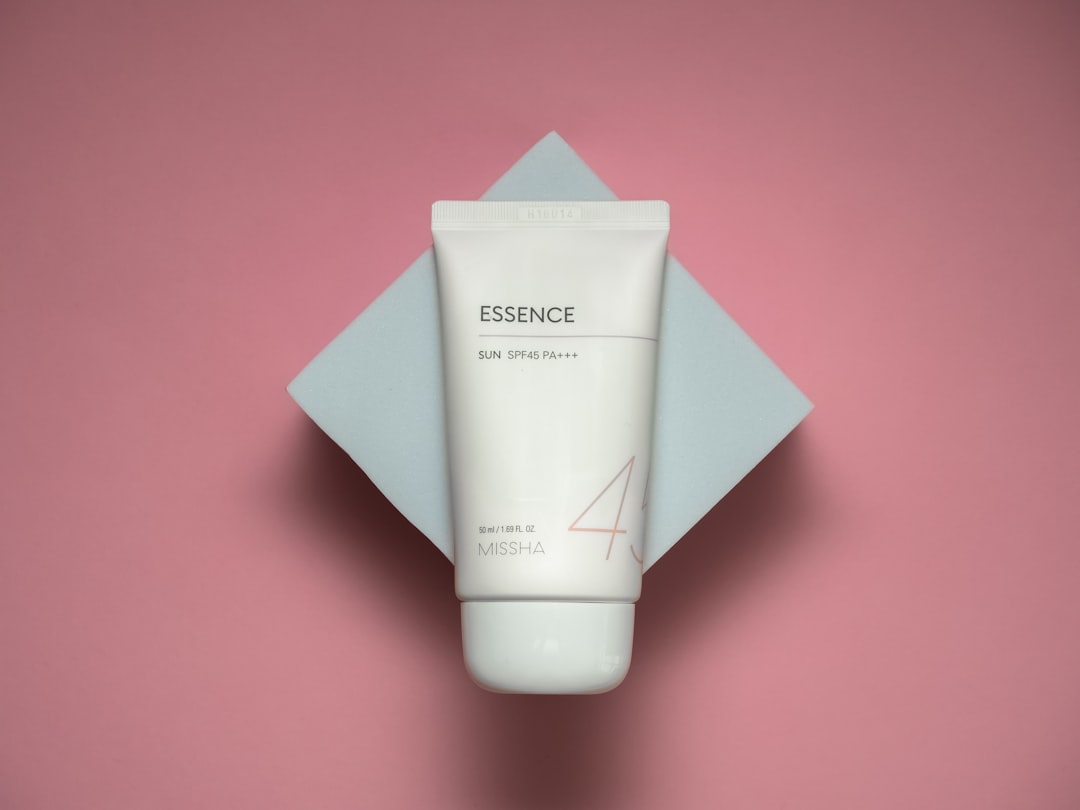
Why Korean Skincare Is a Game-Changer for Acne-Prone Skin
If you’ve ever stared at your bathroom mirror after yet another breakout, wondering why nothing seems to work, you’re not alone. Over 50 million Americans deal with acne every year, according to the American Academy of Dermatology — and many of them have tried every drugstore cleanser, prescription retinoid, and DIY remedy under the sun. But here’s something that might surprise you: the answer to your stubborn acne might not come from a Western dermatologist’s office at all.
The Korean skincare routine for acne prone skin has quietly revolutionized how millions of people worldwide approach breakouts. Unlike the harsh, strip-everything approach that Western skincare has championed for decades, K-Beauty focuses on barrier repair, gentle hydration, and targeted active ingredients that calm inflammation rather than aggravate it.
In this comprehensive comparison guide, we’ll break down exactly how a Korean skincare routine for acne prone skin differs from traditional Western approaches, which products actually deliver results backed by science, and how to build a routine that works — whether you’re dealing with hormonal cystic acne, persistent blackheads, or post-inflammatory hyperpigmentation. Let’s dive in.
Korean vs. Western Acne Skincare: A Head-to-Head Comparison

Before you can choose the right routine, you need to understand the fundamental philosophical differences between these two approaches. The contrast is striking — and it explains why so many people find relief after switching to K-Beauty.
The Western Approach: Aggressive and Ingredient-Heavy
Western acne treatment has traditionally relied on a “nuke it from orbit” strategy. Think 10% benzoyl peroxide washes, alcohol-heavy toners, and high-concentration retinoids prescribed from the first visit. The logic is straightforward: kill bacteria, dry out excess oil, and force rapid cell turnover.
The problem? This aggressive approach often damages the skin barrier, leading to increased transepidermal water loss (TEWL), rebound oil production, and chronic irritation that actually makes acne worse over time. A 2023 study published in the Journal of Clinical and Aesthetic Dermatology found that over 60% of acne patients using high-strength topical treatments reported significant skin barrier impairment within 8 weeks.
The Korean Approach: Barrier-First, Then Treat
Korean skincare flips this script entirely. The K-Beauty philosophy for acne centers on three principles:
- Repair the skin barrier first — a healthy barrier prevents bacterial invasion and reduces inflammation naturally
- Layer lightweight hydration — dehydrated skin overproduces sebum, so proper hydration actually reduces oiliness
- Use targeted, lower-concentration actives — gentler formulations applied consistently outperform harsh treatments used sporadically
This is why the Korean skincare routine for acne prone skin often includes steps that seem counterintuitive to Western consumers — like using an oil cleanser on oily skin or applying multiple hydrating layers when you’re already breaking out. But the science backs it up. 10-Step Korean Skincare Routine for Beginners (2026 Guide)
Side-by-Side Comparison Table
| Factor | Western Approach | Korean Approach |
|---|---|---|
| Philosophy | Eliminate acne aggressively | Strengthen skin, then target acne |
| Cleanser pH | Often 7.0–9.0 (alkaline) | 5.0–6.0 (skin-matched) |
| Active Strength | High concentration (5–10% BPO) | Lower, layered (0.5–2% BHA) |
| Hydration | Often skipped (“don’t moisturize oily skin”) | Multi-layer lightweight hydration |
| SPF Priority | Recommended but secondary | Non-negotiable daily step |
| Routine Steps | 3–4 steps | 5–10 steps (customizable) |
| Average Monthly Cost | $40–$120 | $25–$80 |
| Results Timeline | Fast initial, often rebounds | Gradual, more sustainable |
Korean Makeup vs Western Makeup: 7 Key Differences (2026)
The Best Korean Skincare Routine for Acne Prone Skin: Step-by-Step
Now let’s build your actual routine. The key to a successful Korean skincare routine for acne prone skin is customization — you don’t need all 10 steps. Here’s a streamlined 7-step routine that dermatologists and K-Beauty experts recommend specifically for breakout-prone complexions.
Step 1: Oil Cleanser (PM Only)
Yes, you read that correctly. Oil dissolves oil — it’s basic chemistry. An oil-based first cleanser breaks down sebum plugs, sunscreen, and makeup far more effectively than a foaming wash alone, without stripping your barrier.
Top Pick: Banila Co Clean It Zero Cleansing Balm Purifying ($19, Ulta/Amazon)
- Formulated specifically for acne-prone and oily skin types
- Contains salicylic acid derivative (BHA) that gently exfoliates while cleansing
- pH-balanced, non-comedogenic, and fragrance-free
- Emulsifies completely — leaves zero greasy residue
Runner-Up: Innisfree Green Tea Hydrating Cleansing Oil ($16, Sephora) — lighter texture, great for sensitive-acne crossover skin.
Step 2: Low-pH Water-Based Cleanser
Your second cleanse is where you remove water-based impurities. The critical factor here is pH level. Your skin’s acid mantle sits around pH 5.5. Most Western cleansers clock in at 7.0 or higher, which disrupts this protective barrier for hours after washing.
Top Pick: COSRX Low pH Good Morning Gel Cleanser ($12, Amazon/Ulta)
- pH 5.0–6.0 — maintains acid mantle integrity
- Contains BHA (betaine salicylate) at a gentle concentration for mild daily exfoliation
- Tea tree oil provides natural antibacterial action without irritation
- Affordable enough to use generously — a tube lasts 2–3 months
Runner-Up: Purito Defence Barrier pH Cleanser ($14, Amazon) — even gentler, ideal for those experiencing irritation from current products.
Step 3: Chemical Exfoliant (2–3x Per Week)
This is where Korean formulations truly shine for acne-prone skin. Rather than physical scrubs that cause microtears and spread bacteria, K-Beauty favors chemical exfoliants at lower, more consistent concentrations.
Top Pick: COSRX BHA Blackhead Power Liquid ($25, Sephora/Amazon)
- 4% betaine salicylate (equivalent to roughly 1% salicylic acid — gentler but effective)
- Penetrates pores to dissolve sebum plugs and prevent comedones
- Contains niacinamide to reduce post-acne redness simultaneously
- Lightweight, watery texture absorbs in under 30 seconds
Alternative: Some By Mi AHA BHA PHA 30 Days Miracle Toner ($18, Amazon) — a triple-acid formula for those who want exfoliation with hydration. Contains tea tree, centella, and willow bark extract. See Allure’s Best K-Beauty Products
Step 4: Hydrating Toner or Essence
This step is the heart of K-Beauty — and the one that Western acne routines completely miss. A hydrating toner delivers water-binding ingredients deep into the skin, preventing the dehydration that triggers excess oil production.
Top Pick: Klairs Supple Preparation Unscented Toner ($22, Sephora/Amazon)
- Hyaluronic acid — draws moisture into the skin, holding up to 1,000x its weight in water
- Centella asiatica extract — clinically shown to reduce inflammation and accelerate wound healing
- Unscented version eliminates essential oils that can irritate breakout-prone skin
- Can be applied in multiple thin layers (“7-skin method”) for intense hydration without heaviness
Runner-Up: Pyunkang Yul Essence Toner ($13, Amazon) — a minimalist formula with just 7 ingredients, centered on astragalus membranaceus root extract for anti-inflammatory benefits. Perfect for those who react to complex formulations.
Step 5: Targeted Serum or Ampoule
This is your active treatment step. Korean serums for acne-prone skin typically combine multiple proven actives at moderate concentrations, reducing the need for separate products.
Top Pick: COSRX Advanced Snail 96 Mucin Power Essence ($25, Ulta/Amazon)
- 96% snail secretion filtrate — contains glycoproteins, glycolic acid, and elastin that repair damaged skin and fade acne scars
- Clinically shown to improve skin hydration by 45% and reduce roughness within 4 weeks
- Non-comedogenic despite its thick texture — absorbs completely
- Works as both treatment and hydration, simplifying your routine
For Hyperpigmentation: Beauty of Joseon Glow Serum (Propolis + Niacinamide) ($16, Amazon) — 60% propolis extract fights bacteria naturally while niacinamide fades dark spots. Exceptional value at this price point.
Step 6: Lightweight Moisturizer
Even oily, acne-prone skin needs a moisturizer. The trick is choosing the right texture and formulation. Korean gel-cream moisturizers deliver hydration through water-binding humectants rather than heavy occlusives.
Top Pick: COSRX Oil-Free Ultra Moisturizing Lotion (Birch Sap) ($18, Amazon/Ulta)
- Birch sap (70%) provides mineral-rich hydration with natural anti-inflammatory properties
- Oil-free formula won’t clog pores — rated 0 on the comedogenicity scale
- Contains allantoin and panthenol for skin barrier repair
- Lightweight enough for humid summer weather yet protective enough for dry winter conditions
Runner-Up: Purito Centella Unscented Recovery Cream ($20, Amazon) — richer texture, ideal for acne-prone skin that’s also dry (yes, that combination exists and is more common than you think). 7 Affordable K-Beauty Dupes for Luxury Products in 2026
Step 7: Sunscreen (AM Only — Non-Negotiable)
Sunscreen isn’t optional when you’re treating acne. UV exposure worsens post-inflammatory hyperpigmentation, degrades active ingredients like niacinamide and retinol, and thickens the stratum corneum, leading to more clogged pores over time.
Korean sunscreens are in a league of their own — lightweight, cosmetically elegant, and formulated to work with oily skin rather than against it.
Top Pick: Beauty of Joseon Relief Sun: Rice + Probiotics SPF 50+ PA++++ ($16, Amazon)
- Chemical filter blend that leaves zero white cast on all skin tones
- Rice bran extract and probiotics soothe inflammation while protecting
- Matte-to-dewy finish — works beautifully under makeup
- The #1 bestselling sunscreen on Amazon’s beauty section for a reason
Runner-Up: Missha All Around Safe Block Aqua Sun Gel SPF 50+ PA++++ ($13, Amazon) — watery gel texture, almost undetectable on skin. Best Korean Sunscreen for Oily Skin 2026: Top 7 Picks
Top 5 Korean Acne-Fighting Ingredients You Need to Know

Understanding the science behind your products makes you a smarter consumer. Here are the five powerhouse ingredients that make the Korean skincare routine for acne prone skin so effective.
1. Centella Asiatica (Cica)
Often called “tiger grass” because wounded tigers supposedly roll in it to heal, centella asiatica is the cornerstone of K-Beauty acne care. Its active compounds — madecassoside, asiaticoside, madecassic acid, and asiatic acid — have been clinically proven to reduce inflammation, stimulate collagen synthesis, and accelerate wound healing.
A 2020 study in the Journal of Ethnopharmacology found that centella extract reduced inflammatory acne lesions by 68% over 8 weeks compared to a placebo. You’ll find it in products from Dr. Jart+ Cicapair, Purito Centella line, and SKIN1004 Madagascar Centella Ampoule.
2. Niacinamide (Vitamin B3)
While not exclusively Korean, K-Beauty brands have mastered niacinamide formulations. At 2–5% concentration, niacinamide reduces sebum production by up to 40%, minimizes pore appearance, strengthens the skin barrier, and fades post-acne hyperpigmentation. Korean products like Beauty of Joseon Glow Serum and COSRX Galactomyces 95 Tone Balancing Essence combine niacinamide with complementary ingredients for enhanced efficacy.
3. Propolis
Propolis is a resinous mixture produced by honeybees — and it’s a natural antimicrobial powerhouse. Research shows propolis exhibits activity against Cutibacterium acnes (the primary acne-causing bacterium) while simultaneously reducing inflammation. COSRX Full Fit Propolis Light Ampoule ($25, Ulta) contains 73.5% black bee propolis extract and is a cult favorite for acne-prone skin.
4. Tea Tree (Melaleuca Alternifolia)
A landmark study in the Medical Journal of Australia found that 5% tea tree oil was as effective as 5% benzoyl peroxide for reducing acne lesions, but with significantly fewer side effects. Korean brands typically use tea tree at therapeutic concentrations blended with soothing agents. Some By Mi’s 30 Days Miracle line built their entire brand around this ingredient.
5. Mugwort (Artemisia)
A uniquely Korean ingredient with centuries of traditional use, mugwort is a potent anti-inflammatory and antioxidant. It calms redness, soothes irritation, and helps skin recover from active breakouts without the stinging sensation of synthetic alternatives. I’m From Mugwort Essence ($28, Sephora) is the gold standard — 100% mugwort extract from Ganghwa Island in South Korea.
Product Comparison: Best Korean Acne Kits Under $100
Let’s compare three complete routines at different price points so you can find what fits your budget. All products are available on Amazon, Sephora, or Ulta as of 2026.
Budget Routine ($45 Total)
| Step | Product | Price | Key Ingredient |
|---|---|---|---|
| Cleanser | COSRX Low pH Good Morning Gel Cleanser | $12 | BHA, Tea Tree |
| Toner | Pyunkang Yul Essence Toner | $13 | Astragalus Root |
| Moisturizer | Purito Centella Unscented Recovery Cream | $20 | Centella, Shea Butter |
Best for: Beginners, students, or anyone wanting to test K-Beauty without financial commitment. This stripped-back routine focuses on cleansing, hydrating, and protecting the barrier — the three most impactful steps.
Mid-Range Routine ($75 Total)
| Step | Product | Price | Key Ingredient |
|---|---|---|---|
| Oil Cleanser | Banila Co Clean It Zero Purifying | $19 | BHA Derivative |
| Gel Cleanser | COSRX Low pH Good Morning Gel Cleanser | $12 | BHA, Tea Tree |
| Exfoliant | Some By Mi AHA BHA PHA 30 Days Miracle Toner | $18 | Triple Acid, Tea Tree |
| Serum | Beauty of Joseon Glow Serum | $16 | Propolis, Niacinamide |
| Sunscreen | Beauty of Joseon Relief Sun SPF 50+ | $16 | Rice, Probiotics |
Best for: Those ready to commit to a full Korean skincare routine for acne prone skin. This 5-step routine covers double cleansing, exfoliation, treatment, and sun protection — hitting every major acne concern.
Premium Routine ($95 Total)
| Step | Product | Price | Key Ingredient |
|---|---|---|---|
| Oil Cleanser | Banila Co Clean It Zero Purifying | $19 | BHA Derivative |
| Gel Cleanser | COSRX Low pH Good Morning Gel Cleanser | $12 | BHA, Tea Tree |
| Exfoliant | COSRX BHA Blackhead Power Liquid | $25 | Betaine Salicylate |
| Toner | Klairs Supple Preparation Unscented | $22 | Centella, Hyaluronic Acid |
| Serum | COSRX Snail 96 Mucin Power Essence | $25 | 96% Snail Mucin |
| Moisturizer | COSRX Oil-Free Birch Sap Lotion | $18 | Birch Sap, Allantoin |
| Sunscreen | Beauty of Joseon Relief Sun SPF 50+ | $16 | Rice, Probiotics |
Best for: Experienced skincare enthusiasts who want the complete experience. This full 7-step Korean skincare routine for acne prone skin addresses every stage of acne — prevention, active treatment, repair, and protection. At under $100 total, it’s still cheaper than most single Western “prestige” moisturizers.
Adapting Your Korean Acne Routine to Western Climates

Korean skincare products are formulated for Korea’s climate — humid summers and dry, cold winters. If you live in the United States, Canada, or Europe, you’ll need to make some adjustments to get optimal results.
Dry Continental Climates (Midwest, Mountain West, Interior Canada)
Indoor heating during winter months drops humidity to 15–25%, which is dramatically drier than Seoul’s winter average of 50–60%. In these conditions:
- Add an occlusive layer at night — even acne-prone skin benefits from a thin layer of CeraVe Healing Ointment or Laneige Lip Sleeping Mask (repurposed as spot occlusive) over active breakouts
- Double up on hydrating toner layers — apply 3–5 layers of your hydrating toner using the patting method
- Use a humidifier — maintaining indoor humidity at 40–50% prevents TEWL and supports your skincare’s effectiveness
- Reduce exfoliation frequency to 1–2 times per week during dry months
Humid Subtropical Climates (Southeast US, Gulf Coast)
High humidity and heat mean your skin produces more sebum and sweat, creating a perfect storm for breakouts. Adjust by:
- Switching to gel-only moisturizers — skip cream textures entirely during summer
- Using water-based sunscreens — the Missha Aqua Sun Gel is ideal for these conditions
- Increasing exfoliation to 3x per week — higher humidity means more sebum accumulation
- Adding a clay mask once weekly (Innisfree Super Volcanic Pore Clay Mask, $15, Amazon) to absorb excess oil
Hard Water Areas
Much of the US has hard water, which contains calcium and magnesium that leave a film on skin, clog pores, and raise skin surface pH. If you notice your cleanser doesn’t lather well or your skin feels “squeaky” after washing, hard water is likely the culprit.
Solutions: Install a shower filter ($25–$40 on Amazon), use micellar water as a first cleanse instead of rinsing, or do a final rinse with filtered or distilled water. This single change has transformed acne for countless K-Beauty community members.
Common Mistakes When Starting a Korean Skincare Routine for Acne Prone Skin
Excitement about K-Beauty can lead to rookie errors that worsen breakouts. Here are the seven most common mistakes — and how to avoid them.
Mistake 1: Introducing Everything at Once
This is the #1 mistake and the reason many people abandon K-Beauty prematurely. When you start five new products simultaneously and break out, you have no idea which product caused the reaction. Instead, introduce one new product every 1–2 weeks. Start with cleanser, then moisturizer, then sunscreen — these are least likely to cause purging.
Mistake 2: Confusing Purging with Breaking Out
Purging occurs only with active ingredients (BHA, AHA, retinol, vitamin C) and shows up in areas where you normally break out. It should resolve within 4–6 weeks. A true breakout from a product appears in unusual locations, involves larger or more painful lesions, and doesn’t improve with time. If a hydrating toner causes breakouts, that’s not purging — that’s a reaction. Stop the product immediately.
Mistake 3: Skipping Sunscreen Because “It Makes Me Oily”
You haven’t tried Korean sunscreen. Seriously. Korean sun protection technology is 5–10 years ahead of most Western formulations. Products like Beauty of Joseon Relief Sun or Missha Aqua Sun Gel feel like lightweight moisturizers, not the thick white paste you’re used to.
Mistake 4: Over-Exfoliating in the First Month
BHA products are effective, but more is not better. Start with once per week, observe your skin for 2 weeks, then increase to twice weekly if tolerated. Using a BHA product daily from day one almost guarantees irritation, redness, and a compromised barrier that will take weeks to repair.
Additional Common Mistakes
- Applying products in the wrong order — always go thinnest to thickest consistency, with actives before hydrators
- Using too much product — a pea-sized amount of serum or moisturizer is sufficient for the full face
- Touching your face during the routine — wash hands thoroughly before starting and avoid unnecessary touching between steps
Real Results: What to Expect and When

Setting realistic expectations is crucial for sticking with your Korean skincare routine for acne prone skin. Here’s an honest timeline based on dermatological research and community feedback.
Weeks 1–2: Adjustment Period
Your skin is adapting. You may notice slight changes in oil production as your barrier begins to repair. If you’ve introduced a BHA product, mild purging in your usual breakout zones is normal. Hydration levels should start improving — skin may feel “bouncier” and less tight after cleansing.
Weeks 3–6: Visible Barrier Improvement
This is where the K-Beauty approach starts to prove itself. Oil production begins to normalize as your hydrated skin no longer needs to overcompensate. Existing breakouts should be healing faster due to centella and niacinamide. New breakouts may still appear but should be smaller and less inflamed.
Weeks 6–12: Significant Acne Reduction
Most users report a 40–70% reduction in active breakouts by this stage. Post-inflammatory hyperpigmentation from older acne starts fading noticeably. Skin texture smooths out as consistent gentle exfoliation removes built-up dead cells. This is typically when people start getting “what changed?” compliments.
Months 3–6: Long-Term Transformation
Your skin’s overall resilience has fundamentally improved. Breakouts that do occur are milder and heal faster. Dark spots from previous acne continue to fade. Many users find they can reduce their routine to fewer steps as their baseline skin health stabilizes.
Frequently Asked Questions About Korean Skincare for Acne
Can I use Korean skincare products with prescription acne medications like tretinoin or adapalene?
Yes — and in fact, Korean skincare pairs beautifully with prescription retinoids. The hydrating, barrier-supportive nature of K-Beauty products directly counteracts the dryness, peeling, and irritation that retinoids cause. Many dermatologists now recommend a K-Beauty-style “retinoid sandwich” approach: apply hydrating toner, then retinoid, then lightweight moisturizer. Products like Klairs Supple Preparation Toner and COSRX Snail Mucin are particularly popular companions to tretinoin because they soothe without interfering with the retinoid’s efficacy. Just avoid using BHA/AHA exfoliants on the same nights as your retinoid.
Is the Korean skincare routine for acne prone skin safe for sensitive skin and conditions like rosacea?
Absolutely. Korean skincare’s emphasis on low-pH formulations, minimal fragrance options, and soothing ingredients like centella asiatica actually makes it one of the best approaches for sensitive skin with acne. The key is choosing unscented versions (Klairs Unscented, Purito Unscented lines) and avoiding products with essential oils or denatured alcohol. If you have rosacea with concurrent acne, skip chemical exfoliants initially and focus exclusively on cleanser, centella-based toner, and a minimal moisturizer.
How do I know if a Korean skincare product will clog my pores?
Check three things: the comedogenicity rating of key ingredients (available on databases like CosDNA and Skincarisma), the product’s texture (gel and water-based formulations are safer than rich creams), and whether it contains known pore-cloggers like coconut oil, isopropyl myristate, or ethylhexyl palmitate. Most reputable K-Beauty brands now label products as “non-comedogenic” and many specifically formulate for acne-prone skin. When in doubt, patch test on your jawline for 1–2 weeks before applying to your full face.
Do I need to do all 10 steps of a Korean skincare routine?
No. The famous “10-step Korean skincare routine” is a marketing concept, not a medical prescription. Most Korean dermatologists actually recommend 4–6 steps for acne-prone skin. The essentials are: cleanser, one active treatment (BHA or niacinamide serum), moisturizer, and sunscreen. Everything else is supplementary. Start minimal and add steps only if your skin needs them. 10-Step Korean Skincare Routine for Beginners (2026 Guide)
Why do some Korean products cause breakouts when they’re supposed to help acne?
“Korean” doesn’t automatically mean acne-safe. Some K-Beauty products contain heavy botanical oils, fermented ingredients, or fatty alcohols that certain skin types react to. Fermented products (SK-II, galactomyces-based products) are particularly hit-or-miss for acne-prone skin — some people see dramatic improvement while others experience severe breakouts. The solution is to patch test religiously and research ingredients before purchasing. Websites like INCI Decoder let you paste an entire ingredient list and flag potential irritants.
Where should I buy authentic Korean skincare products in the US?
Sephora and Ulta carry curated K-Beauty selections with guaranteed authenticity. Amazon is convenient but requires caution — buy only from official brand storefronts (COSRX Official, Beauty of Joseon Official) or verified sellers. Specialty K-Beauty retailers like YesStyle, Stylevana, and Olive Young Global offer the widest selection and frequent sales, though shipping takes 1–3 weeks. Avoid random eBay or third-party marketplace sellers, as counterfeit K-Beauty products are a growing problem.
Related Posts You’ll Love
- Best Korean Sunscreen for Oily Skin 2026: Top 7 Picks
- 7 Affordable K-Beauty Dupes for Luxury Products in 2026
- Korean Makeup vs Western Makeup: 7 Key Differences (2026)
Suggested new articles to create:
- Best Korean Moisturizers for Oily Acne-Prone Skin 2026
- Korean Skincare Ingredients to Avoid for Acne: Complete Guide
- How to Layer Korean Skincare with Prescription Retinoids
Ready to Transform Your Skin? Start Today
Building a Korean skincare routine for acne prone skin doesn’t require a complete product overhaul overnight. Start with one product — the COSRX Low pH Good Morning Gel Cleanser is the perfect entry point at just $12 — and give it two weeks. Then add a hydrating toner. Then a lightweight sunscreen.
Within 6–12 weeks, you’ll likely see the kind of results that years of harsh Western products never delivered. The K-Beauty approach works because it respects your skin’s biology instead of fighting against it. It treats acne as a symptom of barrier dysfunction, not a problem to be stripped and burned away.
We’d love to hear about your experience. Drop a comment below and tell us: What’s your biggest struggle with acne-prone skin? Have you tried any Korean skincare products before? Which product from this guide are you most excited to try?
If this guide helped you, share it with a friend who’s battling breakouts — they’ll thank you for it. And don’t forget to bookmark this page so you can reference it when building your routine.
Want more K-Beauty guides, honest product reviews, and skincare science delivered weekly? Subscribe to our newsletter and never miss an update. Your best skin is closer than you think.