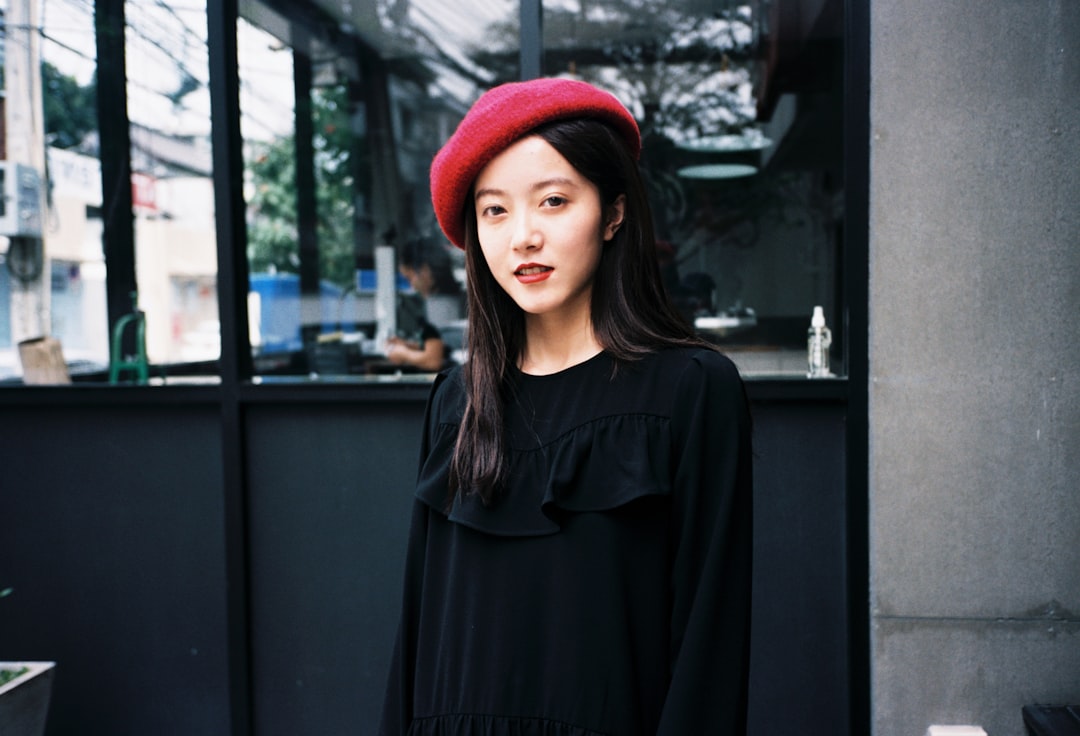
Picture this: You’re scrolling through Instagram and notice something striking about Seoul street style photos. Unlike the loud logos and maximalist layering dominating Western runways, Korean fashion influencers are wearing simple, perfectly fitted pieces that somehow look incredibly expensive — even when they’re not. A plain white tee, wide-leg trousers, a single silver bracelet. That’s it. And yet, it stops you mid-scroll. Welcome to the world of Korean minimalist style, a fashion philosophy that has quietly taken over global trends and is now reshaping how Americans think about getting dressed every morning. This isn’t about owning less for the sake of it. It’s about owning better — and understanding why millions of people across Asia and now the West are trading overstuffed closets for curated capsule wardrobes inspired by Seoul’s clean aesthetic.
What Is Korean Minimalist Style? Understanding the Philosophy Behind the Aesthetic
Watch: Living Alone in Korea | 7AM to 9PM typical office day VLOG |
Before we dive into outfit breakdowns and shopping lists, it’s essential to understand what Korean minimalist style actually means — because it’s more than just “wearing neutral colors.” At its core, this aesthetic is rooted in a cultural concept Koreans call 깔끔함 (kkalkkeumham), which loosely translates to “neatness” or “clean presentation.” It’s a value embedded in Korean daily life, from the way food is plated to how apartments are organized.
The Cultural Roots: Confucian Simplicity Meets Modern Seoul
Korea’s minimalist fashion movement didn’t emerge in a vacuum. Historically, Confucian values emphasized modesty, restraint, and harmony — principles visible in traditional hanbok design, which uses clean lines and subtle color palettes. Fast forward to the 2010s, and these same values merged with a booming K-fashion industry that needed a distinct identity separate from Japanese streetwear and Western luxury.
The result? Brands like ADER Error, Low Classic, AECA WHITE, and COS Korea began producing garments focused on structure, proportion, and fabric quality over logos and embellishments. By 2020, the Korean minimalist wave had gone fully global, fueled by K-drama characters whose wardrobes became as famous as the plotlines themselves. Think of the sleek corporate outfits in Crash Landing on You or the effortlessly cool casual wear in Our Beloved Summer.
Korean Minimalism vs. Scandinavian Minimalism: Key Differences
If you’re already familiar with Scandinavian minimalism — think Acne Studios, COS, Arket — you might wonder how Korean minimalist style differs. The distinction is subtle but important. Scandinavian minimalism tends to prioritize pure function and raw texture: chunky knits, unstructured silhouettes, and a palette locked between black, gray, and cream.
Korean minimalist style, on the other hand, allows for more softness and intentional detail. You’ll see gentle draping, slightly oversized fits that still maintain shape, and occasional muted pastels — dusty lavender, sage green, pale butter — woven into the neutral base. There’s also a stronger emphasis on grooming and skin as part of the overall look, which ties directly into the K-beauty philosophy. Best Korean Sunscreens 2024: Top K-Beauty SPF Picks
| Feature | Korean Minimalism | Scandinavian Minimalism | American Quiet Luxury |
|---|---|---|---|
| Color Palette | Neutrals + muted pastels | Strictly neutrals | Neutrals + earth tones |
| Silhouette | Relaxed but structured | Boxy, unstructured | Tailored, fitted |
| Key Fabrics | Cotton, linen, light wool | Heavy wool, cotton | Cashmere, silk, suede |
| Accessories | Minimal, delicate jewelry | Almost none | Logo-free luxury leather |
| Grooming Role | Central (skin = fashion) | Secondary | Secondary |
| Price Point | $30–$200 per piece | $50–$300 per piece | $200–$2,000+ per piece |
| Brands | Low Classic, ADER Error | COS, Arket, Filippa K | The Row, Khaite, Totême |
The Core Principles of Korean Minimalist Style: 5 Rules Seoul Fashionistas Live By
Adopting Korean minimalist style isn’t about copying specific outfits — it’s about internalizing a set of principles that guide every purchase and outfit decision. Here are the five unspoken rules that Korean fashion editors and stylists consistently follow.
Rule 1: Fit Is Everything — The “Three-Finger” Test
In Korean fashion, an outfit can have the right colors, the right fabrics, and the right brands — but if the fit is off by even a centimeter, it fails. Korean stylists often reference a “three-finger” rule for trousers: you should be able to fit three fingers between the waistband and your body. This ensures the relaxed, effortless drape that defines the aesthetic.
For tops, the sweet spot is slightly oversized — not baggy, not tight. The shoulder seam should fall about 1–2 inches past your natural shoulder line. This creates what Korean fashionistas call 여유 (yeoyu), which means “room” or “ease.” It’s the visual equivalent of looking relaxed and unbothered.
Rule 2: Invest in Fabric, Not Logos
Walk through the Garosu-gil shopping district in Seoul’s Gangnam area, and you’ll notice something conspicuously absent: logos. While American and European luxury fashion often leans on visible branding (Gucci belts, Louis Vuitton monograms), Korean minimalist style considers visible logos a faux pas. The flex is in the fabric.
Korean consumers spend significantly more per garment on material quality than their American counterparts, according to a 2023 McKinsey Korea consumer survey. A $90 Korean-made cotton T-shirt from a brand like LIFUL or Hender Scheme Korea will use 200GSM+ organic cotton that holds its shape after 50 washes — compared to a $40 American mall-brand tee that pills after three cycles.
Rule 3: One Statement, Maximum Two Accents
Korean minimalist outfits follow a quiet formula: one statement piece + a maximum of two accent details. A statement piece could be an oversized blazer, a structured bag, or a pair of wide-leg trousers with an interesting pleat. Accents are small — a thin chain necklace, a simple watch, or a single ring. That’s it. Anything beyond two accents is considered cluttered.
Rule 4: Color Blocking, Not Color Mixing
Rather than combining multiple colors in one outfit, Korean minimalists use tonal dressing — wearing different shades of the same color family from head to toe. An all-cream outfit with varying textures (linen shirt, cotton trousers, leather bag in ivory) reads as sophisticated and intentional. This technique makes getting dressed faster and eliminates the “does this match?” anxiety entirely.
Rule 5: Skin Is the Ultimate Accessory
This is where Korean fashion and K-beauty intersect powerfully. In the Korean minimalist worldview, clear, glowing skin is considered the most important “accessory” you can wear. When your outfit is stripped back to essentials, your complexion becomes the focal point. That’s why so many Korean minimalist fashion influencers are also deeply invested in their skincare routines. K-Beauty Ingredients: Snail Mucin, Centella & Rice Guide
Building Your Korean Minimalist Wardrobe: The Ultimate Capsule Collection
Now for the practical part. If you’re starting from scratch, you can build a complete Korean minimalist style wardrobe with approximately 25–30 carefully chosen pieces. Korean fashion YouTubers like Hanbyul and Ondo have popularized the “30-piece closet challenge,” proving you can create over 100 distinct outfits from a tightly curated collection.
The Foundation Layer: 10 Must-Have Basics
- White cotton T-shirt (slightly oversized, 200GSM+) — Brands: ADER Error, LIFUL, Uniqlo U
- Black cotton T-shirt (same specs as above)
- Cream or oatmeal knit sweater (medium weight, ribbed or waffle texture)
- White Oxford button-down (relaxed fit, no chest pocket)
- Wide-leg trousers in black (high-rise, single pleat) — Brands: Low Classic, COS
- Wide-leg trousers in cream or tan
- Straight-leg jeans in medium wash (no distressing, clean hem)
- Unstructured blazer in gray or navy
- Lightweight trench coat (knee-length, belt optional)
- Simple white leather sneakers — Brands: Common Projects, Novesta, or Korean brand Excelsior
The Accent Layer: 8 Pieces That Add Personality
Once your foundation is set, add pieces that express your personal aesthetic within the minimalist framework:
- A structured tote bag in black or cognac leather
- A cashmere scarf in a neutral tone
- One pair of loafers (black or brown)
- A cotton-linen blend shirt in pale blue or sage
- Minimal silver or gold jewelry: one necklace, one bracelet, one ring
- A knit vest (argyle-free) in gray or navy
- Pleated midi skirt in black or khaki (for those who wear skirts)
- A padded shoulder bag — the signature Korean accessory shape of recent years
Where to Buy: Korean Minimalist Brands Available in the US
One of the biggest advantages of adopting Korean minimalist style in 2025 is that Korean brands are more accessible than ever to American consumers. Here’s where to shop:
- SSENSE (ssense.com) — Carries Low Classic, ADER Error, Lemaire (Korean-influenced French brand)
- W Concept (us.wconcept.com) — The #1 destination for emerging Korean designers, ships directly to the US
- 29CM (currently Korea-only, but expanding) — Use a forwarding service like KoreanBuddy
- MUSINSA Global (global.musinsa.com) — Korea’s largest fashion platform, now with international shipping
- Amazon — Surprisingly good for Korean basics like Uniqlo U alternatives and Korean-made accessories
- YesStyle (yesstyle.com) — Budget-friendly Korean fashion, quality varies but great for experimenting
Korean Minimalist Style for Every Season: A Year-Round Lookbook
One common misconception is that Korean minimalist style only works in mild weather. In reality, Seoul experiences extreme seasons — sweltering humid summers and bitterly cold winters — and Korean fashionistas have mastered minimalism for every climate. Here’s how to adapt the aesthetic throughout the year.
Spring (March–May): The Layering Sweet Spot
Spring in Seoul is the quintessential Korean minimalist season. Temperatures hover between 50–70°F, perfect for the light layering that defines the look. A typical spring outfit might include a white tee, an oversized beige blazer, wide-leg cream trousers, and white sneakers. The color palette shifts toward softer tones — think cherry blossom-inspired dusty pinks, pale lavender, and soft ivory.
Pro tip: Korean spring style relies heavily on the “third piece” — that light jacket, cardigan, or overshirt draped over the shoulders or tied at the waist. It’s both functional (Seoul spring mornings are chilly) and aesthetic. If you’re visiting Korea during cherry blossom season, you’ll want outfits that photograph well against the blossoms along the Yeouido Hangang Park. Plan your Seoul fashion trip
Summer (June–August): Linen Everything
Korean summers are brutal — 90°F+ with near-100% humidity. Minimalism becomes a survival strategy. The Korean approach to summer minimalist dressing centers on natural fabrics and strategic ventilation. Linen shirts, cotton-linen blend trousers, and breathable canvas sneakers dominate.
Colors lighten even further: all-white outfits are extremely popular in Korean summers, as are very pale gray and sky blue. Koreans also incorporate UV-protective accessories seamlessly — a well-chosen sun hat or a Korean sunscreen with an elegant finish becomes part of the minimalist look rather than an afterthought. Best Korean Sunscreens 2024: Top K-Beauty SPF Picks
Fall (September–November): Texture and Tone
Fall is when Korean minimalist style hits its peak sophistication. The palette deepens to camel, chocolate brown, charcoal, and forest green. Textures become richer — brushed wool, corduroy, suede, and cashmere enter the rotation. A standout fall look might be a charcoal wool overcoat, a cream turtleneck, brown wide-leg trousers, and suede loafers.
This season is also when Korean minimalists lean into monochromatic styling most aggressively. An all-brown outfit with varying textures — knit, leather, suede, cotton — creates visual depth without adding color complexity.
Winter (December–February): The Art of the Overcoat
Winter in Seoul drops to the single digits Fahrenheit, and Korean minimalist style responds with one key investment: the overcoat. A high-quality wool or wool-cashmere blend coat in black, charcoal, or camel is the single most important winter purchase. Korean brands like System, KUHO, and Handsome produce overcoats that rival European luxury houses at a fraction of the price.
The winter minimalist formula is simple: overcoat + turtleneck + tailored trousers + leather boots. Scarves are cashmere, in matching neutral tones. The silhouette should be long and streamlined — puffy down jackets, while practical, break the minimalist line, which is why many Korean fashionistas reserve them for outdoor activities only.
Korean Minimalist Style vs. Western “Quiet Luxury”: What’s the Real Difference?
Since the “quiet luxury” trend exploded in the West — partly thanks to shows like Succession — many people assume Korean minimalist style is the same thing. They share DNA, but they’re distinctly different philosophies with different origins, price points, and cultural meanings.
Accessibility: The Democratic Appeal of Korean Minimalism
The biggest difference is price. Western quiet luxury is, by definition, expensive. The Row’s basic T-shirts retail for $190. Khaite’s cashmere sweaters start at $1,200. Brunello Cucinelli’s blazers approach $4,000. The entire point is that “those who know, know” — and what they know is that you spent a mortgage payment on a sweater.
Korean minimalist style flips this script entirely. Korean fashion culture democratized minimalism, making it accessible at every budget level. A complete Korean minimalist outfit from MUSINSA Global might cost $80–$150 total. Even premium Korean brands like Low Classic and ADER Error rarely exceed $300 for a single piece. The philosophy is that good taste shouldn’t require wealth — it requires intention.
Cultural Motivation: Self-Expression vs. Status Signaling
In the American context, quiet luxury is often about status — signaling that you’re wealthy enough to not need logos. It’s still a form of social display, just an inverted one. Korean minimalism, by contrast, is more about self-discipline and personal refinement. It connects to the broader Korean cultural emphasis on self-improvement (자기계발, jagigaebal) that also drives the K-beauty industry’s focus on skincare routines and the Korean educational system’s emphasis on diligence.
This means Korean minimalist style doesn’t carry the class undertones that Western quiet luxury does. A university student in Seoul wearing a curated minimalist outfit from affordable brands is praised just as much as a CEO wearing the same aesthetic at 10x the price point. It’s about the curation, not the cost. Snail Mucin Benefits: Top K-Beauty Ingredients Explained
Gender Fluidity in Korean Minimalism
Another striking difference: Korean minimalist style is remarkably gender-fluid compared to Western equivalents. Many Korean minimalist brands design unisex collections by default. Oversized silhouettes, neutral palettes, and the absence of gendered details (ruffles, aggressive tailoring) mean that most pieces work across the gender spectrum. Brands like ADER Error and AECA WHITE have built their entire identity on genderless minimalism.
In comparison, Western quiet luxury still tends to have distinct menswear and womenswear lines with clearly gendered fits and details. This is slowly changing, but Korean brands are leading the shift globally.
The K-Drama Effect: How Korean TV Shaped Global Minimalist Fashion
It’s impossible to discuss Korean minimalist style without acknowledging the enormous role K-dramas play in spreading the aesthetic worldwide. Korean drama stylists have become as influential as any fashion magazine editor, and their costume choices drive billions of dollars in consumer spending annually.
Iconic K-Drama Minimalist Wardrobes
Several K-drama characters have become minimalist style icons whose wardrobes fans dissect frame by frame:
- Yoon Se-ri (Crash Landing on You, 2019) — Defined Korean corporate minimalism. Her cream coats, structured bags, and monochromatic power suits spawned a “Se-ri Core” trend that lasted years.
- Choi Ung (Our Beloved Summer, 2021) — Popularized casual male Korean minimalism: oversized knit vests, relaxed-fit trousers, canvas sneakers, and earth-tone palettes.
- Woo Young-woo (Extraordinary Attorney Woo, 2022) — Made workwear minimalism relatable. Simple blouses, A-line skirts, and clean accessories showed that minimalism works in professional settings.
- Baek Yi-jin (Twenty-Five Twenty-One, 2022) — Brought retro-tinged minimalism to the forefront with simple turtlenecks, vintage-cut jeans, and understated jackets.
The “See It, Search It, Buy It” Pipeline
Korean drama fashion operates on a highly efficient discovery pipeline. Within minutes of a new episode airing, Korean fashion communities on Naver and Instagram identify every item a character is wearing. Platforms like W Concept and MUSINSA then see immediate traffic spikes for those specific items or similar alternatives. When Netflix began streaming K-dramas globally, this pipeline went international.
According to data from the Korea Creative Content Agency (KOCCA), the Korean fashion industry’s export value grew by over 30% between 2020 and 2023, with drama-related fashion being a key driver. American consumers searching for “Korean minimalist outfit” on Google increased by 215% in that same period. K-Pop Comeback Schedule 2025: All Official Dates & Updates
Practical Tips: How to Transition Your Wardrobe to Korean Minimalist Style
Ready to make the shift? Transitioning to Korean minimalist style doesn’t require throwing out your entire closet. Here’s a strategic, step-by-step approach that Korean fashion consultants recommend.
Step 1: The Closet Audit (Weekend 1)
Pull everything out and sort into three piles:
- Keeps — Items that are neutral-toned, well-fitted, and made of quality fabric. These already fit the Korean minimalist framework.
- Maybes — Items that are close but might need tailoring (too long, too tight) or that work in certain combinations.
- Lets Go — Anything with prominent logos, overly trendy cuts that will date quickly, poor-quality fabric that’s pilling or stretching, or colors that don’t coordinate with a neutral base.
Most people find they can keep about 40–50% of their existing wardrobe. That’s a solid starting point.
Step 2: Fill the Gaps Strategically (Weeks 2–4)
Using the capsule wardrobe list from earlier in this article, identify which foundation pieces you’re missing. Don’t buy everything at once. Korean fashion philosophy emphasizes patience in building a wardrobe. Start with the three most versatile gaps — typically a quality white T-shirt, a pair of wide-leg trousers, and a structured bag.
Budget guide for US shoppers:
- Under $200 total: YesStyle + Uniqlo U + thrift stores for basics
- $200–$500: MUSINSA Global + COS + targeted Zara pieces
- $500–$1,000: W Concept + Low Classic + SSENSE sales
- $1,000+: Direct from Korean designer brands + AECA WHITE + Lemaire
Step 3: Master the “Outfit Formula” (Ongoing)
Korean minimalist outfits follow predictable formulas that make daily dressing effortless. Memorize these three combinations and rotate through them:
Formula A (Casual): Oversized tee + wide-leg trouser + white sneaker + one accessory
Formula B (Smart Casual): Button-down + straight-leg jean + loafer + structured bag
Formula C (Polished): Turtleneck or knit + tailored trouser + overcoat + minimal jewelry
Once these become second nature, you’ll get dressed in under five minutes — and look like you spent an hour curating. That’s the magic of Korean minimalist style.
The Korean Minimalist Lifestyle: Beyond Just Clothing
True Korean minimalist style extends far beyond your wardrobe. In Korea, it’s a holistic lifestyle philosophy that touches food, living spaces, skincare, and even how you carry yourself. Understanding this broader context will deepen your appreciation for the fashion and help you embody the aesthetic authentically.
Minimalist Eating: The Korean Way
Korean food culture might seem maximalist at first glance — a Korean table spread with dozens of banchan (side dishes) is visually abundant. But look closer: each dish is simple, highlighting one or two ingredients prepared with minimal seasoning to let natural flavors shine. A single bowl of perfectly made doenjang jjigae (fermented soybean stew) with steamed rice and three simple banchan is the culinary equivalent of a white tee with tailored trousers. Korean Banchan Guide: 12 Traditional Side Dishes to Try
If you’re exploring Korean food culture alongside fashion, start with simple home cooking. Tteokbokki: The Easiest Korean Dish You’ll Ever Make
Minimalist Skincare: The Edited K-Beauty Routine
While the famous “10-step Korean skincare routine” seems like the opposite of minimalism, modern Korean beauty culture has actually shifted toward edited, simplified routines — sometimes called skip-care. The current Korean approach focuses on 3–5 high-quality products that work synergistically, rather than layering 10+ mediocre ones.
A Korean minimalist skincare routine typically includes: a gentle cleanser, an essence or serum with one hero ingredient (like snail mucin or niacinamide), a lightweight moisturizer, and SPF in the morning. That’s it. The emphasis is on consistency and ingredient quality, mirroring the fashion philosophy perfectly. Best Korean Sheet Masks 2025: Ultimate Ranking & Reviews
Minimalist Living Spaces
Korean interior design — particularly the one-room (원룸) aesthetic popularized by Korean YouTube house tours — strongly parallels the fashion philosophy. Clean surfaces, neutral color palettes, natural wood and linen textures, and intentional empty space characterize Korean minimalist homes. The same person wearing a curated capsule wardrobe likely lives in a space with muji-style storage, a single statement plant, and carefully chosen ceramics.
Frequently Asked Questions About Korean Minimalist Style
Is Korean minimalist style only for young people?
Absolutely not. One of the most appealing aspects of Korean minimalist style is its age-neutrality. In Seoul, you’ll see women in their 50s and 60s wearing beautifully curated minimalist outfits — wide-leg linen trousers, quality knits, structured coats — with as much confidence as university students. The emphasis on timeless cuts over trendy silhouettes means these pieces work at every life stage. In fact, many Korean fashion commentators argue that the aesthetic becomes more refined with age, as your understanding of fit, fabric, and proportion deepens over time.
Can I incorporate color into Korean minimalist style, or is it strictly neutrals?
Color is absolutely welcome — with intention. Korean minimalism isn’t a strict neutral-only zone. Muted, desaturated colors are core to the palette: dusty rose, sage green, powder blue, soft lavender, and butter yellow all appear regularly in Seoul street style. The key rule is to use color as an accent within a neutral base, not as the dominant element. An all-cream outfit with a sage green bag, for example, perfectly captures the Korean approach to incorporating color without sacrificing the minimalist framework.
How much does it cost to build a Korean minimalist wardrobe from scratch?
A functional Korean minimalist style capsule wardrobe can be built at almost any budget. At the entry level, using brands like Uniqlo U, YesStyle basics, and strategic thrift store finds, you can assemble a core 15-piece wardrobe for $150–$300. A mid-range wardrobe using MUSINSA Global and COS runs $400–$800. A premium collection featuring Korean designer brands from W Concept or SSENSE would be $1,000–$2,500. Remember: the Korean philosophy prioritizes buying fewer, better items over time. You don’t need to purchase everything at once — build gradually, one quality piece per month.
What’s the difference between Korean minimalist style and Japanese minimalist style?
While both share an appreciation for simplicity, they diverge in key ways. Japanese minimalism (think Muji, Comme des Garçons, Issey Miyake) tends toward architectural experimentation — unusual draping, asymmetric cuts, deconstructed forms. It embraces irregularity and wabi-sabi imperfection. Korean minimalism is more polished and conventionally flattering. Lines are clean but not avant-garde. The goal is to look effortlessly put-together rather than artistically deconstructed. Korean minimalism also incorporates more softness and warmth, while Japanese minimalism leans cooler and more conceptual.
Where can I find Korean minimalist fashion inspiration online?
The best sources for Korean minimalist style inspiration include: Instagram (search hashtags like #미니멀룩, #데일리룩, #koreanminimalstyle), Pinterest (Korean street style boards), YouTube channels like Ondo, Hanbyul, and Risabae for combined fashion/beauty content, and W Concept’s editorial section which regularly publishes curated lookbooks. For street photography, the accounts @seoul_fashion and @streetseoul document everyday Korean minimalist outfits from real people — not just influencers.
Can Korean minimalist style work for plus-size bodies?
Yes, and arguably even better than some other aesthetics. The emphasis on relaxed-but-structured silhouettes, quality fabrics that drape beautifully, and proportion-focused styling is inherently size-inclusive in principle. The main challenge has been that Korean brands historically offer limited size ranges — most cap at a US size 8–10. However, this is changing. Brands like ADER Error now offer extended sizing, and the oversized nature of many Korean minimalist pieces means that standard sizes fit a wider range of bodies. For US-based shoppers, combining Korean styling principles with size-inclusive Western brands like COS, Everlane, and & Other Stories gives you the best of both worlds.
Related Posts
If you enjoyed this deep dive into Korean minimalist style, you might also like these articles:
- Best Korean Sunscreens 2024: Top K-Beauty SPF Picks
- I Ate the Most Viral Korean Street Foods!
- K-Beauty Ingredients: Snail Mucin, Centella & Rice Guide
Topics we should cover next:
- Korean Home Decor Trends: Minimalist Interior Design Guide
- Best Korean Fashion Brands Available in the US: Complete Guide
- Korean Skincare Routine for Men: Beginner’s Guide to K-Beauty
Your Turn: Are You Ready to Try Korean Minimalist Style?
The beauty of Korean minimalist style is that you can start today — right now — with pieces already in your closet. Pull out your best-fitting neutral basics, pair them intentionally, and pay attention to how the outfit makes you feel. That sense of calm confidence? That’s what Korean minimalism is all about.
We’d love to hear from you. Drop a comment below and tell us: What’s the one piece in your current wardrobe that already fits the Korean minimalist aesthetic? Have you tried any Korean fashion brands? What’s your biggest challenge in simplifying your style?
If this guide helped you, share it with a friend who’s been eyeing that clean Seoul street style on their feed. And if you want more Korean lifestyle and culture content delivered straight to your inbox — from K-beauty deep dives to Korean food guides to K-pop updates — subscribe to our newsletter so you never miss a post.
Here’s to fewer clothes, better choices, and that effortless Seoul glow.