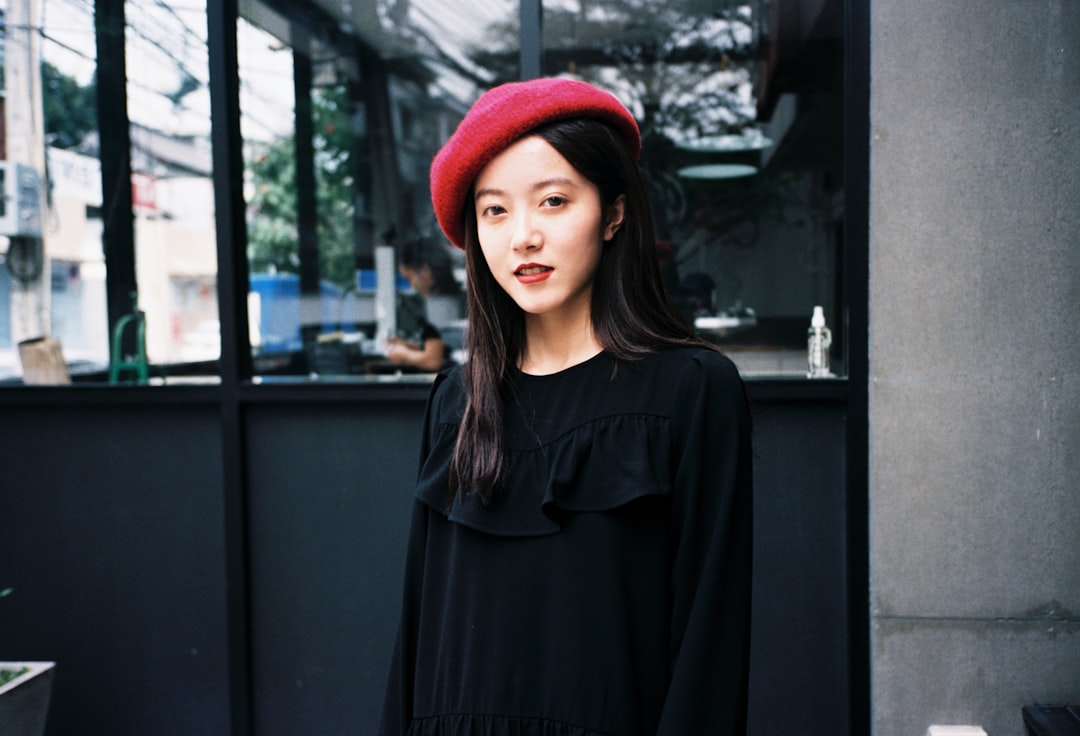
Walk into any café in Seoul’s Gangnam or Seongsu-dong district, and you’ll notice something striking: almost everyone looks effortlessly put-together, yet nobody appears to be trying too hard. The secret? Korean minimalist fashion basics that have quietly revolutionized how an entire generation dresses. While Western fashion often swings between maximalist excess and athleisure casualness, Korea has carved out a middle path — clean lines, muted palettes, and an almost architectural approach to everyday clothing. In 2026, this aesthetic has gone fully global, with searches for “Korean minimalist fashion basics beginners” surging over 340% on Google Trends since 2023. Whether you’re a college student tired of fast-fashion chaos or a professional looking to streamline your wardrobe, this guide will walk you through everything you need to know.
What Exactly Is Korean Minimalist Fashion — And Why Is It Different?
Before diving into specific pieces, it’s important to understand what sets Korean minimalist fashion apart from, say, Scandinavian minimalism or Japanese Muji-style dressing. While all three share a love of simplicity, the Korean version has its own DNA rooted in cultural values that prioritize harmony, proportion, and what Koreans call 깔끔함 (kkal-kkeum-ham) — a word that loosely translates to “clean neatness.”
The Cultural Roots of Korean Minimalism
Korea’s fashion minimalism didn’t emerge in a vacuum. It’s deeply connected to Confucian aesthetics that value restraint and the Korean concept of 여백의 미 (yeo-baek-ui mi) — the beauty of empty space. You can see this same principle in traditional Korean ceramics, hanok architecture, and even in how Korean meals are plated. When applied to fashion, it means every piece in your outfit should earn its place. Nothing is accidental.
This cultural backdrop is why Korean minimalist fashion feels “warmer” than its Scandinavian counterpart. Where Nordic minimalism can feel stark and almost clinical, Korean minimalism leans into soft textures, gentle draping, and subtle tonal layering. It’s minimalism with emotional intelligence.
Korean Minimalism vs. Western Minimalism: Key Differences
If you’ve been following capsule wardrobe trends in the US, you might think you already know minimalism. But there are critical distinctions worth noting for anyone exploring Korean minimalist fashion basics for beginners:
| Feature | Western Minimalism | Korean Minimalist Fashion |
|---|---|---|
| Silhouette | Fitted, body-conscious | Relaxed, oversized, layered |
| Color Palette | Black, white, grey only | Cream, beige, soft pastels, earth tones |
| Accessories | Almost none | One to two statement pieces (bag, glasses) |
| Fabric Priority | Structure and weight | Drape and texture |
| Grooming | Separate from fashion | Integrated (skincare = part of the look) |
That last point is crucial. In Korea, your skin is an accessory. A “no-makeup makeup” look or glowing, well-hydrated skin is considered part of the minimalist outfit. This is why Korean beauty and Korean fashion are so intertwined — something worth exploring if you’re also into K-Beauty. Snail Mucin vs Centella for Acne: Which Works Better in 2026?
The 10 Essential Pieces for a Korean Minimalist Wardrobe

If you’re a beginner building a Korean minimalist fashion basics wardrobe from scratch, you don’t need 50 pieces. You need the right 10. Korean fashion influencers and stylists consistently recommend these foundational items, which can be mixed and matched into dozens of outfits:
Tops and Layering Pieces
- Oversized cotton T-shirt (white or cream) — The single most important piece. Look for a boxy cut that falls just below the hip. Brands like MUSINSA Standard and SPAO offer affordable options now available through global shipping.
- Lightweight knit sweater (oatmeal or soft grey) — Not bulky. Think thin gauge cashmere-blend or merino. This is your layering workhorse for spring and fall.
- Crisp button-down shirt (white or pale blue) — Slightly oversized, untucked or half-tucked. Korean styling often leaves the top two buttons open for a relaxed neckline.
- Neutral turtleneck (black or ivory) — Essential for winter. Korean minimalists pair these under blazers and coats for a sleek, elongated silhouette.
Bottoms
- Wide-leg trousers (beige, black, or charcoal) — The defining silhouette of Korean minimalist fashion in 2026. High-waisted, full-length, with a clean drape. Avoid anything with cargo pockets or distressing.
- Straight-leg jeans (raw or light wash) — Not skinny, not flared. A clean straight leg in a medium or light wash. Korean denim brands like ADER ERROR and 87MM have perfected this cut.
- Tailored bermuda shorts (summer only) — Knee-length, in khaki or ivory. These are a Seoul summer staple when temperatures hit 95°F with brutal humidity.
Outerwear and Footwear
- Unstructured blazer (tan or grey) — Not your Wall Street power blazer. Korean minimalist blazers have soft shoulders, relaxed fits, and often come in linen or cotton blends.
- Long trench coat or mac coat — The quintessential Korean outerwear piece. Every K-drama protagonist owns one. Look for mid-calf length in camel, stone, or black.
- White leather sneakers or loafers — Clean, simple footwear. Brands like Common Projects are popular in Seoul, but Korean brand EXCELSIOR offers a more affordable alternative with the same clean aesthetic.
With just these 10 pieces, a beginner can create roughly 30 to 40 distinct outfits that all feel cohesive and intentional — the hallmark of mastering Korean minimalist fashion basics.
Mastering the Korean Minimalist Color Palette
Color is where many beginners stumble. Western minimalism’s “all black everything” approach is actually not what Korean minimalist fashion is about. While black is certainly used, the Korean palette is softer and more nuanced.
The Core Color Groups
- Neutrals (60% of wardrobe): Ivory, cream, oatmeal, beige, sand, stone grey. These are your base colors for most outfits.
- Anchors (25% of wardrobe): Black, charcoal, navy, espresso brown. Used for trousers, outerwear, and grounding lighter pieces.
- Accents (15% of wardrobe): Dusty rose, sage green, powder blue, lavender. Used sparingly — one accent piece per outfit maximum.
The “Tonal Dressing” Technique
One of the most distinctive aspects of Korean minimalist styling is tonal dressing — wearing different shades of the same color family in a single outfit. For example, pairing an ivory knit with beige wide-leg trousers and cream sneakers. The effect is cohesive, calming, and visually elongating.
This technique works because the slight variation in shades creates depth without visual noise. It’s the fashion equivalent of a well-composed watercolor painting. Start with your neutral group and experiment with combining two or three shades from the same family.
A practical tip: photograph your outfits in natural daylight before heading out. Colors that look similar indoors may clash in sunlight. Korean fashion bloggers on Instagram and Naver often shoot outfit photos by a window specifically for this reason.
Where to Shop: Korean Minimalist Brands Available in the US

One of the biggest questions beginners ask about Korean minimalist fashion basics is: where do I actually buy this stuff? Good news — Korean fashion has become much more accessible to American shoppers in 2026. Here are the best options organized by budget:
Budget-Friendly (Under $50 per piece)
- MUSINSA Global — Korea’s largest fashion platform launched its English-language global site in 2024. Ships to the US with duties often included. Their house brand, MUSINSA Standard, offers excellent minimalist basics starting at $15-30.
- SPAO — A collaboration between Korean fashion group E-Land and SM Entertainment. Think of it as Korea’s answer to Uniqlo but with more fashion-forward cuts. Available through their global store.
- UNIQLO Korea exclusives — While UNIQLO is Japanese, the Korean market gets exclusive colorways and collaborations that align perfectly with Korean minimalist aesthetics. Check resale platforms for these.
Mid-Range ($50-150 per piece)
- COS — While technically Swedish, COS is hugely popular in Seoul and its aesthetic aligns closely with Korean minimalism. Widely available in the US both online and in stores.
- ADER ERROR — A Seoul-based brand that bridges minimalism with subtle art-inspired details. Available through SSENSE and their own global webstore.
- LOW CLASSIC — Founded by designer Lee Myoung Sin, LOW CLASSIC offers beautifully tailored minimalist pieces for women. Stocked by Net-a-Porter and Farfetch.
Investment/Premium ($150+)
- LEMAIRE — The French-Korean design connection here is strong. Christophe Lemaire’s brand is a Seoul favorite and its relaxed, understated elegance defines premium Korean minimalism.
- WOOYOUNGMI — Paris-based Korean designer Woo Young Mi creates impeccable menswear-inspired minimalist pieces. Available at Nordstrom and SSENSE.
- THE ROW — While American, The Row’s aesthetic is almost indistinguishable from high-end Korean minimalism. It’s the go-to aspirational brand in Seoul’s Cheongdam-dong boutiques.
If you’re planning a trip to Korea and want to shop in person, Seoul’s Seongsu-dong neighborhood has become the epicenter of minimalist fashion boutiques. Check out the official Visit Korea shopping guide for up-to-date neighborhood guides and seasonal shopping events. Nami Island & Gangchon Rail Bike Day Trip Guide 2026
Korean Minimalist Fashion for Different Body Types
A common misconception among beginners is that Korean minimalist fashion only works if you’re tall and slim. This couldn’t be further from the truth. The oversized, relaxed silhouettes that define this style are actually more forgiving and flattering across different body types than fitted Western minimalism.
Proportional Styling: The Korean “60-40 Rule”
Korean stylists use a proportion rule that works for virtually every body type: if your top is loose, your bottom should be slightly more fitted (or vice versa). The goal is creating a visual ratio of roughly 60% volume to 40% structure. For example:
- Oversized blazer + straight-leg trousers — volume on top, clean line on bottom
- Fitted turtleneck + wide-leg pants — structure on top, volume on bottom
- Boxy T-shirt + tapered joggers — balanced casual with a slight taper to ground the look
This balance creates a polished appearance regardless of your height or build. The key is to always have one area of visual rest — one part of the outfit that sits closer to the body while another part flows freely.
Petite Styling Tips
If you’re under 5’4″, Korean minimalist fashion actually has an advantage: many Korean brands design for a smaller frame. Stick with high-waisted bottoms, avoid overly long outerwear (opt for a hip-length jacket instead of an ankle-length coat), and use monochrome tonal dressing to create an unbroken visual line that elongates your silhouette.
Plus-Size Styling Tips
The biggest challenge here is that many Korean brands have limited sizing. However, brands like COS (up to XXL), ASOS’s Korean-inspired lines, and US-based brand Everlane (which shares many aesthetic principles with Korean minimalism) offer extended sizing. Focus on structured fabrics that drape without clinging — cotton poplin, wool blends, and ponte knits work beautifully.
Seasonal Styling: Korean Minimalism Through the Year

Korea has four very distinct seasons, and Korean minimalist fashion adapts accordingly. Understanding seasonal styling helps beginners in the US apply Korean minimalist fashion basics to their own climate, whether you live in sunny California or snowy Minnesota.
Spring (March–May): The Layering Season
Spring is peak Korean minimalist fashion season. Temperatures swing from 45°F to 70°F, making layering essential. The classic Seoul spring outfit is a white tee under an unstructured blazer, paired with wide-leg cotton trousers and white sneakers. Light trench coats make their annual debut.
Colors shift to ivory, soft camel, pale sage, and powder blue. This is when tonal dressing really shines — the gentle spring light makes those subtle shade differences pop beautifully.
Summer (June–August): Breathable Simplicity
Korean summers are brutally hot and humid (90°F+ with 80%+ humidity). Minimalism becomes a survival strategy. Linen shirts, relaxed cotton shorts to the knee, and simple sandals dominate. The color palette lightens further — all white outfits are extremely common and considered perfectly stylish in Seoul.
Fall (September–November): The Coat Season
Fall is when Korean minimalist outerwear takes center stage. This is the season of the long coat — camel wool coats, grey cashmere overcoats, and structured mac jackets. Knit sweaters in earthy tones replace summer’s linen. Dark academia meets Korean minimalism in this season’s rich but restrained palette of burgundy, forest green, and espresso brown.
Winter (December–February): Luxurious Warmth
Korean winters drop to single digits Fahrenheit, so function matters. The minimalist approach: invest in one excellent long padded coat (Koreans love premium down coats from brands like HERNO and Moncler, or the more affordable Korean brand COVERNAT) in black or charcoal. Underneath, layer turtlenecks with wool trousers. Muted scarves and structured bags are the only accessories needed.
The Role of K-Pop and K-Drama in Popularizing Minimalist Fashion
You can’t discuss Korean minimalist fashion basics for beginners without acknowledging the massive influence of Korean entertainment. While K-Pop stage outfits are often flamboyant, it’s the off-stage airport fashion and variety show appearances where idols showcase minimalist styling.
Airport Fashion: The Global Runway
Korean airport fashion is its own phenomenon. When BTS’s RM steps through Incheon Airport in a cream LEMAIRE coat over a black turtleneck with charcoal trousers, those images circulate globally within minutes. BLACKPINK’s Jennie in an oversized white blazer and minimal gold jewelry has single-handedly sold out entire collections. These moments have introduced millions of international fans to Korean minimalist aesthetics.
The K-Pop influence is so strong that many beginners discover Korean minimalist fashion through their bias’s outfit posts. If you’re deep in the K-Pop world, you might also enjoy 7 Best K-Pop Albums to Buy for Beginners in 2026 and How to Start a K-Pop Fan Account in 2026: Complete Guide.
K-Drama “Main Character” Wardrobes
K-dramas have become perhaps an even more powerful vehicle for minimalist fashion than K-Pop. Shows like My Liberation Notes, Our Beloved Summer, and Crash Course in Romance feature protagonists whose wardrobes are case studies in approachable minimalism. Unlike luxury-heavy dramas like The Glory, these slice-of-life shows showcase affordable, everyday minimalist outfits that viewers can actually replicate.
Drama stylists often publish the exact clothing IDs on Naver after episodes air, making it easy for viewers to find and purchase the same pieces. This transparency has turned K-drama fashion into a direct-to-consumer pipeline for Korean minimalist brands.
Common Mistakes Beginners Make (And How to Avoid Them)

After helping thousands of readers navigate Korean minimalist fashion basics, these are the pitfalls we see most often among beginners:
Mistake #1: Going Too Plain
Minimalism doesn’t mean boring. The difference between a stylish Korean minimalist outfit and a “didn’t try” outfit is intentional detail — the way a shirt is tucked, the quality of fabric, the deliberate choice of a slightly cropped silhouette. One well-chosen accessory like a quality leather bag or a single silver bracelet elevates the entire look.
Mistake #2: Ignoring Fit
“Oversized” in Korean minimalism doesn’t mean “too big.” It means deliberately relaxed. An oversized blazer should still have shoulder seams that sit in a predictable zone (even if slightly dropped). Pants should be hemmed to the right length. If you’re buying Korean brands with Asian sizing, you’ll typically need to go up one to two sizes from your US size.
Mistake #3: Buying Everything at Once
The minimalist irony: don’t mass-purchase a minimalist wardrobe. Build it slowly over two to three months. Start with the top three items from our essentials list (white oversized tee, wide-leg trousers, white sneakers) and add one piece per paycheck. This approach ensures each piece works with what you already own.
Mistake #4: Neglecting Grooming and Skincare
In Korean fashion culture, your skin, hair, and overall grooming are inseparable from your outfit. A minimalist outfit paired with unkempt skin or hair loses its effect. You don’t need a 10-step routine — even a basic cleanser, moisturizer, and sunscreen combo makes a visible difference. For product recommendations, check out 7 Best Korean Lip Tints for Beginners in 2026 for completing that effortless Korean beauty look.
Frequently Asked Questions About Korean Minimalist Fashion
Is Korean minimalist fashion expensive?
Not at all. While premium brands exist, the core philosophy of Korean minimalist fashion basics is about quality over quantity. You can build an entire starter wardrobe for under $300 using brands like MUSINSA Standard, SPAO, and UNIQLO. The key is investing in versatile basics rather than trendy statement pieces. Many Korean college students achieve this aesthetic on very modest budgets by focusing on fit and color coordination rather than brand names.
Can men follow Korean minimalist fashion trends too?
Absolutely — in fact, Korean minimalist fashion may be even more popular among men than women in Korea. Korean menswear has a long tradition of clean, well-fitted basics. The essentials list in this guide is gender-neutral by design. Men should pay particular attention to trouser fit and outerwear quality, as these are the pieces that define Korean menswear minimalism. Brands like WOOYOUNGMI, SOLID HOMME, and MUSINSA Standard’s men’s line are excellent starting points.
How is Korean minimalist fashion different from Japanese minimalism?
Japanese minimalism (think Muji, COMME des GARÇONS) tends toward more deconstructed, avant-garde silhouettes with an emphasis on raw fabrics and asymmetry. Korean minimalism is more polished and “put together” — it values clean symmetry, gentle draping, and warm neutral tones over stark black and white. Think of Japanese minimalism as art-school minimalism and Korean minimalism as café-culture minimalism. Both are valid and beautiful approaches, but they produce very different final looks.
What Korean minimalist fashion items should I buy first?
Start with three items: a high-quality white oversized T-shirt, a pair of beige or black wide-leg trousers, and clean white sneakers. These three pieces alone can form the backbone of dozens of outfits. From there, add a lightweight knit sweater and an unstructured blazer. Within five pieces, you’ll have a functional Korean minimalist capsule wardrobe that works for casual outings, coffee dates, and even casual office environments.
Does Korean minimalist fashion work in all climates?
Yes, with adaptation. Korea itself experiences extreme heat and cold, so the aesthetic naturally accommodates seasonal changes. In hot climates like Texas or Florida, lean into linen and cotton versions of the core pieces. In cold climates like New York or Chicago, invest in quality wool outerwear and layer merino knits. The principles — clean lines, neutral palette, intentional proportions — work universally regardless of temperature.
Related Posts You’ll Love
If you enjoyed this guide to Korean minimalist fashion basics for beginners, explore more Korean culture and lifestyle content on our site:
- Best Korean Convenience Store Snacks to Try in 2026 — discover the everyday side of Korean culture, one snack at a time
- How K-Pop Trainees Are Selected & Trained in 2026 — understand the discipline and aesthetic training behind K-Pop’s polished look
- Korean Jeonse Deposit System Explained: 2026 Guide — for those dreaming of actually living in Seoul
Topics we’re working on next:
- Korean Skincare Routine for Beginners: The 5-Step Essentials Guide
- How to Shop on MUSINSA Global: Complete Guide for International Buyers
- Seoul Neighborhood Guide for Fashion Lovers: Seongsu, Hannam, and Beyond
Start Your Korean Minimalist Fashion Journey Today
The beauty of Korean minimalist fashion basics is that you don’t need a closet purge or a shopping spree to begin. Start with what you have. Pull out your simplest, best-fitting pieces. Try a tonal outfit tomorrow morning — all beige, or all grey. Notice how it feels to walk out the door in something intentional and cohesive.
Then, when you’re ready, add one thoughtful piece at a time. A well-cut white tee. A pair of trousers that drape just right. A bag that needs no logo to make a statement. That’s the Korean minimalist way — not less for the sake of less, but less so that everything you wear truly matters.
We’d love to hear where you are in your minimalist fashion journey. Drop a comment below with your biggest styling challenge or your favorite Korean minimalist brand — we read and respond to every single one. If this guide helped you, share it with a friend who’s been asking about Korean fashion. And don’t forget to bookmark this page — we update it seasonally with new brand recommendations and trend adjustments.
What’s the one Korean minimalist piece you’re adding to your wardrobe first? Tell us in the comments!