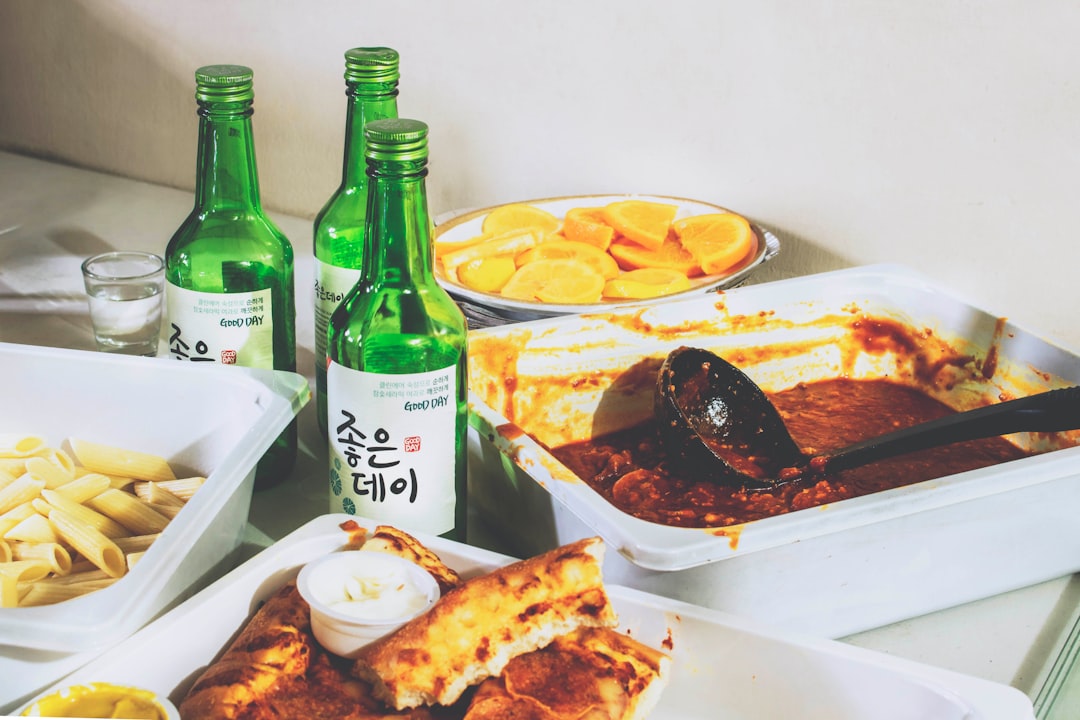
Why Korean Meal Prep Recipes for Weight Loss Actually Work
Here’s a fact that might surprise you: South Korea has one of the lowest obesity rates among developed nations, hovering around just 5.5% compared to nearly 42% in the United States. And no, it’s not genetics — it’s the food.
Traditional Korean cuisine is built on a foundation of fermented vegetables, lean proteins, complex carbohydrates, and an astonishing variety of side dishes called banchan that naturally portion-control every meal. The average Korean dinner table features five to seven small dishes alongside a bowl of rice and soup — a built-in strategy that keeps calories low while satisfaction stays sky-high.
If you’ve been searching for Korean meal prep recipes for weight loss, you’re tapping into one of the most effective and delicious approaches to healthy eating on the planet. Unlike restrictive Western diets that leave you counting almonds and dreaming about bread, Korean-style meal prep fills your fridge with colorful, flavorful dishes that you’ll genuinely look forward to eating every single day.
In this guide, I’ll walk you through everything you need to know — from the science behind why Korean food supports weight loss, to specific recipes you can batch-cook on Sunday and enjoy all week long. Whether you’re a complete beginner or a seasoned home cook looking for fresh ideas, these Korean meal prep recipes for weight loss will transform the way you think about dieting.
7 Low Calorie Korean Meals for Beginners (2026 Guide)The Science Behind Korean Food and Weight Loss

Fermented Foods and Your Gut Microbiome
At the heart of every Korean meal sits kimchi — and this isn’t just tradition, it’s science. Research published in the Journal of Medicinal Food found that participants who consumed fermented kimchi experienced significant reductions in body weight, body fat percentage, and waist-to-hip ratio compared to those eating fresh (unfermented) cabbage.
The magic lies in Lactobacillus bacteria, the same beneficial probiotics found in yogurt but in far higher concentrations in traditionally fermented Korean foods. These probiotics improve gut health, reduce inflammation, and help regulate the hormones that control hunger and fat storage.
Beyond kimchi, Korean cuisine features dozens of fermented staples: doenjang (fermented soybean paste), gochujang (fermented chili paste), jeotgal (fermented seafood), and makgeolli vinegar. Each contributes unique strains of beneficial bacteria that support a diverse, healthy gut microbiome — now recognized as one of the most important factors in maintaining a healthy weight.
High Volume, Low Calorie Density
Korean meals are structured around the concept of volume eating without anyone calling it that. A typical home-cooked Korean dinner might include:
- A bowl of soup or stew (60–150 calories) — mostly water and vegetables
- 3–5 banchan side dishes (20–80 calories each) — seasoned vegetables, pickles, small portions of protein
- A modest scoop of rice (150–200 calories) — often mixed-grain for extra fiber
- A main protein (150–250 calories) — grilled fish, braised tofu, or lean meat
Total? Often just 500–700 calories for a meal that looks absolutely enormous on the table. Your eyes see abundance, your stomach feels full, and your calorie count stays right where you want it. This is why Korean meal prep recipes for weight loss feel so sustainable — you never feel deprived.
The Capsaicin Advantage
Korean food is famously spicy, and that heat comes primarily from gochugaru (Korean red pepper flakes) and gochujang. The capsaicin in these peppers has been shown in multiple studies to boost metabolic rate by 5–8% for several hours after a meal. It also increases feelings of satiety and reduces appetite.
A 2017 meta-analysis in the journal Appetite confirmed that capsaicin consumption leads to reduced energy intake at subsequent meals. So when you add gochugaru to your meal prep, you’re not just adding flavor — you’re adding a thermogenic boost that helps your body burn more calories at rest.
7 Healthy Korean Meals for Weight Loss in 2026Essential Ingredients for Korean Weight Loss Meal Prep
Pantry Staples You Need
Before you start cooking, stock your pantry with these Korean meal prep essentials. Most are available at H-Mart, any Asian grocery store, or online through Amazon and Weee!:
| Ingredient | What It Does | Calories per Tbsp | Where to Buy |
|---|---|---|---|
| Gochugaru (red pepper flakes) | Heat + metabolism boost | 15 | H-Mart, Amazon |
| Gochujang (chili paste) | Umami + spice base | 30 | H-Mart, Whole Foods |
| Doenjang (soybean paste) | Deep savory flavor | 25 | H-Mart, Asian markets |
| Sesame oil (toasted) | Finishing flavor (use sparingly) | 120 | Any grocery store |
| Soy sauce (low-sodium) | Salt + umami | 8 | Any grocery store |
| Rice vinegar | Brightness + preservation | 3 | Any grocery store |
| Dried seaweed (gim/miyeok) | Minerals + near-zero calories | 5 | H-Mart, Costco |
Pro tip: Buy the CJ Haechandle brand for gochujang and the Sempio brand for doenjang — both are widely available at H-Mart (around $6–8 per tub) and are the gold standard for authentic flavor. At Whole Foods, look for the Mother-in-Law’s brand, which is slightly pricier ($9–12) but excellent quality.
Fresh Produce to Buy Weekly
The cornerstone of Korean meal prep recipes for weight loss is fresh vegetables — and lots of them. Your weekly shopping list should include:
- Napa cabbage (1 large head) — for kimchi, salads, and soups
- Korean radish (mu) — for cubed radish kimchi and soups
- Zucchini (hobak) — for stir-fries and pancakes
- Bean sprouts (kongnamul/sukju) — for banchan and bibimbap
- Spinach — for sigumchi-namul (seasoned spinach)
- Green onions (2–3 bunches) — used in nearly everything
- Garlic (1–2 whole heads) — the backbone of Korean flavor
- Fresh ginger — for soups, marinades, and teas
All of these vegetables are extremely low in calories — most are under 25 calories per cup — while being packed with fiber, vitamins, and minerals. When you fill your meal prep containers with these, you’re creating meals that are nutritionally dense but calorically light.
Korean cooking ingredient guide7 Best Korean Meal Prep Recipes for Weight Loss

1. Bibimbap Bowls (약 450 calories per serving)
Bibimbap is the ultimate Korean meal prep recipe for weight loss because it’s infinitely customizable and actually tastes better after sitting in the fridge overnight. The sauce soaks into the rice and vegetables, deepening every flavor.
Meal prep method: Cook a big batch of brown rice or mixed-grain rice (japgokbap). Prepare 4–5 vegetable toppings separately: seasoned spinach, sautéed zucchini, pickled radish, seasoned bean sprouts, and shredded carrots. Store each in its own container. When assembling, place rice on the bottom, arrange vegetables in sections on top, and add a fried or soft-boiled egg plus 3 oz of lean protein (grilled chicken breast or pan-seared tofu).
The sauce: Mix 1 tablespoon gochujang with 1 teaspoon sesame oil, 1 teaspoon rice vinegar, and ½ teaspoon honey. This sauce is only about 60 calories and packs an incredible amount of flavor. Store it separately and drizzle just before eating.
Weight loss tip: Swap the white rice for cauliflower rice to drop the bowl to approximately 280 calories, or use a 50/50 blend for the best of both worlds.
2. Doenjang-Jjigae — Fermented Soybean Paste Stew (약 180 calories per bowl)
This is comfort food that’s secretly a weight loss superstar. Doenjang-jjigae is a hearty, bubbling stew made with fermented soybean paste, tofu, zucchini, mushrooms, and chili peppers. It’s deeply savory, incredibly satisfying, and astonishingly low in calories.
Meal prep method: Make a large pot on Sunday — this stew actually develops better flavor over 2–3 days in the fridge. Use firm tofu (cut into cubes), diced zucchini, sliced onions, minced garlic, and 2–3 tablespoons of doenjang paste. Simmer in anchovy broth or dashima (kelp) stock for 20 minutes.
Why it works for weight loss: The fermented doenjang provides probiotics and plant-based protein (about 3g per tablespoon). The tofu adds another 10g of protein per serving. The broth-based cooking method keeps fats minimal. One large, steaming bowl with a small scoop of rice is roughly 300 calories total — and you’ll feel completely satisfied for hours.
Storage: Keeps perfectly in the fridge for up to 5 days. Reheat on the stove or microwave for 2–3 minutes. The flavor intensifies each day.
3. Chicken Bulgogi Lettuce Wraps (약 320 calories for 4 wraps)
Traditional bulgogi uses thinly sliced beef, but this chicken breast version cuts the calories dramatically while keeping all the sweet-savory-garlicky goodness that makes bulgogi irresistible.
The marinade: Combine 3 tablespoons low-sodium soy sauce, 1 tablespoon honey (or monk fruit sweetener for fewer calories), 1 tablespoon sesame oil, 4 cloves minced garlic, 1 teaspoon grated ginger, and 1 grated Asian pear (a traditional tenderizer). Marinate thinly sliced chicken breast for at least 2 hours or overnight.
Meal prep method: Cook the marinated chicken in a hot skillet until caramelized — about 5–6 minutes. Store in containers with butter lettuce leaves, sliced cucumbers, pickled radish, and a small container of ssamjang (dipping sauce). At mealtime, wrap the chicken and toppings in lettuce for a zero-carb, high-protein meal.
Macros per serving (4 wraps): 320 calories, 35g protein, 12g carbs, 14g fat. This is one of the best Korean meal prep recipes for weight loss if you’re following a low-carb or keto approach.
4. Kongnamul-Bap — Soybean Sprout Rice (약 380 calories)
This is a classic one-pot Korean rice dish that’s a staple in Korean households for its simplicity and nutrition. Soybean sprouts (kongnamul) are loaded with vitamin C, folate, and fiber while being virtually calorie-free.
Meal prep method: Layer washed rice, soybean sprouts, and thinly sliced lean pork or ground turkey in a rice cooker. Add a small amount of seasoned soy sauce. Cook as normal. The sprouts steam on top of the rice, releasing moisture and flavor that infuses every grain. Divide into containers and serve with the classic sauce: soy sauce, gochugaru, sesame oil, and green onions.
Why it’s perfect for meal prep: Everything cooks together in one pot. The sprouts don’t get soggy when stored — they actually maintain their crunch beautifully for 3–4 days in the fridge. Microwave for 90 seconds and you have a complete meal.
5. Kimchi-Jjigae with Tofu (약 200 calories per bowl)
If you have a jar of aged kimchi (the more sour, the better), you’re 15 minutes away from one of the most satisfying stews in Korean cuisine. Kimchi-jjigae is the go-to comfort food for millions of Koreans, and it’s shockingly diet-friendly.
Meal prep method: Sauté chopped aged kimchi with a tiny drizzle of oil for 3–4 minutes until it deepens in color. Add water or anchovy stock, cubed tofu, sliced onions, and a spoonful of gochugaru. Simmer for 15 minutes. For extra protein without extra fat, add canned tuna (packed in water) — this is a hugely popular variation in Korea called chamchi kimchi-jjigae.
Calorie breakdown: 1 cup aged kimchi (40 cal) + ½ block firm tofu (90 cal) + vegetables (30 cal) + 1 can tuna in water (100 cal, optional) = 160–260 calories per generous bowl. Add ½ cup of rice and you’re still under 400 calories for a meal that tastes like pure, spicy heaven.
6. Japchae — Glass Noodle Stir-Fry (약 290 calories)
Japchae uses sweet potato glass noodles (dangmyeon), which are naturally gluten-free and lower in calories than wheat pasta. When loaded with vegetables, this classic Korean dish becomes an exceptional meal prep option.
Weight-loss modification: Use half the noodles you’d normally use and double the vegetables. Add shiitake mushrooms, bell peppers, spinach, carrots, and onions. For protein, include thinly sliced lean beef or shredded chicken breast. Season with soy sauce, sesame oil (just 1 teaspoon for the whole batch), and a pinch of sugar or sugar substitute.
Meal prep advantage: Japchae stores beautifully for up to 5 days and is traditionally served at room temperature, meaning you can eat it straight from the fridge or give it a quick 60-second microwave. It’s also one of the most visually stunning dishes you’ll ever prep — the colors are absolutely gorgeous.
7. Seasoned Banchan Vegetable Set (약 150 calories for 5 sides)
Instead of a single recipe, this is a system — and it’s arguably the most important Korean meal prep strategy for weight loss. Prepare 5 different banchan on Sunday and you have instant flavor and nutrition to add to any meal all week long.
The ultimate weight-loss banchan set:
- Sigumchi-namul (seasoned spinach) — 30 cal per serving. Blanch, squeeze dry, toss with garlic, sesame oil, soy sauce, and sesame seeds.
- Kongnamul-muchim (seasoned bean sprouts) — 25 cal per serving. Blanch, season with garlic, salt, sesame oil, and green onions.
- Oi-sobagi (cucumber kimchi) — 15 cal per serving. Stuff scored cucumbers with garlic, gochugaru, and fish sauce filling.
- Musaengchae (spicy radish salad) — 30 cal per serving. Julienne Korean radish, toss with gochugaru, vinegar, sugar, and salt.
- Miyeok-muchim (seaweed salad) — 20 cal per serving. Rehydrate dried seaweed, dress with vinegar, soy sauce, sesame oil, and chili flakes.
That’s five entire side dishes totaling around 120–150 calories. Add them to your protein and rice for an instant Korean meal that looks like you spent hours cooking. Most of these banchan keep well for 5–7 days refrigerated.
Korea Tourism Organization Food GuideWeekly Korean Meal Prep Plan for Weight Loss
Sunday Prep Session (약 2–3 hours)
Here’s a complete Sunday meal prep schedule to set yourself up for an entire week of Korean-style healthy eating. I’ve organized it by task so you can multitask efficiently:
Hour 1 — Grains and Proteins:
- Start the rice cooker with mixed-grain rice (makes 8–10 servings)
- Marinate chicken bulgogi while rice cooks
- Press and cube tofu for stews
- Soft-boil 6 eggs for bibimbap and snacking (6 minutes in boiling water, ice bath immediately)
Hour 2 — Banchan and Vegetables:
- Blanch spinach and bean sprouts (use the same boiling water — spinach first, then sprouts)
- Season both while still warm
- Prepare cucumber kimchi and radish salad
- Julienne carrots and zucchini for bibimbap toppings
- Sauté bibimbap vegetable toppings individually (2–3 minutes each)
Hour 3 — Cooking and Assembly:
- Cook chicken bulgogi
- Make a large pot of doenjang-jjigae or kimchi-jjigae
- Assemble bibimbap bowls in containers
- Portion banchan into small containers
- Mix and store sauces separately
Sample 5-Day Meal Plan (약 1,200–1,400 calories/day)
| Day | Lunch | Dinner | Daily Total |
|---|---|---|---|
| Monday | Bibimbap bowl + banchan | Kimchi-jjigae + ½ cup rice | ~1,250 cal |
| Tuesday | Chicken bulgogi lettuce wraps | Doenjang-jjigae + banchan | ~1,200 cal |
| Wednesday | Kongnamul-bap | Japchae + miso soup | ~1,300 cal |
| Thursday | Bibimbap bowl (tofu version) | Kimchi-jjigae + banchan | ~1,180 cal |
| Friday | Chicken bulgogi + rice + banchan | Japchae + seaweed soup | ~1,350 cal |
Note: These totals assume a light breakfast of about 200–300 calories (Korean-style, this could be a bowl of juk/porridge or leftover soup with rice). Adjust portions up or down based on your individual calorie needs and activity level.
Meal Prep Storage Tips for Korean Food

Container Strategy
Korean meal prep requires a slightly different container approach than Western meal prep because you’re dealing with multiple small components rather than one big casserole. Here’s what works best:
- Glass containers with dividers (like Pyrex or LocknLock — a Korean brand, fittingly) — perfect for keeping banchan separated. The 3-compartment versions are ideal.
- Small 4-oz containers — for individual banchan servings and sauces. Buy a 12-pack; you’ll use them all.
- Soup-safe containers — for stews like kimchi-jjigae and doenjang-jjigae. Make sure they’re microwave-safe and leak-proof. LocknLock round containers ($8–12 at H-Mart or Amazon) are the gold standard.
What Keeps and What Doesn’t
Stores beautifully (5–7 days): Kimchi (improves with time), seasoned bean sprouts, seasoned spinach, radish salad, cooked rice (reheat with a splash of water), all stews and jjigae.
Stores well (3–4 days): Cooked chicken bulgogi, japchae, kongnamul-bap, cucumber kimchi.
Prep day-of or day-before only: Lettuce leaves for wraps (they wilt), fried eggs for bibimbap, any crispy elements like toasted seaweed (store separately and add at mealtime).
Important: Always store sauces, dressings, and gochujang-based condiments in separate small containers. Adding sauce to meal prep containers too early can make vegetables soggy and dilute flavors. Mix at mealtime for the best texture and taste.
Common Mistakes to Avoid with Korean Meal Prep for Weight Loss
Mistake #1: Using Too Much Sesame Oil
Sesame oil is incredibly calorie-dense at 120 calories per tablespoon. It’s a finishing oil, not a cooking oil. Many beginners drizzle it liberally because it smells so incredible — I get it, I’ve been there. But a little goes a very long way. Use ½ teaspoon per serving of banchan, and you’ll still get that gorgeous nutty aroma without blowing your calorie budget.
Mistake #2: Oversizing the Rice Portion
In Korean restaurants, rice bowls can be 300–400 calories worth of white rice. At home, measure your portions: ½ cup of cooked rice (about 100–120 calories) is plenty when you have flavorful banchan and a protein to go with it. Better yet, switch to mixed-grain rice (잡곡밥) — it has more fiber, more nutrients, and keeps you fuller longer.
Mistake #3: Skipping the Soup
Korean meals traditionally include soup, and there’s a weight loss reason for that. Starting your meal with a broth-based soup has been shown in research from Penn State University to reduce total calorie intake by 20%. Korean soups like miyeok-guk (seaweed soup, ~45 calories) or kongnamul-guk (bean sprout soup, ~35 calories) are essentially free food from a calorie perspective. Always include one in your meal prep rotation.
Mistake #4: Buying Pre-Made Instead of Homemade
Store-bought Korean sauces and pre-made banchan from the H-Mart deli often contain significantly more sugar, oil, and sodium than homemade versions. A store-bought japchae can have twice the calories of your homemade version simply because of extra oil and sugar in the sauce. Making your own gives you complete control over every ingredient — and it’s a lot cheaper, too.
First Time Jjimjilbang Etiquette Tips: 2026 Complete GuideSnacks and Drinks That Support Korean-Style Weight Loss

Low-Calorie Korean Snacks
Between meals, reach for these traditional Korean snacks that won’t derail your progress:
- Roasted seaweed sheets (gim) — 25 calories per pack. Costco sells the Kirkland brand in bulk for about $12 for 40 packs. Crispy, salty, and incredibly satisfying.
- Korean pear (bae) — 50 calories per half. Juicy, sweet, and a traditional digestive aid.
- Edamame with sea salt and gochugaru — 120 calories per cup. The Korean twist on this Japanese staple adds a pleasant kick.
- Dried squid (ojingeochae) — 80 calories per oz. High in protein, chewy, and a classic Korean snack. Available at H-Mart for about $5–7 per bag.
- Baked sweet potato (goguma) — 100 calories per small potato. Koreans eat these as street food snacks, especially in winter. Bake a batch on Sunday and grab one when hunger strikes.
Korean Teas for Metabolism and Appetite Control
Korean tea culture goes far beyond green tea. These traditional teas support your weight loss goals and cost virtually nothing to make at home:
- Boricha (roasted barley tea) — 0 calories. The default water in most Korean households. Mildly nutty, naturally caffeine-free, and thought to aid digestion. Brew a big pitcher and keep it in the fridge.
- Oksusu-cha (corn tea) — 0 calories. Slightly sweet, incredibly refreshing cold. Made from roasted corn kernels.
- Gyulpi-cha (dried tangerine peel tea) — 0 calories. Citrusy and fragrant, traditionally used as a digestive aid and metabolism booster in Korean herbal medicine.
- Saenggang-cha (ginger tea) — 5 calories. Fresh ginger simmered with a touch of honey. Thermogenic properties may help increase calorie burn.
Replace sugary drinks, sodas, and high-calorie coffee drinks with these Korean teas and you could easily cut 200–500 empty calories per day without feeling like you’ve given up anything.
Where to Buy Korean Ingredients on a Budget
You don’t need to spend a fortune to cook Korean. Here’s a quick buying guide for the most budget-conscious approach to Korean meal prep recipes for weight loss:
- H-Mart — Your one-stop shop. Best prices on Korean-specific ingredients. The produce section often has Korean radish, perilla leaves, and fresh bean sprouts at prices significantly lower than Whole Foods. Look for weekly sales on gochujang, sesame oil, and noodles.
- Costco/Sam’s Club — Buy sesame oil, soy sauce, rice, roasted seaweed, and frozen vegetables in bulk. The Bibigo brand (available at Costco) offers decent frozen Korean meals for backup days.
- Whole Foods/Trader Joe’s — Good for basics like tofu, fresh vegetables, and chicken breast. Trader Joe’s Korean-inspired items (like their gochujang sauce) aren’t authentic but are convenient.
- Online (Amazon, Weee!, Hmart.com) — For pantry staples, especially if you don’t have a Korean grocery nearby. Subscribe & Save on Amazon for gochugaru and soy sauce can save 15–20%.
Budget estimate: A full week of Korean meal prep for one person costs roughly $35–50 in groceries, depending on your protein choices. That’s $5–7 per day for lunch and dinner — far less than eating out or ordering delivery.
Best Day Trips From Seoul by Train 2026: Top 10 SpotsFrequently Asked Questions About Korean Meal Prep for Weight Loss
Is Korean food actually good for weight loss?
Yes — Korean cuisine is naturally structured for weight management. The emphasis on vegetables, fermented foods, lean proteins, and broth-based soups creates meals that are high in volume and nutrition but relatively low in calories. The traditional Korean meal structure (rice + soup + multiple small banchan sides) naturally controls portions. Studies have specifically linked kimchi consumption to reduced body fat percentage and improved metabolic markers. The key is preparing Korean food at home where you can control the oil, sugar, and portion sizes, rather than relying on restaurant versions which tend to be heavier.
How many calories are in a typical Korean meal prep serving?
A well-balanced homemade Korean meal typically ranges from 400 to 600 calories depending on your rice portion and protein choice. A bowl of doenjang-jjigae with ½ cup rice and two banchan sides might be as low as 350 calories, while a bibimbap bowl with a fried egg and beef could reach 550 calories. The beauty of Korean meal prep is that the banchan system makes it easy to adjust — add more vegetable sides for volume with minimal calories, or reduce rice and increase protein for a lower-carb version. Most of the recipes in this guide fall in the 300–450 calorie range per serving.
Can I freeze Korean meal prep?
Some items freeze well, others don’t. Stews (kimchi-jjigae, doenjang-jjigae, sundubu-jjigae) freeze beautifully for up to 3 months — just thaw overnight in the fridge and reheat on the stove. Cooked rice freezes perfectly in individual portions; wrap in plastic and microwave with a splash of water. Marinated raw meat (bulgogi, galbi) freezes well for up to 2 months. However, most banchan don’t freeze well — seasoned vegetables become mushy, and bean sprouts lose their crunch entirely. Kimchi should never be frozen as it kills the beneficial bacteria. For the best results, freeze your proteins and stews, but prepare fresh banchan weekly.
What’s the best rice substitute for lower calories?
If you want to reduce calories further, try these substitutions: Cauliflower rice (25 cal per cup vs. 210 for white rice) works well in bibimbap. Konjac rice (곤약밥) is popular in Korea for dieting — it’s made from konjac root, has nearly zero calories, and is available at H-Mart for about $3–4 per pack. Mixed-grain rice (잡곡밥) has similar calories to white rice but significantly more fiber, keeping you fuller longer. Many Koreans on diets use a 50/50 blend of regular rice and konjac rice, which cuts carbs in half while maintaining a satisfying rice-eating experience. Start with the 50/50 blend — going straight to 100% substitutes can feel like a drastic change.
How do I keep Korean meal prep from getting boring?
The secret is the banchan rotation. Korean home cooks don’t make the same five side dishes every week — they rotate through dozens over the course of a month. Learn 3–4 new banchan recipes each month and swap them in. Also, vary your sauces: one week use gochujang-based seasoning, the next week try a doenjang-based dressing, then a sesame-soy vinaigrette. Change your proteins too — alternate between chicken, tofu, fish (grilled mackerel is a Korean classic), shrimp, and lean pork. With 7 proteins × 20+ banchan × 3 sauce styles, you have literally hundreds of possible combinations. Korean meal prep never gets boring if you embrace the variety the cuisine naturally offers.
7 Best Korean Sheet Masks for Dry Skin (2026 Ranking) 10-Step Korean Skincare Routine for Beginners (2026)Related Posts You’ll Love
If you enjoyed this guide to Korean meal prep recipes for weight loss, check out these related articles:
- 7 Low Calorie Korean Meals for Beginners (2026 Guide)
- 7 Healthy Korean Meals for Weight Loss in 2026
- Best Day Trips From Seoul by Train 2026: Top 10 Spots
Suggested new articles:
- Best Korean Fermented Foods for Gut Health (2026 Guide)
- Korean Grocery Shopping Guide for Beginners: What to Buy at H-Mart
- 10 High-Protein Korean Recipes for Muscle Building
Start Your Korean Meal Prep Journey Today
Korean cuisine isn’t a diet — it’s a sustainable way of eating that millions of people have thrived on for centuries. When you adopt Korean meal prep recipes for weight loss, you’re not restricting yourself. You’re expanding your palate, nourishing your gut, and eating some of the most flavorful food on earth — all while the scale moves in the right direction.
Start small. Pick two recipes from this guide — maybe the bibimbap bowls and one stew — and try a week of Korean-style meal prep. I promise you’ll be shocked at how good you feel and how little you miss your old lunches.
Your turn: Have you tried Korean meal prep before? What’s your favorite banchan? Drop a comment below — I read every single one and I’d love to hear what’s working for you. And if this guide helped you, share it with a friend who’s been looking for a delicious way to lose weight. Trust me, they’ll thank you after their first bite of homemade bibimbap.
Want more Korean food guides, recipe breakdowns, and weight loss tips delivered straight to your inbox? Subscribe to our newsletter and never miss a post. New articles every week on K-Food, K-Beauty, and living your best Korean-inspired life.