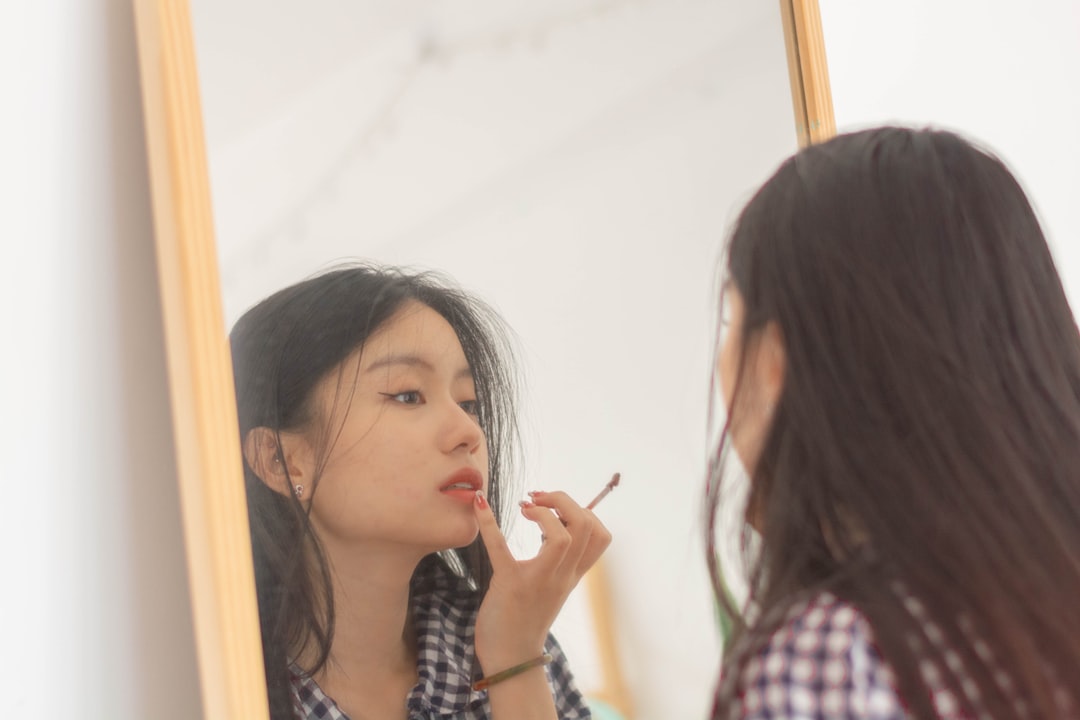
If you’ve ever scrolled through a K-beauty haul video and wondered why Korean makeup looks so effortlessly dewy and natural compared to the full-glam contour you see on American beauty channels, you’re not alone. The korean makeup vs western makeup differences go far beyond just product choices — they reflect entirely different beauty philosophies, skincare traditions, and cultural ideals that have evolved over decades. In 2026, with K-beauty generating over $13.2 billion in global sales and Western beauty brands scrambling to release “glass skin” products, understanding these differences has never been more relevant. Whether you’re a makeup minimalist curious about the Korean approach or a full-coverage devotee wondering what all the fuss is about, this guide breaks down every key distinction — from base products to lip trends, ingredient philosophy to application techniques — so you can cherry-pick the best of both worlds for your own routine.
1. The Core Philosophy: “Enhance” vs. “Transform”
The most fundamental of all korean makeup vs western makeup differences comes down to intent. Korean makeup philosophy centers on enhancing your natural features — making your skin look like skin, only better. Western makeup, by contrast, has historically leaned into transformation — sculpting, contouring, and building coverage to create a dramatically polished look.
The Korean “Less Is More” Approach
In Korea, the ideal makeup look is often described as “no-makeup makeup” or 생얼 메이크업 (saeng-eol makeup). The goal is to look like you woke up with flawless, luminous skin, subtly tinted lips, and bright, youthful eyes. Korean beauty culture places enormous value on skincare as the foundation — quite literally. A well-prepped, hydrated canvas means you need less product on top.
This explains why the average Korean woman’s skincare routine involves 7–10 steps, while her makeup routine might only take 10 minutes. The emphasis is always on skin quality first. Products like cushion compacts, skin tints, and tone-up creams dominate because they deliver sheer, buildable coverage that lets natural skin texture show through.
The Western “Full Glam” Tradition
Western makeup culture — particularly in the US — has deep roots in Hollywood glamour, drag artistry, and editorial fashion. Full-coverage foundation, dramatic contouring, bold brows, and statement lips have been staples for decades. Think Kim Kardashian’s sculpted contour or a classic red-carpet smoky eye.
That said, Western beauty is evolving rapidly. The “clean girl” aesthetic and “skin tint” trend of 2024–2026 borrow heavily from Korean beauty ideals. Brands like Glossier, Rare Beauty, and Ilia now offer sheer, dewy formulas that would feel right at home in a Korean beauty store. Still, the underlying product innovation and cultural emphasis remain distinct.
2. Base Makeup: Dewy Glass Skin vs. Matte Perfection

Base makeup is where the korean makeup vs western makeup differences are most immediately visible. The ideal finish, coverage level, and even the tools used diverge significantly.
Korean Base: Cushion Compacts and Skin Tints
Korean base products prioritize a luminous, hydrated finish — what’s commonly called “glass skin” or “mul-gwang” (water glow). The most iconic Korean base product is the cushion compact, invented by AmorePacific in 2008 and now a global phenomenon.
Popular Korean base products include:
- Laneige Neo Cushion Glow ($38, Sephora) — Lightweight, SPF 50+, buildable coverage with a dewy finish. Key ingredients: niacinamide, hyaluronic acid.
- Missha M Perfect Covering BB Cream ($12, Amazon) — A cult-classic BB cream with medium coverage, SPF 42, and a natural satin finish. Contains chamomile extract and ceramides.
- AMUSE Dew Tint Foundation ($26, Olive Young) — Ultra-sheer, serum-like formula with squalane and centella asiatica.
- Sulwhasoo Perfecting Cushion EX ($55, Sephora) — Luxury cushion with traditional herbal extracts and a radiant, skin-like finish.
Korean bases also tend to include SPF protection as standard — you’ll rarely find a Korean cushion or BB cream without at least SPF 30. This reflects the Korean emphasis on sun protection as anti-aging skincare. 7 Best Korean Sunscreens for Sensitive Skin 2026
Western Base: Full-Coverage Foundations and Primers
Western foundations have traditionally been formulated for full coverage and long wear. The American market pioneered the concept of 24-hour foundations, mattifying primers, and color-correcting concealers. Products are designed to withstand humidity, oil, and long days without touch-ups.
Popular Western base products include:
- Estée Lauder Double Wear ($48, Ulta) — The gold standard for full-coverage, matte, transfer-proof foundation with 88 shade options.
- Fenty Beauty Pro Filt’r Foundation ($42, Sephora) — Launched with 50 shades and helped push the industry toward true inclusivity.
- Charlotte Tilbury Flawless Filter ($49, Sephora) — A dewy hybrid that shows Western beauty embracing Korean-inspired glow.
- NARS Radiant Creamy Concealer ($32, Ulta) — Medium-to-full coverage concealer for sculpting and spot correction.
Shade Range: A Critical Difference
One area where Western makeup significantly outperforms Korean makeup is shade diversity. Most Korean cushions and BB creams offer only 3–7 shades, primarily in the light-to-medium range. Western brands like Fenty, MAC, and Maybelline now offer 40–60+ shades across undertones. This is a genuine limitation of K-beauty that the industry is slowly addressing, with brands like AMUSE and Peripera expanding their shade ranges in 2025–2026.
3. Eye Makeup: Soft Gradients vs. Bold Drama
Eye makeup reveals some of the most striking korean makeup vs western makeup differences, shaped by different eye shapes, cultural preferences, and aesthetic goals.
Korean Eye Makeup Techniques
Korean eye makeup favors soft, gradient washes of color that make eyes appear larger, brighter, and more youthful. Key techniques include:
- Gradient eyeshadow — A single warm or neutral shade blended from the lash line upward, creating a soft, diffused look rather than a structured crease.
- Aegyo-sal (애교살) — Deliberately highlighting the under-eye fat pads to create a youthful, smiling appearance. This is done with shimmery eyeshadow or a dedicated aegyo-sal pencil below the lower lash line.
- Puppy-eye liner — Instead of a cat-eye wing that flicks upward, Korean liner typically droops slightly downward at the outer corner, creating a softer, more innocent look.
- Brown over black — Korean women overwhelmingly prefer brown eyeliner and mascara over black for a gentler, more natural effect.
Standout Korean eye products include ROMAND Better Than Eyes palettes ($12, Amazon) with their perfectly curated four-shade quads, and CLIO Kill Lash Mascara ($15, Amazon) known for holding curls all day on straight Asian lashes.
Western Eye Makeup Techniques
Western eye makeup celebrates structure, dimension, and drama. The classic Western eye look involves:
- Cut crease — A sharp, defined crease line that creates depth and structure.
- Cat-eye/winged liner — A sharp, upward-flicking wing that elongates the eye.
- Smoky eye — Heavily blended dark shadows for evening glamour.
- Bold, colorful shadow — Western palettes frequently feature 18–24 shades spanning mattes, shimmers, and glitters in bold tones.
- False lashes — Dramatic strip lashes or voluminous extensions are mainstream in Western glam culture.
Products like Urban Decay Naked palettes ($54, Ulta), Patrick Ta Major Headlines Double-Take Palette ($52, Sephora), and Too Faced Better Than Sex Mascara ($29, Sephora) reflect this bolder approach. Best Korean Beauty Products on Allure
4. Lip Trends: Gradient Tints vs. Bold Statements

Lip trends might be the most visually obvious of all korean makeup vs western makeup differences. Walk through Myeongdong in Seoul and then through a Sephora in New York, and the lip products on display tell completely different stories.
The Korean Gradient Lip
The signature Korean lip look is the “gradient lip” or “bitten lip” (입술 그라데이션). Color is concentrated at the inner center of the lips and fades outward, creating the effect of having just eaten a cherry popsicle. This technique makes lips appear fuller and more youthful without overlining or heavy product.
Korean lip products are designed specifically for this technique:
- ROMAND Juicy Lasting Tint ($10, Amazon) — The #1 lip tint in Korea for three consecutive years, available in 20+ shades.
- Peripera Ink Mood Glowy Tint ($9, Amazon) — Glossy finish with long-lasting color deposit.
- 3CE Velvet Lip Tint ($18, Stylevana) — Matte velvet finish for a more sophisticated gradient.
- Etude House Dear Darling Water Gel Tint ($7, Amazon) — Budget-friendly, water-based formula beloved by beginners.
Korean lip colors tend toward MLBB (My Lips But Better) shades — soft roses, warm corals, muted mauves, and dusty pinks that enhance your natural lip color rather than replacing it.
Western Lip Culture
Western lip makeup embraces full coverage, sharp lines, and bold color. The lip is often lined with pencil for definition, filled in completely with lipstick, and finished with gloss or a matte top coat. Signature Western lip trends include:
- Classic red lip — A cultural icon from Marilyn Monroe to Taylor Swift.
- Overlined lips — Pencil slightly beyond the natural lip line for a fuller appearance.
- Liquid matte lipstick — Long-wearing, transfer-proof formulas popularized by brands like Kylie Cosmetics and Anastasia Beverly Hills.
- 90s brown lip revival — Dark, defined lips trending heavily in 2025–2026.
Top Western lip products include MAC Ruby Woo ($23, Ulta), Rare Beauty Soft Pinch Liquid Blush (which doubled as a lip product trend), and Charlotte Tilbury Pillow Talk Lipstick ($37, Sephora). 7 Fashion Trends K-Pop Idols Started in 2026
5. Contouring and Blush: Sculpting vs. Flushing
How you add dimension to the face is another area where the korean makeup vs western makeup differences become dramatically apparent.
Korean Approach: Soft Shading and “Drunk Blush”
Koreans typically avoid heavy contouring. Instead, they use subtle shading (셰이딩) — a cool-toned bronzer applied lightly along the jawline and sides of the nose to create gentle definition without obvious lines. The focus is on maintaining the appearance of flat, smooth, youthful skin rather than carved cheekbones.
Blush, however, is a major star in Korean makeup. The 2024–2026 trend of “drunk blush” or “sunburned blush” involves sweeping color across the cheeks, nose bridge, and even forehead for a flushed, just-came-in-from-the-cold effect. Popular products include:
- AMUSE Soft Cream Cheek ($16) — Creamy, buildable, melts into skin.
- CLIO Prism Air Blusher ($14, Amazon) — Silky powder with a lit-from-within glow.
- Peripera Pure Blushed Sunshine Cheek ($9, Amazon) — Affordable and blendable.
Western Approach: Sculpted Contour
Western contouring, popularized by Kim Kardashian and makeup artist Mario Dedivanovic in the early 2010s, involves using products 2–3 shades darker than your skin tone to sculpt cheekbones, jawline, nose, and forehead. This creates dramatic dimension and structure that photographs beautifully but can look heavy in natural light.
Western blush placement traditionally sits on the apples of the cheeks or is swept upward along the cheekbone for a lifted effect. Products like Benefit Hoola Bronzer ($34, Ulta) and Rare Beauty Soft Pinch Liquid Blush ($23, Sephora) dominate the market.
6. Ingredients and Formulation Philosophy

Beyond aesthetics, the korean makeup vs western makeup differences extend deep into product formulation. Korean and Western beauty brands approach ingredients from fundamentally different perspectives.
Korean Formulation: Skincare-Makeup Hybrids
Korean makeup products almost always include skincare-active ingredients. The philosophy is that makeup should improve your skin while you wear it. Common ingredients found in Korean makeup include:
| Ingredient | Function | Found In |
|---|---|---|
| Centella Asiatica (CICA) | Soothes inflammation, repairs barrier | Cushion compacts, BB creams |
| Niacinamide | Brightens, controls oil, minimizes pores | Foundations, primers, tints |
| Hyaluronic Acid | Deep hydration, plumping | Lip tints, cushions, setting sprays |
| Snail Mucin | Healing, moisture, anti-aging | BB creams, concealers |
| Green Tea Extract | Antioxidant protection | Primers, blushes |
| Rice Bran Extract | Brightening, softening | Powder products, tone-up creams |
Korean formulations also tend to be lighter in texture, using advanced encapsulation technology and water-based systems that feel barely-there on skin. First Time Jjimjilbang Etiquette Guide 2026: Step-by-Step
Western Formulation: Performance and Longevity
Western makeup formulations prioritize wear time, pigmentation, and coverage. Key focuses include:
- Long-wear polymers that keep foundation in place for 12–24 hours.
- High pigment loads for one-swipe color payoff in eyeshadows and lipsticks.
- Transfer-proof and waterproof technologies for all-day durability.
- Silicone-based primers that fill pores and create a smooth canvas.
In recent years, Western brands have begun incorporating skincare ingredients too — hyaluronic acid in foundations, vitamin C in concealers — but it remains an add-on rather than a foundational philosophy. Western climate considerations also differ: products are formulated to withstand dry indoor heating, harsh winters, and strong UV exposure common across North America and Europe.
7. Product Innovation and Shopping Culture
The pace and style of product innovation differs greatly between Korean and Western beauty markets, and this shapes the consumer experience significantly.
Korean Beauty: Fast Innovation, Affordable Prices
The Korean beauty market is known for its breakneck innovation cycle. New product formats, ingredients, and trends emerge every few months. Korea gave the world BB creams, cushion compacts, sheet masks, essence toners, and lip tints — all formats that Western brands later adopted.
Price points are generally significantly lower in K-beauty. A full Korean makeup look can easily be achieved for under $50, while a comparable Western routine might cost $150–$250. This accessibility is partly due to Korea’s intensely competitive beauty market — with over 2,000 active beauty brands in a country of 52 million people, companies must innovate constantly and keep prices competitive.
Shopping culture also differs. In Korea, beauty stores like Olive Young (the Korean Sephora, with 1,300+ locations) let customers test everything freely. Online, platforms like Stylevana, YesStyle, and Amazon’s K-beauty section make Korean products accessible worldwide. Korean Cafe Study Room Experience: Complete Guide 2026
Western Beauty: Premium Positioning and Inclusivity
Western beauty excels in premium brand building, shade inclusivity, and professional artistry tools. The Western market pioneered:
- Extensive shade ranges — 40+ shades standard for major launches since Fenty Beauty’s 2017 disruption.
- Professional-grade tools — Beautyblender, Sigma brushes, and Morphe palettes brought pro techniques to consumers.
- Celebrity and influencer brands — From Rihanna’s Fenty to Selena Gomez’s Rare Beauty, star power drives innovation.
- Clean beauty certification — Sephora’s “Clean at Sephora” and Ulta’s “Conscious Beauty” programs formalized ingredient transparency.
8. Side-by-Side Comparison: Korean vs. Western Makeup at a Glance

Here’s a comprehensive comparison table highlighting the key korean makeup vs western makeup differences across every major category:
| Category | Korean Makeup | Western Makeup |
|---|---|---|
| Philosophy | Enhance natural features | Transform and sculpt |
| Ideal Finish | Dewy, glass skin | Matte or satin perfection |
| Base Product | Cushion compact, BB cream, skin tint | Full-coverage foundation, primer |
| Coverage Level | Sheer to light-medium | Medium to full |
| SPF in Makeup | Almost always included (SPF 30–50+) | Rarely included; separate step |
| Eye Makeup | Soft gradient, puppy liner, brown tones | Cut crease, cat wing, bold color |
| Lip Look | Gradient tint, MLBB shades | Full-coverage lipstick, bold color |
| Contour | Minimal shading | Sculpted contour and highlight |
| Blush Style | Flushed, across cheeks and nose | Applied to cheekbones |
| Brows | Straight, soft, natural | Arched, defined, structured |
| Price Range | $5–$35 average | $15–$65 average |
| Shade Range | Limited (3–7 shades typical) | Extensive (40–60+ shades) |
| Key Ingredients | CICA, niacinamide, snail mucin, rice | Long-wear polymers, silicones, pigments |
| Innovation Speed | Very fast (new formats quarterly) | Moderate (seasonal launches) |
9. How to Combine the Best of Both Worlds
The smartest beauty enthusiasts in 2026 aren’t choosing sides — they’re blending Korean and Western techniques to create personalized routines. Here’s how to take the best from each tradition:
For Dry and Dehydrated Skin (Common in Western Climates)
If you battle dry indoor heating, harsh winds, and cold winters, adopt the Korean skincare-first philosophy. Layer hydrating toners and serums before makeup, then use a Korean cushion compact for your base. Finish with a Western cream blush and lip product for longer wear in variable weather.
Recommended hybrid routine:
- Prep: Korean hydrating toner + serum + SPF
- Base: Laneige Neo Cushion (Korean) for a dewy, hydrating finish
- Concealer: NARS Radiant Creamy Concealer (Western) for targeted spot coverage
- Eyes: ROMAND quad (Korean) for a soft wash of color
- Lashes: Too Faced Better Than Sex Mascara (Western) for volume
- Blush: Rare Beauty Soft Pinch (Western) for longevity
- Lips: ROMAND Juicy Lasting Tint (Korean) for the gradient effect
For Oily and Combination Skin
Use a Korean mattifying sunscreen as your primer, then apply a Western long-wear foundation only where you need coverage. Set with a Korean loose powder like Innisfree No-Sebum Mineral Powder ($9, Amazon) — it’s a cult favorite for oil control without caking. Add Korean-style blush placement for freshness.
Understanding the korean makeup vs western makeup differences empowers you to shop smarter and build a routine that truly suits your skin, lifestyle, and aesthetic goals. Best Day Trips From Seoul by Train 2026: Top 10 Spots
Frequently Asked Questions
Is Korean makeup better than Western makeup?
Neither is objectively “better” — they serve different purposes and aesthetic ideals. Korean makeup excels at natural, skin-enhancing looks with skincare benefits and affordable pricing. Western makeup excels at high-coverage, long-wearing formulas with unmatched shade diversity. The best approach is to understand the korean makeup vs western makeup differences and pick products from both traditions that suit your needs.
Why does Korean makeup look so natural?
Korean makeup looks natural because the entire philosophy is built on enhancement rather than transformation. Products use sheer, buildable coverage formulas. Techniques like gradient lips and puppy-eye liner are designed to add subtle definition without harsh lines. Most importantly, Korean beauty culture emphasizes skincare as the foundation — when your skin is well-hydrated and healthy, you need very little makeup to look radiant.
Can I use Korean makeup on darker skin tones?
This has historically been a limitation of K-beauty. Most Korean base products were formulated for light to medium-light skin tones. However, the market is improving. Brands like AMUSE, Fenty Beauty Korea, and Dear Dahlia now offer expanded shade ranges. For darker skin tones, you can still enjoy Korean lip tints, blushes, eyeshadows, and skincare products — the shade range issue primarily affects base makeup. Many beauty enthusiasts pair a Western foundation with Korean eye and lip products for the best of both worlds.
Where can I buy authentic Korean makeup in the US?
Authentic Korean makeup is increasingly accessible in the US through multiple channels:
- Sephora — Carries Laneige, Sulwhasoo, AMUSE, and other premium K-beauty brands.
- Ulta — Expanding K-beauty selection including COSRX and Peripera.
- Amazon — Wide selection; look for products sold directly by the brand or authorized retailers.
- Olive Young Global (oliveyoung.com) — Korea’s largest beauty retailer ships internationally.
- YesStyle and Stylevana — Dedicated Asian beauty retailers with huge K-beauty selections.
What Korean makeup products should a beginner try first?
If you’re new to K-beauty makeup, start with these three products that best showcase the korean makeup vs western makeup differences: a cushion compact (try Missha M Perfect Covering BB Cream, $12), a lip tint (ROMAND Juicy Lasting Tint, $10), and a cream blush (Peripera Pure Blushed Sunshine Cheek, $9). Total investment: under $35 for a complete Korean-style look.
Related Posts You’ll Love
- 7 Best Korean Sunscreens for Sensitive Skin 2026
- 7 Fashion Trends K-Pop Idols Started in 2026
- First Time Jjimjilbang Etiquette Guide 2026: Step-by-Step
Suggested new articles:
- Best Korean Skincare Routine for Beginners 2026
- Top 10 Korean Lip Tints Ranked by a Beauty Editor
- How to Achieve Glass Skin: Complete Step-by-Step Guide
Your Turn: Korean, Western, or Hybrid?
Now that you understand the key korean makeup vs western makeup differences, we want to hear from you! Are you team dewy glass skin, team full-glam contour, or somewhere beautifully in between?
Drop a comment below and tell us: What’s your #1 Korean makeup product? Or which Western product could you never give up? We read every single comment and love discovering new favorites from our readers.
If this guide helped you understand the differences, share it with a friend who’s been curious about K-beauty — they’ll thank you for it. And don’t forget to subscribe to our newsletter for weekly beauty breakdowns, product reviews, and the latest trends from Seoul and beyond.
Have a specific question about Korean or Western makeup we didn’t cover? Leave it in the comments and we’ll answer it in our next beauty deep-dive!