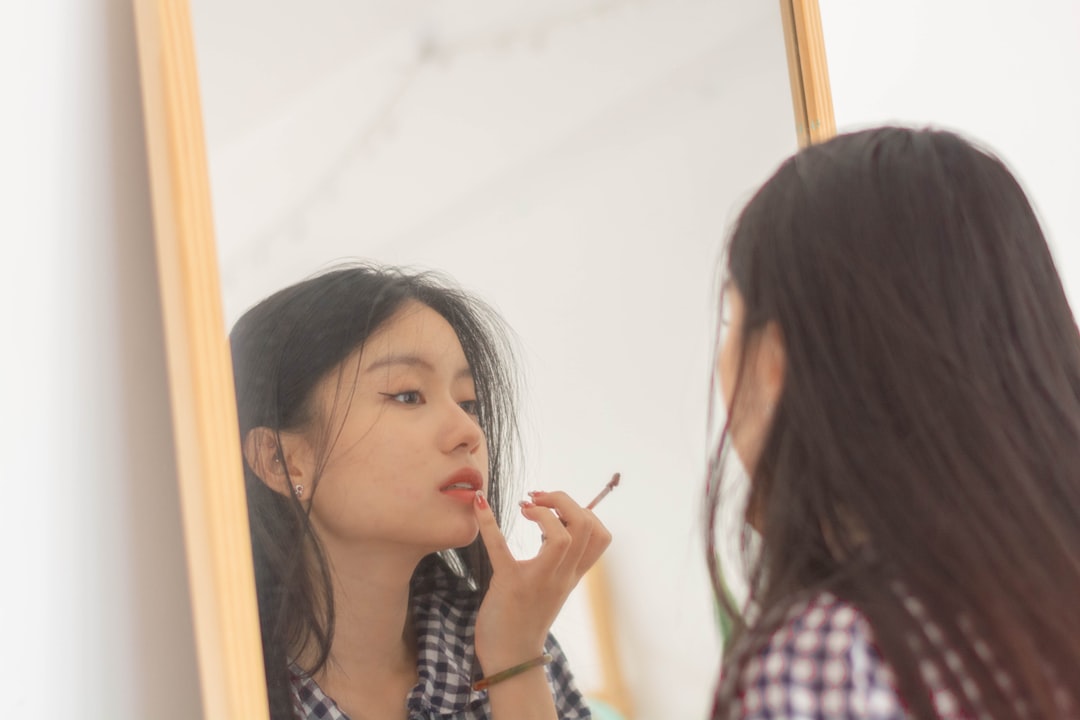
If you’ve ever scrolled through a K-beauty hashtag on Instagram or watched a Korean makeup tutorial on YouTube, you’ve probably noticed something striking: Korean makeup looks nothing like what you see at your local Sephora counter. The dewy “glass skin” finish, the gradient lips, the soft eyeshadow — it’s a completely different universe from the contoured, matte, full-coverage looks that dominate Western beauty culture. But the korean makeup vs western makeup differences go far deeper than just aesthetics. They reflect fundamentally different philosophies about what beauty means, how skincare and makeup interact, and what “looking good” actually looks like in daily life. In this comprehensive guide, we’re breaking down every major difference — from formulas and ingredients to application techniques and cultural influences — so you can decide which approach (or combination of both) works best for your skin.
Philosophy and Beauty Standards: Two Very Different Starting Points
Before we even talk about products, we need to understand the core philosophy behind each makeup tradition. This is where the most fundamental korean makeup vs western makeup differences begin — and it shapes everything from product development to marketing.
Korean Beauty: “Your Skin But Better”
Korean makeup culture centers on the idea of enhancing your natural features rather than transforming them. The goal is to look like you woke up effortlessly beautiful — fresh, youthful, and radiant. Think of it as the makeup equivalent of the “no-makeup makeup” look, but taken to an art form.
Key beauty ideals in Korean makeup include glass skin (translucent, dewy, almost wet-looking skin), aegyo-sal (the cute under-eye puff that makes you look younger), gradient lips (color concentrated in the center that fades outward), and straight, soft eyebrows that give a youthful, innocent appearance. Korean beauty standards value a luminous complexion above all else, which is why skincare is considered the foundation — literally — of any makeup routine.
According to a 2024 report by Statista, the South Korean cosmetics market was valued at approximately $9.3 billion USD, with skincare products accounting for over 50% of that figure. This tells you everything about where Korean beauty priorities lie: skin first, makeup second. Best Korean Sheet Masks for Dry Skin 2026: Top 10 Picks
Western Beauty: “Express and Transform”
Western makeup traditions lean more toward self-expression and transformation. There’s a long history of using makeup as a creative tool — from Old Hollywood glamour to the bold, sculpted looks popularized by beauty influencers like NikkieTutorials and James Charles. The Western approach embraces visible makeup as a statement.
Common Western beauty ideals include full-coverage, flawless foundations, sculpted contour and highlight, dramatic eye looks (smoky eyes, cut creases, bold liner), arched or feathered brows, and bold lip colors applied fully to the lip line. The U.S. beauty market was valued at over $100 billion in 2024, according to McKinsey’s State of Fashion report, driven largely by color cosmetics and fragrance.
Neither approach is “better” — they simply reflect different cultural values. And increasingly, beauty lovers worldwide are blending both philosophies for personalized routines that work for their skin and lifestyle.
Base Makeup: Coverage, Finish, and Formulation

Perhaps the most immediately noticeable area where korean makeup vs western makeup differences show up is in base products — foundations, BB creams, cushion compacts, and primers. The way each tradition approaches the “canvas” tells you everything about its goals.
Korean Base Products: Lightweight and Luminous
Korean base makeup is all about lightweight, buildable coverage that lets your skin breathe and look like skin. The most popular formats include:
- Cushion compacts — Invented by AmorePacific in 2008, cushion foundations changed the game worldwide. They deliver sheer-to-medium coverage with a dewy finish and often include SPF 50+. Top picks include the Laneige Neo Cushion Glow ($38) with niacinamide and the IOPE Air Cushion ($40) featuring hyaluronic acid.
- BB and CC creams — These hybrid skincare-makeup products provide light coverage, sun protection, and skin benefits in one step. The MISSHA M Perfect Covering BB Cream ($13 on Amazon) remains a cult classic with SPF 42 PA+++.
- Tone-up creams — Products like the Dr.G Brightening Up Sun Cream ($22) add a luminous, brightened finish without any real coverage, creating that coveted “lit from within” glow.
Korean formulas commonly feature skincare-forward ingredients like centella asiatica, snail mucin, rice extract, green tea, and propolis. The idea is that your makeup should actively improve your skin while you wear it.
Western Base Products: Full Coverage and Long-Wear
Western foundations tend to prioritize coverage, longevity, and shade range. The industry has made massive strides in inclusivity, with brands like Fenty Beauty offering 50+ shades and formulas designed to last 12+ hours through humidity, sweat, and tears.
Popular Western base products include:
- Full-coverage liquid foundations — The Estée Lauder Double Wear ($48 at Sephora) is a decades-long bestseller known for its 24-hour, transfer-proof wear. MAC Studio Fix Fluid ($40 at Ulta) offers a matte, buildable finish in 60+ shades.
- Setting powders and sprays — Products like Laura Mercier Translucent Setting Powder ($44) and Urban Decay All Nighter Setting Spray ($36) are considered essentials. These products have no Korean equivalent because dewy finishes don’t need “setting.”
- Contouring and highlighting — Western base routines often involve multiple products for sculpting — contour sticks, bronzers, highlighters, and sometimes color correctors underneath foundation.
Here’s a quick comparison table to visualize the differences:
| Feature | Korean Makeup | Western Makeup |
|---|---|---|
| Coverage | Sheer to medium | Medium to full |
| Finish | Dewy, luminous, “glass skin” | Matte, satin, or natural |
| SPF | Almost always included (SPF 30–50+) | Rarely included; separate product |
| Key ingredients | Centella, snail mucin, niacinamide | Hyaluronic acid, vitamin E, silicones |
| Format | Cushion, BB cream, tone-up | Liquid, powder, stick |
| Shade range | Limited (improving slowly) | Extensive (40–60+ shades) |
| Longevity focus | Touchup-friendly | 12–24 hour wear claims |
Eye Makeup: Soft Gradients vs. Bold Drama
Eye makeup is where the korean makeup vs western makeup differences become the most visually dramatic. The two traditions approach eyes with completely different goals, tools, and color palettes.
Korean Eye Looks: Subtle, Warm, and Youthful
Korean eye makeup favors soft washes of warm, neutral colors — think peachy pinks, soft corals, warm browns, and muted mauves. The application is diffused and blended seamlessly, with no harsh lines. Shimmer is preferred over matte, with glitter particles creating that “sparkly, innocent eye” effect popular in K-pop idol looks.
Key techniques in Korean eye makeup include:
- One-color eyeshadow wash — A single shade applied lightly all over the lid and blended into the crease for a soft, monochromatic effect.
- Aegyo-sal highlighting — Using a shimmery concealer or glitter shadow on the under-eye puff to make eyes look larger and more youthful. The ETUDE HOUSE Tear Eye Liner ($8) is a cult product for this technique.
- Puppy liner — Instead of a cat-eye flick, Korean liner droops slightly downward at the outer corner, creating a softer, more approachable look. The CLIO Kill Black Waterproof Pen Liner ($14 on Amazon) is the go-to for this.
- Straight, natural brows — Korean brows follow the natural arch with minimal shaping, filled in softly. The Innisfree Auto Eyebrow Pencil ($6) is a best-seller for achieving this look.
Korean eyeshadow palettes tend to be compact — often 4 to 10 shades in a coordinated warm tonal range. The rom&nd Better Than Eyes palette ($12) and 3CE Multi Eye Color Palette ($35) are prime examples of this philosophy. Best Korean Beauty Products
Western Eye Looks: Sculpted, Defined, and Expressive
Western eye makeup embraces complexity and drama. Multi-shade looks with distinct color placement — transition shades, crease colors, lid shimmers, inner corner highlights, and lower lash line definition — are standard. Techniques like the smoky eye, cut crease, halo eye, and graphic liner are all Western innovations.
Western eyeshadow palettes are typically larger — 12, 18, or even 35 shades — with a mix of mattes, shimmers, metallics, and sometimes glitters. The Anastasia Beverly Hills Soft Glam palette ($45 at Sephora), Urban Decay Naked palette series ($54), and Tartelette In Bloom ($39 at Ulta) are iconic examples.
Western brow trends cycle through dramatic changes — from thin 90s brows to thick Instagram brows to the current fluffy “soap brow” trend. Products like Anastasia Beverly Hills Brow Wiz ($25) and Benefit Gimme Brow ($26) are staples. The emphasis is on a defined, structured brow that frames the eye, compared to Korea’s softer approach.
Lip Products: Gradient Tints vs. Full-Coverage Lips

Lip makeup reveals another fascinating dimension of the korean makeup vs western makeup differences — and it’s one of the easiest areas to experiment with if you want to start blending both approaches.
Korean Lips: The Gradient “Bitten” Effect
The signature Korean lip look is the gradient lip (그라데이션 립) — color concentrated at the inner center of the lips that fades outward toward the edges. This creates a youthful, “just-bitten” or “popsicle-stained” effect that’s soft and approachable rather than bold and defined.
To achieve this look, Koreans typically:
- Apply concealer or foundation to the lip edges to blur the natural lip line.
- Pat a lip tint into the center of the lips.
- Blend outward with fingers or a lip brush.
- Optionally, layer a clear or tinted lip balm for moisture.
Korean lip products are dominated by water tints, velvet tints, and lip oils. The rom&nd Juicy Lasting Tint ($10), Peripera Ink Airy Velvet ($9), and AMUSE Dew Tint ($15) are bestsellers that deliver long-lasting, stain-like color without the drying feel of Western liquid lipsticks. These products are formulated with hydrating ingredients like jojoba oil, vitamin E, and hyaluronic acid.
Western Lips: Full-Coverage and Statement-Making
Western lip makeup traditionally involves lining the lips with a pencil for definition, then filling in with lipstick or liquid lipstick for full, even coverage. The lip line is crisp and intentional. Colors range from nude to deep burgundy to bold red, with matte liquid lipsticks dominating since 2015 (thanks to brands like Kylie Cosmetics and Huda Beauty).
Popular Western lip products include MAC Ruby Woo ($21), Charlotte Tilbury Pillow Talk ($35 at Sephora), Rare Beauty Soft Pinch Liquid Blush for lips ($22), and NYX Lip Lingerie XXL ($10 at Ulta). Western formulas prioritize transfer-proof, long-wearing finishes, though there’s been a recent shift toward more comfortable, hydrating formulas like the Rare Beauty Kind Words Matte Lipstick ($22).
Interestingly, the Korean gradient lip trend has been crossing over into Western markets. Many Western influencers now incorporate the technique into their routines, and brands like Glossier and Tower 28 have built their entire lip lines around a more blotted, casual, Korean-inspired aesthetic.
Skincare-Makeup Integration: Where the Real Gap Lies
One of the most significant korean makeup vs western makeup differences is how each tradition treats the boundary between skincare and makeup. In Korea, there is essentially no boundary. In Western beauty, they’ve historically been treated as separate categories — though this is rapidly changing.
The Korean 10-Step Routine and Makeup Prep
Korean women famously invest heavily in skincare — the average Korean woman uses 10 to 12 skincare products daily, according to Korean beauty industry surveys. This extensive prep creates a hydrated, smooth canvas that makes heavy makeup unnecessary. When your skin is already glowing from essences, serums, and ampoules, a light cushion compact is all you need.
Korean makeup products also frequently double as skincare. You’ll find BB creams with adenosine (anti-aging), cushions with madecassoside (healing), and lip tints with ceramides (barrier repair). The Sulwhasoo Perfecting Cushion EX ($55), for example, contains ginseng root extract — an ingredient more commonly associated with luxury serums. Best Korean Sheet Masks for Dry Skin 2026: Top 10 Picks
Western Skincare-Makeup Convergence
Western beauty has traditionally separated “skincare” and “color cosmetics” into different aisles, different brands, and different routines. You’d do your morning skincare, wait for it to absorb, apply primer, then apply foundation. These were considered distinct steps with distinct products from different brands.
However, the K-beauty influence has been transformative. Western brands now routinely launch skin tints, serum foundations, and hybrid products that blur the line. The ILIA Super Serum Skin Tint SPF 40 ($48), Kosas Revealer Skin-Improving Foundation ($42), and Jones Road What The Foundation ($49) all reflect this Korean-inspired shift toward skincare-makeup hybrids. The global “skinification of makeup” trend, valued at $14.2 billion by Grand View Research, is a direct result of Korean beauty’s influence.
Ingredients and Formulation: East vs. West

Ingredient philosophy represents another core area of the korean makeup vs western makeup differences. While both industries are science-driven, they draw from different traditions and prioritize different concerns.
Korean Makeup Ingredients
Korean makeup formulations tend to feature botanical and fermented ingredients rooted in traditional Korean herbal medicine (hanbang). Common ingredients include:
- Snail mucin (snail secretion filtrate) — Hydration and repair; found in COSRX and Missha products.
- Centella asiatica (cica) — Anti-inflammatory and soothing; a staple in brands like Dr. Jart+ and Purito.
- Rice bran extract — Brightening and softening; used by Sulwhasoo and I’m From.
- Propolis — Antioxidant and antibacterial; featured in COSRX and By Wishtrend lines.
- Ginseng — Anti-aging and revitalizing; the hero ingredient in Sulwhasoo’s entire luxury line.
- Fermented ingredients — Galactomyces, saccharomyces — these increase ingredient bioavailability and improve absorption.
Western Makeup Ingredients
Western makeup formulations lean more toward clinical actives and performance-driven ingredients:
- Retinol and peptides — Anti-aging actives now appearing in foundations and primers.
- Hyaluronic acid — Hydration; widely used across both traditions but more prominent in Western marketing.
- Silicones (dimethicone, cyclomethicone) — Smoothing and pore-filling; a staple in primers and foundations.
- Vitamin C — Brightening; increasingly added to Western tinted moisturizers.
- Salicylic acid — Acne-fighting; found in some Western foundations targeting breakout-prone skin.
A key difference: Korean formulations often avoid heavy silicones and fragrances that can irritate sensitive skin, while many Western products still rely on silicone-based primers and scented formulas. However, the Western “clean beauty” movement (led by brands like Beautycounter, RMS Beauty, and ILIA) is closing this gap significantly. 7 Low Calorie Korean Meals for Diet Success in 2026
Climate and Skin Concerns: Practical Differences
Your geographic location — and the climate you live in — significantly impacts which makeup tradition works better for you. This is a practical dimension of the korean makeup vs western makeup differences that doesn’t get discussed enough.
Western Climate Challenges
If you live in North America or Europe, you face unique skin challenges that affect your makeup choices:
- Central heating in winter strips moisture, causing dry, flaky skin that makes dewy Korean cushions cling to dry patches.
- Hard water in many Western cities (NYC, London, LA) can cause mineral buildup that disrupts skin texture.
- Extreme temperature swings — going from freezing outdoor air to heated indoors — cause redness and reactivity.
- Higher UV exposure in southern U.S. states and Mediterranean climates demands more robust SPF strategies.
For these conditions, you may find that Korean skincare prep + Western long-wear base creates the ideal combination. Use hydrating Korean essences and serums to prep skin, then apply a Western foundation with long-wear technology to withstand climate stresses. Products like the LANEIGE Water Sleeping Mask ($29) paired with Estée Lauder Double Wear create a powerful cross-cultural routine.
Korean Climate Considerations
Korea’s climate features hot, humid summers and cold, dry winters. Korean makeup products are formulated to perform in these conditions — cushion compacts are designed for easy touchups in humidity, and dewy finishes look natural in moist air. If you live in a humid climate like Florida, Houston, or the Pacific Northwest, Korean base products may actually feel more comfortable and natural than heavy Western foundations.
Gyeongju Day Trip From Seoul: 2026 Itinerary Guide
Price Point and Accessibility: Getting the Best of Both Worlds

Another important area of korean makeup vs western makeup differences is accessibility and pricing. Korean beauty has long been known for delivering exceptional quality at surprisingly affordable prices — but the landscape is more nuanced than it first appears.
Korean Makeup Pricing
Korean makeup tends to be significantly more affordable at the entry level. Brands like MISSHA, Etude House, Innisfree, rom&nd, and Peripera offer quality products in the $5–$20 range. Mid-range Korean brands like Laneige, 3CE, and CLIO fall in the $15–$40 range. Luxury Korean brands like Sulwhasoo and Hera can reach $50–$100+ but are still typically cheaper than comparable Western luxury brands.
You can find Korean makeup at Amazon (largest selection, fastest shipping), Sephora (curated K-beauty section featuring Laneige, Dr. Jart+, and COSRX), Ulta (growing K-beauty selection), YesStyle (widest range of Korean brands), and Olive Young Global (Korea’s largest beauty retailer now ships internationally).
Western Makeup Pricing
Western makeup has a wider pricing spectrum. Drugstore brands like Maybelline, NYX, and e.l.f. offer products from $3–$15 that rival much more expensive options. Prestige brands like MAC, Charlotte Tilbury, NARS, and Too Faced range from $20–$50. Luxury brands like Tom Ford, Pat McGrath, and Chanel command $40–$130+ for single products.
The advantage of Western makeup is in-store accessibility — you can swatch, test, and get shade-matched at any Sephora, Ulta, or department store counter. Korean makeup shopping in Western countries still relies heavily on online ordering, making shade selection more challenging.
| Price Tier | Korean Brands | Western Brands |
|---|---|---|
| Budget ($3–$15) | rom&nd, Peripera, Etude House, Innisfree | e.l.f., NYX, Maybelline, Wet n Wild |
| Mid-Range ($15–$40) | CLIO, 3CE, Laneige, Missha | MAC, Too Faced, Tarte, Rare Beauty |
| Premium ($40–$70) | Hera, Sulwhasoo, Amorepacific | Charlotte Tilbury, NARS, Laura Mercier |
| Luxury ($70+) | Sulwhasoo Concentrated, Whoo | Pat McGrath, Tom Ford, Chanel |
How to Build a Hybrid Routine: Best of Korean and Western Makeup
Now that you understand the korean makeup vs western makeup differences, here’s the exciting part: you don’t have to choose. Many beauty enthusiasts are now building hybrid routines that combine the strengths of both traditions. Here’s a practical guide:
Step-by-Step Hybrid Routine
- Skincare Prep (Korean approach): Double cleanse, toner, essence, serum, moisturizer, sunscreen. This 5–7 step skincare routine creates the hydrated canvas that makes any makeup look better. Budget option: COSRX Snail Mucin Essence ($21 on Amazon) + Purito Daily Go-To Sunscreen ($16).
- Primer (Choose by need): For pore-filling, use a Western silicone primer like Benefit POREfessional ($36). For glow, use a Korean tone-up cream like Peach C Honey Glow Tone Up ($18).
- Base (Mix and match): For everyday, use a Korean cushion compact. For events, long days, or when you need more coverage, switch to a Western foundation. You can also mix them — one pump of foundation blended with cushion product creates a customized coverage level.
- Eyes (Korean softness + Western definition): Use Korean warm-toned shadows as a soft base, then add Western techniques like a defined crease or winged liner for more dimension.
- Lips (Korean gradient + Western color range): Apply Western lip liner just inside the lip line, fill center with a Korean lip tint, and blend outward for a polished gradient effect.
- Setting (Western for longevity): If you need your makeup to last, finish with a light Western setting spray. Skip this step for a natural, dewy Korean finish.
Starter Kit: The Best of Both Worlds ($100 Budget)
If you’re building a cross-cultural makeup kit on a budget, here are the essentials:
- MISSHA M Perfect Covering BB Cream — $13 (Amazon) — Korean base
- Maybelline Fit Me Concealer — $8 (Ulta) — Western concealer
- rom&nd Better Than Eyes Palette — $12 (Amazon) — Korean eyeshadow
- Peripera Ink Airy Velvet Lip Tint — $9 (Amazon) — Korean lips
- Innisfree Auto Eyebrow Pencil — $6 (Amazon) — Korean brows
- Rare Beauty Soft Pinch Liquid Blush — $23 (Sephora) — Western blush
- NYX Epic Ink Liner — $9 (Ulta) — Western eyeliner
- e.l.f. Power Grip Primer — $10 (Ulta) — Western primer
- Total: ~$90
7 Best Korean Street Food Markets by City (2026 Guide)
Frequently Asked Questions About Korean vs. Western Makeup
Is Korean makeup better for sensitive skin?
Generally, yes. Korean makeup formulations tend to avoid heavy fragrances and harsh preservatives, and they frequently include soothing ingredients like centella asiatica, green tea extract, and panthenol. Korean beauty regulations (managed by Korea’s MFDS) are also among the strictest in the world, banning over 1,300 ingredients that are still allowed in Western markets. However, Western “clean beauty” brands like ILIA, Kosas, and RMS Beauty also offer sensitive-skin-friendly options. Always check ingredient lists regardless of origin.
Can I use Korean makeup on deeper skin tones?
This has been Korean beauty’s biggest weakness. Historically, Korean base products offered very limited shade ranges (typically 3–5 shades), catering primarily to fair to light-medium skin tones. However, progress is being made. Brands like Fenty Beauty’s entry into the Korean market has pushed local brands to expand. CLIO now offers 12+ shades, and Laneige’s Neo Cushion has expanded to 10 shades including deeper options. For the most inclusive shade range, you may still need to rely on Western foundations while using Korean eye, lip, and skincare products.
Why do Korean makeup looks focus so much on skin?
In Korean culture, clear, luminous skin has been considered the foundation of beauty for centuries — long before modern cosmetics existed. The Korean proverb “피부가 예뻐야 화장이 예쁘다” translates to “beautiful skin makes beautiful makeup.” This cultural value drives the entire K-beauty industry’s emphasis on skincare-first routines. The massive skincare step count (the famous 10-step routine) exists specifically to create skin so healthy that minimal makeup is needed.
How long does Korean cushion makeup last compared to Western foundation?
A typical Korean cushion compact lasts about 4–6 hours before needing a touchup, while long-wear Western foundations claim 12–24 hours of wear. However, this comparison isn’t quite fair — Korean cushions are designed to be reapplied throughout the day (the portable compact format makes this easy), while Western foundations are designed to be applied once and forgotten. The Korean approach offers a fresh, dewy look with each touchup, while the Western approach prioritizes convenience and longevity.
Are K-pop idol makeup looks achievable for everyday wear?
Absolutely — in fact, most K-pop idol “off-duty” looks are specifically designed to appear effortless and wearable. The glass skin, gradient lip, and soft eye look you see on idols in their daily vlogs is very much achievable with drugstore Korean products. Stage makeup, however, is a different story — those looks involve professional techniques, heavy glitter, colored contacts, and stage lighting that aren’t practical for daily wear. For K-pop-inspired everyday looks, focus on the skincare prep, a good cushion, tinted lip, and subtle shimmer eyeshadow. How to Become a K-Pop Trainee From Abroad in 2026
Related Posts You Might Enjoy
- Best Korean Sheet Masks for Dry Skin 2026: Top 10 Picks
- 7 Best Korean Dog Fashion Brands to Shop Online in 2026
- K-Pop Rookie Groups Debuting 2026: 7 Must-Watch Acts
Suggested future articles:
- 10 Best Korean Sunscreens for Oily Skin Under Makeup 2026
- Korean Glass Skin Routine: Step-by-Step Guide for Beginners
- Best Korean Cushion Foundations for Every Skin Type 2026
Final Thoughts: Which Makeup Style Is Right for You?
The korean makeup vs western makeup differences ultimately come down to personal preference, skin type, lifestyle, and climate. Korean makeup excels at creating a natural, youthful, skin-first look with lightweight, affordable products. Western makeup shines when you want coverage, longevity, creative expression, and inclusive shade ranges.
The best approach? Take what works from each tradition and make it your own. Your skin doesn’t care where a product was manufactured — it cares about ingredients, formulation, and how well the product addresses your specific needs.
Now we want to hear from you! Have you tried Korean makeup products? Do you prefer the dewy K-beauty finish or the sculpted Western look — or are you a hybrid girlie like us? Drop your favorite products and tips in the comments below, and if this guide helped you, share it with a friend who’s curious about K-beauty. Don’t forget to subscribe to our newsletter for weekly beauty guides, product reviews, and the latest trends from Seoul and beyond.