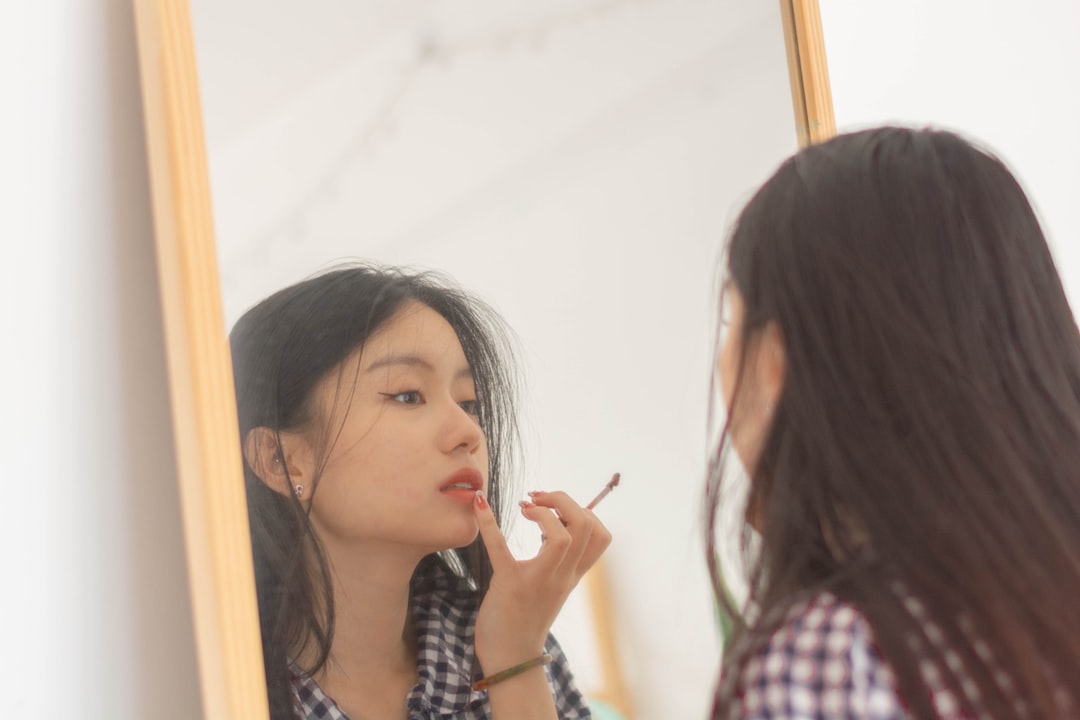
Korean Makeup vs Western Makeup: Why These Two Beauty Worlds Are So Different in 2026
Picture this: you’re scrolling through your Instagram feed and notice something striking. A Korean beauty influencer showcases a dewy, glass-skin look with barely-there lip tint and soft gradient eyes. Swipe once more, and an American beauty creator stuns with a full-coverage matte foundation, sculpted contour, bold winged liner, and a statement red lip. Both looks are gorgeous — but they couldn’t be more different.
The korean makeup vs western makeup differences go far beyond surface-level aesthetics. They reflect entirely different beauty philosophies, skincare traditions, product formulations, and cultural ideals that have evolved over decades. Understanding these differences isn’t just fascinating — it’s practical. By borrowing the best from both worlds, you can build a routine that genuinely works for your skin type, lifestyle, and personal style.
In this comprehensive guide, we’ll break down every major difference between Korean and Western makeup approaches, from base products to lip trends, ingredient philosophy to application techniques. Whether you’re a K-beauty devotee curious about Western techniques or a Western makeup lover ready to explore the Korean approach, this article will give you everything you need to know in 2026.
The Core Beauty Philosophy: “Enhance” vs “Transform”

At the heart of the korean makeup vs western makeup differences lies a fundamental philosophical divide. This isn’t just about product choices — it’s about what each culture considers the ultimate goal of makeup.
Korean Beauty: The “Your Skin But Better” Approach
Korean makeup culture centers on the concept of “saeng-eol” (생얼), which literally translates to “bare face.” The ideal Korean makeup look enhances your natural features so subtly that people might wonder if you’re wearing any makeup at all. The goal is youthful, healthy, radiant skin — not a dramatically different face.
This philosophy extends from Korea’s deeply rooted skincare culture. In a 2024 survey by the Korea Consumer Agency, 78% of Korean women reported spending more money on skincare than on color cosmetics. The logic is simple: if your skin looks incredible on its own, you need less makeup to cover it up.
Key pillars of the Korean makeup philosophy include:
- Skin-first mentality: Prep with multiple skincare layers before any makeup
- Lightweight coverage: Let natural skin texture show through
- Youthful innocence: Soft gradients, puppy-eye liner, and “just-bitten” lip tints
- Dewy finish: Luminous, hydrated-looking skin is the ultimate goal
- Monochromatic harmony: Similar tones across eyes, cheeks, and lips for a cohesive look
Western Beauty: The Art of Transformation
Western makeup culture, by contrast, celebrates transformation and self-expression. There’s no shame in looking “done up” — in fact, it’s celebrated. From red carpet glam to editorial-inspired Instagram looks, Western beauty embraces the idea that makeup is an art form and a tool for dramatic reinvention.
This approach has deep roots in Hollywood glamour, runway fashion, and the drag community, all of which treat the face as a canvas. The Western beauty industry — valued at $98 billion in the U.S. alone according to Statista’s 2025 report — has long prioritized high-coverage foundations, bold lip colors, and sculpting techniques like contouring and highlighting.
Key pillars of the Western makeup philosophy include:
- Full coverage: Even-toned, poreless, matte or satin finishes
- Sculpting and dimension: Contour, highlight, and bronzer create structure
- Bold feature focus: Statement eyes OR statement lips (or both)
- Long-wear priority: Products that last 12+ hours without touchups
- Individual expression: Bright colors, graphic liner, and experimental textures
Neither philosophy is “better” — they simply serve different aesthetic goals. And increasingly, beauty lovers worldwide are blending both approaches. 7 Fashion Trends K-Pop Idols Started in 2026
Base Makeup: Dewy Glass Skin vs Full-Coverage Matte
The most visible korean makeup vs western makeup differences start with the base. How each culture approaches foundation, concealer, and skin finish tells you everything about their beauty priorities.
Korean Base Products: Cushions, Tints, and SPF Everything
Korean base makeup is designed to look like a second skin, not a mask. The most iconic Korean base product is the cushion compact — a sponge soaked in lightweight, buildable foundation housed in a portable compact. Brands like Laneige Neo Cushion Matte ($34) and Sulwhasoo Perfecting Cushion ($50) dominate this category.
Korean foundations and BB creams typically offer light to medium coverage with a luminous or dewy finish. They’re formulated with skincare ingredients like hyaluronic acid, niacinamide, centella asiatica, and — almost always — broad-spectrum SPF 50+ PA++++. The idea is that your base product should actively improve your skin while providing coverage.
Popular Korean base product types include:
- BB Creams: The original K-beauty base — moisturizer, primer, SPF, and light coverage in one
- Cushion Compacts: Portable, buildable, dewy — the Korean gold standard
- Skin Tints: Ultra-sheer, water-based formulas for the “no makeup” look
- Tone-Up Creams: Lavender or pink-tinted moisturizers that brighten without true coverage
- Ampoule Foundations: Serum-foundation hybrids with active skincare ingredients
Product spotlight: The MISSHA M Perfect Covering BB Cream SPF 42 ($13 on Amazon) remains a cult favorite because it delivers medium coverage with a natural, skin-like finish — plus SPF protection and nourishing herbs. It’s available in 5 shades, which brings us to a notable limitation: Korean shade ranges tend to be narrow, typically catering to light-to-medium skin tones.
Western Base Products: Primers, Full-Coverage Foundations, and Setting Sprays
Western base routines are typically multi-step layering systems designed for maximum coverage and longevity. A typical Western base routine might include: primer → color corrector → full-coverage foundation → concealer → setting powder → setting spray. That’s six products just for the base.
Western foundations like Estée Lauder Double Wear ($48 at Sephora) and Fenty Beauty Pro Filt’r ($42 at Sephora) prioritize full coverage, long wear (12-24 hours), and transfer resistance. The finish is typically matte or satin — shine is often seen as a flaw rather than a feature.
One area where Western brands significantly outperform Korean brands is shade inclusivity. Fenty Beauty’s Pro Filt’r line offers 50 shades, and brands like NARS, MAC, and Maybelline offer 30-40+ shades. This makes Western foundations far more accessible for deeper skin tones.
| Feature | Korean Base | Western Base |
|---|---|---|
| Typical coverage | Light to medium | Medium to full |
| Finish | Dewy, glass-skin | Matte, satin |
| SPF included | Almost always (SPF 30-50+) | Rarely (SPF 15-25 if any) |
| Skincare ingredients | Extensive (HA, niacinamide, centella) | Minimal |
| Shade range | 5-15 shades | 20-50+ shades |
| Price range | $8-$50 | $12-$65 |
| Hero product | Cushion compact | Liquid foundation |
Eye Makeup: Soft Gradients vs Bold Drama

The eyes are where the korean makeup vs western makeup differences become most dramatic. These two cultures approach eye makeup with completely different tools, techniques, and end goals.
Korean Eye Looks: Puppy Eyes, Shimmer, and Subtle Depth
Korean eye makeup in 2026 is all about softness and approachability. The dominant eye shape trend is the “puppy eye” or “aegyo-sal” look — where the outer corner of the liner drags slightly downward instead of winging up, creating a youthful, innocent expression. Many Korean beauty lovers also highlight the under-eye area (aegyo-sal) with shimmery eyeshadow to make the eyes look larger and more doll-like.
Korean eyeshadow palettes tend to feature warm neutrals, soft pinks, peach tones, and subtle shimmers. Think one-and-done washes of color rather than complex multi-shade blending. Brands like ROMAND Better Than Eyes ($13) and Etude House Play Color Eyes ($18) offer compact palettes with 10 harmonious shades designed to work together effortlessly.
Korean eyeliner application is typically thin, close to the lash line, and smudged softly — pencil and gel formulas dominate over liquid liner. The goal is definition without harshness. False lashes are less common in everyday Korean looks; instead, lash curlers and lengthening mascaras are preferred for a natural, wide-eyed effect.
Western Eye Looks: Smoky Eyes, Cut Creases, and Bold Liner
Western eye makeup celebrates technical skill and dramatic impact. The classic Western eye looks — smoky eye, cut crease, halo eye, blown-out shadow — require sophisticated blending techniques and multiple eyeshadow shades. Palettes like the Urban Decay Naked ($54 at Ulta) and Anastasia Beverly Hills Soft Glam ($45 at Sephora) offer 12-14 shades specifically designed for complex, multi-dimensional eye looks.
Western eyeliner trends favor sharp, precise wings using liquid or felt-tip formulas. The cat-eye flick is an enduring Western staple. False lashes — from natural-looking strips to dramatic volume clusters — are also far more common in Western beauty culture, especially for events and going out.
The Western approach to eyebrows also differs significantly. While Korean brows trend toward straight, soft, feathery arches, Western brows emphasize defined arches, structured shapes, and filled-in density using pomades, pencils, and gels. K-Pop Groups on Billboard Hot 100 in 2026: Complete List
Lip Trends: Gradient Tints vs Bold Statement Lips
If there’s one feature that instantly tells you whether someone is wearing Korean or Western makeup, it’s the lips. The korean makeup vs western makeup differences in lip trends are iconic and unmistakable.
The Korean Gradient Lip: Effortlessly “Just-Bitten”
The gradient lip (그라데이션 립) is perhaps the single most recognizable Korean makeup technique. The concept is simple: concentrate color at the center of the lips and blend outward, creating a soft, diffused edge that looks like you’ve been eating berries or gently biting your lips. The result is youthful, romantic, and effortless.
Korean lip products are formulated to achieve this effect easily. Lip tints — water-based, gel-based, or velvet-finish stains — are the product category Korean brands have truly perfected. The ROMAND Juicy Lasting Tint ($12) and Peripera Ink Airy Velvet ($10) are global bestsellers with cult followings.
Korean lip color ranges tend toward MLBB (My Lips But Better) shades — soft roses, mauves, dusty pinks, and warm corals that enhance your natural lip color rather than dramatically change it. Even “bold” Korean lip colors tend to be applied as gradient tints rather than fully opaque.
The Western Statement Lip: Precise, Bold, and Unapologetic
Western lip trends celebrate full coverage, precise application, and bold color choices. A perfectly lined and filled red lip remains the gold standard of Western glamour — think MAC Ruby Woo ($21 at Ulta), consistently one of the world’s best-selling lipsticks for over two decades.
Western lip routines typically involve lip liner for definition, lipstick for color, and sometimes gloss for dimension. The edges are crisp and intentional — the opposite of the Korean gradient’s deliberate soft blur. Trending Western lip products in 2026 include liquid lipsticks like Rare Beauty Soft Pinch Tinted Lip Oil ($20 at Sephora) and lip plumping glosses that emphasize volume and shine.
Interestingly, 2026 has seen some crossover: Western brands are now launching “lip tint” and “lip stain” products inspired by Korean formulations, while Korean brands like 3CE and AMUSE offer bolder, more opaque lip options for trend-forward consumers. See Allure’s Best Korean Beauty Products
Contouring and Complexion: Sculpting vs Brightening

The approach to facial structure enhancement reveals some of the deepest korean makeup vs western makeup differences — and these techniques reflect distinct cultural beauty standards.
Western Contouring: Creating Dimension and Structure
Western contouring — popularized by Kim Kardashian and makeup artists like Mario Dedivanovic — is a sculpting technique that uses dark and light shades to create the illusion of sharper cheekbones, a slimmer nose, a more defined jawline, and a lifted brow bone. It became a mainstream phenomenon around 2014 and remains a core Western technique.
A full Western contour routine involves:
- Contour: A cool-toned shade 2-3 shades darker than your skin, applied to hollows of cheeks, temples, jawline, and sides of the nose
- Highlight: A luminous shade applied to the high points — cheekbones, brow bone, nose bridge, cupid’s bow
- Bronzer: A warm-toned shade swept across the areas where the sun naturally hits
- Blush: Applied to the apples of the cheeks for a healthy flush
Products like Charlotte Tilbury Filmstar Bronze & Glow ($68 at Sephora) and Fenty Beauty Match Stix ($28) are Western contouring staples. The technique requires blending skill but delivers a sculpted, camera-ready look that photographs beautifully.
Korean Complexion: Brightening, Blush Focus, and “Glass Skin”
Korean makeup largely skips traditional contouring. Instead of creating shadows and dimension, the Korean approach focuses on light and luminosity. The emphasis is on even-toned, bright skin — sometimes deliberately “flat” by Western standards — with strategic blush placement as the primary complexion product.
Korean blush trends in 2026 are extremely creative. Under-eye blush (applied high on the cheekbones, close to the under-eye area) creates a youthful, “just came in from the cold” flush. Nose blush (a light sweep across the nose bridge) adds innocent charm. Some Korean beauty lovers even apply blush before foundation for an “igari” glow that looks like it’s coming from within the skin.
Instead of contour, Korean makeup uses shading products — very subtle, light brown powders applied minimally along the hairline and jawline. The effect is gentle face-slimming without the dramatic sculpting of Western contour. Products like too cool for school Artclass By Rodin Shading ($14) exemplify this softer approach.
Product Formulation and Ingredients: Science Meets Innovation
Beyond aesthetics, one of the most important korean makeup vs western makeup differences is how products are actually formulated. Korean beauty’s famous 10-step routine mentality extends to makeup — every product is expected to deliver skincare benefits alongside cosmetic performance.
Korean Makeup Ingredients: Skincare-Makeup Hybrids
Korean makeup products routinely contain active skincare ingredients that you’d typically find in serums and moisturizers. This reflects the Korean belief that makeup should never compromise skin health. Common ingredients in Korean makeup include:
- Niacinamide (Vitamin B3): Brightening, pore-minimizing; found in most Korean cushions and BB creams
- Centella Asiatica (Cica): Soothing, anti-inflammatory; popular in sensitive-skin foundations
- Hyaluronic Acid: Hydrating, plumping; a staple in dewy-finish bases
- Snail Mucin: Healing, moisturizing; yes, it’s in some foundations and primers
- Green Tea Extract: Antioxidant protection; found in setting sprays and powders
- Rice Extract: Brightening and softening; a traditional Korean ingredient
The SPF inclusion rate in Korean base makeup is close to 95%, compared to roughly 20-30% in Western base products. For anyone concerned about photoaging, hyperpigmentation, or skin cancer prevention — which should be everyone — this is a significant advantage. suggested topic: Best Korean Sunscreens for Every Skin Type 2026
Western Makeup Ingredients: Performance and Pigmentation
Western makeup formulations prioritize pigment intensity, wear time, and texture performance. Western eyeshadows, for instance, are typically more heavily pigmented than Korean counterparts — brands like Natasha Denona and Pat McGrath Labs are famous for their buttery, ultra-pigmented formulas that deliver one-swipe opacity.
Western brands have also led innovation in long-wear technology. Transfer-proof lip products, 24-hour foundations, waterproof mascaras, and smudge-proof eyeliners are Western strengths born from demand for makeup that survives long workdays, hot climates, and active lifestyles — concerns especially relevant in Western climates with seasonal humidity and temperature swings.
However, Western makeup has been catching up on the skincare-meets-makeup trend. Products like IT Cosmetics CC+ Cream ($47 at Ulta) with collagen and hyaluronic acid, and bareMinerals Complexion Rescue ($38) with mineral SPF, show Western brands adopting K-beauty’s skincare-first approach.
Packaging, Price, and Accessibility: How to Shop Both Worlds

Practical considerations like packaging design, pricing, and where to buy products represent additional korean makeup vs western makeup differences worth exploring.
Korean Makeup: Cute, Compact, and Budget-Friendly
Korean makeup packaging is often adorable, compact, and Instagram-worthy. Think fruit-shaped lip balms from TONYMOLY, aesthetic minimalist tubes from AMUSE, and collectible character collaborations from Etude House and Holika Holika. The packaging is designed to be portable — many Korean women touch up throughout the day, so products need to fit in small bags.
Price-wise, Korean makeup is generally 30-50% cheaper than comparable Western products. A full Korean face — cushion, lip tint, blush, eyeshadow, mascara — can easily come in under $50 total. Quality Korean products from brands like ROMAND, Peripera, CLIO, and Innisfree range from $5-$25 per item.
In the U.S., Korean makeup is available at Sephora (carries Laneige, Sulwhasoo, AMUSE), Ulta (carries COSRX, Peach & Lily), Amazon (massive K-beauty selection), and specialty retailers like Olive Young Global, YesStyle, and Stylevana. Target and CVS have also expanded their K-beauty sections significantly in 2025-2026.
Western Makeup: Premium Positioning and Wider Retail
Western makeup packaging tends to be sleeker, heavier, and more luxurious-feeling — think magnetic closures, weighty compacts, and metallic finishes. Brands like Charlotte Tilbury, Tom Ford, and Pat McGrath Labs position their packaging as collector-worthy luxury objects.
Western prestige makeup prices range from $20-$80+ per item, though drugstore brands like Maybelline, NYX, and e.l.f. offer excellent budget options ($5-$15). The Western market benefits from wider retail availability — products are in every drugstore, department store, and specialty retailer across the country.
If you’re traveling to Seoul to experience K-beauty firsthand, make sure to visit flagship stores in Myeongdong and Gangnam. First Time Seoul Itinerary 5 Days: 2026 Guide
How to Combine Korean and Western Makeup: The Best of Both Worlds
The smartest beauty lovers in 2026 aren’t choosing sides — they’re mixing Korean and Western techniques to create personalized routines that leverage the strengths of each approach. Here’s how to build a hybrid routine.
The “K-Base, W-Eyes” Approach
One popular hybrid method uses Korean skincare and base products for that coveted dewy, skin-like foundation, paired with Western eye products for more pigmented, dramatic, or complex eye looks. This gives you the best of both worlds: healthy-looking skin with expressive, dimensional eyes.
Try this routine:
- Korean double cleanse + toner + serum + moisturizer + SPF
- Korean cushion foundation or BB cream for a dewy base
- Korean concealer for spot coverage only (not under-eye baking)
- Western eyeshadow palette for a smoky or cut-crease look
- Western liquid liner for a precise wing
- Korean gradient lip tint for a soft, balanced finish
- Western setting spray to lock everything in place
The Seasonal Switch Strategy
Another approach that works brilliantly, especially in Western climates with four distinct seasons:
- Summer: Go full Korean — lightweight cushion, minimal eye makeup, lip tint. Your skin will breathe in the humidity and heat.
- Winter: Layer in Western products — fuller coverage for dry, flaky skin, cream contour for dimension under harsh lighting, and long-wear products that resist indoor heating.
- Spring/Fall: Mix freely based on your mood and events.
For anyone dealing with dry skin during cold Western winters, Korean dewy bases can actually provide better comfort than matte Western foundations, which tend to emphasize dry patches and flakiness. Conversely, in humid summer months, Western matte formulas and setting powders offer superior oil control. Nami Island Rail Bike Day Trip: 2026 Complete Guide
Frequently Asked Questions About Korean vs Western Makeup
Is Korean makeup better for sensitive skin than Western makeup?
Generally, yes. Korean makeup formulations tend to include soothing ingredients like centella asiatica, green tea, and aloe vera, and Korean brands are less likely to use heavy fragrances in base products. Brands like Innisfree, Etude House, and COSRX specifically formulate for sensitive, reactive skin. However, some Western brands like bareMinerals, Clinique, and Ilia also prioritize sensitive skin formulations. Always patch-test new products regardless of origin.
Why do Korean foundations have so few shades compared to Western brands?
Korea’s domestic market is relatively homogeneous in skin tone, so historically, brands developed 5-15 shade ranges — typically from fair to medium. As K-beauty goes global, shade ranges are expanding. Brands like AMUSE and Laneige now offer 15-20+ shades, but they still lag behind Western leaders like Fenty (50 shades) and MAC (60+ shades). If you have a deeper skin tone, you may need to explore Western foundations or Korean brands specifically expanding their shade ranges for global markets.
Can I achieve the Korean “glass skin” look with Western products?
Absolutely. The glass skin effect is about technique and skincare prep as much as specific products. Start with thorough hydration (hyaluronic acid serum + rich moisturizer), use a luminous primer like MAC Strobe Cream ($39), apply a dewy foundation like Giorgio Armani Luminous Silk ($46 at Sephora) with a damp beauty sponge, and finish with a facial mist. Skip powder entirely or use it only in the T-zone. The key is layering hydration and choosing luminous finishes.
What Korean makeup products should a Western beauty lover try first?
Start with the three products that best showcase K-beauty innovation: (1) A cushion compact like Laneige Neo Cushion for an instant “wow, my skin looks amazing” moment. (2) A lip tint like ROMAND Juicy Lasting Tint for the gradient lip effect. (3) A multi-use color stick from AMUSE or CLIO that works on eyes, cheeks, and lips — embodying K-beauty’s minimalist, effortless philosophy.
Are Korean makeup vs western makeup differences just about aesthetics, or is there a quality difference?
Quality is comparable across both markets at similar price points. The differences are primarily about formulation philosophy, not quality. Korean products excel at skincare-makeup hybrids, innovative textures (cushions, water tints, jelly blushes), and SPF inclusion. Western products excel at pigment intensity, long-wear performance, shade diversity, and sculpting products. Many professional makeup artists keep both Korean and Western products in their kits because each excels in different areas.
Related Posts You’ll Love
If you enjoyed learning about the korean makeup vs western makeup differences, check out these related reads:
- 7 Fashion Trends K-Pop Idols Started in 2026 — See how K-pop idols are influencing global beauty and fashion trends right now.
- First Time Seoul Itinerary 5 Days: 2026 Guide — Planning a Seoul trip? Hit the beauty flagship stores in Myeongdong and Gangnam for exclusive K-beauty finds.
- Best K-Pop Albums for New Listeners 2025: Ultimate Guide — Dive deeper into K-pop culture and the aesthetic that drives Korean beauty trends.
Topics we should cover next:
- suggested topic: Best Korean Sunscreens for Every Skin Type 2026
- suggested topic: 10-Step Korean Skincare Routine for Beginners 2026
- suggested topic: K-Beauty Dupes for Western Cult Favorites Under $15
Final Thoughts: Which Makeup Style Is Right for You?
The korean makeup vs western makeup differences ultimately come down to what you want your makeup to do for you. Want to look like the best version of your natural self with healthy, glowing skin? Lean Korean. Want to make a bold statement, play with color, and sculpt your features? Lean Western. Want the best of both worlds? Mix and match — that’s what the savviest beauty lovers are doing in 2026.
The beauty industry’s borders are dissolving. Korean innovations like cushion compacts and lip tints have already gone mainstream in the West. Western techniques like contouring and bold eye looks are gaining traction in Seoul. The real winner is you — because you now have access to the most diverse, innovative, and exciting range of beauty products and techniques in history.
Now I want to hear from you! Are you Team K-Beauty, Team Western, or a proud hybrid? What’s the one Korean or Western product that changed your makeup game? Drop your thoughts in the comments below — I read every single one. And if this guide helped you understand the differences, share it with a friend who’s curious about K-beauty (or needs convincing to try a gradient lip). Trust me, they’ll thank you.
Don’t miss our next deep dive into K-beauty trends — bookmark this page and check back weekly for new guides, reviews, and beauty breakdowns. Your best skin and makeup journey starts here.