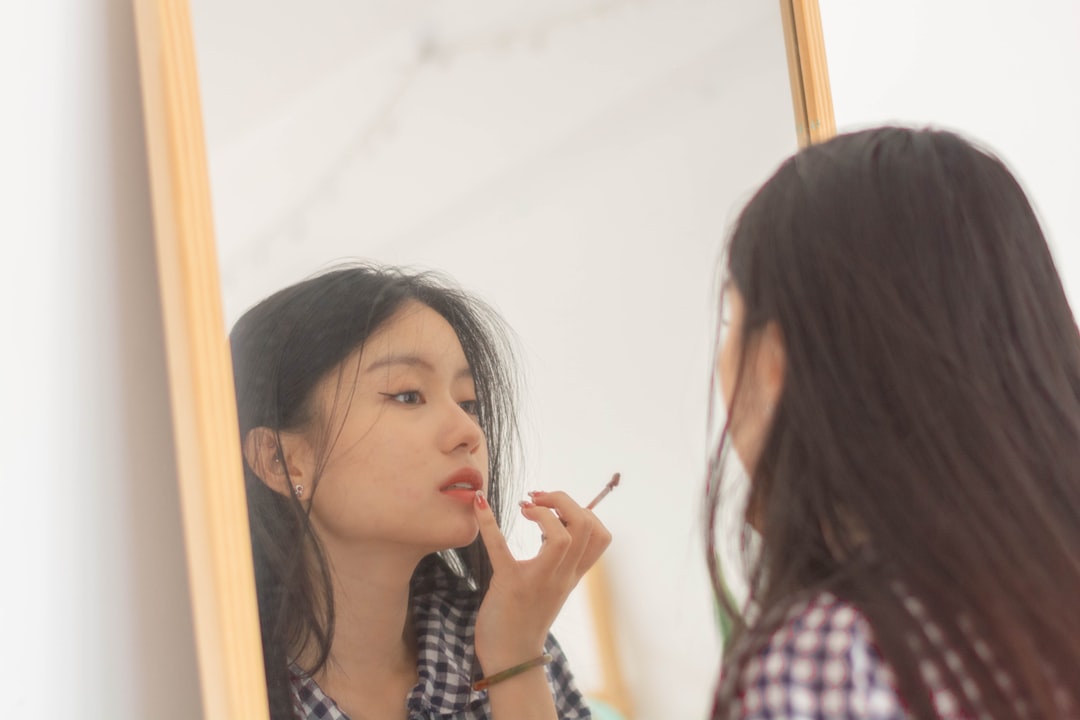
Korean Makeup vs Western Makeup: Why the Beauty World Is Split Into Two Camps (And Which One Is Right for You)
Watch: skincare routine │ korean skincare, glassy + glowy skin, wha
Here’s a surprising fact that might change the way you think about your makeup bag: the global K-Beauty market is projected to exceed $13.9 billion by 2027, and a massive chunk of that growth is driven by makeup — not just skincare. For decades, Western beauty standards dominated department store counters from New York to London. But in the last ten years, Korean makeup has quietly revolutionized how millions of people around the world approach their daily beauty routines.
The difference between Korean makeup vs Western makeup isn’t just about brand names or packaging. It’s a fundamental philosophical divide. Korean beauty culture prioritizes a natural, youthful, “my skin but better” glow. Western beauty culture celebrates bold self-expression, full coverage, and dramatic transformations. Neither approach is wrong — but understanding the key differences can help you build a routine that actually works for your skin, your lifestyle, and your aesthetic goals.
Whether you’re a devoted K-Beauty enthusiast, a ride-or-die Western glam lover, or someone curious about blending the best of both worlds, this guide breaks down every major difference you need to know. We’ll cover philosophy, formulations, techniques, product categories, price points, and much more. Let’s dive in.
The Core Philosophy: “No-Makeup Makeup” vs Bold Self-Expression
Before we compare individual products, it’s essential to understand the foundational philosophy behind each beauty culture. This is where the Korean makeup vs Western makeup divide begins — and it colors every product decision, marketing campaign, and beauty tutorial that follows.
The Korean Approach: Enhancing What You Already Have
Korean makeup philosophy is deeply intertwined with Korean skincare culture. In Korea, the ultimate beauty goal is healthy, luminous, glass-like skin. Makeup exists to enhance that foundation — not to mask it. The iconic “chok-chok” (촉촉) look, which translates to “moist and dewy,” is the gold standard.
This means Korean makeup products are typically designed to be lightweight, buildable, and skin-friendly. Rather than a full-coverage matte foundation, a Korean consumer might reach for a tinted moisturizer, a cushion compact with SPF, or a light BB cream. The goal is to even out skin tone while letting natural skin texture show through.
Korean beauty influencers often spend 70% of their routine on skincare and only 30% on actual color cosmetics. The reasoning is simple: if your skin looks great, you need less makeup. This philosophy has given rise to products like SKIN1004 Madagascar Centella Tone Brightening Capsule Sun Cream ($16 on Amazon), which blurs, protects, and evens tone in a single step. K-Beauty Trends 2025: The New K-Beauty Routine Guide
The Western Approach: Makeup as an Art Form
Western makeup culture, particularly in the United States and UK, has historically treated cosmetics as a tool for transformation and self-expression. Think of the iconic red lip, the smoky eye, the sculpted contour — these are all statements. Western beauty celebrates artistry, drama, and the power of cosmetics to create a look that’s distinctly different from bare skin.
This approach gave us the contouring revolution popularized by Kim Kardashian, the bold brow movement championed by Anastasia Beverly Hills, and the full-coverage foundation craze led by brands like Fenty Beauty and Estée Lauder. The Western beauty consumer is often looking for longevity, pigmentation, and impact.
There’s nothing wrong with this approach — it’s empowering, creative, and deeply personal. But it does result in very different product formulations and techniques compared to Korean makeup. Understanding this philosophical gap is key when you’re deciding which products to invest in.
Where the Two Philosophies Are Starting to Merge
It’s worth noting that in 2025, these two camps are borrowing heavily from each other. Western brands like Glossier and Rare Beauty have embraced the Korean “skin-first” ethos with dewy formulas and minimalist aesthetics. Meanwhile, Korean brands like JUNG SAEM MOOL and 3CE are releasing bolder lip colors and more pigmented eyeshadow palettes to appeal to global audiences. The line is blurring — but the core differences remain significant. See Allure’s best Korean beauty products
Base Makeup: Cushion Compacts vs Full-Coverage Foundations
The base is where Korean makeup vs Western makeup differences are most obvious and most impactful for your daily routine. The products you use to create your canvas determine everything else that follows.
Korean Base Products: BB Creams, Cushions, and Tone-Up Creams
Korean base makeup is all about multi-functionality and lightweight coverage. The three most popular categories are:
- BB Creams — The original Korean beauty export. BB (Blemish Balm) creams combine light coverage, sun protection, moisturizing, and sometimes anti-aging benefits in one tube. The iconic MISSHA M Perfect Covering BB Cream SPF 42 ($10–$13 on Amazon) remains a bestseller globally because it delivers natural-looking coverage while actually caring for your skin.
- Cushion Compacts — Invented by AmorePacific in 2008, cushion compacts changed the game. A sponge soaked in liquid foundation sits inside a compact with a mirror, allowing for quick touch-ups throughout the day. Laneige Neo Cushion Glow ($32 at Sephora) is a fan favorite for its dewy, buildable finish. The formulas typically contain hyaluronic acid, niacinamide, or botanical extracts.
- Tone-Up Creams — These are moisturizers with a subtle lavender or pink tint that brighten skin tone without adding coverage. Think of them as the lightest possible base product. Innisfree Tone Up No Sebum Sunscreen SPF50+ ($14 on Amazon) is a great example.
Korean base products typically range from sheer to medium coverage, with a strong emphasis on SPF inclusion — you’ll rarely find a Korean base without sun protection. The shade ranges, however, have historically been limited, catering primarily to lighter East Asian skin tones. This is changing as brands expand globally, but it remains a valid criticism. Snail Mucin Benefits: Top K-Beauty Ingredients Explained
Western Base Products: Foundations, Concealers, and Primers
Western base makeup is built on a three-step system: prime, apply foundation, conceal. This layered approach gives maximum control over coverage and finish.
- Primers create a smooth canvas and address specific concerns — Smashbox Photo Finish Primer ($39 at Sephora) for pore-blurring, NYX Professional Makeup Marshmallow Primer ($16 at Ulta) for grip and glow.
- Foundations come in every finish imaginable — matte, satin, dewy, luminous, skin-tint, full coverage. Fenty Beauty’s Pro Filt’r Soft Matte Foundation ($40 at Sephora) famously launched with 50 shades and now offers even more. Estée Lauder Double Wear ($46) remains the gold standard for long-wearing matte coverage.
- Concealers are used strategically under the eyes, on blemishes, and for highlighting. NARS Radiant Creamy Concealer ($32) and Tarte Shape Tape ($30 at Ulta) are perennial bestsellers.
The Western approach delivers more coverage, more staying power, and vastly more inclusive shade ranges. If you live in a harsh Western climate with cold, dry winters or hot, humid summers, a well-formulated Western foundation often holds up better through temperature extremes. However, the layered approach can feel heavy and requires more time for application and removal.
Comparison Table: Korean vs Western Base Makeup
| Feature | Korean Base Makeup | Western Base Makeup |
|---|---|---|
| Coverage | Sheer to medium | Light to full |
| Finish | Dewy, glowy, “glass skin” | Matte, satin, or dewy (varies) |
| SPF included | Almost always (SPF 30–50+) | Sometimes (SPF 15–30) |
| Shade range | Limited (improving) | Extensive (50+ shades common) |
| Skincare ingredients | Frequently included | Occasionally included |
| Application time | 1–3 minutes | 5–15 minutes |
| Price range | $8–$35 | $10–$60+ |
| Best for | Natural everyday looks | Events, full glam, long wear |
Eye Makeup: Soft Gradients vs Smoky Drama
If base makeup is where these two beauty cultures diverge most in product formulation, eye makeup is where they diverge most in technique and aesthetic outcome. The contrast between Korean and Western eye looks is often the first thing people notice.
Korean Eye Makeup: The One-Shadow Gradient and Aegyo Sal
Korean eye makeup is characterized by soft, diffused color and a focus on making eyes look bigger and more youthful. The most popular Korean eye technique is the one-color gradient — taking a single eyeshadow shade (usually in the peach, coral, rose, or soft brown family) and diffusing it across the lid, concentrating color in the outer corner and blending it upward.
Palettes like the ETUDE HOUSE Play Color Eyes ($14–$22 on Amazon) and rom&nd Better Than Eyes ($12 on Amazon) are designed with this gradient technique in mind. The shadows are finely milled, moderately pigmented, and blend effortlessly. You won’t find stark matte blacks or ultra-metallic glitters — the aesthetic is intentionally subtle.
One of the most distinctive Korean eye techniques is aegyo sal (애교살), or “cute eye fat.” This involves highlighting and lightly shadowing the under-eye area to make the small puff of fat beneath the lower lash line more prominent. In Western culture, this area is typically concealed; in Korean beauty, it’s emphasized because it makes the eyes look larger and gives a youthful, friendly appearance. Products like CLIO Pro Eye Palette ($20 at Amazon) often include a shimmer shade specifically designed for aegyo sal.
Eyeliner in Korean makeup is typically thin, precise, and focused on elongating the eye rather than creating drama. Brown and dark brown liners are more popular than jet black. The classic Korean liner look is a thin line that extends slightly past the outer corner and dips down gently — the opposite of a Western cat-eye flick.
Western Eye Makeup: The Smoky Eye, Cut Crease, and Bold Liner
Western eye makeup traditions celebrate high contrast, definition, and artistry. The smoky eye — blending dark shadow from the lash line upward through the crease — has been a staple since the 1960s and shows no signs of disappearing. Cut creases, halo eyes, and graphic liner looks demonstrate the Western emphasis on makeup as creative expression.
Western palettes are typically larger (12–18 shades), with a mix of mattes, shimmers, metallics, and sometimes glitters. Urban Decay Naked palettes ($29–$54 at Sephora), Anastasia Beverly Hills Soft Glam ($45), and Too Faced Better Than Chocolate ($49 at Ulta) are designed for creating dimension through multiple shadow placements.
False lashes are a staple of Western glam makeup, with brands like Ardell ($5–$12 at Ulta) offering everything from natural wispy styles to full dramatic volumes. In Korea, individual lash clusters or very natural strip lashes are preferred for that “barely there” enhancement.
Western eyeliner trends favor thick, graphic lines and dramatic wings. The cat-eye flick, perfected with products like Stila Stay All Day Waterproof Liquid Eyeliner ($23 at Sephora), is an iconic Western look that contrasts sharply with Korean liner aesthetics.
Lip Products: Gradient Lips vs Statement Lips
The lip category might be where Korean makeup vs Western makeup differences are most visually striking. Walk into any Korean beauty store and you’ll see shelves of tints; walk into Sephora or Ulta and you’ll see rows of bold lipsticks. The contrast tells you everything about each culture’s beauty priorities.
The Korean Gradient Lip Technique
The gradient lip (그라데이션 입술) is one of the most recognizable Korean beauty signatures. Instead of filling in the entire lip with color, you concentrate a vibrant tint on the inner center of the lips and blur it outward, creating a soft, popsicle-stained effect. This technique makes lips look naturally flushed, plump, and youthful.
To achieve this look, Korean beauty lovers rely heavily on lip tints — lightweight, watery or gel-like formulas that stain the lips with long-lasting color. Top picks include:
- rom&nd Juicy Lasting Tint ($9–$12 on Amazon) — A cult-favorite water tint with a glossy finish and incredible staying power. Shades like “Figfig” and “Nucadamia” are perennial bestsellers.
- Peripera Ink Airy Velvet Tint ($8–$10 on Amazon) — A lightweight mousse-like formula that delivers a soft matte finish without drying the lips.
- ETUDE HOUSE Dear Darling Water Gel Tint ($6–$8 on Amazon) — The ice cream-bar shaped packaging is iconic, and the formula delivers a natural, buildable stain.
Korean lip products prioritize ease of application, portability, and comfort. Many formulas include moisturizing ingredients like hyaluronic acid, plant oils, or ceramides. The emphasis is on looking like you just ate a berry or sipped a fruit drink — effortless and natural.
Western Lip Products: Matte Lipsticks, Glosses, and Lip Liners
Western lip culture is built on the fully defined, precisely lined lip. A classic Western lip look involves lining the entire lip with a lip pencil, filling in with a lipstick or liquid lip, and sometimes adding a gloss on top for dimension.
The matte liquid lipstick boom of the mid-2010s — led by Kylie Cosmetics, Anastasia Beverly Hills Liquid Lipstick ($20), and Maybelline SuperStay Matte Ink ($10 at Ulta) — defined a generation of Western lip lovers. While ultra-matte has softened into satin and “blurring” finishes, the Western emphasis on full, opaque coverage and long-wear formulas remains strong.
MAC Cosmetics remains the undisputed king of Western lipstick, with iconic shades like Ruby Woo ($21) and Velvet Teddy gracing makeup bags worldwide. Charlotte Tilbury’s Pillow Talk line ($34–$38 at Sephora) has become the modern Western “perfect nude.” These products deliver full pigmentation in a single swipe — the opposite of the Korean buildable tint approach. Korean Minimalist Style Guide: 2025 Fashion Trends
Contouring and Face Sculpting: Subtle vs Sculpted
The approach to face sculpting is another area where the Korean makeup vs Western makeup divide is crystal clear. Both cultures use techniques to add dimension to the face, but they do it very differently.
Korean Contouring: Soft Shading for a V-Line Face
In Korea, contouring is called “shading” (쉐이딩), and the technique is deliberately subtle. The goal is to slim the face and create a V-line jawline — the most coveted face shape in Korean beauty standards. Korean shading uses cool-toned, ashy brown products applied lightly to:
- The sides of the forehead (to create a smaller-looking face)
- Along the jawline (to sharpen the jaw and chin)
- The sides of the nose bridge (for a slimmer nose profile)
- Beneath the cheekbones (very lightly, if at all)
Products like too cool for school Art Class By Rodin Shading ($12 on Amazon) and CLIO Kill Cover Founwear Cushion XP used with a slightly deeper shade are popular choices. The key is blending until the contour is virtually invisible — it should reshape, not draw attention to itself.
Korean highlighter application is similarly restrained. A small amount of liquid or cream highlighter is applied to the high points of the cheekbones, the bridge of the nose, and the cupid’s bow. The aim is a natural-looking “inner glow” rather than a blinding spotlight.
Western Contouring: Sculpting, Highlighting, and Baking
Western contouring is a full-blown sculpting technique that became mainstream after makeup artist Scott Barnes popularized it with Jennifer Lopez, and Kim Kardashian’s 2012 contouring selfie went viral. The Western approach uses both warm and cool-toned contour products to create dramatic shadows and lift.
The full Western contour routine often involves:
- Cream contour under the cheekbones, along the jawline, temples, and nose
- Cream highlight on the high points of the face
- Baking — setting under-eye concealer and highlight with loose powder for a creaseless, ultra-smooth finish
- Powder bronzer layered on top for warmth and additional sculpting
- Powder highlighter for a visible, reflective glow
Bestselling Western contour products include Fenty Beauty Match Stix Matte Skinstick ($26 at Sephora), Charlotte Tilbury Hollywood Contour Wand ($42), and Benefit Hoola Bronzer ($32 at Ulta). These deliver visible sculpting that photographs beautifully and creates strong bone structure definition, especially under artificial lighting.
This technique is incredibly effective for photos, events, and nighttime looks. However, it can look heavy in natural daylight and takes significantly more time and skill than the Korean shading approach.
Blush and Cheek Products: Placement Changes Everything
Blush has become one of the hottest makeup categories globally in 2025, but Korean and Western beauty cultures use it very differently. Where you place your blush fundamentally changes your entire look — and this placement philosophy is a key difference in the Korean makeup vs Western makeup discussion.
Korean Blush: High and Centered for Youthful Flush
Korean blush placement sits high on the cheeks, often directly under the eyes and across the nose bridge. This “hangover blush” or “sunburn blush” technique mimics the natural flush you get from cold weather, exercise, or shyness. It reads as youthful, innocent, and fresh — exactly the aesthetic Korean beauty aims for.
In recent K-Beauty trends, blush has even been applied across the nose and onto the eyelids for a cohesive, naturally flushed look. Korean blush formulas tend to be sheer, buildable, and come in soft pink, peach, and coral shades. Cream and liquid blushes dominate because they blend seamlessly into the dewy base products Koreans prefer.
Fan favorites include AMUSE Soft Cream Cheek ($14 on Amazon), 3CE Face Blush ($16), and rom&nd See-Through Veilighter ($10) which doubles as a subtle blush-highlighter hybrid. Best Korean Sheet Masks 2025: Ultimate Ranking & Reviews
Western Blush: Sculpted and Placed on the Cheekbones
Traditional Western blush placement follows the “apple of the cheek” rule — smile and apply to the rounded area, then blend upward toward the temples. This placement adds color while complementing contour work and creating a sculpted, polished effect.
Western blush formulas have dramatically expanded in recent years. The Rare Beauty Soft Pinch Liquid Blush ($23 at Sephora) — arguably the most viral beauty product of the decade — bridged the gap between Korean-style dewy blush and Western pigmentation intensity. A single tiny dot delivers bold color, which aligns more with Western “a little goes a long way but the color should be visible” philosophy.
Other Western favorites include NARS Orgasm Blush ($30 at Sephora), Patrick Ta Major Headlines Double-Take Creme & Powder Blush Duo ($36), and Milani Baked Blush ($9 at Ulta) for a budget option. Powder blushes remain more popular in Western routines because they layer well over matte or set foundations.
Ingredients and Formulation: Where Science Meets Beauty Culture
One of the most important but under-discussed aspects of Korean makeup vs Western makeup is what actually goes into the products. Korean and Western cosmetic formulation philosophies differ in meaningful ways that affect both performance and skin health over time.
Korean Makeup Ingredients: Skincare Meets Color Cosmetics
Korean cosmetic brands have pioneered the concept of “skincare-infused makeup” — the idea that your color cosmetics should actively improve your skin while you wear them. It’s common to find the following skincare actives in Korean makeup products:
- Niacinamide — For brightening and pore minimization (found in many cushion compacts)
- Hyaluronic Acid — For hydration (common in lip tints and BB creams)
- Centella Asiatica — For soothing and barrier repair (found in tone-up creams and primers)
- Snail Mucin — For hydration and healing (used in some cushion formulas)
- Green Tea Extract — For antioxidant protection (Innisfree’s entire line is built on this)
- Rice Bran Extract — For brightening (a staple in many K-Beauty formulas)
This ingredient philosophy means that many Korean makeup products essentially double as skincare treatments. The Sulwhasoo Perfecting Cushion EX ($50), for instance, contains ginseng extract and traditional Korean herbal ingredients that nourish skin throughout the day. Snail Mucin Benefits: Top K-Beauty Ingredients Explained
Western Makeup Ingredients: Performance-Driven Formulation
Western makeup formulation has traditionally prioritized performance metrics: longevity, pigmentation, transfer-resistance, and photo-readiness. While the clean beauty movement has pushed many Western brands to improve their ingredient lists, the primary design goal is still how the product performs on the face — not what it does for your skin underneath.
That said, the gap is closing. Brands like ILIA Beauty, Kosas, and Rare Beauty are incorporating skincare ingredients like squalane, hyaluronic acid, and vitamin E into their formulas. IT Cosmetics CC+ Cream ($45 at Ulta) — a Western product heavily inspired by K-Beauty BB creams — includes collagen, peptides, niacin, hyaluronic acid, and SPF 50+. It’s one of the best examples of how Korean formulation philosophy has influenced Western product development.
For those dealing with Western climate skin concerns like extreme dryness from indoor heating, windburn, or humidity-related breakouts, ingredient awareness is crucial. Korean products with ceramides and centella may help with barrier issues, while Western long-wear formulas may better withstand sweat and humidity in summer months.
Price, Accessibility, and the Shopping Experience
Practical concerns like where to buy, how much to spend, and how to navigate product options are just as important as aesthetics when comparing Korean makeup vs Western makeup. The shopping landscape has evolved dramatically in recent years.
Korean Makeup: Affordable Innovation
One of K-Beauty’s biggest selling points is its exceptional value for money. Most Korean drugstore brands offer products in the $5–$25 range that rival or exceed the performance of Western mid-range and prestige products. A complete Korean makeup routine — cushion compact, brow pencil, lip tint, and mascara — can easily cost under $40 total.
In the U.S., Korean makeup is increasingly accessible through:
- Amazon — The largest selection, though beware of counterfeit products. Stick with official brand storefronts (COSRX Official, rom&nd Official, etc.)
- Sephora — Carries Laneige, Innisfree, COSRX, and a growing selection of K-Beauty color cosmetics
- Ulta — Has been expanding K-Beauty offerings, including COSRX, Peach & Lily, and select brands
- Specialty K-Beauty retailers — YesStyle, Stylevana, Olive Young Global, and Jolse ship to the U.S. with competitive pricing
The downside? Shade matching can be challenging online, and many Korean brands still offer limited shade ranges. If you have deeper skin tones, you may need to look at specific brands making efforts toward inclusivity, like Laneige’s expanding cushion range.
Western Makeup: Wider Range, Higher Price Points
Western makeup spans a massive price spectrum — from $2 Wet n Wild products to $60+ luxury items. The advantage is incredible variety in shades, finishes, and price points. You can swatch products in-store at Sephora or Ulta, get shade-matched by a beauty advisor, and return products that don’t work out.
For budget-conscious shoppers, Western drugstore brands like e.l.f. Cosmetics, NYX Professional Makeup, Maybelline, and L’Oréal deliver solid performance at K-Beauty-competitive prices. The $7 e.l.f. Power Grip Primer, the $10 Maybelline Lash Sensational mascara, and the $14 L’Oréal True Match foundation are all proof that quality doesn’t require a premium price tag.
Building a Hybrid Routine: The Best of Both Worlds
Here’s the truth that experienced beauty lovers know: you don’t have to choose sides. The most effective makeup routines in 2025 often blend Korean and Western products and techniques for a customized result. Here’s a practical framework for building your own hybrid routine.
A Sample Hybrid Routine for Everyday Wear
- Base: Korean cushion compact — Use a Laneige Neo Cushion or MISSHA BB cream for lightweight, SPF-infused coverage that lets your skin breathe.
- Concealer: Western spot-conceal — Dab NARS Radiant Creamy Concealer only where you need it for extra coverage on blemishes or dark circles.
- Eyes: Korean one-shadow gradient — Sweep a rom&nd Better Than Eyes shade across the lid for an effortless wash of color.
- Liner: Korean thin brown liner — Use a CLIO Sharp, So Simple Waterproof Pencil Liner for subtle definition.
- Blush: Korean cream blush, Western placement — Apply AMUSE Soft Cream Cheek on the apples of your cheeks, blending slightly upward for a natural but visible flush.
- Lips: Korean gradient technique with a Western shade — Use your favorite Rare Beauty or MAC lipstick, but apply it Korean-style: concentrated in the center and blurred outward.
- Set: Light Western setting spray — A spritz of Urban Decay All Nighter ($36 at Sephora) or NYX Matte Setting Spray ($10 at Ulta) locks everything in place, especially important in dry or humid Western climates.
This hybrid approach gives you the skin-loving, natural-looking base of Korean beauty with the staying power and shade versatility of Western products. It’s the best of both worlds. K-Beauty Trends 2025: The New K-Beauty Routine Guide
Tips for Customizing Your Hybrid Routine by Skin Type
Oily skin: Use a Korean tone-up sunscreen as your base, skip heavy Western foundation, but use Western matte setting powder on your T-zone. Korean blotting papers (Innisfree, $4) are a game-changer for midday touch-ups.
Dry skin: Layer a Korean hydrating primer with centella or hyaluronic acid under a Western hydrating foundation like NARS Light Reflecting ($42). Skip powder setting entirely and use a dewy setting spray instead.
Combination skin: Use a Korean cushion compact on dry areas and a Western mattifying concealer on oily zones. This zone-based approach gives every part of your face exactly what it needs.
Sensitive skin: Prioritize Korean products with centella, mugwort, or panthenol — these ingredients are standard in K-Beauty but harder to find in Western color cosmetics. The Dr. Jart+ Cicapair Tiger Grass Color Correcting Treatment SPF 30 ($52 at Sephora) is a hybrid that acts as skincare, sun protection, and color correction simultaneously.
Frequently Asked Questions About Korean Makeup vs Western Makeup
Is Korean makeup better for sensitive skin than Western makeup?
Generally, yes. Korean makeup products tend to include more soothing, skin-friendly ingredients like centella asiatica, green tea, snail mucin, and ceramides. Korean beauty culture’s emphasis on skin health over coverage means that formulations are typically gentler and less likely to contain harsh fragrances or irritating preservatives. However, this isn’t a universal rule — plenty of Western brands (ILIA, Kosas, Clinique) formulate with sensitive skin in mind, and some Korean products contain potential irritants like essential oils. Always check the full ingredient list regardless of where a product comes from.
Can I use Korean makeup techniques if I have a deeper skin tone?
Absolutely. Korean makeup techniques are universal — the products just need to match your skin tone. The gradient lip technique works beautifully on deeper skin tones with richer berry or wine-toned tints. The one-shadow gradient eye works with any eyeshadow shade. The challenge has historically been finding Korean base products in deeper shades, but brands like Laneige, COSRX, and Innisfree are steadily expanding. You can also use Korean techniques with Western base products that offer wider shade ranges, like Fenty Beauty or NARS, for a hybrid approach that gives you the best of both philosophies.
Why do Korean makeup products seem to have shorter ingredient lists?
This is partly a cultural and regulatory difference. Korean cosmetics regulations (managed by MFDS, the Ministry of Food and Drug Safety) are among the strictest in the world, banning over 2,400 ingredients that may be permitted elsewhere. Korean consumers are also extremely ingredient-conscious — they use apps like Hwahae to analyze every product’s formulation. This market pressure pushes Korean brands toward cleaner, more streamlined formulas. Western brands, particularly in the “clean beauty” segment, are moving in the same direction, but the regulatory environment varies by country.
Do Korean makeup products last as long as Western ones throughout the day?
In terms of raw longevity, Western long-wear products generally outperform Korean ones. Products like Estée Lauder Double Wear and MAC Studio Fix are specifically engineered for 12–16+ hour wear. Korean products prioritize comfort and skincare benefits, which sometimes comes at the cost of staying power. However, Korean beauty culture accounts for this with the touch-up routine — cushion compacts are designed for quick, portable reapplication, and Korean lip tints actually stain the lips for impressive lasting color. If you need bulletproof makeup for a long event or hot climate, Western long-wear formulas may be the better choice.
Is the “glass skin” look achievable in dry Western climates?
Yes, but it requires extra effort. The glass skin look relies heavily on well-hydrated skin as a foundation. In dry climates common across much of the United States — especially areas with harsh winters and indoor heating — you’ll need to invest more in your skincare routine (layering hydrating toners, essences, and rich moisturizers) before applying Korean dewy base products. Using a facial mist throughout the day and avoiding mattifying powders will help maintain the glow. A humidifier at home and office can also make a significant difference. It’s achievable — it just requires understanding that Korean beauty was developed in Korea’s humid climate, so you may need to adapt the approach for your environment.
Which is more cost-effective: a full Korean makeup routine or a full Western one?
A complete Korean drugstore makeup routine typically costs $30–$60, while a comparable Western drugstore routine runs $40–$80. At the mid-range and prestige level, the gap widens further. A Korean prestige routine (Sulwhasoo cushion, Hera lip, CLIO palette) might cost $80–$120, while a Western prestige routine (NARS foundation, Charlotte Tilbury contour, MAC lipstick, Urban Decay palette) easily runs $150–$250. Korean brands deliver remarkable quality at lower price points, which is a major reason for K-Beauty’s global popularity. suggested topic: Budget K-Beauty Routine Under $50: Complete Guide
Related Posts You’ll Love
If you enjoyed this deep dive into Korean makeup vs Western makeup, check out these related articles:
- K-Beauty Trends 2025: The New K-Beauty Routine Guide
- Best Korean Sheet Masks 2025: Ultimate Ranking & Reviews
- Korean Minimalist Style Guide: 2025 Fashion Trends
Suggested future reads:
- suggested topic: Korean Sunscreen vs Western Sunscreen: The Complete Comparison
- suggested topic: 10 Best K-Beauty Dupes for Luxury Western Makeup Products
Final Thoughts: It’s Not Korean vs Western — It’s Korean AND Western
The conversation around Korean makeup vs Western makeup isn’t really about which is “better.” It’s about understanding two rich, deeply developed beauty philosophies and choosing what serves you best — or combining them into something uniquely yours.
Korean makeup teaches us that less can be more, that skincare and makeup shouldn’t be separate conversations, and that looking like the best version of yourself is just as powerful as looking dramatically different. Western makeup teaches us that cosmetics are a form of art and self-expression, that inclusive shade ranges matter, and that sometimes you want your makeup to make a bold statement.
The smartest beauty consumers in 2025 are the ones who cherry-pick from both traditions. Use a Korean cushion compact for your base and a Western concealer for targeted coverage. Master the Korean gradient lip and the Western smoky eye. Invest in Korean lip tints for weekdays and Western statement lipsticks for Saturday nights.
Your makeup routine should be as unique as you are.
Now I want to hear from you! Are you Team K-Beauty, Team Western, or Team Hybrid? What’s your favorite product from each category? Drop your answers in the comments below — I read every single one and love discovering new holy grails through this community.
If this guide helped you understand the differences between Korean and Western makeup, please share it with a friend who’s curious about K-Beauty or send it to your group chat. And if you haven’t already, subscribe to our newsletter for weekly beauty deep-dives, product reviews, and exclusive discount codes for both Korean and Western beauty brands. We’ll never spam you — just the good stuff, delivered straight to your inbox every Thursday.
Happy blending, beauties!