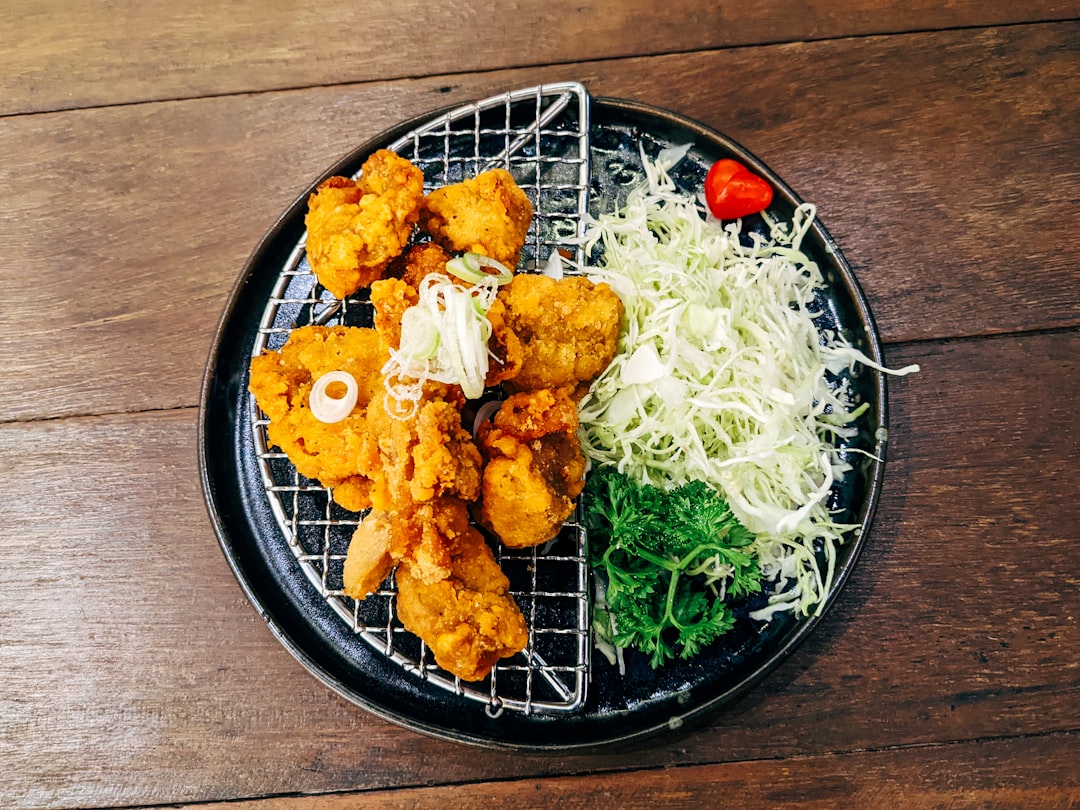
Why Korean Fried Chicken Has Taken Over the World — And Why Your Homemade Version Can Be Even Better
Here’s a fact that might surprise you: South Korea consumes more chicken per capita than almost any other country in Asia, and a massive chunk of that comes from fried chicken alone. The Korean fried chicken industry is worth over $5 billion annually, with more fried chicken shops per square mile in Seoul than there are Starbucks locations in Manhattan. But the real secret that keeps millions of people lining up — and the reason you’re reading this right now — is a technique so deceptively simple it changed everything: the double fry.
Unlike American-style fried chicken, which relies on a thick, heavily seasoned batter, Korean fried chicken (chikin, 치킨) achieves its legendary crunch through a paper-thin coating fried not once, but twice. The result? A shatteringly crispy shell that stays crunchy for hours — even after being drenched in sticky-sweet yangnyeom sauce or dusted with garlic soy glaze. It’s the kind of crunch that echoes in a quiet room.
In this ultimate guide, we’re breaking down everything you need to master a korean fried chicken recipe crispy double fry style at home. We’ll compare the most popular styles, walk through the science of the double-fry technique, and give you the confidence to make chicken that rivals anything from a Kyochon or BBQ Chicken franchise. Let’s get into it.
The History and Culture Behind Korean Fried Chicken

From American Military Bases to a National Obsession
Korean fried chicken traces its origins to the 1960s, when American-style fried chicken was introduced near U.S. military bases during the post-Korean War era. Early versions were simple — whole chickens deep-fried in the American Southern tradition. But Korean cooks quickly adapted the concept, experimenting with thinner batters and local seasonings.
By the 1970s and 1980s, dedicated fried chicken restaurants began popping up across South Korea. The game-changer came in 1977 with Lim’s Chicken, widely considered the first Korean fried chicken franchise. Then in the mid-1990s, chains like Kyochon (1991) and BBQ Chicken (1995) perfected the sauced varieties — yangnyeom chicken and soy garlic chicken — that would define the genre.
Chimaek Culture: Chicken and Beer, a National Ritual
You cannot talk about Korean fried chicken without talking about chimaek (치맥) — the beloved combination of chicken and maekju (beer). This pairing is so culturally significant that it has its own annual festival in Daegu, attracting over a million visitors each year.
Chimaek is a social ritual. Friends gather after work, families order delivery on weekends, and couples share a bucket while watching K-dramas. The 2014 K-drama My Love from the Star famously featured the lead character craving chimaek, which single-handedly triggered a fried chicken craze across China that boosted Korean chicken exports by over 300%.
Today, South Korea has an estimated 87,000 fried chicken restaurants — more than the number of McDonald’s locations worldwide. That density tells you everything about how seriously Koreans take their fried chicken. Explore Korean food culture
Korean Fried Chicken vs. American Fried Chicken: A Side-by-Side Comparison
If you’ve ever wondered why Korean fried chicken tastes so different from the bucket of KFC you grew up with, the differences go far deeper than the sauce on top. Here’s a detailed breakdown:
| Feature | Korean Fried Chicken | American Fried Chicken |
|---|---|---|
| Batter | Thin — potato starch or cornstarch-based | Thick — seasoned flour, sometimes buttermilk |
| Frying Method | Double-fried at two temperatures | Single fry, typically at 350°F |
| Crunch Duration | Stays crispy 2-3+ hours, even with sauce | Best within 15-30 minutes |
| Seasoning | Sauce applied after frying (yangnyeom, soy garlic, etc.) | Seasoning mixed into batter before frying |
| Chicken Cut | Whole wings, drumettes, or boneless thighs | Bone-in breast, thigh, leg, wing |
| Sides | Pickled radish (치킨무), coleslaw, beer | Coleslaw, biscuits, mashed potatoes, gravy |
| Skin | Glass-like, ultra-thin, shattering crunch | Thick, craggy, bready coating |
Why the Double Fry Makes All the Difference
The korean fried chicken recipe crispy double fry technique isn’t just a gimmick — it’s applied food science. During the first fry (at around 325°F for 8-10 minutes), the chicken cooks through and the initial moisture escapes from the batter. During the resting period (5-10 minutes), moisture from inside the chicken migrates outward to the surface.
The second fry (at a higher 375°F for 3-4 minutes) then blasts that surface moisture away, creating an extremely dehydrated, crystallized starch layer that resists moisture far longer than any single-fried coating can. This is why you can toss Korean fried chicken in a wet sauce and it still crunches 30 minutes later. American fried chicken would be soggy in five.
Which Style Is Healthier?
Ironically, despite being fried twice, Korean fried chicken can actually be slightly lower in total fat than American fried chicken. The thin starch coating absorbs less oil than a thick flour batter. A typical serving of Korean fried chicken wings (about 6 pieces) runs approximately 400-500 calories, while the same amount of traditional Southern-style fried chicken can easily hit 600-700 calories.
That said, the sauces add calories — yangnyeom sauce alone can add 100-150 calories per serving due to its sugar content. If you’re watching your intake, the huraideu (plain fried) or garlic soy versions are your best bet. 7 Low Calorie Korean Meals for Beginners (2026 Guide)
The 5 Most Popular Korean Fried Chicken Styles, Ranked and Compared

Walk into any Korean chicken joint and you’ll face a menu with at least five to eight varieties. Here are the essential styles you need to know, ranked by popularity both in Korea and internationally:
1. Yangnyeom Chicken (양념치킨) — The Sweet-Spicy Icon
This is the one that put Korean fried chicken on the global map. Yangnyeom chicken is double-fried chicken tossed in a glossy, sticky sauce made from gochujang (Korean red pepper paste), ketchup, rice syrup or corn syrup, garlic, and soy sauce. The flavor profile hits every note: sweet, spicy, tangy, savory, and slightly smoky.
The best yangnyeom has a lacquer-like glaze — thin enough that you can still see the texture of the crust beneath, thick enough to coat every ridge and crevice. In Korea, Kyochon’s yangnyeom chicken is considered the gold standard, while in the U.S., chains like Bonchon and bb.q Chicken have made this style mainstream.
2. Ganjang Chicken (간장치킨) — The Sophisticated Garlic-Soy Choice
Soy garlic chicken is the yangnyeom’s more refined sibling. The sauce blends soy sauce, minced garlic (lots of it), honey or oligosaccharide syrup, sesame oil, and black pepper. It’s less sweet, less spicy, and more umami-forward. The garlic flavor here is intense — not subtle, not background. It’s the star.
This style appeals to people who find yangnyeom too sweet. It’s also the go-to choice for chimaek pairings because its savory depth complements cold lager better than sweet sauce does.
3. Huraideu Chicken (후라이드치킨) — The Purist’s Pick
Huraideu (a Korean transliteration of “fried”) is unsauced, unglazed, plain fried chicken — and it is glorious. This is where the quality of your double fry technique is fully exposed, because there’s no sauce to hide behind. The crust must be perfect: shattering, golden, paper-thin, and seasoned with nothing more than salt and maybe a whisper of garlic powder.
In Korea, the classic move is to order bansosban (반소반) — “half and half” — meaning half yangnyeom and half huraideu in the same order. This way you get the best of both worlds.
4. Dakgangjeong (닭강정) — The Sticky Street Food Gem
Technically a separate dish from standard chikin, dakgangjeong uses bite-sized boneless chicken pieces fried until extra crunchy, then coated in an incredibly sticky, sweet, and spicy glaze. It’s a popular street food, especially in the traditional markets of cities like Sokcho on Korea’s east coast.
Dakgangjeong pieces are smaller and crunchier than standard Korean fried chicken, and the sauce-to-chicken ratio is higher. Think of it as Korean popcorn chicken turned up to eleven.
5. Cheese Chicken & Specialty Flavors — The New Wave
Korean fried chicken innovation never stops. Recent years have brought snow cheese chicken (dusted with powdered cheese and drizzled with cheese sauce), honey butter chicken (inspired by Korea’s honey butter chip craze of 2014), mala chicken (Sichuan-spiced), and even truffle chicken. In Seoul, Puradak’s snow cheese and BBQ Chicken’s golden olive oil varieties are bestsellers.
For home cooks mastering their first korean fried chicken recipe crispy double fry, we recommend starting with huraideu or yangnyeom before venturing into specialty flavors.
The Complete Korean Fried Chicken Recipe: Crispy Double Fry Method
This is the recipe you came for. Follow these steps precisely and you’ll get restaurant-quality Korean fried chicken at home. This method works for wings, drumettes, or boneless thigh pieces.
Ingredients (Serves 4)
For the Chicken:
- 3 lbs chicken wings, separated into flats and drumettes (or 2 lbs boneless, skinless thighs cut into 2-inch pieces)
- 1 tablespoon soy sauce
- 1 tablespoon rice wine (mirin) or dry sherry
- 1 teaspoon freshly grated ginger
- ½ teaspoon salt
- ½ teaspoon black pepper
- ½ teaspoon garlic powder
For the Crispy Coating:
- ¾ cup potato starch (preferred) or cornstarch — available at H-Mart for about $3-4/bag
- ¼ cup all-purpose flour
- ½ teaspoon baking powder
- ½ cup ice-cold water or soda water
For Frying:
- Neutral oil with a high smoke point — canola, peanut, or vegetable oil (about 2 quarts)
- A deep pot or Dutch oven, or a deep fryer
- Thermometer (essential — don’t guess the temperature)
Ingredient note: Potato starch is the secret weapon here. It creates a crispier, more glass-like shell than cornstarch alone. You can find it at any Asian grocery store like H-Mart or online. In a pinch, cornstarch works but the texture won’t be quite as shattering. Whole Foods sometimes carries Bob’s Red Mill potato starch in the baking aisle.
Step-by-Step Instructions
- Marinate the chicken (30 minutes minimum): Combine the chicken pieces with soy sauce, rice wine, grated ginger, salt, pepper, and garlic powder in a large bowl. Toss well, cover, and refrigerate for at least 30 minutes or up to 4 hours. This light marinade seasons the meat without overpowering it.
- Make the coating: In a separate bowl, whisk together the potato starch, flour, and baking powder. Add the ice-cold water and stir until you get a thin, slightly lumpy batter — about the consistency of heavy cream. Don’t overmix. The lumps create extra texture. If it’s too thick, add water a tablespoon at a time.
- First fry (325°F, 8-10 minutes): Heat oil to 325°F (163°C). Pat the marinated chicken slightly dry with paper towels, then toss pieces in the batter. Let excess drip off. Carefully lower pieces into the oil in batches — don’t crowd the pot (6-8 pieces at a time). Fry for 8-10 minutes until the chicken is cooked through and the coating is set but only lightly golden. Remove to a wire rack.
- Rest (5-10 minutes): Let the chicken rest on the wire rack for at least 5 minutes and up to 10. This is critical — during this rest, internal moisture migrates to the surface, and the coating firms up. This step is what makes the double fry work.
- Second fry (375°F, 3-4 minutes): Raise the oil temperature to 375°F (190°C). Fry the chicken again in batches for 3-4 minutes until deep golden brown and audibly crackling. The surface should look almost lacquered. Remove to a clean wire rack.
- Sauce immediately (if making yangnyeom or soy garlic): Toss the hot chicken in your sauce within 1-2 minutes of the second fry for maximum adhesion. Serve immediately with pickled radish.
See Maangchi’s Korean fried chicken tutorial for video guidance
Yangnyeom Sauce Recipe
- 3 tablespoons gochujang
- 2 tablespoons ketchup
- 3 tablespoons rice syrup (or corn syrup)
- 1 tablespoon soy sauce
- 1 tablespoon rice vinegar
- 3 cloves garlic, minced
- 1 teaspoon gochugaru (Korean red pepper flakes) — optional for extra heat
- 1 teaspoon sesame oil
Combine all ingredients in a small saucepan over medium heat. Stir until the sauce is smooth and slightly thickened, about 3-4 minutes. Let it cool slightly before tossing with fried chicken. Adjust sweetness and spice to taste.
Garlic Soy Glaze Recipe
- 3 tablespoons soy sauce
- 2 tablespoons honey
- 1 tablespoon rice syrup
- 6 cloves garlic, finely minced
- 1 tablespoon butter
- 1 teaspoon sesame oil
- ½ teaspoon black pepper
Melt butter in a saucepan, sauté garlic for 30 seconds until fragrant, then add soy sauce, honey, rice syrup, and pepper. Simmer 2 minutes. Finish with sesame oil off-heat. Toss with fried chicken and garnish with toasted sesame seeds.
The Science Behind the Perfect Crispy Double Fry

Why Starch Beats Flour Every Time
Traditional American fried chicken batters rely on all-purpose flour, which contains gluten. Gluten gives structure, but it also absorbs oil and moisture, leading to a coating that softens quickly. Potato starch and cornstarch, by contrast, contain no gluten. When fried, starch granules dehydrate into a rigid, crystalline matrix that repels moisture.
This is why your korean fried chicken recipe crispy double fry coating stays crunchy even after being sauced. The starch-based shell has fewer pathways for moisture to penetrate compared to a flour-based one. For the absolute crispiest results, use 100% potato starch. The flour in our recipe adds just enough structure to help the batter adhere without sacrificing crunch.
Temperature Control Is Everything
The two-temperature approach isn’t arbitrary. Here’s exactly what happens at each stage:
- First fry at 325°F: Low enough to cook the chicken through gently without burning the exterior. The coating sets and begins to dehydrate. Approximately 60-70% of the surface moisture is driven off.
- Rest period: Internal moisture (from the meat) migrates outward to the surface of the coating. This is moisture you need to eliminate.
- Second fry at 375°F: The higher temperature rapidly vaporizes the surface moisture that migrated during resting. The starch undergoes further Maillard reaction browning and becomes rigid, glass-like, and deeply golden.
Pro tip: Use a clip-on thermometer and monitor constantly. Oil temperature drops 20-30°F when you add cold chicken. Adjust your burner to compensate. If the oil drops below 300°F, you’ll get greasy, soggy chicken.
The Vodka Trick: Extra Crunch for Advanced Cooks
Want to take crunch to the next level? Replace half of the water in your batter with vodka. Alcohol evaporates faster than water during frying, which means your coating dehydrates more quickly and completely. The result is an even crispier shell. Don’t worry — the alcohol cooks off entirely. This technique, popularized by food scientist J. Kenji López-Alt, works exceptionally well with the double-fry method.
Essential Equipment and Where to Buy Ingredients
Must-Have Kitchen Equipment
- Heavy-bottomed Dutch oven or deep pot (5-quart minimum) — Le Creuset and Lodge both work perfectly. A heavy pot maintains temperature better than a thin one. Expect to pay $30-80.
- Deep-fry/candy thermometer — The ThermoWorks ThermoPop ($35) or a simple clip-on dial thermometer ($10-15) are essential. Do not skip this.
- Wire cooling rack set over a sheet pan — This keeps fried chicken elevated so air circulates underneath. Never drain on paper towels — the trapped steam on the bottom makes the coating soggy.
- Spider strainer or slotted spoon — For safely lowering and retrieving chicken from hot oil. Available at any H-Mart or Asian grocery for $3-5.
- Splatter screen — Optional but highly recommended for safety and cleanup.
Ingredient Shopping Guide
| Ingredient | Where to Buy | Approx. Price (USD) | Notes |
|---|---|---|---|
| Potato starch | H-Mart, Amazon, Whole Foods | $3-5 | Look for Korean brand “Nongshim” or Bob’s Red Mill |
| Gochujang | H-Mart, Whole Foods, Target, Walmart | $5-8 | CJ Haechandle brand recommended |
| Gochugaru (pepper flakes) | H-Mart, Amazon | $8-12 | Get “coarse” for garnish, “fine” for sauce |
| Rice syrup (ssalyeot) | H-Mart, Asian grocery | $4-6 | Corn syrup or honey work as substitutes |
| Chicken wings | Any grocery — Costco for bulk | $3-5/lb | Fresh, never frozen for best texture |
| Pickled radish (치킨무) | H-Mart | $2-3 | Pre-packaged cubes, ready to serve |
Budget tip: A full batch of Korean fried chicken for four people costs approximately $15-20 in ingredients — compared to $40-60 for delivery from a Korean chicken restaurant. The investment in a good thermometer and Dutch oven pays for itself within two batches.
Common Mistakes That Ruin Your Korean Fried Chicken (And How to Fix Them)

Mistake #1: Skipping the Double Fry
We get it — frying once already feels like a project. But skipping the second fry is the single biggest mistake you can make. Without it, your coating will be good but not great. It’ll soften within 10 minutes and turn completely soggy under sauce. The second fry adds only 3-4 minutes of cook time but transforms the result entirely. Commit to the korean fried chicken recipe crispy double fry method. You won’t regret it.
Mistake #2: Crowding the Pot
Adding too many pieces at once drops the oil temperature dramatically. When oil drops below 300°F, the chicken absorbs oil instead of expelling moisture. Fry in batches of 6-8 pieces maximum, depending on your pot size. The oil should maintain a vigorous, steady bubble around each piece.
Mistake #3: Using Flour-Only Batter
All-purpose flour alone creates an American-style crust — thick, bready, and prone to sogginess. The starch-based batter is non-negotiable for authentic Korean crunch. If you can’t find potato starch, use cornstarch. But do not use just flour.
Mistake #4: Draining on Paper Towels
Paper towels trap steam against the bottom of the chicken, making the underside soggy within minutes. Always use a wire rack set over a sheet pan. The air circulation keeps every surface crispy.
Mistake #5: Saucing Too Early or Too Late
If you toss chicken in sauce while it’s too hot, the sauce slides off. If you wait too long, the sauce won’t adhere properly. The sweet spot is 30-60 seconds after removing from oil. Toss gently in a large bowl with the sauce, and serve immediately.
Pairing Guide: What to Serve With Korean Fried Chicken
Traditional Korean Sides
- Chikinmu (치킨무): Sweet pickled radish cubes — the essential accompaniment. The vinegary crunch cuts through the richness of the fried chicken. You can buy these pre-made at H-Mart or make them by pickling daikon in a mix of rice vinegar, sugar, salt, and water.
- Coleslaw: Korean chicken shops serve a lighter, sweeter coleslaw than American versions — usually just cabbage, carrot, and a sweet mayo dressing.
- Steamed rice: A bowl of hot white rice alongside fried chicken is comfort food perfection.
- Tteokbokki (rice cakes): Spicy rice cakes as a side creates the ultimate Korean comfort food spread.
Best Drinks to Pair
- Korean beer: Cass, Hite, or Terra — light lagers that cleanse the palate. The classic chimaek pairing.
- Soju cocktails: A soju highball or somaek (soju + beer) is the Korean way.
- Non-alcoholic: Milkis (Korean yogurt soda), Sikhye (sweet rice drink), or just ice-cold sparkling water.
For a complete Korean meal at home, pair your fried chicken with some healthy options for balance. 7 Healthy Korean Meals for Weight Loss in 2026 7 Korean Meal Prep Recipes for Weight Loss in 2026
Frequently Asked Questions About Korean Fried Chicken
What makes Korean fried chicken different from regular fried chicken?
Korean fried chicken uses a thin starch-based coating (potato starch or cornstarch) instead of thick seasoned flour, and it’s fried twice at two different temperatures. The first fry cooks the chicken through; the second fry at higher heat creates an ultra-crispy, glass-like shell that stays crunchy far longer than single-fried chicken — even after being tossed in wet sauce. The seasoning is typically applied after frying rather than in the batter, resulting in a completely different flavor and texture experience.
Why is the double fry method important for crispy Korean fried chicken?
The korean fried chicken recipe crispy double fry method works because of moisture management. The first fry at 325°F cooks the meat and partially dehydrates the coating. During the rest period, moisture from inside the chicken migrates to the surface. The second fry at 375°F then blasts away that surface moisture, creating a deeply dehydrated starch shell that resists sogginess. Without the second fry, the migrated moisture stays in the coating, making it soft within minutes.
Can I use an air fryer for Korean fried chicken?
You can, but the results won’t be identical. Air fryers work well for reheating leftover Korean fried chicken (375°F for 4-5 minutes brings back the crunch beautifully). For cooking from scratch, spray the coated chicken liberally with oil and air fry at 370°F for 20 minutes, flipping halfway, then increase to 400°F for a final 5-minute crisp. The texture will be lighter and less deeply crunchy than traditional deep frying, but still very good. You’ll save about 60-70% on oil usage.
How do I keep Korean fried chicken crispy for hours?
Three keys: First, use the double-fry method — this is the single most important factor. Second, rest fried chicken on a wire rack, never on paper towels or a plate where steam gets trapped. Third, if serving later, keep the chicken in a 200°F oven on a wire rack with the door slightly cracked to let steam escape. The chicken will stay crispy for 1-2 hours this way. If saucing, toss only right before serving.
What oil is best for frying Korean fried chicken?
Peanut oil is the gold standard — it has a high smoke point (450°F), neutral flavor, and produces the crispiest results. Canola oil and vegetable oil are solid budget alternatives at about half the cost. Avoid olive oil (too low a smoke point, too much flavor) and coconut oil (imparts sweetness). In Korean chicken shops, most use a blend of soybean and canola oil. Budget roughly $5-8 for enough oil for one batch, and you can strain and reuse it 2-3 times.
Is Korean fried chicken gluten-free?
It can be! If you use 100% potato starch or cornstarch with no flour in the batter, the chicken itself is gluten-free. However, check your soy sauce — standard soy sauce contains wheat. Use tamari (gluten-free soy sauce) for a fully gluten-free version. Be aware that most restaurant versions include some flour in the batter and regular soy sauce in the sauces.
Related Posts You’ll Love
If you enjoyed this guide, check out these related articles on our site:
- 7 Low Calorie Korean Meals for Beginners (2026 Guide)
- 7 Best Day Trips From Seoul by Train in 2026
- First Time Jjimjilbang Etiquette Tips: 2026 Complete Guide
Suggested new articles we should write:
- Best Korean Fried Chicken Restaurants in the U.S.: 2026 City-by-City Guide
- Tteokbokki Recipe: Authentic Korean Spicy Rice Cakes at Home
- Korean Street Food Guide: 15 Must-Try Dishes in Seoul Markets
Now It’s Your Turn to Fry
You’ve got the history, the science, the technique, and two killer sauce recipes. The only thing left is to actually make it. Trust us — the first time you bite through that shattering, glass-like crust on your homemade double-fried Korean chicken, you’ll wonder why you ever ordered delivery.
The korean fried chicken recipe crispy double fry method isn’t just a cooking technique — it’s a gateway into one of the world’s most exciting food cultures. Once you master the basic wings, try boneless thighs for dakgangjeong, experiment with new sauces, and invite friends over for your own chimaek night.
We want to hear from you! Have you tried making Korean fried chicken at home? Which sauce style is your favorite — yangnyeom, soy garlic, or plain huraideu? Drop a comment below and share your results. And if this guide helped you, share it with a friend who loves fried chicken — they’ll thank you after their first bite.
Don’t miss our next recipe guide — bookmark this page and check back weekly for new Korean cooking deep-dives, ingredient guides, and restaurant reviews. Happy frying!