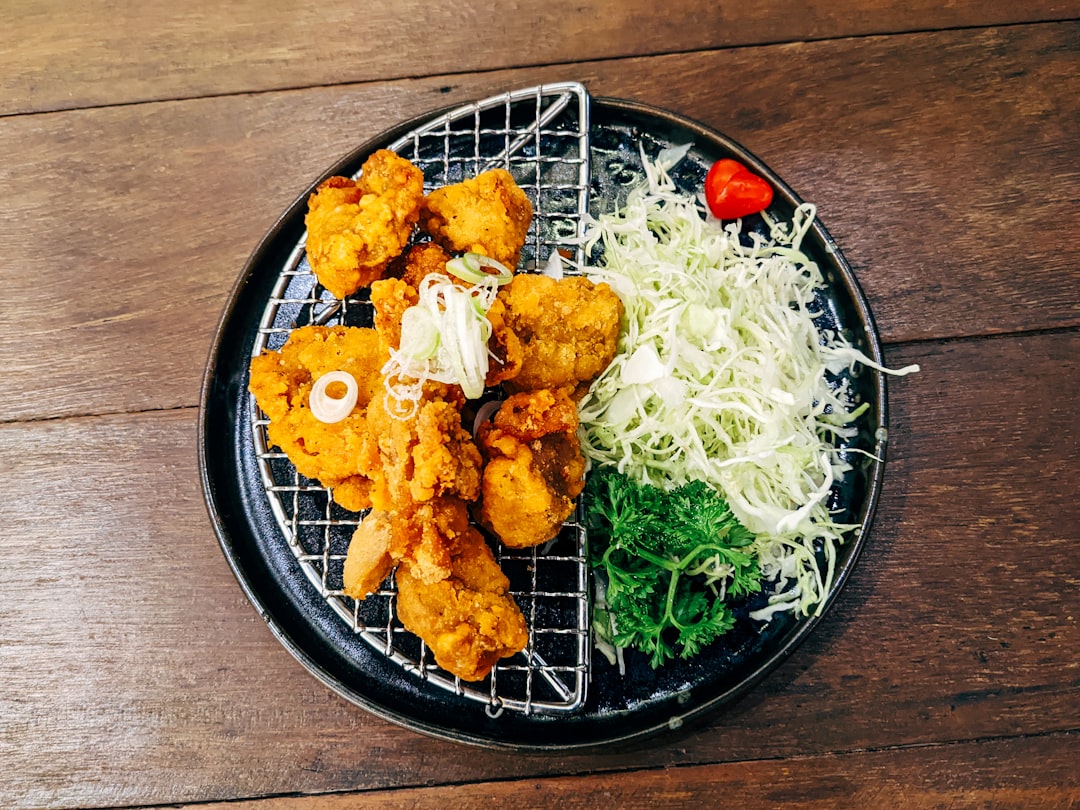
Why Korean Fried Chicken Has Taken Over the World
Picture this: you’re sitting in a bustling chimaek joint in Seoul’s Hongdae neighborhood at 11 PM on a Friday night. The air is thick with the intoxicating aroma of sizzling oil and sweet-spicy glaze. A plate of impossibly crispy fried chicken arrives at your table — each piece shatteringly crunchy on the outside, juicy and tender within, coated in a sticky, garlic-laced sauce that makes your taste buds sing. You take your first bite, and suddenly every piece of fried chicken you’ve ever eaten pales in comparison.
This isn’t just fried chicken. This is Korean fried chicken — and once you’ve had the real thing, there’s truly no going back.
The global obsession with Korean fried chicken (often abbreviated as KFC — not that KFC) has exploded in recent years, fueled by K-Drama scenes, mukbang videos, and a genuine culinary revolution. The Korean fried chicken market was valued at over $5.4 billion in South Korea alone in 2024, with international franchises like bb.q Chicken, Bonchon, and Pelicana expanding across North America, Europe, and Southeast Asia at record pace.
But here’s the secret: you don’t need to book a flight to Seoul or even find a franchise near you. With the right korean fried chicken recipe crispy technique and a few key ingredients, you can recreate this magic in your own kitchen. This ultimate guide breaks down everything — from the science behind that legendary double-fry crunch to sauces, side dishes, and pro tips that’ll make your homemade version rival the best shops in Gangnam.
Myeongdong Best Street Food Stores: 2026 Ultimate GuideKorean Fried Chicken vs. American Fried Chicken: What’s the Difference?

Before we dive into recipes, let’s settle a question that comes up constantly: what actually makes Korean fried chicken different from American-style fried chicken? The answer lies in technique, coating, and philosophy.
The Coating: Thin and Shatterproof vs. Thick and Fluffy
American fried chicken — think Popeyes, Chick-fil-A, or your grandmother’s Sunday recipe — uses a thick, seasoned flour dredge, sometimes with buttermilk, to create a hefty, biscuit-like crust. It’s delicious, but it absorbs oil and softens relatively quickly.
Korean fried chicken takes the opposite approach. The coating is paper-thin, typically made with a mixture of potato starch (or cornstarch) and a small amount of flour. Some recipes use rice flour for extra crispness. This ultra-thin shell creates a glass-like crunch that stays crispy for hours — even when drenched in sauce.
The starch-based coating is the single most important element in any korean fried chicken recipe crispy enough to earn that signature crackle. It’s also why Korean fried chicken feels lighter — you can eat more pieces without feeling weighed down.
The Double-Fry Technique
This is the game-changer. While most Western fried chicken is fried once, Korean fried chicken is fried twice:
- First fry (320°F / 160°C for 12-14 minutes): Cooks the chicken through gently, rendering fat from the skin and partially setting the coating.
- Rest period (10-15 minutes): The chicken rests at room temperature, allowing internal moisture to redistribute.
- Second fry (375°F / 190°C for 3-4 minutes): A short blast at high heat dehydrates the exterior, creating that legendary shatter-crisp texture.
The science is straightforward: the first fry cooks the meat; the second fry drives out surface moisture from the crust, resulting in a shell that stays crunchy far longer than single-fried chicken. Even 30 minutes later — even under sauce — the crunch holds.
Side-by-Side Comparison
| Feature | Korean Fried Chicken | American Fried Chicken |
|---|---|---|
| Coating | Thin (starch-based) | Thick (flour-based) |
| Frying Method | Double-fried | Single-fried |
| Crunch Duration | Hours (even with sauce) | 30-60 minutes |
| Sauce | Applied after frying (yangnyeom, soy garlic) | Seasoning in the dredge; dipping sauces on side |
| Typical Cuts | Whole wings, drumettes, boneless thighs | Breast, thigh, drumstick, wing |
| Serving Style | Shared plate with beer (“chimaek”) | Individual plate with sides |
| Weight Feel | Light, can eat many pieces | Heavier, more filling per piece |
Neither style is “better” — they’re different experiences entirely. But if you’re chasing that crispy korean fried chicken recipe crunch that lasts through sauce, delivery, and even reheating, the Korean method is unbeatable.
The Ultimate Crispy Korean Fried Chicken Recipe
This is the recipe you’ve been searching for. After testing over a dozen variations — from Maangchi’s classic to restaurant-style formulas — this version delivers the crispiest, most flavorful Korean fried chicken you can make at home. It works with wings, drumettes, or boneless thigh pieces.
Maangchi’s Korean Cooking RecipesIngredients (Serves 4)
For the Chicken:
- 3 lbs (1.4 kg) chicken wings, separated into flats and drumettes (or 2 lbs boneless thighs, cut into 2-inch pieces)
- 1 tablespoon soy sauce
- 1 tablespoon rice wine (mirin) or dry sherry
- 1 teaspoon freshly grated ginger
- ½ teaspoon black pepper
- ½ teaspoon salt
For the Crispy Coating:
- ¾ cup potato starch (preferred) or cornstarch — available at H-Mart for about $3.49/bag
- ¼ cup all-purpose flour
- ½ teaspoon baking powder
- ½ teaspoon garlic powder
- ¼ teaspoon white pepper
- ⅓ cup ice-cold water (or ice-cold vodka for extra crispness)
For Frying:
- 6-8 cups neutral oil (canola, vegetable, or peanut) — enough for 3 inches in your pot
Pro tip: Potato starch is the secret weapon in every authentic korean fried chicken recipe crispy coating. You can find it at H-Mart, any Asian grocery store, or order the Bob’s Red Mill Potato Starch from Whole Foods or Amazon for about $5.99. Cornstarch works in a pinch, but potato starch gives a noticeably lighter, crunchier result.
Step-by-Step Instructions
Step 1: Marinate (30 minutes minimum)
Pat chicken pieces completely dry with paper towels — this is critical. Toss with soy sauce, rice wine, ginger, black pepper, and salt. Cover and refrigerate for at least 30 minutes, or up to overnight for deeper flavor.
Step 2: Prepare the Coating
In a large bowl, whisk together potato starch, flour, baking powder, garlic powder, and white pepper. Add the ice-cold water and stir until you get a thin, slightly lumpy batter — think crepe batter consistency. The lumps are good; they create extra crunchy bits.
Step 3: First Fry (Low and Slow)
Heat oil to 320°F (160°C) in a Dutch oven or heavy-bottomed pot. Use a thermometer — temperature accuracy matters enormously here. Dip each chicken piece into the batter, let excess drip off, and carefully lower into the oil. Fry in batches of 6-8 pieces for 12-14 minutes, turning occasionally, until the chicken is cooked through and the coating is set but only lightly golden.
Step 4: Rest (The Patient Step)
Transfer chicken to a wire rack set over a baking sheet. Let rest for 10-15 minutes. Resist the urge to skip this step. During the rest, moisture migrates outward through the coating — and the second fry will blast that moisture away, creating the legendary crunch.
Step 5: Second Fry (Hot and Fast)
Increase oil temperature to 375°F (190°C). Fry chicken in batches again for 3-4 minutes until deep golden brown and audibly crackling. The color should be a rich amber, not pale yellow.
Step 6: Sauce or Serve
Toss immediately in your sauce of choice (recipes below) or serve plain (huraideu style) with pickled radish on the side.
Critical Tips for Maximum Crispness
- Dry your chicken thoroughly. Moisture is the enemy of crunch. Pat each piece with at least 2-3 paper towels before marinating.
- Don’t crowd the pot. Adding too many pieces drops the oil temperature, resulting in greasy, soggy chicken. Fry no more than 6-8 wings at a time.
- Use a thermometer. A $12 instant-read thermometer from Amazon will transform your frying game. Guessing temperature is the #1 reason home-fried chicken fails.
- The vodka trick: Replace the water in the batter with ice-cold vodka. Vodka evaporates faster than water, creating an even crispier shell. The alcohol cooks off completely — no boozy taste.
The 5 Essential Korean Fried Chicken Sauces

The sauce is where Korean fried chicken truly separates itself from every other fried chicken tradition on earth. Here are the five sauces you need to master, ranked by popularity in Korea.
1. Yangnyeom (Sweet-Spicy Glaze) — The King
This is the one. The iconic red-orange glaze that launched a global phenomenon. Yangnyeom chicken accounts for roughly 60% of all Korean fried chicken orders, and for good reason — it’s an addictive balance of sweet, spicy, tangy, and savory.
Recipe:
- 3 tablespoons gochujang (Korean red pepper paste) — $4.99 at H-Mart
- 3 tablespoons ketchup
- 2 tablespoons honey or rice syrup (jocheong)
- 1 tablespoon soy sauce
- 1 tablespoon rice vinegar
- 4 cloves garlic, minced
- 1 teaspoon gochugaru (Korean red pepper flakes) — optional, for extra heat
- 1 teaspoon sesame oil
Cook garlic in a tablespoon of oil for 30 seconds. Add remaining ingredients, stir until bubbling and glossy (about 2 minutes), then toss with freshly fried chicken. Garnish with toasted sesame seeds.
Heat level: Medium (about 3/5). Add more gochugaru or a sliced Thai chili to crank it up.
2. Soy Garlic (Ganjang) — The Crowd-Pleaser
If yangnyeom is bold and fiery, soy garlic is its elegant, umami-rich counterpart. This is the sauce that converts people who “don’t like spicy food” into Korean fried chicken fanatics.
Recipe:
- 3 tablespoons soy sauce
- 2 tablespoons honey
- 1 tablespoon brown sugar
- 6 cloves garlic, minced
- 1 tablespoon butter
- 1 teaspoon sesame oil
- Black pepper to taste
Melt butter, sauté garlic until fragrant (1 minute), add soy sauce, honey, and brown sugar. Simmer until slightly thickened (2-3 minutes). Finish with sesame oil. Toss with chicken and garnish with sliced green onions.
3. Honey Butter — The Trendsetter
Honey butter chicken swept Korea in 2014 and hasn’t slowed down since. It taps into the Korean love of sweet-savory mashups — think salted caramel, but for fried chicken.
Recipe: Melt 3 tablespoons butter with 3 tablespoons honey, a pinch of salt, and ½ teaspoon of yellow mustard powder. Drizzle generously over crispy chicken. The combination of warm butter, floral honey, and salt against that crunchy shell is genuinely extraordinary.
4. Snow Cheese (Cheese Powder)
Popular at chains like bb.q Chicken and Kyochon, snow cheese chicken is dusted with a blizzard of sweet cheese powder after frying. You can buy Korean cheese powder on Amazon ($8-12), or make a close approximation by mixing ¼ cup finely grated Parmesan with 2 tablespoons powdered sugar and a pinch of salt.
5. Buldak (Fire Chicken) — For Heat Seekers
Made famous by Samyang’s viral instant noodles, buldak sauce turns fried chicken into a fiery challenge. Mix 3 tablespoons buldak sauce (available at H-Mart, $3.99/bottle) with 1 tablespoon honey and toss with chicken. Warning: this is legitimately spicy — Scoville levels around 4,400 SHU. Have milk ready.
Sauce Comparison:
| Sauce | Flavor Profile | Heat Level | Best For |
|---|---|---|---|
| Yangnyeom | Sweet-spicy-tangy | 🌶🌶🌶 | Classic experience |
| Soy Garlic | Savory-sweet-umami | 🌶 | Spice-averse guests |
| Honey Butter | Sweet-salty-rich | — | Kids, sweet lovers |
| Snow Cheese | Cheesy-sweet-savory | — | Snacking, parties |
| Buldak | Fiery-sweet-addictive | 🌶🌶🌶🌶🌶 | Spice challenges |
The Cultural Story: How Chimaek Became Korea’s National Pastime
You cannot truly understand Korean fried chicken without understanding chimaek — the beloved pairing of chicken and maekju (beer). It’s not just a meal; it’s a deeply embedded social ritual that defines Korean nightlife and friendship culture.
A Brief History
Fried chicken arrived in South Korea with American military presence in the 1950s-60s, but it didn’t become a cultural phenomenon until the late 1970s when Lim’s Chicken opened in Seoul’s Sinchon neighborhood. The real explosion came in the 1990s and 2000s, when franchises like Kyochon (founded 1991), BBQ Chicken (1995), and Pelicana began perfecting the double-fry method and innovating with sauces.
The 2002 FIFA World Cup, co-hosted by Korea, was a watershed moment. Millions of Koreans gathered outdoors to watch matches on giant screens, ordering delivery fried chicken and beer to fuel their cheering. Chimaek culture was born — and it never left.
Today, South Korea has an estimated 87,000 fried chicken restaurants — more than the number of McDonald’s locations worldwide (roughly 40,000). The industry employs hundreds of thousands of people and generates billions in annual revenue.
Korea Tourism Organization – Korean Food GuideChimaek Etiquette
If you’re visiting Korea and want to experience chimaek properly, here are the unwritten rules:
- Order “half-half” (반반): Most shops let you get half yangnyeom, half plain (huraideu) so everyone’s happy.
- Always get pickled radish (치킨무): The sweet, tangy cubes cleanse your palate between bites. It’s non-negotiable.
- Beer pairing matters: Cass, Hite, or Terra are the classic Korean lagers. For craft options, try Jeju Wit Ale.
- Late-night is prime time: Chicken shops are busiest between 9 PM and midnight. It’s a second-dinner culture.
- Delivery is king: Koreans order more fried chicken delivery than any other food. Apps like Baedal Minjok process millions of chicken orders monthly.
If you’re planning a trip to Korea, experiencing chimaek in a lively neighborhood like Hongdae is an absolute must.
Hongdae Best Cafes and Bars at Night: 2026 GuideWhere to Find Korean Fried Chicken Ingredients in the US

One of the best things about making a korean fried chicken recipe crispy at home is that most ingredients are now widely available across the United States. Here’s your shopping guide.
Essential Ingredients and Where to Buy
| Ingredient | Best Source | Approx. Price | Substitute |
|---|---|---|---|
| Potato starch | H-Mart, Amazon | $3.49-5.99 | Cornstarch (90% as good) |
| Gochujang | H-Mart, Whole Foods, Trader Joe’s | $4.99-7.99 | Sriracha + miso (rough approx.) |
| Gochugaru | H-Mart, Amazon | $6.99-9.99 | Aleppo pepper (similar heat, less fruity) |
| Rice wine (mirin) | Any grocery store | $3.99 | Dry sherry |
| Rice syrup (jocheong) | H-Mart | $5.99 | Corn syrup or honey |
| Pickled chicken radish | H-Mart (refrigerated aisle) | $2.99 | Quick-pickle daikon at home |
Brand recommendations: For gochujang, look for Haechandle or Chung Jung One — both are authentic and widely available. For potato starch, the Korean brand Nongshim or Japanese brand Katakuriko both work perfectly.
No Asian Grocery Store Nearby?
No problem. Whole Foods now carries gochujang in the international aisle. Trader Joe’s sells their own version of gochujang for $3.99. Walmart stocks CJ brand gochujang in many locations. And Amazon Prime delivers virtually every Korean ingredient within 1-2 days.
For the chicken itself, any standard supermarket chicken wings or boneless thighs work perfectly. No specialty chicken required.
Korean Skincare Routine for Beginners: Step-by-Step 2026 GuideBest Korean Fried Chicken Restaurant Chains to Try
Before you commit to making your own, you might want to taste the real deal at a Korean fried chicken chain. Here are the top options available in the US in 2026.
Top Chains Ranked
- Bonchon — The most widely available Korean fried chicken chain in the US with 100+ locations. Known for their soy garlic and spicy sauce. Average price: $14.99 for a wing platter. Consistently crispy, though portions can feel small for the price.
- bb.q Chicken — Korea’s largest fried chicken brand globally (3,500+ stores worldwide). Their Golden Original is a masterclass in the plain-crispy style. The olive oil–fried option is a healthier twist that genuinely works. Average: $15.99 for wings.
- Pelicana — One of the oldest Korean chicken brands (founded 1982). Their sweet chili sauce is legendary. Currently expanding across the US with locations in LA, NYC, and the DMV area. Average: $13.99.
- Kyochon — Premium positioning with a focus on quality ingredients. Their honey-soy flavor is a standout. Fewer US locations but worth seeking out. Average: $16.99.
- Choong Man Chicken — Rapidly growing chain popular in the Southeast US. Known for generous portions and excellent soy garlic wings. Average: $12.99 — great value.
What to Order as a First-Timer
If you’ve never had Korean fried chicken before, order the “half and half” combo — half soy garlic and half yangnyeom (spicy). This gives you the two quintessential flavors in one order. Add a side of pickled radish and a Korean beer if the restaurant serves alcohol. Budget around $15-20 per person for a satisfying meal.
Perfect Side Dishes and Drinks for Korean Fried Chicken

Korean fried chicken is rarely eaten alone. The right sides and drinks elevate the experience from a simple meal to a full-blown chimaek feast.
Classic Korean Fried Chicken Sides
- Pickled radish (치킨무): Sweet, crunchy, tangy cubes of radish that cut through the richness. Absolutely essential — it’s the ketchup to Korean fried chicken’s fries.
- Coleslaw (Korean-style): Many chicken shops serve a light, vinegar-based coleslaw rather than the heavy mayo-based American version.
- Tteokbokki (spicy rice cakes): The chewy, spicy rice cakes are a popular add-on, especially at late-night chicken spots.
- French fries: Yes, Koreans love fries with their chicken. Many shops offer cheese fries or seasoned wedges.
- Pickled jalapeños: Common at Korean chicken restaurants for those who want extra heat.
- Beer-battered onion rings: A popular side at chains like bb.q.
Drink Pairings
Beer (the classic): Light Korean lagers like Cass Fresh, Hite Extra Cold, or Terra pair perfectly — their clean, crisp profiles don’t compete with the chicken’s flavors. In the US, any light lager (Modelo Especial, Sapporo) works beautifully. For craft beer fans, a Belgian witbier or a light IPA with citrus notes complements yangnyeom chicken wonderfully.
Soju cocktails: Mix soju with Yakult (yogurt drink) or Milkis (Korean cream soda) for a sweet, easy-drinking companion. These low-ABV cocktails are hugely popular at Korean chicken-and-beer spots.
Non-alcoholic: Korean barley tea (boricha) served cold is the traditional non-alcoholic pairing. Alternatively, sparkling water with a squeeze of lemon helps reset the palate between bites.
suggested topic — Best Korean Beer and Soju Guide: What to Drink in 2026Pro Tips: Common Mistakes and How to Avoid Them
After years of perfecting my korean fried chicken recipe crispy method at home and analyzing what goes wrong for other home cooks, here are the most common pitfalls — and exactly how to dodge them.
Mistake #1: Skipping the Double Fry
I get it — double frying feels like a lot of work. But single-fried Korean chicken is just regular fried chicken with starch coating. The magic — that glass-like, shatter-crisp shell — only happens on the second fry. It’s the difference between “pretty good” and “restaurant-quality.”
Fix: Set a timer. First fry 12-14 minutes at 320°F. Rest 10-15 minutes. Second fry 3-4 minutes at 375°F. The total active frying time is only about 16-18 minutes per batch.
Mistake #2: Oil Temperature Too Low
If your chicken is greasy and pale, the oil wasn’t hot enough. Cold oil gets absorbed into the coating instead of creating a crispy barrier. This is the single most common reason home-fried chicken disappoints.
Fix: Invest $12-15 in a clip-on deep-fry thermometer. Alternatively, drop a tiny piece of batter into the oil — at 320°F, it should sink to the bottom briefly, then rise and sizzle gently. At 375°F, it should sizzle immediately and float.
Mistake #3: Too Much Flour in the Coating
Using all flour or too much flour relative to starch produces a thick, bready coating — that’s American fried chicken, not Korean. The starch-to-flour ratio should be at least 3:1.
Fix: Stick to the ¾ cup potato starch + ¼ cup flour ratio. If you want even crunchier results, go 100% potato starch with a tablespoon of rice flour.
Mistake #4: Saucing Too Early or Too Much
Sauce should be applied immediately before serving — never let sauced chicken sit for more than 5 minutes. And use a light, even coating rather than drowning the chicken. The goal is a glossy glaze, not a swimming pool.
Fix: Toss hot chicken in sauce using a large bowl with a gentle folding motion. Serve immediately. For gatherings, keep sauce on the side so guests can customize their own crunch-to-sauce ratio.
Mistake #5: Using Breast Meat
Chicken breast dries out easily during double frying. The best Korean fried chicken uses wings (drumettes and flats) or boneless thighs — both have higher fat content that keeps the meat juicy through two rounds of frying.
Fix: Wings are the gold standard. If you prefer boneless, always use thigh meat, cut into 2-inch pieces. Never use breast for double-fried recipes.
Frequently Asked Questions About Korean Fried Chicken
What makes Korean fried chicken so crispy compared to regular fried chicken?
The secret lies in two key techniques: a starch-based coating (potato starch or cornstarch instead of thick flour dredge) and the double-fry method. The thin starch coating creates a glass-like shell, while the second fry at higher temperature drives out remaining surface moisture. This combination produces a crust that stays crunchy for hours — even under heavy sauce. Using ice-cold water or vodka in the batter further reduces gluten development, keeping the coating shatteringly light rather than chewy.
Can I make Korean fried chicken in an air fryer?
Yes, but with caveats. Air fryer Korean fried chicken won’t achieve the exact same shatter-crisp texture as the traditional deep-fried method. However, you can get solid results: coat chicken in the starch mixture, spray generously with cooking oil, and air fry at 370°F for 20 minutes, flipping halfway. Then increase to 400°F for 5 minutes to simulate the second fry. Spray with additional oil before the final blast. The result is about 75-80% as crispy as deep-fried, with significantly less oil. It’s a worthwhile trade-off for weeknight cooking.
How do I keep Korean fried chicken crispy for delivery or parties?
Three strategies: (1) Don’t sauce until the last minute — keep sauce separate and toss right before serving. (2) Use a wire rack to hold finished chicken, not a plate or paper towels (which trap steam underneath). (3) For reheating, use the oven at 400°F for 8-10 minutes or an air fryer at 375°F for 4-5 minutes. Never microwave — it turns the coating rubbery. Restaurant delivery chicken stays crispy because shops use ventilated boxes with holes that allow steam to escape.
What’s the best oil for frying Korean fried chicken?
Use a neutral oil with a high smoke point: canola oil, vegetable oil, or peanut oil are the top choices. Peanut oil gives a subtly nutty flavor and excellent crispness — it’s what many Korean restaurants use. Avoid olive oil (low smoke point, strong flavor), coconut oil (flavor transfer), or butter (burns easily). Some premium chains like bb.q Chicken use olive oil blends, but this requires precise temperature control that’s challenging at home. For budget-conscious home cooks, a big jug of canola oil from Costco ($8-10 for a gallon) is perfect.
Is Korean fried chicken gluten-free?
It can be! If you replace the ¼ cup all-purpose flour in the coating with additional potato starch or rice flour, the coating becomes completely gluten-free. You’ll also need to ensure your soy sauce is gluten-free — use tamari instead of regular soy sauce. The resulting chicken is virtually indistinguishable from the standard version. Many Korean home cooks actually prefer 100% starch coatings anyway, as they produce an even crispier result. Just verify that any store-bought gochujang is gluten-free, as some brands contain wheat.
How many calories are in Korean fried chicken?
A serving of 6 Korean fried chicken wings (plain/unsauced) contains approximately 450-550 calories. With yangnyeom sauce, add roughly 80-120 calories from the sugar and oil in the glaze. Soy garlic sauce adds about 60-80 calories. By comparison, 6 American-style fried chicken wings with thick breading clock in at 600-700+ calories. The thinner coating on Korean fried chicken means slightly less oil absorption, making it marginally lighter — though it’s still fried food and best enjoyed as an occasional treat rather than daily fare.
Related Posts You’ll Love
If you enjoyed this guide, check out these related articles for more Korean food and culture:
- Myeongdong Best Street Food Stores: 2026 Ultimate Guide — Discover the best street food stalls in Seoul’s most famous shopping district, including several legendary fried chicken spots.
- Hongdae Best Cafes and Bars at Night: 2026 Guide — The best neighborhood for chimaek in Seoul, with our favorite late-night chicken-and-beer recommendations.
- K-Pop Groups on Billboard Hot 100 in 2026: Complete List — Korean fried chicken has appeared in countless K-Pop music videos and variety shows. See which groups are dominating the charts right now.
Suggested new articles:
- suggested topic — Top 10 Korean Street Foods You Must Try Before You Die
- suggested topic — Korean BBQ at Home: Complete Beginner’s Guide 2026
Ready to Fry? Your Korean Fried Chicken Journey Starts Now
You now have everything you need to make restaurant-quality crispy korean fried chicken at home — from the science behind the double-fry technique to five incredible sauces, shopping lists with exact brands and prices, and pro tips to avoid every common mistake.
Here’s my challenge to you: pick one sauce from the list above, grab the ingredients this weekend, and make your first batch. Start with the soy garlic if you want something universally crowd-pleasing, or go straight for yangnyeom if you like a little heat. Either way, the moment you hear that first crackle when you bite through the shell, you’ll understand why 52 million Koreans made this their favorite food.
Have you made Korean fried chicken at home before? What’s your go-to sauce? Drop a comment below — I read every single one and love hearing about your results, substitutions, and experiments. If this guide helped you nail the perfect crunch, share it with a friend who’s still struggling with soggy fried chicken. They’ll thank you.
And if you want more Korean food guides, recipes, and travel tips delivered to your inbox, subscribe to our newsletter — we publish new K-Food content every week, from street food deep-dives to restaurant reviews across Seoul, Busan, and beyond.
Happy frying! 🍗