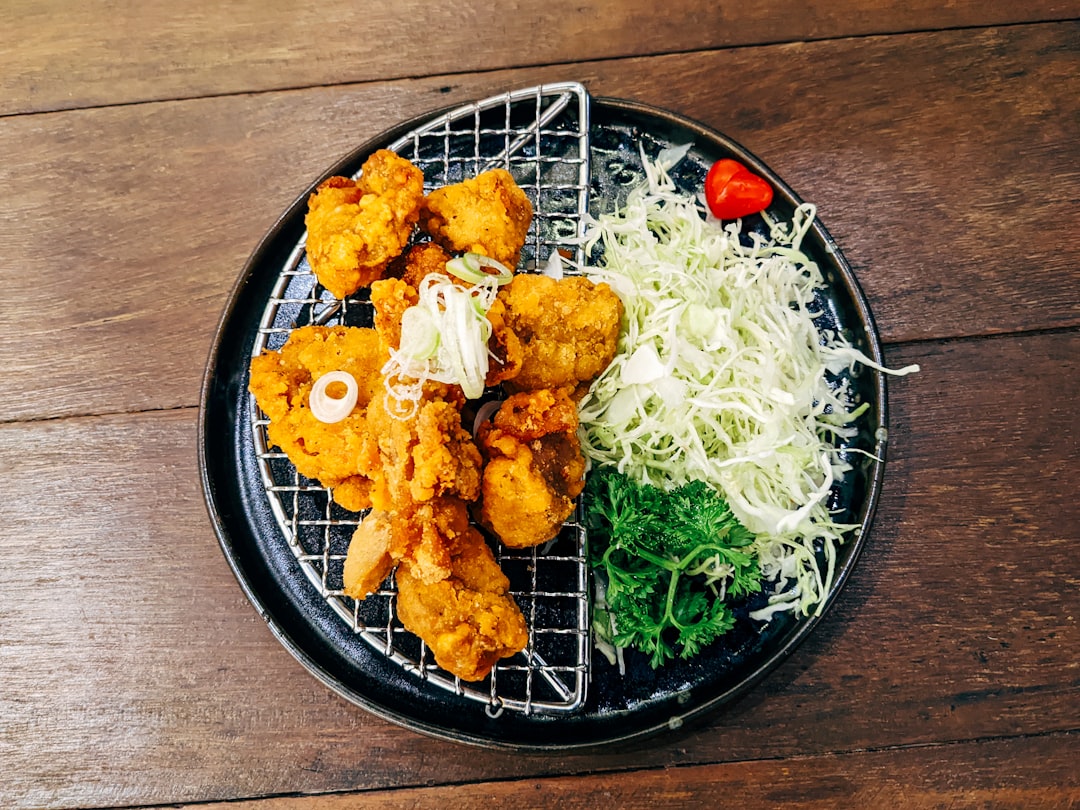
Why Korean Fried Chicken Has Taken Over the World (And Your Cravings)
Picture this: you bite into a piece of fried chicken so impossibly crispy that the crunch echoes in your ears, followed by a rush of sweet-spicy-garlicky sauce that makes your taste buds do a standing ovation. That’s Korean fried chicken — and once you’ve had it, regular fried chicken will never quite hit the same way again.
Known as chikin (치킨) in Korea, this isn’t just food — it’s a cultural phenomenon worth over $8.4 billion annually in South Korea alone. There are more fried chicken restaurants in Korea than there are McDonald’s locations worldwide. Let that sink in for a moment.
The secret? A revolutionary double-frying technique that produces an ultra-thin, glass-like shell that stays crispy for hours — even under a blanket of sauce. If you’ve been searching for the perfect korean fried chicken recipe crispy enough to rival your favorite restaurant, you’ve come to the right place.
In this ultimate guide, we’ll compare the most popular styles, break down the science behind that legendary crunch, and give you everything you need to make restaurant-quality Korean fried chicken at home. Whether you’re Team Yangnyeom or Team Soy Garlic, there’s a wing here with your name on it.
What Makes Korean Fried Chicken Different From American Fried Chicken?

Before we dive into recipes, let’s settle the big question: what actually separates Korean fried chicken from its American cousin? The differences are more fundamental than you might think, and understanding them is the key to nailing that perfect korean fried chicken recipe crispy texture at home.
The Batter: Thin and Crispy vs. Thick and Craggy
American fried chicken — think KFC, Popeyes, or your grandmother’s Sunday recipe — uses a thick, seasoned flour dredge, often with buttermilk. The result is a chunky, craggy crust that’s delicious but absorbs oil and gets soggy within 20 minutes.
Korean fried chicken takes the opposite approach. The batter is ultra-thin, typically made with a combination of all-purpose flour, cornstarch (or potato starch), and sometimes a splash of vodka or rice wine. This produces a paper-thin shell that fries up to a glass-like crispness — almost like a candy coating on the chicken.
The Technique: Single Fry vs. Double Fry
Here’s where the magic happens. American fried chicken is fried once at around 350°F (175°C). Korean fried chicken is fried twice:
- First fry (300°F / 150°C for 10-12 minutes): Cooks the chicken through gently and begins rendering the fat from under the skin.
- Rest period (10-15 minutes): The residual heat continues cooking the interior while moisture migrates to the surface.
- Second fry (375°F / 190°C for 3-4 minutes): Blasts away surface moisture and creates that legendary shatteringly crispy exterior.
This double-frying method was popularized in the 1970s and 1980s as Korean chicken chains began competing fiercely for customers. The technique reduces moisture content by up to 40% compared to single-frying, which is why Korean fried chicken stays crispy even when drenched in sauce.
Side-by-Side Comparison
| Feature | Korean Fried Chicken | American Fried Chicken |
|---|---|---|
| Batter | Thin (flour + starch) | Thick (seasoned flour + buttermilk) |
| Frying | Double-fried | Single-fried |
| Texture | Glass-like, shatteringly crispy | Craggy, crunchy, bready |
| Sauce | Tossed in sauce after frying | Served plain or with dipping sauce |
| Serving Style | Shared platter with beer (chimaek) | Individual plate with sides |
| Cut | Whole wings, drumettes, boneless bites | Breast, thigh, leg, wing |
| Crispness Duration | 1-2 hours (even with sauce) | 15-30 minutes |
Learn more about Korean food culture on the Korea Tourism Organization
The 5 Most Popular Korean Fried Chicken Styles Compared
Walk into any Korean fried chicken restaurant — whether it’s BBQ Chicken, Kyochon, BHC, or Pelicana — and you’ll face a delicious dilemma: which style do you choose? Here’s a deep dive into the five most iconic varieties, so you can pick your fighter (or better yet, order the half-and-half).
1. Yangnyeom Chicken (양념치킨) — The Sweet-Spicy Icon
Yangnyeom chicken is arguably the most famous Korean fried chicken style worldwide. Invented in the 1980s in Daegu, South Korea, it features a glossy, sticky-sweet sauce made with gochugaru (Korean red pepper flakes), gochujang (fermented red pepper paste), soy sauce, garlic, rice syrup or corn syrup, and ketchup.
The flavor profile hits every note: sweet, spicy, tangy, and umami all at once. The sauce caramelizes slightly on the crispy shell, creating a candy-like coating that cracks when you bite through it. It’s typically garnished with toasted sesame seeds and thinly sliced scallions.
Best for: First-timers, spice lovers, anyone who wants the “classic” Korean fried chicken experience.
Heat level: 3/10 to 6/10 (varies by restaurant)
Pairs with: Ice-cold beer (OB, Cass, or Hite), pickled radish (chikin-mu)
2. Ganjang Chicken (간장치킨) — Soy Garlic Perfection
If yangnyeom is the flashy K-Pop idol, ganjang chicken is the sophisticated actor everyone respects. This style features a soy sauce-based glaze infused with massive amounts of garlic, a touch of honey or brown sugar, and black pepper.
The result is deeply savory with an almost caramelized, umami-rich sweetness that doesn’t overpower the chicken itself. The garlic is the star here — you can smell it from across the room, and it lingers on your fingers for hours (worth it).
Best for: Those who prefer savory over sweet, garlic lovers, date night (both of you eat it).
Heat level: 0/10 — no spice, all flavor
Pairs with: Korean beer, soju highball, or a crisp white wine
3. Huraideu Chicken (후라이드치킨) — The OG Plain Crispy
Huraideu (from the English word “fried”) is the purist’s choice — no sauce, no glaze, just perfectly seasoned, double-fried chicken in all its naked glory. This is where the quality of your korean fried chicken recipe crispy technique really shows, because there’s nowhere to hide.
Great huraideu chicken is seasoned simply with salt, white pepper, and sometimes a pinch of garlic powder. The crust should be so thin you can almost see through it, yet strong enough to produce an audible crunch that could be picked up by a microphone. It’s served with a side of pickled radish cubes (chikin-mu) and a packet of yellow mustard-based sauce.
Best for: Purists, texture enthusiasts, those who want to judge a restaurant’s true skill.
Heat level: 0/10
Pairs with: Everything — this is the blank canvas of Korean fried chicken
4. Padak (파닭) — Green Onion Mountain Chicken
Padak is a visual showstopper. Imagine a mountain of thinly shredded green onions, dressed in a sweet-spicy-vinegary sauce, piled so high on top of crispy fried chicken that you can barely see the bird underneath. The contrast between the cool, sharp, slightly sweet green onions and the hot, crunchy chicken beneath is absolutely addictive.
This style originates from Busan and has become wildly popular at late-night chicken spots across Korea. The green onion salad typically includes julienned white and green onion, sometimes mixed with fresh chili peppers and dressed in a mustard-soy-vinegar dressing.
Best for: Those who love contrast in texture and temperature, fans of big flavors.
Heat level: 2/10 to 4/10
Pairs with: Soju, makgeolli (Korean rice wine)
5. Snow Onion / Cheese Chicken — The New Wave
The newest generation of Korean fried chicken is all about indulgence. Snow onion chicken features crispy fried chicken dusted with powdered onion seasoning and drizzled with a creamy, sweetened condensed milk-based sauce. Cheese chicken takes it further with a side of hot, stretchy mozzarella dipping sauce.
These styles were popularized by chains like BHC (뿌링클 / Ppuringkle) and have become a massive hit, especially among younger Koreans and international fans discovering Korean chicken through K-dramas and K-Pop.
Best for: Adventurous eaters, cheese lovers, K-drama fans recreating scenes.
Heat level: 0/10
Pairs with: Cola, sweet soju cocktails
Style Comparison at a Glance
| Style | Flavor | Spice | Difficulty | Best For |
|---|---|---|---|---|
| Yangnyeom | Sweet-spicy | Medium | Moderate | First-timers |
| Soy Garlic | Savory-sweet | None | Easy | Garlic lovers |
| Huraideu | Clean, salty | None | Moderate | Purists |
| Padak | Sharp, tangy | Mild | Moderate | Texture fans |
| Snow/Cheese | Creamy, rich | None | Easy | K-drama nights |
The Ultimate Korean Fried Chicken Recipe: Crispy Double-Fried Method

This is the korean fried chicken recipe crispy enough to make your local chikin shop nervous. We’re going with the classic double-fry technique that Korean chicken chains have perfected over four decades. This base recipe works for all five styles above — just change the sauce.
Ingredients (Serves 4)
For the chicken:
- 3 lbs (1.4 kg) chicken wings, drumettes and flats separated (or boneless thighs cut into 2-inch pieces)
- 1 tablespoon fine sea salt
- 1 teaspoon white pepper
- 1 tablespoon fresh ginger, grated
- 1 tablespoon soju or vodka (helps with crispness — the alcohol evaporates and creates micro-bubbles in the crust)
For the batter:
- ¾ cup (95g) all-purpose flour
- ¾ cup (95g) cornstarch (or potato starch for even crispier results — available at H-Mart for about $3.99)
- ½ teaspoon baking powder
- ¾ cup ice-cold water (or ice-cold sparkling water for extra lightness)
- 1 tablespoon vodka or soju (optional but recommended)
For frying:
- 6-8 cups neutral oil (peanut, canola, or vegetable — Korean restaurants often use a blend of soybean and canola)
Step-by-Step Instructions
Step 1: Prep the chicken (15 minutes + 30 minutes resting). Pat the chicken pieces completely dry with paper towels — this is arguably the most important step. Moisture is the enemy of crispness. Season with salt, white pepper, and grated ginger. Add the soju and toss to coat. Let it rest uncovered in the fridge for at least 30 minutes (up to overnight for maximum flavor).
Step 2: Make the batter. In a large bowl, whisk together the flour, cornstarch, and baking powder. Add the ice-cold water and vodka, stirring until just combined — lumps are fine and actually desirable. The batter should be thinner than pancake batter, almost like heavy cream. If it’s too thick, add a tablespoon of water at a time.
Step 3: First fry (300°F / 150°C, 10-12 minutes). Heat your oil in a heavy-bottomed pot or Dutch oven to 300°F. Dip each chicken piece in the batter, let the excess drip off, and gently lower into the oil. Don’t crowd the pot — work in batches of 6-8 pieces. Fry for 10-12 minutes, turning occasionally, until the chicken is cooked through but only lightly golden.
Step 4: Rest (10-15 minutes). Remove the chicken to a wire rack set over a sheet pan. Let it rest for at least 10 minutes. This rest period is critical — residual moisture from inside the chicken migrates to the surface, where it will be blasted away in the second fry.
Step 5: Second fry (375°F / 190°C, 3-4 minutes). Increase the oil temperature to 375°F. Fry the chicken again in batches for 3-4 minutes until deeply golden and shatteringly crispy. The color should be a rich amber, and you should hear a high-pitched sizzle that means the moisture is leaving the crust.
Step 6: Sauce and serve immediately. Toss in your chosen sauce (recipes below) within 30 seconds of removing from oil. Serve with pickled radish cubes and an ice-cold beer.
Pro Tips From Korean Chicken Masters
- Use a thermometer. A $12 deep-fry thermometer from Amazon or Walmart is the single most important tool. Temperature control makes or breaks this recipe.
- Potato starch > cornstarch. If you can find it at H-Mart or any Asian grocery, potato starch produces an even lighter, crispier crust. It’s what most Korean restaurants actually use.
- Cold batter, hot oil. Keep your batter ice-cold. Some Korean cooks even add an ice cube directly to the batter bowl. The temperature differential between cold batter and hot oil creates steam that puffs up the crust.
- Don’t skip the soju. Alcohol evaporates faster than water, creating tiny air pockets in the crust that translate to extra crunch. Vodka works identically if you don’t have soju.
- Dry your chicken obsessively. Pat it dry, then pat it dry again. Then let it air-dry in the fridge. Moisture is the #1 enemy of a crispy korean fried chicken recipe.
Watch Maangchi’s classic Korean fried chicken tutorial for visual guidance
Three Essential Sauce Recipes
The sauce is where you personalize your Korean fried chicken. Here are the three most popular options — each takes under 5 minutes to make.
Yangnyeom Sauce (Sweet-Spicy)
- 3 tablespoons gochujang (Korean red pepper paste — $4.99 at H-Mart, also available at Whole Foods)
- 2 tablespoons gochugaru (Korean red pepper flakes)
- 3 tablespoons rice syrup or corn syrup
- 2 tablespoons ketchup
- 1 tablespoon soy sauce
- 4 cloves garlic, minced
- 1 tablespoon toasted sesame oil
- 1 tablespoon rice vinegar
Cook everything in a small saucepan over medium heat for 3-4 minutes until glossy and slightly thickened. Toss with hot chicken immediately. Garnish with sesame seeds and sliced scallions.
Soy Garlic Sauce (Ganjang)
- ¼ cup soy sauce
- 3 tablespoons honey or brown sugar
- 8 cloves garlic, minced (yes, eight — this is Korean cooking)
- 1 tablespoon rice wine (mirin)
- 1 tablespoon toasted sesame oil
- ½ teaspoon black pepper
- 1 tablespoon butter (optional but incredible)
Simmer soy sauce, honey, garlic, rice wine, and pepper for 3 minutes. Remove from heat and stir in sesame oil and butter. The sauce should be glossy and slightly syrupy. Toss with chicken and garnish with toasted sesame seeds.
Snow Onion Sauce
- 3 tablespoons mayonnaise
- 2 tablespoons sweetened condensed milk
- 1 tablespoon honey
- 1 tablespoon onion powder
- Pinch of salt
Whisk everything together. Drizzle over hot fried chicken — don’t toss, just drizzle in zigzag lines. Dust with additional onion powder or crushed garlic chips for the full BHC Ppuringkle experience.
Where to Buy Ingredients (And What to Substitute)

One of the best things about making Korean fried chicken at home is that most ingredients are easily available at mainstream American grocery stores. Here’s your complete shopping guide.
Must-Have Ingredients and Where to Find Them
| Ingredient | Where to Buy | Price (approx.) | Substitute |
|---|---|---|---|
| Gochujang | H-Mart, Whole Foods, Walmart, Target | $4.99-$7.99 | Sriracha + miso (not ideal) |
| Gochugaru | H-Mart, Amazon | $6.99-$12.99 | Aleppo pepper (similar fruity heat) |
| Potato starch | H-Mart, Asian markets | $3.49-$4.99 | Cornstarch (widely available) |
| Rice syrup | H-Mart | $4.99 | Corn syrup or honey |
| Soju | H-Mart, liquor stores, Total Wine | $4.99-$7.99 | Vodka (identical function) |
| Pickled radish (chikin-mu) | H-Mart, Asian markets | $2.99 | Quick-pickle daikon at home |
No H-Mart Nearby? No Problem
If you don’t have access to a Korean grocery store, here’s the good news: Walmart and Target now carry gochujang from brands like CJ and Annie Chun’s in their international aisle. Amazon carries virtually every Korean ingredient with Prime delivery. Even Whole Foods has expanded their Korean section significantly in the past two years, driven partly by the K-Food boom.
For the chicken itself, any bone-in wings or boneless thighs from your regular grocery store work perfectly. Korean restaurants typically use smaller chickens (about 2 lbs), so if you’re using American chicken wings, you may need to add 1-2 minutes to the first fry time.
Best Korean Convenience Store Snacks to Try in 2026 — many of these snacks pair perfectly with a homemade Korean fried chicken spread.
Chimaek Culture: The Korean Art of Chicken and Beer
You cannot talk about Korean fried chicken without talking about chimaek (치맥) — a portmanteau of “chicken” and “maekju” (beer). This isn’t just a food pairing; it’s a cultural institution that defines social life in Korea.
How Chimaek Became a National Pastime
The chimaek craze exploded during the 2002 FIFA World Cup, which Korea co-hosted with Japan. Millions of Koreans gathered in public squares to watch matches on big screens, and fried chicken delivery orders surged. The pairing of crispy fried chicken with ice-cold Korean beer became synonymous with celebration, community, and national pride.
Today, chimaek is the default social activity in Korea. After-work drinking? Chimaek. Watching a baseball game? Chimaek. It’s Tuesday? Chimaek. There’s even an annual Daegu Chimaek Festival that draws over a million visitors each July — featuring live music, beer gardens, and dozens of chicken brands competing for the crowd’s affection.
How to Recreate the Chimaek Experience at Home
- Get the right beer. Korean beers like Cass, Hite, or OB are intentionally light and refreshing — designed specifically to cut through greasy, saucy fried chicken. If you can’t find Korean beer, any crisp lager or pilsner (Modelo Especial, Sapporo, Stella Artois) works.
- Serve on a big tray. Korean fried chicken is communal food. Pile it on a large platter or even a sheet pan lined with parchment paper.
- Include the sides. Pickled radish (chikin-mu), coleslaw, and French fries are traditional accompaniments at Korean chicken shops. Some places also serve tteokbokki (spicy rice cakes) on the side.
- Put on a K-drama. Nothing enhances the chimaek experience like binge-watching your favorite Korean drama. There’s a reason so many K-dramas feature fried chicken scenes — it’s product placement and cultural authenticity rolled into one.
Gyeongju Day Trip From Seoul Itinerary 2026 — if you’re visiting Korea, plan a chicken crawl as part of your trip!
Korean Fried Chicken Chains: A Comparison of the Big Players

Korea has over 87,000 fried chicken restaurants, and the franchise wars are fierce. Many of these chains have expanded internationally, with locations now in the US, UK, Australia, and across Southeast Asia. Here’s how the biggest names stack up.
Top Korean Chicken Chains in the US
| Chain | US Locations | Signature Item | Price Range | Vibe |
|---|---|---|---|---|
| Bonchon | 100+ | Soy Garlic Wings | $14-$22 | Casual dining |
| Kyochon | 15+ | Honey Series | $16-$28 | Premium |
| bb.q Chicken | 50+ | Golden Original | $13-$24 | Fast casual |
| Pelicana | 10+ | Yangnyeom Wings | $14-$20 | Neighborhood spot |
| Holdak | 5+ | Tornado Potato + Chicken | $12-$18 | Street food fusion |
Our pick for newcomers: Start with Bonchon if you have one nearby. Order the half-and-half (soy garlic + spicy) to experience both signature styles. Their soy garlic wings are consistently rated among the best in the US, and they’re the most widely available Korean chicken chain in America.
Korean Minimalist Fashion Essentials 2026: Style Guide — Korean culture isn’t just about food; explore K-Fashion trends that are influencing global style.
Common Mistakes That Ruin Your Korean Fried Chicken (And How to Fix Them)
Even experienced home cooks stumble when making their first batch of Korean fried chicken. Here are the seven most common mistakes and exactly how to avoid them.
Mistake #1: Not Drying the Chicken Enough
This is the number one reason homemade Korean fried chicken falls flat. Surface moisture creates steam during frying, which pushes the batter away from the skin and makes the crust soggy from the inside out. Pat dry with paper towels, then let the seasoned chicken sit uncovered in the fridge for 30 minutes to an hour. The cold, dry air of the fridge is your best friend.
Mistake #2: Batter Too Thick
If your batter looks like pancake batter, it’s too thick. Korean fried chicken batter should be the consistency of heavy cream — thin enough that when you dip the chicken, you can still see the shape of the piece through the coating. A thick batter will produce a bready, doughy coating that’s more American-style than Korean.
Mistake #3: Skipping the Second Fry
The double fry is non-negotiable. It’s what separates a good korean fried chicken recipe crispy result from a mediocre one. The first fry cooks the chicken; the second fry creates the crunch. If you only fry once, you’ll get cooked chicken with a decent crust — but it won’t have that glass-like shatter that defines the Korean style.
Mistake #4: Wrong Oil Temperature
Too hot and the outside burns before the inside cooks. Too cold and the chicken absorbs oil like a sponge. Use a thermometer and maintain 300°F for the first fry, 375°F for the second. When you add chicken, the temperature drops — don’t overcrowd the pot, or it’ll drop too far.
Mistake #5: Saucing Too Late
The sauce needs to hit the chicken within 30 seconds of it coming out of the fryer. The residual heat helps the sauce adhere and slightly caramelize on the crust. If you wait too long, the crust cools and the sauce just slides off or makes it soggy.
Mistake #6: Overcrowding the Oil
Adding too many pieces at once drops the oil temperature dramatically — sometimes by 50°F or more. This means the chicken stews rather than fries, resulting in greasy, limp coating. Fry in batches of no more than 6-8 wing pieces per batch, depending on the size of your pot.
Mistake #7: Using the Wrong Cut
Korean fried chicken works best with chicken wings (drumettes and flats separated) or boneless thighs cut into 2-inch pieces. Chicken breast dries out too easily with the double-fry method. If you must use breast, brine it for at least 2 hours beforehand in a solution of 4 cups water + 2 tablespoons salt + 1 tablespoon sugar.
Frequently Asked Questions About Korean Fried Chicken
What makes Korean fried chicken so crispy compared to regular fried chicken?
The secret to a great korean fried chicken recipe crispy result is threefold: a thin batter made with cornstarch or potato starch (instead of thick flour dredge), the double-frying technique that removes excess moisture, and the use of alcohol (soju or vodka) in the batter which evaporates quickly and creates micro-bubbles in the crust. This combination produces an ultra-thin, glass-like shell that stays crunchy for hours — even when coated in sauce.
Can I make Korean fried chicken in an air fryer?
Yes, though the results will be different from traditional deep-frying. Coat your chicken in a thin layer of batter, spray generously with oil, and air fry at 370°F for 20 minutes, flipping halfway through. Then increase to 400°F for 5 minutes to simulate the second fry. The crust won’t be quite as shatteringly crispy as the deep-fried version, but it’s a solid 7/10 and significantly lower in calories. Make sure to preheat your air fryer and don’t overcrowd the basket.
How do I keep Korean fried chicken crispy after cooking?
Place finished chicken on a wire rack set over a sheet pan — never on paper towels, which trap steam against the bottom and make it soggy. If you’re not saucing immediately, keep the chicken in a 200°F oven with the door slightly cracked to let steam escape. For sauced chicken, toss in sauce at the last possible moment and serve immediately. Korean chicken shops actually time their sauce-tossing to happen when the delivery driver is about to leave.
What’s the best oil for frying Korean fried chicken?
Korean restaurants typically use a blend of soybean oil and canola oil. For home cooking, peanut oil is the gold standard — it has a high smoke point (450°F), neutral flavor, and produces the crispiest results. Canola oil and vegetable oil are also excellent and more budget-friendly. Avoid olive oil (smoke point too low) and coconut oil (flavor too strong). A full batch will require about 6-8 cups of oil, which costs roughly $5-$8 depending on the type.
Is Korean fried chicken gluten-free?
Traditional Korean fried chicken is not gluten-free due to the all-purpose flour in the batter and soy sauce in the sauces. However, you can make an excellent gluten-free version by substituting 100% potato starch or tapioca starch for the flour and using tamari or coconut aminos instead of soy sauce. The texture difference is minimal — some people actually prefer the all-starch version for its extra crunch.
How far ahead can I prep Korean fried chicken?
You can season the chicken up to 24 hours ahead — in fact, overnight marination deepens the flavor beautifully. The batter should be made fresh, right before frying, as the starch settles and the carbonation from sparkling water (if used) dissipates over time. The sauces can all be made up to a week ahead and stored in the fridge. Just warm the sauce gently before tossing with hot chicken.
Related Posts You’ll Love
If you enjoyed this ultimate guide to Korean fried chicken, check out these other deep dives into Korean culture and lifestyle:
- Best Korean Convenience Store Snacks to Try in 2026 — from honey butter chips to corn dogs, discover the snacks that go perfectly alongside your chimaek spread.
- Jeju Island Hidden Gems 2026: 15 Secret Spots Locals Love — planning a trip to Korea? Don’t miss these incredible off-the-beaten-path destinations.
- K-Beauty Glass Skin Routine for Beginners 2026 — because after a greasy fried chicken feast, your skin deserves some TLC.
Suggested new articles:
- Best Korean BBQ Marinades: Bulgogi, Galbi, and Beyond
- Korean Street Food Guide: 20 Must-Try Dishes
- How to Make Tteokbokki at Home: Spicy Rice Cake Recipe
Now It’s Your Turn to Fry
There you have it — everything you need to know about Korean fried chicken, from the science of the double-fry to the soul of chimaek culture. Whether you’re attempting your first korean fried chicken recipe crispy enough to rival Bonchon, or you’re a seasoned pro looking to nail a new sauce, we hope this guide makes your next batch the best one yet.
We’d love to hear from you: What’s your favorite Korean fried chicken style? Have you tried making it at home? Drop a comment below with your results, tips, or questions — our community of K-Food lovers is always happy to help.
If this guide helped you, share it with a friend who loves fried chicken (so, basically everyone you know). And don’t forget to bookmark this page — you’ll want it handy when that craving hits at 11 PM on a Tuesday night.
Stay crispy. 🍗