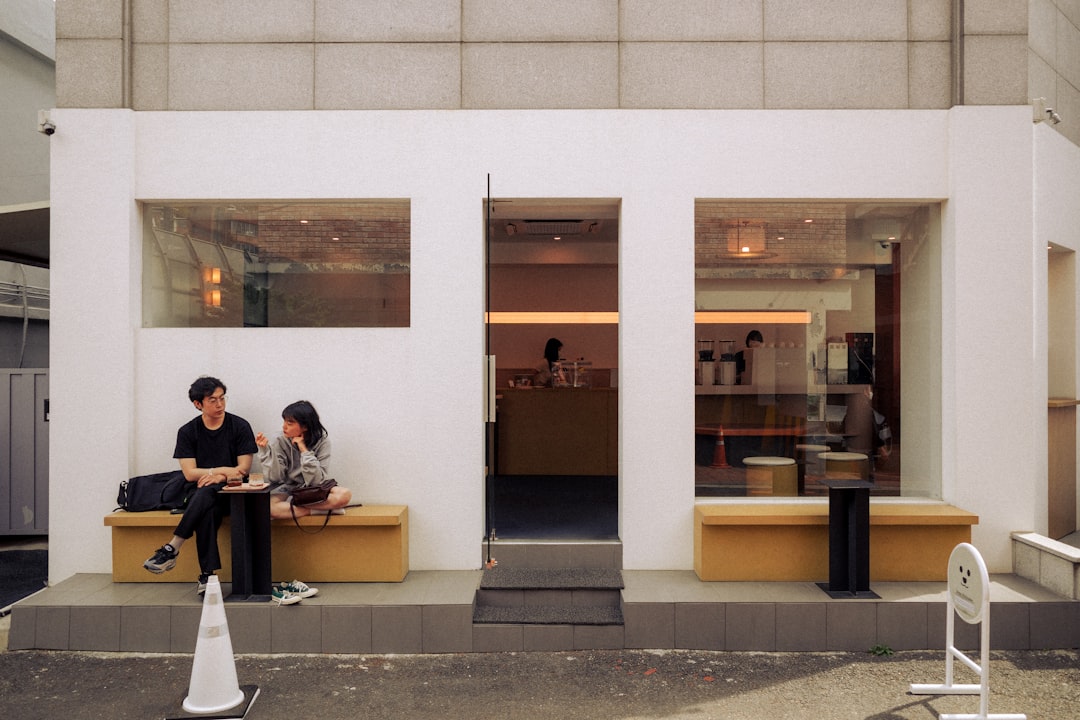
Picture this: it’s 10 PM on a Tuesday night in Seoul’s Gangnam district, and every single seat in a three-story cafe is occupied — not by people sipping lattes and chatting, but by students and young professionals hunched over laptops and textbooks in near-total silence. Welcome to Korean cafe study culture, a phenomenon that has transformed ordinary coffee shops into sacred temples of productivity. If you’ve ever scrolled through Korean YouTube vlogs or TikTok “study with me” videos, you’ve seen the aesthetic — warm lighting, perfectly organized desks, and hours of focused, uninterrupted work. But this isn’t just an aesthetic; it’s a deeply rooted cultural practice that has shaped how millions of Koreans approach education, career advancement, and self-improvement. This Korean cafe study room guide will take you inside this fascinating world, explain why it exists, how it works, and how you can bring the same productivity-boosting habits into your own life — whether you’re in Seoul, New York, or anywhere in between.
Why Koreans Study in Cafes: The Cultural Roots Behind the Trend
To understand the Korean cafe study room guide phenomenon, you first need to understand Korea’s intense relationship with education. South Korea consistently ranks among the top countries in the OECD’s Programme for International Student Assessment (PISA), and education is widely regarded as the single most important path to social mobility. The suneung (수능), Korea’s national college entrance exam, is so significant that flight schedules are adjusted on test day to reduce noise near exam centers.
The Pressure of Korea’s Education System
Korean students begin experiencing academic pressure as early as elementary school. By high school, it’s common for students to study 12 to 16 hours per day, attending regular school in the morning, private academies (hagwon) in the afternoon, and then heading to study spaces in the evening. According to the Korean Ministry of Education, over 74% of Korean students attend private tutoring or hagwon programs — a rate unmatched by virtually any other country.
This culture doesn’t end after college. Adults preparing for civil service exams (gosi), professional certifications, or career transitions continue the tradition well into their 30s and 40s. The demand for quiet, structured study environments is massive, and cafes have stepped in to fill that need in a way that Western countries are only beginning to understand.
Why Not Just Study at Home?
Korean apartments, particularly in cities like Seoul and Busan, tend to be compact. A typical one-room apartment (oneroom or officetels) might be 200–350 square feet. Sharing space with family members or roommates makes focused study nearly impossible. Study cafes provide what home cannot: dedicated desk space, minimal distractions, and social accountability.
There’s also a powerful psychological factor. When everyone around you is working hard, you feel compelled to do the same. Korean study cafes leverage this principle of social facilitation — the proven psychological effect where people perform better on tasks when others around them are doing the same activity. It’s the reason “study with me” live streams on YouTube attract millions of viewers worldwide.
Types of Korean Study Spaces: From Free Cafes to Premium Study Rooms

Not all Korean study spaces are created equal. The ecosystem ranges from regular coffee shops to purpose-built facilities with hourly rates and strict rules. Here’s a breakdown of every type you’ll encounter in this Korean cafe study room guide.
1. Regular Cafes (카페)
Major chains like Starbucks Korea, Ediya Coffee, A Twosome Place, and Mega Coffee are popular default study spots. You buy a drink and camp out for hours. However, some locations have started cracking down on long stays during peak hours, posting signs that say “2-hour limit” or “no laptops between 12–2 PM.” Starbucks Korea alone operates over 1,900 locations nationwide — more per capita than almost any other country — and many serve as de facto study rooms.
2. Study Cafes (스터디카페)
This is the category that truly defines the Korean cafe study room experience. Study cafes are commercial spaces specifically designed for focused work. They typically charge by the hour (₩1,500–₩3,000/hour, roughly $1.10–$2.20 USD) or offer monthly passes (₩100,000–₩200,000, about $75–$150 USD). Major chains include:
- TosStudy (토즈스터디센터) — One of the largest chains with 100+ locations, offering individual desks, group rooms, and lockers
- Caffeine Guseokgi (카페인구석기) — Known for cozy, cave-like individual booths
- Gongbang (공방) — Budget-friendly options popular with college students
- Dokseosil (독서실) — Traditional reading rooms that predate study cafes, with individual cubicles and strict silence rules
3. Coin Study Rooms (코인스터디)
A newer innovation, coin study rooms operate like vending machines for study space. You tap your card or insert coins, get assigned a desk number, and study for your purchased time. There’s no staff interaction, no ordering drinks, and no distractions. Rates start as low as ₩1,000 per hour ($0.75 USD). They’re open 24/7 and increasingly popular in university districts like Sinchon, Hongdae, and near Korea University.
If you’re exploring the Hongdae area specifically, our Hongdae Best Cafes and Bars Nightlife Guide 2026 covers many cafes that double as study-friendly spots during daytime hours.
4. Library Study Halls (도서관 열람실)
Korea’s public libraries and university libraries offer free study halls with assigned seating. Competition for seats is fierce — students line up before opening time, and some libraries use digital seat reservation systems where you scan a QR code to claim your spot. If you leave for more than 30 minutes without scanning out, your seat is automatically released.
Inside a Korean Study Cafe: What to Expect
Walking into a Korean study cafe for the first time can be slightly intimidating if you don’t know the etiquette. This section of our Korean cafe study room guide breaks down exactly what you’ll find inside and how everything works.
The Check-In Process
Most study cafes have a kiosk at the entrance where you select your time package and pay electronically (cash is rarely accepted). You’ll receive a desk number or choose from available seats on a digital floor map. Some premium locations offer different zones:
- Open seating area — Shared tables with dividers, good for light study
- Individual cubicle zone — Fully enclosed desks with walls on three sides, ideal for deep focus
- Premium room — Private enclosed spaces for small study groups (2–6 people), often used for exam preparation groups
- Standing desk area — A growing option at newer facilities for those who prefer to work on their feet
Amenities and Features
Korean study cafes go far beyond providing a desk and Wi-Fi. Here’s what you can typically expect:
- Free drinks — Most study cafes include unlimited self-serve coffee, tea, and sometimes juice or flavored water at a beverage station
- Snack bars — Cup ramen, rice balls, and packaged snacks available for purchase (₩1,000–₩3,000)
- Power outlets at every desk — Universal outlets with USB ports are standard
- Personal lighting — Adjustable LED desk lamps to customize your brightness
- Lockers — Secure storage for bags and valuables, often included with monthly passes
- Blankets and cushions — Many cafes provide these for comfort during long sessions
- White noise or ambient music — Played at low volume through ceiling speakers to mask minor sounds
- Printers and scanners — Available at premium locations for a small fee
The attention to physical comfort mirrors Korean culture’s holistic approach to wellness. If you’ve experienced a Korean jjimjilbang, you’ll recognize the same philosophy of creating a complete environment for a specific purpose. Our First Time Jjimjilbang Etiquette Tips: 2026 Complete Guide covers another iconic Korean communal space built on similar principles.
Noise Rules and Etiquette
Silence is sacred. Phone calls must be taken outside. Keyboard typing is tolerated, but mechanical keyboards with loud switches will earn you glares. Whispering in group rooms is acceptable, but the individual zones maintain library-level silence. Eating crunchy snacks is strongly frowned upon. Many study cafes post explicit rules near the entrance, and repeat violators can have their membership revoked.
Korean Cafe Study Room Guide: How to Maximize Your Productivity

Korean students and professionals have developed highly optimized study routines refined over decades of competitive academic culture. Here are the most effective strategies used by top performers in Korean study cafes.
The 50-10 Method
While the Western world popularized the Pomodoro Technique (25 minutes on, 5 minutes off), many Korean studiers prefer a 50-10 cycle — 50 minutes of focused study followed by a 10-minute break. This aligns with the typical Korean school class length and allows for deeper concentration periods. During breaks, students stretch, grab a drink, or do a quick walk around the cafe.
D-Day Countdown Boards
Walk into any study cafe near exam season and you’ll see students with small whiteboards or sticky notes displaying their “D-Day” countdown — the number of days until their exam. This visual pressure tool keeps motivation high. Many use apps like Yeolpumta (열품타), Korea’s most popular study timer app with over 5 million downloads, which tracks daily study hours and lets you compete with friends on weekly leaderboards.
Study Planner Culture
Korean students are obsessive planners. Study planners — physical notebooks with hourly time blocks, daily goals, and weekly reviews — are a massive market in Korea. Popular brands like Motemote, Indigo, and Paperian sell study planners specifically designed for exam preparation, with sections for subject-by-subject tracking, error logs, and motivational quotes. Many of these planners are now available on Amazon US and through Korean stationery sites like 10×10 and ArtBox.
Fueling those long study sessions requires the right nutrition. Korean students often meal-prep healthy options to bring to the cafe. Our 7 Korean Meal Prep Recipes for Weight Loss in 2026 has excellent portable options that work perfectly for study cafe lunches.
The “Study With Me” Phenomenon
Korea pioneered the “gongbang” (공방 / 공부방송) trend — live-streamed study sessions where creators film themselves studying for 8–12 hours straight. Top Korean study YouTubers like 하루공부 and 맛있는공부 attract hundreds of thousands of concurrent viewers. This trend has gone global, with students worldwide tuning in to feel the communal study cafe atmosphere from their own rooms.
Korean Study Culture vs. Western Study Habits: A Comparison
Understanding how Korean and Western study cultures differ can help you adopt the best practices from each. Here’s a detailed comparison:
| Aspect | Korean Study Culture | Western Study Culture |
|---|---|---|
| Average daily study hours | 8–16 hours (exam season) | 3–6 hours |
| Primary study location | Study cafes, libraries, hagwon | Home, university library, coffee shops |
| Dedicated study spaces | Entire industry (study cafes, coin rooms) | Emerging (co-working spaces) |
| Social accountability | Study groups, timer apps, leaderboards | Individual responsibility |
| Exam pressure | Extremely high (suneung culture) | Varies by institution |
| Cost of study spaces | $0.75–$2.20/hour or $75–$150/month | Free (library) or $5+ coffee shop purchase |
| Noise tolerance | Near-zero in study zones | Background noise often accepted |
The biggest takeaway? Korean study culture treats studying as a structured, communal, and environment-dependent activity, while Western culture tends to treat it as an individual exercise. Neither approach is inherently better — but combining Korean environmental design with Western emphasis on understanding over memorization creates a powerful hybrid approach.
How to Recreate the Korean Study Cafe Experience at Home or in the US

You don’t need to fly to Seoul to benefit from this Korean cafe study room guide. Here’s how to bring the experience to your own city or even your apartment.
Find Korean-Style Study Spaces in the US
Korean-style study cafes are emerging in major US cities with significant Korean-American populations. Look for these options:
- Studyville and StudyStream spaces — Popping up in cities like Los Angeles, New York, and Atlanta
- Korean-owned cafes in Koreatown areas — LA’s Koreatown, NYC’s Flushing, and Atlanta’s Duluth have cafes that naturally attract studious crowds
- Co-working spaces with quiet zones — WeWork, Industrious, and similar spaces offer day passes ($20–$40) with dedicated quiet areas
- University libraries — Many US universities allow community members to use reading rooms with a guest pass
Build a Korean Study Setup at Home
Transform a corner of your room into a Korean-style study zone with these essentials:
- Desk divider or privacy panel — Available on Amazon for $20–$40. Creates the cubicle effect that blocks visual distractions
- LED desk lamp with adjustable color temperature — Korean students prefer warm white (3000K–4000K) for evening study
- Korean study planner — Order Motemote or Indigo planners from Amazon or YesStyle ($8–$15)
- Yeolpumta app — Free on iOS and Android. Set daily study goals and track your hours
- White noise machine or app — Replicate the ambient sound of a study cafe
- A dedicated “study drink” station — Keep instant coffee, tea bags, and water within arm’s reach so you never need to leave your zone
Korean Study Snacks to Keep You Fueled
Korean students swear by specific study snacks that provide steady energy without sugar crashes. Popular choices available at most Asian grocery stores or H Mart in the US include:
- Yakult or Banana Milk — Quick protein and probiotic boost
- Honey Butter Almonds — The iconic Korean snack for sustained energy
- Gimbap (Korean rice rolls) — Easy to eat quietly, nutritious and filling
- Red Ginseng Extract — KGC Cheong Kwan Jang brand is the gold standard; believed to boost concentration and stamina
- Hot bar (fish cake on a stick) — Available at Korean convenience stores and H Mart delis
For a heartier study break meal, nothing beats Korean fried chicken. Our Korean Fried Chicken Recipe: Crispy Double Fry Method 2026 is perfect for batch-cooking a week’s worth of study fuel.
Best Korean Study Cafes to Visit in Seoul
Planning a trip to Korea? Experiencing a real study cafe is a must-do cultural activity. Here are the best spots to try according to local students, organized by neighborhood. For broader travel planning, Visit Korea’s official tourism site has comprehensive guides to each district.
Gangnam / Seocho Area
TosStudy Gangnam Branch is the flagship location with over 200 seats across three floors. Monthly passes start at ₩150,000 ($112 USD). The building also houses a convenience store and a healthy meal delivery pickup point. This area is popular with professionals studying for the Korean bar exam and CPA certification.
Sinchon / Hongdae Area
Home to Yonsei, Sogang, and Ewha universities, this district has the highest density of study cafes in Seoul. Budget-friendly coin study rooms line the streets between the three campuses. Expect to pay as little as ₩1,000/hour. After a long study session, the nightlife scene is just steps away.
Noryangjin
This neighborhood is legendary as Korea’s “exam village.” Thousands of civil service exam aspirants live and study here, and the entire area is built around their needs — affordable goshiwon (tiny exam prep housing), 24-hour study rooms, cheap restaurants, and copy shops. It’s an intense, almost monastic experience that reveals the extreme end of Korean study culture.
While you’re exploring Seoul, consider pairing your study cafe visit with day trips to nearby attractions. Our Nami Island Rail Bike Day Trip 2026: Complete Guide offers a perfect way to recharge between study sessions.
The Mental Health Conversation: Balancing Study Culture and Wellbeing
No Korean cafe study room guide would be complete without addressing the serious mental health implications of Korea’s intense study culture. While the productivity and discipline are admirable, the pressure has a documented darker side.
The Burnout Crisis
South Korea has one of the highest rates of student stress in the developed world. A 2024 survey by the Korean Educational Development Institute found that 53% of high school students reported experiencing significant anxiety related to academic performance. Sleep deprivation is normalized — many students average only 5–6 hours of sleep during exam preparation periods.
The Korean government has taken steps to address this, including enforcing hagwon curfews (private academies must close by 10 PM in most districts) and funding school counseling programs. Some study cafes now display mental health hotline information and enforce “rest zones” where studying is not allowed.
Adopting the Good, Leaving the Extreme
The goal of this guide isn’t to encourage 16-hour study marathons. Instead, take these healthy lessons from Korean study culture:
- Environment matters — Dedicate a specific space for focused work, separate from relaxation areas
- Community helps — Study with others (in-person or virtually) for accountability
- Structure beats willpower — Use timers, planners, and scheduled breaks instead of relying on motivation
- Set boundaries — Korean professionals increasingly advocate for “smart studying” over “long studying”
Self-care is part of the equation. Korean culture’s holistic approach extends beyond study — K-Beauty routines, for instance, are as much about mental wellbeing as skin health. Check out our 7 Best Korean Lip Tints for Dry Lips in 2026 for study-friendly, low-maintenance beauty picks that keep you looking fresh during marathon sessions.
Frequently Asked Questions About Korean Cafe Study Rooms
How much does it cost to use a Korean study cafe?
Prices vary by location and type. Coin study rooms start at ₩1,000/hour (~$0.75 USD). Standard study cafes charge ₩1,500–₩3,000/hour (~$1.10–$2.20 USD). Monthly passes range from ₩100,000–₩200,000 (~$75–$150 USD) and often include perks like a personal locker and unlimited drinks. Premium locations in Gangnam can charge up to ₩250,000/month (~$185 USD).
Can foreigners use Korean study cafes?
Absolutely. Most study cafes use automated kiosks that accept international credit cards, so language barriers are minimal. The kiosks often have English interface options. You don’t need a Korean phone number or ID for hourly use, though monthly passes at some chains may require a Korean phone number for the membership app. Tourists can stick to hourly or daily passes without any issues.
Are Korean study cafes open 24 hours?
Many are. Coin study rooms are almost always 24/7, since they’re unmanned. Staffed study cafes typically operate from 7 AM to midnight or 2 AM, with some locations in university districts like Sinchon and near Noryangjin offering full 24-hour access. During major exam seasons (October–November for suneung, spring for gosi), some cafes extend their hours.
What should I bring to a Korean study cafe?
Bring your laptop or study materials, earphones (not speakers), a charger, and a light jacket (study cafes tend to run their air conditioning aggressively). Most cafes provide drinks, blankets, and desk lamps, so you don’t need to bring those. Avoid bringing strongly scented food — cold gimbap is acceptable, but hot food that produces strong aromas is generally not welcome.
Are there study cafes like this in the United States?
The concept is growing but still niche in the US. Cities with large Korean-American communities — Los Angeles, New York, Dallas, Atlanta, and the DC metro area — have the best options. Search for “study cafe” or “study room” on Google Maps in Koreatown neighborhoods. Co-working spaces like WeWork and Selina offer similar environments but at a higher price point ($20–$50/day vs. Korea’s $1–$2/hour). Some US libraries have also started creating dedicated silent study rooms inspired by the Korean model.
Can I eat inside a Korean study cafe?
Most study cafes allow quiet snacks — things like gimbap, sandwiches, granola bars, and packaged snacks. Many have a separate eating area or lounge zone where you can consume noisier foods. Hot food, crunchy chips, and anything with a strong smell should be eaten in the designated break area, not at your study desk. Cup ramen is available at many cafes but is meant to be eaten in the kitchen/break area.
Related Posts You Might Enjoy
- How to Become a K-Pop Trainee From Overseas in 2026 — The same discipline that fuels Korean study culture drives the K-Pop trainee system
- 7 Hardest K-Pop Choreographies to Learn in 2026 — When Korean students need a study break, dance practice is the ultimate reset
- Why Koreans Love Cats So Much: 7 Cultural Reasons (2026) — Cat cafes and study cafes are two of Korea’s most iconic cafe culture innovations
Suggested future articles:
- Best Korean Stationery Brands for Study Planners and Journaling 2026
- Korean Exam Day Traditions and Superstitions: A Complete Guide
- Top 10 Study With Me Korean YouTube Channels to Boost Your Productivity
Ready to Transform Your Study Habits?
Korean study culture has been refined through decades of intense academic competition, and the Korean cafe study room concept is one of its greatest exports. Whether you visit a real study cafe on your next trip to Seoul, find a Korean-style space in your city, or build your own study zone at home with the tips in this guide, you’re tapping into a proven system that has helped millions of people achieve their academic and professional goals.
Now it’s your turn. Have you ever studied in a Korean cafe? Are you planning to try the coin study room experience on your next trip? Or maybe you’ve already built a Korean-inspired study setup at home? Drop a comment below and tell us about your experience — we’d love to hear your study cafe stories and tips.
If this Korean cafe study room guide helped you, share it with a friend who’s always looking for the perfect study spot. And don’t forget to bookmark this page — we update our guides regularly with new cafe recommendations, product links, and reader tips. Hit that share button and help someone discover the study method that could change their productivity forever. 📚☕