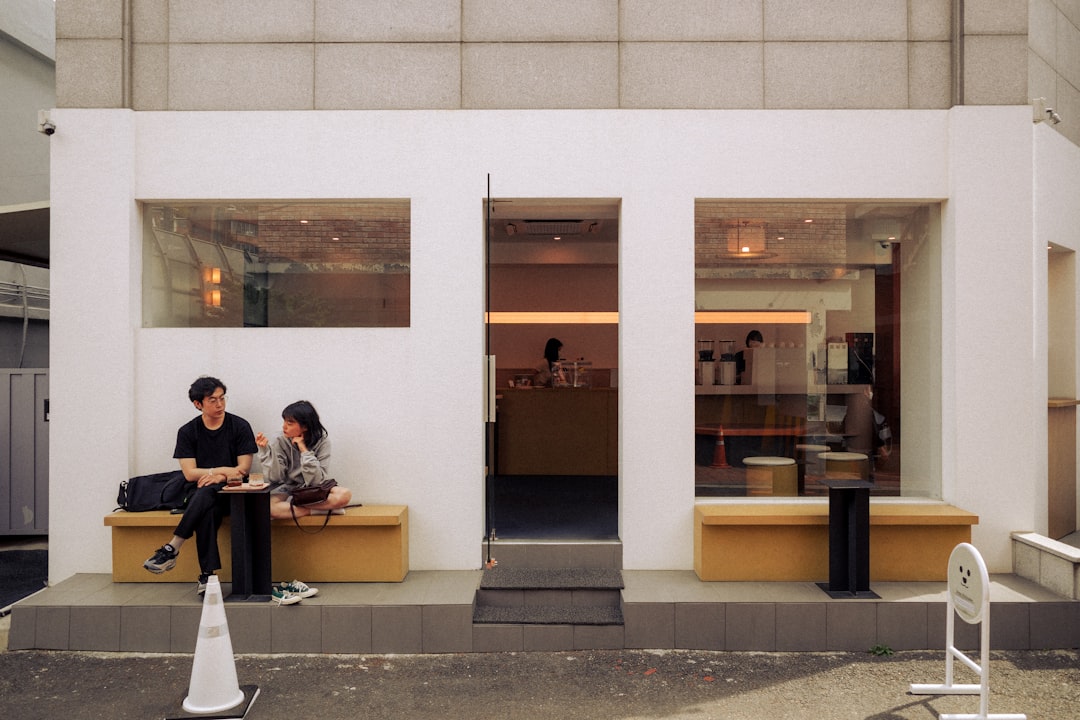
Picture this: it’s 11 PM on a Tuesday night in Seoul’s Gangnam district, and every single seat in a sleek, minimalist cafe is occupied — not by people sipping lattes and chatting, but by students and young professionals hunched over laptops and textbooks in near-total silence. Welcome to the Korean cafe study room experience, a cultural phenomenon that has transformed how an entire nation approaches learning, productivity, and even socializing. In South Korea, studying isn’t just something you do at home or in a library. It’s a lifestyle, a shared ritual, and increasingly, a booming industry that generates over ₩2 trillion (approximately $1.5 billion) annually. From purpose-built “study cafes” with timed seating to cozy independent coffee shops where the unspoken rule is silence after 9 PM, Korea has perfected the art of turning caffeine into concentration.
Why Koreans Study in Cafes: The Cultural Roots Behind the Trend
To truly understand the Korean cafe study room experience, you need to understand the cultural forces that created it. South Korea’s education system is one of the most competitive in the world, and that intensity doesn’t end after high school or college. It extends well into adult life, shaping career preparation, professional certification, and even personal development habits.
The Suneung Effect: How University Entrance Exams Shape Everything
Every November, South Korea essentially shuts down for the College Scholastic Ability Test (수능, Suneung). Planes are grounded during the listening section. Police escort late students to exam sites. The entire nation collectively holds its breath. This single exam determines university placement, which in Korean society heavily influences career trajectory, social status, and even marriage prospects.
The pressure starts early — many Korean students begin serious exam preparation in middle school, attending hagwons (학원), or private academies, until 10 or 11 PM. By high school, 16-hour study days are common. This creates a deeply ingrained habit: studying is not a solo activity done in isolation but a communal, structured experience that benefits from shared environments. How Do K-Pop Trainees Get Selected? 2026 Complete Guide — the same grueling discipline that shapes K-Pop training also defines Korea’s academic culture.
Small Living Spaces and the Need to Escape
Another practical reason behind the cafe study trend is housing. The average apartment in Seoul is roughly 60 square meters (about 645 square feet), and many young Koreans live in goshiwons (고시원) — tiny rooms as small as 3.3 square meters (35 square feet) originally designed for exam preparation. These rooms often lack proper desks, ventilation, or even windows.
When your living space is barely large enough to sleep in, a well-designed cafe with fast Wi-Fi, comfortable seating, and unlimited coffee becomes your de facto office and study hall. For many Korean students, the Korean cafe study room experience isn’t a luxury — it’s a necessity born from practical constraints.
Social Accountability and “Together Alone” Culture
There’s a fascinating Korean concept embedded in cafe study culture: “혼공” (hongong), short for “혼자 공부하다” meaning “studying alone.” But ironically, many Koreans prefer to do hongong surrounded by other people. The presence of fellow studiers creates a form of social accountability — seeing others focused makes you focused. It’s the same principle behind “study with me” YouTube livestreams, many of which originate from Korean creators and attract millions of viewers worldwide.
Study Cafes vs. Regular Cafes: Understanding the Korean Cafe Study Room Experience

Not all cafes in Korea are created equal when it comes to studying. There’s a critical distinction between a regular cafe (카페) and a study cafe (스터디카페), and choosing the wrong one can lead to awkward social situations or wasted money.
Study Cafes (스터디카페): The Purpose-Built Productivity Spaces
Study cafes are dedicated, paid study spaces that operate more like co-working spaces than traditional cafes. They’ve exploded in popularity since around 2015, and today there are an estimated 8,000+ study cafes across South Korea. Major chains include Toz Study Cafe, Cabin Study Cafe, Reading N, and Danggeun Study Cafe.
Here’s what a typical study cafe offers:
- Timed entry: You pay by the hour (₩1,500–₩3,000/hour, roughly $1.10–$2.20) or buy packages (e.g., 50 hours for ₩50,000 / $37)
- Individual cubicles: Partitioned desks with personal lighting and power outlets
- Free drinks: Unlimited self-service coffee, tea, and sometimes snacks
- Strict silence policy: No phone calls, no conversations, no music without headphones
- 24/7 operation: Many study cafes never close, catering to overnight crammers
- CCTV monitoring: For safety during late-night hours
- Premium seating options: Some offer “focus rooms,” reclining chairs, or standing desks at higher rates
Regular Cafes: The Unwritten Rules
Many Koreans still study at regular coffee shops — Starbucks, Ediya Coffee, Mega Coffee, and Compose Coffee are popular choices. However, there’s a complex set of unwritten etiquette rules that govern cafe studying:
- Order at least one drink per 2 hours — sitting for 4+ hours on a single Americano is frowned upon
- Avoid peak hours (2–5 PM on weekends) — studying during busy times when people want seats for socializing is considered rude
- Don’t take up large tables solo — stick to window bars or two-person tables
- Keep your belongings compact — spreading textbooks across multiple seats is a social faux pas
- Be mindful of noise — typing loudly on a mechanical keyboard will earn you disapproving looks
Some cafes have started posting signs that say “카공족 환영” (cafe studiers welcome) or, conversely, “장시간 이용 자제” (please refrain from extended stays). The term “카공족” (kagongjok) literally means “cafe study tribe” and has become a widely recognized social identity in Korea.
Side-by-Side Comparison
| Feature | Study Cafe (스터디카페) | Regular Cafe (일반 카페) |
|---|---|---|
| Cost | ₩1,500–₩3,000/hr ($1.10–$2.20) | ₩4,500–₩7,000 per drink ($3.30–$5.15) |
| Noise Level | Near silent | Varies (background music, chatter) |
| Hours | 24/7 (most locations) | Typically 8 AM–10 PM |
| Drinks | Free, unlimited (basic options) | Paid per order |
| Seating | Individual cubicles | Shared tables, sofas |
| Atmosphere | Library-like, focused | Social, ambient |
| Best For | Deep focus, exam prep, long sessions | Casual study, group projects, light work |
A Day in the Life: What the Korean Cafe Study Room Experience Actually Looks Like
Let’s walk through a typical day for Jihye, a 24-year-old preparing for the CPA exam in Seoul. Her routine represents millions of Korean young adults who have made cafe studying their daily lifestyle.
Morning Routine (7:00 AM – 12:00 PM)
Jihye wakes up at 6:30 AM in her small one-room apartment (원룸) near Noryangjin — a neighborhood famous for its concentration of exam preparation academies. She eats a quick breakfast of gimbap from a convenience store and walks to her regular study cafe, Toz Study Cafe, arriving by 7:15 AM.
She taps her membership card at the kiosk, which logs her in and starts her timer. She heads to her preferred cubicle — #47, near the window — and arranges her materials: a tablet for digital notes, physical textbooks, colored pens, and a planner. She grabs a free Americano from the self-serve machine and begins her first “Pomodoro” block (50 minutes of focus, 10-minute break).
Afternoon Session (1:00 PM – 6:00 PM)
After a quick lunch at a nearby kimbap cheongguk (김밥천국) — a budget Korean eatery — Jihye returns for her afternoon block. This is when the study cafe fills up. By 2 PM, every single seat is occupied. Latecomers check the cafe’s app to see real-time seat availability at other branches.
During her 3 PM break, she scrolls through “공시생” (gongsi-saeng, public exam preparation student) communities on the app Everytime and Reddit-like platform DC Inside, sharing study tips and motivating each other. Korean Street Food Markets by City: 2026 Ultimate Guide — many students plan their evening meals around nearby street food options for affordable, quick dining.
Evening Wind-Down (7:00 PM – 11:00 PM)
Jihye switches to review mode — going over flashcards, solving practice problems, and planning tomorrow’s schedule. Around 9 PM, she moves from her cubicle to the cafe’s “lounge zone” — a slightly more relaxed area with sofas — for lighter review. She leaves at 11 PM, having logged 13 hours of study time, carefully tracked by the cafe’s system and her own app, Yeolpumta (열품타), which records study hours and lets her compete with friends.
The Technology Behind Korean Study Culture

Technology plays a massive role in the Korean cafe study room experience. Korea’s tech-forward culture has produced an ecosystem of apps, devices, and platforms that enhance and gamify the study process.
Study Timer Apps: Yeolpumta and Forest
Yeolpumta (열품타) — meaning “selling passion timer” — is Korea’s most popular study tracking app with over 5 million downloads. It lets users:
- Track daily and weekly study hours with precision
- Join virtual study rooms with up to 50 people
- Compete on leaderboards ranked by total hours studied
- Set daily goals and receive streak notifications
- Share study planner screenshots on social media
The app Forest, originally developed in Taiwan but hugely popular in Korea, uses a gamification approach: you plant a virtual tree that grows while you study and dies if you touch your phone. Korean students have collectively grown millions of virtual trees, and the company has planted real ones through partnerships with environmental organizations.
“Study With Me” Livestreams and YouTube Culture
Korean YouTubers pioneered the “study with me” (같이 공부해요) video format that has gone global. Channels like The Hanyang, 순공순삭, and Medi Joa stream 8–12 hours of silent studying daily, attracting hundreds of thousands of concurrent viewers. These streams replicate the social accountability of a study cafe — viewers feel like they’re studying alongside someone, even from their bedroom.
Some creators film inside actual study cafes, giving international viewers a window into the authentic Korean cafe study room experience. The aesthetic — clean desks, warm lighting, neatly arranged stationery — has become part of the broader “studygram” movement on Instagram, where Korean study aesthetics consistently rank among the most popular content.
Study Cafe Chains You Should Know: A Comprehensive Guide
If you’re planning a trip to Korea or simply curious about the options, here are the top study cafe chains that define the industry:
Top Study Cafe Chains in Korea
- Toz Study Cafe (토즈) — Over 200 locations nationwide. Known for clean facilities, group study rooms, and a reliable app for reservations. Pricing starts at ₩1,800/hour.
- Cabin Study Cafe — Popular in university districts (Sinchon, Hongdae, Konkuk). Features “cabin” style individual rooms for extra privacy. Premium but worth it for long sessions.
- Reading N (리딩앤) — Focused on a library-like atmosphere. Bookshelves line the walls, and the aesthetic is cozy and intellectual. Popular among older professionals.
- Danggeun Study Cafe (당근스터디카페) — Budget-friendly chain popular with high school students. Often located near hagwon districts.
- Kaps Study Cafe — 24/7 operation with premium amenities including massage chairs, nap rooms, and healthy snack bars.
For visitors wanting to immerse in Korean culture, spending a few hours at a study cafe is a more authentic experience than many tourist activities. Visit Korea’s official guide has neighborhood guides that can help you locate study cafes near popular tourist areas.
How to Recreate the Korean Cafe Study Room Experience at Home

You don’t need to fly to Seoul to benefit from Korean study culture. The principles behind the Korean cafe study room experience are universal, and with the right setup, you can replicate them anywhere.
Physical Setup: Creating Your Study Cafe Corner
Korean study spaces emphasize minimalism, warmth, and function. Here’s how to recreate that environment:
- Desk lamp with warm lighting (3000K–4000K): Korean study cafes avoid harsh fluorescent lights. A warm desk lamp reduces eye strain during long sessions.
- Noise-canceling headphones or white noise: Play “cafe ambience” playlists on YouTube — many are recorded in actual Korean cafes.
- Korean stationery: Brands like MILDLINER, Monami 153, and Livework are affordable and widely available on Amazon US. Korean stationery is part of the ritual.
- A dedicated timer: Use the Yeolpumta app (available in English) or a physical timer to structure Pomodoro sessions.
- Minimal desk policy: Only what you need for the current task. Koreans are meticulous about desk organization.
The Right Drinks: Korean Study Fuel
No Korean cafe study room experience is complete without the right beverages. Korean students have specific drink preferences optimized for long study sessions:
- Iced Americano (아이스 아메리카노): The undisputed king. Koreans drink it year-round, even in winter. It’s affordable (₩1,500 at budget chains like Compose Coffee) and keeps you alert without being too sweet.
- Yuzu Tea (유자차): A caffeine-free alternative popular in evening study sessions. You can find Korean yuzu tea concentrate at H Mart and most Asian grocery stores in the US.
- Honey Butter Almond Milk: A trending drink at Korean cafes in 2025–2026, combining plant milk with Korea’s beloved honey butter flavor.
- Vita 500: A vitamin C drink that’s basically Korea’s answer to Emergen-C. Students drink it for an energy boost without caffeine jitters.
7 Traditional Korean Desserts to Try in 2026 — many study cafes now serve traditional Korean snacks like hotteok and bungeoppang alongside standard cafe fare, blending study culture with food culture.
Digital Tools and Apps Available Worldwide
Several Korean-origin study tools are available globally:
- Yeolpumta: Available on iOS and Android in English, Japanese, and Korean
- Forest: Available worldwide, premium version offers team planting
- Notion: While not Korean, it’s massively popular among Korean students for study planning — search “Notion study template Korean” for beautifully designed free templates
- Goodnotes / Notability: iPad note-taking apps with large Korean user communities sharing study note templates
Korean Study Culture vs. Western Study Culture: Key Differences
The Korean cafe study room experience differs from Western study habits in several fundamental ways. Understanding these differences helps explain why the Korean approach has become so influential globally.
| Aspect | Korean Approach | Western (US) Approach |
|---|---|---|
| Study Duration | 10–16 hours/day during exam periods | 3–6 hours/day is considered intensive |
| Environment | Dedicated study cafes, libraries, hagwons | Home, university library, coffee shops |
| Social Element | Studying near others for accountability | Often solitary or in small study groups |
| Technology | Timer apps, gamified tracking, study streams | Less structured, app use varies |
| Food/Drink | Iced Americano, convenience store meals, energy drinks | Varied, less ritualized |
| Cultural Status | Studying hard = respected, visible identity | Studying hard can be seen as “nerdy” |
| Cost | ₩50,000–150,000/month ($37–$110) for study cafe membership | Library (free), Starbucks ($5–8/visit) |
Korean Makeup vs Western Makeup: 7 Key Differences in 2026 — just as Korean beauty standards differ significantly from Western norms, Korean academic culture operates on fundamentally different assumptions about effort, environment, and community.
What Americans Can Learn from Korean Study Culture
While the extreme hours of Korean study culture aren’t necessarily healthy or desirable, several principles transfer beautifully to a Western context:
- Environment matters: Dedicated study spaces outperform multitasking on the couch. Even designating one corner of your room as “study only” can boost focus.
- Social accountability works: Studying near others — even virtually through “study with me” streams — increases productivity by 20–30% according to research from Seoul National University.
- Time tracking builds awareness: Most people overestimate how much they actually study. Using a timer app reveals the truth and motivates improvement.
- Routine over motivation: Korean students don’t wait to “feel like studying.” They go to the study cafe at the same time every day. The environment triggers the behavior.
The Dark Side: Burnout, Mental Health, and Finding Balance
No honest discussion of Korean study culture is complete without addressing its darker aspects. The same intensity that drives academic achievement also contributes to serious mental health challenges.
The Pressure Cooker Problem
South Korea has one of the highest rates of academic stress among OECD nations. A 2024 survey by the Korean Educational Development Institute found that 73% of high school students reported feeling “extreme stress” related to academic performance. The study cafe industry, while convenient, can also enable unhealthy study habits — some students spend 18+ hours per day in these spaces, barely eating or sleeping.
The term “시체공부” (shiche gongbu) — literally “corpse studying” — describes the state of studying so long that your body is physically present but your mind has checked out. It’s a common sight in study cafes after midnight: students staring blankly at textbooks, too exhausted to absorb anything but too anxious to leave.
The Shifting Conversation
Encouragingly, Korean society is increasingly acknowledging these pressures. The government has implemented policies limiting hagwon operating hours (officially capped at 10 PM, though enforcement varies). Mental health apps like Trost and Mind Cafe have gained millions of Korean users. Some study cafes now include “rest zones” with meditation guides and nap pods, recognizing that rest is part of effective studying.
If you’re adopting elements of Korean study culture, take the productive habits without the destructive extremes. The goal is sustainable productivity, not burnout disguised as discipline.
Frequently Asked Questions About Korean Cafe Study Rooms
How much does it cost to use a study cafe in Korea?
Most study cafes charge between ₩1,500–₩3,000 per hour ($1.10–$2.20 USD). Monthly memberships range from ₩50,000–₩150,000 ($37–$110). This typically includes unlimited basic drinks (coffee, tea, water). Premium options like private rooms or reclining seats cost 30–50% more. Compared to buying multiple coffees at a regular cafe, study cafes are often more economical for sessions longer than 3 hours.
Can tourists use Korean study cafes?
Absolutely. Most study cafes use automated kiosk systems that accept credit cards and don’t require membership. Some have English-language options on their kiosks, especially in areas like Gangnam, Hongdae, and Itaewon. Simply walk in, select your time at the kiosk, pay, and find a seat. It’s a fantastic and affordable way to experience authentic Korean daily life beyond typical tourist attractions. Check Visit Korea for neighborhood guides near your accommodation.
Are there study cafes outside of Korea?
The concept is spreading globally. In the US, Korean-style study cafes have opened in cities with large Korean-American communities, including Los Angeles (Koreatown), New York (Flushing and Manhattan), and Dallas. Brands like StudyStream offer virtual study rooms inspired by Korean cafe culture. Co-working spaces like WeWork have also adopted elements of the Korean study cafe model, particularly the timed-entry and quiet-zone concepts.
What’s the etiquette for studying at a regular Korean cafe?
Order at least one drink every 2 hours. Avoid peak social hours (weekend afternoons). Use headphones. Keep your space compact. Don’t make phone calls. Look for signs indicating whether the cafe welcomes studiers (카공족 환영) or prefers shorter stays. When in doubt, choose a study cafe instead — it’s designed for exactly this purpose.
What do Korean students eat while studying all day?
Convenience stores (CU, GS25, 7-Eleven) are the study cafe student’s best friend. Popular study fuel includes triangle gimbap (삼각김밥), cup ramyeon, protein bars, and banana milk. Many study cafe districts also have affordable baekban (백반, set meal) restaurants offering full Korean meals for ₩6,000–₩8,000 ($4.40–$5.90). 7 Traditional Korean Desserts to Try in 2026 are also popular as study break treats, especially items like bungeo-ppang (fish-shaped pastry) from street vendors.
Related Posts You Might Enjoy
- Korea Autumn Foliage Best Time 2026: Top 7 Spots — Plan your Korea trip around both study cafes and stunning fall scenery
- How to Buy K-Pop Concert Tickets in Korea: 2026 Guide — Another essential guide for navigating Korean culture
- Korean Street Food Markets by City: 2026 Ultimate Guide — Fuel your study sessions with the best street food near you
Suggested future articles:
- Best Study Cafe Chains in Seoul: 2026 Complete Ranking
- Korean Stationery Brands You Can Buy in the US: 2026 Guide
- How Korean Students Use Notion for Study Planning: Templates and Tips
Final Thoughts: Why the Korean Cafe Study Room Experience Is Going Global
The Korean cafe study room experience isn’t just a quirky cultural phenomenon — it’s a carefully evolved system that addresses fundamental human needs: the need for structure, the need for community, and the need for a space that says, “This is where I come to focus.” Whether you’re a student preparing for the bar exam, a remote worker battling distraction, or someone who simply wants to read more books, there’s something powerful about Korean study culture’s core insight: environment shapes behavior.
You don’t need to study 16 hours a day. You don’t need to move to Seoul. But you can borrow the principles that make this system work — dedicated spaces, social accountability, structured time, and the simple act of showing up — and apply them to your own life.
The next time you settle into a coffee shop with your laptop, try the Korean way: set a timer, put on those headphones, and let the ambient energy of strangers-studying-alongside-you do its magic. You might be surprised at what you accomplish.
Have you tried studying at a Korean cafe or study cafe? Are you a “카공족” at heart? Drop your experiences, tips, and questions in the comments below — we’d love to hear how you’ve adapted Korean study habits to your own routine. If this article helped you understand Korean study culture, share it with a friend who could use a productivity boost. And don’t forget to subscribe to our newsletter for more deep dives into Korean culture, lifestyle, and travel tips every week.