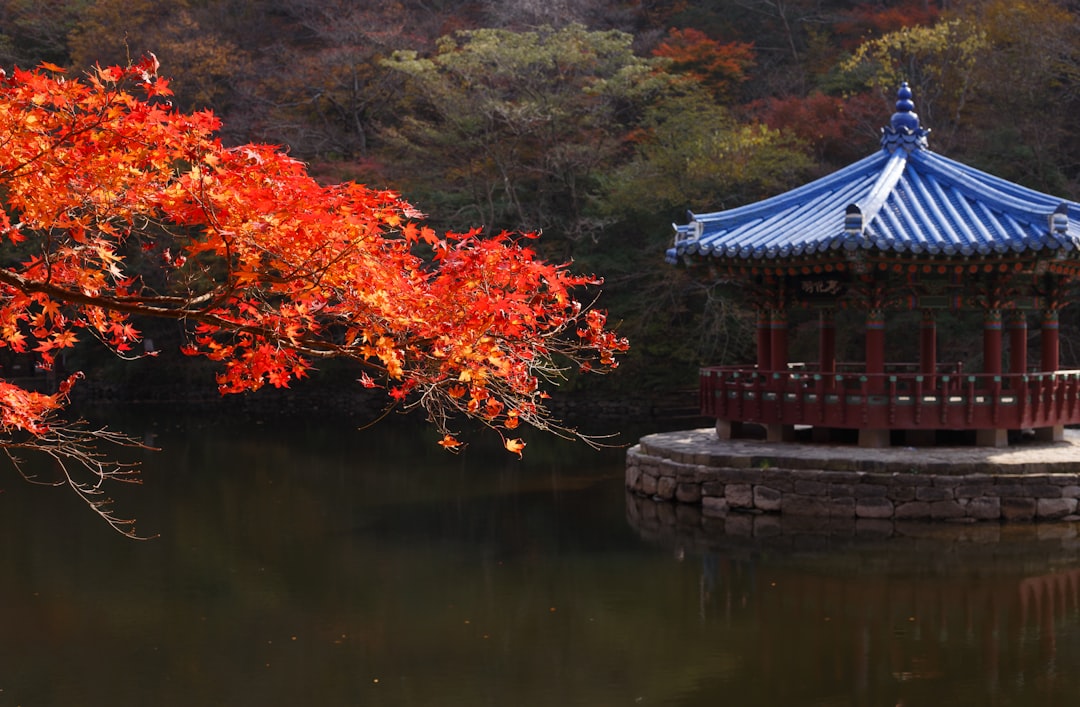
Why Korea Autumn Foliage Should Be on Every Traveler’s Bucket List in 2026
I still remember the exact moment I fell in love with Korean autumn. I was standing on a wooden bridge in Naejangsan National Park, surrounded by a tunnel of blazing red and orange maple trees, when a gentle breeze sent thousands of crimson leaves spiraling into the valley below. It felt like stepping inside a painting — except the air smelled like roasted chestnuts from a nearby vendor, and the crunch of fallen leaves underfoot was impossibly satisfying.
Korea’s autumn foliage season is genuinely one of the most spectacular natural displays on Earth, yet it remains surprisingly under-the-radar compared to Japan’s fall colors or New England’s leaf-peeping tradition. The korea autumn foliage best time 2026 window is relatively short — roughly late September through mid-November — but the intensity of color, the accessibility of viewing spots, and the sheer variety of landscapes make it absolutely worth planning a trip around.
In this guide, I’m sharing everything you need to know: the best destinations ranked by peak timing, exactly how to get there on a budget, what to pack, and the insider tricks that separate a good autumn trip from an unforgettable one. Whether you’re a first-time visitor or a Korea veteran, this is the definitive resource for korea autumn foliage best time 2026.
When Is the Best Time for Korea Autumn Foliage in 2026?

Timing is everything with Korean fall foliage. Unlike cherry blossom season, which sweeps north to south, autumn colors move from north to south and from mountaintops to valleys. This means you can actually chase peak foliage for nearly six weeks if you plan your route strategically.
2026 Foliage Forecast by Region
The Korea Meteorological Administration (KMA) releases official foliage forecasts each September. Based on historical data and climate trends, here’s what to expect for korea autumn foliage best time 2026:
| Region | First Color Change | Peak Foliage | Best For |
|---|---|---|---|
| Seoraksan (Gangwon) | Late September | Oct 10–25 | Mountain drama, first colors |
| Seoul (city parks) | Mid-October | Oct 25–Nov 10 | Urban foliage, accessibility |
| Naejangsan (Jeolla) | Mid-October | Nov 1–15 | Most vibrant reds |
| Gyeongju (Gyeongsang) | Late October | Nov 1–15 | History + foliage combo |
| Jirisan (South) | Mid-October | Oct 20–Nov 5 | Serious hikers |
| Jeju Island | Late October | Nov 5–20 | Latest colors, mild weather |
How Climate Affects the 2026 Season
Korean autumns have been shifting slightly later over the past decade due to warming temperatures. In the early 2000s, Seoul’s peak was reliably the last week of October; now it’s pushing into early November. The best strategy is to target late October to early November for central and southern Korea, which gives you the widest window of vibrant color.
Temperature swings between day and night trigger the most vivid reds and oranges. A cool, dry September followed by sunny October days and chilly nights produces the most intense foliage — and 2026 forecasts suggest exactly that pattern. Download the Naver Map app and search “단풍” (danpung, meaning autumn leaves) for real-time crowd and color reports from Korean hikers.
Korea Tourism Official Foliage Guide
Top 8 Korea Autumn Foliage Destinations, Ranked
After visiting over 20 foliage spots across the country over multiple autumn trips, these are my definitive top picks. I’ve ranked them by overall experience — factoring in color intensity, accessibility, crowds, and the “wow factor” that makes you stop and stare.
1. Naejangsan National Park — The Undisputed King
Naejangsan is to Korean autumn what Yosemite is to American national parks — the iconic flagship. The park’s signature feature is a 300-meter tunnel of Japanese maple trees leading to Naejangsa Temple, and when these trees hit peak color in early November, the effect is almost surreal. The reds here aren’t just red — they’re crimson, scarlet, and wine-burgundy layered against deep green pines.
The Naejangsan Cable Car ($8 round trip) takes you to an observation deck with 360-degree views of the entire valley. On a clear day, you can see ridgelines painted in red, orange, gold, and green stretching to the horizon. The 8.4 km Naejangsan Ridge Trail is challenging but rewards you with the best aerial perspectives. For an easier walk, the 3 km loop trail from the parking lot to the temple and back is flat and family-friendly.
Getting there: Take the KTX from Seoul’s Yongsan Station to Jeongeup Station (about 1 hour 50 minutes, ~$30 one way). From Jeongeup, local bus #171 runs directly to the park entrance (30 minutes, ~$1.50). Book KTX tickets via the KORAIL app at least two weeks ahead during peak season — trains sell out fast.
Costs: Park entrance is free. Cable car is $8 round trip. Budget about $40–50 for the full day trip from Seoul including transport and meals.
2. Seoraksan National Park — First Colors, Biggest Drama
Seoraksan in Gangwon Province is where Korean autumn begins. The park’s granite peaks, some rising above 1,700 meters, catch the first frost and the first color changes as early as late September. By mid-October, the entire mountain is ablaze — a dramatic contrast of fiery orange foliage against pale gray rock faces that’s unlike anything I’ve seen in the American fall landscape.
The most popular route is the Gwongeumseong Cable Car ride ($12 round trip), which lifts you to a fortress ruin with panoramic views. For serious hikers, the Daecheongbong Peak trail (12 km round trip, 8–10 hours) is the ultimate autumn hike in Korea — bring layers, plenty of water, and start before dawn. The easier Biseondae Trail (3.6 km, 1.5 hours) follows a crystal-clear stream through a corridor of color and is perfect for families.
Getting there: Express bus from Seoul’s Dong Seoul Terminal to Sokcho (about 2.5 hours, ~$18). From Sokcho, local bus #7 goes directly to the park entrance. Alternatively, the new KTX line to Yangyang makes Gangwon Province more accessible than ever.
Pro tip: Arrive on a weekday if possible. Seoraksan gets over 50,000 visitors on peak autumn weekends, and the cable car line can stretch to 2+ hours. Weekday mornings are magical — sometimes you’ll have entire trail sections to yourself.
3. Gyeongju — Where History Meets Foliage
If Naejangsan is about pure natural spectacle, Gyeongju is about the intersection of autumn color and 1,000 years of Korean history. Imagine golden ginkgo trees framing ancient Silla Dynasty tombs, or red maples reflecting in the pond at Bulguksa Temple (a UNESCO World Heritage site). It’s hauntingly beautiful in a way that reminds me of visiting Rome in autumn — except with better food and fewer crowds.
The Bomun Lake area has a 6 km walking path lined with cherry trees that turn brilliant orange in autumn (yes, cherry trees have gorgeous fall color too). Tohamsan Mountain behind Bulguksa Temple offers moderate hiking trails through mixed forest that peaks in late October. Don’t miss Cheomseongdae (the ancient astronomical observatory) at sunset, when the surrounding grasslands glow golden.
Getting there: KTX from Seoul to Singyeongju Station (2 hours, ~$35). Take bus #700 to central Gyeongju (30 minutes). I highly recommend staying overnight — Gyeongju at dawn, with mist rising over the tomb mounds and fall color everywhere, is one of Korea’s most photogenic scenes.
Gyeongju Day Trip From Seoul: 2026 Complete Itinerary
4. Bukhansan National Park — Seoul’s Backyard Masterpiece
You don’t need to leave Seoul for world-class autumn foliage. Bukhansan National Park, just 30 minutes from downtown by subway, receives over 5 million visitors annually — making it one of the most visited national parks per square foot in the world. In autumn, its granite peaks and forested valleys transform into a patchwork of red, orange, and gold that rivals any mountain park in Korea.
The Bukhansanseong Course (4.5 km, 3–4 hours) takes you past ancient fortress walls draped in autumn color. For a gentler experience, the Jeongreung Valley Trail (3 km) is mostly flat and runs along a stream — perfect for a morning walk followed by lunch in one of the traditional restaurants clustered around the park entrances. Try pajeon (Korean pancake) and makgeolli (rice wine) at a trailhead restaurant — it’s a quintessential Korean autumn experience.
Getting there: Subway Line 3 to Gupabal Station, then bus #704 to the park entrance. Total time from central Seoul: about 45 minutes. Zero cost for transport with your T-money card.
5. Jirisan National Park — The Hiker’s Paradise
Jirisan is Korea’s largest national park and its oldest, stretching across three provinces. This is not a casual day-trip destination — it’s where serious Korean hikers come for multi-day treks through vast wilderness. The Nogodan Peak to Cheonwangbong Peak ridge traverse (35 km, 2–3 days) is considered the finest long-distance autumn hike in South Korea, with mountain hut stays along the way.
For a more accessible experience, the Piagol Valley is famous for autumn colors so vivid that Korean poets named it “Blood Valley” — the red maples reflecting in the stream make the water appear to run crimson. The 4 km valley trail is moderate and takes about 2 hours.
Getting there: Express bus from Seoul to Gurye (3.5 hours, ~$22), then local bus to the Piagol entrance. Alternatively, KTX to Namwon Station and bus to the northern entrance.
6. Nami Island & the Garden of Morning Calm
Nami Island is famous as the filming location for the K-drama “Winter Sonata,” but its metasequoia-lined avenue in autumn is pure magic — towering trees turning copper-bronze, forming a natural cathedral. Combine it with the nearby Garden of Morning Calm, which hosts an autumn festival with illuminated gardens (evenings only, ~$10 admission), and you have one of the most Instagram-worthy day trips from Seoul.
Getting there: ITX-Cheongchun train from Yongsan or Cheongnyangni to Gapyeong Station (1 hour 10 minutes, ~$8). From Gapyeong, the hop-on shuttle bus connects Nami Island, the Garden of Morning Calm, and other attractions ($8 for a day pass).
Costs: Nami Island entrance (includes ferry): ~$14. Garden of Morning Calm: ~$10. Total day trip budget from Seoul: ~$50.
Best Day Trips From Seoul by Train 2026: Top 10 Spots
7. Deoksugung Stone Wall Road, Seoul
For those who want autumn beauty without hiking boots, Deoksugung Stone Wall Road (Jeongdong-gil) in central Seoul is the city’s most beloved autumn walk. This 900-meter path alongside the ancient palace wall is canopied with ginkgo and zelkova trees that turn brilliant gold and amber. Koreans consider it one of the most romantic spots in Seoul — you’ll see couples, photographers, and families strolling here throughout October and November.
Combine it with a visit to Deoksugung Palace ($1 admission) and the Royal Guard Changing Ceremony (11:00 AM and 2:00 PM, free). Then walk to nearby Gyeongbokgung Palace for more autumn foliage and the chance to rent a hanbok (traditional Korean dress, $15–20 for 2 hours) — wearing hanbok gets you free palace admission and makes for incredible autumn photos.
8. Jeju Island — The Late-Season Gem
Jeju’s subtropical climate means autumn colors arrive last — often peaking in mid-November when the mainland is already bare. The 1100 Altitude Road and Hallasan National Park’s upper trails offer stunning foliage against volcanic landscapes you won’t find anywhere else in Korea. The Bijarim Forest, with its 2,800 ancient nutmeg trees, stays green while surrounding deciduous trees turn gold — creating a beautiful contrast.
Jeju is also ideal for combining autumn sightseeing with tangerine picking season (November–January), local seafood, and milder weather when the mainland gets chilly.
Getting to Korea and Getting Around During Foliage Season

International Flights
Autumn is shoulder season for Korea tourism, which means flights are significantly cheaper than spring cherry blossom season. Round-trip fares from major US cities typically range from:
- LAX to Incheon (ICN): $650–$900 round trip (direct flights on Korean Air, Asiana, United)
- JFK to Incheon: $700–$1,000 round trip (direct on Korean Air, Asiana)
- SFO to Incheon: $600–$850 round trip (direct on United, Asiana)
Book 2–3 months ahead for the best prices. October departures tend to fill faster than November. US citizens enjoy visa-free entry for up to 90 days — you’ll just need a K-ETA (Korea Electronic Travel Authorization), which costs $10 and takes 24–72 hours to process online.
Domestic Transport
Korea’s transport infrastructure is a dream for travelers. Here’s how to navigate it during foliage season:
- KTX (Korea Train Express): The backbone of intercity travel. Speeds up to 190 mph connect Seoul to most major cities in under 3 hours. Book via the KORAIL app (available in English). During peak foliage weekends, book at least 1–2 weeks ahead.
- Express & Intercity Buses: Often cheaper than KTX ($12–25 for most routes) and serve destinations trains don’t reach. The Kobus app handles bookings in English.
- T-money Card: Essential. Works on all Seoul metro, city buses, and even convenience store purchases. Get one at any convenience store in Incheon Airport (~$3 for the card, then load as needed). Tap on, tap off — that simple.
- Rental Cars: Useful for accessing remote parks like Jirisan or scenic drives, but Seoul traffic is brutal. Consider renting only for countryside legs of your trip.
From Incheon Airport: The AREX express train reaches Seoul Station in 43 minutes ($9). Airport limousine buses serve major hotels ($16–18). The regular metro line takes longer (about 70 minutes) but costs only $4.50.
Korea SIM Card for Tourists 2026: Complete Buying Guide
Budget Breakdown: How Much Does a Korea Autumn Foliage Trip Cost?
Korea offers incredible value compared to Japan for autumn travel. Here’s a realistic daily budget breakdown for an American traveler:
| Category | Budget ($) | Mid-Range ($) | Comfort ($) |
|---|---|---|---|
| Accommodation | $20–35 (hostel/guesthouse) | $60–100 (hotel/Airbnb) | $150–250 (boutique/resort) |
| Meals (3/day) | $15–20 | $30–45 | $60–100 |
| Transport | $10–15 | $20–35 | $40–70 |
| Activities | $5–10 | $15–25 | $30–50 |
| Daily Total | $50–80 | $125–205 | $280–470 |
For a 10-day autumn foliage trip, budget travelers can manage on $500–800 (excluding flights), while mid-range travelers should plan for $1,250–2,050. That’s roughly 30–40% less than an equivalent trip to Japan during autumn.
Money-Saving Tips
- National parks are free. Unlike US national parks ($35 per vehicle), most Korean national parks charge zero admission. Cable cars and parking are the only costs.
- Eat at kimbap restaurants for lunch — a full meal of kimbap, ramen, and side dishes runs $4–6.
- Use T-money for everything. You get transfer discounts when switching between metro and bus within 30 minutes.
- Stay in jjimjilbangs (Korean bathhouses) for ~$10–15 overnight. They’re heated, safe, and offer showers, saunas, and common sleeping areas. It’s a cultural experience and accommodation in one.
- Temple stays cost $30–60/night and include meals, meditation, and accommodation in spectacular mountain settings during foliage season.
First Time Jjimjilbang Etiquette Guide 2026: Step-by-Step
What to Pack for Korea Autumn Foliage Season

Korean autumn weather is glorious but variable. Daytime temperatures range from 50–68°F (10–20°C) in October, dropping to 40–55°F (5–13°C) in November. Mornings and evenings are noticeably cooler, especially in mountain areas where temperatures can dip near freezing at higher elevations.
Packing Essentials
- Layering system: A light down jacket, a fleece or wool mid-layer, and breathable base layers. Korean autumn mornings can be 45°F and afternoons can hit 65°F.
- Comfortable hiking shoes: Trails at Seoraksan, Naejangsan, and Bukhansan are well-maintained but rocky. Proper hiking shoes with ankle support are essential for mountain trails. Sneakers are fine for valley walks and city strolling.
- Rain jacket: October averages 3–5 rainy days. A packable rain shell does double duty as a wind layer.
- Korean sunscreen: The autumn sun is deceptively strong, especially at elevation. Korean sunscreens are lightweight and cosmetically elegant — pick one up at any Olive Young store.
- Portable battery pack: You’ll be taking hundreds of photos. A 10,000 mAh pack keeps your phone alive all day.
- Reusable water bottle: Korean national parks have clean drinking water stations along major trails.
7 Best Korean Sunscreens for Sensitive Skin 2026
Cultural Etiquette Tips for Autumn Travel in Korea
Korean outdoor culture has its own unwritten rules, especially during the crowded foliage season. Following these will help you have smoother interactions and earn appreciative nods from locals.
On the Trails
- Greet fellow hikers. Koreans say “안녕하세요” (annyeonghaseyo) when passing on trails. A simple nod and smile works too, but the effort of a Korean greeting earns genuine warmth.
- Stay on marked paths. Koreans take trail preservation seriously. Stepping off-trail for photos — especially near temple grounds — is frowned upon.
- Yield to uphill hikers. This is standard hiking etiquette worldwide, but it’s especially observed in Korea.
- Pack out all trash. Korean hikers are meticulous about Leave No Trace principles. Carry a small bag for your waste.
- Don’t play loud music. While some older Korean hikers blast trot music from Bluetooth speakers (a cultural quirk you’ll encounter), most hikers appreciate the quiet sounds of nature.
At Temples and Historical Sites
- Remove shoes before entering any temple building. Look for the shoe rack outside.
- Dress modestly. Shorts and tank tops are fine on trails but cover shoulders and knees at temple grounds. Many temples offer wraps if needed.
- Ask before photographing monks or ceremonies. Most monks are happy to pose, but always ask first.
- Bow slightly when entering temple gates and passing Buddha statues — Koreans do this automatically, and the gesture is appreciated from visitors.
Dining Out After Your Hike
Korean trail culture includes a fantastic post-hike dining tradition. Restaurants cluster near every major trailhead, and the etiquette is simple: pour drinks for others before yourself (especially for elders), use both hands when receiving food or drink from someone older, and don’t start eating until the eldest person at the table begins. Also, don’t tip — it’s not expected and can cause confusion.
Must Try Korean Street Food Guide 2026: 15 Hidden Gems
Insider Tips for the Ultimate Korea Autumn Foliage Experience

After multiple autumn trips to Korea, these are the tips I wish someone had told me on my first visit. They’ll save you time, money, and frustration during the korea autumn foliage best time 2026 season.
Timing and Crowds
- Visit popular parks Tuesday–Thursday. Weekends at Naejangsan or Seoraksan during peak foliage are genuinely overwhelming — think Times Square on New Year’s Eve levels of crowding. Midweek visits are a completely different (and infinitely better) experience.
- Start early. Arrive at park entrances by 7:00–8:00 AM. The morning light through autumn leaves is the most photogenic, and you’ll beat the tour bus crowds that arrive around 10:00 AM.
- Check real-time foliage reports. Korean social media (Instagram hashtag #단풍, Naver Blog search for “단풍 명소”) provides up-to-the-day foliage updates with photos. The Papago app translates Korean search results instantly.
- Book accommodation early. Hotels near Naejangsan and Seoraksan sell out 3–4 weeks before peak. Seoul hotels are fine with 1–2 weeks’ notice.
Photography Tips
- Golden hour is magic. The hour after sunrise and before sunset turns autumn leaves translucent — especially backlit red maples. Position yourself so the sun is behind the leaves.
- Bring a polarizing filter (or use the one in your phone’s camera app). It cuts glare and deepens the blue sky behind autumn trees, making colors pop.
- Look down, not just up. Fallen leaves on temple steps, reflected in ponds, or covering forest paths make some of the most compelling autumn compositions.
- Include people for scale. A lone figure in a hanbok walking through a tunnel of red maples tells a story that a landscape alone can’t match.
Food You Must Try During Autumn
Korean autumn has its own seasonal food culture that you absolutely should not miss:
- Roasted chestnuts (군밤, gunbam): Sold by vendors at every major park entrance. $2–3 per bag.
- Sweet potato latte: Available at every Korean café chain. It tastes like Thanksgiving in a cup.
- Dakgalbi: Spicy stir-fried chicken, best in Chuncheon (combine with a Nami Island trip). About $10 per person.
- Hotteok: Sweet filled pancakes from street vendors — the cinnamon-sugar version is peak autumn comfort food.
- Pajeon and makgeolli: Korean pancake paired with rice wine on a cool autumn evening. The ultimate post-hike reward.
Tteokbokki Recipe Easy at Home: Step-by-Step Guide 2026
Essential Apps and Tools for Your Trip
These apps will make navigating Korea during foliage season seamless. Download them all before you land:
- Naver Map: Google Maps is unreliable in Korea for transit and walking directions. Naver Map is the local standard and has an English interface. Use it for bus schedules, hiking trail maps, and restaurant discovery.
- Papago: Naver’s translation app. Superior to Google Translate for Korean, especially for reading menus, signs, and real-time conversation. The camera translation feature is a game-changer at restaurants.
- KakaoTalk: Korea’s universal messaging app. Many restaurants, tour operators, and even some transit services communicate via KakaoTalk. Also useful for KakaoTaxi (Korea’s Uber).
- KORAIL: Official app for booking KTX and other train tickets. English interface available. Set up an account before your trip.
- Creatrip or Klook: For booking day tours, activities, and discounted attraction passes. Useful for guided foliage tours if you prefer not to navigate independently.
Korea SIM Card for Tourists 2026: Complete Buying Guide
Suggested Autumn Foliage Itineraries
5-Day Highlights (Best for First-Timers)
- Day 1: Arrive Incheon → Seoul. Evening walk along Deoksugung Stone Wall Road and Cheonggyecheon Stream.
- Day 2: Bukhansan National Park morning hike → Afternoon at Gyeongbokgung Palace in hanbok.
- Day 3: Day trip to Nami Island + Garden of Morning Calm.
- Day 4: KTX to Gyeongju → Bulguksa Temple, Bomun Lake, royal tombs at sunset.
- Day 5: KTX back to Seoul → Myeongdong shopping, Namsan Tower at sunset, departure.
10-Day Deep Dive (For Foliage Fanatics)
- Days 1–3: Seoul (Bukhansan, palaces, Deoksugung, nightlife in Hongdae)
- Day 4: Bus to Sokcho → Seoraksan National Park
- Day 5: Full day at Seoraksan (Daecheongbong Peak or cable car + valley trails)
- Day 6: Return to Seoul → afternoon Nami Island
- Day 7: KTX to Gyeongju → temples, tombs, and autumn colors
- Day 8: Bus to Naejangsan → full day in the park
- Day 9: KTX to Jeonju → hanok village, bibimbap, street food
- Day 10: Return to Seoul → last-minute shopping, departure
Best Day Trips From Seoul by Train 2026: Top 10 Spots
Frequently Asked Questions About Korea Autumn Foliage
When is the best time to see autumn foliage in Korea in 2026?
The korea autumn foliage best time 2026 depends on your destination. Northern mountains like Seoraksan peak in mid-October (October 10–25), Seoul peaks in late October to early November, and southern parks like Naejangsan peak in early to mid-November. For the widest window, plan your trip for the last week of October through the first week of November — you’ll catch peak or near-peak color almost everywhere except the far north.
Is Korea cheaper than Japan for autumn travel?
Yes, significantly. Accommodation, food, and domestic transport in Korea cost approximately 30–40% less than Japan. A mid-range daily budget in Korea during autumn is $125–205, compared to $180–300 in Japan. Korean national parks are free (most Japanese parks charge $5–15), and street food runs $2–5 per item versus $5–10 in Japan. The KTX is also cheaper than the Shinkansen for comparable distances.
Do I need to book national park visits in advance?
Most Korean national parks do not require advance booking for general entry. However, some popular trails have daily visitor caps — Seoraksan’s Daecheongbong Peak trail requires a reservation through the Korea National Park Service website during peak season. Cable car tickets at Seoraksan and Naejangsan can be purchased on-site, but expect long lines on weekends. The cable car at Seoraksan is the main bottleneck — plan to arrive before 9:00 AM on weekends.
What should I wear for hiking during Korean autumn?
Dress in layers. Mornings can be 40–50°F at mountain trailheads but warm to 60–68°F by midday. Wear moisture-wicking base layers, a fleece mid-layer, and carry a packable down or rain jacket. Proper hiking shoes with ankle support are essential for mountain trails (Seoraksan, Jirisan, Bukhansan). Korean hikers are famously well-equipped — don’t be surprised to see full mountaineering gear on moderate trails. You don’t need to go that far, but good shoes and layers are non-negotiable.
Can I see autumn foliage without hiking?
Absolutely. Many of Korea’s best foliage spots require minimal walking. Deoksugung Stone Wall Road in Seoul is completely flat. Nami Island is a gentle stroll. Naejangsan’s maple tunnel is on a flat, paved path from the parking lot to the temple. Gyeongju’s Bomun Lake has a flat lakeside path. Cable cars at Seoraksan and Naejangsan bring you to viewpoints without hiking. Even Bukhansan has low-elevation valley trails that offer beautiful color without serious climbing.
Is Korea safe for solo travelers during autumn?
Korea is one of the safest countries in the world for solo travelers. Violent crime against tourists is extremely rare. Public transit runs reliably until midnight (Seoul metro) and beyond. Most trails are well-marked and heavily trafficked during foliage season, so getting lost is unlikely. Solo female travelers regularly report feeling safer in Korea than in most Western countries. The main “risks” are overbuying snacks at convenience stores and staying out too late in Hongdae.
Do I need to speak Korean to enjoy autumn foliage trips?
Not at all. Seoul has extensive English signage, and most transit systems provide English announcements. Outside Seoul, English is less common, but the Papago translation app handles restaurant menus, trail signs, and basic conversations effortlessly. KTX stations have English-language ticket machines, and the KORAIL app works entirely in English. Most Korean millennials and Gen Z speak at least basic English and are genuinely happy to help lost tourists.
Related Posts You’ll Love
- Best Day Trips From Seoul by Train 2026: Top 10 Spots
- Gyeongju Day Trip From Seoul: 2026 Complete Itinerary
- Must Try Korean Street Food Guide 2026: 15 Hidden Gems
Suggested new articles:
- Best Temple Stays in Korea 2026: A Complete Beginner’s Guide
- Korea Hiking Guide for Beginners: 10 Easy Trails Near Seoul
- Hanbok Rental in Seoul 2026: Best Shops and Photo Spots
Korea Tourism Organization Official
Start Planning Your Korea Autumn Foliage Trip Today
Korean autumn is one of those travel experiences that genuinely exceeds expectations. The colors are more vivid than photos suggest, the food is spectacular, the transport is effortless, and the costs are surprisingly reasonable. Whether you’re hiking Seoraksan’s granite peaks at dawn, walking through Naejangsan’s crimson maple tunnel, or simply sipping a sweet potato latte while golden ginkgo leaves drift past a Seoul café window — korea autumn foliage best time 2026 is an experience you’ll carry with you long after the leaves have fallen.
The window is short, so start planning now. Book your flights for late October, download Naver Map and Papago, get your K-ETA sorted, and prepare for what might be the most beautiful two weeks of your year.
Have you experienced Korean autumn? Planning your first trip? Drop a comment below with your questions — I read and respond to every single one. If this guide helped you, share it with a friend who needs to see Korean fall colors. And if you want weekly Korea travel tips delivered to your inbox, subscribe to our newsletter so you never miss a post.
Safe travels, and happy leaf-peeping! 🍂