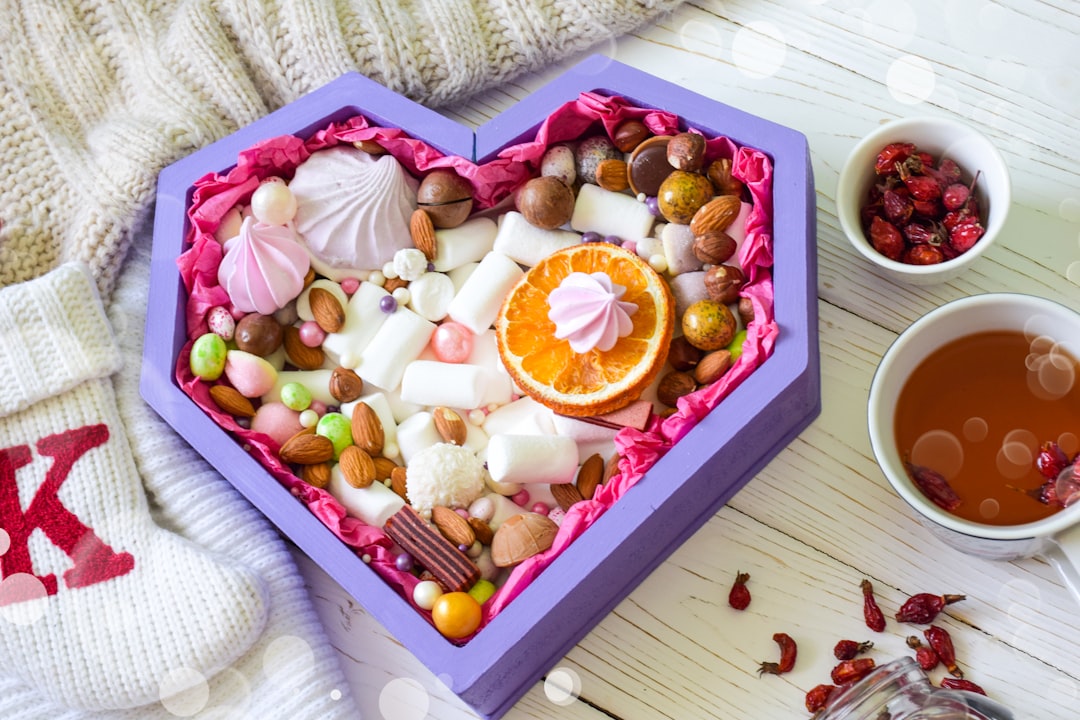
7 Traditional Korean Desserts to Try in 2026
# Korean Bread and Sweets You Need to Try: A Complete Guide to Irresistible Treats
Korean bread and sweets have exploded in popularity worldwide — and for good reason. From the sizzling streets of Seoul to trendy bakeries popping up in cities like New York, London, and Sydney, Korean desserts offer a unique blend of traditional craftsmanship and modern innovation that’s truly hard to resist. Whether you’re a seasoned foodie or just beginning to explore Korean cuisine, this guide will walk you through the most beloved Korean bread and sweet treats, their cultural significance, and where to find (or make) them yourself.
—
## Why Korean Sweets Are Taking the World by Storm
Korean desserts are different from their Western counterparts in several key ways. They tend to be **less aggressively sweet**, relying on natural sweeteners like honey, red bean paste, and sweet rice rather than processed sugar. Many traditional Korean sweets also incorporate **healthy ingredients** like nuts, seeds, and grains, making them feel like a more balanced indulgence.
But it’s not just about health — Korean bakers and pastry chefs have a remarkable talent for **texture**. The chewiness of rice cakes, the crunch of a freshly fried hotteok, the airy lightness of a Korean cream cheese garlic bread — these are sensory experiences you simply won’t find elsewhere.
The Korean Wave (Hallyu) has also played a huge role. K-dramas and variety shows frequently feature characters enjoying these treats, sparking curiosity and cravings among international viewers. Social media has amplified this effect, with photogenic desserts like bingsu and croffle going viral regularly.
—
## Traditional Korean Sweets (Hangwa)
Traditional Korean confections, collectively known as **hangwa** (한과), have a history spanning centuries. Originally prepared for royal courts, ancestral rites, and seasonal festivals, these sweets are as beautiful as they are delicious.
### Yakgwa (약과) — Honey Cookies
Yakgwa are deep-fried pastries made from wheat flour, sesame oil, and honey. They have a **dense, chewy texture** and a rich, floral sweetness that comes from being soaked in a honey-ginger syrup after frying. Recently, yakgwa have made a massive comeback in South Korea — so much so that major convenience stores can barely keep them in stock.
> **Tip:** Look for yakgwa at Korean grocery stores like H-Mart or online retailers. For the freshest experience, try making them at home — the dough comes together in about 15 minutes.
### Dasik (다식) — Tea Cookies
These tiny, intricately molded cookies are made from ingredients like sesame powder, chestnut flour, soybean powder, or pine pollen. They’re pressed into decorative wooden molds and are traditionally served alongside Korean tea. They’re **subtly sweet and melt-in-your-mouth** delicate.
### Gangjeong (강정) — Puffed Rice Treats
Gangjeong are made by coating puffed rice or other grains in a sticky syrup, then rolling them in sesame seeds, nuts, or puffed grains. They’re **crunchy, lightly sweet, and highly addictive** — think of them as Korea’s answer to rice crispy treats, but far more sophisticated.
### Songpyeon (송편) — Half-Moon Rice Cakes
These beautiful half-moon shaped rice cakes are filled with sweetened sesame seeds, chestnuts, or red bean paste and steamed on a bed of pine needles. They’re most famously associated with **Chuseok** (Korean Thanksgiving) and are a beloved symbol of family togetherness.
—
## Korean Street Sweets: The Heart of K-Food Culture
If traditional hangwa represents Korean sweets at their most refined, street food represents them at their most **joyful and accessible**. Walking through a Korean night market or a busy district like Myeongdong is a sensory overload of sweet aromas.
### Hotteok (호떡) — Sweet Filled Pancakes
Hotteok is arguably Korea’s most iconic street dessert. A yeasted dough is filled with a mixture of **brown sugar, cinnamon, and chopped nuts**, then pressed flat on a griddle until golden and crispy on the outside. The inside becomes a **molten, gooey river of caramelized sugar**. Eating one fresh off the griddle on a cold Korean winter day is an experience that borders on spiritual.
**Variations to look for:**
– **Seed hotteok** — filled with sunflower and pumpkin seeds
– **Cheese hotteok** — a savory-sweet twist with melted mozzarella
– **Green tea hotteok** — made with matcha-infused dough
### Bungeoppang (붕어빵) — Fish-Shaped Bread
Don’t let the name fool you — there’s no fish involved. These adorable **fish-shaped pastries** are made from a waffle-like batter and filled with sweet red bean paste (or sometimes custard cream or chocolate). They’re a winter staple, sold from small street carts across Korea, and they’re as fun to look at as they are to eat.
### Gyeran-ppang (계란빵) — Egg Bread
A soft, slightly sweet bread baked with a **whole egg on top**, gyeran-ppang is the perfect balance of savory and sweet. It’s warm, comforting, and incredibly satisfying — a popular grab-and-go breakfast or snack.
—
## Modern Korean Bakery Innovations
Korea’s modern bakery scene is nothing short of **extraordinary**. Korean bakery chains like Paris Baguette and Tous Les Jours have become international empires, and independent artisan bakeries in Seoul are pushing creative boundaries daily.
### Cream Cheese Garlic Bread (크림치즈 갈릭브레드)
This viral sensation features a soft bread roll **drenched in garlic butter**, split open, and filled with a generous swirl of sweetened cream cheese. It’s baked until the outside is golden and the cream cheese is warm and gooey. It went viral on social media in 2021–2022 and remains one of Korea’s most popular bakery items.
> **Cultural note:** Korean bakeries tend to use **less sugar in their breads** compared to American or Japanese bakeries, letting ingredients like butter, cream cheese, and garlic shine through.
### Soboro-ppang (소보로빵) — Streusel Bread
Korean streusel bread features a soft, pillowy bun topped with a **crunchy, crumbly, buttery streusel topping**. It’s a nostalgic treat for many Koreans — the kind of bread you might find in a school cafeteria or your neighborhood bakery. Simple, but perfectly executed.
### Korean Croffle (크로플)
The croffle — a **croissant cooked in a waffle iron** — became a massive trend in Korea starting around 2020. Korean cafés took the concept and ran with it, topping croffles with everything from injeolmi (soybean powder rice cake) dust to fresh fruit, ice cream, and drizzles of honey. The result is **crispy on the outside, flaky and buttery on the inside**, and endlessly customizable.
### Salt Bread (소금빵)
Originally inspired by Japan’s shio-pan, Korean salt bread has become a phenomenon in its own right. It’s a **butter-filled roll** with a slightly salty, crispy exterior and a soft, buttery interior. Many Korean bakeries have added their own twists, like adding cream cheese, red bean, or even garlic butter fillings.
—
## Korean Shaved Ice and Cold Desserts
No guide to Korean sweets would be complete without **bingsu** (빙수), Korea’s legendary shaved ice dessert.
### Patbingsu (팥빙수) — Red Bean Shaved Ice
The classic patbingsu layers **finely shaved milk ice** with sweetened red beans, chewy rice cakes (tteok), fruit, and a drizzle of condensed milk. It’s light, refreshing, and endlessly customizable. Modern cafés have elevated bingsu into an art form, with flavors like:
– **Mango bingsu** — with fresh mango chunks and mango ice cream
– **Injeolmi bingsu** — with soybean powder rice cakes and roasted soybean dust
– **Oreo bingsu** — with crushed cookies and chocolate drizzle
– **Green tea bingsu** — with matcha powder and matcha ice cream
> **Pro tip:** Bingsu is meant to be **shared**. Portions at Korean cafés are enormous — easily enough for 2–3 people. Ordering one for yourself is ambitious (but no judgment here).
### Hodugwaja (호두과자) — Walnut Cakes
These bite-sized, walnut-shaped cakes are filled with sweet red bean paste and a piece of walnut. They’re a famous **highway rest stop snack** in Korea — almost every road trip includes a stop to buy a fresh box. They’re warm, nutty, and perfectly portioned for snacking.
—
## The Role of Red Bean (Pat) in Korean Sweets
If there’s one ingredient that defines Korean desserts, it’s **red bean** (팥, pat). Sweetened red bean paste appears in an astonishing variety of Korean treats — from bingsu to bungeoppang to rice cakes.
Unlike Western desserts that rely heavily on chocolate and vanilla, Korean sweets build their flavor profiles around **red bean, sesame, chestnut, pine nut, and rice**. Red bean paste offers a **naturally earthy sweetness** that pairs beautifully with the chewy textures of rice-based desserts.
Understanding and appreciating red bean is essentially the **gateway to loving Korean sweets**. If you’re new to it, start with a fresh bungeoppang or a slice of red bean rice cake — the filling is smooth, subtly sweet, and deeply satisfying.
—
## Where to Find Korean Bread and Sweets
You don’t need to book a flight to Seoul to enjoy these treats (though that’s certainly recommended).
| Source | What to Expect |
|—|—|
| **Korean grocery stores** (H-Mart, Lotte, etc.) | Frozen hotteok kits, packaged yakgwa, red bean buns, mochi, rice cakes |
| **Korean bakery chains** (Paris Baguette, Tous Les Jours) | Cream cheese garlic bread, soboro-ppang, seasonal specialties |
| **Korean restaurants** | Bingsu, hotteok, traditional hangwa as dessert courses |
| **Online retailers** | Specialty items like artisanal yakgwa, gangjeong sets, and baking kits |
| **Homemade** | Many Korean sweets are surprisingly easy to make at home with simple ingredients |
—
## Tips for Making Korean Sweets at Home
If you’re inspired to try your hand at Korean baking, here are some practical tips:
1. **Stock up on key ingredients:** Sweet rice flour (찹쌀가루), red bean paste, sesame oil, and Korean honey are staples. Most are available at Asian grocery stores.
2. **Start simple:** Hotteok and bungeoppang are excellent beginner recipes. Hotteok dough is forgiving, and bungeoppang makers (like waffle irons) are affordable and fun to use.
3. **Don’t over-sweeten:** Korean desserts are intentionally less sweet than Western ones. Resist the urge to add extra sugar — the subtlety is the point.
4. **Texture matters:** Many Korean sweets rely on the **contrast between chewy, crunchy, and soft** textures. Pay attention to cooking times and temperatures to get these right.
5. **Presentation counts:** Korean food culture places a high value on visual presentation. Even simple treats like songpyeon are carefully shaped and colored.
—
## Frequently Asked Questions
**What is the most popular Korean dessert?**
Bingsu (shaved ice) and hotteok (sweet pancakes) consistently rank as the most popular Korean desserts, both domestically and internationally. Yakgwa has also seen a major resurgence in recent years.
**Are Korean sweets healthy?**
Compared to many Western desserts, traditional Korean sweets tend to be lower in refined sugar and often incorporate whole grains, nuts, and natural sweeteners like honey. However, fried items like hotteok and yakgwa are still calorie-dense treats best enjoyed in moderation.
**What does red bean paste taste like?**
Sweetened red bean paste has a **mildly sweet, earthy, slightly nutty flavor** with a smooth or slightly chunky texture. It’s less sweet than most Western fillings like chocolate or caramel and has a comforting, wholesome quality.
**Can I find Korean bread and sweets outside of Korea?**
Absolutely. Korean bakery chains like Paris Baguette and Tous Les Jours have locations across the US, Southeast Asia, and beyond. Korean grocery stores stock frozen and packaged versions of many popular treats, and online retailers ship specialty items worldwide.
**What’s the difference between Korean rice cakes and Japanese mochi?**
While both are made from glutinous rice, Korean tteok (rice cakes) tend to have a **firmer, chewier texture** and come in a much wider variety of shapes, fillings, and preparations. Japanese mochi is typically softer and stretchier. Both are delicious.
**Is Korean bread different from Western bread?**
Yes — Korean bread tends to be **softer, fluffier, and slightly sweeter** than European-style bread. Korean bakeries often incorporate Asian ingredients like red bean, sweet potato, and taro, creating flavor profiles you won’t find at a typical Western bakery.
—
## Final Thoughts
Korean bread and sweets represent one of the most exciting and accessible corners of Korean cuisine. From centuries-old traditional confections to Instagram-worthy modern creations, there’s something for every palate and every occasion.
Whether you start with a humble bungeoppang from a street cart, an elaborate bingsu tower at a Seoul café, or a homemade batch of yakgwa in your own kitchen, you’re participating in a **rich culinary tradition** that values balance, beauty, and — above all — the joy of sharing food with others.
The world of Korean sweets is vast, and this guide has only scratched the surface. So go ahead — explore, taste, and discover your own favorites. Your taste buds will thank you.
—
*Have you tried any of these Korean breads or sweets? Share your favorites and experiences in the comments below — we’d love to hear from you!*