Snail Mucin vs Centella Asiatica Benefits: Why These 3 K-Beauty Ingredients Are Taking Over Your Skincare Shelf
Here’s a number that stopped me mid-scroll: the global K-Beauty market hit $13.9 billion in 2025, and analysts project it will surge past $21 billion by 2030. But what’s truly fascinating isn’t the dollar signs — it’s the fact that three humble ingredients are responsible for a massive chunk of that growth. Snail mucin, centella asiatica, and rice extract aren’t flashy newcomers with billion-dollar marketing budgets. They’re ancient remedies, used for centuries across Asia, that modern dermatological science has finally caught up with.
If you’ve ever stood in the skincare aisle at Sephora or scrolled through Amazon’s K-Beauty section wondering whether to grab that snail-covered bottle or the centella serum, you’re not alone. The debate around snail mucin vs centella asiatica benefits is one of the most searched skincare topics online — and for good reason. Each ingredient brings a completely different mechanism of action to your skin, and understanding those differences is the key to building a routine that actually works.
In this guide, we’re breaking down everything you need to know about these three powerhouse K-Beauty ingredients: what the science says, which skin types benefit most, how to layer them, and which products are actually worth your money in 2026. Whether you’re battling dryness in a harsh Western winter, dealing with post-acne scarring, or chasing that elusive glass skin glow, at least one of these ingredients belongs in your routine. Let’s find out which one — or maybe all three.
What Makes Snail Mucin a Skincare Superstar?

Snail mucin — technically called snail secretion filtrate (SSF) — is the clear, viscous substance that snails produce to protect and repair their own skin as they glide across rough surfaces. It sounds unusual, but the ingredient profile reads like a dermatologist’s wish list: glycoproteins, hyaluronic acid, glycolic acid, zinc, and antimicrobial peptides all packed into one naturally occurring substance.
The Science Behind Snail Mucin’s Skin Benefits
A 2013 study published in the Journal of Drugs in Dermatology found that participants using a snail mucin-based cream twice daily for 12 weeks experienced a significant reduction in fine lines, skin roughness, and photoaging damage. The key lies in the glycoproteins, which stimulate collagen production and accelerate cell turnover without the irritation that synthetic retinoids can cause.
Hyaluronic acid within snail mucin acts as a humectant powerhouse, drawing moisture from the environment into your skin’s upper layers. Unlike standalone hyaluronic acid serums, the version found in snail mucin is naturally bound to other repair compounds, which means it delivers hydration alongside active wound-healing benefits. This is why many dermatologists call snail mucin a “multitasker” rather than a single-benefit ingredient.
The antimicrobial peptides in SSF also show promise for acne-prone skin. Research from Seoul National University demonstrated that these peptides inhibit the growth of Cutibacterium acnes (the bacteria responsible for inflammatory acne) without disrupting the skin’s broader microbiome — something harsh chemical treatments like benzoyl peroxide struggle with.
Who Should Use Snail Mucin?
Snail mucin is remarkably versatile, but it truly shines for these skin concerns:
- Dehydrated skin: The natural hyaluronic acid content provides deep, lasting hydration without heaviness
- Post-inflammatory hyperpigmentation (PIH): Glycolic acid gently exfoliates to fade dark spots over time
- Fine lines and early aging: Collagen-stimulating glycoproteins visibly plump skin within 4-6 weeks
- Acne scars and texture: Allantoin and zinc promote tissue repair and smoothing
- Sensitive skin recovering from harsh treatments: The soothing, barrier-repair properties make it ideal post-laser or post-peel
If you live in a dry Western climate — think Colorado, Arizona, the UK in winter, or anywhere with forced-air heating — snail mucin is especially valuable because it addresses moisture loss at multiple levels simultaneously. It’s not just adding water to your skin; it’s helping your skin hold onto water more effectively.
Top Snail Mucin Products Worth Trying in 2026
1. COSRX Advanced Snail 96 Mucin Power Essence ($16-$25) — The undisputed bestseller, containing 96.3% snail secretion filtrate. Available at Sephora, Ulta, and Amazon. This lightweight essence absorbs in seconds and layers beautifully under moisturizer. It’s the product that single-handedly converted millions of Western consumers to snail mucin.
2. COSRX Advanced Snail 92 All-In-One Cream ($15-$22) — A richer formulation for those who want snail mucin in a moisturizer format. The 92% concentration delivers intense repair overnight, making it perfect for harsh winter months.
3. Beauty of Joseon Revive Eye Serum with Ginseng + Retinal ($16) — While primarily a retinal product, this eye serum combines snail mucin with ginseng for a potent anti-aging treatment around the delicate eye area. Available on Amazon and Stylevana.
Glass Skin Routine for Beginners: 7-Step Guide (2026) — Snail mucin is a key step in achieving the coveted glass skin look.
Centella Asiatica: The Ingredient Dermatologists Can’t Stop Recommending
If snail mucin is the hydration hero, centella asiatica is the calm-and-repair specialist. Also known as cica, tiger grass, or gotu kola, this plant has been used in traditional medicine across India, China, and Southeast Asia for over 3,000 years. Legend has it that tigers would roll in centella patches to heal their wounds after battles — hence the nickname “tiger grass.”
Modern science has identified four active compounds in centella asiatica that make it so effective: asiaticoside, madecassoside, asiatic acid, and madecassic acid. Together, these are often referred to as “centella’s big four,” and they work synergistically to calm inflammation, boost collagen synthesis, and strengthen the skin barrier.
Clinical Evidence for Centella Asiatica Benefits
A landmark 2016 study in the International Journal of Cosmetic Science demonstrated that madecassoside significantly increased type I collagen synthesis by 65% in human dermal fibroblasts. This is crucial because type I collagen accounts for roughly 80% of the collagen in our skin and is the primary type lost during aging.
For those dealing with rosacea and chronic redness, centella asiatica offers particular promise. Research published in the Journal of Ethnopharmacology showed that asiaticoside inhibits the NF-κB inflammatory pathway — the same pathway targeted by prescription anti-inflammatory drugs, but without the side effects. Participants in the study saw a 40% reduction in visible redness after eight weeks of topical centella application.
Perhaps most compelling for Western consumers dealing with harsh weather: centella asiatica has been clinically shown to repair the skin’s lipid barrier. A 2019 study found that subjects using a centella-based cream in winter recovered their transepidermal water loss (TEWL) levels to summer baseline within just three weeks, compared to six weeks for the control group using a standard moisturizer.
Best Skin Types and Concerns for Centella
- Rosacea and redness-prone skin: Centella’s anti-inflammatory action targets the root cause, not just the symptoms
- Acne-inflamed skin: Calms active breakouts and prevents post-inflammatory scarring
- Eczema and dermatitis: Barrier-repair properties reduce flare-ups and itching
- Post-procedure skin: Dermatologists frequently recommend cica products after chemical peels, microneedling, and laser treatments
- Stressed, urban skin: Antioxidant properties protect against pollution-induced damage
Important note: If you’re comparing snail mucin vs centella asiatica benefits for sensitive skin specifically, centella generally wins. While snail mucin is gentle, centella asiatica has a longer track record in clinical settings for calming reactive, sensitized skin. It’s the ingredient dermatologists reach for first when patients report chronic irritation.
Top Centella Asiatica Products for 2026
1. Dr. Jart+ Cicapair Tiger Grass Color Correcting Treatment SPF 30 ($38-$52) — A cult favorite that corrects redness while treating it. Available at Sephora and Ulta. The green-to-beige color-changing formula makes it double as a light foundation for casual days.
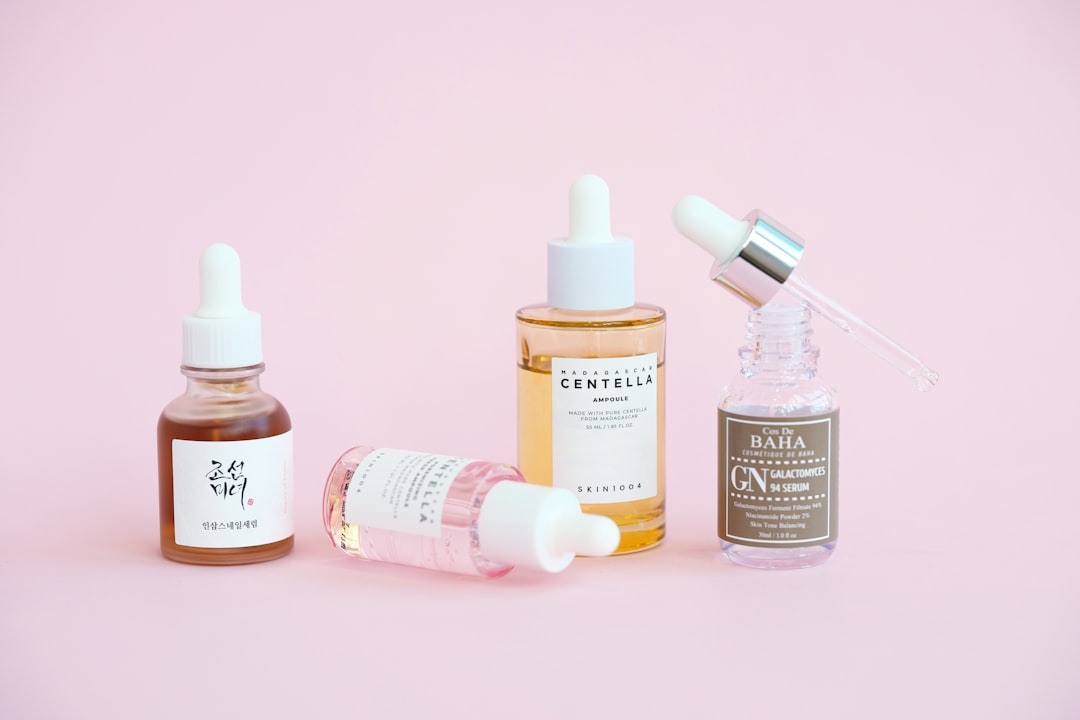
2. SKIN1004 Madagascar Centella Ampoule ($12-$18) — A pure, no-fuss centella ampoule with minimal additional ingredients. This is a fantastic choice if you want to test centella’s benefits without interference from other actives. Widely available on Amazon.
3. PURITO Centella Green Level Buffet Serum ($16-$20) — Combines centella with niacinamide, peptides, and green tea for a comprehensive calming and anti-aging treatment. An excellent multi-benefit option available on Amazon and YesStyle.
Allure’s Best Korean Beauty Products — Allure’s editors regularly feature centella-based products in their K-Beauty roundups.
Rice Extract: The Brightening Secret Korean Women Have Known for Centuries

Long before vitamin C serums lined the shelves at Ulta, Korean and Japanese women were using rice water to achieve luminous, even-toned skin. Geishas in Kyoto famously bathed in rice water, and Korean skincare traditions dating back to the Joseon Dynasty (1392–1897) documented rice bran as a daily beauty staple for nobility.
Today’s K-Beauty products use refined versions: rice bran extract, rice ferment filtrate (sake), and rice bran oil. Each form delivers slightly different benefits, but they all share a common thread — exceptional brightening power backed by legitimate science.
How Rice Extract Brightens and Nourishes Skin
Rice bran contains a compound called ferulic acid, a potent antioxidant that research shows can inhibit tyrosinase activity by up to 50%. Tyrosinase is the enzyme responsible for melanin production, which means rice extract works at the same level as hydroquinone and arbutin — but with significantly fewer side effects and no risk of ochronosis (the paradoxical darkening that can occur with long-term hydroquinone use).
Rice ferment filtrate takes things further. The fermentation process creates kojic acid and lactic acid naturally, both proven brightening agents. A study in the Journal of Cosmetic Dermatology found that subjects using a rice ferment-based serum showed a measurable reduction in melanin index by 15.2% after 28 days, with improvements in skin elasticity as a bonus.
The lipid content in rice bran oil is also notable: it’s rich in linoleic acid, squalane, and vitamin E, which means it moisturizes and protects the skin barrier while brightening. This makes rice extract uniquely suitable for dry skin types who want brightening without the dehydrating effects of vitamin C or AHA exfoliants.
Best Rice Extract Products to Try
1. Beauty of Joseon Glow Serum: Propolis + Niacinamide ($12-$17) — While not purely rice-based, this beloved serum embodies the Joseon-era philosophy and pairs beautifully with rice-based toners. Available everywhere from Sephora to Amazon.
2. I’m From Rice Toner ($18-$23) — Contains 77.78% rice bran extract from Yeoju, Korea (famous for its high-quality rice). This milky toner visibly brightens dull skin within the first week. A TikTok sensation with over 50 million views across related hashtags.
3. TONYMOLY Rice Ceramide Moisturizing Cream ($12-$16) — Combines rice extract with ceramides for a budget-friendly brightening and barrier-strengthening moisturizer. Available at Ulta and Amazon.
4. Haruharu WONDER Black Rice Hyaluronic Toner ($19-$24) — Uses black rice extract, which contains even higher concentrations of anthocyanins (powerful antioxidants) than white rice. A cult product on Amazon and Olive Young.
7 Affordable K-Beauty Dupes for Luxury Products 2026 — Many rice-based products offer luxury-level results at drugstore prices.
Snail Mucin vs Centella Asiatica Benefits: The Head-to-Head Comparison
This is the comparison everyone’s searching for, so let’s break it down clearly. When evaluating snail mucin vs centella asiatica benefits, the most important thing to understand is that these aren’t competing ingredients — they address different primary concerns through completely different biological mechanisms.
| Criteria | Snail Mucin | Centella Asiatica | Rice Extract |
|---|---|---|---|
| Primary Benefit | Deep hydration + repair | Calming + barrier repair | Brightening + nourishing |
| Best For | Dehydrated, aging, scarred skin | Sensitive, red, inflamed skin | Dull, uneven, hyperpigmented skin |
| Key Compounds | Glycoproteins, hyaluronic acid, allantoin | Madecassoside, asiaticoside | Ferulic acid, kojic acid, linoleic acid |
| Texture | Viscous, slightly sticky | Lightweight, watery to gel | Milky, creamy |
| Speed of Results | 2-4 weeks for hydration, 6-8 for scars | 1-2 weeks for calming, 4-6 for barrier | 1-2 weeks for glow, 4-8 for dark spots |
| Irritation Risk | Very low (rare allergy to mollusks) | Extremely low | Very low (rare grain allergy) |
| Price Range | $12-$25 (essences/creams) | $12-$52 (ampoules to treatments) | $12-$24 (toners/creams) |
| Layers Well With | Everything — extremely compatible | Everything — pH-neutral | Everything except strong acids |
The bottom line on the snail mucin vs centella asiatica benefits debate? If your primary concern is hydration and anti-aging, go snail mucin first. If your skin is angry, red, and reactive, centella should be your foundation. And if dullness and uneven tone are your main battles, rice extract is your best starting point.
But here’s the real secret that Korean beauty enthusiasts know: you don’t have to choose just one.
How to Layer Snail Mucin, Centella, and Rice in One Routine

One of the beautiful things about K-Beauty’s layering philosophy is that these three ingredients are completely compatible with each other. They don’t compete, interact negatively, or cancel each other out. In fact, they complement each other remarkably well — each addressing a different layer of skin health.
The Ideal Morning Routine
- Cleanser: Gentle, low-pH cleanser (e.g., COSRX Low pH Good Morning Gel Cleanser)
- Toner — Rice: I’m From Rice Toner — brightens and preps skin for absorption
- Essence — Snail Mucin: COSRX Advanced Snail 96 Mucin Power Essence — deep hydration layer
- Serum — Centella: SKIN1004 Madagascar Centella Ampoule — calming protection for the day ahead
- Moisturizer: Your choice based on skin type
- Sunscreen: SPF 50+ PA++++ (non-negotiable — especially when using brightening ingredients)
The Ideal Evening Routine
- Double cleanse: Oil cleanser followed by water-based cleanser
- Exfoliant (2-3x/week): A gentle AHA or BHA — skip on centella-heavy nights if skin is irritated
- Toner — Rice: Haruharu WONDER Black Rice Hyaluronic Toner
- Essence — Snail Mucin: COSRX Advanced Snail 96 — apply a thicker layer at night for overnight repair
- Serum/Ampoule — Centella: PURITO Centella Green Level Buffet Serum
- Moisturizer/Sleeping Mask: COSRX Advanced Snail 92 All-In-One Cream or a rice-based sleeping mask
Pro tip: In winter or dry climates, apply snail mucin on damp skin immediately after toner. The hyaluronic acid in snail mucin needs ambient moisture to work effectively — applying it to dry skin in a low-humidity environment can actually pull moisture out of your skin instead of drawing it in. This is the number-one mistake Western K-Beauty beginners make with hydrating essences.
Glass Skin Routine for Beginners: 7-Step Guide (2026) — This full routine is essentially a detailed glass skin protocol.
Common Myths and Misconceptions About These Ingredients
The popularity of snail mucin, centella, and rice in Western markets has unfortunately spawned a wave of misinformation. Let’s set the record straight on the most persistent myths.
Myth #1: “Snail Mucin Is Harvested by Harming Snails”
This is the concern that stops most people from trying snail mucin. The reality in 2026 is more nuanced. Reputable Korean brands use stress-free collection methods — snails are placed on mesh surfaces in controlled environments, and the mucin they naturally produce as they move is collected. No snails are harmed or killed in the process. COSRX, the most popular snail mucin brand, has publicly documented their cruelty-free harvesting process. That said, if you’re strictly vegan, snail mucin is still an animal-derived product, and centella or rice may be better alternatives for you.
Myth #2: “Centella Asiatica and Cica Are Different Things”
They are the same plant. Centella asiatica is the botanical name. “Cica” is an abbreviation of “cicatrization” (the medical term for wound healing), used as a marketing shorthand. Tiger grass and gotu kola are traditional names for the same species. When you see “cica cream” and “centella serum” on the shelf, the active ingredient is identical — though concentrations and formulations may differ.
Myth #3: “Rice Water From Your Kitchen Works Just as Well”
Rinsing rice and using that water on your face is a charming tradition, but it’s not equivalent to formulated rice extract products. Cosmetic-grade rice ferment filtrate undergoes controlled fermentation that produces specific concentrations of kojic acid, ferulic acid, and amino acids. Kitchen rice water contains trace amounts of these compounds but also harbors bacteria that can cause irritation or infection. Stick to properly formulated products for consistent, safe results.
Seasonal Strategies: Adjusting Your Routine for Western Climates
Most K-Beauty advice is written for Korea’s climate, which doesn’t perfectly match conditions in the US, UK, Canada, or Australia. Here’s how to adapt your use of these three ingredients to Western seasonal challenges.
Winter (Cold + Dry + Indoor Heating)
This is when your skin needs the most help. Forced-air heating can drop indoor humidity to 15-20% — lower than the Sahara Desert. Prioritize:
- Snail mucin: Double up — use it morning and night, applied to damp skin
- Centella: Essential if you’re experiencing winter redness, windburn, or cracking
- Rice: Use rice bran oil-based products instead of water-based rice toners for extra lipid protection
Summer (Hot + Humid + UV Exposure)
Lighter textures win in summer. Adjust accordingly:
- Snail mucin: Use a thinner layer — the humidity will amplify its hydrating effect
- Centella: Increase usage post-sun exposure for its anti-inflammatory and repair benefits
- Rice: Lean into rice ferment toners — the natural brightening combats summer hyperpigmentation from UV exposure
Incheon Airport Transit Guide: Free Showers & Hotels 2026 — If you’re traveling to Korea in summer, stock up on K-Beauty at Incheon’s duty-free shops.
Budget Breakdown: Building a Complete Routine Under $75
One of K-Beauty’s greatest strengths is affordability. You don’t need luxury price tags to get clinical-grade results. Here’s a complete routine featuring all three hero ingredients for under $75 at 2026 prices:
| Step | Product | Key Ingredient | Price (USD) |
|---|---|---|---|
| Toner | I’m From Rice Toner | Rice Bran Extract (77.78%) | $18 |
| Essence | COSRX Snail 96 Mucin Power Essence | Snail Secretion Filtrate (96.3%) | $16 |
| Serum | SKIN1004 Centella Ampoule | Centella Asiatica Extract (100%) | $14 |
| Moisturizer | TONYMOLY Rice Ceramide Cream | Rice Extract + Ceramides | $14 |
| Sunscreen | Beauty of Joseon Relief Sun SPF50+ | Rice Bran + Probiotics | $12 |
Total: approximately $74 — and each product lasts 2-3 months with daily use, bringing your per-month cost to around $25-$37. Compare that to a single La Mer moisturizer at $200+ and you understand why K-Beauty’s value proposition is virtually unbeatable.
7 Affordable K-Beauty Dupes for Luxury Products 2026 — We dive deeper into budget K-Beauty swaps in this guide.
Frequently Asked Questions About Snail Mucin, Centella, and Rice
Can I use snail mucin and centella asiatica together?
Absolutely — and in fact, this is one of the most popular combinations in K-Beauty. Snail mucin and centella asiatica target different mechanisms (hydration/repair vs. calming/barrier), so they complement rather than compete. Apply snail mucin first as your essence layer, then layer centella serum or ampoule on top. Many Korean products, like the COSRX Centella Blemish Cream, actually combine both ingredients in a single formula for convenience. The snail mucin vs centella asiatica benefits debate really isn’t an either/or question — it’s about knowing which to prioritize based on your current skin needs.
Is snail mucin safe for acne-prone skin?
Yes, snail mucin is generally considered non-comedogenic and safe for acne-prone skin. The antimicrobial peptides in snail secretion filtrate may actually help combat acne-causing bacteria. However, as with any skincare product, patch test first — apply a small amount behind your ear or on your jawline for 48 hours. A very small percentage of people with shellfish or mollusk allergies may react to snail mucin. If you experience itching, redness, or bumps, discontinue use and consult a dermatologist.
How long does it take to see results from centella asiatica?
Centella asiatica is one of the faster-acting K-Beauty ingredients. Most users report a noticeable reduction in redness within 1-2 weeks of consistent use. For barrier repair and deeper healing benefits, expect 4-6 weeks. For collagen-related anti-aging benefits, you’ll need 8-12 weeks of daily application. Consistency is key — centella works cumulatively, and sporadic use won’t deliver the clinical results shown in studies. Use it twice daily (morning and evening) for best results.
Can rice extract replace vitamin C for brightening?
Rice extract can be an excellent alternative to vitamin C for people who find L-ascorbic acid too irritating or unstable. While vitamin C is more potent per concentration as a tyrosinase inhibitor, rice extract offers a gentler, more stable brightening effect with additional moisturizing benefits that vitamin C doesn’t provide. For sensitive skin or vitamin C-reactive skin, rice extract is often the better long-term choice. For maximum brightening power, you can actually use both — rice toner in the morning, vitamin C serum in the evening — since they work through complementary pathways.
Are these ingredients safe during pregnancy?
Snail mucin, centella asiatica, and rice extract are all generally considered safe during pregnancy. None contain retinoids, salicylic acid in high concentrations, or other pregnancy-restricted actives. In fact, many dermatologists specifically recommend centella-based products for pregnant patients dealing with hormonal skin sensitivity because of its gentle, anti-inflammatory profile. That said, always consult your OB-GYN or dermatologist before introducing new skincare products during pregnancy, as individual sensitivities can vary.
Where can I buy authentic K-Beauty products in the US?
Authentic K-Beauty products are widely available in 2026. Your safest bets are Sephora (carries COSRX, Dr. Jart+, Laneige), Ulta (expanding K-Beauty section with TONYMOLY, Peach & Lily), and Amazon (buy only from verified brand storefronts to avoid counterfeits). For a wider selection, try specialty retailers like Stylevana, YesStyle, or Olive Young Global — the official international arm of Korea’s largest beauty retailer. Always check for the brand’s official seller designation to ensure authenticity.
Related Posts You’ll Love
If you enjoyed this deep dive into K-Beauty’s top ingredients, check out these related guides on our site:
- Glass Skin Routine for Beginners: 7-Step Guide (2026) — Put these ingredients into action with a complete step-by-step routine
- 7 Affordable K-Beauty Dupes for Luxury Products 2026 — Find budget alternatives that deliver luxury-level results
- 7 Must Try Korean Desserts for Beginners in 2026 — Explore Korean culture beyond beauty
Topics we should cover next:
- 10 Best K-Beauty Sunscreens That Don’t Leave a White Cast 2026
- Korean Double Cleansing Method: Complete Guide for Every Skin Type
- Niacinamide vs Vitamin C in K-Beauty: Which Should You Use First?
Your Skin Deserves These Ingredients — Start Today
Whether you’re drawn to the deep hydration of snail mucin, the calming rescue of centella asiatica, or the radiant brightening of rice extract, the truth is that K-Beauty has cracked the code on effective, affordable, science-backed skincare. The snail mucin vs centella asiatica benefits conversation isn’t about picking a winner — it’s about understanding what your unique skin needs and building a routine that delivers.
Start with one ingredient. Give it four weeks. Watch what happens. Then add the next. Your skin will thank you — and so will your wallet.
Now it’s your turn: Which of these three ingredients are you most excited to try? Are you team snail mucin, team centella, or team rice? Drop a comment below and let us know your experience — we read and respond to every single one. And if this guide helped you, share it with a friend who’s been curious about K-Beauty. Sometimes one article is all it takes to change someone’s entire skincare game.
Want more K-Beauty breakdowns, product reviews, and routine guides delivered straight to your inbox? Subscribe to our newsletter and never miss a post. We publish new content every week, always backed by science, always honest, and always focused on what actually works.