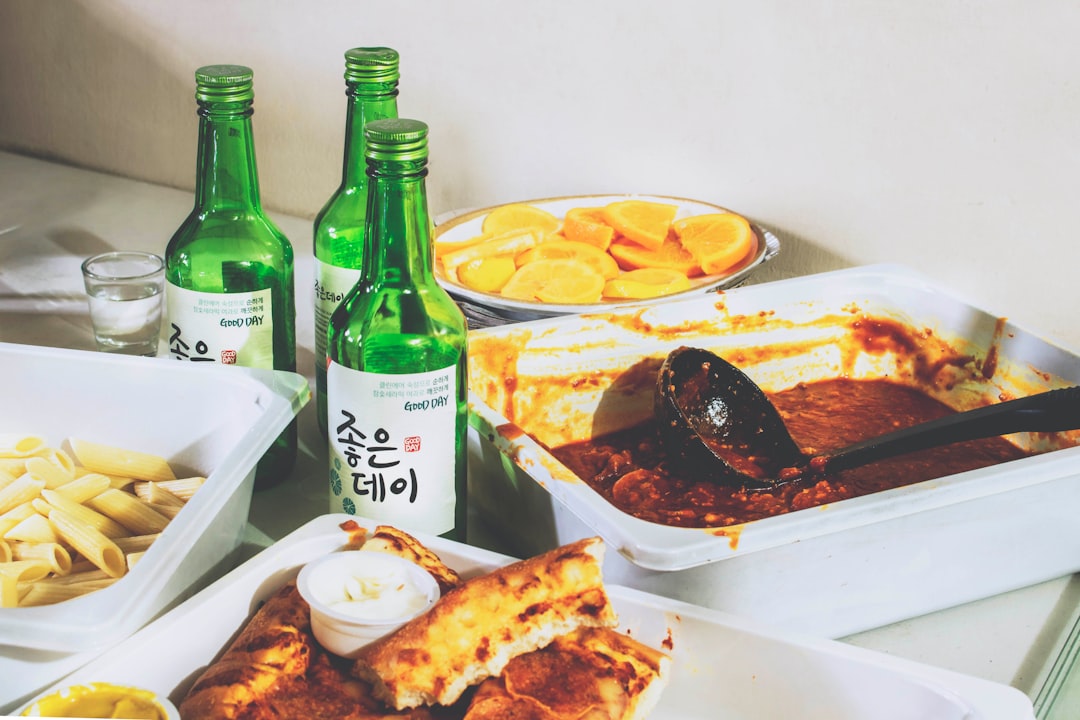
Why Korean Cuisine Is the Weight Loss Secret You’ve Been Missing
Here’s a surprising fact that might change the way you think about dieting forever: South Korea has one of the lowest obesity rates among developed nations, hovering around just 5.5% compared to over 40% in the United States. And no, it’s not genetics. It’s the food.
While Western diet culture has spent decades cycling through low-fat, low-carb, keto, and paleo trends, Koreans have been quietly eating some of the most naturally balanced, nutrient-dense, and satisfying low calorie Korean meals for weight loss for centuries. The traditional Korean table — called bapsang (밥상) — is built around fermented vegetables, lean proteins, clear broths, and small portions of rice.
The result? Meals that keep you full for hours, feed your gut microbiome, and rarely exceed 500 calories per serving. If you’ve ever wondered how K-pop idols and Korean actors maintain their physiques without looking starved, the answer is often hiding in plain sight on a Korean dinner table.
In this guide, we’re diving deep into the best low calorie Korean meals for weight loss — real dishes you can cook at home, order at restaurants, or assemble from ingredients at your nearest H-Mart. No gimmicks, no extreme restrictions. Just delicious food that happens to be incredibly good for your waistline.
The Science Behind Korean Food and Weight Management

Fermentation: Your Gut’s Best Friend
At the heart of Korean cuisine is fermentation — and modern science is finally catching up to what Korean grandmothers have known for generations. Fermented foods like kimchi, doenjang (fermented soybean paste), and gochujang (fermented chili paste) are rich in probiotics, prebiotics, and bioactive compounds that directly influence weight management.
A 2023 study published in the Journal of Medicinal Food found that participants who consumed kimchi daily for 12 weeks experienced significant reductions in body fat percentage and waist circumference. The Lactobacillus strains found in kimchi have been shown to reduce fat absorption in the gut and improve insulin sensitivity.
This isn’t a supplement you need to buy — it’s a side dish that comes free at every Korean restaurant. One serving of kimchi contains roughly 15-20 calories, yet it delivers fiber, vitamins A and C, and billions of beneficial bacteria.
The Banchan System: Portion Control Without Trying
Korean meals are traditionally served with banchan (반찬) — a collection of small side dishes arranged around a central protein and rice. This system is a natural portion control mechanism. Instead of one massive plate of food, you’re eating 5-8 tiny portions of different flavors and textures.
Research from Cornell University’s Food and Brand Lab has consistently shown that variety in smaller portions leads to greater meal satisfaction with fewer total calories consumed. The Korean banchan system does this instinctively. You’re tasting pickled radish, seasoned spinach, braised tofu, and marinated bean sprouts — all before you even touch your main dish.
A typical banchan spread adds only 100-200 calories to your meal while providing an impressive array of micronutrients that most Western diets lack entirely.
High Volume, Low Calorie: The Korean Soup Advantage
Korean cuisine features an extraordinary number of soups and stews — guk, jjigae, tang — and this is a major factor in why low calorie Korean meals for weight loss work so well. Broth-based meals increase satiety because water adds volume without calories. A steaming bowl of doenjang jjigae (fermented soybean stew) clocks in at roughly 150-200 calories per serving, yet it fills your stomach completely.
Studies from Penn State University showed that people who started meals with a broth-based soup consumed 20% fewer total calories during the meal. In Korea, soup isn’t a starter — it’s the meal itself, served alongside rice and banchan.
Top 10 Low Calorie Korean Meals for Weight Loss
Let’s get specific. These are the best Korean dishes to eat when you’re trying to lose weight, ranked by calorie count, nutritional density, and how easy they are to prepare at home.
1. Kimchi Jjigae (Kimchi Stew) — ~200 calories per serving
Kimchi jjigae is arguably the most popular home-cooked Korean dish, and it’s a weight loss powerhouse. Made with aged kimchi, tofu, a small amount of pork or tuna, and Korean chili flakes, this stew is spicy, warming, and deeply satisfying.
The capsaicin from the chili flakes has been shown to boost metabolism by 5-8% for several hours after eating. The fermented kimchi base provides probiotics, while the tofu adds roughly 10g of plant-based protein per serving. To keep it low-calorie, use lean pork loin or substitute with canned tuna.
Pro tip: Use well-aged kimchi (at least 2-3 weeks old) for the deepest flavor. You can find aged kimchi at H-Mart, often labeled as “sour kimchi” or “묵은지” (mugeunji). A 28oz jar costs around $7-9 USD.
2. Doenjang Jjigae (Soybean Paste Stew) — ~180 calories per serving
If kimchi jjigae is Korea’s comfort food, doenjang jjigae is its grandmother’s warm hug. This stew uses doenjang — Korean fermented soybean paste — as its base, along with zucchini, tofu, mushrooms, onions, and sometimes potato.
Doenjang contains isoflavones and saponins that research has linked to reduced visceral fat. A 2021 study in Nutrients found that regular doenjang consumption was associated with lower BMI in Korean adults, even after controlling for other dietary factors.
At around 180 calories per generous bowl, this is one of the most nutrient-dense meals you can eat. The umami depth of doenjang means you don’t need added salt or fat to make it taste incredible.
3. Bibimbap (Mixed Rice Bowl) — ~450 calories per serving
Don’t let the slightly higher calorie count fool you — bibimbap is an incredibly efficient meal. A properly made bibimbap includes seasoned spinach, bean sprouts, carrots, zucchini, mushrooms, and a fried or raw egg over rice, topped with gochujang sauce.
The key to making bibimbap a low calorie Korean meal for weight loss is simple: halve the rice and double the vegetables. You can also substitute white rice with brown rice or cauliflower rice. This brings the total down to around 300-350 calories while keeping all the flavor and satisfaction.
Each vegetable topping is individually seasoned with sesame oil, garlic, and soy sauce — so every bite delivers a different flavor profile. This variety tricks your brain into feeling more satisfied than a monotone meal of the same calorie count.
4. Sundubu Jjigae (Soft Tofu Stew) — ~190 calories per serving
Sundubu jjigae features silky-soft uncurdled tofu in a spicy, bubbling broth with vegetables and sometimes seafood or a cracked egg. It arrives at your table literally boiling in its stone pot — an experience that makes you eat more slowly, which studies have shown leads to consuming 10-15% fewer calories.
The soft tofu (sundubu) is lower in calories than firm tofu because it retains more water, giving you more volume for fewer calories. A half-cup of sundubu contains only about 70 calories but delivers 7g of protein. Most Korean restaurants serve this with a small bowl of rice on the side — eat half the rice to keep your meal under 350 calories total.
5. Japchae (Glass Noodle Stir-fry) — ~250 calories per serving
Japchae uses dangmyeon — sweet potato glass noodles — which have a lower glycemic index than wheat noodles and contain resistant starch that feeds beneficial gut bacteria. Mixed with spinach, carrots, mushrooms, bell peppers, and a light sesame-soy dressing, japchae is surprisingly light despite looking indulgent.
A moderate portion of japchae sits at about 250 calories, and the chewy, springy texture of glass noodles gives excellent mouth satisfaction. You can find dried sweet potato noodles at H-Mart or Whole Foods for around $4-5 USD per package.
6. Samgyetang (Ginseng Chicken Soup) — ~350 calories per serving
This is Korea’s legendary health soup — a whole young chicken stuffed with glutinous rice, ginseng, jujubes, and garlic, simmered for hours until the broth turns milky and deeply nourishing. Koreans traditionally eat samgyetang on the hottest days of summer to replenish energy (a concept called iyeol chiyeol — fighting heat with heat).
Despite containing a whole chicken, a single serving is only about 350 calories because the Cornish game hens used are small and the cooking process renders out much of the fat. The ginseng has been shown to support blood sugar regulation, which helps control cravings throughout the day.
7. Kongnamul Guk (Soybean Sprout Soup) — ~80 calories per serving
At just 80 calories per bowl, kongnamul guk is the ultimate low-calorie Korean meal. This simple soup features soybean sprouts in a clear anchovy or kelp broth, seasoned with garlic, salt, and sometimes a touch of gochugaru (Korean chili flakes).
Soybean sprouts are remarkably nutritious — high in vitamin C, folate, and fiber while being almost negligible in calories. In Korea, this soup is famously eaten as a hangover cure, but it’s also a perfect light meal or side dish for weight management. It takes about 20 minutes to prepare from scratch.
Quick Calorie Comparison Table
| Dish | Calories | Protein | Prep Time |
|---|---|---|---|
| Kongnamul Guk | 80 cal | 6g | 20 min |
| Doenjang Jjigae | 180 cal | 12g | 30 min |
| Sundubu Jjigae | 190 cal | 14g | 25 min |
| Kimchi Jjigae | 200 cal | 15g | 30 min |
| Japchae | 250 cal | 5g | 35 min |
| Bibimbap (light) | 350 cal | 18g | 40 min |
| Samgyetang | 350 cal | 30g | 90 min |
Korean Ingredients That Supercharge Weight Loss

Beyond complete dishes, certain Korean pantry staples are worth adding to your kitchen even if you’re not cooking full Korean meals. These ingredients can transform any diet-friendly recipe.
Gochugaru (Korean Chili Flakes)
Unlike cayenne pepper which just burns, gochugaru delivers a smoky, slightly sweet heat alongside its capsaicin punch. Use it on roasted vegetables, in soups, or sprinkled over avocado toast. The capsaicin content has been clinically shown to increase thermogenesis — meaning your body burns more calories generating heat after consuming it. A bag at H-Mart runs about $8-12 USD and lasts months.
Doenjang (Fermented Soybean Paste)
Think of doenjang as miso’s earthier, funkier Korean cousin. It adds incredible umami depth to soups, marinades, and dressings — allowing you to use less oil and salt while getting more flavor. The fermentation process creates bioactive peptides that research suggests may inhibit fat accumulation at the cellular level. Look for it in the refrigerated section of Asian grocery stores, typically $5-7 USD per tub.
Gim (Roasted Seaweed Sheets)
Korean roasted seaweed — gim — is the ultimate guilt-free snack. A full pack of 8 small sheets contains roughly 30 calories, plus iodine, iron, and omega-3 fatty acids. Koreans eat gim with rice at nearly every meal, but it also makes an excellent standalone snack. Major brands like Gimme and Annie Chun’s are available at Whole Foods and Costco for around $6-8 per multi-pack.
Perilla Leaves (Kkaennip)
Perilla leaves are used as wraps for grilled meats, added to stews, or pickled as banchan. They’re rich in rosmarinic acid, an antioxidant compound that has shown anti-inflammatory and anti-obesity effects in preliminary studies. At only 3 calories per leaf, using perilla leaves as wraps instead of bread or tortillas is an easy swap that cuts hundreds of calories from a meal.
A 7-Day Korean Meal Plan for Weight Loss
Knowing which dishes are healthy is one thing — knowing how to structure a week of low calorie Korean meals for weight loss is what actually gets results. Here’s a practical, realistic meal plan that keeps daily intake between 1,200 and 1,500 calories.
Sample Daily Structure
- Breakfast (250-350 cal): Rice porridge (juk) with vegetables or a light doenjang guk with rice
- Lunch (400-500 cal): Main Korean dish (bibimbap, jjigae, or gukbap) with banchan
- Dinner (350-450 cal): Grilled fish or tofu with 3-4 banchan and half-portion rice
- Snacks (100-200 cal): Roasted seaweed, fresh fruit, or tteok (rice cake, small portion)
Week at a Glance
| Day | Lunch | Dinner | Daily Total |
|---|---|---|---|
| Mon | Bibimbap (light rice) | Doenjang jjigae + banchan | ~1,300 |
| Tue | Kimchi jjigae + rice | Grilled mackerel + banchan | ~1,250 |
| Wed | Japchae + kongnamul guk | Sundubu jjigae + rice | ~1,200 |
| Thu | Kimbap (veggie) + guk | Dakgalbi (spicy chicken) | ~1,350 |
| Fri | Samgyetang (half) | Tofu kimchi + rice | ~1,300 |
| Sat | Naengmyeon (cold noodles) | Haemul tang (seafood stew) | ~1,400 |
| Sun | Hobak juk (pumpkin porridge) | Bulgogi lettuce wraps | ~1,250 |
Key principle: Notice that every day includes at least one soup or stew. This is intentional. The broth keeps you hydrated, fills your stomach, and makes it physically harder to overeat. If you’re ever tempted to snack excessively, make a quick pot of kongnamul guk — it takes 20 minutes and kills cravings instantly.
Korean Cooking Techniques That Keep Calories Low

The reason so many low calorie Korean meals for weight loss exist isn’t just about ingredients — it’s about how those ingredients are prepared. Korean cooking techniques naturally minimize added fats while maximizing flavor.
Blanching and Seasoning (Namul Style)
Most Korean vegetable side dishes follow a simple pattern: blanch, squeeze dry, season with sesame oil, garlic, and salt. This technique — called namul — uses only about half a teaspoon of sesame oil per serving, yet the toasted sesame aroma makes the vegetables taste rich and indulgent. Compare this to Western sautéing, which often uses 1-2 tablespoons of oil per serving.
Common namul vegetables include spinach (sigeumchi), bean sprouts (kongnamul), fernbrake (gosari), and bellflower root (doraji). Each serving of namul typically contains only 30-50 calories. Learn the namul technique and you can turn virtually any vegetable into an addictive side dish.
Grilling Over Open Flame (Gui)
Korean BBQ (gui) is famous worldwide, but the traditional technique is actually quite diet-friendly — the grill grates allow fat to drip away rather than pooling around the meat. When you choose lean cuts like chicken breast (dak gui), pork tenderloin, or fresh shrimp, grilled Korean style with a ssamjang dipping sauce and lettuce wraps, you’re looking at a high-protein, moderate-calorie meal.
The secret is the ssam (wrap) method: instead of eating meat with bread or heavy sides, you wrap a piece of grilled meat in a lettuce or perilla leaf with a sliver of garlic, a dab of ssamjang, and a piece of kimchi. Each wrap is a perfect, portion-controlled bite of about 40-60 calories.
Braising in Soy-Based Sauces (Jorim)
Jorim dishes — like braised tofu (dubu jorim), braised eggs (gyeran jorim), or braised black beans (kongjaban) — use a soy sauce, garlic, and sugar base to create deeply savory, slightly sweet flavors without any added oil. The braising liquid itself becomes a concentrated sauce that flavors rice perfectly.
Dubu jorim (braised tofu) is particularly excellent for weight loss: a full serving is about 120 calories with 10g of protein, and the savory-sweet sauce makes it taste far more indulgent than the numbers suggest. Maangchi’s Braised Tofu Recipe
Where to Buy Korean Ingredients in the US
You don’t need to live near a Koreatown to cook low calorie Korean meals for weight loss. Korean ingredients have become remarkably accessible across the United States.
In-Store Options
- H-Mart: The gold standard for Korean groceries in the US, with 97+ locations across the country. You’ll find everything from fresh kimchi to doenjang to pre-marinated bulgogi. Their house-brand Jongga kimchi ($6-8 per jar) is excellent quality.
- Whole Foods: Now carries Korean staples including gochujang, gochugaru, roasted seaweed, and frozen dumplings. Prices are 20-30% higher than H-Mart, but the convenience is worth it.
- Trader Joe’s: Their Korean-inspired products — like Korean-style cauliflower rice and shelf-stable kimchi — are affordable entry points at $3-5 USD each.
- Costco: Sells bulk kimchi (Jongga brand, 28oz for ~$8), roasted seaweed multi-packs, and frozen Korean dumplings at excellent prices.
Online Options
- Weee! App: Asian grocery delivery available in most major US cities. Competitive prices and frequent promotions.
- Amazon: Good for shelf-stable items like gochugaru, doenjang, dried seaweed, and glass noodles. Check the “Korean Grocery” section for curated selections.
- H-Mart Online: Ships nationwide for orders over $49. Fresh produce and refrigerated items available depending on your location.
If you’re planning a trip to Korea to experience these flavors firsthand, check out our guide to Myeongdong Best Street Food Spots & Shopping Guide 2026 and Must Try Korean Street Food Guide: 15 Best Picks for 2026 for the best food experiences. For budget-conscious travelers, Korea Budget Travel Tips 2026: Complete Guide Under $50/Day covers how to eat incredibly well without breaking the bank.
Korean Drinks That Support Weight Loss

What you drink matters just as much as what you eat. Korean beverage culture includes several zero-calorie and low-calorie options that actively support weight management.
Boricha (Barley Tea) — 0 Calories
In Korea, boricha is served as commonly as water. This roasted barley tea has a toasty, slightly nutty flavor and contains zero calories, zero caffeine, and zero sugar. It’s served cold in summer and hot in winter. Many Korean families keep a pitcher of cold boricha in the refrigerator at all times.
Beyond being calorie-free, barley tea contains antioxidants and may help lower blood sugar levels after meals. You can buy roasted barley tea bags at any Asian grocery store for about $3-4 USD per box of 30 bags.
Oksusu Cha (Corn Tea) — 0 Calories
Made from roasted corn kernels, oksusu cha has a sweet, popcorn-like flavor that satisfies sugar cravings without any actual sugar. It’s naturally caffeine-free and makes an excellent evening drink. Many people find it helps them avoid late-night snacking because the sweetness feels like a treat.
Yulmu Cha (Job’s Tears Tea) — ~50 Calories
This is a slightly thicker, creamier tea made from yulmu (Job’s tears grain). It has a subtle nutty sweetness and is traditionally believed to reduce water retention and support digestion. At about 50 calories per cup, it works as a satisfying mid-afternoon snack replacement. Available as instant powder packets at H-Mart for $5-6 USD.
Common Mistakes to Avoid When Eating Korean for Weight Loss
Korean food can be incredibly low-calorie — but it can also derail your diet if you’re not careful. Here are the pitfalls to watch out for.
The Korean Fried Chicken Trap
Korean fried chicken (chikin) is legendary — and for good reason. The double-fry technique creates an impossibly crispy shell. But a single serving of yangnyeom chicken (sweet-spicy glazed) can clock in at 800-1,000 calories. It’s a treat, not a weight loss food. If you love Korean fried chicken, check out our recipe for Korean Fried Chicken Recipe: Crispy Double Fry Method (2026) and consider air-frying instead of deep-frying to cut calories by nearly half.
Instant Ramyeon Overload
Korean instant ramyeon is addictive, but a single packet contains 450-550 calories with extremely high sodium (often 1,500-1,800mg). If you can’t resist, try this Korean hack: use only half the seasoning packet and add fresh vegetables, an egg, and kimchi. This cuts sodium dramatically while adding nutrition. For our ranking of options, see Best Korean Ramyeon Ranked by Spicy Level 2026.
Rice Portion Creep
A standard Korean rice serving is about 300g (1.5 cups cooked), which equals roughly 350 calories. That’s reasonable for active individuals, but if you’re in a calorie deficit, it can eat up a significant chunk of your daily budget. The fix is simple: ask for half rice (반공기, ban gonggi) at Korean restaurants or pre-portion at home.
Ignoring the Banchan
Some banchan are weight-loss friendly (namul vegetables, kimchi, pickled radish). Others — like japchae, fishcake, or fried items — can be calorie-dense. Don’t assume all banchan are free foods. Focus on the vegetable-based and fermented banchan, and go easy on anything fried, glazed, or starchy.
Frequently Asked Questions About Korean Food and Weight Loss
Is Korean food actually good for weight loss, or is it just hype?
It’s backed by real data. A 2022 meta-analysis in the Journal of Ethnic Foods found that adherence to a traditional Korean dietary pattern was consistently associated with lower BMI, reduced waist circumference, and lower rates of metabolic syndrome. The combination of fermented foods, high vegetable intake, lean proteins, and broth-based meals creates a naturally calorie-controlled diet that’s sustainable long-term. The key word is “traditional” — Korean fast food and fried chicken don’t count.
How many calories are in a typical Korean meal?
A traditional Korean home-cooked meal with rice, soup, and 3-4 banchan typically ranges from 400-600 calories. Restaurant portions tend to be slightly larger, averaging 500-700 calories for a single-person set. Compare this to a typical American restaurant meal, which averages 1,200+ calories. The banchan system and broth-based soups are the main reasons Korean meals stay lower in calories while still feeling abundant and satisfying.
Can I eat Korean food every day and still lose weight?
Absolutely — millions of Koreans do exactly this. The trick is focusing on the right Korean dishes: jjigae (stews), guk (soups), namul (seasoned vegetables), and grilled proteins with lettuce wraps. Avoid daily consumption of fried foods (chikin, jeon), excessive ramyeon, and large rice portions. A diet centered around the dishes listed in this article, combined with reasonable portions, can easily support a 500-750 calorie daily deficit for steady, sustainable weight loss of 1-1.5 pounds per week.
What’s the lowest calorie Korean dish I can order at a restaurant?
Order sundubu jjigae (soft tofu stew) with half rice. At most Korean restaurants, this combo will run you about 300-350 calories total and cost $12-16 USD. Other excellent low-calorie restaurant options include doenjang jjigae, mul naengmyeon (cold buckwheat noodle soup at ~380 calories), and any grilled fish set meal. Always ask for ban gonggi (half rice) — Korean servers won’t bat an eye; it’s a completely normal request.
Is kimchi actually proven to help with weight loss?
Yes. Multiple peer-reviewed studies support this. A randomized controlled trial published in the Journal of Medicinal Food in 2023 found that participants consuming fermented kimchi showed significant decreases in body weight, body fat percentage, and fasting blood glucose compared to the control group over 12 weeks. The proposed mechanisms include improved gut microbiome diversity, increased short-chain fatty acid production, and capsaicin-driven thermogenesis. That said, kimchi alone won’t cause weight loss — it works best as part of an overall balanced Korean dietary pattern.
Where can I learn authentic Korean recipes for beginners?
The best free resource is Maangchi’s Korean Cooking, run by Korean-American chef Emily Kim. Her video tutorials cover everything from basic kimchi to complex stews, with clear instructions designed for non-Korean kitchens. For cultural context on Korean food traditions, the Korea Tourism Organization Food Guide is another excellent starting point.
Related Posts You’ll Love
If you’re exploring Korean food culture, these guides will help you dive deeper:
- 7 Traditional Korean Desserts to Try in 2026 — Discover sweet treats that won’t completely wreck your diet (some traditional tteok are surprisingly low in calories)
- Must Try Korean Street Food Guide: 15 Best Picks for 2026 — Your essential guide to the most iconic Korean street snacks and where to find them
- 7 Best Day Trips From Seoul by Train in 2026 — Explore food destinations outside Seoul, from Jeonju’s famous bibimbap to Busan’s seafood markets
Want more content like this? We’re also working on in-depth guides to Korean Meal Prep for Beginners: A Week of Banchan in 2 Hours, Best Korean Probiotic Foods Ranked by Health Benefits, and Korean Diet vs. Mediterranean Diet: Which Is Better for Weight Loss? — stay tuned.
Start Your Korean Weight Loss Journey Today
The beauty of using low calorie Korean meals for weight loss is that it doesn’t feel like dieting. You’re not counting macros obsessively or choking down bland chicken breast. You’re eating rich, complex, deeply satisfying food that happens to be naturally aligned with weight management.
Start simple. This week, try making one Korean soup — doenjang jjigae or kimchi jjigae. Buy a jar of kimchi and eat a small serving with every meal. Replace your afternoon snack with roasted seaweed. Brew a pitcher of barley tea instead of reaching for soda.
These small changes compound. Within a month, you’ll notice the difference — not just on the scale, but in your energy levels, digestion, and relationship with food. Korean cuisine teaches us that healthy eating and delicious eating are not opposites. They’re the same thing.
Have you tried any of these Korean dishes for weight loss? Which one is your favorite? Drop a comment below and share your experience — we’d love to hear what’s working for you. And if this article helped you, share it with a friend who’s been looking for a sustainable, enjoyable approach to weight loss. They’ll thank you over a bowl of sundubu jjigae. 🍲