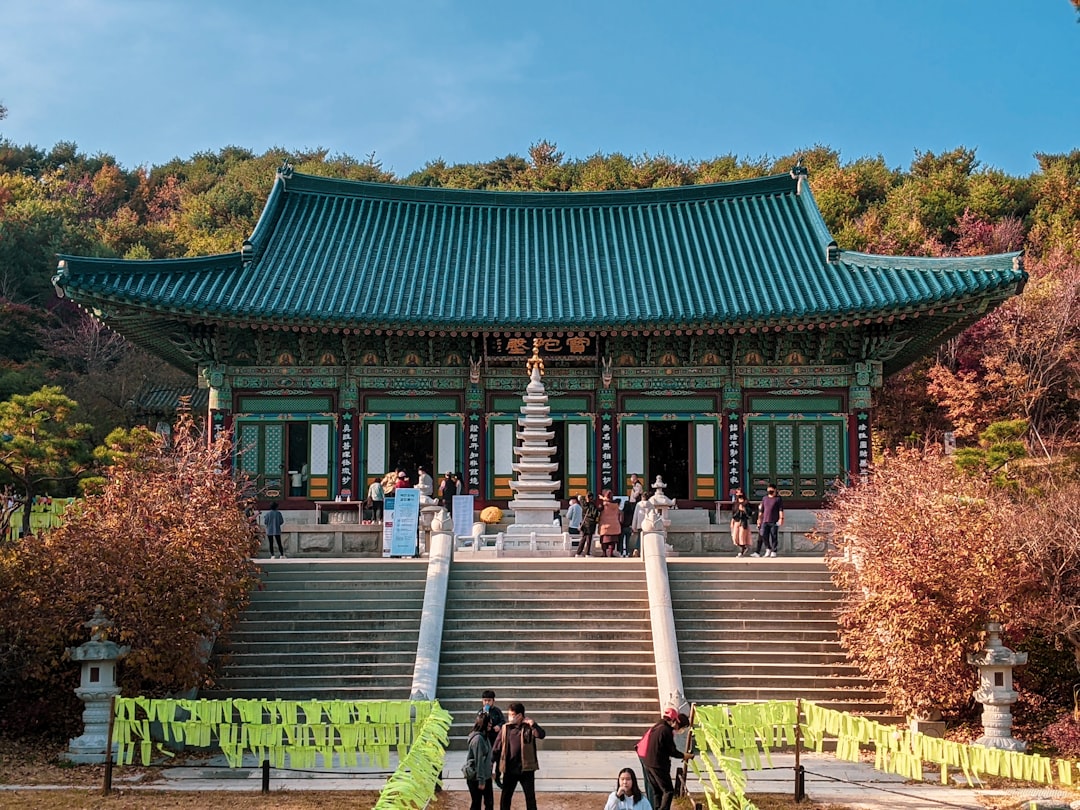
Why a Korean Temple Stay Is the Most Transformative Travel Experience You’ll Ever Have
I’ll never forget the sound of the moktak — a hollow wooden drum — echoing through the misty mountains of Gangwon-do at 3:30 in the morning. I was groggy, disoriented, and lying on a thin mat on a heated floor in a 700-year-old Buddhist temple. And yet, by the time I’d finished the pre-dawn chanting ceremony, watched the sunrise paint the peaks in gold, and sat down to a silent breakfast of rice porridge and pickled vegetables, I felt more rested and centered than I had in years. That was my first Korean temple stay, and it fundamentally changed how I travel.
If you’ve been Googling “korean temple stay how to book foreigners,” you’re already on the right track. South Korea’s Templestay program is one of the most accessible, affordable, and genuinely life-enriching cultural experiences available to international visitors — and yet most first-time travelers to Korea have never heard of it. This guide covers everything: how to book, what to expect, what to pack, how much it costs, and which temples are best for English-speaking visitors.
Whether you’re a meditation enthusiast, a solo traveler seeking stillness, or just someone who wants a break from the neon-lit intensity of Seoul, a temple stay belongs on your Korea itinerary. Let’s get into it.
What Exactly Is a Korean Temple Stay?

The History Behind the Program
The Templestay program was launched in 2002 by the Jogye Order of Korean Buddhism, originally created to provide accommodation for visitors during the FIFA World Cup when hotels were overbooked. It was so popular that the Korean government and the Cultural Corps of Korean Buddhism made it a permanent cultural program.
Today, over 140 temples across South Korea participate. The program has hosted more than 6 million participants since its inception, with international visitors making up a growing share every year. In 2025, approximately 180,000 foreign nationals completed a temple stay — a 40% increase from pre-pandemic levels.
Types of Temple Stay Programs
Not all temple stays are the same. Understanding the different formats will help you choose the right one:
- Rest-type (휴식형): The most flexible option. You stay at the temple, follow the basic daily schedule (morning/evening chanting), and spend the rest of your time hiking, meditating, or simply resting. Ideal for first-timers and introverts.
- Experience-type (체험형): A structured program that includes activities like tea ceremony, lotus lantern making, calligraphy, Seon (Zen) meditation instruction, and temple cuisine cooking. Usually 1 night/2 days. This is the most popular format for foreign visitors.
- Training-type (수련형): An intensive program lasting 3–7 days with strict schedules, extended meditation sessions, 108 prostrations, and minimal talking. Best for experienced practitioners or those seeking a serious reset.
Think of it this way: if a spa retreat is a warm bath, a rest-type temple stay is a cool mountain stream, and a training-type is a polar plunge. All refreshing — just different intensities.
How to Book a Korean Temple Stay as a Foreigner (Step-by-Step)
This is the section most people are searching for when they type “korean temple stay how to book foreigners” into Google — so let me make it crystal clear.
Step 1: Visit the Official Templestay Website
Go to templestay.com — this is the official booking platform run by the Cultural Corps of Korean Buddhism. The site has a full English version. Templestay Official Website
Create a free account. You’ll need an email address and a basic profile. The registration process takes about 2 minutes.
Step 2: Browse and Filter Temples
Use the search filters to narrow down your options:
- Region: Choose from Seoul/Gyeonggi, Gangwon, Chungcheong, Gyeongsang, Jeolla, or Jeju.
- Program type: Rest, Experience, or Training.
- Language support: Filter for temples with English-speaking staff or guides — this is critical for non-Korean speakers.
- Dates: Select your preferred dates. Popular temples book out 2–4 weeks in advance during peak seasons (cherry blossom in April, autumn foliage in October–November).
Step 3: Reserve and Pay Online
Once you’ve selected a temple, click “Reserve.” Most programs accept international credit cards (Visa, Mastercard). The standard 1-night/2-day experience program costs between $40–$70 USD, which includes accommodation, all meals, and program activities. That’s less than a budget hostel in Myeongdong — with infinitely more soul.
You’ll receive a confirmation email with directions, a packing list, and the temple’s rules. Print this out or save it offline — cell service can be spotty in mountain areas.
Step 4: Alternative Booking Methods
If you prefer human help, you can also book through:
- Korea Tourism Organization (KTO) tourist information centers at Incheon Airport or in Myeongdong — staff can call temples on your behalf. Korea Tourism Organization
- Your hotel concierge — many Seoul hotels are familiar with the program.
- Direct phone/email to the temple — larger temples like Haeinsa and Woljeongsa have English-speaking coordinators.
Pro tip: Book at least 2 weeks ahead for weekend programs during spring and fall. Weekday stays are much easier to snag last-minute.
Top 7 Temples for Foreigners: Which One Should You Choose?

Not every temple is equally suited for international visitors. Here are the seven I recommend most, based on English support, accessibility, and program quality.
| Temple | Location | Best For | English Support | Cost (1N/2D) |
|---|---|---|---|---|
| Bongeunsa | Seoul (Gangnam) | First-timers, city convenience | Excellent | $45 |
| Jogyesa | Seoul (Jongno) | Day programs, accessibility | Excellent | $30 (day program) |
| Haeinsa | Hapcheon, Gyeongsang | UNESCO heritage, deep immersion | Good | $55 |
| Woljeongsa | Pyeongchang, Gangwon | Mountain scenery, forest walks | Good | $50 |
| Geumsunsa | Seoul (Bukhansan) | Hiking + temple combo | Moderate | $40 |
| Beomeosa | Busan | Busan travelers, nature | Good | $50 |
| Magoksa | Gongju, Chungcheong | Quiet retreat, fewer crowds | Moderate | $45 |
Best for First-Timers: Bongeunsa Temple, Seoul
Bongeunsa sits right in the heart of Gangnam — yes, that Gangnam — surrounded by skyscrapers and a 5-minute walk from COEX Mall. The contrast is surreal: one moment you’re in a K-pop merchandise shop, the next you’re bowing before a 23-meter Maitreya Buddha statue in serene silence.
Their Thursday evening program is designed specifically for foreigners, with English-speaking guides, translated chanting booklets, and a Q&A session with a monk. It’s the most beginner-friendly temple stay experience in the country.
Best for Serious Seekers: Haeinsa Temple, Hapcheon
Haeinsa is home to the Tripitaka Koreana — over 80,000 woodblocks of Buddhist scripture carved in the 13th century and designated a UNESCO World Heritage site. The temple sits at 700 meters elevation on Gayasan Mountain, and the journey there is part of the experience.
The 2-night training program here is intense: wake-up at 3 AM, 108 prostrations, walking meditation on mountain trails, and prolonged sitting meditation. It’s the temple stay equivalent of running a marathon — challenging but profoundly rewarding. Visit Korea Official – Haeinsa Guide
Best for Nature Lovers: Woljeongsa, Pyeongchang
If you’re visiting Korea during autumn foliage season (mid-October to early November), Woljeongsa’s fir tree forest path is one of the most photographed spots in the country. The 1-kilometer walk from the parking lot to the temple is lined with towering Korean fir trees — it feels like walking into a Studio Ghibli film.
Pyeongchang is also where the 2018 Winter Olympics were held, so if you’re combining your temple stay with skiing, this is a perfect combo. 5 Best Ski Resorts in Korea for Beginners 2026
What to Expect: A Typical Temple Stay Schedule
Here’s what a standard 1-night/2-day experience program looks like. Times vary slightly by temple, but this is representative:
Day 1 (Afternoon Arrival)
- 2:00 PM — Check-in and orientation. You’ll receive temple clothing (a loose vest and pants set), be assigned a room, and get a tour of the grounds. Staff explain the rules: no shoes indoors, no alcohol, no smoking, no loud talking, and phones on silent.
- 3:00 PM — Afternoon activity. This varies: tea ceremony with a monk, lotus lantern crafting, Seon meditation instruction, or temple grounds hiking.
- 5:30 PM — Dinner (Barugongyang). Temple food is 100% vegan — no meat, fish, garlic, onion, or chives (the five pungent vegetables prohibited in Buddhist cuisine). It’s served in traditional bowls, eaten in silence, and you must finish every grain of rice. Waste nothing.
- 7:00 PM — Evening chanting (Yebul). You’ll join monks in the main dharma hall for 30–45 minutes of chanting, bowing, and meditation. Chanting booklets with romanized Korean are usually provided.
- 9:00 PM — Lights out. Rooms are communal (separated by gender), heated by ondol (radiant floor heating), and you sleep on a mat with a buckwheat pillow. It’s firm, simple, and surprisingly comfortable once you get used to it.
Day 2 (Early Morning)
- 3:30 AM — Wake-up bell (Dochamsong). Yes, 3:30 AM. The wooden drum sounds through the temple. This is non-negotiable — it’s the heart of the experience.
- 4:00 AM — Morning chanting and 108 prostrations. The 108 bows represent shedding 108 worldly desires. It’s physically demanding (think 108 slow burpees in prayer form), but deeply meditative. If you have knee issues, monks allow you to sit and meditate instead.
- 6:00 AM — Breakfast. Another silent vegan meal — typically rice porridge, kimchi, tofu, and seasonal vegetables.
- 7:30 AM — Walking meditation or free time. Many temples are surrounded by national park trails. This is when the magic happens: the mountains, the mist, the birdsong.
- 10:00 AM — Closing ceremony and departure. You return your temple clothes, say farewell, and re-enter the world — probably feeling like you just returned from another dimension.
The food alone is worth the trip. Korean temple cuisine (sachal eumsik) was designated a UNESCO Intangible Cultural Heritage and has been featured on Netflix’s Chef’s Table. If you enjoy plant-based cooking, you’ll find the flavors revelatory. Easy Tteokbokki Recipe From Scratch (2026 Guide) 7 Easy Korean Banchan Recipes for Beginners (2026)
Getting There: Transport Guide to Major Temple Stay Locations

Flying Into Korea
Most international visitors arrive at Incheon International Airport (ICN). Direct flights from LAX take about 13 hours, from JFK about 14.5 hours, and from SFO about 12.5 hours. Airlines like Korean Air, Asiana, Delta, and United offer daily direct routes.
US citizens enjoy visa-free entry for up to 90 days with an approved K-ETA (Korea Electronic Travel Authorization). Apply at least 72 hours before departure at k-eta.go.kr — it costs about $10 and is valid for 2 years.
Seoul Temples (Bongeunsa, Jogyesa, Geumsunsa)
From Incheon Airport, take the Airport Railroad Express (AREX) to Seoul Station (~43 minutes, $9). Then use the Seoul Metro — a T-money card (available at any convenience store for $3 + loaded value) gets you anywhere in the city for $1.30–$1.50 per ride.
- Bongeunsa: Subway Line 9, Bongeunsa Station, Exit 1. 3-minute walk.
- Jogyesa: Line 1, Jonggak Station, Exit 2. 5-minute walk through Insadong.
- Geumsunsa: Line 4, Suyu Station, then bus 120 to Bukhansan entrance. 20 minutes total.
Download Naver Map (Korea’s Google Maps equivalent — much more accurate for local transit) and Papago (translation app) before you arrive. Google Maps works in Korea but is notoriously unreliable for walking and bus directions. VisitSeoul Transport Guide
Mountain Temples (Haeinsa, Woljeongsa, Beomeosa)
For temples outside Seoul, the KTX (Korea Train Express) is your best friend. Book tickets through the KORAIL app or at korail.com — English interface available.
- Haeinsa: KTX from Seoul to Daegu (~1h 40m, $35–$45), then intercity bus from Daegu’s Seobu Bus Terminal to Haeinsa (~1h 30m, $8).
- Woljeongsa: KTX from Seoul to Jinbu Station (~1h 50m, $30), then taxi or local bus (15 minutes, $5–$10).
- Beomeosa: KTX from Seoul to Busan (~2h 30m, $45–$55), then Busan Metro Line 1 to Beomeosa Station, then bus 90 (20 minutes total).
Budget tip: Book KTX tickets at least 2 weeks in advance for early-bird discounts of up to 30%. The KORAIL Pass (unlimited rides for 2/3/4/5 days) costs $96–$175 and can be worth it if you’re covering multiple destinations.
Budget Breakdown: How Much Does a Korean Temple Stay Really Cost?
One of the best things about a Korean temple stay is the value. Here’s a realistic budget for a US-based traveler doing a 1-night temple stay:
| Expense | Cost (USD) | Notes |
|---|---|---|
| K-ETA | $10 | Valid 2 years |
| Round-trip flight (LAX–ICN) | $700–$1,100 | Book 2+ months ahead |
| Temple stay (1N/2D) | $40–$70 | Includes meals + activities |
| KTX round trip (Seoul–regional) | $60–$110 | Not needed for Seoul temples |
| Local transport (T-money) | $10–$20 | Metro + bus |
| Travel insurance | $15–$30 | Highly recommended |
| Total (temple stay portion) | $50–$200 | Excluding flights |
Compare this to a weekend wellness retreat in Sedona or Big Sur that runs $300–$800+ per night, and you start to see why Korean temple stay how to book foreigners is such a trending search. You’re getting authentic cultural immersion, all meals, guided meditation, and a mountain setting — for the price of a mediocre dinner in Manhattan.
Cultural Etiquette: 12 Rules Every Visitor Must Follow

Temples are active places of worship, not tourist attractions. Respecting the etiquette isn’t just polite — it’s essential. Here are the rules:
Before You Arrive
- No alcohol or drugs for 24 hours before arrival. Temples are substance-free zones.
- Pack modestly. No shorts above the knee, sleeveless tops, or revealing clothing. You’ll receive temple clothes, but arrival attire matters.
- Leave valuables at your hotel. Rooms are communal and unlocked. Bring only essentials.
During Your Stay
- Remove shoes before entering any building. Always. Line them up neatly facing outward.
- Bow when greeting monks. A slight bow with hands together (hapjang) is appropriate. You don’t need to do a full prostration unless during ceremonies.
- Maintain silence in designated areas. The meditation hall, dining hall during meals, and sleeping quarters after lights-out are quiet zones.
- Eat everything on your plate. Wasting food is considered disrespectful. Take small portions and go back for more if hungry.
- Walk mindfully. No running. Step over thresholds (don’t step on them). Walk to the right side of the courtyard — the center path is for monks.
- Ask before photographing. Most temples allow outdoor photography but prohibit it inside dharma halls and during ceremonies. Always ask first.
- Phones on silent, ideally off. This is your digital detox. Embrace it.
- No physical contact with monks. Especially cross-gender. Maintain respectful distance.
- Follow the schedule. Even if you’re exhausted. The 3:30 AM wake-up is part of the experience — skipping it defeats the purpose.
Cultural note: If you’re used to yoga retreats where you can opt out of sessions, temple stays are different. Participation in morning and evening chanting is expected (though not physically forced). Think of it more like military basic training discipline meets spiritual practice — structure is the point.
What to Pack: The Complete Temple Stay Packing List
Essentials
- Warm socks (2 pairs) — floors are heated but hallways and outdoor walkways are cold, especially in fall/winter/spring mornings.
- Toiletries — basic soap and toothbrush. Skip strongly scented products. Some temples provide basics, but don’t count on it.
- Flashlight or headlamp — you’re navigating dark temple grounds at 3:30 AM.
- Layers — mountain temperatures drop dramatically at night, even in summer. A fleece or light down jacket is essential.
- Small towel — provided by some temples, not all.
- Earplugs and eye mask — communal sleeping with strangers means snoring is a reality.
- Water bottle — temples have water stations but don’t provide bottles.
Leave Behind
- Alcohol, cigarettes, snacks with meat products
- Heavy perfume or cologne
- Laptop (unless doing a rest-type stay at a temple with Wi-Fi)
- Expectations of luxury — this is intentionally simple
If you’re packing for a broader Korea trip that includes a temple stay, think layers, versatility, and comfort. Your temple wardrobe is about 10% of your suitcase. The other 90% can be for exploring Seoul’s shopping districts and picking up skincare hauls. Best Korean Sheet Masks for Dry Skin 2026: Top 12 Ranked 7 Affordable K-Beauty Dupes for Luxury Products 2026
Best Seasons for a Korean Temple Stay
Spring (March–May): Cherry Blossoms and Lotus Birthday
Spring is arguably the most magical time. Cherry blossoms peak from late March in the south (Busan, Gyeongju) to mid-April in Seoul and Gangwon. Many temples are surrounded by cherry trees, and the combination of pink petals falling onto ancient stone courtyards is unforgettable.
The biggest event is Buddha’s Birthday (Bucheonim Osinnal), celebrated on the 8th day of the 4th lunar month (usually May). Temples light thousands of lotus lanterns, and the Seoul Lotus Lantern Festival parade through Jongno is one of Korea’s most spectacular cultural events. Booking a temple stay during this period is peak demand — reserve at least a month ahead.
Autumn (September–November): Foliage and Clarity
Autumn foliage in Korea is on par with New England — the mountainside temples of Seoraksan, Gayasan, and Jirisan become a canvas of crimson, amber, and gold. Woljeongsa and Haeinsa are particularly stunning from mid-October to early November. The crisp air makes early-morning meditation sessions extra invigorating.
Winter (December–February): Silence and Snow
Winter temple stays are for the committed — 3:30 AM wake-ups when it’s -10°C outside require real dedication. But snow-covered temples are hauntingly beautiful, and winter programs tend to be smaller and more intimate. Combine with a ski trip to Pyeongchang if you’re visiting Woljeongsa. 5 Best Ski Resorts in Korea for Beginners 2026
Summer (June–August): Green Mountains and Monsoon Meditation
Korea’s monsoon season (late June to mid-July) means rain, humidity, and lush greenery. Mountain temples become misty wonderlands. The sound of rain on tile roofs during meditation is a sensory experience you won’t get at home. Just pack a rain jacket and quick-dry clothing.
Insider Tips: 10 Things I Wish I’d Known Before My First Temple Stay
- Start with a Seoul temple. Bongeunsa or Jogyesa lets you experience temple culture without committing to a mountain journey. If you love it, book a deeper stay at a regional temple.
- Learn three Korean phrases: “감사합니다” (gamsahamnida — thank you), “안녕하세요” (annyeonghaseyo — hello), and “합장” (hapjang — the hands-together greeting). Monks deeply appreciate even minimal effort.
- Your knees will hurt during prostrations. Stretch beforehand. If you have knee problems, tell the temple coordinator during check-in — modifications are always available.
- The food is incredible, but bring a snack for after. Temple meals are modest in portion. After checkout, you’ll be hungry. Convenience stores (GS25, CU, 7-Eleven) are everywhere in Korea and have amazing ready-made meals for $3–$5.
- Don’t plan anything for the afternoon after checkout. You’ll be in a deeply reflective, slightly dazed headspace. Give yourself transition time before jumping back into tourist mode.
- Use the Papago app for temple signage. Most temple signs are in Korean only. Papago’s camera translation feature works remarkably well.
- Bring a journal. No phones during meals and meditation means you’ll have actual thoughts worth capturing. Writing by hand after a dawn meditation session feels different — trust me.
- Solo travelers are the norm, not the exception. About 60% of temple stay participants come alone. You’ll likely meet fascinating people from around the world during the experience activities.
- Weekend vs. weekday matters. Weekend programs are more crowded and social. Weekday programs are quieter and more contemplative. Choose based on your personality.
- The real value hits you days later. During the stay, you might feel awkward, tired, or bored. A week later, you’ll find yourself craving that stillness. It’s a slow-release experience. Let it unfold.
Combining Your Temple Stay With Other Korea Experiences
A temple stay works beautifully as one piece of a larger Korea itinerary. Here’s how to integrate it:
- Seoul + Bongeunsa temple stay + DMZ tour — 5 days. Classic first-timer itinerary.
- Seoul + Woljeongsa temple stay + Pyeongchang skiing — 7 days. Perfect for winter visitors. 5 Best Ski Resorts in Korea for Beginners 2026
- Seoul + KTX to Busan + Beomeosa temple stay + Gyeongju day trip — 8 days. Mix urban energy with spiritual retreat and ancient history.
- Seoul + Haeinsa temple stay (2 nights) + Jeonju Hanok Village — 7 days. Deep cultural immersion for second-time visitors.
Use KakaoTalk (Korea’s WhatsApp equivalent — almost everyone uses it) and the KORAIL app to coordinate travel. KTX trains between major cities run every 15–30 minutes, making Korea one of the easiest countries in Asia to navigate independently.
While in Korea, don’t miss the food scene. Korean cooking is deeply connected to Buddhist temple cuisine traditions — many beloved dishes evolved from temple recipes adapted for the secular world. How to Make Tteokbokki at Home: Easy 2026 Guide
And if you’re traveling with a furry companion (or missing yours back home), Korea’s pet culture is thriving. 7 Most Popular Dog Breeds in Korea 2026 Guide 7 Best Korean Pet Food Brands for Dogs in 2026
Frequently Asked Questions About Korean Temple Stays
Do I need to be Buddhist to do a Korean temple stay?
Absolutely not. The program welcomes people of all faiths and no faith. Approximately 70% of participants are non-Buddhist. The temples see this as cultural exchange, not religious conversion. You’ll be invited to participate in chanting and bowing, but it’s framed as a mindfulness practice, not worship. Christians, atheists, Muslims, and people of every background participate regularly. The monks genuinely enjoy meeting people from different cultures.
Can I do a temple stay if I don’t speak Korean?
Yes. Many temples — especially Bongeunsa, Jogyesa, Haeinsa, and Woljeongsa — have English-speaking coordinators and provide translated materials. The templestay.com website lets you filter for English-supported programs. That said, download the Papago app for on-the-fly translation. During silent meditation and meal periods, language barriers become irrelevant anyway — everyone is quiet together.
Is the food really all vegan? What if I have allergies?
Temple food is strictly plant-based — no meat, fish, eggs, dairy, or the five pungent vegetables (garlic, onion, chives, green onions, leeks). If you have specific allergies (nut, soy, gluten), email the temple before arrival. Most temples use soy sauce and tofu extensively, so soy allergies need to be communicated early. Gluten-free accommodation varies — rice is the staple, but some side dishes may contain wheat.
Can children participate in a temple stay?
Some temples offer family-friendly programs for children aged 7 and above, particularly during school holidays. Bongeunsa and Jogyesa occasionally run family programs in summer. However, the standard experience program (with the 3:30 AM wake-up and extended meditation) is generally better suited for participants aged 15 and older. Check with individual temples for age policies.
What’s the cancellation policy?
Most temples allow free cancellation up to 3 days before the program start date. Within 3 days, you may forfeit 50% of the fee. No-shows forfeit the full amount. During peak seasons (cherry blossom and autumn foliage), some popular temples have stricter policies. Always check the specific cancellation terms on your confirmation email.
Is there Wi-Fi at the temples?
Some temples offer limited Wi-Fi in common areas, but many mountain temples have no connectivity by design. Consider this a feature, not a bug. If you need to stay connected for safety reasons, a Korean SIM card or portable Wi-Fi device (available at Incheon Airport for $5–$8/day) will give you cell coverage in most areas, though signal can be weak deep in mountain valleys.
Can I just visit a temple without staying overnight?
Yes. Many temples offer day programs (2–4 hours) that include a tour, tea ceremony, and basic meditation instruction for $20–$35. Jogyesa in central Seoul is the best option for this — no overnight commitment, easy subway access, and excellent English support. It’s a great “tasting menu” before committing to a full overnight stay.
Related Posts You’ll Love
- 7 Easy Korean Banchan Recipes for Beginners (2026) — Try making temple-inspired side dishes at home
- 7 K-Pop Idols With the Best K-Drama Roles in 2026 — Cultural context for your Korea trip
- Best Korean Sheet Masks for Dry Skin 2026: Top 12 Ranked — Post-temple-stay skincare recovery
Suggested new articles:
- Complete Guide to Korean Temple Food (Sachal Eumsik) for Beginners
- 10 Best Mountain Hiking Trails Near Seoul for All Levels 2026
- How to Plan Your First Solo Trip to South Korea 2026
Ready to Book Your Korean Temple Stay?
A Korean temple stay is one of those rare travel experiences that genuinely changes your perspective — not because someone tells you it will, but because waking up at 3:30 AM on a mountain, eating in silence, and bowing 108 times before sunrise does something to your brain that no amount of Instagram scrolling can replicate.
Now that you know exactly how to book a Korean temple stay as a foreigner, there’s no reason to wait. Head to templestay.com, pick a temple, choose your dates, and commit. Your future self — the one sitting in peaceful silence while the sun rises over a Korean mountain — will thank you.
Have you done a Korean temple stay? Planning one? Drop your questions, tips, or stories in the comments below — I read and respond to every one. If this guide helped you, share it with a friend who needs a digital detox. And if you want more insider Korea travel content delivered to your inbox, subscribe to our newsletter for weekly guides just like this one.
Safe travels, and remember: the boulder never rolls uphill on its own. Sometimes you have to climb the mountain to find the stillness at the top. 🙏