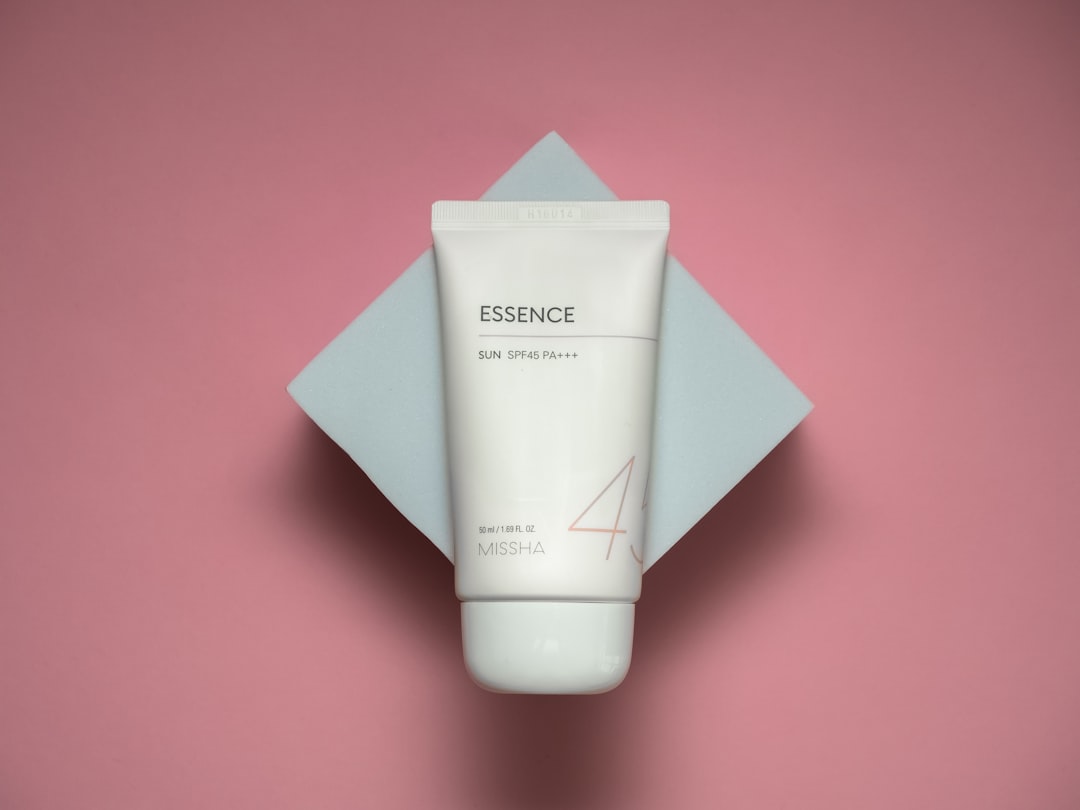
Why Korean Skincare Is a Game-Changer for Acne-Prone Skin
If you’ve ever stood in front of a mirror, frustrated by yet another breakout after trying every Western acne product on the shelf, you’re not alone. Millions of people with acne-prone skin have discovered that the harsh, strip-everything approach simply doesn’t work long-term. That’s exactly where a Korean skincare routine for acne prone skin enters the picture — and it’s revolutionizing the way we think about treating breakouts.
Korean beauty (K-Beauty) takes a fundamentally different approach. Instead of attacking acne with aggressive chemicals that leave your skin dry, irritated, and overproducing oil, K-Beauty focuses on barrier repair, gentle hydration, and targeted treatment. The philosophy is simple: healthy skin fights acne better than damaged skin does.
According to the American Academy of Dermatology, acne affects up to 50 million Americans annually, and a growing number of dermatologists now recommend layering lightweight, hydrating products — a core principle of Korean skincare. In South Korea, where the skincare industry generates over $13 billion annually, clear skin isn’t achieved through one miracle product. It’s built through a consistent, multi-step routine tailored to your skin’s specific needs.
In this comprehensive guide, we’ll compare the best Korean skincare products, routines, and ingredients specifically formulated for acne-prone skin. Whether you’re dealing with hormonal breakouts, cystic acne, or persistent blackheads, there’s a K-Beauty solution waiting for you. Korean Glass Skin Routine for Beginners: 7-Step Guide 2026
Korean vs. Western Acne Treatment: A Head-to-Head Comparison

Philosophy and Approach
The biggest difference between Korean and Western acne treatment isn’t just the products — it’s the entire mindset. Western skincare typically follows a “search and destroy” model: find the acne, blast it with benzoyl peroxide or salicylic acid, and hope for the best. Korean skincare treats acne as a symptom of an unhealthy skin barrier, focusing on restoring balance first.
This means a Korean skincare routine for acne prone skin prioritizes hydration alongside treatment. Where a Western routine might include three drying products in a row, a Korean routine sandwiches active treatments between hydrating, soothing layers. The result? Less irritation, fewer rebound breakouts, and faster healing.
Ingredient Philosophy
Korean formulations lean heavily on naturally-derived, skin-identical ingredients like centella asiatica (cica), snail mucin, green tea, and propolis. Western brands tend to rely more on synthetic actives at higher concentrations. Neither approach is inherently wrong, but for sensitive, acne-prone skin, the gentler Korean formulations often produce better long-term results with less irritation.
Here’s a side-by-side comparison of common acne-fighting ingredients:
| Factor | Korean Approach | Western Approach |
|---|---|---|
| Primary Actives | BHA (betaine salicylate), tea tree, centella, mugwort | Benzoyl peroxide, salicylic acid, adapalene |
| Concentration | Lower concentrations, multiple gentle layers | Higher concentrations, fewer products |
| Hydration | Central to the routine (toners, essences, serums) | Often secondary or addressed with one moisturizer |
| Sun Protection | Elegant, lightweight, daily non-negotiable | Often heavy, greasy, inconsistently used |
| Irritation Risk | Low to moderate | Moderate to high |
| Price Range | $8–$30 per product | $10–$60+ per product |
The takeaway? A Korean skincare routine for acne prone skin gives you clinical-grade results without the clinical-grade irritation. And with most products priced under $25, it’s significantly more affordable than many Western alternatives. Korean vs Western Makeup: 7 Key Differences in 2026
The Ideal Korean Skincare Routine for Acne-Prone Skin: Step by Step
Building the right routine doesn’t mean using 15 products. For acne-prone skin, a streamlined 7-step Korean skincare routine hits the sweet spot between thorough care and not overwhelming your skin. Here’s exactly what to do, morning and night.
Step 1: Oil Cleanser (PM Only)
This is the step most acne sufferers skip — and it’s the one that makes the biggest difference. Oil cleansing dissolves sebum, sunscreen, and makeup without stripping your skin’s natural moisture barrier. If you think oil on acne-prone skin sounds counterintuitive, here’s the science: oil dissolves oil. An oil cleanser actually helps unclog pores more effectively than a foaming cleanser alone.
Top Pick: Banila Co Clean It Zero Cleansing Balm Purifying ($19, Sephora) — formulated specifically for acne-prone skin with centella and salicylic acid. It melts on contact, emulsifies with water, and rinses completely clean.
Runner-Up: Kose Softymo Speedy Cleansing Oil ($10, Amazon) — a no-frills, fragrance-free option that’s been a cult favorite in Asia for over a decade.
Step 2: Water-Based Cleanser
The second cleanse removes any remaining residue. Look for a low-pH cleanser (5.0–6.0) to keep your acid mantle intact. High-pH cleansers — which include many popular Western face washes — can disrupt your skin barrier and actually increase breakouts over time.
Top Pick: COSRX Low pH Good Morning Gel Cleanser ($12, Amazon, Ulta) — pH 5.0, contains tea tree oil for gentle antibacterial action, and BHA to keep pores clear. Over 60,000 reviews on Amazon with a 4.5-star average.
Runner-Up: Rovectin Skin Essentials Conditioning Cleanser ($16, Amazon) — exceptionally gentle, great for those with both acne and sensitivity.
Step 3: Exfoliant (2-3 Times Per Week)
Chemical exfoliation is non-negotiable for acne-prone skin. BHA (salicylic acid or betaine salicylate) is oil-soluble, meaning it penetrates into pores to dissolve the gunk causing breakouts. AHA (glycolic or lactic acid) works on the surface to fade post-acne marks.
Top Pick: COSRX BHA Blackhead Power Liquid ($25, Sephora, Amazon) — uses 4% betaine salicylate (gentler than direct salicylic acid) with willow bark water. Apply after cleansing, wait 15–20 minutes, then continue your routine.
Top Pick for Dark Marks: By Wishtrend Mandelic Acid 5% Skin Prep Water ($22, Amazon) — mandelic acid is the gentlest AHA, perfect for beginners and melanin-rich skin tones prone to post-inflammatory hyperpigmentation.
Step 4: Hydrating Toner
Korean toners are nothing like Western astringent toners. They’re watery, hydrating layers that prep your skin to absorb everything that follows. For acne-prone skin, look for toners with soothing, anti-inflammatory ingredients.
Top Pick: Pyunkang Yul Essence Toner ($13, Amazon) — only 7 ingredients. The star is astragalus membranaceus root extract, a potent anti-inflammatory. No fragrance, no alcohol, no essential oils. It’s boring in the best way.
Runner-Up: Isntree Green Tea Fresh Toner ($18, Amazon) — 80% green tea extract provides antioxidant protection while controlling excess oil production.
Step 5: Serum or Ampoule
This is your targeted treatment step. Choose based on your primary acne concern:
- Active breakouts: SOME BY MI AHA BHA PHA 30 Days Miracle Serum ($18, Amazon) — triple-acid formula that fights breakouts while fading scars
- Post-acne marks: Beauty of Joseon Glow Serum: Propolis + Niacinamide ($15, Amazon, Sephora) — niacinamide regulates sebum and fades dark spots, while propolis provides antibacterial healing
- Irritated, angry acne: COSRX Advanced Snail 96 Mucin Power Essence ($22, Ulta, Amazon) — snail mucin is rich in glycoproteins, glycolic acid, and zinc, all of which promote healing and reduce redness
Step 6: Lightweight Moisturizer
Yes, even oily, acne-prone skin needs moisturizer. Skipping moisturizer triggers your skin to overproduce oil, which leads to more breakouts. The key is choosing a lightweight, non-comedogenic gel or gel-cream formula.
Top Pick: COSRX Oil-Free Ultra-Moisturizing Lotion ($15, Amazon, Ulta) — birch sap-based, absorbs instantly, leaves zero greasy residue. It delivers intense hydration without a single comedogenic ingredient.
Runner-Up: Purito Deep Sea Pure Water Cream ($19, Amazon) — contains 50% deep sea water plus beta-glucan for calming hydration without breakouts.
Step 7: Sunscreen (AM Only)
Korean sunscreens are widely considered the best in the world — and for good reason. They’re lightweight, non-greasy, and sit beautifully under makeup. For acne-prone skin, sun protection is critical because UV exposure darkens acne scars and can trigger inflammation.
Top Pick: Beauty of Joseon Relief Sun: Rice + Probiotics SPF 50+ PA++++ ($16, Amazon, Sephora) — the #1 best-selling K-Beauty sunscreen globally. Lightweight, no white cast, probiotic-infused for skin barrier support.
Runner-Up: Isntree Hyaluronic Acid Watery Sun Gel SPF 50+ PA++++ ($18, Amazon) — water-gel texture that feels like nothing on your skin. Excellent under makeup.
Top 5 Korean Acne-Fighting Ingredients You Need to Know

Understanding what’s actually in your products is the fastest way to build an effective Korean skincare routine for acne prone skin. Here are the five powerhouse ingredients that Korean formulators use most effectively for breakout-prone complexions. Best Korean Beauty Products — Allure
1. Centella Asiatica (Cica)
Also known as tiger grass or gotu kola, centella asiatica is arguably the #1 ingredient in Korean acne care. It contains four key compounds — asiaticoside, madecassoside, asiatic acid, and madecassic acid — that work together to reduce inflammation, promote collagen synthesis, and accelerate wound healing.
Clinical studies published in the Journal of Clinical and Aesthetic Dermatology found that centella extract significantly reduced acne lesion count and inflammation markers after 8 weeks of use. You’ll find it in toners, serums, moisturizers, and even sheet masks.
Best Cica Product: Dr. Jart+ Cicapair Tiger Grass Cream ($48, Sephora) — the gold standard. For a budget option, try the COSRX Pure Fit Cica Serum ($23, Ulta).
2. Tea Tree (Melaleuca Alternifolia)
Tea tree oil has been used as a natural antiseptic for centuries, and research supports its efficacy against Cutibacterium acnes (the bacteria responsible for inflammatory acne). A study in the Medical Journal of Australia found that 5% tea tree oil was as effective as 5% benzoyl peroxide for reducing acne lesions — but with significantly fewer side effects.
Korean brands formulate tea tree at optimized concentrations that deliver antibacterial benefits without the irritation raw tea tree oil can cause.
Best Tea Tree Product: Innisfree Green Tea Seed Serum ($27, Sephora) or the more targeted Some By Mi AHA BHA PHA 30 Days Miracle Toner ($14, Amazon).
3. Niacinamide (Vitamin B3)
Niacinamide is the Swiss Army knife of skincare ingredients. At concentrations of 2–5%, it regulates sebum production, strengthens the skin barrier, reduces pore appearance, fades hyperpigmentation, and has anti-inflammatory properties. Korean serums frequently pair it with other actives like propolis or hyaluronic acid for synergistic effects.
Best Niacinamide Product: Beauty of Joseon Glow Serum ($15, Amazon) — combines 2% niacinamide with 60% propolis extract for a dual-action anti-acne and brightening effect.
4. Propolis
Propolis is a resinous substance produced by bees to protect their hives. It’s naturally antibacterial, antifungal, and anti-inflammatory. Korean skincare has embraced propolis as a star ingredient for acne-prone skin because it fights bacteria while simultaneously healing and nourishing damaged skin.
Research published in Evidence-Based Complementary and Alternative Medicine demonstrated that propolis extract reduced inflammatory acne by up to 40% over 12 weeks.
Best Propolis Product: COSRX Full Fit Propolis Light Ampoule ($25, Ulta, Amazon) — 73.5% black bee propolis extract in a lightweight ampoule format.
5. Mugwort (Artemisia)
Mugwort has been used in traditional Korean medicine for centuries. In skincare, it’s a powerful anti-inflammatory and antioxidant that calms irritated, reactive skin. It’s especially effective for those whose acne worsens with environmental stressors — pollution, harsh winters, dry indoor heating — common challenges in Western climates.
Best Mugwort Product: I’m From Mugwort Essence ($28, Amazon, Sephora) — 100% mugwort extract from Ganghwa Island, Korea. Apply after cleansing for immediate soothing and redness reduction.
Best Korean Products for Every Acne Type: A Comparison
Not all acne is created equal. Your Korean skincare routine for acne prone skin should be tailored to your specific type of breakout. Here’s a detailed comparison to help you choose the right products.
Hormonal Acne (Jawline, Chin)
Hormonal acne appears primarily along the jawline and chin, often flaring around your menstrual cycle. It tends to be deep, cystic, and painful. The best Korean approach combines internal and external strategies:
- Cleanser: Etude House SoonJung pH 6.5 Whip Cleanser ($12) — ultra-gentle, won’t aggravate inflamed cysts
- Treatment: COSRX Centella Blemish Ampule ($25) — concentrated centella to reduce deep inflammation
- Spot Treatment: COSRX Acne Pimple Master Patch ($6, Amazon) — hydrocolloid patches that draw out fluid from cysts overnight
- Moisturizer: Illiyoon Ceramide Ato Concentrate Cream ($18, Amazon) — ceramide-rich barrier repair for skin weakened by hormonal fluctuations
Blackheads and Whiteheads (Comedonal Acne)
Comedonal acne — those persistent blackheads on your nose and tiny bumps on your forehead — responds best to consistent chemical exfoliation:
- Oil Cleanser: Banila Co Clean It Zero Purifying ($19) — dissolves sebaceous filaments
- BHA Exfoliant: COSRX BHA Blackhead Power Liquid ($25) — the gold standard for pore clearing
- Clay Mask (weekly): Innisfree Super Volcanic Pore Clay Mask ($15, Sephora) — Jeju volcanic clay absorbs excess oil
- Toner: Isntree BHA Toner ($18) — maintains pore clarity between exfoliation sessions
Inflammatory Acne (Red, Swollen Papules and Pustules)
Red, angry pimples need anti-inflammatory ingredients first, actives second. Over-treating inflamed skin worsens the problem:
- Essence: I’m From Mugwort Essence ($28) — immediate calming
- Serum: Dr. Ceuracle Tea Tree Purifine 95 Essence ($24, Amazon) — 95% tea tree leaf water for antibacterial action without irritation
- Spot Treatment: Some By Mi Clear Spot Patch ($7, Amazon) — contains salicylic acid and tea tree directly on the pimple
- Recovery Cream: Dr. Jart+ Cicapair Tiger Grass Cream ($48, Sephora) — helps skin recover from active breakouts faster
Common Mistakes When Starting a Korean Skincare Routine for Acne

Switching to a Korean skincare routine for acne prone skin is exciting, but there are critical mistakes that can sabotage your results. Here’s what to avoid and what to do instead.
Mistake #1: Introducing Everything at Once
The #1 reason people “react badly” to K-Beauty isn’t the products themselves — it’s overwhelming their skin with too many new ingredients simultaneously. When you introduce 5 new products at once and break out, you have no idea which one caused it.
The Fix: Introduce one new product every 1–2 weeks. Start with cleanser and moisturizer. Add sunscreen next. Then slowly incorporate actives like BHA or vitamin C. This process takes 6–8 weeks, but it builds a routine you can trust.
Mistake #2: Confusing Purging with Breaking Out
When you start using BHA or AHA, you may experience “purging” — a temporary increase in breakouts as clogged pores are pushed to the surface faster. Purging looks like breakouts in your usual acne zones and resolves within 4–6 weeks. A true breakout from a bad product appears in new areas and doesn’t improve.
The Fix: Track where your breakouts appear. If they’re in your normal acne areas and you recently started an exfoliant, give it 6 weeks. If breakouts appear in new areas, discontinue the new product immediately.
Mistake #3: Skipping Moisturizer Because Your Skin Is Oily
This is the most persistent myth in acne care. Dehydrated skin produces more oil to compensate for lack of moisture. Studies from the Seoul National University dermatology department confirmed that acne patients who used lightweight moisturizers had a 27% reduction in sebum production over 8 weeks compared to those who skipped moisturizer.
The Fix: Use a gel or water-based moisturizer. Korean gel creams like the Belif The True Cream Aqua Bomb ($38, Sephora) or the budget-friendly COSRX Oil-Free Moisturizing Lotion ($15) provide hydration without any greasiness.
Mistake #4: Using Physical Scrubs on Active Acne
Walnut scrubs, sugar scrubs, and harsh physical exfoliants create micro-tears in inflamed skin, spreading bacteria and worsening breakouts. Korean skincare overwhelmingly favors chemical exfoliation for acne-prone skin.
The Fix: Replace physical scrubs with BHA liquid exfoliants. If you crave that “scrubbed clean” feeling, use a soft konjac sponge with your cleanser — it provides gentle physical exfoliation without the damage.
Budget vs. Premium: Building Your Korean Acne Routine at Any Price
One of the best things about K-Beauty is that effective acne care doesn’t require a luxury budget. Here’s how to build a complete Korean skincare routine for acne prone skin at two price points.
Budget Routine (Under $80 Total)
| Step | Product | Price | Where to Buy |
|---|---|---|---|
| Oil Cleanser | Kose Softymo Speedy Cleansing Oil | $10 | Amazon |
| Water Cleanser | COSRX Low pH Good Morning Gel Cleanser | $12 | Amazon, Ulta |
| Exfoliant | COSRX BHA Blackhead Power Liquid | $25 | Amazon, Sephora |
| Toner | Pyunkang Yul Essence Toner | $13 | Amazon |
| Moisturizer | COSRX Oil-Free Ultra-Moisturizing Lotion | $15 | Amazon, Ulta |
| Spot Treatment | COSRX Acne Pimple Master Patch | $6 | Amazon, Ulta |
| Total | $81 | ||
Premium Routine (Under $200 Total)
| Step | Product | Price | Where to Buy |
|---|---|---|---|
| Oil Cleanser | Banila Co Clean It Zero Purifying | $19 | Sephora, Amazon |
| Water Cleanser | Rovectin Skin Essentials Conditioning Cleanser | $16 | Amazon |
| Exfoliant | By Wishtrend Mandelic Acid 5% Skin Prep Water | $22 | Amazon |
| Toner | Isntree Green Tea Fresh Toner | $18 | Amazon |
| Serum | Beauty of Joseon Glow Serum | $15 | Amazon, Sephora |
| Essence | I’m From Mugwort Essence | $28 | Amazon, Sephora |
| Moisturizer | Dr. Jart+ Cicapair Tiger Grass Cream | $48 | Sephora |
| Sunscreen | Beauty of Joseon Relief Sun SPF 50+ | $16 | Amazon, Sephora |
| Total | $182 | ||
Both routines will deliver visible results within 4–8 weeks. The premium routine adds more targeted treatments and luxurious textures, but the budget routine covers every essential step in an effective Korean skincare routine for acne prone skin.
Seasonal Adjustments: Adapting Your K-Beauty Acne Routine to Western Climates

Korean skincare routines were developed in Korea’s climate — hot, humid summers and cold, dry winters. If you live in a Western climate, you’ll need to make seasonal adjustments to keep your acne-prone skin balanced year-round.
Winter and Dry Indoor Heating
Central heating saps moisture from the air (and your skin). When your skin barrier is compromised by dryness, it becomes more susceptible to breakouts, not less. During winter months:
- Swap gel moisturizer for a cream — try the Illiyoon Ceramide Ato Concentrate Cream ($18, Amazon) for intense barrier repair
- Add a hydrating serum layer — COSRX Hyaluronic Acid Hydra Power Essence ($22) between toner and moisturizer
- Reduce exfoliation frequency from 3x/week to 1–2x/week to prevent over-stripping
- Use a humidifier in your bedroom to maintain 40–60% humidity while sleeping
Summer and High Humidity
Hot, humid weather increases oil production and sweat, which can clog pores. Adjust your routine:
- Switch to a lighter moisturizer — the COSRX Oil-Free Lotion or even just a hydrating toner may be enough
- Increase BHA frequency to 3–4x/week if your skin tolerates it
- Reapply sunscreen every 2 hours if outdoors — Korean cushion compacts make this easy
- Keep blotting papers handy — Innisfree No-Sebum Mineral Powder ($8, Amazon) doubles as a mattifying touch-up
Frequently Asked Questions About Korean Skincare for Acne
Is a 10-step Korean skincare routine too much for acne-prone skin?
Not necessarily, but you don’t need all 10 steps. A streamlined 5–7 step Korean skincare routine for acne prone skin is ideal for most people. The “10-step routine” is a framework, not a requirement. Focus on the steps that address your specific concerns: double cleansing, a gentle exfoliant, a targeted serum, moisturizer, and sunscreen. You can always add steps later as your skin improves and you learn what it responds to.
Can I use Korean skincare products with prescription acne medication like tretinoin or Accutane?
Yes, and Korean skincare products are actually ideal companions for prescription treatments. Tretinoin and isotretinoin (Accutane) cause significant dryness and sensitivity. Korean hydrating toners, ceramide moisturizers, and gentle cleansers help manage these side effects. However, avoid layering additional BHA or AHA products on top of prescription retinoids — your dermatologist’s treatment is doing the heavy lifting. Focus your K-Beauty routine on hydration and barrier repair during prescription treatment.
How long does it take to see results from a Korean skincare routine for acne?
Expect a realistic timeline of 4–12 weeks for visible improvement. Here’s a general breakdown: weeks 1–2, your skin adjusts to new products (possible purging if using BHA/AHA); weeks 3–4, inflammation begins to decrease and skin texture improves; weeks 6–8, noticeable reduction in active breakouts and early fading of post-acne marks; weeks 10–12, significant overall improvement in clarity, texture, and tone. Consistency is everything — skipping steps or switching products too frequently will delay results.
Are Korean skincare products safe for sensitive, acne-prone skin?
Generally, yes. Many Korean brands formulate specifically for sensitive skin and undergo rigorous dermatological testing. Brands like Pyunkang Yul, Rovectin, Etude House SoonJung, and Round Lab are known for minimal ingredient lists and zero irritants. Always check ingredient lists for potential triggers like fragrance, essential oils, or alcohol (denatured alcohol, not fatty alcohols which are fine). Patch test new products on your inner forearm for 24–48 hours before applying to your face.
Should I use sheet masks if I have acne-prone skin?
Sheet masks can be beneficial, but choose carefully. Look for masks with centella, tea tree, or niacinamide — these ingredients calm inflammation and fight acne. Avoid masks with heavy oils, coconut derivatives, or thick emollient essences that could clog pores. The Mediheal Tea Tree Care Solution Essential Mask ($2 per sheet, Amazon) and the COSRX Balancium Comfort Ceramide Soft Cream Sheet Mask ($3 per sheet) are both excellent options. Limit sheet masking to 1–2 times per week, and always follow with your regular moisturizer.
Related Posts You’ll Love
If you found this guide helpful, check out these related articles on our site:
- Korean Glass Skin Routine for Beginners: 7-Step Guide 2026 — learn how to achieve that coveted dewy, translucent glow once your acne is under control
- Korean vs Western Makeup: 7 Key Differences in 2026 — discover how Korean makeup techniques can complement your acne skincare routine
- Best Korean Convenience Store Snacks to Try in 2026 — because treating yourself right includes what you eat, too
Suggested future articles:
- Best Korean Sunscreens for Oily Skin: 2026 Comparison Guide
- Korean Double Cleansing Method: Complete Beginner’s Guide 2026
- How to Fade Acne Scars with Korean Skincare Products 2026
Your Clear Skin Journey Starts Today
Building the right Korean skincare routine for acne prone skin isn’t about buying the most expensive products or following the most complicated routine. It’s about understanding your skin, choosing the right ingredients, and being consistent. The K-Beauty approach — gentle, hydrating, and science-backed — has helped millions of people around the world achieve clearer, healthier skin.
Start with the basics: a good double cleanse, a BHA exfoliant, a lightweight moisturizer, and sunscreen. Build from there based on what your skin tells you. Remember, every skin journey is unique, and what works for a beauty influencer might not work for you. That’s okay. The goal isn’t perfection — it’s progress.
Now we want to hear from you! Have you tried any of the products mentioned in this guide? What’s your biggest acne struggle? Drop a comment below and share your experience — your story might help someone else on their clear skin journey. And if this guide was helpful, please share it with a friend who’s battling breakouts. Sometimes the best skincare advice comes from someone who’s been there.
Don’t miss our next deep dive into K-Beauty. Subscribe to our newsletter for weekly skincare tips, product reviews, and exclusive deals on the best Korean beauty products. Your inbox (and your skin) will thank you.