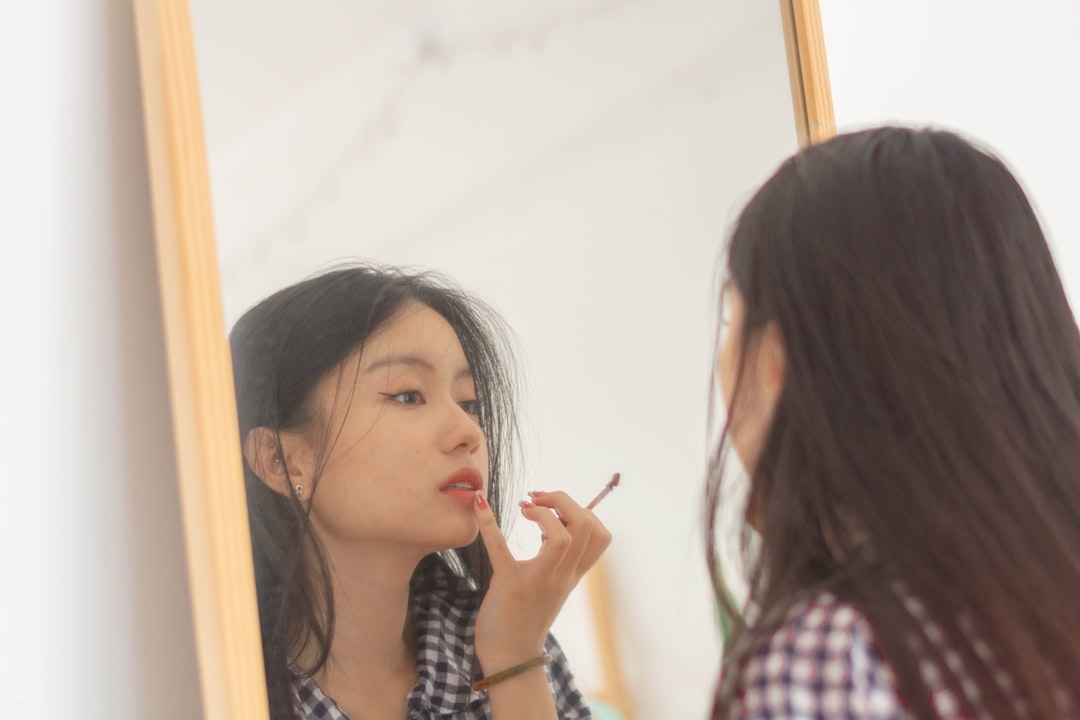
If you’ve ever scrolled through a K-beauty hashtag on Instagram or watched a Korean makeup tutorial on YouTube, you’ve probably noticed something striking: Korean makeup looks nothing like what you see at Sephora or Ulta. It’s not just about different products — it’s an entirely different philosophy. While Western beauty often celebrates bold, sculpted, full-coverage glamour, Korean beauty (K-beauty) leans into a fresh, dewy, “I woke up like this” aesthetic that prioritizes skincare-first makeup. In fact, according to a 2025 Statista report, the global K-beauty market reached over $13.2 billion, and a significant chunk of that growth comes from Western consumers discovering the korean makeup vs western makeup differences and switching up their routines. Whether you’re a makeup minimalist or a full-glam enthusiast, understanding these differences can genuinely transform how you approach your beauty routine — and maybe even save your skin in the process.
1. Philosophy: Skin-First vs. Coverage-First
The Korean Approach: Your Skin IS the Makeup
In Korean beauty culture, flawless skin is the ultimate flex. The goal isn’t to cover imperfections — it’s to have skin so healthy and luminous that you barely need makeup at all. This is why the famous 10-step Korean skincare routine exists. Korean women (and men!) invest heavily in essences, serums, sheet masks, and SPF before they even think about reaching for foundation.
Korean base makeup products reflect this philosophy. BB creams, cushion compacts, and skin tints are formulated with skincare ingredients like hyaluronic acid, niacinamide, centella asiatica, and snail mucin. The idea is that your makeup should actively improve your skin throughout the day, not just sit on top of it. Glass Skin Routine for Beginners: 7-Step Guide 2026
The Western Approach: Build, Sculpt, Perfect
Western makeup culture traditionally values transformation and artistry. Full-coverage foundations, heavy contour, dramatic eye looks, and bold lip colors are staples. Think Instagram-era beauty: carved brows, baked under-eyes, and matte everything. The focus is on using makeup as a tool for dramatic self-expression.
This doesn’t mean Western makeup is “worse” — it’s simply a different set of priorities. Western brands like Fenty Beauty, NARS, and MAC have pioneered incredible shade ranges, long-wear formulas, and bold color payoff. But the korean makeup vs western makeup differences in philosophy create two very distinct results on the face.
Key takeaway: Korean makeup asks, “How can I enhance what’s already there?” Western makeup asks, “How can I create the look I want?” Both are valid — and increasingly, the best routines borrow from both worlds.
2. Base Makeup: Dewy Glass Skin vs. Matte Full Coverage

Korean Base Products
The cornerstone of Korean base makeup is the cushion compact. Brands like Laneige, Missha, and Sulwhasoo popularized this format — a sponge soaked in lightweight, buildable foundation inside a portable compact. Cushion foundations typically offer SPF 50+ PA+++ protection and contain skincare actives.
Here are the most popular Korean base product types:
- BB Creams — Light coverage with SPF and skincare benefits (try: Missha M Perfect Covering BB Cream, ~$13 on Amazon)
- Cushion Compacts — Buildable, dewy finish (try: Laneige Neo Cushion Glow, ~$38 at Sephora)
- Skin Tints — Barely-there coverage for the “no-makeup makeup” look
- Tone-Up Creams — Brightening primers that even out skin tone without foundation
Korean base makeup almost always leans dewy or semi-matte. The coveted “glass skin” or “honey skin” finish requires that lit-from-within glow. Products contain ingredients like glycerin, squalane, and birch sap to maintain hydration throughout the day. Best Korean Sunscreen for Sensitive Skin 2026
Western Base Products
Western foundations tend to be higher coverage and longer-wearing. Formulas like Estée Lauder Double Wear ($46 at Sephora) or Fenty Pro Filt’r ($40 at Sephora) are designed to last 12-24 hours without touch-ups. Setting powders and setting sprays are essential steps in the Western routine.
Western consumers also deal with different climate challenges. Central heating in winter, harsh winds, and dry indoor air in North America and Europe mean that matte, long-wear formulas are often preferred to prevent mid-day breakdown. However, the dewy trend is rapidly crossing over, with brands like Rare Beauty and Glossier bridging the gap.
3. Eye Makeup: Soft Gradients vs. Bold Drama
Korean Eye Looks: The “Puppy Eye” and Gradient Technique
One of the most recognizable korean makeup vs western makeup differences is in eye makeup. Korean eye looks prioritize softness and youthfulness. The “puppy eye” trend — where eyeliner angles downward at the outer corner instead of flicking upward — creates a wide-eyed, innocent appearance that’s hugely popular across Asia.
Korean eyeshadow palettes feature muted, warm, and neutral tones: soft pinks, peaches, warm browns, and subtle shimmers. Brands like ROMAND, Peripera, and 3CE specialize in these palettes. The application technique is also different — Korean makeup favors a gradient or “one-shadow” wash across the lid, blending softly into the crease without harsh lines.
Popular Korean eye makeup techniques include:
- Aegyo-sal — Highlighting the under-eye fat pad to create a youthful, smiling appearance
- Puppy eye liner — Soft, downward-slanting liner for a sweet, approachable look
- Gradient eyeshadow — One or two colors blended from the lash line upward, no harsh crease definition
- Straight brows — Flat, natural-looking brows instead of highly arched ones
- Subtle sparkle — Glitter or shimmer applied to the center of the lid or under-eye for a “glass” effect
Western Eye Looks: Cut Crease, Smoky Eye, and Cat Eye
Western eye makeup embraces drama, precision, and color payoff. Techniques like the cut crease, halo eye, smoky eye, and sharp cat-eye liner are staples. Eyeshadow palettes from brands like Urban Decay (Naked palettes), Too Faced, and Anastasia Beverly Hills often include 12-18 shades ranging from mattes to metallics to glitters.
Western consumers tend to define the crease, use multiple transition shades, and pack on intense color. False lashes or dramatic mascara (like Maybelline Lash Sensational, ~$10 at Ulta) are standard for a “finished” look. Brows are highly sculpted — think the “Instagram brow” with sharp tails and filled-in arches. 7 K-Pop Idols Acting in K-Dramas You Must Watch in 2026
4. Lip Products: The Gradient Lip vs. the Bold Lip

Korean Lip Trends: Blurred, Bitten, and Tinted
Korean lip makeup is all about the “just-bitten” gradient lip. Instead of applying lipstick to the full lip, Korean beauty enthusiasts concentrate color on the inner part of the lips and blend outward, creating a natural, flushed effect. This technique makes lips look plumper and more youthful without heavy product.
The most iconic Korean lip product is the lip tint. Water-based and long-lasting, lip tints stain the lips with natural color that lasts through eating and drinking. Brands like ROMAND Juicy Lasting Tint (~$9 on Amazon), Peripera Ink Airy Velvet (~$8), and Etude House Dear Darling Water Tint (~$7) are cult favorites. These formulas often contain fruit extracts, vitamin E, and hyaluronic acid for moisture. 7 Best Korean Lip Tints for Dry Lips in 2026
Western Lip Trends: Bold, Lined, and Long-Wear
Western lip makeup favors defined, full-coverage color. Lip liner to define the shape, lipstick or liquid lip for full coverage, and sometimes gloss on top for dimension. Matte liquid lipsticks had a massive moment with brands like Kylie Cosmetics, Charlotte Tilbury (Pillow Talk, ~$34), and MAC (Velvet Teddy, ~$23).
Overlining the lips for a plumper appearance is a distinctly Western technique. Bold reds, deep berries, nudes with brown undertones, and even black lipstick are all fair game. The Western approach says: your lips are a statement piece.
5. Product Formulation and Ingredients
Korean Ingredients: Innovation Meets Nature
Korean beauty brands are famous for innovative, skin-beneficial ingredients that you won’t typically find in Western products. Here’s a comparison table of common ingredients:
| Feature | Korean Makeup | Western Makeup |
|---|---|---|
| Base Ingredients | Snail mucin, centella, rice bran, green tea, propolis | Dimethicone, talc, silicones, mineral oil |
| SPF in Makeup | Almost always included (SPF 30-50+) | Rarely included or low SPF (15-25) |
| Skincare Benefits | Niacinamide, hyaluronic acid, ceramides in foundations | Primarily in tinted moisturizers; less common in full foundations |
| Fragrance | Light floral or fruit scents common | Often fragrance-free or chemical fragrance |
| Price Range | $5-$30 for most products | $15-$60+ for comparable quality |
| Packaging | Cute, compact, travel-friendly | Sleek, luxurious, or minimalist |
Korean products also tend to be more affordable because the K-beauty market is hyper-competitive. Drugstore brands like COSRX, Innisfree, and The Face Shop deliver clinical-grade ingredients at prices that Western drugstore brands struggle to match. See Allure’s top Korean beauty product picks
Western Ingredients: Performance and Longevity
Western formulations often prioritize wear time, pigmentation, and transfer resistance. Silicone-based primers, long-wear polymers, and setting technologies are more advanced in Western products. If you need makeup that survives a 14-hour workday, humid summers, or a night out dancing, Western long-wear formulas still tend to outperform most Korean alternatives.
That said, the gap is narrowing fast. Brands like Amuse, Espoir, and Jung Saem Mool now offer professional-grade Korean makeup with impressive wear times.
6. Contouring and Face Sculpting

Korean Contouring: Subtle Shading
Korean contouring is practically invisible. Instead of heavily sculpting cheekbones, jawlines, and noses, Korean makeup artists use light shading along the sides of the nose and hairline to create a slimmer, more V-shaped face. The tool of choice is often a cool-toned contour stick or powder just one to two shades darker than the skin tone.
Blush placement is also different. Korean blush application focuses on the apples of the cheeks and across the nose bridge, creating a flushed, youthful look — almost as if you’ve just come inside from the cold. Popular shades lean toward soft peach, baby pink, and lavender. Products like the ROMAND Better Than Cheek (~$9) and Peripera Pure Blushed Sunshine Cheek (~$8) are go-to choices.
Western Contouring: The Sculpted Face
Western contouring was popularized by Kim Kardashian and makeup artist Mario Dedivanovic in the early 2010s and became a global beauty phenomenon. The technique involves using multiple shades of cream or powder to create shadows and highlights that define cheekbones, slim the nose, sculpt the jawline, and even lift the brow bone.
Products like Fenty Beauty Match Stix (~$28 at Sephora), Charlotte Tilbury Filmstar Bronze & Glow (~$62), and NYX Professional Makeup Wonder Stick (~$10 at Ulta) are staples. Bronzer is also a major Western product category — used generously across the forehead, cheeks, and jawline for warmth. In Korean makeup, bronzer is rarely used at all.
7. Cultural Influences and Beauty Standards
K-Pop and K-Drama: Driving Global K-Beauty Trends
There’s no overstating the impact of K-pop and K-drama on global beauty trends. When BLACKPINK’s Jisoo appears in a Dior campaign or BTS’s V launches a skincare line, millions of fans worldwide rush to replicate their looks. The “idol makeup” aesthetic — dewy skin, gradient lips, soft eye color, and flawless brows — has become one of the most searched beauty looks on YouTube and TikTok.
K-drama characters also influence trends heavily. The “Goblin” lip (a muted MLBB shade) and the “True Beauty” glass skin look both went viral after their respective shows aired. This creates a fast-moving trend cycle where new products and techniques emerge with each drama season. How to Become a K-Pop Trainee From Abroad in 2026 How to Join K-Pop Fandom Online: Ultimate Guide 2026
Western Beauty: Diversity, Inclusivity, and Self-Expression
Western beauty culture has shifted significantly toward inclusivity and diversity in recent years. Fenty Beauty’s 2017 launch with 40 foundation shades (now 50+) forced the entire industry to expand shade ranges. Today, Western beauty celebrates all skin tones, body types, and gender expressions.
The Western beauty community also embraces maximalist self-expression: editorial-inspired looks, bold color combinations, graphic liner, and avant-garde techniques shared through platforms like TikTok and Instagram Reels. This contrasts with Korean beauty’s more uniform aesthetic ideal, though K-beauty is also gradually embracing more diverse beauty standards.
8. How to Combine the Best of Both Worlds

Build a Hybrid Routine
The smartest approach to understanding korean makeup vs western makeup differences is to borrow the best from each tradition. Here’s a hybrid routine that maximizes skincare benefits while delivering lasting, beautiful makeup:
- Skincare prep (Korean): Double cleanse → toner → essence → serum → moisturizer → SPF 50+
- Base (Korean): Use a cushion compact or BB cream for natural, dewy coverage with SPF
- Concealer (Western): Apply a high-coverage concealer (like NARS Radiant Creamy, ~$32 at Sephora) only where needed — under eyes, blemishes
- Eyes (Mix): Use a Korean matte palette for soft lid color, then add a Western liquid liner for definition
- Lips (Korean): Apply a lip tint in the gradient technique, then top with a Western gloss for dimension
- Contour (Mix): Light Korean-style nose shading + Western highlight on cheekbones
- Set (Western): Finish with a light setting spray (Urban Decay All Nighter, ~$36 at Ulta) to lock everything in
Best Hybrid Product Picks
Here are products that beautifully bridge the Korean and Western beauty worlds:
- Rare Beauty Soft Pinch Liquid Blush (~$23 at Sephora) — Korean-style flush in a Western formula
- Laneige Lip Sleeping Mask (~$24 at Sephora) — Overnight lip treatment with berry extract and vitamin C
- Glossier Stretch Concealer (~$22) — Skin-like coverage that fits the K-beauty “less is more” philosophy
- COSRX Balancium Comfort Ceramide Cream (~$26 on Amazon) — Perfect pre-makeup moisturizer with ceramides
- Milk Makeup Hydrogrip Primer (~$38 at Sephora) — Dewy, hydrating primer with blue agave and hyaluronic acid
Glass Skin Routine for Beginners: 7-Step Guide 2026
Frequently Asked Questions
Is Korean makeup better for sensitive skin?
In many cases, yes. Korean makeup products tend to contain fewer irritating ingredients like heavy fragrances and harsh preservatives. Many K-beauty brands formulate specifically for sensitive and acne-prone skin, incorporating soothing ingredients like centella asiatica, tea tree, and madecassoside. However, always check ingredient lists individually — sensitivity varies from person to person. Best Korean Sunscreen for Sensitive Skin 2026
Why is Korean makeup so much cheaper than Western makeup?
The Korean beauty market is extremely competitive, with thousands of brands fighting for consumer attention. This drives innovation while keeping prices low. Korean brands also tend to spend less on traditional advertising and more on influencer partnerships and viral marketing. Additionally, the supply chain in South Korea — where most K-beauty is manufactured — is highly efficient, keeping production costs lower than in the US or Europe.
Can I use Korean makeup if I have a deeper skin tone?
This has historically been a challenge with K-beauty. Many Korean brands offer limited shade ranges that cater primarily to lighter skin tones common in East Asia. However, this is changing. Brands like Amuse, Fenty Beauty x K-beauty retailers, and Klairs are expanding their ranges. For base products, consider using Korean skincare with Western foundations that offer better shade inclusivity. Lip tints and blushes from Korean brands generally work across all skin tones.
What is the “glass skin” look, and how do I achieve it?
Glass skin refers to skin so hydrated, smooth, and luminous that it looks like glass. It’s the pinnacle of Korean beauty and requires a dedicated skincare routine: double cleansing, hydrating toner layers, an essence with hyaluronic acid, a serum (niacinamide works great), moisturizer, and a dewy-finish sunscreen or cushion compact. The key is layering lightweight hydration rather than relying on one heavy product. Glass Skin Routine for Beginners: 7-Step Guide 2026
Where can I buy authentic Korean makeup in the US?
Authentic K-beauty products are widely available in the US. Your best options include:
- Sephora — Carries Laneige, COSRX, Sulwhasoo, and other premium K-beauty brands
- Ulta — Stocks COSRX, Peach & Lily, and select K-beauty items
- Amazon — Wide selection, but buy from verified sellers or the brand’s official store to avoid counterfeits
- YesStyle & Stylevana — Dedicated K-beauty retailers with massive product selections and regular sales
- Olive Young Global — The official international site of Korea’s largest beauty retailer
Related Posts You’ll Love
Want to dive deeper into K-beauty and Korean culture? Check out these popular articles:
- 7 Best Korean Lip Tints for Dry Lips in 2026
- Glass Skin Routine for Beginners: 7-Step Guide 2026
- Best Korean Sunscreen for Sensitive Skin 2026
Topics we should cover next:
- Best Korean Cushion Foundations for Oily Skin 2026
- Korean Skincare Routine for Dry Winter Climates 2026
- K-Beauty Dupes for Popular Western Makeup Products 2026
Final Thoughts: Which Style Is Right for You?
The truth about korean makeup vs western makeup differences is that neither approach is objectively better — they serve different needs, aesthetics, and lifestyles. If you value skin health, natural beauty, and lightweight formulas, Korean makeup will feel like a revelation. If you love bold self-expression, long wear, and intense pigmentation, Western makeup delivers every time.
But the real magic happens when you stop thinking of them as separate worlds and start mixing techniques and products to create a routine that’s uniquely yours. A Korean cushion compact paired with a Western setting spray. A gradient lip tint topped with a glossy Western lip oil. Soft Korean shading meets a sharp Western cat eye. The possibilities are endless.
Now I want to hear from YOU! Have you tried mixing Korean and Western makeup techniques? What’s your favorite K-beauty product that you think every Western beauty lover needs to try? Drop your thoughts in the comments below — I read and reply to every single one. And if this guide helped you understand the differences, share it with a friend who’s curious about K-beauty. Let’s grow this community together!
Don’t miss our next deep dive — subscribe to our newsletter for weekly K-beauty tips, product reviews, and exclusive deals delivered straight to your inbox.