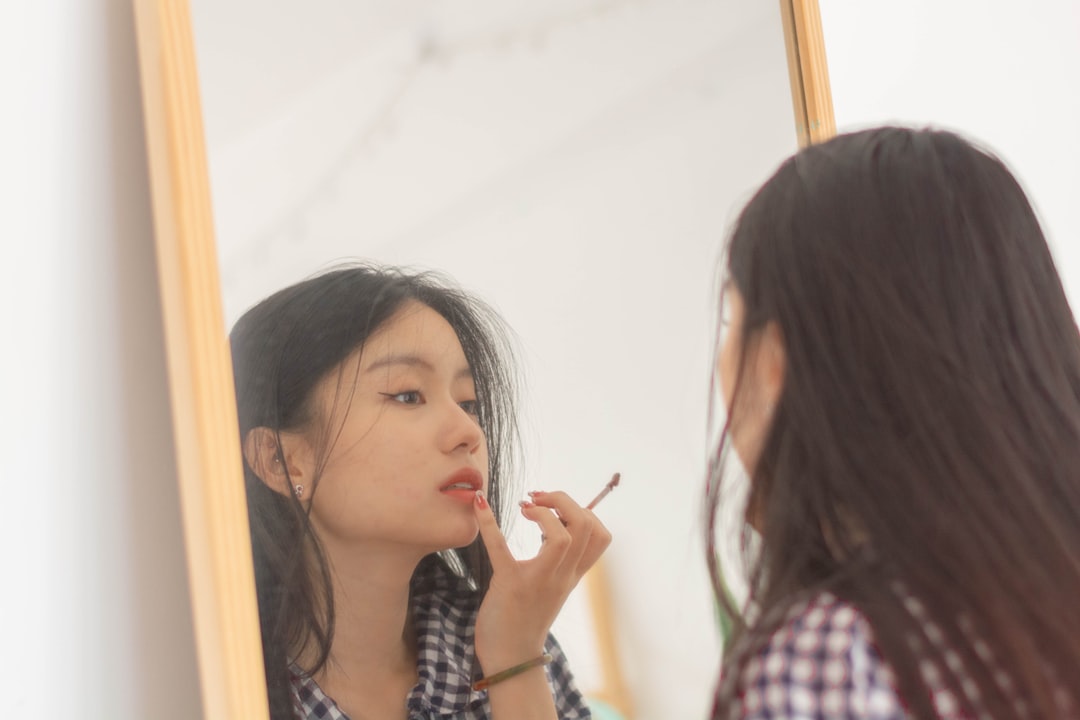
If you’ve ever scrolled through a K-beauty hashtag on Instagram or TikTok, you’ve probably noticed something striking: Korean makeup looks nothing like what you see at your local Sephora counter. The dewy, glass-skin glow that Korean beauty influencers perfect stands in sharp contrast to the sculpted, full-coverage looks that dominate Western beauty culture. But the korean makeup vs western makeup differences go far deeper than just aesthetics — they reflect entirely different philosophies about beauty, skincare, and self-expression.
In 2026, the global K-beauty market is projected to exceed $13.9 billion, according to Statista. Western consumers are increasingly curious about Korean makeup techniques, while Korean beauty brands are reformulating products specifically for Western skin concerns like dryness from central heating, sun damage, and hard water exposure. Understanding the key differences between these two beauty worlds can help you build a smarter, more effective makeup routine — no matter where you live.
In this in-depth comparison, we’ll break down every major difference between Korean makeup and Western makeup — from philosophy and formulation to application techniques and trending looks. Whether you’re a K-beauty convert or a loyal Sephora shopper, you’ll walk away with practical tips to blend the best of both worlds.
1. Beauty Philosophy: “Less Is More” vs. “More Is More”
The Korean Approach: Enhancing Natural Beauty
At the heart of Korean makeup is a philosophy called “saeng-eol” (생얼), which loosely translates to “bare face.” The goal isn’t to transform your appearance — it’s to look like the most radiant, well-rested version of yourself. Korean women often spend 10-15 minutes on skincare and just 5 minutes on makeup, because the skin itself is the canvas.
This philosophy explains why Korean base products prioritize sheer, buildable coverage with skincare benefits. A typical Korean foundation or BB cream contains ingredients like hyaluronic acid, centella asiatica, and niacinamide. The idea is that your makeup should actively improve your skin while you wear it.
Korean beauty standards emphasize youth, innocence, and freshness. Think gradient lips, soft blush placed high on the cheekbones, and barely-there eye makeup that makes the eyes look larger and more awake. First Time Jjimjilbang Etiquette Guide 2026: Step-by-Step — visiting a jjimjilbang is actually a great way to understand this bare-skin culture firsthand.
The Western Approach: Artistry and Transformation
Western makeup culture celebrates transformation, self-expression, and artistry. From the Instagram “baking” technique to the sculpted contour made famous by Kim Kardashian, Western makeup often aims for a polished, camera-ready finish. Full coverage foundations, dramatic smoky eyes, and bold lip colors are staples.
This isn’t inherently better or worse — it’s simply a different philosophy. Western makeup treats the face as an artistic canvas where you can create any look you want. The emphasis is on technique, precision, and product performance rather than skin health.
The difference in philosophy is reflected in shopping habits too. A 2025 survey by Mintel found that 68% of Korean women prioritize skincare ingredients when choosing makeup, while 72% of American women prioritize shade range and pigmentation. Both priorities are valid — they just reflect fundamentally different values.
2. Base Makeup: Dewy Glass Skin vs. Matte Perfection

Korean Base Products: The Glass Skin Effect
The most visible of all korean makeup vs western makeup differences is the base. Korean base makeup is all about achieving that coveted “chok-chok” (촉촉) or dewy, bouncy, hydrated finish. Products are lightweight, often with SPF built in, and designed to let your natural skin texture show through.
Popular Korean base products include:
- BB Creams — The original K-beauty export. Brands like Missha M Perfect Covering BB Cream ($13, Amazon) offer light-to-medium coverage with SPF 42 and hyaluronic acid.
- Cushion Compacts — Invented by AmorePacific in 2008, cushion foundations like the Laneige Neo Cushion Glow ($38, Sephora) deliver buildable, dewy coverage in a portable compact.
- Tone-Up Creams — Products like the Innisfree Tone Up No Sebum Sunscreen ($15, Amazon) brighten skin tone while providing sun protection.
- Skin Tints — Ultra-sheer formulas like the Peripera Ink Skin Tint ($12, Amazon) blur pores without masking the skin.
Korean primers often contain fermented rice extract, snail mucin, or propolis — ingredients that hydrate and plump the skin rather than just filling pores. The result is a lit-from-within glow that Western beauty enthusiasts have spent years trying to replicate. Best Korean Beauty Products of 2026
Western Base Products: Full Coverage and Longevity
Western foundations tend to prioritize coverage, shade inclusivity, and wear time. Products like Fenty Beauty Pro Filt’r Foundation ($42, Sephora) offer 50+ shades in a matte, long-wearing formula designed to last 12+ hours without touchups.
Western base routines often include multiple steps:
- Pore-filling primer (e.g., Benefit POREfessional, $36, Ulta)
- Full-coverage foundation
- Concealer for targeted coverage
- Setting powder (baking technique)
- Setting spray for longevity
This multi-step approach creates a flawless, poreless, matte finish that photographs beautifully. However, it can feel heavy, especially in dry Western climates where central heating strips moisture from the skin during winter months.
Quick Comparison Table: Base Makeup
| Feature | Korean Makeup | Western Makeup |
|---|---|---|
| Coverage | Sheer to medium | Medium to full |
| Finish | Dewy, glass skin | Matte or satin |
| SPF | Usually included (SPF 30-50) | Rarely included |
| Skincare Ingredients | Common (HA, niacinamide, centella) | Less common |
| Shade Range | Limited (5-15 shades) | Extensive (30-50+ shades) |
| Price Range | $8-$30 | $15-$65 |
3. Eye Makeup: Soft and Subtle vs. Bold and Dramatic
Korean Eye Looks: Aegyo-sal and Puppy Eyes
Korean eye makeup focuses on making the eyes appear larger, rounder, and more youthful. Two signature techniques define Korean eye looks in 2026:
Aegyo-sal (애교살) — This technique involves highlighting the under-eye area to create the appearance of “cute eye fat,” the slight puffiness beneath the eyes that’s associated with youth. Koreans use shimmery eyeshadow or dedicated aegyo-sal stickers on the under-eye, sometimes adding a subtle shadow line beneath to enhance the effect. In Western beauty, this puffiness is typically concealed.
Puppy eyes (강아지 눈) — Instead of the Western cat-eye wing that lifts the outer corner, Korean eyeliner droops slightly downward at the outer corner. This creates a soft, approachable, innocent look. The Clio Kill Black Waterproof Pen Liner ($14, Amazon) is a cult favorite for achieving this precise, smudge-proof line.
Korean eyeshadow palettes tend to feature muted, warm-toned neutrals — think peachy pinks, soft browns, dusty roses, and champagne shimmers. The rom&nd Better Than Eyes palette ($11, Amazon) is a perfect example, with four coordinated shades designed for a simple, one-palette look.
Western Eye Looks: Smoky Eyes and Winged Liner
Western eye makeup is where artistry truly shines. Bold color, intense pigmentation, and precise blending are hallmarks of Western eye looks. The classic smoky eye, dramatic winged liner, and editorial color combinations are techniques that Western makeup artists have perfected over decades.
Western eyeshadow palettes like the Urban Decay Naked series ($54, Sephora) or the Anastasia Beverly Hills Modern Renaissance ($45, Ulta) offer 12-18 highly pigmented shades with complex formulas including mattes, metallics, shimmers, and glitters. The emphasis is on blendability and buildable intensity.
Western mascara philosophy also differs significantly. Products like Maybelline Lash Sensational ($11, Ulta) aim for maximum volume, length, and drama. Korean mascaras like the Heroine Make Long and Curl ($15, Amazon) focus on holding a curl and defining individual lashes without clumping — a more natural effect that suits the overall K-beauty aesthetic.
4. Lip Trends: Gradient Tints vs. Bold Statements

The Korean Gradient Lip
Perhaps no single technique better illustrates the korean makeup vs western makeup differences than the gradient lip. Korean lips are about creating a soft, bitten, just-ate-a-popsicle effect. Color is concentrated at the center of the lips and blended outward, creating a natural gradient from deep to light.
The key products for achieving this look are lip tints — lightweight, water-based or velvet-finish stains that deliver long-lasting color without the heaviness of a traditional lipstick. Best sellers include:
- rom&nd Juicy Lasting Tint ($9, Amazon) — Glossy, hydrating, available in 20+ shades from MLBB (My Lips But Better) to vivid coral
- Peripera Ink Mood Glowy Tint ($10, Amazon) — Glass-like shine with buildable color and hyaluronic acid
- Etude House Dear Darling Water Gel Tint ($7, Amazon) — Budget-friendly, popsicle-shaped packaging, lightweight formula
- Amuse Dew Tint ($14, Amazon) — Clean beauty formula, plumping effect with plant-derived ingredients
To create the perfect gradient lip, Koreans typically apply concealer or foundation over the lip line first, then dab the tint onto the inner lips and blend outward with a fingertip. The result is a youthful, effortless look that’s become iconic in K-pop idol styling.
Western Lip Looks: Definition and Drama
Western lip trends emphasize defined edges, full coverage, and bold color choices. Lip liner is essential — used to define the lip shape, slightly overline for a fuller appearance, and prevent feathering. MAC Lip Pencil in “Spice” or “Whirl” ($22, Ulta) remains a best seller for this exact purpose.
Western lipstick formulas prioritize opacity, pigmentation, and comfort. Matte liquid lipsticks like the Rare Beauty Soft Pinch Tinted Lip Oil ($24, Sephora) bridge the gap, while classic bullet lipsticks from brands like Charlotte Tilbury ($34, Sephora) and NARS ($28, Sephora) continue to dominate.
In 2026, the Western lip trend is moving toward a “clean girl” aesthetic that actually borrows heavily from Korean beauty — but with more defined edges and slightly higher coverage. This crossover is a perfect example of how these two beauty cultures continue to influence each other. Korean Makeup vs Western Makeup: 7 Key Differences in 2026
5. Contouring and Blush: Sculpted Cheekbones vs. Youthful Flush
Korean Blush Placement: The “Hangover” Flush
Korean blush application is placed high on the cheekbones, across the nose bridge, or even directly under the eyes. This placement mimics the natural flush you get from cold weather or a glass of wine — it’s sometimes called “hangover blush” or “sunburn blush.” The effect is youthful, cute, and slightly playful.
Colors tend to be soft pinks, peaches, and lavenders. Cream and liquid blush formulas dominate because they blend into dewy skin seamlessly. The 3CE Mood Recipe Face Blush ($18, Amazon) and Peripera Pure Blushed Sunshine Cheek ($9, Amazon) are fan favorites that deliver that diffused, natural flush Korean looks are known for.
Korean beauty largely skips heavy contouring. Instead of sculpting with dark powders, Koreans use subtle shading — a light touch of cool-toned shadow along the jawline or sides of the nose. The emphasis is always on looking natural rather than sculpted.
Western Contouring: Sculpt, Highlight, Define
Western makeup revolutionized contouring in the 2010s, and while the extreme Instagram contour has softened, sculpting remains central to Western beauty routines. Techniques include:
- Contour — Applied under cheekbones, along the jawline, sides of the nose, and temples to create shadow and dimension (e.g., Fenty Beauty Match Stix, $28, Sephora)
- Highlight — Applied to the high points of the face (cheekbones, brow bone, Cupid’s bow, nose bridge) for a luminous effect (e.g., Dior Backstage Glow Face Palette, $45, Sephora)
- Blush — Applied to the apples of the cheeks or slightly higher, often in warm tones like terracotta, mauve, or berry (e.g., NARS Orgasm, $30, Sephora)
- Bronzer — Swept across the forehead, cheeks, and jawline to add warmth and dimension (e.g., Physician’s Formula Butter Bronzer, $16, Ulta)
This multi-product approach to face sculpting is one of the biggest distinctions. A Western cheek routine might use four products where a Korean routine uses one.
6. Skincare-Makeup Hybrid: Where K-Beauty Leads

The Korean Skincare-First Approach
One of the most important korean makeup vs western makeup differences is the relationship between skincare and makeup. In Korea, skincare is makeup prep. The famous 10-step Korean skincare routine exists, in part, because well-hydrated, smooth skin requires less makeup to look flawless.
Korean makeup products are increasingly formulated as skincare-makeup hybrids. Examples include:
- Cushion foundations with centella asiatica that calm redness while providing coverage
- Lip tints with hyaluronic acid that hydrate while delivering color
- Setting sprays with green tea extract that protect against environmental damage
- Eyeshadow primers with niacinamide that brighten the eyelid while preventing creasing
This approach is especially beneficial in Western climates with harsh winters, low humidity, and hard water. If you live in cities like New York, Chicago, or London where cold, dry air strips moisture from the skin, Korean skincare-makeup hybrids can help combat dryness throughout the day. suggested topic: Best Korean Skincare Routine for Dry Winter Climates 2026
Western Makeup: Performance-First Formulation
Western makeup has traditionally prioritized performance metrics — wear time, transfer resistance, shade match accuracy, and pigment intensity. Skincare benefits have historically been an afterthought, though this is changing rapidly as K-beauty influence grows.
Brands like ILIA, Kosas, and Saie are leading the Western shift toward skincare-infused makeup. The ILIA Super Serum Skin Tint ($48, Sephora) contains squalane, niacinamide, and hyaluronic acid — a formula that wouldn’t look out of place in a Korean product lineup. This convergence suggests that the Korean philosophy of treating skincare and makeup as one continuous routine is influencing the entire global beauty industry.
7. Trends and Innovation: Who’s Leading in 2026?
Korean Makeup Trends Dominating 2026
Korean beauty continues to set global trends at a pace that’s hard to match. The biggest K-beauty makeup trends in 2026 include:
- “Douyin Makeup” crossover — Influenced by Chinese social media, featuring sharper contouring than traditional K-beauty but still maintaining the dewy base
- Skin tints replacing BB creams — Even lighter coverage with more skincare actives
- “Cold girl” blush — Rosy, wind-chapped blush applied across the nose and cheeks
- Monochrome looks — Using the same shade across eyes, cheeks, and lips for effortless coordination
- Clean beauty formulations — Brands like Amuse, rom&nd, and Hince leading vegan and sustainable K-beauty
K-pop continues to drive makeup trends worldwide. Groups like NewJeans, aespa, and LE SSERAFIM showcase specific makeup looks that sell out products within hours of being identified by fans. How to Start a K-Pop Fan Collection in 2026: Complete Guide
Western Makeup Trends in 2026
Western beauty in 2026 is experiencing a notable shift toward minimalism — influenced, in large part, by K-beauty. Key trends include:
- “Skin minimalism” — Using fewer products with better formulations
- Cream products over powders — A direct K-beauty influence
- “Latte makeup” — Warm, monochromatic brown tones inspired by both K-beauty and the “clean girl” aesthetic
- Multi-use products — Lip-and-cheek sticks, eyeshadow-and-highlight combos
The lines between Korean and Western makeup are blurring faster than ever. Western brands are launching cushion compacts, lip tints, and dewy foundations. Korean brands like COSRX and Beauty of Joseon are expanding their shade ranges. The future of beauty is clearly a hybrid.
8. Price and Accessibility: Getting the Best of Both Worlds

Korean Makeup: Affordable and Accessible
One of the biggest advantages of Korean makeup is its price point. High-quality Korean products often cost 30-60% less than their Western counterparts. A complete K-beauty makeup look can be assembled for under $50:
| Product | Korean Option | Price | Western Equivalent | Price |
|---|---|---|---|---|
| Base | Missha BB Cream | $13 | Fenty Pro Filt’r | $42 |
| Lip | rom&nd Juicy Tint | $9 | Rare Beauty Lip Oil | $24 |
| Blush | Peripera Cheek | $9 | NARS Orgasm | $30 |
| Eyes | rom&nd Better Than Eyes | $11 | ABH Modern Renaissance | $45 |
| Mascara | Heroine Make | $15 | Lancôme Lash Idôle | $28 |
| Total | $57 | $169 | ||
Korean makeup is available on Amazon (fastest shipping), Sephora (curated selection), YesStyle, Olive Young Global, and Stylevana. Amazon carries most major K-beauty brands with Prime shipping, making it the easiest option for U.S. shoppers. Sephora has expanded its K-beauty section significantly in 2026, stocking brands like Laneige, innisfree, COSRX, and Glow Recipe.
Building a Hybrid Routine
The smartest approach in 2026 is to combine the best of both worlds. Here’s what we recommend:
- Use Korean products for: Base makeup (BB cream, cushion), lip tints, skincare-makeup hybrids, SPF, blush
- Use Western products for: Concealer (better shade ranges), eyeshadow palettes (more variety), mascara (more dramatic options), setting products
This hybrid approach gives you the skincare benefits and affordability of Korean products with the shade inclusivity and performance of Western products. If you’re traveling to Korea, you can stock up on K-beauty essentials — don’t forget to check out our guide on Korea SIM Card for Tourists 2026: Complete Buying Guide to stay connected while you shop.
Frequently Asked Questions
Is Korean makeup better than Western makeup?
Neither is objectively better — they serve different purposes. Korean makeup excels at natural, dewy, skin-first looks with impressive skincare benefits and affordable price points. Western makeup excels at full coverage, dramatic looks, and shade inclusivity. The best approach is to blend both based on your skin type, preferences, and the occasion. Many beauty enthusiasts in 2026 maintain a hybrid collection.
Can I use Korean makeup on darker skin tones?
This has historically been a limitation of Korean makeup, as shade ranges were designed primarily for East Asian skin tones. However, the situation is improving in 2026. Brands like COSRX, Laneige, and Sulwhasoo have expanded their shade ranges. For base products, you may still find better matches from Western brands like Fenty Beauty or NARS. Korean lip tints, blush, eyeshadow, and skincare-makeup hybrids work beautifully on all skin tones.
Why does Korean makeup look so natural compared to Western makeup?
Korean makeup looks natural because the entire philosophy is designed around enhancing rather than transforming. Sheer formulas, dewy finishes, gradient lip application, and soft blush placement all create a “no-makeup makeup” effect. Korean women also invest heavily in skincare, so their skin needs less coverage to begin with. The goal is to look like you naturally have perfect skin — not like you’re wearing makeup.
What Korean makeup products should a beginner try first?
Start with these three products that best showcase the korean makeup vs western makeup differences: a cushion compact (try Laneige Neo Cushion, $38 at Sephora) for that instant glass-skin effect; a lip tint (rom&nd Juicy Lasting Tint, $9 on Amazon) for the signature gradient lip; and a cream blush (3CE Mood Recipe, $18 on Amazon) for a natural flush. These three products alone can create a complete, effortless K-beauty look in under five minutes.
How long does Korean makeup last compared to Western makeup?
Western makeup generally lasts longer without touchups — 8-12 hours for most full-coverage foundations compared to 4-6 hours for Korean BB creams and cushion compacts. However, Korean makeup is designed for easy touchups throughout the day. Cushion compacts are portable and take seconds to reapply. Korean lip tints actually have excellent longevity, often lasting 6-8 hours even through eating and drinking, which can outperform many Western lipsticks.
Related Posts You’ll Love
- 7 Healthy Korean Meals for Weight Loss in 2026
- 7 Best Apps to Learn Korean for Beginners in 2026
- Korea Autumn Foliage Best Time 2026: Top 7 Spots
Suggested new articles: suggested topic: 10-Step Korean Skincare Routine for Beginners 2026 | suggested topic: Best Korean Sunscreens That Work Under Makeup 2026
Your Turn: Korean, Western, or Hybrid?
Now that you understand the key korean makeup vs western makeup differences, we want to hear from you. Are you team dewy glass skin, team matte perfection, or have you already embraced the hybrid approach? Which products from either world have become your holy grails?
Drop a comment below and tell us your favorite Korean and Western makeup products. If you found this guide helpful, share it with a friend who’s curious about K-beauty — and don’t forget to subscribe to our newsletter for weekly beauty comparisons, product reviews, and exclusive discount codes for both Korean and Western beauty brands.
Save this article for later — bookmark it, pin it, or share it to your beauty group chat. Your future self (and your skin) will thank you.