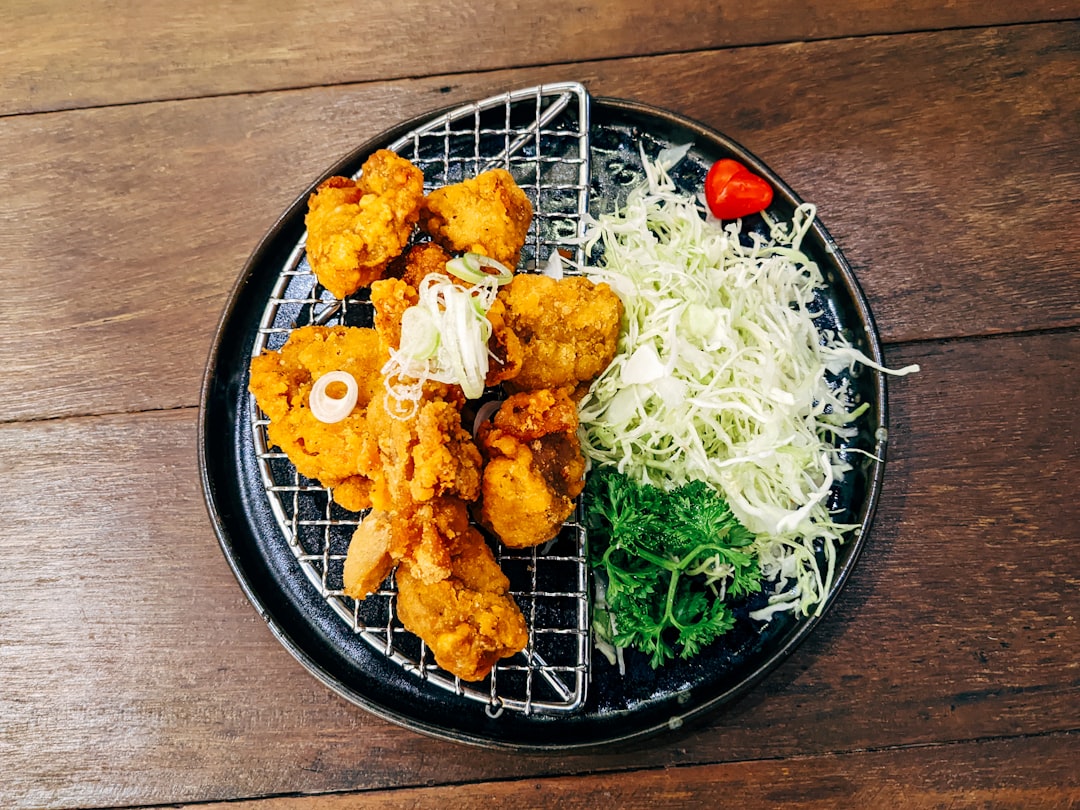
Why Korean Fried Chicken Has Taken Over the World
Picture this: you bite through an impossibly thin, glass-like crust that shatters with an audible crack. Beneath that golden armor lies juicy, tender chicken that practically melts on your tongue. A sticky-sweet glaze of gochujang and garlic clings to every ridge and crevice of that perfect crust. This is Korean fried chicken — and once you’ve tasted the real thing, every other fried chicken you’ve ever eaten feels like a rough draft.
Korean fried chicken (치킨, chikin) isn’t just another fried chicken recipe. It’s a cultural phenomenon that generates over $5 billion annually in South Korea alone, where there are more fried chicken shops than McDonald’s locations worldwide. The secret? A revolutionary double-fry technique that produces a crust so crispy it stays crunchy for hours — even under a heavy coating of sauce.
In this ultimate guide, you’ll master the authentic korean fried chicken recipe crispy double fry method that Korean grandmothers and Seoul street vendors have perfected over decades. Whether you’re a first-timer or a seasoned home cook looking to level up, this guide covers everything: the science behind the crunch, the essential ingredients, step-by-step instructions, and the classic sauces that make Korean fried chicken legendary. Let’s get frying.
Must Try Korean Street Food Guide: 15 Best Picks for 2026The History and Culture Behind Korean Fried Chicken

From American Military Bases to a National Obsession
Korean fried chicken traces its origins to the 1950s and 1960s, when American military personnel stationed in South Korea introduced deep-fried chicken to the local palate. But Koreans didn’t just adopt the recipe — they completely reinvented it. By the 1970s and 1980s, dedicated chicken shops began popping up across Seoul, each experimenting with lighter batters and crispier techniques.
The real breakthrough came with the double-fry method. Korean cooks discovered that frying chicken twice — first at a lower temperature to cook it through, then at a higher temperature to crisp the exterior — produced a crust that was thinner, crunchier, and more resilient than anything Western-style fried chicken could achieve. This wasn’t just cooking; it was engineering.
Chimaek Culture: Chicken + Beer = Perfection
In Korea, fried chicken isn’t just food — it’s a social ritual. The word chimaek (치맥) combines chikin (chicken) and maekju (beer), and it describes the beloved national pastime of eating fried chicken while drinking cold beer. This tradition is so deeply embedded in Korean life that it even has its own annual festival: the Daegu Chimac Festival, which attracts over one million visitors each year.
Korean dramas and K-Pop have exported chimaek culture worldwide. The 2014 drama My Love from the Star famously featured the lead actress craving chimaek, triggering a fried-chicken craze across Asia. Today, Korean fried chicken franchises like Kyochon, BBQ Chicken, and Pelicana operate thousands of locations across 50+ countries.
There are an estimated 87,000 fried chicken restaurants in South Korea — more than the number of McDonald’s outlets on the entire planet. That density speaks to just how seriously Koreans take their fried chicken.
Korea Tourism Organization – Korean Food CultureThe Science Behind the Perfect Korean Fried Chicken Recipe Crispy Double Fry
Why Double-Frying Creates Superior Crunch
The korean fried chicken recipe crispy double fry technique isn’t a gimmick — it’s backed by food science. Here’s what happens during each fry:
First fry (160°C / 320°F for 10–12 minutes): This gently cooks the chicken through to a safe internal temperature of 74°C (165°F). During this stage, moisture inside the meat converts to steam, which begins escaping through the batter. The crust sets but remains relatively pale and soft. The chicken is then rested for 10–15 minutes.
Second fry (190°C / 375°F for 3–5 minutes): This is where the magic happens. The higher temperature rapidly drives out remaining surface moisture, creating a dehydrated, glass-like crust. The starches in the coating undergo further gelatinization and then crisp into a rigid shell. Because the chicken is already cooked, you can push the crust temperature higher without overcooking the meat.
The result? A crust that’s 40–50% thinner than typical American-style fried chicken but dramatically crunchier. This thin, hard shell is the reason Korean fried chicken stays crispy even after being doused in sauce — something that would turn a KFC drumstick into a soggy mess in minutes.
The Role of Starch in Korean Batters
While American fried chicken relies heavily on wheat flour for its coating, Korean fried chicken uses a blend of potato starch (or cornstarch) and wheat flour, typically in a 2:1 ratio. Here’s why this matters:
- Potato starch creates a lighter, crispier coating because it forms a thinner film around the chicken. It also absorbs less oil than wheat flour.
- Cornstarch works similarly and is more readily available at most grocery stores. Both produce that signature shatteringly crisp texture.
- Wheat flour provides structure and helps the coating adhere to the chicken. Too much flour, however, creates a thick, bready coating — the opposite of what you want.
- Rice flour is used in some recipes for an even lighter, more delicate crunch. It’s particularly popular in gluten-free adaptations.
Some restaurants add a small amount of baking powder (about 1 teaspoon per cup of coating mix) to the batter. This creates tiny air pockets that increase surface area and crunchiness. It also raises the pH of the coating, which promotes faster browning.
Essential Ingredients and Where to Find Them

The Chicken
For the most authentic results, use whole chicken wings (party wings) separated into flats and drumettes, or boneless skinless chicken thighs cut into 2-inch pieces. Thigh meat is preferred over breast because its higher fat content keeps the meat juicy through the double-fry process.
Here’s a quick comparison of the best cuts for Korean fried chicken:
| Cut | Pros | Cons | Best For |
|---|---|---|---|
| Whole Wings | Most authentic, great skin-to-meat ratio | Takes longer to eat | Classic chimaek experience |
| Boneless Thighs | Juicy, easy to eat, great for saucing | Less crispy skin surface | Sauced varieties, meal prep |
| Drumsticks | Affordable, kid-friendly | Longer cook time, can dry out | Family meals, casual dining |
| Boneless Breast | Lean, quick to cook | Can dry out easily | Health-conscious versions |
The Coating and Marinade
You’ll need these core ingredients for an authentic korean fried chicken recipe crispy double fry:
- Potato starch or cornstarch (1 cup) — the foundation of crispiness. Available at any grocery store; Bob’s Red Mill and Anthony’s brands both work well.
- All-purpose flour (½ cup) — for structure and adhesion.
- Baking powder (1 tsp) — for extra lift and crunch.
- Garlic powder and ginger powder (1 tsp each) — flavor base.
- Salt and white pepper — white pepper is traditional and less harsh than black pepper.
- Ice-cold water or soda water (¾ cup) — cold liquid creates a lighter batter. Soda water adds extra airiness.
- Vodka (2 tbsp, optional) — evaporates faster than water, producing an even crispier crust. This is a professional Korean chef trick.
For the marinade, you’ll want soy sauce, minced garlic, grated ginger, sesame oil, and a pinch of sugar. Marinate the chicken for at least 30 minutes — overnight is even better. The marinade seasons the meat deeply and helps the coating adhere.
Where to Buy Korean Ingredients in the US
Most ingredients for Korean fried chicken are available at regular grocery stores. For specialty items like gochugaru (Korean red pepper flakes), gochujang, and Korean corn syrup (mulyeot), head to:
- H-Mart — the largest Asian grocery chain in the US, with 97+ locations. Their house brand, Pulmuone, makes excellent gochujang.
- Whole Foods — now carries Mother-in-Law’s Gochujang ($8.99) and several Korean condiments in the international aisle.
- Amazon — CJ Haechandle Gochujang (about $7–9 for 500g) ships with Prime. Bibigo brand products are also widely available.
- Trader Joe’s — carries Korean-style sauces and sesame oil at competitive prices.
- Your local Asian market — often the most affordable option, especially for bulk potato starch and cooking oils.
Budget tip: a full batch of Korean fried chicken (enough for 4 people) costs roughly $12–18 in ingredients — compared to $40–60 for delivery from a Korean chicken restaurant. You’ll save significantly by making it at home.
Step-by-Step Korean Fried Chicken Recipe: Crispy Double Fry Method
Prep Time and Equipment
Total time: 1 hour 15 minutes (plus 30 min marinating)
Active time: 40 minutes
Serves: 4 people
Difficulty: Intermediate
You’ll need:
- A heavy-bottomed pot or Dutch oven (at least 5-quart capacity) — Le Creuset or Lodge both work perfectly
- A deep-fry thermometer — temperature control is critical. The ThermoPro TP-19H ($15 on Amazon) is a reliable budget option
- A wire rack set over a sheet pan — for resting between fries
- Tongs and a spider strainer
- Neutral oil with a high smoke point — peanut oil (best flavor), vegetable oil, or canola oil. You’ll need about 2 quarts (approximately $6–8 worth)
The Full Recipe
Step 1 — Marinate (30 minutes to overnight):
- Pat 2 lbs chicken wings or boneless thighs completely dry with paper towels. This is crucial — wet chicken creates steam, which fights against crispiness.
- In a large bowl, combine: 2 tbsp soy sauce, 4 cloves minced garlic, 1 tbsp grated fresh ginger, 1 tbsp sesame oil, 1 tsp sugar, ½ tsp white pepper.
- Toss the chicken in the marinade, cover with plastic wrap, and refrigerate for at least 30 minutes. For the deepest flavor, marinate overnight.
Step 2 — Make the coating:
- In a medium bowl, whisk together: 1 cup potato starch (or cornstarch), ½ cup all-purpose flour, 1 tsp baking powder, 1 tsp garlic powder, ½ tsp salt, ½ tsp white pepper.
- Add ¾ cup ice-cold soda water and 2 tbsp vodka (optional). Stir until just combined — a few lumps are fine. The batter should be slightly thinner than pancake batter.
- Pro tip: Keep the batter cold by setting the bowl over a larger bowl filled with ice. Cold batter = crispier results.
Step 3 — First fry (320°F / 160°C, 10–12 minutes):
- Fill your Dutch oven with oil to a depth of 3 inches. Heat to 320°F (160°C). Use your thermometer — guessing the temperature is the #1 mistake home cooks make.
- Remove chicken from marinade and shake off excess liquid. Dredge each piece through the batter, letting excess drip off for 3 seconds.
- Carefully lower 5–6 pieces into the oil. Don’t overcrowd — this drops the oil temperature and causes soggy chicken. Work in batches.
- Fry for 10–12 minutes (wings) or 7–8 minutes (boneless pieces), turning occasionally, until the chicken is cooked through and the coating is set but still pale.
- Transfer to a wire rack. Rest for 10–15 minutes. This rest period is essential — it lets the internal moisture redistribute and the surface cool slightly, setting you up for maximum crunch on the second fry.
Step 4 — Second fry (375°F / 190°C, 3–5 minutes):
- Increase oil temperature to 375°F (190°C). Wait until it’s fully up to temperature before adding chicken.
- Fry the rested chicken in batches for 3–5 minutes until deep golden brown and audibly crunchy. The crust should look like amber glass.
- Transfer to a clean wire rack. Do not place on paper towels — the trapped steam will soften the bottom crust.
Step 5 — Sauce and serve:
Toss immediately in your chosen sauce (recipes below) or serve unseasoned (huraideu style) with pickled radish on the side. Serve within 15 minutes for peak crispiness — though thanks to the double-fry method, these will stay crunchy far longer than regular fried chicken.
Maangchi’s Korean Fried Chicken RecipeClassic Korean Fried Chicken Sauces

The sauce is what transforms good fried chicken into unforgettable Korean fried chicken. Here are the three most popular styles you’ll find in Seoul’s best chicken joints.
Yangnyeom (Sweet-Spicy Glaze)
This is the most iconic Korean fried chicken sauce — a glossy, sticky glaze that balances sweetness, heat, and tang in perfect harmony.
- 3 tbsp gochujang (Korean red pepper paste)
- 2 tbsp gochugaru (Korean red pepper flakes) — adjust for heat preference
- 3 tbsp ketchup
- 3 tbsp Korean corn syrup (mulyeot) or honey
- 2 tbsp soy sauce
- 1 tbsp rice vinegar
- 4 cloves garlic, minced
- 1 tbsp sesame oil
Cook all ingredients in a small saucepan over medium heat for 3–4 minutes until glossy and slightly thickened. Toss with freshly fried chicken. Garnish with sesame seeds and sliced green onions.
Soy Garlic (Ganjang) Glaze
For those who prefer savory over spicy, the soy garlic glaze is deeply addictive — sweet, salty, and packed with garlic flavor.
- ¼ cup soy sauce
- 3 tbsp brown sugar or honey
- 2 tbsp rice wine (mirin)
- 6 cloves garlic, finely minced
- 1 tbsp sesame oil
- 1 tbsp butter (optional but incredible)
- Black pepper to taste
Simmer until reduced by half (about 4 minutes). The butter addition creates a rich, glossy finish that Korean chicken chain Kyochon is famous for. This is their best-selling flavor for a reason.
Snow Cheese (Cheese Powder)
A more recent innovation that’s become a massive hit among younger Koreans. Freshly fried chicken is dusted with a generous blizzard of cheese-flavored powder and sugar.
- ½ cup white cheddar cheese powder (available at H-Mart or on Amazon)
- 2 tbsp powdered sugar
- ½ tsp garlic powder
Mix together and shake over hot chicken immediately after the second fry. The powder adheres to the surface oil and creates a savory-sweet coating that’s irresistible. BBQ Chicken (one of Korea’s largest chains) popularized this style, and it’s now available at most Korean chicken restaurants worldwide.
7 Traditional Korean Desserts to Try in 2026Pro Tips from Korean Chicken Masters
Temperature Control Is Everything
Korean fried chicken lives and dies by oil temperature. Every professional chikin shop in Korea monitors their fryer temperature obsessively. Here’s what happens when you get it wrong:
- Oil too cold (below 300°F): The chicken absorbs oil like a sponge. Result: greasy, heavy, soggy coating.
- Oil too hot (above 400°F): The outside burns before the inside cooks. Result: dark exterior, raw interior.
- Sweet spot for first fry: 315–325°F. This gently cooks the chicken without over-browning.
- Sweet spot for second fry: 370–380°F. This blasts out surface moisture and creates that legendary crunch.
Invest in a clip-on deep-fry thermometer ($10–15). It’s the single most impactful upgrade you can make to your frying game. If you fry chicken more than once a month, consider a countertop deep fryer like the Presto CoolDaddy ($35) — it maintains temperature automatically.
The Rest Between Fries Is Non-Negotiable
Don’t skip the 10–15 minute rest between the first and second fry. During this time, residual heat continues cooking the chicken evenly while the crust cools and firms up. When you drop the rested chicken back into hotter oil, the temperature differential creates rapid moisture evaporation — and that’s what produces the shattering crunch.
Some restaurants rest their chicken for up to 30 minutes. The longer the rest (up to a point), the crispier the final result. If you’re making a large batch, this is actually an advantage — you can fry the first batch, rest it, start the second batch’s first fry, then return to give the first batch its second fry.
Drain on Wire Racks, Never Paper Towels
This is a mistake that 90% of home cooks make. Paper towels trap steam underneath the chicken, turning the bottom crust soggy within minutes. A wire rack set over a sheet pan allows air to circulate on all sides, keeping the entire surface crispy. Korean restaurants always use wire racks or perforated trays.
Korean Fried Chicken vs. American Fried Chicken: Key Differences

People often wonder what makes Korean fried chicken so different from its American cousin. The distinctions are fundamental — different philosophies of what fried chicken should be.
| Feature | Korean Fried Chicken | American Fried Chicken |
|---|---|---|
| Coating | Thin, starch-based, glass-like | Thick, flour-based, craggy |
| Frying Method | Double-fried | Single-fried |
| Crunch Duration | Stays crispy 1–2+ hours | Softens within 20–30 minutes |
| Sauce | Applied after frying (tossed) | Seasoning in the batter or served alongside |
| Preferred Cut | Whole wings, boneless thighs | Breast, thigh, drumstick |
| Side Dishes | Pickled radish, beer, coleslaw | Coleslaw, biscuits, mashed potatoes |
| Oil Content | Less greasy (starch absorbs less oil) | More greasy (flour absorbs more oil) |
| Serving Style | Late-night snack, bar food, delivery | Dinner entrée, picnic, fast food |
Neither style is objectively “better” — they’re different experiences. American fried chicken is comfort food with deep, homey flavors. Korean fried chicken is a textural experience designed to deliver maximum crunch and bold, complex sauces. Many Korean fried chicken enthusiasts argue that the thin, crispy coating lets you taste more of the actual chicken, while American-style coatings can overwhelm the meat.
Myeongdong Best Street Food Spots & Shopping Guide 2026Serving Suggestions and Side Dishes
Traditional Korean Accompaniments
In Korea, fried chicken always comes with chikin mu — sweet pickled radish cubes that cut through the richness and refresh your palate between bites. Here’s the quick recipe:
- Cut 1 large Korean radish (or daikon) into 1-inch cubes.
- Combine ½ cup rice vinegar, ½ cup water, 3 tbsp sugar, 1 tsp salt.
- Pour over the radish cubes and refrigerate for at least 2 hours.
Other classic sides include:
- Coleslaw — Korean chicken shops serve a simple, lightly sweet coleslaw
- French fries — yes, Koreans eat fries with their fried chicken. Cheese-dusted fries are especially popular
- Tteokbokki — spicy rice cakes make a fiery complement
- Draft beer — Cass or Hite are the traditional Korean choices, but any crisp lager works perfectly
- Pickled jalapeños — increasingly popular at Korean chicken restaurants for extra heat
Modern Fusion Serving Ideas
Korean fried chicken is incredibly versatile. Try these creative serving ideas:
- Korean Fried Chicken Sandwich: Place boneless thigh pieces on a brioche bun with pickled daikon slaw and gochujang mayo.
- KFC Tacos: Fill corn tortillas with chopped Korean fried chicken, quick-pickled onions, cilantro, and a drizzle of soy garlic sauce.
- Bibimbap Bowl: Top a rice bowl with chopped Korean fried chicken, fresh vegetables, and a fried egg for a deconstructed bibimbap.
- Korean Fried Chicken Pizza: Yes, this is a real thing in Korea. Chopped fried chicken, corn, and sweet potato on a pizza. Don’t knock it until you try it.
Where to Order Korean Fried Chicken in the US
Top Korean Fried Chicken Chains
If you want to taste the benchmark before attempting the korean fried chicken recipe crispy double fry at home, here are the best chains to try:
- Bonchon — 100+ US locations. Known for their soy garlic wings ($15.99 for 20 wings). Widely considered the gold standard for Korean fried chicken in America.
- bb.q Chicken — Korean mega-chain with 50+ US locations. Their Golden Original is a must-try — light, crunchy, and addictive.
- Pelicana — One of Korea’s oldest chicken brands (est. 1982). Fewer US locations but exceptional quality.
- Kyochon — Korea’s premium chicken chain. Their signature soy garlic glaze uses a proprietary recipe that fans obsess over.
- Mom’s Touch — Korea’s #1 chicken burger chain, rapidly expanding in the US in 2025–2026.
Finding Local Korean Chicken Near You
Beyond the big chains, independent Korean chicken shops often serve the best fried chicken. Search Google Maps for “Korean fried chicken” or “chikin” near you. Look for restaurants with Korean-language signage, a menu that includes both yangnyeom and soy garlic flavors, and a late-night operating schedule (many Korean chicken shops stay open until 2–3 AM, just like in Seoul).
Prices typically range from $13–18 for a half chicken or $22–30 for a whole chicken at restaurants, not including sides and drinks.
Frequently Asked Questions About Korean Fried Chicken
What makes Korean fried chicken so crispy compared to regular fried chicken?
The secret is the double-fry technique combined with a starch-based coating. Korean fried chicken uses potato starch or cornstarch instead of heavy wheat flour, creating a thinner, lighter shell. The first fry cooks the chicken through at a lower temperature, and the second fry at a higher temperature blasts out remaining moisture, creating a glass-like crust. This is why the korean fried chicken recipe crispy double fry method produces a crunch that lasts for hours — even under a thick layer of sauce.
Can I make Korean fried chicken in an air fryer?
You can, but the results won’t be identical to traditional deep-frying. To air-fry Korean fried chicken: coat the chicken in a light starch mixture, spray generously with cooking oil, and air-fry at 375°F for 20 minutes, flipping halfway through. Then increase to 400°F for 5 more minutes to simulate the second fry. The texture will be crunchy but not quite as shatteringly crisp as the deep-fried version. It’s a reasonable trade-off for using about 90% less oil.
How do I keep Korean fried chicken crispy after saucing?
Three key strategies: First, make sure your sauce is warm and slightly reduced — a thicker sauce clings to the surface without soaking in. Second, toss the chicken in sauce immediately before serving — don’t let it sit in sauce. Third, the double-fry technique inherently creates a crust that resists moisture penetration. If you’ve properly executed the double fry, your chicken should stay crunchy for at least 30–45 minutes after saucing.
What oil is best for Korean fried chicken?
Peanut oil is the gold standard — it has a high smoke point (450°F), a clean flavor, and produces the crispiest results. Vegetable oil and canola oil are solid budget alternatives. Avoid olive oil (smoke point too low) and coconut oil (too much flavor transfer). Korean restaurants typically use soybean oil or a vegetable oil blend. Whichever oil you choose, make sure to use enough — you need at least 3 inches of depth for proper deep frying.
How long should I marinate the chicken?
Minimum 30 minutes, ideally 2–4 hours, maximum overnight (8–12 hours). The soy sauce and garlic in the marinade need time to penetrate the meat. If you’re in a rush, score the chicken pieces with a knife before marinating — this allows the flavors to absorb faster. Don’t exceed 12 hours, as the soy sauce can begin to make the texture too salty and overly firm.
Can I reheat Korean fried chicken and keep it crispy?
Yes! The best method is your oven or toaster oven at 400°F for 8–10 minutes. Place pieces on a wire rack (not directly on a pan) to maintain airflow. The microwave will make it soggy — avoid it entirely. An air fryer at 375°F for 4–5 minutes is another excellent option for reheating with crispiness intact.
Related Posts You’ll Love
If you enjoyed this guide to the ultimate korean fried chicken recipe crispy double fry, explore more of our Korean food and culture content:
- Must Try Korean Street Food Guide: 15 Best Picks for 2026
- Myeongdong Best Street Food Spots & Shopping Guide 2026
- 7 Traditional Korean Desserts to Try in 2026
Suggested future articles:
- Best Korean BBQ Marinades You Can Make at Home
- Korean Convenience Store Food Guide: What to Try at GS25 and CU
- Tteokbokki Recipe: Authentic Korean Spicy Rice Cakes at Home
Your Turn: Let’s Talk Korean Fried Chicken!
You now have everything you need to make restaurant-quality Korean fried chicken at home — from the science behind the double-fry technique to the exact sauce recipes that Korean chicken shops use. The first time you hear that crust shatter between your teeth, you’ll understand why 87,000 restaurants in Korea are dedicated to this single dish.
Now I want to hear from you:
- Have you tried making Korean fried chicken at home? How did it turn out?
- Are you team yangnyeom (sweet-spicy) or team soy garlic?
- What’s your favorite Korean fried chicken restaurant?
Drop a comment below and share your experience! If this guide helped you, please share it with a friend who loves fried chicken — they’ll thank you after their first bite. And don’t forget to bookmark this page so you can pull up the recipe whenever a craving hits.
Want more Korean food guides, K-Beauty tips, and K-Pop coverage? Subscribe to our newsletter so you never miss a post. We publish new guides every week to help you explore the best of Korean culture from wherever you are.
Happy frying — and don’t forget the pickled radish! 🍗