Why Korea Is the Best-Value Destination You’re Sleeping On in 2026
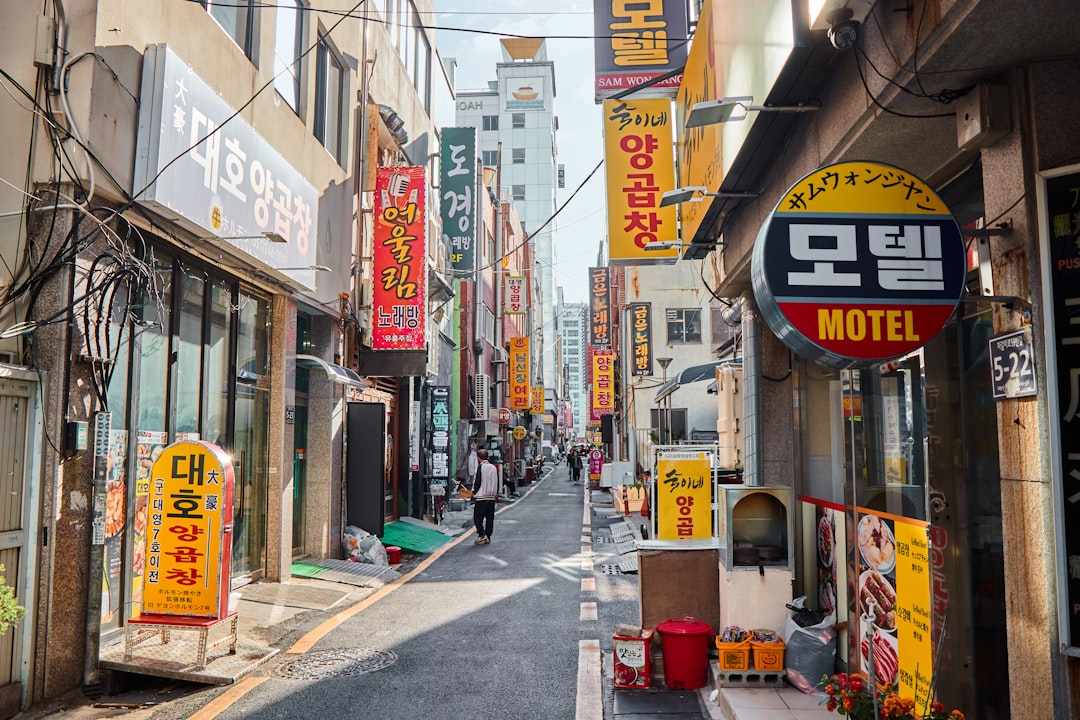
I still remember standing in a tiny alley in Jongno, Seoul, holding a steaming bowl of sundubu-jjigae (soft tofu stew) that cost me exactly $4.50. The broth was fiery, the side dishes kept coming for free, and the ajumma running the place had been perfecting that recipe for 30 years. That was the moment I realized South Korea isn’t just affordable — it’s one of the few places on earth where spending less money actually gets you a more authentic experience. While tourists in Tokyo and Paris blow $30 on mediocre lunches, budget travelers in Korea eat like royalty, sleep in spotless accommodations, and ride one of the world’s best public transit systems for pocket change.
If you’ve been dreaming of neon-lit streets, ancient palaces, K-pop culture, and world-class street food but assumed Asia travel meant draining your savings, I have great news. With the right korea budget travel tips 2026, you can realistically explore this incredible country for $50–$80 per day — including accommodation, food, transport, and activities. That’s less than a decent hotel room in most US cities.
I’ve spent a cumulative four months traveling Korea on a shoestring across multiple trips, and this guide is everything I wish I’d known before my first flight landed at Incheon. Let’s break it down.
Getting There: Flights, Entry Requirements, and Arrival

Finding Cheap Flights from the US
Your biggest single expense will be the flight, but prices have dropped significantly since 2024. In 2026, round-trip flights from LAX to Incheon (ICN) regularly dip to $450–$650 on airlines like Korean Air, Asiana, and budget-friendly options like Zipair and Air Premia. From JFK, expect $500–$750. SFO typically mirrors LAX pricing.
Here are my proven strategies for scoring cheap flights:
- Book 8–12 weeks in advance for the sweet spot on pricing. Use Google Flights with flexible date search to find the cheapest departure window.
- Fly midweek — Tuesday and Wednesday departures are consistently $80–$150 cheaper than weekend flights.
- Consider budget carriers like Zipair or Air Premia — they fly direct from LAX to ICN for as low as $380 round-trip if you book early and travel light (one carry-on included).
- Set alerts on Google Flights and Skyscanner — fare drops happen fast and often disappear within 48 hours.
- Shoulder season is your friend — flying in early April (cherry blossoms!), late May, or October–November saves $100–$200 versus peak summer or holiday periods.
Visa and K-ETA for US Citizens
Great news: US citizens can visit South Korea visa-free for up to 90 days. You will need a K-ETA (Korea Electronic Travel Authorization), which costs about $10 and takes 24–72 hours to process. Apply online before your trip at the official K-ETA website. It’s valid for two years, so future trips are covered.
Make sure your passport is valid for at least six months beyond your travel dates. Seriously — I’ve seen people turned away at check-in for this.
Navigating Incheon Airport Like a Pro
Incheon International Airport (ICN) is consistently ranked the world’s best airport, and for good reason. After clearing immigration (usually 20–40 minutes), head straight to the transportation center on basement level 1.
Your options to reach Seoul:
- AREX Express Train — $9, direct to Seoul Station in 43 minutes. This is the best value for most travelers.
- AREX All-Stop Train — $4.50, takes about 58 minutes with stops. Use your T-money card here.
- Airport Limousine Bus — $10–$16, drops you at major hotels and neighborhoods. Great if your accommodation is along a bus route.
- Taxi — $55–$80 to central Seoul. Only worth it if you’re splitting with 3+ people at 2 AM.
Pro tip: Before leaving the airport, grab a T-money card from any convenience store (GS25, CU, or 7-Eleven) in the arrivals hall. The card costs about $3, and you load it with cash. This single card works on every subway, bus, and even taxis across the entire country. It also gives you a small discount per ride versus paying cash. Think of it as Korea’s Oyster Card or Metro Card — except it works nationwide.
Plan your arrival with the official airport guideBudget Accommodation: Where to Sleep for $15–$45/Night
Guesthouses and Hostels
Korea’s guesthouse scene is exceptional. Unlike many Western hostels, Korean guesthouses are almost always impeccably clean, quiet, and well-managed. A dorm bed in Seoul runs $15–$25/night, while a private room averages $30–$45/night. In smaller cities like Gyeongju or Jeonju, subtract another 20–30%.
My favorite budget areas to stay in Seoul:
- Hongdae — walkable to nightlife, street performances, and indie shopping. Tons of hostels here. Dorms from $16/night.
- Myeongdong — central location, perfect for K-beauty shopping and street food. Slightly pricier at $22–$35 for dorms. Myeongdong Best Street Food Spots & Shopping Guide 2026
- Jongno/Insadong — traditional vibe, near palaces and Bukchon Hanok Village. Private guesthouse rooms from $35.
Book through Booking.com or Agoda (Agoda often has Asia-specific deals that don’t appear elsewhere). Always check the cancellation policy — most Korean guesthouses offer free cancellation up to 24 hours before arrival.
Jjimjilbangs: The Ultimate Budget Sleep Hack
Here’s a uniquely Korean secret that blows every budget traveler’s mind: jjimjilbangs (Korean spa-saunas) double as overnight accommodations. For $8–$15, you get access to hot baths, saunas, sleeping rooms with mats and blankets, free Wi-Fi, and sometimes even a basic breakfast.
Popular chains like Dragon Hill Spa in Yongsan or Siloam Sauna near Seoul Station are open 24/7 and are completely safe. You’ll sleep in communal rooms on heated floors alongside Korean families — it’s a genuine cultural experience. They provide pajama-like clothes and towels. Think of it as a YMCA and spa combined, except way cleaner and more comfortable.
Cultural etiquette note: In the bathing area, you must be fully naked. Shower thoroughly before entering any pool. Tattoos are sometimes frowned upon but increasingly tolerated — large tattoos may draw stares but rarely cause issues in tourist-friendly jjimjilbangs.
Hanok Stays and Temple Stays
For a splurge that’s still budget-friendly by Western standards, try a hanok stay — a traditional Korean wooden house. In Jeonju’s Hanok Village, beautiful hanok guesthouses cost $30–$50/night. Bukchon in Seoul is pricier ($50–$80) but unforgettable.
Templestays offer another remarkable budget option. For about $30–$60, you stay overnight at a Buddhist temple, participate in morning chanting at 4 AM, eat temple food, and experience profound calm. Check the official Templestay program at templestay.com for availability across 130+ temples nationwide.
Eating Like a King on a Budget: Korean Food for Under $7/Meal

Street Food and Market Meals
Korean street food is not just cheap — it’s a legitimate culinary destination. At markets like Gwangjang Market and Namdaemun Market in Seoul, full meals cost $3–$6. Here’s what to try and what you’ll pay:
| Dish | Average Price (USD) | Where to Find It |
|---|---|---|
| Tteokbokki (spicy rice cakes) | $2.50–$3.50 | Any street vendor |
| Kimbap (Korean sushi roll) | $1.50–$3.00 | Kimbap Cheonguk chains |
| Hotteok (sweet pancake) | $1.00–$1.50 | Street stalls, especially Busan BIFF area |
| Bindaetteok (mung bean pancake) | $3.00–$4.00 | Gwangjang Market |
| Odeng/Eomuk (fish cake soup) | $1.00–$2.00 | Any street stall (sometimes free broth!) |
| Sundae (blood sausage) | $3.00–$4.00 | Market stalls |
| Korean Fried Chicken (half) | $6.00–$8.00 | BBQ Chicken, BHC, local shops |
Must Try Korean Street Food Guide: 15 Best Picks for 2026
Korean Fried Chicken Recipe: Crispy Double Fry Method (2026)
Budget Restaurants and Chains
Sit-down restaurants in Korea offer incredible value compared to the US. A full meal at a local Korean restaurant — with unlimited banchan (side dishes) — costs $5–$8. Here are the best budget chains and restaurant types:
- Kimbap Cheonguk / Kimbap Nara — the Korean equivalent of a diner. Full meals from $3.50. Bibimbap, ramyeon, donkatsu — all under $6.
- Paik’s Coffee / Mega Coffee — huge iced Americanos for $1.50–$2.00 (Starbucks equivalent is $4.50).
- Convenience store meals — GS25, CU, and 7-Eleven sell surprisingly good triangle kimbap ($1), instant ramyeon stations ($1.50), and bento boxes ($3–$4). They even have microwaves and hot water stations.
- University neighborhoods (Sinchon, Konkuk, Hongdae) — restaurants near campuses compete fiercely on price. Korean BBQ lunch sets for $7–$9 per person exist here.
Best Korean Ramyeon Ranked by Spicy Level 2026
7 Traditional Korean Desserts to Try in 2026
Free and Nearly-Free Food Hacks
Banchan is always free. Every sit-down Korean restaurant provides 3–8 complimentary side dishes with your meal, and they’re refillable. Kimchi, pickled radish, seasoned spinach, bean sprouts — it’s a full spread that comes standard. This is one of the most generous food cultures on the planet.
Water and barley tea are free at every restaurant — you’ll never need to order a drink. Many restaurants also have free self-serve rice in big cookers.
Bakery samples at places like Paris Baguette and Tous les Jours are generously offered. And Korean grocery stores (Emart, Lotte Mart) have dedicated sample sections that can genuinely substitute for a snack run.
Getting Around Korea: Transport on a Budget
Seoul’s Subway and Bus System
Seoul’s subway is a marvel. Clean, safe, punctual, air-conditioned, with free Wi-Fi in every station and car, and announcements in English. A single ride costs about $1.10–$1.30 with a T-money card. You can cross the entire city for under $1.50.
Buses are even cheaper and cover areas the subway doesn’t reach. Color-coded by type (blue for trunk routes, green for neighborhood routes, red for express), they accept T-money cards and integrate seamlessly with subway transfers. If you transfer between subway and bus within 30 minutes, the transfer is free.
Download Naver Map — it’s Korea’s Google Maps and is far more accurate for public transit directions. Google Maps works but frequently gives wrong bus information. Naver Map shows real-time bus arrivals and walking directions with uncanny accuracy.
Intercity Travel: KTX and Express Buses
To travel between cities, you have two excellent budget options:
KTX (Korea Train Express) — Korea’s bullet train. Seoul to Busan takes just 2 hours 30 minutes and costs about $45–$55 one-way. Book through the KORAIL app (available in English). Early bird and off-peak tickets save 10–30%. The experience is comparable to Japan’s Shinkansen at roughly half the price.
Express/Intercity Buses — significantly cheaper than KTX. Seoul to Busan by express bus costs just $18–$25 and takes about 4.5 hours. Buses are modern, comfortable, with reclining seats and onboard Wi-Fi. Book through the Kobus app or buy tickets at any express bus terminal.
| Route | KTX Price (USD) | KTX Time | Bus Price (USD) | Bus Time |
|---|---|---|---|---|
| Seoul → Busan | $45–$55 | 2h 30m | $18–$25 | 4h 30m |
| Seoul → Gyeongju | $38–$48 | 2h 10m | $20–$26 | 3h 45m |
| Seoul → Jeonju | $25–$32 | 1h 40m | $12–$16 | 2h 50m |
| Seoul → Gangneung | $22–$28 | 1h 50m | $14–$18 | 2h 40m |
Budget tip: Consider the KORAIL Pass if you plan to ride KTX 3+ times. A 3-day pass costs about $95, and a 5-day pass about $140 — unlimited KTX rides included. For Americans doing a multi-city itinerary, this is equivalent to a Eurail Pass at a fraction of the cost.
Must-Have Apps for Getting Around
Download these before you arrive — they’ll save you time, money, and frustration:
- Naver Map — essential for navigation, transit directions, restaurant reviews.
- Papago — Naver’s translation app. Way better than Google Translate for Korean. Has real-time camera translation for menus and signs.
- KakaoTalk — Korea’s WhatsApp. Everyone uses it. Restaurants, shops, and even government services communicate through Kakao.
- KORAIL — book KTX and regular train tickets in English.
- Kakao T — Korea’s Uber equivalent. Useful for late-night rides when buses stop running.
Free and Cheap Things to Do: Activities Under $10

Seoul’s Best Free Attractions
One of the best korea budget travel tips 2026 I can share: Seoul’s top attractions are either free or shockingly cheap. Here’s what costs nothing:
- Gyeongbokgung Palace — $2.50 admission, but free if you wear hanbok (rent hanbok for $10–$15 nearby for 2–4 hours and get free palace entry plus incredible photos).
- Bukchon Hanok Village — free to walk through. A living museum of traditional Korean architecture.
- Cheonggyecheon Stream — a beautiful 7-mile urban stream park running through downtown Seoul. Perfect for evening walks.
- Namsan Tower hike — the hike up Namsan Mountain is free and takes about 30 minutes. The observation deck is $11, but the free outdoor viewing area is nearly as good.
- Hongdae Free Market — weekend street performances, indie art, and busking that rival any paid entertainment.
- War Memorial of Korea — completely free, world-class museum covering Korean military history.
- National Museum of Korea — free permanent collection, one of Asia’s largest museums.
Plan your Seoul sightseeing with the official city guide
Seasonal Experiences Worth Planning Around
Korea’s four distinct seasons each offer bucket-list experiences that cost little or nothing:
Spring (March–May): Cherry blossom season peaks in early-to-mid April. Yeouido Cherry Blossom Festival in Seoul is free and genuinely spectacular — imagine DC’s Tidal Basin but with street food vendors and K-pop buskers. Jinhae in Gyeongsang Province hosts the biggest cherry blossom festival in Korea, also free.
Summer (June–August): Hit the beaches in Busan — Haeundae Beach and Gwangalli Beach are free and lively. Boryeong Mud Festival (July) is one of Korea’s wildest events. Budget for higher accommodation costs in August, Korea’s peak vacation month.
Autumn (September–November): Korea’s fall foliage rivals New England at zero cost. Nami Island ($14 including ferry) explodes with color in late October. Seoraksan National Park ($3.50 entry) offers world-class hiking trails through crimson and gold forests.
Winter (December–February): Korea has excellent ski resorts at a fraction of Colorado prices. A full day of skiing at Vivaldi Park or Elysian Gangchon costs $40–$60 including equipment rental — compared to $200+ at Vail. The Hwacheon Ice Festival in January lets you fish through holes in a frozen river, which is exactly as amazing as it sounds.
Shopping on a Budget: K-Beauty and More
Korea is a paradise for affordable K-beauty shopping. Brands like Innisfree, COSRX, and Etude House sell products for 30–70% less than US retail. Myeongdong and Hongdae have dozens of K-beauty shops offering free samples — I’ve walked out with a bag of samples worth $20+ just from browsing.
Best Korean Sunscreen for Sensitive Skin 2026
Snail Mucin Benefits for Acne Scars: 2026 Guide
Korean Glass Skin Routine: 10 Steps for 2026
7 Best Korean Lip Tints for Beginners in 2026
For K-pop fans, Myeongdong and Hongdae have dedicated K-pop merchandise stores with albums, photocards, and lightsticks at Korean domestic prices — often 40–50% cheaper than importing to the US. How to Start a K-Pop Lightstick Collection in 2026
Don’t miss Daiso — Korea’s dollar store chain where everything is $1–$5. Kitchen gadgets, stationery, phone accessories, socks, snacks — you’ll spend an hour browsing and walk out with bags of souvenirs for under $15.
Complete Budget Breakdown: What 7 Days in Korea Actually Costs
Let me give you a realistic daily budget breakdown based on my own spending across multiple trips. These are real numbers, not aspirational ones:
| Category | Budget Tier ($40–$55/day) | Mid-Budget Tier ($60–$80/day) |
|---|---|---|
| Accommodation | $15–$22 (hostel dorm / jjimjilbang) | $30–$45 (private guesthouse room) |
| Food (3 meals) | $10–$15 (markets + convenience stores) | $15–$22 (mix of restaurants + street food) |
| Transport | $4–$6 (subway + bus) | $6–$10 (subway + occasional taxi) |
| Activities | $0–$5 (free attractions + palace entry) | $5–$12 (paid attractions + experiences) |
| Misc (SIM, snacks, coffee) | $3–$5 | $5–$8 |
| Daily Total | $32–$53 | $56–$97 |
7-day total (budget tier): $225–$370 — plus your flight. Compare that to a week in Western Europe ($800–$1,500+) or Japan ($600–$1,000+).
Additional one-time costs to budget for:
- Airport SIM card or eSIM: $15–$30 for 7 days of unlimited data. Get an eSIM through Airalo or Klook before departure to save time at the airport.
- T-money card: $3 for the card + $20–$30 loaded for a week of Seoul transit.
- K-ETA: $10 (valid for 2 years).
- Travel insurance: $5–$10/day recommended. World Nomads and SafetyWing are popular with budget travelers.
Sample 7-Day Budget Itinerary: Seoul, Jeonju, and Busan

Days 1–3: Seoul
Day 1: Arrive at Incheon, take AREX to Seoul Station ($4.50). Check into your Hongdae hostel. Walk around Hongdae’s busking streets for free evening entertainment. Dinner at a local kimbap shop ($4). Daily spend: ~$25 (excluding accommodation)
Day 2: Morning at Gyeongbokgung Palace (free in hanbok rental, $12). Walk to Bukchon Hanok Village (free). Lunch at Gwangjang Market — try bindaetteok and mayak gimbap ($5). Afternoon at National Museum of Korea (free). Evening at Cheonggyecheon Stream (free). Daily spend: ~$22
Day 3: Namsan Tower hike (free) in the morning. Myeongdong for K-beauty shopping and street food ($15 shopping + $5 food). Afternoon at Ikseon-dong for café culture ($4 for a latte in a renovated hanok). Evening in Itaewon or Hongdae for nightlife. Daily spend: ~$30
Day 4: Day Trip to Jeonju (or Overnight)
Take an express bus from Seoul to Jeonju ($13, 2h 50m). Explore Jeonju Hanok Village — it’s a living, breathing museum of traditional Korean culture, and wandering the streets is completely free. Eat Jeonju’s famous bibimbap at one of the old-school restaurants around the village ($6–$8 for the most authentic version you’ll ever taste). Try choco pie from the local bakery ($1) and Korean traditional rice wine, makgeolli ($3 at a pojangmacha). Return to Seoul or stay overnight in a gorgeous hanok for $30–$40. Daily spend: ~$40
Days 5–7: Busan
Day 5: KTX from Seoul to Busan ($48, 2h 30m). Check into a Haeundae-area hostel. Walk Haeundae Beach (free). Dinner at Jagalchi Fish Market — pick your fish and have it prepared for $10–$15. Daily spend: ~$65 (KTX splurge day)
Day 6: Morning at Gamcheon Culture Village ($1 map entry) — Korea’s colorful hillside village, often compared to Santorini. Haedong Yonggungsa Temple (free, seaside Buddhist temple). Lunch at BIFF Street in Nampo — hotteok for $1 and ssiat hotteok (seed-filled pancakes) unique to Busan. Evening walk across Gwangalli Beach with the Diamond Bridge lit up. Daily spend: ~$20
Day 7: Hike the Igidae Coastal Walk (free, stunning ocean cliffs). Visit Gukje International Market for affordable souvenirs and the best dwaeji gukbap (pork soup rice) for $5. Return to Seoul by express bus ($20) to save money on your last day. Daily spend: ~$30
Total 7-day itinerary cost (excluding flights and accommodation): approximately $230–$280.
Insider Tips and Pro Hacks for Saving Even More
After multiple budget trips, these are the korea budget travel tips 2026 that most guides don’t mention:
- Eat where the ajummas eat. If a restaurant is full of older Korean women at lunch, the food is guaranteed to be good and cheap. Follow the ajummas — they have zero tolerance for overpriced mediocrity.
- Tax-free shopping is automatic for tourists. At stores with a “Tax Free” sign, show your passport for an immediate 10% VAT refund on purchases over ~$30. Refund counters at the airport handle the rest.
- Free Wi-Fi is literally everywhere. Every subway station, most buses, cafés, convenience stores, and public spaces have free Wi-Fi. You can honestly survive without a SIM card if you’re thrifty (though I still recommend one for maps).
- Visit palaces on the last Wednesday of each month. It’s “Culture Day” — many museums and cultural sites are free or heavily discounted.
- Use Coupang (Korea’s Amazon) for delivery. Need sunscreen? Snacks? An umbrella? Order on Coupang and get it delivered to your accommodation, often within hours, at Korean domestic prices. The app has basic English support.
- Don’t tip. Tipping is not customary in Korea and can even be considered rude in some contexts. Your bill is your bill — no mental math needed. Coming from the US, this alone saves you 15–20% on every meal.
- Drink at convenience stores. A cold beer at CU or GS25 costs $2–$3. The same beer at a bar costs $5–$8. Koreans regularly drink soju ($1.50 per bottle) and beer outside convenience stores on warm evenings — it’s completely socially acceptable and common.
- Carry cash for markets. While Korea is one of the most card-friendly countries on earth, traditional markets and small street vendors still prefer cash. Withdraw from ATMs at any convenience store — Citibank and Global ATMs have the lowest fees.
Cultural Etiquette Tips for Budget Travelers
Koreans are incredibly welcoming to tourists, but knowing a few etiquette basics goes a long way — especially when you’re interacting closely with locals at budget restaurants and guesthouses:
- Remove your shoes when entering guesthouses, hanoks, temples, and many traditional restaurants. Look for a shoe rack at the door.
- Use two hands when giving or receiving anything — money, cards, food. It’s a sign of respect.
- Don’t blow your nose at the table. Step away to do it. Sniffling is preferred over nose-blowing in Korea (opposite of the US).
- Pour drinks for others first, especially elders. If someone pours for you, hold your glass with two hands.
- Learn basic Korean phrases: “Annyeonghaseyo” (hello), “Kamsahamnida” (thank you), “Eolmayeyo?” (how much?). Even clumsy attempts earn genuine smiles and sometimes discounts.
- Don’t talk loudly on public transit. Korean subways and buses are remarkably quiet. Match the volume around you.
- Bow slightly when greeting or thanking someone. A small head nod works in most casual situations.
Frequently Asked Questions
How much money do I need per day in Korea as a budget traveler?
A realistic budget is $40–$55 per day for backpacker-style travel, covering hostel accommodation, three meals at local restaurants or markets, public transit, and free or low-cost attractions. If you want private rooms and slightly nicer meals, plan for $60–$80 per day. Korea is significantly cheaper than Japan or Western Europe for comparable quality.
Is Korea safe for solo budget travelers?
Extremely safe. South Korea consistently ranks among the safest countries in the world for travelers. Violent crime against tourists is virtually nonexistent. You can walk around Seoul at 3 AM without concern. Solo female travelers regularly report feeling safer in Korea than in most Western cities. Petty theft is rare but keep normal precautions with your belongings in crowded areas.
Do I need to speak Korean to travel on a budget?
No. Major cities have extensive English signage on all transit, and younger Koreans often speak conversational English. However, budget spots — market stalls, neighborhood restaurants, rural areas — may have limited English. This is where the Papago translation app becomes essential. Its camera translation feature lets you point your phone at any Korean menu and get instant translations. Download it before your trip.
What’s the best time of year to visit Korea on a budget?
Shoulder seasons offer the best combination of weather, prices, and experiences: late March to mid-May (cherry blossoms, mild weather, pre-summer prices) and September to November (spectacular fall foliage, comfortable temperatures, fewer tourists). Avoid Korean holidays like Chuseok (September/October) and Lunar New Year (January/February) when domestic travel prices spike and attractions are crowded.
Can I use credit cards everywhere in Korea?
Korea is one of the most cashless-friendly countries on the planet. Visa and Mastercard are accepted at nearly all restaurants, shops, cafés, convenience stores, and transit systems. However, traditional markets, some street food vendors, and small local shops may require cash. Carry 50,000–100,000 KRW ($35–$70) in cash as backup, easily withdrawn from ATMs inside any convenience store.
Is the KTX worth it, or should I just take buses?
It depends on your priorities. Buses save 40–60% over KTX and are perfectly comfortable for routes under 3 hours. For longer trips like Seoul to Busan, the KTX saves 2 hours and the experience of riding a bullet train is worth doing at least once. Budget compromise: take KTX one direction and a bus the other. If you’ll ride KTX 3+ times, the KORAIL Pass ($95 for 3 days) makes every ride essentially free.
Related Posts You’ll Love
- Myeongdong Best Street Food Spots & Shopping Guide 2026
- Must Try Korean Street Food Guide: 15 Best Picks for 2026
- 7 Traditional Korean Desserts to Try in 2026
Suggested new articles:
- Best Jjimjilbangs in Seoul: A Complete Guide for First-Timers
- Busan on a Budget: 3-Day Itinerary Under $150
- KORAIL Pass Guide: Is It Worth It for Your Trip?
Start Planning Your Budget Korea Trip Today
South Korea proves that incredible travel doesn’t require an incredible budget. With $50 a day, you’ll eat food that would cost triple in the US, ride world-class public transit, sleep in clean and unique accommodations, and explore a culture that seamlessly blends 5,000 years of history with cutting-edge modernity.
The hardest part isn’t affording Korea — it’s booking the flight. Once you land at Incheon, the T-money card is in your hand, and you take that first bite of $3 tteokbokki on a neon-lit street, you’ll wonder why you waited so long.
Have you traveled Korea on a budget? What are your best money-saving tips? Drop them in the comments below — I read and reply to every single one. And if this guide helped you plan your trip, share it with a friend who’s been dreaming about Korea. Tag us on Instagram with your budget travel wins — we love seeing your adventures!
Planning your first Korea trip and feeling overwhelmed? Leave a question in the comments and I’ll personally help you figure out the logistics. No question is too basic — we all started somewhere.