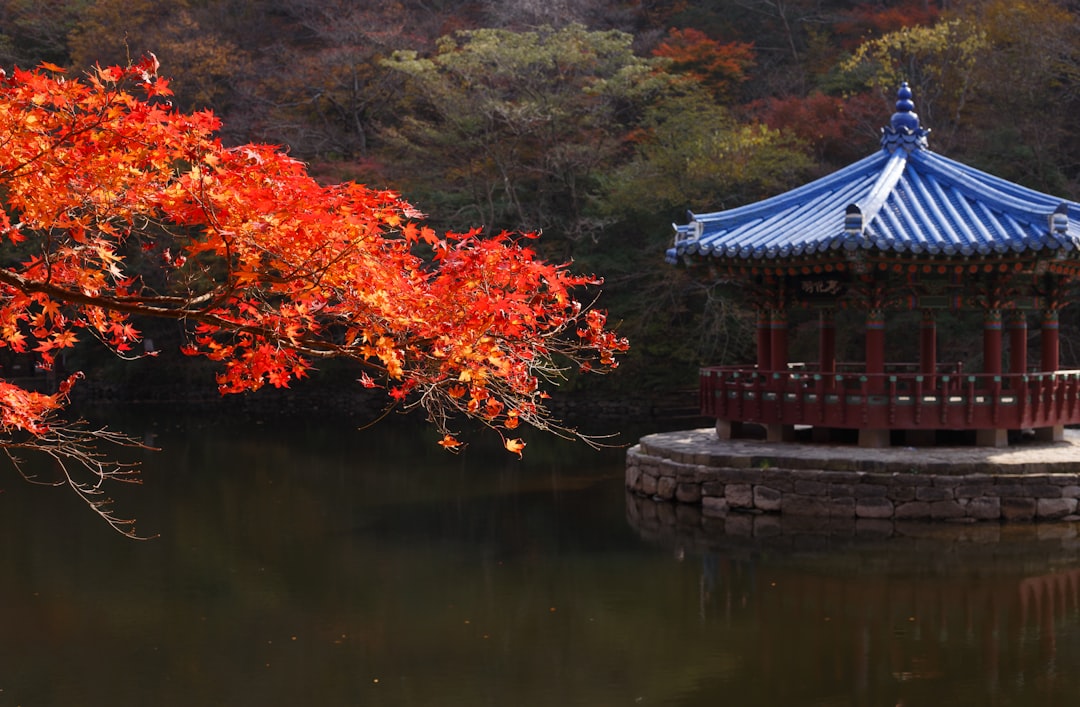
Why Korea’s Autumn Foliage Stopped Me in My Tracks (And Why You Need to See It)
I still remember the exact moment I fell in love with Korean autumn. It was mid-October 2023, and I was standing on a wooden footbridge in Naejangsan National Park when the entire valley below me erupted in a symphony of crimson, amber, and burnt orange. I’d seen fall foliage in Vermont, hiked through the Smoky Mountains in October, and driven the Blue Ridge Parkway during peak color — but nothing, and I mean nothing, prepared me for the intensity of Korea autumn foliage. The maple trees here don’t just change color; they practically glow, set against a backdrop of ancient Buddhist temples, misty mountain ridges, and mirror-still lakes that double the spectacle. If you’re trying to figure out the best time to visit Korea for autumn foliage, you’ve come to the right place. This guide covers everything — the top destinations from north to south, week-by-week timing forecasts, transportation logistics, budget breakdowns, and insider tips that took me five autumn trips to learn.
South Korea is compact — roughly the size of Indiana — which means you can experience wildly different foliage landscapes within a single day trip. From the subalpine forests of Seoraksan in the northeast to the subtropical-tinged woodlands of Jeju Island in the south, the korea autumn foliage best time to visit window stretches from late September through mid-November, giving you nearly seven weeks of shifting color across the peninsula.
When Exactly Does Korea’s Autumn Foliage Peak? A Week-by-Week Breakdown

Timing is everything when planning a Korea autumn foliage trip. Unlike the somewhat unpredictable fall color in the eastern United States, Korea’s foliage follows a remarkably consistent north-to-south pattern each year. The Korea Meteorological Administration (KMA) actually releases an official foliage forecast every September — think of it as a weather report specifically for leaf-peepers.
The Foliage Timeline: North to South
| Region | First Color | Peak Foliage | Key Destination |
|---|---|---|---|
| Northern Mountains (Gangwon-do) | Late September | Oct 10–20 | Seoraksan, Odaesan |
| Central (Chungcheong, North Gyeongsang) | Early October | Oct 18–28 | Songnisan, Juwangsan |
| Seoul & Gyeonggi | Mid-October | Oct 25 – Nov 5 | Bukhansan, Namsan, Changdeokgung |
| Southern (Jeolla, South Gyeongsang) | Late October | Nov 1–10 | Naejangsan, Gayasan |
| Jeju Island | Late October | Nov 5–15 | Hallasan, Cheonjiyeon |
How to Read the Korean Foliage Forecast
Every year around September 20, the KMA announces three key dates for each major mountain: cheot danpung (first foliage — when about 20% of leaves have turned), jeoljeong (peak — 80%+ color saturation), and nak-yeop (leaf drop). Bookmark the Korea Meteorological Administration forecast page and check it in mid-September for that year’s predictions.
The best time to visit Korea for autumn foliage if you want to hit multiple destinations is the last week of October through the first week of November. During this window, Seoul’s urban foliage is peaking, the southern mountains are at their most vivid, and you can still catch the tail end of color in the northern highlands.
Temperature Sweet Spots
Korean autumn is gloriously comfortable. Expect daytime highs of 55–68°F (13–20°C) and nighttime lows around 40–50°F (5–10°C). The air is crisp and dry — a welcome contrast to Korea’s notoriously humid summers. Pack layers: a light down jacket for mountain mornings, a flannel or hoodie for city walking, and sunglasses because the low-angle autumn sun is blinding.
Pro tip: The sharper the temperature drop between day and night, the more vivid the foliage. Years with warm days and cold nights (a difference of 20°F+) produce the most spectacular color. This is the same meteorological principle that creates peak foliage in New England.
Top 8 Destinations for Korea Autumn Foliage (Ranked by Wow Factor)
1. Naejangsan National Park — The Crown Jewel
Peak foliage: November 1–10 | Location: Jeongeup, North Jeolla Province
If you only visit one place for Korea autumn foliage, make it Naejangsan. The park’s name literally means “hidden treasure inside the mountain,” and when you see the tunnel of fiery-red maple trees lining the path from the cable car station to Uhwajeong Pavilion, you’ll understand why Koreans consider this the country’s single best autumn destination. Over 700 species of plants create a tapestry of color that photographers travel from across Asia to capture.
The signature shot is from Uhwajeong Pavilion, a traditional Korean gazebo perched on a ridge overlooking a valley that erupts in scarlet and gold. Arrive before 8:00 AM on weekdays to avoid crowds — by 10:00 AM on weekends, you’ll be sharing the path with thousands of visitors.
- Admission: Free (national park — no entrance fee since 2007)
- Cable car: ₩9,000 round-trip (~$6.50 USD) for adults
- Getting there: KTX from Seoul Station → Jeongeup Station (1 hr 40 min, ~$30 USD), then bus #171 to the park entrance (30 min)
- Recommended hike: Uhwajeong Loop Trail — 3.2 km, moderate, about 2 hours
2. Seoraksan National Park — The Alpine Giant
Peak foliage: October 10–20 | Location: Sokcho, Gangwon Province
Seoraksan is Korea’s most famous mountain and a UNESCO Biosphere Reserve. It’s the first place in mainland South Korea to see autumn color every year, and the combination of jagged granite peaks, waterfalls, and dense deciduous forest creates scenes that look like traditional Korean ink-wash paintings come to life. Think of it as Korea’s answer to Yosemite — dramatic rock formations meet vivid fall foliage.
The Gwongeumseong Cable Car whisks you 1,100 meters up to a fortress ruin with panoramic views. On a clear October morning, you can see all the way to the East Sea (Sea of Japan). The Biryong Falls hike is another must-do: a 3.6 km round-trip trail that takes you past three waterfalls framed by turning leaves.
- Admission: Free
- Cable car: ₩13,000 round-trip (~$9.50 USD)
- Getting there: Express bus from Seoul Gangnam Terminal → Sokcho (2.5 hrs, ~$18 USD) or KTX to Gangneung + transfer bus
- Important: Peak-season weekends require reservation through the Korea National Park Service app. Book at least 2 weeks ahead.
How to Book Korean Temple Stay in 2026: Complete Guide — Seoraksan has several temple stay programs at Sinheungsa Temple right at the park entrance, perfect for combining autumn hiking with a cultural immersion overnight.
3. Bukhansan National Park — Autumn Without Leaving Seoul
Peak foliage: October 25 – November 5 | Location: Northern Seoul
You don’t need to leave the city to experience world-class Korea autumn foliage. Bukhansan National Park sits right inside Seoul’s northern boundary and draws over 5 million visitors annually — making it one of the most visited national parks per square foot on Earth. The Bukhansanseong Trail offers granite-peak views draped in crimson and amber, with the Seoul skyline glittering in the distance.
For a less strenuous option, the Jeongreung Trail follows a gentle valley path through dense maple groves. It’s flat, family-friendly, and absolutely gorgeous in late October. VisitSeoul autumn hiking guide
- Admission: Free
- Getting there: Seoul Metro Line 4 to Suyu Station, Exit 3, then bus #120 to park entrance
- Time needed: Half-day (3–5 hours depending on trail choice)
4. Gyeongju — Foliage Meets Ancient History
Peak foliage: October 28 – November 8 | Location: North Gyeongsang Province
Gyeongju is the former capital of the Silla Dynasty (57 BC – 935 AD), and autumn here feels like stepping into a living history textbook. Imagine golden ginkgo trees arching over 1,500-year-old royal tombs, crimson maples framing the reflection pond at Anapji (Donggung Palace), and the entire Bulguksa Temple complex glowing in warm earth tones. It’s the single best place to combine cultural sightseeing with autumn scenery.
Don’t miss Tohamsan Mountain behind Bulguksa — the trail to Seokguram Grotto passes through pristine forest that turns spectacular shades of orange and deep red. The grotto itself houses a stunning Buddha statue that’s a UNESCO World Heritage Site.
- Admission: Bulguksa ₩6,000 (~$4.30 USD), Seokguram ₩6,000
- Getting there: KTX Seoul → Singyeongju (2 hrs, ~$35 USD), then bus #700 to Bulguksa
- Recommended stay: 2 days to cover temples, tombs, and the autumn night market
5. Hallasan, Jeju Island — The Grand Finale
Peak foliage: November 5–15 | Location: Jeju Island
Korea’s tallest mountain (1,950m / 6,398 ft) and southernmost foliage destination, Hallasan offers a vertical journey through multiple foliage zones in a single hike. Start among subtropical evergreens at the base, climb through deciduous forests blazing with color at mid-elevation, and emerge above the treeline into a volcanic landscape with views of Baengnokdam, a stunning crater lake. The Seongpanak Trail (9.6 km one way) is the most popular route and takes 4–5 hours up.
Jeju’s lowlands also shine in autumn — fields of silver grass (eulalia) on Saebyeol Oreum create Instagram-worthy golden waves, and the Bijarim Forest’s 2,800 ancient nutmeg trees turn a deep bronze.
- Admission: Free
- Getting there: Domestic flights from Gimpo Airport (Seoul) to Jeju — ~1 hour, $50–90 USD on Jeju Air or T’way
- Important: Summit trail reservations required via Jeju National Park website. Gates close at specific times — check the seasonal schedule.
6. Songnisan National Park — Underrated Perfection
Peak foliage: October 20–30 | Location: Boeun, North Chungcheong Province
While international tourists flock to Seoraksan and Naejangsan, Korean locals quietly head to Songnisan — and for good reason. The park is home to Beopjusa Temple, which features a 33-meter standing golden Buddha (the largest in Korea) surrounded by towering pines and maples that create a cathedral-like canopy of red and gold. The Sejo-gil Trail, named after King Sejo who reportedly bowed to a tree here, is a gentle 4 km walk that rivals any foliage walk in New England.
- Admission: Free
- Getting there: Express bus from Seoul Gangnam Terminal → Boeun (2 hrs, ~$12 USD), then local bus to park
7. Changdeokgung Palace, Seoul — Royal Autumn
Peak foliage: October 28 – November 8 | Location: Central Seoul
The Secret Garden (Huwon) behind Changdeokgung Palace is, in my opinion, the single most beautiful urban autumn setting in all of Asia. This UNESCO World Heritage garden has been maintained for over 600 years and contains ancient trees, lotus ponds, and traditional pavilions that become absolutely magical when the maples turn. Access is by guided tour only (limited to 50–100 people per session), which keeps the experience intimate and uncrowded.
- Admission: Palace ₩3,000 (~$2.15 USD) + Secret Garden ₩5,000 (~$3.60 USD)
- Tours: English tours at 10:30 AM and 2:30 PM; book online at least 1 week ahead during peak foliage
- Getting there: Seoul Metro Line 3, Anguk Station, Exit 3 (5-minute walk)
8. Daedunsan Provincial Park — The Hidden Gem
Peak foliage: October 25 – November 5 | Location: Geumsan, South Chungcheong Province
Daedunsan rarely makes English-language guidebooks, but it has one of Korea’s most thrilling autumn experiences: a suspension bridge and a near-vertical steel staircase connecting two granite peaks, all surrounded by blazing autumn forest. The views from the cable car are jaw-dropping, and on a clear day the entire Chungcheong countryside spreads below you in a patchwork of color. This is where Korean couples go for autumn date hikes — it’s photogenic, moderately challenging, and far less crowded than the famous parks.
- Admission: ₩2,000 (~$1.45 USD)
- Cable car: ₩10,000 round-trip (~$7.20 USD)
- Getting there: Express bus Seoul → Geumsan (2 hrs), then taxi to park entrance (~$8 USD)
Getting There: Transport Logistics for Your Autumn Trip

Flights from the US
Direct flights to Incheon International Airport (ICN) run daily from LAX (12 hrs), JFK (14 hrs), and SFO (12 hrs) on Korean Air, Asiana, Delta, and United. For autumn travel, book at least 2–3 months in advance — October is peak season and fares can spike. Expect $800–1,200 USD round-trip from the West Coast and $900–1,400 from the East Coast.
Visa info: US citizens enjoy visa-free entry for up to 90 days, but you must apply for a K-ETA (Korea Electronic Travel Authorization) before departure. It costs ₩10,000 (~$7 USD) and is valid for 2 years. Apply at k-eta.go.kr at least 72 hours before your flight.
Getting Around Korea
Korea’s transport infrastructure is world-class and makes autumn foliage-hopping incredibly easy:
- KTX (Korea Train Express): The bullet train connects Seoul to most major cities in 1–3 hours. Book via the KORAIL app (available in English). A Seoul → Busan ticket runs about $45–55 USD. During peak foliage weekends, trains sell out — book 2 weeks ahead.
- Express Buses: Cheaper than KTX ($10–20 USD for most routes) and often more convenient for reaching national parks. Departure from Seoul’s Gangnam Express Bus Terminal (accessible via Metro Line 3).
- T-money Card: This rechargeable transit card works on all subways, buses, and even some taxis and convenience stores. Buy one at any convenience store for ₩4,000 (~$3 USD) and recharge as needed. It saves about 10% compared to single-journey tickets.
- Rental Cars: Consider one if you want to visit remote parks or follow the “foliage line” south over several days. International driving permits are accepted. Rates start around $40 USD/day through Lotte Rent-a-Car or SK Rent-a-Car.
Essential apps to download before your trip:
- Naver Map — Far more accurate than Google Maps in Korea (Google Maps has limited data due to Korean law)
- Papago — Naver’s translation app; supports camera translation for menus and signs
- KakaoTalk — Korea’s universal messaging app; needed for some reservations and local communication
- KORAIL — Book KTX train tickets in English
Suggested Itineraries: 5-Day, 7-Day, and 10-Day Autumn Foliage Routes
The 5-Day Essential Route (Best for First-Timers)
- Day 1: Seoul Arrival — Settle in, explore Bukchon Hanok Village under ginkgo canopies, evening walk at Changgyeonggung Palace (lit up at night in autumn)
- Day 2: Bukhansan + City Foliage — Morning hike in Bukhansan, afternoon at Changdeokgung Secret Garden, evening in Insadong for traditional tea
- Day 3: Seoraksan Day Trip — Early bus to Sokcho (2.5 hrs), cable car + Biryong Falls hike, fresh seafood dinner in Sokcho
- Day 4: Naejangsan Day Trip — KTX to Jeongeup (1 hr 40 min), full day in the park, return to Seoul evening
- Day 5: Seoul Shopping + Departure — Myeongdong for K-beauty shopping Best Korean Sheet Masks for Dry Skin 2026: Top 12 Ranked, Namsan Tower for final panoramic autumn view
The 7-Day Deep Dive Route
Add to the 5-day route:
- Day 5: Gyeongju — KTX to Singyeongju. Bulguksa Temple, Seokguram Grotto, Anapji Pond at sunset. Stay overnight in a hanok guesthouse.
- Day 6: Gyeongju + Busan — Morning at Gyeongju National Museum, afternoon bus to Busan. Gamcheon Culture Village + Haeundae Beach sunset. Best Korean Instant Noodles Ranked by Spicy Level 2026 — try them at a Busan convenience store overlooking the harbor.
- Day 7: Return to Seoul + Departure — KTX Busan → Seoul (2.5 hrs), last-minute shopping at Gangnam or Hongdae
The 10-Day Ultimate Foliage Tour
Add Jeju Island (3 days) to the 7-day route: fly Busan → Jeju. Hike Hallasan, visit Saebyeol Oreum silver grass fields, explore Jeju Olle Trail sections, and enjoy black pork BBQ. This itinerary follows the foliage line south, ensuring you’re always hitting peak color.
Budget Breakdown: What Korea Autumn Foliage Trips Actually Cost

| Expense | Budget ($) | Mid-Range ($) | Comfort ($) |
|---|---|---|---|
| Round-trip Flight (LAX) | $700–900 | $900–1,100 | $1,200–2,000 |
| Accommodation/Night | $20–40 (hostel/guesthouse) | $60–100 (hotel/Airbnb) | $120–250 (boutique/luxury) |
| Meals/Day | $15–25 | $30–50 | $60–100 |
| Transport/Day (within Korea) | $10–15 | $20–35 | $40–60 (rental car + KTX) |
| Activities & Admission/Day | $5–10 | $10–20 | $20–40 |
| 7-Day Total (est.) | $1,050–1,400 | $1,600–2,200 | $2,500–4,000 |
Korea is remarkably affordable for a developed country. A filling meal of bibimbap or kimchi jjigae at a local restaurant costs just $5–8 USD. Convenience store kimbap (Korean sushi rolls) runs about $1.50. Public transit is dirt cheap — a subway ride in Seoul is under $1.50 with T-money. Authentic Korean Kimchi Recipe for Beginners (2026 Guide)
Insider Tips: What 5 Autumn Trips Taught Me
These are the tips I wish someone had given me before my first Korea autumn foliage trip:
- Go midweek, always. Korean foliage spots see 3–5x more visitors on weekends. A Tuesday or Wednesday visit to Naejangsan feels like a private nature walk; Saturday feels like rush hour on the subway. If your schedule allows only one weekday, make it your most important park day.
- Start at dawn. Gates at most national parks open at sunrise (around 6:00–6:30 AM in October). The first two hours offer the best light, the fewest crowds, and often misty conditions that make foliage photography magical. By 10:00 AM, the parking lots are full.
- Pack for mountain weather. Even if Seoul is a mild 60°F, mountaintops can be 15–20°F colder with wind chill. Layering is essential: moisture-wicking base layer, fleece mid-layer, and a packable rain jacket. Korean mountains are notorious for sudden afternoon mist.
- Download offline Naver Maps. Cell reception can be spotty in deep mountain valleys. Download offline maps for your hiking areas before you head out. Google Maps genuinely does not work well in Korea — I’ve been led astray by it multiple times.
- Bring your own water bottle. Korea has clean, drinkable mountain spring water at marked “yaksu” (약수) points along trails. Refilling saves you money and reduces plastic waste.
- Book temple stays during foliage season. Several temples inside national parks (Sinheungsa at Seoraksan, Beopjusa at Songnisan, Baegyangsa near Naejangsan) offer overnight stays for $40–70 USD including meals and meditation sessions. Waking up inside an autumn mountain temple at 4:00 AM for morning chanting is a life-altering experience. How to Book Korean Temple Stay in 2026: Complete Guide
- Eat seasonal autumn food. Korea has incredible autumn-specific dishes: hotteok (sweet pancakes) from street vendors, gukbap (hot rice soup) at mountain restaurants, roasted chestnuts and sweet potatoes from carts outside every park entrance, and pajeon (green onion pancake) paired with makgeolli rice wine on rainy autumn days. Budget $3–5 for these trail snacks.
- Dress in layers, not bulk. Koreans are incredibly fashion-conscious, even on hiking trails. You’ll see people in coordinated outdoor gear that looks like it came off a runway. While you certainly don’t need to match their style, avoid showing up in ratty gym clothes — it stands out. Korean Minimalist Fashion Essentials for Beginners 2026
Cultural Etiquette for Autumn Foliage Trips

On the Trails
- Greet fellow hikers. Koreans say “annyeonghaseyo” (hello) to everyone they pass on a trail. It’s considered rude not to return the greeting. A smile and nod works too.
- Stay on marked trails. Korean national parks strictly enforce trail boundaries to protect vegetation. Straying off-path can result in fines of up to ₩500,000 (~$360 USD).
- Pack out all trash. Korea’s hiking culture is remarkably clean. Carry a small bag for your litter. You’ll notice that most Korean hikers carry their trash home rather than using the limited park bins.
- Remove shoes at temples. When entering any temple building, remove your shoes and place them on the rack provided. Step over the high wooden threshold, never on it.
At Temples and Cultural Sites
- Dress modestly. Shoulders and knees should be covered when visiting temples. Most temples have loaner wraps available, but bringing your own is appreciated.
- Ask before photographing monks. It’s polite to bow slightly and gesture toward your camera. Most monks will smile and nod.
- Don’t point with one finger. Use your whole hand, palm up, to indicate direction — pointing with a single finger is considered impolite in Korean culture.
- Silence your phone. Especially in temple complexes and palace gardens. Koreans value quiet appreciation of nature and historical sites.
Korean Cafe Study Rooms for Students: 2026 Complete Guide — after a long day of hiking, Korean cafes are the perfect place to warm up with a latte and recharge. Many parks have charming cafes just outside the entrance.
Autumn Foliage Photography Tips
Best Times to Shoot
The golden hour (first hour after sunrise, last hour before sunset) transforms Korean foliage from beautiful to otherworldly. In October, sunrise is around 6:20 AM and sunset around 5:50 PM. The low sun angle backlights translucent maple leaves, creating that ethereal glow you see in professional Korea travel photography.
Overcast days are actually excellent for foliage photography — the diffused light eliminates harsh shadows and makes colors appear more saturated. Korea’s autumn often features atmospheric morning mist that adds depth and mystery to mountain shots.
Top Photo Spots
- Naejangsan maple tunnel — The path from the parking lot to Uhwajeong, lined with 100+ ancient maples forming a canopy
- Changdeokgung Secret Garden reflection pond — The Buyongjeong Pavilion reflected in the lotus pond surrounded by foliage
- Seoraksan Gwongeumseong sunrise — Granite peaks emerging from a sea of autumn color with the East Sea in the background
- Deoksugung Stone Wall Road (Seoul) — A famous city walking path lined with ginkgo trees that turn brilliant yellow
- Gyeongju Anapji Pond at dusk — Ancient palace ruins reflected in the pond, surrounded by autumn color, illuminated as evening falls
Frequently Asked Questions About Korea Autumn Foliage
What is the best time to visit Korea for autumn foliage?
The best time to visit Korea for autumn foliage is from mid-October through early November. The last week of October is the sweet spot if you want to see peak color in multiple regions — Seoul’s urban foliage, central mountain parks, and the famous southern destinations like Naejangsan are all near peak simultaneously. If you can only choose one week, aim for October 25 – November 1.
Is Korea expensive for American tourists during autumn?
Korea is surprisingly affordable compared to Japan or Western Europe. A budget-conscious traveler can manage on $80–100 USD per day (including accommodation), while mid-range travelers will spend $150–250 per day. Meals are especially cheap — excellent restaurant food costs $5–12 USD. The biggest expense is your flight ($800–1,400 round-trip from the US). National parks are free to enter, which is a huge savings compared to US parks that charge $35+ per vehicle.
Do I need to speak Korean to navigate foliage destinations?
Not at all. Major parks and tourist areas have bilingual signage (Korean and English). The KTX system, Seoul Metro, and express buses all have English announcements. Naver Map and Papago (translation app) will handle 95% of communication needs. Younger Koreans (under 35) often speak conversational English, and most accommodations near tourist areas have English-speaking staff. That said, learning basic phrases like “annyeonghaseyo” (hello), “gamsahamnida” (thank you), and “eolmayeyo?” (how much?) will earn you warm smiles everywhere.
Can I see autumn foliage in Seoul without leaving the city?
Absolutely. Seoul has excellent urban foliage. Top spots include Bukhansan National Park (inside city limits), Changdeokgung Secret Garden, Namsan Mountain and Seoul Tower, Deoksugung Stone Wall Road (iconic ginkgo-lined path), Olympic Park (wide boulevards of golden ginkgos), and the Seoul Forest in Seongsu-dong. You could spend 3–4 days just exploring Seoul’s autumn scenery without ever boarding a train. Visit Korea Official autumn foliage guide
How crowded are Korea’s foliage spots in autumn?
Very crowded on weekends — Naejangsan alone can see 50,000+ visitors on a peak Saturday. Weekdays are dramatically better (often 80% fewer people). If you must visit on a weekend, arrive before 7:00 AM. Some parks like Seoraksan now require advance reservations during peak season. Less famous destinations like Daedunsan, Juwangsan, and Songnisan offer comparable beauty with a fraction of the crowds.
What should I wear for autumn hiking in Korea?
Layers are key. Mornings can be chilly (40°F / 5°C on mountain peaks) but afternoons warm up (60°F / 15°C in valleys). A standard autumn hiking outfit: moisture-wicking base layer, fleece or light down jacket, windproof outer layer, comfortable hiking shoes with good grip (trails can be rocky and occasionally muddy after rain), and a light beanie or headband for early mornings. Don’t forget sunglasses — the autumn sun sits low and bright.
Are there autumn foliage festivals in Korea?
Yes, and they’re fantastic. Major festivals include the Naejangsan Autumn Foliage Festival (late October – early November), the Gapyeong Pine Nut Festival, the Gwangyang Maehwa Festival area’s autumn edition, and various temple harvest festivals. Seoul hosts the Seoul Autumn Festival along the Cheonggyecheon Stream with lanterns, traditional performances, and food vendors. These festivals add cultural depth to the natural scenery and are family-friendly.
Related Posts You’ll Love
- How to Book Korean Temple Stay in 2026: Complete Guide — Combine autumn foliage hiking with an overnight temple experience
- Korean Minimalist Fashion Essentials for Beginners 2026 — Pack smart for your Korea trip with these wardrobe essentials
- Best Korean Instant Noodles Ranked by Spicy Level 2026 — The ultimate trail snack for autumn hiking in Korea
Suggested future articles:
- Best Day Trips from Seoul for Every Season: 2026 Guide
- Korea KTX Train Travel Guide: Routes, Tips, and Booking Hacks
- Korean National Parks Complete Hiking Guide for Beginners
Start Planning Your Korea Autumn Foliage Trip Today
Korean autumn foliage is one of those rare travel experiences that consistently exceeds expectations. The combination of vivid natural color, ancient temples, world-class hiking infrastructure, incredible food, and affordable prices makes Korea the best autumn destination in Asia — and, I’d argue, competitive with anywhere on Earth.
The best time to visit Korea for autumn foliage is narrower than you think — that golden window from late October to early November goes fast. Start booking your flights now (set fare alerts on Google Flights for ICN from your home airport), apply for your K-ETA, and download Naver Map and KORAIL to start mapping your route.
Have you experienced Korea’s autumn foliage? Drop your favorite spot in the comments below — I’m always looking for new hidden gems to add to this guide. If this article helped you plan your trip, share it with a friend who’s been dreaming about visiting Korea. And if you have any questions about logistics, timing, or specific trails, ask away — I respond to every comment.
Happy leaf-peeping! 🍁