Kimchi is Korea’s most iconic food — a fermented vegetable dish that has been central to Korean cuisine for over 2,000 years. In 2013, UNESCO recognized kimjang (the communal kimchi-making tradition) as an Intangible Cultural Heritage of Humanity. Today, kimchi has transcended its Korean origins to become a global superfood, appearing on menus from New York to Tokyo to London. This guide explores the science, varieties, health benefits, and cultural significance of Korea’s national dish.
What Makes Kimchi Special
Watch: 아기 강아지 투명 울타리 설치하는 방법_도로시펫 Tip #초보견주
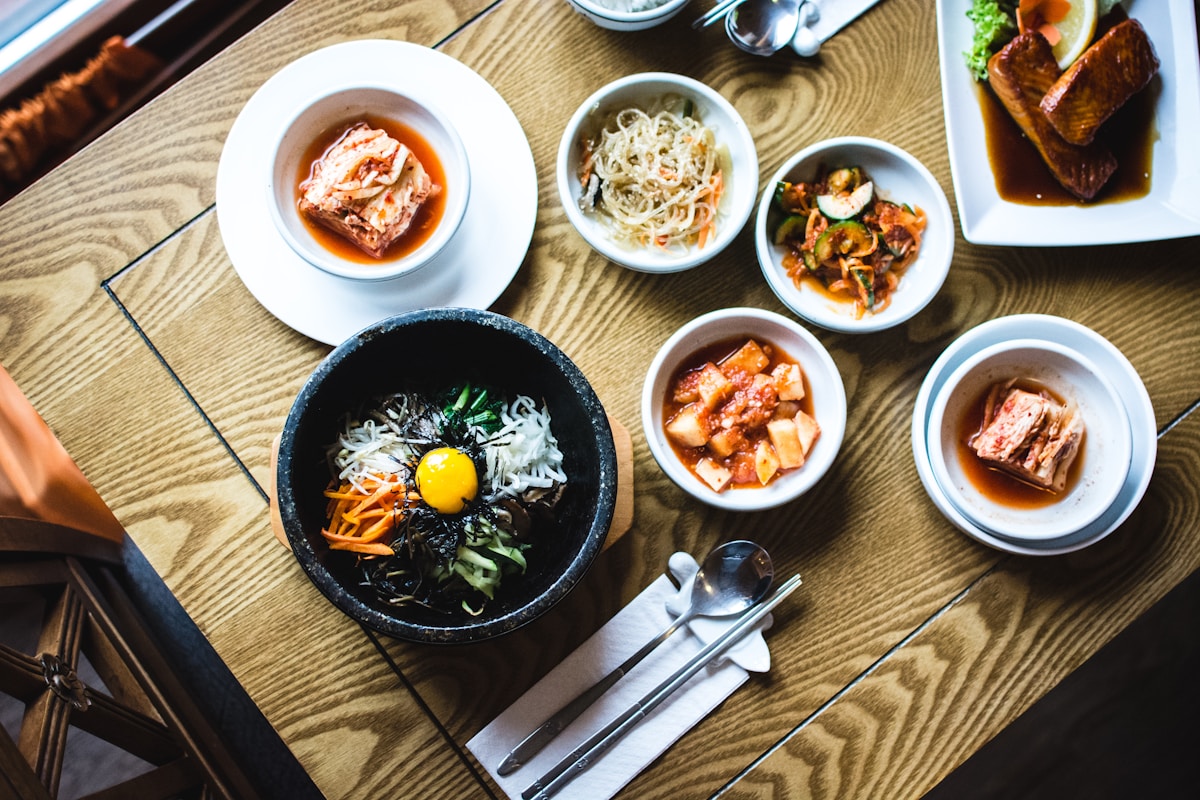
At its core, kimchi is vegetables (most commonly napa cabbage) fermented with salt, gochugaru (red pepper flakes), garlic, ginger, and jeotgal (fermented seafood paste). But this simple description barely captures the complexity of a dish that has over 200 documented varieties across Korea’s different regions and seasons.
The fermentation process is what transforms ordinary vegetables into a nutritional powerhouse. Lactobacillus bacteria naturally present on the vegetables multiply during fermentation, creating probiotics, vitamins (B1, B2, B12, C, K), and bioactive compounds that have been extensively studied for their health benefits.
Health Benefits Backed by Science
Gut Health
A 2023 study published in Nature Communications found that regular kimchi consumption significantly increased gut microbiome diversity — a key indicator of digestive health. The lactobacillus strains in kimchi survive stomach acid and colonize the intestines, improving digestion, reducing bloating, and strengthening immune function.
Weight Management
Research from Seoul National University demonstrated that capsaicin in gochugaru and the fiber content of fermented vegetables contribute to increased metabolism and reduced fat accumulation. Participants who consumed kimchi daily for 4 weeks showed a measurable decrease in body fat percentage compared to the control group.
Anti-Inflammatory Properties
The combination of garlic, ginger, and fermented compounds in kimchi has potent anti-inflammatory effects. Studies have linked regular kimchi consumption to reduced markers of chronic inflammation, lower cholesterol levels, and improved cardiovascular health.
Types of Kimchi You Should Know
- Baechu Kimchi (배추김치): The classic. Whole napa cabbage leaves fermented with the traditional paste. This is what most people picture when they think of kimchi.
- Kkakdugi (깍두기): Cubed radish kimchi. Crunchy, refreshing, and slightly sweet. The perfect companion to soups and stews.
- Chonggak Kimchi (총각김치): Young radish kimchi with green tops still attached. Popular in autumn and winter.
- Oi Sobagi (오이소박이): Stuffed cucumber kimchi. A refreshing summer variety.
- Nabak Kimchi (나박김치): Water kimchi with thinly sliced radish and cabbage in a light, tangy brine. Served cold as a refreshing side.
- Baek Kimchi (백김치): White kimchi made without gochugaru. Mild and slightly sweet — perfect for those who cannot handle spice.
- Yeolmu Kimchi (열무김치): Young summer radish kimchi. Light, fresh, and commonly served with cold noodles.
How to Enjoy Kimchi
Koreans eat kimchi with virtually every meal — breakfast, lunch, and dinner. It is served as a banchan (side dish) at every Korean restaurant and is an essential ingredient in many beloved dishes:
- Kimchi Jjigae (김치찌개): Kimchi stew with pork and tofu. Korea’s ultimate comfort food.
- Kimchi Bokkeumbap (김치볶음밥): Kimchi fried rice. Quick, delicious, and perfect for using aged kimchi.
- Kimchi Jeon (김치전): Kimchi pancake. Crispy, savory, and best paired with makgeolli rice wine.
- Budae Jjigae (부대찌개): Army stew. Kimchi cooked with ramen, spam, sausage, and cheese — a fusion born from the Korean War era.

Making Kimchi at Home
Basic Baechu Kimchi Recipe
Ingredients: 1 large napa cabbage, 1/2 cup coarse sea salt, 1/4 cup gochugaru, 3 tablespoons fish sauce, 2 tablespoons fermented shrimp paste, 1 tablespoon sugar, 5 garlic cloves (minced), 1 inch ginger (grated), 4 green onions (cut into 1-inch pieces), 1/2 Korean radish (julienned).
- Cut cabbage lengthwise into quarters. Salt thoroughly between each leaf. Let sit for 6-8 hours until wilted.
- Rinse the cabbage 3 times to remove excess salt. Squeeze out water gently.
- Mix gochugaru, fish sauce, shrimp paste, sugar, garlic, and ginger into a paste.
- Add green onions and radish to the paste.
- Wearing gloves, spread the paste between each cabbage leaf thoroughly.
- Pack tightly into a glass jar, pressing down to remove air pockets.
- Leave at room temperature for 1-2 days until you see bubbles (fermentation), then refrigerate.
- Kimchi is edible immediately but develops deeper flavor over 1-2 weeks in the refrigerator.
Kimchi Culture and Modern Trends
The kimchi industry has evolved far beyond traditional preparation. Korean food companies now produce kimchi-flavored chips, kimchi seasoning powder, kimchi mayo, and even kimchi-infused skincare products (the lactic acid from fermentation is excellent for skin). Vegan kimchi made without fish sauce is gaining popularity globally, making this superfood accessible to all dietary preferences.
Every November, Korea celebrates “kimjang season” when families and communities gather to make kimchi for the winter. This tradition, once a practical necessity for food preservation, has become a cherished cultural event that strengthens community bonds. Many Korean cooking schools and cultural centers now offer kimjang experiences for international visitors — one of the most authentic cultural activities you can enjoy in Korea.