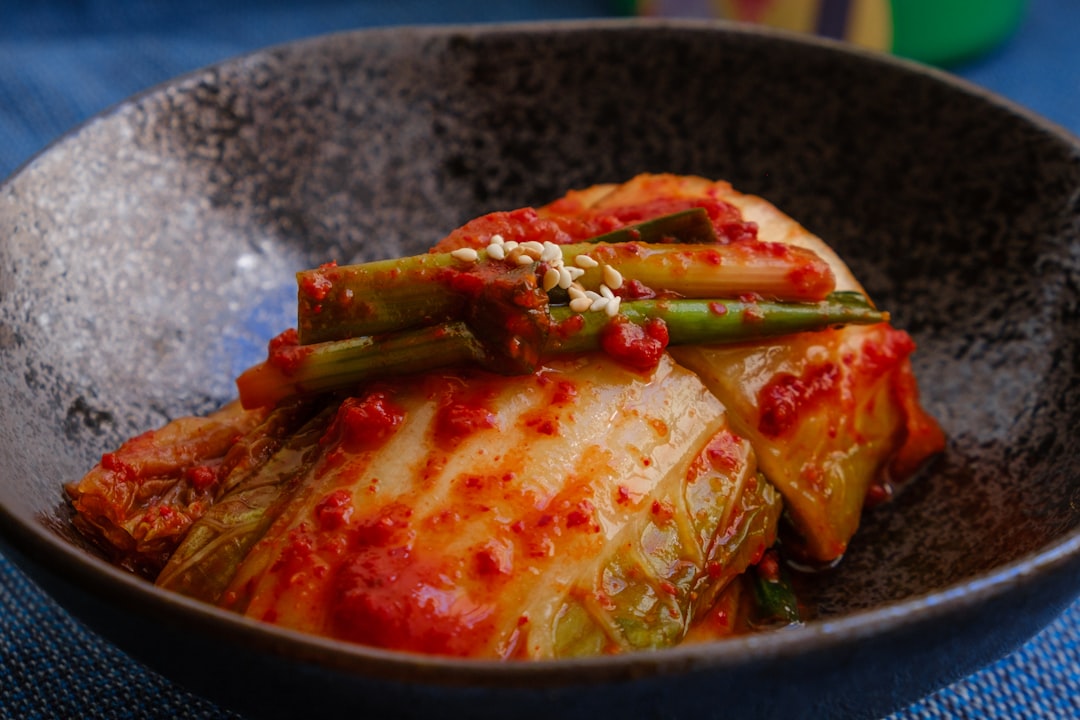
Why Tteokbokki Has Captivated Millions of Taste Buds Worldwide
Picture this: you’re walking through the neon-lit streets of Myeongdong in Seoul on a chilly winter evening. Steam rises from dozens of street food carts, but one aroma stops you in your tracks — a sweet, fiery, deeply savory scent that seems to pull you forward like a magnet. You follow it to a bubbling cauldron of glistening red sauce coating plump, chewy cylinders of rice cake. That, my friend, is tteokbokki (떡볶이), and one bite is all it takes to understand why this dish has been Korea’s undisputed favorite street food for over 70 years.
According to the Korean Food Promotion Institute, tteokbokki consistently ranks as the #1 most popular street food in South Korea, with over 3,000 dedicated tteokbokki restaurants in Seoul alone. And thanks to the global Korean Wave (Hallyu), searches for how to make tteokbokki at home have surged by over 340% worldwide since 2020. Whether you discovered it through a K-drama mukbang scene, a BTS V-live snack session, or a friend who couldn’t stop raving about it, you’re here because you want to recreate that magic in your own kitchen.
Good news: learning how to make tteokbokki at home is surprisingly straightforward. With just a handful of ingredients and about 25 minutes of active cooking time, you can produce a dish that rivals the best pojangmacha (포장마차, Korean street food tent) in Gwangjang Market. In this guide, I’ll walk you through everything — from the essential ingredients and authentic recipe to creative variations, expert tips, and answers to every question you’ve ever had about this iconic dish.
7 Best Street Food Markets in Seoul & Busan (2026 Guide)The Fascinating History and Cultural Significance of Tteokbokki

From Royal Court Delicacy to Street Food Icon
Most people are surprised to learn that tteokbokki wasn’t always the fiery red dish we know today. The original version, called gungjung tteokbokki (궁중떡볶이), dates back to the Joseon Dynasty (1392–1897) and was a non-spicy, soy sauce-based dish served in the royal court. It featured rice cakes stir-fried with beef, vegetables, and sesame oil in a savory soy sauce — elegant, refined, and entirely different from the modern version.
The transformation happened in the 1950s. Legend credits Ma Bok-rim, a food vendor in Seoul’s Sindang-dong neighborhood, with accidentally dropping rice cakes into a pot of gochujang (Korean chili paste) in 1953. The result was so delicious that she began selling it, and the spicy tteokbokki we know today was born. Sindang-dong still has an entire street — “Tteokbokki Town” — dedicated to this dish, with over 30 restaurants serving their own variations.
Tteokbokki in Modern Korean Culture
In Korea, tteokbokki is more than food — it’s a cultural touchstone. It’s the after-school snack that every Korean child grows up eating. It’s the comfort food you crave after a tough day. It’s the shared pot that brings friends together at late-night study sessions. The average Korean consumes tteokbokki at least twice a month, and the domestic tteokbokki market is valued at over $1.2 billion annually.
You’ll spot tteokbokki in countless K-dramas and variety shows. In Crash Landing on You, tteokbokki represents the warmth and comfort of South Korean life. In Itaewon Class, it symbolizes humble beginnings and authentic Korean food culture. It has become one of the most recognizable symbols of Korean cuisine worldwide, right alongside kimchi and bibimbap.
Learn more about Korean food cultureEssential Ingredients: Your Complete Shopping Guide
The Rice Cakes: Choosing the Right Tteok
The star ingredient is garaetteok (가래떡) — cylindrical rice cakes made from glutinous and non-glutinous rice flour. These are different from the flat, oval rice cake slices used in tteokguk (rice cake soup). Here’s what to look for:
- Fresh tteok — Found in the refrigerated section at Korean markets. Soft, pliable, and ready to cook. Best quality but must be used within 3–5 days. Price: approximately $3–$5 per pound at H-Mart.
- Frozen tteok — The most common option in the US. Brands like Chongga, CJ, and Wang are widely available. Soak in warm water for 20–30 minutes before cooking. Price: $4–$6 per 2-pound bag.
- Shelf-stable tteok — Vacuum-sealed packages found in the dry goods aisle. Convenient but sometimes denser in texture. Requires longer soaking (30–45 minutes).
Pro tip: For the best chewy texture, look for rice cakes that are about the thickness of your index finger and cut into 2–3 inch pieces. If they’re too thin, they’ll get mushy; too thick, and they won’t absorb the sauce properly.
Gochujang and Gochugaru: The Flavor Foundation
The signature red color and complex flavor of tteokbokki come from two essential Korean chili products:
- Gochujang (고추장) — Fermented red chili paste. This provides the sweet, savory, umami-rich base of the sauce. The best brands for tteokbokki include Sunchang, CJ Haechandle, and Sempio. A 500g tub runs about $5–$8 at H-Mart or on Amazon.
- Gochugaru (고추가루) — Korean red chili flakes. These add additional heat, color, and a slight smokiness. Use the coarse flakes (not powder). Taekyung and Wang brands are excellent. About $6–$10 for an 8 oz bag.
Important: Do not substitute with sriracha, sambal oelek, or generic chili paste. Gochujang has a unique fermented sweetness that cannot be replicated with other chili products. It’s the soul of the dish.
The Complete Ingredient List
| Ingredient | Amount | Where to Buy | Approximate Price (USD) |
|---|---|---|---|
| Tteok (rice cakes) | 1 lb (450g) | H-Mart, 99 Ranch, Amazon | $3–$6 |
| Gochujang | 2.5 tablespoons | H-Mart, Whole Foods, Walmart | $5–$8 (tub) |
| Gochugaru | 1 tablespoon | H-Mart, Amazon | $6–$10 (bag) |
| Fish cake (eomuk) | 4–5 sheets | H-Mart (frozen section) | $3–$5 |
| Anchovy & kelp stock | 3 cups | H-Mart (dried anchovies + dashima) | $4–$7 |
| Sugar | 1 tablespoon | Any grocery store | — |
| Soy sauce | 1 tablespoon | Any grocery store | — |
| Green onions | 2–3 stalks | Any grocery store | $1 |
| Hard-boiled eggs | 2–4 | Any grocery store | — |
Total cost to make tteokbokki at home: approximately $8–$15 for 3–4 servings (compared to $12–$18 per serving at Korean restaurants in the US). Once you’ve stocked your pantry with gochujang and gochugaru, subsequent batches cost under $5.
How to Make Tteokbokki at Home: The Authentic Step-by-Step Recipe

Step 1: Prepare the Anchovy-Kelp Stock (Dashima Yuksu)
A proper stock is what separates restaurant-quality tteokbokki from a mediocre version. This is the foundation of your sauce, and it takes just 15 minutes.
- Add 3 cups of water to a medium pot along with 6–8 large dried anchovies (heads and guts removed) and a 4×4 inch piece of dried kelp (dashima).
- Bring to a boil over medium-high heat. Once boiling, remove the kelp immediately — leaving it in too long makes the stock slimy and bitter.
- Reduce heat and simmer the anchovies for 10 more minutes.
- Strain the stock and discard the anchovies. You should have about 2.5 cups of golden, umami-rich broth.
Shortcut option: If you can’t find dried anchovies, use 1 teaspoon of Korean dashida (beef or anchovy bouillon) dissolved in 3 cups of water. It’s not as nuanced, but it works in a pinch. Dashida is available at H-Mart for about $3.
Step 2: Make the Sauce
In a small bowl, combine the following sauce ingredients and mix until smooth:
- 2.5 tablespoons gochujang
- 1 tablespoon gochugaru (reduce to 1/2 tablespoon for mild)
- 1 tablespoon sugar (or 1.5 tablespoons for sweeter sauce)
- 1 tablespoon soy sauce
- 1 teaspoon minced garlic (optional but recommended)
The beauty of learning how to make tteokbokki at home is that you can customize the heat level to your preference. Start with less gochugaru and taste as you go — you can always add more, but you can’t take it away.
Step 3: Prepare the Rice Cakes and Add-Ins
If using frozen rice cakes, soak them in warm (not hot) water for 20–30 minutes until they separate easily and feel slightly softened. Fresh rice cakes need no soaking.
While the rice cakes soak, prepare your add-ins:
- Cut 4–5 fish cake sheets into triangles or rectangles (about 2-inch pieces).
- Slice 2–3 green onions into 2-inch lengths.
- Boil 2–4 eggs for 8 minutes for hard-boiled, then peel and set aside.
- Optional: slice half a small cabbage into bite-size pieces for added texture and nutrition.
Step 4: Cook and Simmer
This is where the magic happens. Follow these steps carefully for the perfect sauce consistency:
- Pour the anchovy-kelp stock into a wide, shallow pan or skillet (a 10–12 inch pan works perfectly). Bring to a boil over medium-high heat.
- Add the sauce mixture and whisk until fully dissolved. The broth will turn a beautiful deep red.
- Add the rice cakes and fish cakes. Spread them in a single layer so they cook evenly.
- Bring back to a boil, then reduce to medium heat. Simmer for 8–12 minutes, stirring every 2–3 minutes to prevent sticking.
- The rice cakes are done when they’re soft, chewy, and translucent-looking. The sauce should have thickened and become glossy — it should coat the back of a spoon.
- Add the hard-boiled eggs, green onions, and cabbage (if using) in the last 2–3 minutes of cooking.
- Taste and adjust: add more sugar for sweetness, more gochugaru for heat, or a splash of stock if the sauce is too thick.
Critical tip: Do NOT overcook the rice cakes. They go from perfectly chewy to mushy in just a few minutes. When they’re about 80% done, turn off the heat — residual heat will finish the job. If they cool down and harden later, simply reheat with a splash of water.
Step 5: Plate and Serve
Transfer to a warm serving bowl or eat directly from the pan (the Korean way!). Garnish with toasted sesame seeds and additional sliced green onions. Serve immediately while the sauce is still bubbling.
Pairing suggestions: Tteokbokki is traditionally served with soondae (Korean blood sausage) and twigim (Korean tempura). At home, pair it with Korean fried chicken for an incredible combo — the crispy, savory chicken is the perfect counterpoint to the chewy, spicy rice cakes.
Korean Fried Chicken Recipe: Crispy Double Fry Method 20267 Delicious Tteokbokki Variations to Try
Once you’ve mastered how to make tteokbokki at home with the classic recipe, it’s time to explore the incredible world of tteokbokki variations. Korean food culture thrives on innovation, and this dish has spawned dozens of creative riffs.
1. Cheese Tteokbokki (치즈떡볶이)
The most popular variation and an absolute must-try. Simply top your finished tteokbokki with 1–2 cups of shredded mozzarella and cover the pan for 2 minutes until melted. The gooey cheese tempers the spice and creates those Instagram-worthy cheese pulls. For extra indulgence, use a mix of mozzarella and cheddar.
2. Rose Tteokbokki (로제떡볶이)
The biggest Korean food trend of 2024–2026. Rose tteokbokki replaces some of the gochujang sauce with heavy cream and tomato sauce, creating a pink, creamy, milder sauce that’s become wildly popular among those who can’t handle extreme spice. To make it: reduce gochujang to 1 tablespoon, add 1/2 cup heavy cream, and 2 tablespoons tomato paste. The result is rich, velvety, and absolutely addictive.
3. Gungjung Tteokbokki (궁중떡볶이) — The Royal Version
The original, non-spicy version. Stir-fry rice cakes with soy sauce, sesame oil, sliced beef, mushrooms, carrots, and bell peppers. This is the version served at traditional Korean restaurants and is perfect for anyone who avoids spicy food. It’s savory, slightly sweet, and lets the chewy texture of the rice cakes really shine.
4. Jjajang Tteokbokki (짜장떡볶이)
Rice cakes in Korean black bean sauce (jjajang). Rich, slightly sweet, and deeply savory with a beautiful dark color. Use 2 tablespoons of chunjang (Korean black bean paste) in place of gochujang for a completely different flavor profile.
5. Seafood Tteokbokki (해물떡볶이)
Elevate your tteokbokki with shrimp, squid, mussels, and clams. The seafood releases natural juices into the sauce, making it even more umami-rich. Add the seafood in the last 3–4 minutes of cooking so it doesn’t get rubbery.
6. Rabokki (라볶이) — Ramen + Tteokbokki
The ultimate Korean comfort food mashup. Add one packet of instant ramyeon noodles (Shin Ramyun is the classic choice) to your tteokbokki about 3 minutes before it’s done. The noodles soak up the spicy sauce while adding a different texture. This is a wildly popular late-night snack among Korean college students.
7. Carbonara Tteokbokki (까르보나라 떡볶이)
A fusion creation that’s taken Korean franchises by storm. Add heavy cream, bacon bits, and parmesan cheese to the spicy sauce for a creamy, smoky, indulgent version. Brands like Yopokki and Jongga even sell instant carbonara tteokbokki cups at H-Mart for about $3–$4 each.
Explore more Korean recipe variationsExpert Tips for Restaurant-Quality Tteokbokki Every Time

Mastering the Sauce Consistency
The #1 mistake home cooks make is getting the sauce consistency wrong. Here’s the secret: the sauce should be thick enough to coat the rice cakes like nail polish, but still fluid enough to pool slightly in the pan. As the rice cakes cook, they release starch that naturally thickens the sauce.
If your sauce is too thick: add stock or water, 2 tablespoons at a time. If it’s too thin: increase heat slightly and cook uncovered for 2–3 more minutes. Remember that the sauce will continue to thicken as it cools, so aim for slightly thinner than your ideal consistency while it’s on the stove.
The Rice Cake Texture Secret
Perfectly cooked tteok should be chewy (쫄깃쫄깃, jjolgit-jjolgit) on the outside and slightly soft inside — never mushy, never hard. The keys are:
- Don’t skip the soaking step for frozen rice cakes. Under-soaked rice cakes will have a hard, unpleasant core.
- Use a wide pan, not a deep pot. This ensures even heat distribution and prevents clumping.
- Stir frequently — every 2 minutes minimum. Rice cakes stick aggressively to the bottom of the pan.
- Turn off the heat just before they’re fully done. Carry-over cooking finishes the job perfectly.
Building Layers of Flavor
Street vendors in Korea use a few tricks that most recipes don’t mention:
- Add a drizzle of corn syrup (mullyeot) — about 1 tablespoon. This gives the sauce its signature glossy, lacquered sheen and adds a smooth sweetness that regular sugar can’t replicate.
- Use a mix of gochujang brands — some are sweeter, others are spicier. Mixing creates more complexity.
- Finish with a pat of butter — this is a modern trick from trendy tteokbokki shops. A single tablespoon of unsalted butter stirred in at the end adds incredible richness.
- Let it rest for 2 minutes before serving — the sauce thickens slightly and the flavors meld together.
Where to Buy Ingredients in the US (and Online)
Korean Grocery Stores
H-Mart is the largest Korean-American supermarket chain with over 90 locations across the US. They carry every single ingredient you need for tteokbokki, including fresh rice cakes in the refrigerated section. Other excellent Korean grocery chains include Lotte Plaza, Zion Market (California), and Hana World Market.
If you don’t live near a Korean grocery store, check your local 99 Ranch Market, Mitsuwa, or any Asian supermarket — most carry frozen rice cakes and gochujang.
Mainstream Grocery Stores
The Korean food boom means you can now find key ingredients at mainstream stores:
- Whole Foods — Carries gochujang (usually Mother-in-Law’s brand, ~$8), and sometimes frozen rice cakes in select locations.
- Trader Joe’s — Sells their own gochujang for about $3.99 (smaller jar but decent quality).
- Walmart — Carries CJ and Bibigo brand gochujang in the international aisle, typically $5–$7.
- Target — Stocks gochujang in most locations through their expanded Asian food sections.
Online Options
For those without access to physical Korean stores, Amazon, Weee!, and H-Mart’s online store deliver nationwide. Amazon carries all major brands of rice cakes, gochujang, and gochugaru with Prime shipping. The Korean grocery delivery app Weee! often has better prices and fresher products than Amazon for Korean ingredients.
suggested topic: Best Korean Grocery Delivery Services in the US (2026 Guide)Nutrition Facts and How to Make Tteokbokki Healthier
Standard Tteokbokki Nutrition (Per Serving)
| Nutrient | Amount (1 serving) | % Daily Value |
|---|---|---|
| Calories | 380–420 kcal | ~19% |
| Carbohydrates | 72g | 24% |
| Protein | 9g | 18% |
| Fat | 5g | 6% |
| Fiber | 3g | 11% |
| Sodium | 890mg | 39% |
Tteokbokki is naturally low in fat but high in carbohydrates (it’s rice cake, after all). The sodium content is the main nutritional concern, coming primarily from the gochujang and soy sauce.
Healthier Modifications
If you’re watching your diet but still craving tteokbokki, try these swaps:
- Reduce rice cakes by half and bulk up with cabbage, zucchini, and mushrooms for more fiber and fewer carbs.
- Use low-sodium soy sauce and reduce gochujang slightly to cut sodium by about 30%.
- Add protein — chicken breast, tofu, or shrimp transforms tteokbokki into a more balanced meal.
- Try brown rice tteok — some brands (like Pulmuone) make rice cakes with brown rice flour, adding more fiber and nutrients.
- Swap sugar for a natural sweetener — a small amount of honey or monk fruit sweetener works well.
Even with modifications, tteokbokki is a satisfying, portion-controlled comfort food. One serving fills you up thanks to the dense, chewy rice cakes, so you’re less likely to overeat compared to other carb-heavy dishes.
7 Low Calorie Korean Meals for Diet Success in 2026Frequently Asked Questions About Making Tteokbokki
Can I make tteokbokki without gochujang?
Yes, but it won’t taste the same. For a non-spicy version, make gungjung tteokbokki with soy sauce, sesame oil, and beef — the original royal court recipe. For a milder spicy version, reduce gochujang to 1 tablespoon and add 1/2 cup of tomato sauce for a rose tteokbokki variation. If you simply don’t have gochujang, mixing 1 tablespoon of miso paste with 1 teaspoon of cayenne pepper and 1 teaspoon of sugar creates a rough approximation, though the flavor will be noticeably different from the authentic version.
How do I store leftover tteokbokki?
Leftover tteokbokki keeps in the refrigerator for up to 3 days in an airtight container. The rice cakes will harden as they cool — this is completely normal. To reheat, add 2–3 tablespoons of water or stock to a pan and warm over medium heat, stirring frequently, until the rice cakes soften again (about 4–5 minutes). You can also microwave it with a splash of water, covered, for 2–3 minutes. Do not freeze leftover tteokbokki — the rice cakes become unpleasantly grainy and crumbly after thawing.
What can I substitute for fish cakes (eomuk)?
If you can’t find Korean fish cakes, try Japanese kamaboko or narutomaki (available at most Asian grocery stores). For a completely fish-free version, substitute with fried tofu puffs (yubu), sliced cabbage, extra hard-boiled eggs, or king oyster mushrooms sliced into thick rounds. The mushrooms are particularly good — they add a meaty, chewy texture that complements the rice cakes beautifully.
Is tteokbokki gluten-free?
Traditional rice cakes (tteok) are naturally gluten-free since they’re made from rice flour. However, check the labels carefully — some commercial brands add wheat starch as a filler. Fish cakes almost always contain wheat flour, so substitute with vegetables or tofu for a fully gluten-free dish. Also verify your gochujang brand — most are gluten-free, but some cheaper brands use wheat-based barley malt. Chung Jung One and Sempio brands both make certified gluten-free gochujang.
How spicy is tteokbokki, and can I control the heat?
Standard tteokbokki falls at about a 6–7 on a 10-point spice scale — noticeably spicy but not tear-inducing. You have full control when you make tteokbokki at home. To make it milder: reduce gochugaru to 1/2 teaspoon, increase sugar by 1/2 tablespoon, and add a splash of cream or milk. To make it extremely spicy: add 1–2 tablespoons of extra gochugaru, or stir in Korean cheongyang chili peppers (green bird’s eye chili equivalent). Some Korean restaurants offer a “nuclear” (핵) spice level using habanero or ghost pepper powder — proceed at your own risk.
Can I make tteokbokki vegan?
Absolutely! Swap the anchovy-kelp stock for a kelp-only or shiitake mushroom stock. Replace the fish cakes with fried tofu, extra vegetables, or vegan fish cake alternatives (available at some Asian markets). Use a vegan gochujang — most brands are already vegan, but double-check for any fish sauce or shrimp paste in the ingredients. The dish is just as delicious without any animal products.
Related Korean Recipes You’ll Love
If you enjoyed learning how to make tteokbokki at home, you’ll love exploring more of Korea’s incredible food culture. Here are some related recipes and guides worth exploring:
- Korean Fried Chicken Recipe: Crispy Double Fry Method 2026 — The perfect pairing for tteokbokki, featuring the legendary double-fry technique that creates an impossibly crispy crust.
- 7 Low Calorie Korean Meals for Diet Success in 2026 — Love Korean food but watching your waistline? These lighter dishes prove Korean cuisine can be both delicious and nutritious.
- 7 Best Street Food Markets in Seoul & Busan (2026 Guide) — Planning a trip to Korea? Here’s where to find the best tteokbokki and dozens of other street food masterpieces.
Suggested future articles:
- suggested topic: Complete Guide to Korean Street Food: 25 Must-Try Dishes
- suggested topic: Korean Pantry Essentials: 15 Ingredients Every Home Cook Needs
Your Tteokbokki Journey Starts Now
Now you know exactly how to make tteokbokki at home — from building the perfect anchovy-kelp stock to nailing that glossy, spicy sauce and achieving the ideal chewy rice cake texture. Whether you go classic, creamy rose, loaded with cheese, or mixed with ramyeon noodles, this is a dish that’s virtually impossible to mess up once you understand the fundamentals.
The total cost? Under $15 for 3–4 generous servings. The total time? About 25 minutes of active cooking. The satisfaction of pulling off an authentic Korean street food dish in your own kitchen? Absolutely priceless.
Here’s my challenge to you: make your first batch this weekend. Take a photo of those beautiful, glistening red rice cakes. Then drop a comment below telling me which variation you tried and how it turned out. Did you go classic? Rose? Full-send nuclear spice? I read every single comment and love hearing about your tteokbokki adventures.
Share this recipe with a friend who loves Korean food (or who keeps asking “what should we make for dinner tonight?”). And if you want more authentic Korean recipes delivered straight to your inbox — from kimchi jjigae to japchae to the perfect bulgogi — subscribe to our newsletter so you never miss a post.
Happy cooking, and remember: the best tteokbokki is the one you make yourself. 맛있게 드세요! (Enjoy your meal!)