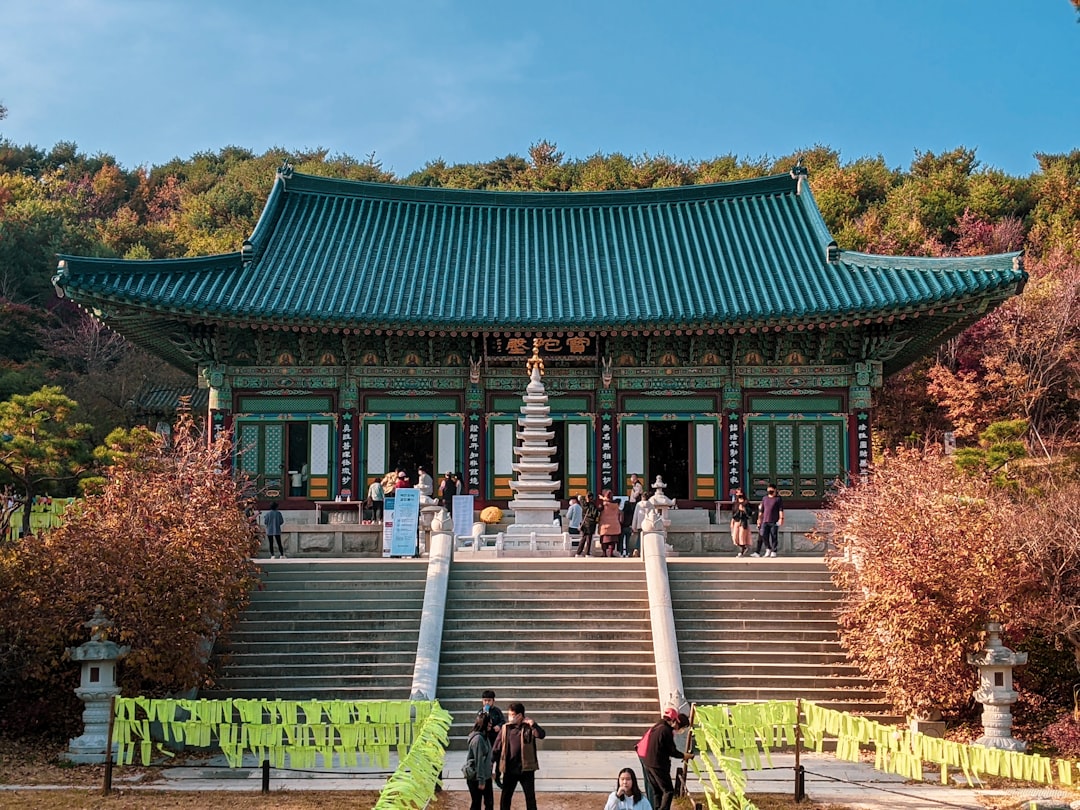
Why a Korean Temple Stay Might Be the Most Transformative Travel Experience You’ll Ever Have
I still remember the moment everything went silent. Not the awkward silence of a stalled conversation, but a profound, all-encompassing stillness that seemed to vibrate through the mountains surrounding Woljeongsa Temple in Gangwon Province. It was 4:30 a.m., the sky was ink-black, and I was standing barefoot on a wooden floor that had been polished by centuries of monks’ footsteps. A single bell rang out — deep, resonant, ancient — and something inside me just… let go.
That was my first Korean temple stay, and it completely rewired the way I think about travel. In a country famous for K-Pop, fried chicken, and 24-hour shopping districts, the temple stay program is South Korea’s best-kept secret: a chance to unplug, sleep on a heated floor in a 1,000-year-old mountain monastery, eat monk-prepared vegan meals, and learn meditation techniques passed down for over 1,700 years.
If you’ve been wondering how to book a Korean temple stay, you’re in the right place. This guide covers everything — from choosing the right temple and navigating the reservation process, to packing lists, etiquette rules, costs, and insider tips that will make your experience unforgettable. Whether you’re a seasoned meditator or someone who’s never sat still for five minutes, a temple stay in Korea is one of those once-in-a-lifetime experiences that costs less than a night at a mid-range Seoul hotel.
What Exactly Is a Korean Temple Stay?

The Templestay Program Explained
The Korean Templestay program was officially launched in 2002 during the FIFA World Cup, when South Korea needed extra accommodation for international visitors. The Cultural Corps of Korean Buddhism partnered with the government to open select temples to overnight guests, and the response was so overwhelmingly positive that it became a permanent cultural program.
Today, over 130 temples across South Korea participate in the program, welcoming more than 500,000 visitors annually — roughly 30% of whom are international travelers. Think of it as a structured cultural immersion: you live alongside Buddhist monks, follow their daily routine, eat their food, and practice their meditation and ceremonial arts. It’s not a religious conversion program — it’s an experience open to people of all faiths and backgrounds.
Types of Temple Stay Programs
Not all temple stays are created equal. Here’s what you’ll typically find:
- Rest & Relaxation Stay (휴식형): The most flexible option. You get a room, meals, and free time to explore the temple grounds, hike nearby trails, and meditate at your own pace. Minimal scheduled activities. Perfect for introverts and first-timers who want to ease in.
- Experience Stay (체험형): The most popular choice. A structured 1-night/2-day program that includes the full monk routine — pre-dawn chanting (yebul), seated meditation (chamson), tea ceremony, temple cuisine cooking, and sometimes lantern-making or woodblock printing. This is what most international visitors choose.
- Intensive Meditation Stay (수행형): For serious practitioners. Multi-day silent retreats with extended meditation sessions (3–7 days). You’ll follow the exact schedule monks keep. Limited spots and often requires prior meditation experience.
- Cultural Experience (문화체험형): Shorter half-day or full-day programs without overnight stays. Great if you’re short on time but still want a taste of temple life.
| Program Type | Duration | Cost (USD) | Best For |
|---|---|---|---|
| Rest & Relaxation | 1–2 nights | $30–$50 | Solo travelers, first-timers |
| Experience Stay | 1 night / 2 days | $40–$70 | Most visitors, couples, families |
| Intensive Meditation | 3–7 days | $100–$250 | Experienced meditators |
| Cultural Experience | 2–4 hours | $15–$30 | Day-trippers, tight schedules |
How to Book a Korean Temple Stay: Step-by-Step
The Official Templestay Website
The single most important resource for learning how to book a Korean temple stay is the official Templestay website. This is the centralized platform managed by the Cultural Corps of Korean Buddhism, and it’s available in English, Japanese, Chinese, and Korean.
Official Templestay Program Website
Here’s your step-by-step booking process:
- Visit eng.templestay.com and create a free account. You’ll need an email address and basic info (name, nationality, phone number).
- Browse temples by region, program type, or keyword. The site has excellent filters — you can search by “near Seoul,” “mountain temple,” “ocean view,” or specific activities like “tea ceremony” or “martial arts.”
- Select your dates and program. Most temples offer programs on weekends (Friday–Sunday), but popular ones like Haeinsa and Woljeongsa run programs throughout the week.
- Complete the reservation form. You’ll be asked about dietary restrictions, physical limitations, and language preferences. Many temples now have English-speaking volunteer guides.
- Pay online. The site accepts international credit cards (Visa and Mastercard). Some temples also accept payment on arrival, but online pre-payment guarantees your spot.
- Receive confirmation. You’ll get an email with directions, a packing list, and the temple’s contact information. Save this — cell service can be spotty in the mountains.
Booking Tips and Timing
Book at least 2–3 weeks in advance, especially during peak seasons. Cherry blossom season (late March–mid April) and autumn foliage (mid October–mid November) are incredibly popular times for temple stays, and the most scenic temples like Bulguksa in Gyeongju and Beopjusa in Songnisan National Park sell out fast.
If you’re flexible with dates, weekday stays are easier to book and often feel more authentic — you’ll share the temple with fewer tourists and more actual monks. Winter temple stays are also underrated: imagine meditating in a snow-dusted mountain temple with ondol (heated floor) warming your back. Magical.
Pro tip: If the website shows your preferred temple as fully booked, call or email the temple directly. The website inventory doesn’t always reflect last-minute cancellations, and temple administrators are remarkably helpful. Use Papago (Korea’s translation app) if you need to communicate in Korean.
Alternative Booking Methods
While the official website is the primary platform, you have other options:
- Korea Tourism Organization (KTO) information centers: Walk into any KTO tourist information center (there’s one in Incheon Airport and several in Seoul) and they’ll help you book on the spot. Staff speak English fluently. Korea Tourism Organization
- Travel agencies: Companies like Klook and KKday offer temple stay packages that include round-trip transport from Seoul. These cost $20–$40 more but eliminate the hassle of figuring out bus routes.
- Temple websites directly: Major temples like Haeinsa, Geumsansa, and Jogyesa have their own English-language booking pages.
Top 7 Temples for Your First Temple Stay

Temples Near Seoul (Under 2 Hours)
1. Jogyesa Temple (조계사) — Downtown Seoul
Located right in the heart of Seoul’s Jongno district, Jogyesa is the headquarters of Korean Zen Buddhism. It’s the easiest temple to access — literally a 5-minute walk from Anguk Station (Line 3). Their cultural experience programs run daily and are perfect for travelers short on time. The annual Lotus Lantern Festival (usually in May) transforms the entire neighborhood into a sea of colored lanterns. Cost: $20–$40 for a half-day program.
2. Bongeunsa Temple (봉은사) — Gangnam, Seoul
Yes, there’s an ancient Buddhist temple sitting directly across from the COEX Mall in Gangnam. The contrast is almost comical — glittering skyscrapers on one side, 1,200 years of history on the other. Bongeunsa runs an excellent Thursday evening temple stay program that starts at 6 p.m. and ends the next morning. It’s wildly popular with expats and business travelers. Cost: $40–$50.
3. Golgulsa Temple (골굴사) — Gyeongju
Famous for Sunmudo, the Korean Buddhist martial art. If you’ve ever wanted to learn temple-style kung fu at a cave temple carved into a cliff face, this is the place. Their 2-day program includes Sunmudo training, meditation, and a sunrise hike. About 3.5 hours from Seoul by KTX train to Gyeongju, then a 30-minute bus ride. Cost: $50–$70.
Mountain Temples (The Full Experience)
4. Haeinsa Temple (해인사) — Hapcheon, Gyeongsang Province
Home to the Tripitaka Koreana, an 80,000-woodblock collection of Buddhist scriptures and a UNESCO World Heritage Site. Haeinsa sits deep in Gayasan National Park, and the experience of waking up at 3 a.m. to the sound of a moktak (wooden percussion) echoing through misty peaks is utterly extraordinary. This is widely considered the most spiritually powerful temple stay in Korea. Cost: $50–$60. Getting there: KTX to Daegu (1 hr 40 min from Seoul), then intercity bus to Haeinsa (1 hr 30 min).
5. Woljeongsa Temple (월정사) — Pyeongchang, Gangwon Province
My personal favorite. Nestled in a thousand-year-old fir tree forest at the foot of Odaesan National Park, Woljeongsa is where Korean monks go to practice. The 1-kilometer walk through the fir forest to reach the temple is alone worth the trip — especially during autumn foliage season when the trees explode in gold and crimson. If you visited Pyeongchang for the 2018 Winter Olympics, this was just down the road. Cost: $40–$50.
6. Beomeosa Temple (범어사) — Busan
The best temple stay option in Korea’s second-largest city. Beomeosa is tucked into the slopes of Geumjeongsan Mountain, about 40 minutes from Busan’s famous Haeundae Beach by subway and bus. Their program includes a spectacular sunrise meditation session overlooking the city and coast. Combine it with a Busan trip for the ultimate contrast: sashimi markets and neon nightlife one day, silent meditation the next. Cost: $40–$60.
7. Geumsansa Temple (금산사) — Gimje, Jeolla Province
One of the largest and most historic temples in Korea, Geumsansa is known for its warm hospitality and excellent temple food cooking classes. The Mireuk Hall (Hall of the Future Buddha) is a three-story wooden pagoda that’s one of the most photographed temple buildings in the country. This area of Jeolla Province is also Korea’s agricultural heartland, so the temple food here uses incredibly fresh, local ingredients. Cost: $40–$50.
What to Expect: A Typical Temple Stay Schedule
Day 1 — Arrival and Evening
You’ll typically arrive between 2:00 p.m. and 4:00 p.m. After checking in and receiving your temple clothes (a loose-fitting gray or brown outfit that’s surprisingly comfortable — think Korean-style pajamas), you’ll get an orientation tour of the grounds.
Around 5:00 p.m., you’ll have your first temple meal (balwoo gongyang). This is not your average dinner. Balwoo gongyang is a formal monastic meal ritual using four nested bowls, each with a specific purpose. You serve yourself from communal dishes, eat in complete silence, and wash your own bowls with water — which you then drink, leaving absolutely zero food waste. It’s humbling, meditative, and the food is shockingly delicious. Think of it as the world’s most mindful farm-to-table dinner.
After dinner, most programs include an evening chanting ceremony (yebul) and a seated meditation session. Don’t worry — you’ll be guided through everything. The monks are patient and often have a wonderful sense of humor.
Day 2 — The Full Monastic Morning
Here’s where it gets real. The wake-up call comes at 3:00 a.m. or 4:00 a.m. — announced by the iconic temple bell, drum, cloud-shaped gong, and wooden fish being played in sequence. This 30-minute ceremony, called docheon, is one of the most hauntingly beautiful sounds you’ll ever hear.
The morning schedule typically looks like this:
- 3:30–4:30 a.m. — Morning chanting ceremony (yebul)
- 4:30–5:30 a.m. — Seated meditation (chamson) or 108 prostrations (108 bows)
- 5:30–6:00 a.m. — Walking meditation along the temple path
- 6:00–6:30 a.m. — Breakfast (balwoo gongyang)
- 7:00–9:00 a.m. — Cultural activities: tea ceremony, lantern making, calligraphy, or Sunmudo
- 9:30–10:00 a.m. — Closing ceremony and departure
The 108 prostrations deserve special mention. This is a full-body bow — down to the ground and back up — repeated 108 times. Each bow corresponds to one of 108 human defilements in Buddhist philosophy. It’s physically demanding (think 108 burpees in slow motion), deeply cathartic, and surprisingly one of the most popular parts of the experience. Many visitors, myself included, found it unexpectedly emotional.
Must Try Korean Street Food Guide: 15 Best Picks for 2026Temple Food: Korea’s Original Plant-Based Cuisine

What You’ll Eat
Korean temple food (사찰음식, sachal eumsik) predates the modern vegan movement by about 1,700 years. It’s entirely plant-based, avoids the “five pungent vegetables” (garlic, onion, green onion, chives, and leeks), and uses zero artificial seasonings. And yet — it’s some of the most flavorful food you’ll eat in Korea.
A typical temple meal includes:
- Rice (often mixed with grains like barley, millet, or black rice)
- Doenjang-guk — fermented soybean paste soup with seasonal vegetables
- Kimchi — made without garlic or fish sauce (yes, it still tastes incredible)
- Namul — at least 3–4 varieties of seasoned mountain vegetables and wild greens
- Tofu dishes — often made fresh at the temple from locally grown soybeans
- Lotus leaf rice — steamed rice wrapped in a lotus leaf, infused with a subtle, sweet fragrance
The Korean monk Jeong Kwan, featured in Netflix’s Chef’s Table, brought international attention to temple cuisine. Her philosophy — that cooking is a form of meditation and every ingredient has its own Buddha nature — perfectly encapsulates the approach. If you’re a foodie, the temple stay meals alone are worth the trip.
7 Traditional Korean Desserts to Try in 2026 Korean Fried Chicken Recipe: Crispy Double Fry Method (2026)Dietary Considerations
Temple food is naturally vegan and gluten-free-friendly (rice-based, no wheat noodles in most meals). If you have severe allergies, mention them during booking — temples are accommodating but need advance notice. Portions are generous but not excessive; the philosophy is to take only what you can eat and waste nothing.
Getting There: Transport Guide for International Visitors
Flying to South Korea
Most international visitors fly into Incheon International Airport (ICN), consistently ranked among the world’s best airports. Direct flights from the US are plentiful:
- LAX to ICN: ~12.5 hours, served by Korean Air, Asiana, Delta, and United ($600–$1,200 round trip)
- JFK to ICN: ~14 hours, served by Korean Air, Asiana, and Delta ($650–$1,300 round trip)
- SFO to ICN: ~12 hours, served by Korean Air, Asiana, and United ($600–$1,100 round trip)
US citizens can enter South Korea visa-free for up to 90 days, but you must apply for a K-ETA (Korea Electronic Travel Authorization) at least 72 hours before departure. It costs about $10 and is valid for 2 years. Apply at k-eta.go.kr.
Getting from Seoul to Temples
Once you’re in Seoul, getting to your temple depends on its location:
For urban temples (Jogyesa, Bongeunsa): Just take the Seoul Metro. A single ride costs about $1.30 with a T-money card, which you can buy at any convenience store for $3.50 (including $2.50 balance). Tap on, tap off — it works on all buses and subways nationwide.
For mountain and regional temples: The KTX (Korea Train Express) is your best friend. Korea’s bullet train connects Seoul to major cities in under 3 hours. Book tickets on the KORAIL app (available in English) or at Seoul Station.
| Destination | KTX From Seoul | Cost (USD) | Nearby Temple |
|---|---|---|---|
| Gyeongju | 2 hr | $35–$45 | Golgulsa, Bulguksa |
| Busan | 2 hr 30 min | $40–$50 | Beomeosa, Haedong Yonggungsa |
| Daegu | 1 hr 40 min | $30–$40 | Haeinsa (+ bus transfer) |
| Jeonju | 1 hr 30 min | $25–$35 | Geumsansa |
| Pyeongchang | 1 hr 30 min | $25–$30 | Woljeongsa |
Download Naver Map before your trip — it’s far more accurate than Google Maps in Korea and shows real-time bus schedules for even the smallest rural routes. Use Papago for any Korean-to-English translation needs, and KakaoTalk for messaging (it’s Korea’s WhatsApp).
Korea Budget Travel Tips 2026: Complete Guide Under $50/DayBudget Breakdown: How Much Does a Korean Temple Stay Cost?

Temple Stay Costs
One of the best things about a Korean temple stay is the price. Compared to wellness retreats in Bali ($200–$500/night) or meditation centers in the US ($150–$300/night), Korean temple stays are absurdly affordable:
- 1-night Experience Stay: $40–$70 (includes all meals, activities, and accommodation)
- Rest Stay: $30–$50/night
- Half-day Cultural Experience: $15–$30
- Multi-day Intensive Retreat: $100–$250 for 3–7 days
Total Trip Budget Estimate (3-Day Temple Stay Trip from Seoul)
| Expense | Estimated Cost (USD) |
|---|---|
| Temple Stay (1 night, Experience program) | $50 |
| KTX round-trip (Seoul to regional city) | $60–$90 |
| Local bus to temple | $5–$10 |
| Seoul hostel/guesthouse (2 nights) | $40–$80 |
| Meals outside temple (2 days) | $20–$40 |
| T-money card + Seoul metro | $10–$15 |
| Total | $185–$285 |
That’s a full cultural immersion experience for under $300. For comparison, a single night at a mid-range hotel in Seoul’s Myeongdong district costs $100–$180. The temple stay is one of the highest-value experiences in all of Asia travel.
Myeongdong Best Street Food Spots & Shopping Guide 2026Cultural Etiquette: Essential Do’s and Don’ts
Before You Go
- Pack modestly. You’ll receive temple clothes, but bring your own modest sleepwear (no tank tops or short shorts). Long pants and a t-shirt work perfectly.
- Leave the alcohol and cigarettes behind. Temples are strictly substance-free zones. No exceptions.
- Download an offline Korean dictionary. While many temples have English-speaking guides, smaller temples may not. Papago works offline if you download the Korean language pack.
- Bring minimal electronics. Most temples ask you to limit phone use. Some have a “no phone” policy during activities. Embrace it — it’s part of the experience.
During Your Stay
- Remove shoes before entering any building. This is non-negotiable. Slip-on shoes are ideal — you’ll be removing them constantly.
- Bow when greeting monks. A simple half-bow (hands together, slight bend at the waist) is appropriate. You don’t need to do a full prostration unless in a ceremony.
- Silence is golden. Keep conversation to a minimum, especially after evening activities and before breakfast. Many areas are designated silent zones.
- Walk quietly. No running, loud talking, or music. Move mindfully — it’s part of the practice.
- During meals, take only what you’ll eat. Food waste is considered deeply disrespectful in temple culture. Start with small portions; you can always get more.
- Ask before photographing monks or ceremonies. Temple grounds are generally photo-friendly, but specific ceremonies and individuals may not be.
- Follow the schedule. The 3 a.m. wake-up isn’t optional. Showing up late to ceremonies is considered disrespectful to the monastic community.
Think of a temple stay etiquette like being a guest in someone’s home — because that’s exactly what you are. Monks are sharing their sacred space with you. Basic respect and mindfulness go a long way.
Insider Tips: What I Wish Someone Had Told Me
After multiple temple stays across Korea, here’s the advice I always give first-timers:
- Bring warm socks. Temples have ondol (heated floors), but hallways and meditation halls can be cold, especially in autumn and winter. Thick socks are your best friend at 4 a.m.
- The 108 prostrations will make you sore. If you have bad knees, mention it beforehand. Monks will offer you a cushion or modified version. But even if you’re fit, your thighs will remind you the next day. Consider it a free workout.
- Spring (April–May) and autumn (October–November) are the best seasons. Cherry blossoms frame temple grounds in spring like a painting; fall foliage turns mountain temples into scenes from a Studio Ghibli film. Summer (July–August) is hot and humid with monsoon rains. Winter is stunning but brutally cold at mountain temples.
- Combine your temple stay with nearby attractions. Gyeongju has the UNESCO-listed Bulguksa Temple and Seokguram Grotto. Busan has Gamcheon Culture Village and Jagalchi Fish Market. Jeonju has the famous Hanok Village. Build a 3–4 day itinerary around your temple stay for maximum value.
- The tea ceremony is the hidden highlight. Everyone talks about the meditation and the early wake-up, but the one-on-one tea ceremony with a monk — sitting in a quiet room, sipping handpicked green tea, having a philosophical conversation through a translator — was the single most meaningful part of my experience.
- Bring earplugs (just in case). You’ll share a room with other guests on heated floor mats. Some people snore. You need every minute of sleep before that 3 a.m. bell.
- Don’t bring expensive luggage. You’ll store your bag in a communal room. Bring a daypack with essentials and leave valuables at your hotel in Seoul.
- Book a rest stay if you’re anxious about the structured schedule. You get the atmosphere, the food, and the scenery without the pressure of mandatory 3 a.m. wake-ups. You can join activities if you want, or just read a book on the temple veranda.
Best Seasons for a Korean Temple Stay
Spring: Cherry Blossoms and Lotus Lanterns (March–May)
Spring is arguably the most beautiful time for a temple stay. Cherry blossoms begin blooming in late March in the south (Busan, Gyeongju) and reach Seoul by mid-April. Mountain temples surrounded by flowering cherry trees are spectacularly photogenic. The Lotus Lantern Festival (부처님오신날), celebrating Buddha’s birthday in May, transforms every temple in the country with thousands of colorful paper lanterns. If your visit coincides with this festival, your temple stay will include special ceremonies and community celebrations.
Autumn: Fiery Foliage (October–November)
Korean autumn is world-class, and mountain temples are ground zero for the best foliage. The national parks surrounding temples like Haeinsa (Gayasan), Woljeongsa (Odaesan), and Beomeosa (Geumjeongsan) blaze with red maples, golden ginkgoes, and orange oaks. Late October to early November is peak foliage — book your temple stay at least a month in advance for this period.
Winter: Snow and Solitude (December–February)
Winter temple stays are for the bold. Temperatures at mountain temples can drop to -10°C (14°F), and the early morning ceremonies feel even more austere. But there’s something profoundly beautiful about a snow-covered temple at dawn. Plus, you’ll have far fewer fellow visitors — often just you and a handful of others. If you’re visiting Korea for ski season in Pyeongchang or Gangwon Province, a winter temple stay at Woljeongsa pairs perfectly with a day on the slopes.
Visit Korea Official — Temple Stay InformationFrequently Asked Questions About Korean Temple Stays
Do I need to be Buddhist to do a temple stay?
Absolutely not. The Korean Templestay program explicitly welcomes people of all faiths and no faith. About 70% of international visitors are non-Buddhist. You’re not expected to convert, chant if you’re uncomfortable, or adopt any beliefs. It’s a cultural experience first and foremost. Just approach it with an open mind and respect.
Can I do a temple stay if I don’t speak Korean?
Yes. The most popular temples for international visitors — Jogyesa, Bongeunsa, Haeinsa, Geumsansa, Woljeongsa, Golgulsa, and Beomeosa — all have English-speaking guides or volunteer translators. The official Templestay website lets you filter specifically for “English-friendly” temples. Even at smaller temples, the schedule and activities are largely non-verbal (bowing, sitting, walking, eating), so language barriers are minimal.
Is the 3 a.m. wake-up mandatory?
For Experience Stay programs, yes — participating in the full schedule is expected and considered part of the practice. For Rest Stay programs, the wake-up is optional; you can sleep in and join activities at your own pace. If you know the early morning will be a dealbreaker, book a Rest Stay. But honestly? I’d encourage you to try it at least once. Hearing that bell in the pre-dawn darkness is something you won’t experience anywhere else.
What should I pack for a temple stay?
Keep it simple: toiletries (temples provide basic soap but not always shampoo), warm socks, modest sleepwear, a small flashlight or headlamp (mountain paths are dark before dawn), sunscreen for daytime hikes, a reusable water bottle, and any personal medication. The temple provides everything else — clothes, bedding, meals, and tea. Leave jewelry, perfume, and strong-scented products at home.
Can families with children do a temple stay?
Yes, many temples welcome families, and some offer special family-friendly programs with shorter meditation sessions and more craft activities (lantern-making, natural dyeing). Geumsansa and Magoksa are particularly well-known for family programs. Children under 6 may find the schedule challenging, so the half-day cultural experience is usually a better fit for young kids. Check the temple’s age policy when booking.
How to book a Korean temple stay for a group?
Groups of 10 or more can contact temples directly for customized group programs. Many temples offer team-building and corporate retreat packages with adjusted schedules. The official Templestay website has a group inquiry form, or you can email the temple’s administrative office (listed on each temple’s page). Group rates are typically 10–20% lower than individual rates.
Related Posts
If you’re planning your Korea trip, don’t miss these guides:
- 7 Best Day Trips From Seoul by Train in 2026
- Korea Budget Travel Tips 2026: Complete Guide Under $50/Day
- Must Try Korean Street Food Guide: 15 Best Picks for 2026
Suggested new articles:
- Complete Guide to Korean Buddhist Temple Architecture and Symbolism
- Best Hiking Trails in Korea’s National Parks for Beginners 2026
- Korean Temple Food Restaurants in Seoul: Where to Eat Monk-Style
Final Thoughts: Why You Should Book a Temple Stay Today
In a world of over-Instagrammed travel and algorithm-driven bucket lists, a Korean temple stay is something genuinely different. It’s not a luxury resort. It’s not an adventure tour. It’s an invitation to slow down, sit with yourself, and experience a way of life that has remained essentially unchanged for over a millennium — all for less than the cost of a decent dinner in Manhattan.
Now that you know how to book a Korean temple stay, the only question is: which temple will you choose? Whether it’s the urban convenience of Jogyesa, the martial arts intensity of Golgulsa, or the misty mountain majesty of Haeinsa, every temple offers something you can’t get anywhere else — genuine peace in one of Asia’s most dynamic countries.
Have you done a temple stay in Korea? Planning your first one? Drop your questions, tips, and experiences in the comments below — I read and respond to every single one. If this guide helped you, share it with a friend who needs a digital detox (we all know someone). And if you want more Korea travel guides delivered straight to your inbox, subscribe to our newsletter for weekly insider tips.
See you at the temple. 🙏
VisitSeoul Official Tourism