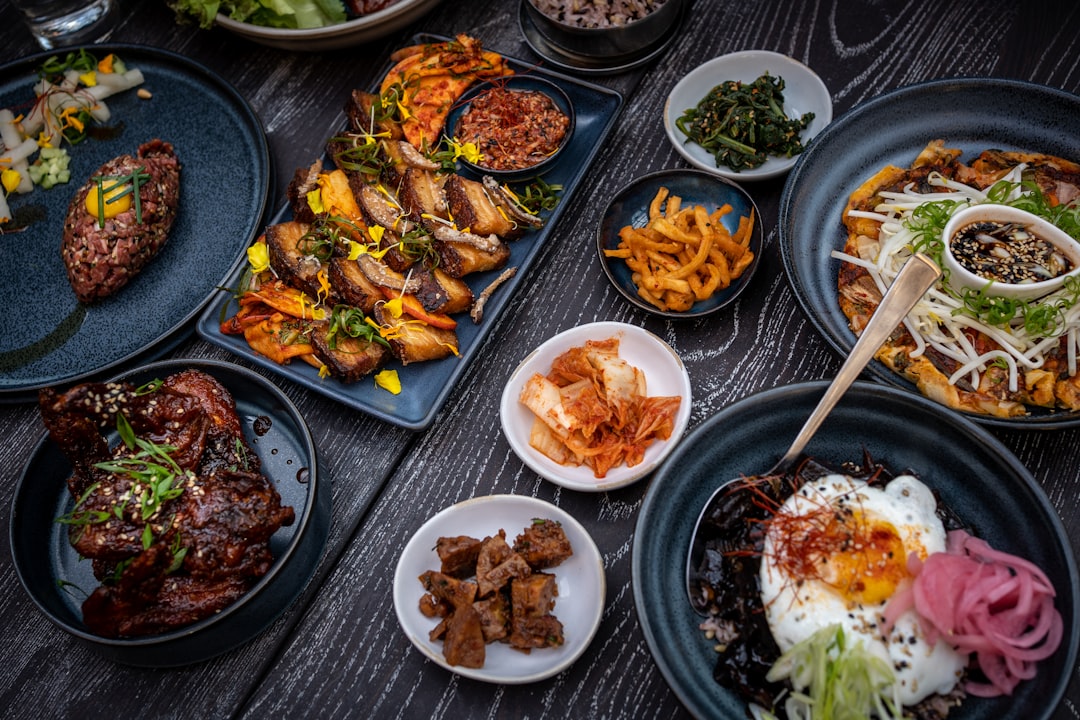
Why Tteokbokki Has Captured the Hearts (and Taste Buds) of Millions Worldwide
Picture this: you’re walking through the narrow alleyways of Seoul’s Gwangjang Market on a freezing January evening. Steam rises from dozens of street carts, and the air is thick with the sweet, spicy aroma of gochugaru (Korean red pepper flakes) simmering in a rich anchovy broth. A vendor hands you a paper cup overflowing with glossy, fire-red rice cakes — each one chewy, bouncy, and coated in a sauce so addictive you’ll scrape the bottom of the cup with your fingers. That, my friends, is tteokbokki (떡볶이), and once you’ve tasted the real thing, the store-bought version will never be enough again.
Here’s the surprising part: making an easy tteokbokki recipe from scratch at home takes less than 30 minutes and requires fewer than 10 ingredients. Yet most people outside Korea have never tried it homemade. According to a 2024 survey by the Korean Food Promotion Institute, tteokbokki ranks as the #1 Korean street food that international visitors want to recreate at home — ahead of Korean fried chicken and bibimbap.
In this comprehensive guide, we’re going beyond a simple recipe. We’ll compare five popular tteokbokki styles side by side, break down the exact ingredients you need (and where to find them at H-Mart, Whole Foods, or online), and give you a foolproof easy tteokbokki recipe from scratch that tastes better than 90% of what you’ll find at Korean restaurants in the U.S. Whether you’re a total beginner or a K-food obsessive, this article has something for you.
What Exactly Is Tteokbokki? A Quick Cultural Deep-Dive

The History Behind Korea’s Most Iconic Street Food
Tteokbokki’s history is a tale of reinvention. The original version, called gungjung tteokbokki (궁중떡볶이), dates back to the Joseon Dynasty (1392–1897) and was a royal court dish. It featured sliced rice cakes stir-fried with soy sauce, sesame oil, vegetables, and beef — no spice at all. It was considered elegant, refined food fit for kings.
The spicy version we know today didn’t appear until the 1950s. Legend credits a woman named Ma Bok-rim in Seoul’s Sindang-dong neighborhood, who accidentally dropped her rice cakes into a pot of gochujang (fermented red pepper paste). She loved the result, started selling it from a cart, and the rest is culinary history. Sindang-dong is still known as “Tteokbokki Town” today, with over 30 dedicated restaurants lining a single street.
By the 1970s, spicy tteokbokki had become the after-school snack for Korean students. At roughly ₩3,000–₩5,000 ($2.25–$3.75 USD) per serving from a street cart, it remains one of the most affordable and satisfying meals in Korea. Learn more about Korean street food culture
Why Tteokbokki Is More Than Just Food
In Korean culture, tteokbokki is comfort food, social glue, and nostalgia rolled into one. It’s what friends order after noraebang (karaoke). It’s the dish that K-drama characters eat while crying over a breakup. It’s the snack that every Korean person associates with their childhood.
The global K-food wave — driven by K-dramas like Crash Landing on You, Itaewon Class, and variety shows like Running Man — has turned tteokbokki into a $2.3 billion global market as of 2025 (source: Korea Agro-Fisheries & Food Trade Corporation). Brands like Yopokki and Samyang now sell instant tteokbokki cups at Walmart, Target, and Costco.
But here’s our strong opinion: instant tteokbokki doesn’t come close to homemade. The rice cakes are often too soft, the sauce is cloyingly sweet, and you miss the layered depth that a proper anchovy-kelp broth provides. That’s why learning an easy tteokbokki recipe from scratch is a game-changer.
5 Tteokbokki Styles Compared: Which One Should You Make?
Not all tteokbokki is created equal. Before we dive into the recipe, let’s compare the five most popular styles so you can pick the one that matches your palate. This comparison will help you decide which easy tteokbokki recipe from scratch variation to try first.
| Style | Spice Level | Key Flavor | Best For | Difficulty |
|---|---|---|---|---|
| Classic Spicy (매운 떡볶이) | 🌶🌶🌶 | Sweet-spicy, gochujang-forward | Beginners, purists | Easy |
| Rose Tteokbokki (로제 떡볶이) | 🌶 | Creamy, cheesy, mild | Spice-averse, kids | Easy |
| Gungjung (궁중떡볶이) | None | Savory soy sauce, umami | Non-spicy eaters | Medium |
| Rabokki (라볶이) | 🌶🌶🌶 | Spicy + noodle-y | Hearty meal seekers | Easy |
| Jjol-bokki (쫄볶이) | 🌶🌶 | Extra chewy, snappy texture | Texture lovers | Easy |
Classic Spicy vs. Rose: The Great Debate
The classic spicy tteokbokki is the OG — a fiery, sweet-spicy sauce built on gochujang and gochugaru, anchored by a savory anchovy-kelp broth. It’s bold, unapologetic, and deeply satisfying. The sauce clings to the rice cakes like a glaze, and each bite delivers a wave of heat followed by sweetness.
Rose tteokbokki, on the other hand, exploded in popularity around 2020–2021 thanks to Korean social media. The name comes from the pinkish “rosé” color you get when mixing gochujang with heavy cream and sometimes tomato sauce. It’s milder, creamier, and more approachable for people who can’t handle Korean-level spice. Many restaurants add mozzarella cheese on top and torch it for that Instagram-worthy cheese pull.
Our verdict? Start with the classic. It’s the most authentic, the most rewarding, and the best way to understand what tteokbokki is really about. You can always adjust the spice level down. Then try rose tteokbokki as a fun weekend variation.
Rabokki: When Ramen Meets Rice Cakes
Rabokki (라볶이) is a portmanteau of ramyeon (ramen) and tteokbokki. It’s exactly what it sounds like: you cook instant ramen noodles right in the tteokbokki sauce. The noodles soak up the sauce beautifully, and the combination of chewy rice cakes and springy noodles creates a textural paradise.
To make rabokki, simply follow any easy tteokbokki recipe from scratch and add one packet of Korean instant ramen (we recommend Shin Ramyun or Jin Ramen) about 5 minutes before serving. Use only the noodles, not the seasoning packet. This is a popular late-night snack in Korea and makes the dish more filling as a complete meal. Korean Fried Chicken Recipe: Crispy Double Fry Method 2026
Essential Ingredients: Your Complete Shopping List

One reason people avoid making tteokbokki at home is the assumption that Korean ingredients are hard to find. In 2026, that couldn’t be further from the truth. Here’s everything you need, plus exactly where to buy it.
The Non-Negotiable Core Ingredients
- Garaetteok (가래떡) — Cylinder-shaped rice cakes: These are the star of the show. Look for fresh or frozen tteok in the refrigerated or freezer section. Brands to look for: Chongga, Pulmuone, or Wang. Fresh rice cakes are softer and chewier; frozen ones need to be soaked in water for 20–30 minutes before cooking. A 2 lb bag costs approximately $4–$6 at H-Mart. Do NOT use the flat, sliced tteok meant for tteokguk (soup) — those are a completely different shape and texture.
- Gochujang (고추장) — Korean fermented red pepper paste: This thick, dark-red paste is the backbone of the sauce. It provides deep umami, sweetness, and moderate heat. The fermentation process (typically 6–12 months) gives it a complexity that hot sauce simply cannot replicate. Top brands: Sunchang, CJ Haechandle, or Sempio. A 500g tub costs around $5–$8 and lasts for months. Available at H-Mart, most Whole Foods locations, and Amazon.
- Gochugaru (고추가루) — Korean red pepper flakes: These coarse, vibrant-red flakes add additional heat, color, and a slightly smoky flavor without the paste’s sweetness. Korean gochugaru is specifically sun-dried and has a different flavor profile than regular crushed red pepper — don’t substitute. Look for “coarse” (굵은) gochugaru for tteokbokki. Price: approximately $8–$12 for a 1 lb bag.
- Anchovy and kelp broth base: This is the secret weapon that separates restaurant-quality tteokbokki from amateur attempts. You’ll need dried anchovies (멸치) — specifically the medium-sized ones for broth (약 5–7 cm) — and a few pieces of dried kelp (다시마/dashima). Together, they create a deeply savory, umami-rich broth in just 15 minutes. Cost: $5–$7 each at H-Mart.
- Sugar and soy sauce: Regular white sugar (about 2 tablespoons) balances the heat. A splash of soy sauce adds saltiness and depth. These you already have at home.
Recommended Add-Ins (Pick Your Favorites)
- Eomuk (어묵) — Korean fish cakes: Thin, flat sheets of processed fish cake that absorb the sauce beautifully. Cut into triangles or rectangles. They add a mild, slightly sweet seafood flavor and pleasant springy texture. Almost every street vendor in Korea includes these. Cost: about $3–$5 for a pack at H-Mart.
- Boiled eggs: Halved hard-boiled eggs are a classic addition. The yolk becomes a creamy counterpoint to the spicy sauce. Add 2–4 eggs per serving.
- Scallions (green onions): Sliced diagonally and added at the very end for freshness, color, and a mild onion bite.
- Cabbage or bok choy: Adds bulk, nutrition, and a subtle sweetness that pairs well with the spicy sauce.
- Mozzarella cheese: For the rose or cheese tteokbokki variation. Shredded mozzarella melted on top creates that viral cheese pull.
- Instant ramen noodles: For the rabokki variation described above.
Where to Buy: Store-by-Store Guide
| Store | Rice Cakes | Gochujang | Gochugaru | Fish Cakes |
|---|---|---|---|---|
| H-Mart | Fresh + Frozen ✅ | Full selection ✅ | Multiple brands ✅ | Yes ✅ |
| Whole Foods | Some locations | Yes (Mother-in-Law’s brand) ✅ | Limited | No |
| Amazon | Frozen (shipped cold) ✅ | Yes ✅ | Yes ✅ | Yes ✅ |
| Trader Joe’s | Seasonal | No | No | No |
| Walmart | Instant cups only | Select stores ✅ | No | No |
Pro tip: If you don’t have an H-Mart nearby, order from Weee! or Yamibuy — both are Asian grocery delivery services that ship fresh and frozen Korean ingredients nationwide. For the freshest rice cakes, check if your city has a local Korean rice cake shop (tteok-jib, 떡집) — the texture is incomparably better than packaged.
The Ultimate Easy Tteokbokki Recipe from Scratch (Classic Spicy)
This is our go-to easy tteokbokki recipe from scratch — the classic spicy version that Korean street vendors have perfected over decades. It serves 2–3 people and takes about 25 minutes from start to finish.
Step 1: Make the Anchovy-Kelp Broth (10 Minutes)
In a medium pot, combine 3 cups of water, 7–8 dried medium anchovies (heads and guts removed — this prevents bitterness), and 2 pieces of dried kelp (about 4×4 inches each). Bring to a boil over medium-high heat, then reduce to a simmer for 10 minutes. The water should turn slightly golden and smell deeply savory.
Strain the broth and discard the anchovies and kelp. You should have approximately 2.5 cups of broth. This step alone elevates your tteokbokki from “pretty good” to “wow, this tastes like Seoul.” If you’re short on time, you can substitute with dashida (Korean beef/anchovy bouillon powder) — use 1 teaspoon dissolved in 2.5 cups of water. It’s not quite the same, but it works in a pinch.
Step 2: Prepare the Sauce
While the broth simmers, mix the sauce ingredients in a small bowl:
- 3 tablespoons gochujang (fermented red pepper paste)
- 1 tablespoon gochugaru (Korean red pepper flakes — adjust for heat preference)
- 2 tablespoons sugar (or 1.5 tablespoons if you prefer less sweet)
- 1 tablespoon soy sauce
- 1 teaspoon minced garlic
Stir until combined. The mixture will be thick and paste-like — that’s perfect. It will dissolve into the hot broth later. Taste the paste. It should be intensely sweet-spicy-salty. Remember, it will mellow significantly once diluted in the broth.
Step 3: Cook the Rice Cakes (10–12 Minutes)
Pour the strained broth back into the pot over medium heat. Add the sauce paste and whisk until fully dissolved. Now add 1 pound (450g) of rice cakes and 5–6 pieces of fish cake (cut into bite-sized pieces).
Bring to a gentle boil, stirring frequently. This is critical: rice cakes stick to the bottom very easily, so stir every 30–60 seconds. Cook for 8–12 minutes until the rice cakes are soft, bouncy, and the sauce has thickened to a glossy, coat-the-spoon consistency.
The sauce will continue to thicken as it cools, so take it off the heat when it’s slightly thinner than you want the final result. If the sauce gets too thick during cooking, add a splash of water (2–3 tablespoons at a time).
Step 4: Finish and Serve
Add 2 halved hard-boiled eggs and a generous handful of sliced scallions. Give it one final stir. Serve immediately in a shallow bowl or the pot itself — presentation is rustic and communal, just like in Korea.
Garnish ideas: toasted sesame seeds, a drizzle of sesame oil, extra scallions, or a slice of American cheese melted right on top (a very popular Korean street food move that sounds strange but tastes incredible).
See more tteokbokki recipe variations
Pro Tips: From Good to Restaurant-Quality

After making tteokbokki hundreds of times, here are the tips that make the biggest difference. These small details transform a decent easy tteokbokki recipe from scratch into something that rivals the best street carts in Myeongdong.
Rice Cake Texture Tips
- Soak frozen rice cakes before cooking. Submerge them in cold water for at least 20 minutes. This prevents them from being hard in the center while mushy on the outside. Fresh rice cakes don’t need soaking.
- Don’t overcook. Rice cakes go from perfectly chewy to unpleasantly mushy in about 2 minutes. Start checking at the 8-minute mark. They should be soft but still have some resistance when you bite through — like the texture of a perfectly cooked gnocchi.
- Eat immediately. Tteokbokki doesn’t hold well. The rice cakes harden as they cool and the sauce congeals. If reheating leftovers, add 2–3 tablespoons of water and reheat over low heat, stirring constantly.
Sauce Secrets
- The broth matters more than the paste. A rich anchovy-kelp broth provides a savory foundation that makes the sweet-spicy sauce taste multi-dimensional. Water-based tteokbokki always tastes flat, no matter how much gochujang you add.
- Balance is everything. Korean cooking is about the harmony of sweet, spicy, salty, and umami. If your sauce tastes one-note, it’s probably missing one element. Too spicy? Add more sugar. Too sweet? More soy sauce. Flat? Add a pinch of dashida bouillon powder.
- Toast your gochugaru. For an extra layer of depth, dry-toast 1 tablespoon of gochugaru in the empty pot for 30 seconds before adding the broth. This blooms the oils and intensifies the smoky, fruity notes of the pepper.
- A splash of corn syrup (about 1 tablespoon) gives the sauce that characteristic shiny, lacquered look you see at Korean street stalls. It’s optional but visually impressive.
Rose Tteokbokki Variation: The Creamy, Cheesy Version
If the classic version is the rugged veteran, rose tteokbokki is the trendy newcomer. This variation went viral on Korean social media around 2020 and now appears on nearly every Korean restaurant menu in the U.S. Here’s how to adapt our easy tteokbokki recipe from scratch into the rose version.
What Makes It “Rose”
The “rose” in rose tteokbokki refers to the rosé-pink color created by mixing red gochujang with white cream. The flavor profile shifts dramatically: instead of a bold, fiery punch, you get a rich, velvety, mildly spicy sauce that coats the rice cakes like a Korean-Italian fusion alfredo.
To convert the classic recipe:
- Reduce gochujang to 1.5 tablespoons and eliminate the gochugaru entirely.
- Replace 1 cup of the anchovy broth with 1 cup of heavy cream (or half-and-half for a lighter version).
- Add 2 tablespoons of unsalted butter when the sauce begins to simmer.
- Optionally stir in 2 tablespoons of tomato paste for extra color and a subtle tanginess.
- Top with 1 cup of shredded mozzarella in the last 2 minutes of cooking. Cover the pot to melt the cheese.
Rose vs. Classic: Side-by-Side Comparison
| Factor | Classic Spicy | Rose |
|---|---|---|
| Calories (per serving) | ~380 kcal | ~520 kcal |
| Spice Level | Medium-High | Mild |
| Prep Time | 25 min | 25 min |
| Kid-Friendly | Moderate (adjust spice) | Very kid-friendly |
| Instagram Factor | Classic, rustic | Highly photogenic |
| Authenticity | Traditional street food | Modern Korean fusion |
Korean BBQ at Home for Beginners: Complete Guide 2026
Perfect Pairings: What to Serve with Tteokbokki
In Korea, tteokbokki is rarely eaten alone. It’s part of a communal snacking experience called bunsik (분식) — literally “flour-based food” — that includes a spread of fried and savory dishes. Here’s how to build the ultimate tteokbokki feast at home.
Classic Korean Side Dishes
- Korean fried chicken (치킨): The combination of spicy tteokbokki and crispy, crunchy fried chicken is legendary in Korea. The chicken’s crunch contrasts the rice cakes’ chewiness, and you can dip the chicken right into the tteokbokki sauce. Korean Fried Chicken Recipe: Crispy Double Fry Method 2026
- Gimmari (김말이): Glass noodles wrapped in seaweed and deep-fried. These crispy rolls are the most traditional tteokbokki pairing at Korean street carts. They cost about $4–$5 for a bag of 10 at H-Mart (frozen section) and take 5 minutes to fry.
- Sundae (순대): Korean blood sausage stuffed with glass noodles. A beloved street food pairing that might sound adventurous but is worth trying if you visit Korea. First Time Jjimjilbang Etiquette Tips: 2026 Complete Guide
- Danmuji (단무지): Yellow pickled radish. The tangy crunch cuts through the richness of the sauce perfectly. Available pre-sliced at any Korean grocery for about $2–$3.
Beverage Pairings
The ideal drink with tteokbokki needs to cool your palate and cut through the sweetness:
- Soju (소주): Korea’s iconic spirit. A cold shot of soju between bites of spicy tteokbokki is a rite of passage. Chamisul Fresh or Jinro are the most popular brands, available at most U.S. liquor stores for $5–$8 per bottle.
- Korean beer: Cass or Hite are the traditional choices — light, crisp lagers that cleanse the palate without competing with the flavors.
- Sikhye (식혜): Sweet rice punch. A refreshing, non-alcoholic Korean drink that’s the perfect counterpoint to spice. Sold in cans at H-Mart for about $2.
Tteokbokki Around the World: Where K-Food Meets Local Flavor
As Korean food goes global, tteokbokki has been reimagined in fascinating ways. Understanding these variations can inspire your own creative spins on the easy tteokbokki recipe from scratch.
Notable Restaurant Variations in the U.S.
In Los Angeles’ Koreatown, restaurants like Yup Dduk have built their entire menu around tteokbokki, offering over 15 variations including seafood tteokbokki with shrimp, squid, and mussels in a fiery jjambbong-style broth. Their cheese tteokbokki with corn ($14.99) sells over 500 orders per day.
In New York City, spots like Her Name Is Han serve an upscale gungjung tteokbokki with premium beef bulgogi and truffle oil ($22), proving that this street snack can go fine dining. Meanwhile, food halls in Flushing, Queens offer traditional street-style servings for as little as $6–$8.
The trend extends beyond Korean restaurants. Several fusion restaurants now feature tteokbokki burritos, tteokbokki pizza, and even tteokbokki mac and cheese — proof that rice cakes are incredibly versatile as an ingredient. suggested topic — Best Korean Restaurants in Every Major U.S. City 2026
If You Visit Korea: Where to Eat the Best Tteokbokki
Planning a trip to Korea? These are the legendary tteokbokki spots you cannot miss:
- Sindang-dong Tteokbokki Town, Seoul: The birthplace of modern spicy tteokbokki. Over 30 restaurants on one street, each with its own sauce recipe. Go to Ma Bok-rim Tteokbokki for the original.
- Gwangjang Market, Seoul: Korea’s oldest traditional market. Grab tteokbokki from any of the dozens of vendors — they’re all excellent and cost about ₩4,000 ($3 USD).
- Busan’s BIFF Square: This street food district near Busan’s famous film festival area serves a seed hotteok + tteokbokki combo that’s the perfect afternoon snack.
Korea SIM Card for Tourists 2026: Complete Buyer’s Guide
Frequently Asked Questions About Tteokbokki
Can I make tteokbokki without gochujang?
Yes, but it won’t taste the same. Gochujang provides a unique combination of fermented umami, sweetness, and heat that no other ingredient can replicate. If you absolutely cannot find gochujang, you can make a rough substitute by mixing 1 tablespoon miso paste + 1 teaspoon cayenne pepper + 1 teaspoon sugar + 1 teaspoon soy sauce, but we strongly recommend finding the real thing. It’s available on Amazon for under $6 with Prime shipping. Alternatively, try the non-spicy gungjung tteokbokki (royal court style), which uses soy sauce instead — no gochujang needed at all.
Is tteokbokki gluten-free?
Traditional rice cakes (tteok) are naturally gluten-free since they’re made from 100% rice flour. However, you need to check two things: first, some commercial brands add wheat starch for extra chewiness — always read the ingredient label. Second, the fish cakes (eomuk) typically contain wheat flour. To make a fully gluten-free version, skip the fish cakes and use tamari instead of soy sauce. The rice cakes, gochujang (most brands are gluten-free, but check the label), and broth are all naturally gluten-free.
How long does leftover tteokbokki last?
Leftover tteokbokki can be refrigerated in an airtight container for up to 2–3 days. However, be aware that the rice cakes will harden significantly as they cool — this is normal. To reheat, place in a pot over medium-low heat with 3–4 tablespoons of water and stir frequently until the sauce loosens and the rice cakes soften again (about 5 minutes). Microwave reheating is not recommended as it tends to make the rice cakes rubbery and unevenly heated. We do not recommend freezing cooked tteokbokki — the rice cakes become crumbly and lose their chewy texture.
What’s the difference between tteokbokki and dukbokki?
They’re the same dish! Tteokbokki, dukbokki, ddukbokki, and topokki are all romanized spellings of the Korean 떡볶이. The variation comes from the fact that Korean doesn’t map perfectly to English letters. “Tteokbokki” is the most commonly accepted romanization following the Revised Romanization of Korean standard, and it’s the spelling used by most Korean food media, including Maangchi and Korean tourism websites.
Can I make tteokbokki vegan?
Absolutely. To make a fully vegan easy tteokbokki recipe from scratch: replace the anchovy-kelp broth with a kelp and dried shiitake mushroom broth (simmer 3–4 dried shiitake mushrooms with 2 pieces of kelp in 3 cups water for 15 minutes). Skip the fish cakes entirely, or substitute with fried tofu puffs, which absorb the sauce beautifully. Most gochujang brands are already vegan — just check for any fish-based ingredients. Add vegetables like cabbage, carrots, and mushrooms for bulk. The result is just as delicious and deeply satisfying.
Why are my rice cakes too hard or too mushy?
Too hard: Your rice cakes were likely frozen and not soaked long enough before cooking. Always soak frozen rice cakes in cold water for at least 20–30 minutes. Also ensure your broth is at a steady simmer, not just warm — the rice cakes need consistent heat to soften properly. Too mushy: You’ve overcooked them. Rice cakes go from perfect to mushy quickly (within 2–3 minutes). Start testing at the 8-minute mark by biting one. It should be soft and chewy, with just a slight firmness in the center. Remove from heat as soon as they reach this stage, since they’ll continue cooking in the hot sauce.
Related Posts You’ll Love
If you enjoyed learning about tteokbokki, you’ll love these related articles from our K-Food and K-Culture series:
- Korean Fried Chicken Recipe: Crispy Double Fry Method 2026 — The perfect pairing for your tteokbokki feast.
- Korean BBQ at Home for Beginners: Complete Guide 2026 — Another essential Korean cooking skill for home cooks.
- 10-Step Korean Skincare Routine for Beginners (2026 Guide) — Because K-Beauty and K-Food fans are often the same people.
Suggested future articles:
- suggested topic — Best Korean Instant Noodles Ranked: 2026 Ultimate Guide
- suggested topic — Korean Street Food Guide: 20 Must-Try Snacks in Seoul
Your Turn: Make Tteokbokki Tonight!
There you have it — everything you need to make an easy tteokbokki recipe from scratch that rivals the best street carts in Seoul. Whether you go classic spicy, creamy rose, or hearty rabokki, homemade tteokbokki is one of those dishes that rewards you with enormous flavor for minimal effort.
The beauty of this dish is its forgiving simplicity. Your first batch might not look Instagram-perfect, but it will taste incredible. And by your third or fourth time, you’ll have the sauce ratios dialed in to your exact preference — your own signature tteokbokki that’s uniquely yours.
We’d love to hear from you! Drop a comment below and tell us:
- Which style are you going to try first — classic, rose, or rabokki?
- What’s your favorite tteokbokki add-in?
- Have you tried tteokbokki before, and how did it compare to homemade?
If you found this guide helpful, share it with a friend who’s been curious about Korean cooking. And make sure to bookmark this page — you’ll want this recipe handy the next time a tteokbokki craving hits (trust us, it will). For more K-Food recipes, Korean culture guides, and travel tips, subscribe to our newsletter and never miss a post.
Happy cooking, and as we say in Korea — 잘 먹겠습니다 (jal meokgesseumnida) — I will eat well! 🍽