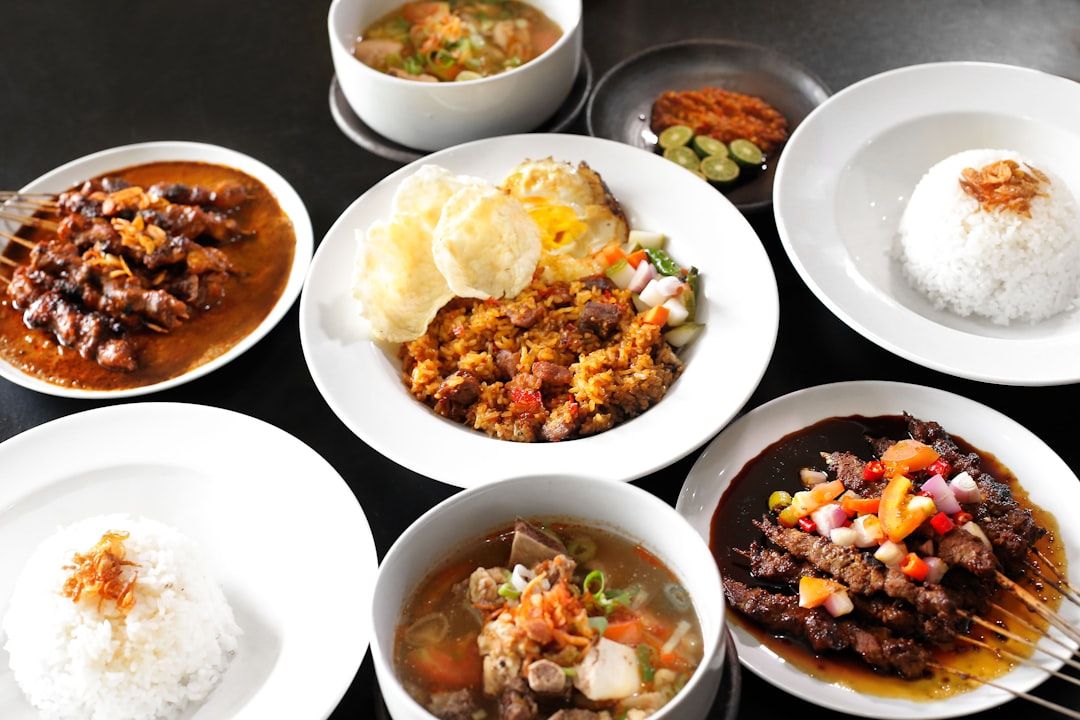
Why Banchan Is the Secret to Korean Dining That Most Beginners Miss
Picture this: you sit down at a Korean restaurant for the first time, and before your main dish even arrives, the table is suddenly covered with a dozen small plates. Bright orange kimchi, glistening seasoned spinach, crispy little dried anchovies, and a mysteriously addictive braised potato you can’t stop eating. Welcome to the world of banchan — the side dishes that form the beating heart of every Korean meal.
For many first-time visitors to Korea, banchan is the single biggest surprise. These aren’t appetizers you pay extra for. They’re complimentary, refillable, and absolutely essential to the Korean dining experience. And here’s the best part: most of them are shockingly simple to make at home.
If you’ve been searching for easy Korean banchan recipes for beginners, you’re in the right place. This comprehensive guide breaks down the most popular Korean side dishes, teaches you how to prepare them with confidence, and reveals why mastering even three or four banchan will transform your weeknight dinners forever. Whether you’re a college student with a tiny kitchen or a home cook ready to level up, banchan is your gateway into authentic Korean cooking.
What Exactly Is Banchan? Understanding Korea’s Side Dish Culture

The Philosophy Behind the Small Plates
Banchan (반찬) literally translates to “side dishes,” but that English word barely captures what they represent. In Korean food culture, a meal is not built around a single hero dish. Instead, it’s an ensemble of flavors, textures, and colors designed to create balance on the table. This principle is rooted in the Korean concept of obangsaek (오방색) — the five cardinal colors (white, black, red, yellow, green) that should ideally appear in every meal.
A traditional Korean table setting, called bansang (반상), is classified by the number of banchan served. A 3-cheop bansang (삼첩반상) is a humble everyday meal with three side dishes. A 12-cheop bansang (십이첩반상) was historically reserved for royalty, featuring twelve different banchan alongside rice, soup, and stew. Today, most home meals feature 3–5 banchan, while restaurants typically offer 5–12.
Why Banchan Is Always Free at Korean Restaurants
One question every newcomer asks: why is banchan free? The answer is cultural. In Korean dining philosophy, banchan is considered part of the meal itself — not an add-on or an appetizer. Charging for it would be like charging for the plate your food comes on. Most restaurants will happily refill any banchan you finish, though it’s considered polite not to waste food.
This tradition dates back centuries to the Joseon Dynasty (1392–1897), when communal eating emphasized generosity and shared nourishment. Today, even in modern Seoul restaurants and Korean eateries in cities like Los Angeles and New York, the banchan tradition remains sacred. Learn more about Korean food culture
The Five Flavor Profiles of a Balanced Banchan Spread
A well-composed banchan spread hits all five Korean flavor notes:
- Salty (짠맛): Soy-sauce-based dishes like braised potatoes or seasoned seaweed
- Spicy (매운맛): Kimchi, spicy cucumber salad, gochugaru-seasoned dishes
- Sweet (단맛): Candied sweet potatoes, sweet soy-glazed lotus root
- Sour (신맛): Fermented kimchi, pickled radish, vinegar-dressed vegetables
- Savory/Umami (감칠맛): Dried anchovies, seasoned tofu, egg dishes
When you’re planning easy Korean banchan recipes for beginners, aim for at least three of these flavor profiles. That simple rule guarantees a balanced, satisfying meal every time.
The 10 Most Essential Banchan Every Beginner Should Know
With hundreds of banchan varieties across Korea’s regional cuisines, it’s easy to feel overwhelmed. Here are the top 10 banchan ranked by popularity, ease of preparation, and how commonly they appear at restaurants and home tables alike.
| Banchan | Korean Name | Difficulty | Prep Time | Shelf Life |
|---|---|---|---|---|
| Kimchi (Napa Cabbage) | 배추김치 | ⭐⭐⭐ | 2-3 hours | Months |
| Seasoned Spinach | 시금치나물 | ⭐ | 10 min | 3-4 days |
| Seasoned Bean Sprouts | 콩나물무침 | ⭐ | 10 min | 3-4 days |
| Korean Egg Roll | 계란말이 | ⭐⭐ | 15 min | 1-2 days |
| Braised Potatoes | 감자조림 | ⭐⭐ | 25 min | 5-7 days |
| Stir-Fried Zucchini | 호박볶음 | ⭐ | 10 min | 2-3 days |
| Pickled Radish | 치킨무/단무지 | ⭐ | 10 min + wait | 2-3 weeks |
| Dried Anchovies | 멸치볶음 | ⭐⭐ | 15 min | 2 weeks |
| Cucumber Salad | 오이무침 | ⭐ | 10 min | 1-2 days |
| Seasoned Seaweed | 김무침 | ⭐ | 5 min | 3-5 days |
Notice that seven out of ten are rated one star for difficulty. That’s the beauty of banchan — most are genuinely simple, relying on a handful of quality ingredients rather than complex technique. If you’re looking for easy Korean banchan recipes for beginners, start with seasoned spinach, bean sprouts, and cucumber salad. You can have all three done in under 30 minutes.
5 Foolproof Banchan Recipes You Can Make Tonight

Let’s get cooking. These five recipes require no special skills, use ingredients available at H-Mart, Whole Foods, or any well-stocked grocery store, and each takes under 20 minutes of active prep time.
1. Sigeumchi Namul (Seasoned Spinach) — The 10-Minute Wonder
This is the single best starting point for anyone exploring easy Korean banchan recipes for beginners. You need just five ingredients and ten minutes.
Ingredients:
- 1 bunch fresh spinach (about 10 oz / 280g)
- 1 tablespoon soy sauce
- 1 teaspoon sesame oil
- 1 clove garlic, minced
- 1 teaspoon toasted sesame seeds
Instructions:
- Bring a large pot of water to a boil. Blanch the spinach for exactly 30 seconds — no more, or it gets mushy.
- Immediately transfer to an ice bath. Squeeze out as much water as possible (this step is critical for texture).
- Cut into 2-inch pieces and toss with soy sauce, sesame oil, garlic, and sesame seeds.
- Taste and adjust seasoning. Some cooks add a pinch of sugar to balance the earthiness.
Pro tip: Use baby spinach if you can’t find Korean spinach (시금치). The flavor is slightly milder, but it works perfectly. At H-Mart, look for the bunched spinach with pink roots — that’s the traditional Korean variety, and it has a sweeter, nuttier flavor.
2. Kongnamul Muchim (Seasoned Bean Sprouts) — The Everyday Essential
Bean sprout banchan appears at virtually every Korean meal. It’s cheap (a bag of soybean sprouts costs about $1.50–$2.00 at H-Mart), nutritious, and incredibly versatile.
Ingredients:
- 12 oz (340g) soybean sprouts (not mung bean sprouts — soybean sprouts have yellow heads)
- 1 tablespoon soy sauce
- 1 teaspoon sesame oil
- 1 green onion, thinly sliced
- 1 clove garlic, minced
- ½ teaspoon gochugaru (Korean red pepper flakes) — optional for a spicy version
Instructions:
- Boil sprouts in salted water for 7–8 minutes with the lid ON. Important: do not lift the lid while cooking, as this locks in the clean flavor and prevents a “beany” smell.
- Drain and rinse under cold water.
- Toss with remaining ingredients. Adjust soy sauce to taste.
Pro tip: Make a double batch. Bean sprout banchan keeps well for 3–4 days in the fridge and actually tastes better the next day as the seasonings soak in. Leftover kongnamul is also the base for kongnamul-guk (bean sprout soup), a famous Korean hangover cure.
3. Gyeran Mari (Korean Egg Roll) — Lunchbox Favorite
If you’ve ever watched a Korean drama and seen beautifully spiraled egg slices in someone’s lunchbox, that’s gyeran mari. It looks impressive but takes about 15 minutes to master.
Ingredients:
- 4 large eggs
- 2 tablespoons finely diced vegetables (carrots, green onion, and red bell pepper are classic)
- ¼ teaspoon salt
- 1 teaspoon vegetable oil
Instructions:
- Beat the eggs with salt and mix in the diced vegetables.
- Heat a non-stick rectangular pan (or a round one — it still works) over medium-low heat. Lightly oil it.
- Pour a thin layer of egg mixture and let it set until barely cooked on top.
- Roll it tightly to one side of the pan. Push the roll back, oil the empty side, pour another thin layer, and repeat.
- After 3–4 layers, remove and let it cool for 5 minutes before slicing into ½-inch rounds.
Pro tip: The key is low heat and patience. High heat creates brown spots and air bubbles. If your first attempt looks rough, don’t worry — wrap it tightly in plastic wrap while warm, and it’ll compress into a perfect shape as it cools.
4. Gamja Jorim (Soy-Braised Potatoes) — The Addictive One
Ask any Korean person which banchan they’d want on a deserted island, and gamja jorim is a top-three answer. These glossy, sweet-savory potato cubes are dangerously snackable.
Ingredients:
- 3 medium potatoes (about 1 lb / 450g), peeled and cubed into ¾-inch pieces
- 3 tablespoons soy sauce
- 1 tablespoon sugar (or corn syrup for extra gloss)
- 1 tablespoon rice wine (mirin)
- 1 cup water
- 1 tablespoon vegetable oil
- 1 teaspoon sesame seeds for garnish
Instructions:
- Soak potato cubes in cold water for 10 minutes to remove excess starch. Drain well.
- In a pan, heat oil and add potatoes. Stir-fry for 2 minutes.
- Add soy sauce, sugar, rice wine, and water. Bring to a boil.
- Reduce to medium heat and cook uncovered for 15–18 minutes, stirring occasionally, until the liquid reduces to a thick glaze.
- Garnish with sesame seeds.
Pro tip: Use waxy potatoes (like Yukon Gold) rather than starchy russets. They hold their shape during braising and give you that satisfying bite instead of falling apart. This banchan stores beautifully — up to a week in the fridge — making it perfect for meal prep.
5. Oi Muchim (Spicy Cucumber Salad) — The Refreshing Contrast
Every banchan spread needs something cool and crunchy to contrast the heavier dishes. Oi muchim is that dish — bright, spicy, and ready in under 10 minutes.
Ingredients:
- 2 Korean cucumbers (or 1 English cucumber), sliced into thin half-moons
- ½ teaspoon salt (for drawing out moisture)
- 1 tablespoon gochugaru
- 1 teaspoon soy sauce
- 1 teaspoon rice vinegar
- ½ teaspoon sugar
- 1 teaspoon sesame oil
- 1 clove garlic, minced
Instructions:
- Salt the cucumber slices and let them sit for 10 minutes. Gently squeeze out the released water.
- Toss with all remaining ingredients.
- Serve immediately for maximum crunch, or refrigerate for up to a day.
Pro tip: Korean cucumbers (available at H-Mart for about $1.50 each) have thinner skins and fewer seeds than regular cucumbers. If using English cucumber, no need to peel — but definitely salt and drain to prevent a watery result.
These five recipes are the foundation. Master them and you’ll always have a complete banchan spread ready. Pair them with steamed rice and a main dish like Korean BBQ Korean BBQ at Home for Beginners: Complete Guide 2026 or crispy fried chicken Korean Fried Chicken Recipe: Crispy Double Fry Method 2026 for a restaurant-quality Korean meal at home.
Essential Banchan Pantry: The Ingredients You Need to Stock
The “Big Five” Korean Seasonings
Before you start making easy Korean banchan recipes for beginners, stock these five core ingredients. With just these, you can make over 80% of all common banchan:
- Soy sauce (간장): Use Korean soy sauce (Sempio or Chung Jung One brand). It’s slightly different from Japanese soy sauce — a bit saltier and less sweet. A 500ml bottle costs about $3–$4 at H-Mart.
- Sesame oil (참기름): This is non-negotiable. Korean toasted sesame oil has a deep, nutty fragrance that’s the signature flavor of most namul (vegetable) banchan. Kadoya or Ottogi brands are widely available. Expect to pay $5–$8 for a quality bottle.
- Gochugaru (고추가루): Korean red pepper flakes. They’re not the same as crushed red pepper — gochugaru is smoky, slightly sweet, and less aggressively hot. A bag runs about $6–$10 at H-Mart. Store in the freezer to maintain freshness.
- Garlic (마늘): Koreans use a lot of garlic. A typical banchan recipe calls for 1–3 cloves. Buy pre-peeled cloves at H-Mart to save time — a 1-pound container costs around $4.
- Toasted sesame seeds (깨): The finishing touch on almost every banchan. Buy them pre-toasted (available at H-Mart and most Asian grocery stores for about $3). Alternatively, toast raw sesame seeds in a dry pan for 2–3 minutes.
Where to Buy Korean Ingredients in the US
You don’t need to live near a Koreatown to find banchan ingredients. Here are your best options:
- H-Mart: The gold standard for Korean groceries in the US, with 90+ locations nationwide. They carry everything from fresh Korean vegetables to specialty sauces. Their house brand, “H-Mart,” offers affordable staples.
- Whole Foods: Now carries gochujang, sesame oil, and rice vinegar in most locations. Limited on specialty items like gochugaru or Korean soy sauce, but fine for basics.
- Amazon / Weee! / Hmart.com: For online ordering, these platforms ship Korean pantry staples nationwide. Weee! specializes in Asian groceries with next-day delivery in many metro areas.
- Local Asian grocery stores: Even non-Korean Asian markets typically stock soy sauce, sesame oil, and rice vinegar. For gochugaru, you may need a specifically Korean or pan-Asian store.
- Trader Joe’s: Carries Korean-inspired items like gochujang, sesame oil, and frozen dumplings (mandu), though the selection is limited compared to specialty stores.
Budget tip: A complete banchan pantry (soy sauce, sesame oil, gochugaru, rice vinegar, sesame seeds, garlic) costs approximately $25–$35 and will last you dozens of recipes. Dollar-for-dollar, Korean cooking is one of the most affordable cuisines to explore at home.
Banchan Meal Prep: How to Stock Your Fridge for the Week

The Sunday Banchan Prep Strategy
One of the best-kept secrets of Korean home cooking is that banchan is inherently meal-prep friendly. Most Korean families dedicate a couple of hours on the weekend to making a week’s worth of side dishes. Here’s a practical Sunday prep schedule:
- First 30 minutes: Make gamja jorim (braised potatoes) and myeolchi bokkeum (stir-fried anchovies). These have the longest shelf life (5–14 days) and benefit from sitting overnight.
- Next 20 minutes: Blanch and season two namul (vegetable dishes) — spinach and bean sprouts. Both keep well for 3–4 days.
- Final 10 minutes: Prepare oi muchim (cucumber salad) and seasoned seaweed. These are best fresh but hold up for 1–2 days.
Total time: about 1 hour. Total cost: roughly $8–$12 for 5–6 different banchan that will serve a family of four across multiple meals. Compare that to ordering banchan from a Korean restaurant, where a side-dish set can run $15–$25.
Storage Tips That Actually Work
Proper storage is the difference between banchan that lasts all week and banchan that goes soggy by Tuesday:
- Glass containers over plastic: Korean banchan (especially kimchi and anything with gochugaru) will stain plastic permanently. Invest in a set of small glass containers with lids — a 10-piece set from brands like Pyrex or Glasslock costs about $20–$30 and is a staple in Korean kitchens.
- Keep namul (vegetable dishes) dry: After blanching, squeeze out every drop of water. Excess moisture is the enemy of freshness.
- Store kimchi separately: Kimchi is a living, fermenting food that releases gas. Store it in an airtight container away from other banchan, or the entire fridge will smell like fermentation. Many Korean households have a separate kimchi fridge (김치냉장고) for this reason.
- Label everything: A piece of tape with the date made will save you from the “is this still good?” guessing game.
If you love the idea of weekly meal prep with Korean flavors, pair your banchan spread with easy Korean mains like tteokbokki Easy Tteokbokki Recipe From Scratch (2026 Guide) for a complete meal that’s ready in minutes.
Banchan for Special Diets: Vegan, Gluten-Free, and Allergy-Friendly Options
Naturally Vegan and Plant-Based Banchan
Great news for plant-based eaters: the majority of banchan is naturally vegan. Korean Buddhist temple cuisine (sachal eumsik, 사찰음식) has a centuries-old tradition of entirely plant-based cooking, and many everyday banchan come directly from that lineage.
These popular banchan are vegan as-is (no modifications needed):
- Sigeumchi namul (seasoned spinach)
- Kongnamul muchim (seasoned bean sprouts)
- Hobak bokkeum (stir-fried zucchini)
- Oi muchim (cucumber salad)
- Musaengchae (spicy shredded radish)
- Doraji namul (seasoned bellflower root)
- Goguma mattang (candied sweet potato)
Watch out for: Some banchan that look vegan contain hidden animal products. Kimchi often includes fermented shrimp paste (saeujeot) or fish sauce. Many braised dishes use anchovy-based broth. Always check ingredients or make your own to be safe.
Gluten-Free Swaps
The main gluten concern in banchan is soy sauce, which traditionally contains wheat. The fix is simple: substitute tamari (gluten-free soy sauce) or coconut aminos in any recipe. The flavor difference is minimal, and most Korean home cooks won’t notice the swap.
Other than soy sauce, most banchan ingredients — vegetables, sesame oil, gochugaru, garlic, vinegar — are naturally gluten-free. This makes Korean side dishes one of the most allergy-friendly cuisines to explore for home cooks navigating dietary restrictions.
Banchan vs. Other Asian Side Dish Traditions: What Makes Korean Banchan Unique

Many Asian cuisines feature communal side dishes, but Korean banchan stands apart in several important ways:
| Feature | Korean Banchan | Japanese Okazu | Chinese Side Dishes |
|---|---|---|---|
| Number served | 5–12 per meal | 2–4 per meal | Shared dishes, not separate sides |
| Cost at restaurant | Free (included) | Usually ordered/paid | Ordered/paid |
| Refillable | Yes | No | No |
| Fermented items | Central (kimchi, jangajji) | Some (tsukemono) | Rare |
| Meal prep culture | Strong weekly batch tradition | Often made fresh daily | Varies widely |
The combination of being free, refillable, and served in large variety makes Korean banchan truly one-of-a-kind in the global dining landscape. It reflects a deep cultural value: generosity and abundance at the table, regardless of the restaurant’s price point. A humble $10 tofu stew at a neighborhood Korean joint often comes with more complimentary banchan than a $50 entrée at a fine-dining Western restaurant.
Common Mistakes Beginners Make (And How to Avoid Them)
Mistake #1: Overseasoning Everything
The most common error when trying easy Korean banchan recipes for beginners is adding too much soy sauce or sesame oil. Banchan are meant to accompany rice and a main dish — they should be well-seasoned but not overpowering. Start with less than the recipe calls for, taste, and adjust. You can always add more; you can’t take it back.
Mistake #2: Skipping the Squeeze
For any blanched vegetable banchan (spinach, bean sprouts, fernbrake), squeezing out excess water is essential. If you skip this step, the seasonings slide off and pool at the bottom of the container, leaving you with bland, watery vegetables. Use your hands or wrap the vegetables in a clean kitchen towel and wring firmly.
Mistake #3: Using the Wrong Type of Chili Flakes
Gochugaru is not interchangeable with regular crushed red pepper flakes. Italian-style red pepper flakes are much hotter, sharper, and lack the smoky sweetness of Korean gochugaru. Using them will result in banchan that’s painfully spicy without the depth of flavor. Always use gochugaru specifically — it’s sold in bags at any Korean grocery for $6–$10.
Mistake #4: Making Too Few Varieties
A single banchan on the table feels incomplete. The magic of a Korean meal lies in the variety and contrast between dishes. Aim for a minimum of three: one vegetable, one protein-based, and one pickled or fermented. This creates the contrast of flavors and textures that makes Korean dining so satisfying. Explore hundreds of authentic Korean recipes
Frequently Asked Questions About Korean Banchan
What does banchan mean in Korean?
Banchan (반찬) translates directly to “side dishes.” The word comes from the Chinese characters 飯饌, where 飯 means “cooked rice” and 饌 means “food” or “delicacies.” In Korean dining culture, banchan refers to any small dish served alongside rice, soup, and the main course. A proper Korean meal always includes banchan — it’s not optional or extra, but an integral part of the meal structure that has existed for over 600 years.
How many banchan should I serve at a meal?
For an everyday home meal, 3–5 banchan is the standard. If you’re hosting guests or preparing a special occasion meal, aim for 7–9 varieties. At a minimum, try to include kimchi (the non-negotiable banchan in Korean culture), one seasoned vegetable namul, and one protein or starchy side dish. Restaurant meals in Korea typically feature 5–12 banchan, depending on the establishment and the main dish ordered.
Can I make banchan ahead of time? How long does it last?
Absolutely — in fact, banchan is designed for advance preparation. Most Korean families make banchan in batches on weekends. Fermented items like kimchi last for months and actually improve with age. Braised dishes (jorim) keep for 5–7 days refrigerated. Seasoned vegetables (namul) stay fresh for 3–4 days. The only banchan that should be made fresh are egg dishes (gyeran mari) and cucumber salad (oi muchim), which are best within 1–2 days. Always store in airtight glass containers.
Is banchan healthy? What are the nutritional benefits?
Korean banchan is widely regarded as one of the healthiest side dish traditions in the world. Most banchan is vegetable-based, low in calories, and rich in fiber, vitamins, and minerals. Kimchi alone is a probiotic powerhouse linked to improved gut health, reduced inflammation, and even weight management in multiple peer-reviewed studies. The sesame oil and sesame seeds used in namul provide healthy fats and calcium. A typical banchan spread delivers a remarkable diversity of micronutrients from multiple vegetable sources — something many Western diets lack.
Are there banchan recipes that kids enjoy?
Yes! Several banchan are kid-approved favorites in Korean households. Gyeran mari (egg roll) is a lunchbox staple that children love. Gamja jorim (braised potatoes) has a sweet-savory flavor that appeals to young palates. Myeolchi bokkeum (candied dried anchovies) — surprisingly popular with kids thanks to the sweet, crunchy coating. For picky eaters, start with non-spicy banchan and gradually introduce mild gochugaru-seasoned dishes. Many Korean parents also make cheese gyeran mari (egg roll with melted cheese inside) as a gateway banchan for children.
What’s the proper etiquette for eating banchan?
Korean dining etiquette has a few important rules around banchan. Use your chopsticks to take banchan from the shared plates — never use your personal spoon. Take small portions at a time rather than piling your plate high. Don’t double-dip or return food you’ve already touched to the shared dish. At a restaurant, it’s perfectly acceptable to ask for refills of any banchan you’ve finished. And most importantly: never waste banchan. Take only what you’ll eat, as food waste is culturally frowned upon in Korean dining.
For more about Korean cultural etiquette, check out our guide to the Korean spa experience First Time Jjimjilbang Etiquette Tips: 2026 Complete Guide, which covers many of the same cultural norms around shared spaces and courtesy.
Related Posts You’ll Love
If you enjoyed learning about easy Korean banchan recipes for beginners, dive deeper into Korean culture and cuisine with these popular guides:
- Korean BBQ at Home for Beginners: Complete Guide 2026 — The perfect main dish to pair with your homemade banchan spread
- Easy Tteokbokki Recipe From Scratch (2026 Guide) — Another beginner-friendly Korean recipe that uses pantry staples
- 10-Step Korean Skincare Routine for Beginners (2026 Guide) — Because Korean self-care goes beyond the kitchen
Suggested future articles:
- How to Make Kimchi at Home: Complete Fermentation Guide for Beginners
- Korean Dosirak (Lunchbox) Ideas: 20 Easy Meal Prep Combos
- Korean Temple Food Guide: Vegan Buddhist Cuisine Explained
Start Your Banchan Journey Tonight
Here’s the truth about Korean cooking that most people don’t realize until they try: banchan is the easiest, cheapest, and most rewarding entry point into the entire cuisine. You don’t need a Korean grandmother’s 30-year-old kimchi crock. You don’t need specialty equipment. You need a pot of boiling water, five basic seasonings, and 30 minutes.
Start with just one recipe from this guide tonight — seasoned spinach is my recommendation for your very first banchan. Tomorrow, add bean sprouts. By the weekend, try the braised potatoes. Within a week, you’ll have a rotating repertoire of easy Korean banchan recipes for beginners that will make every meal at your table feel like a feast.
Your turn: Which banchan are you going to try first? Do you have a favorite Korean side dish from a restaurant that you’ve been wanting to recreate at home? Drop a comment below — I read every single one and love helping readers troubleshoot their first Korean cooking adventures.
And if this guide helped you, share it with a friend who’s been curious about Korean food. Trust me — once they taste homemade gamja jorim, they’ll thank you forever.