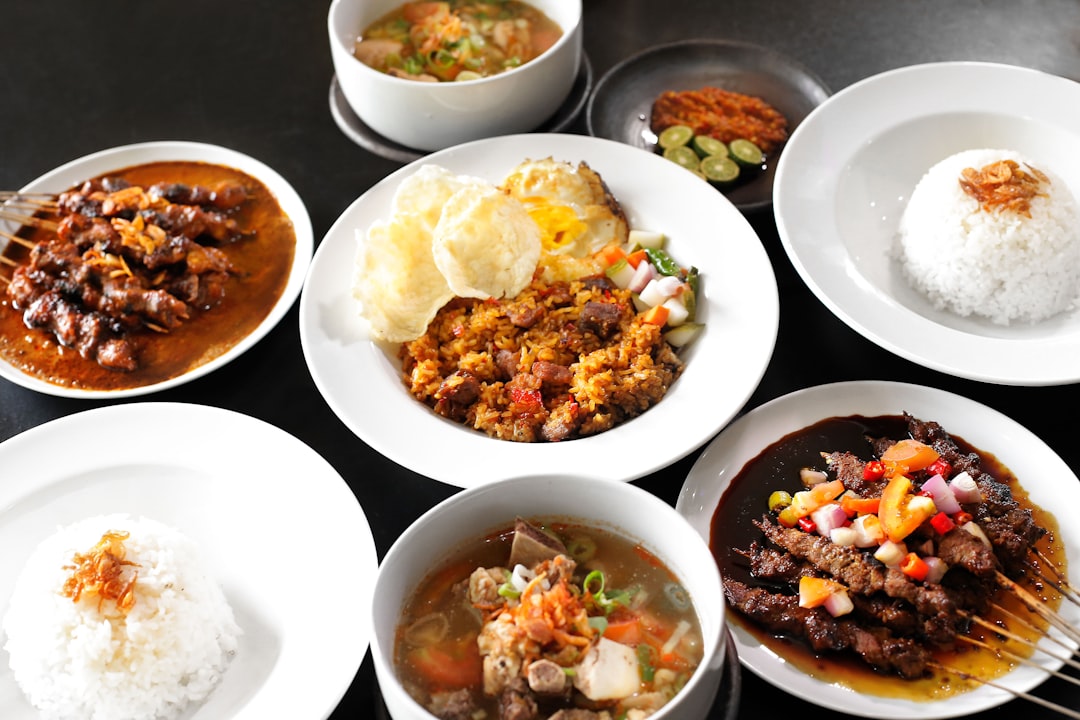
Why Banchan Is the Secret to Making Any Meal Feel Like a Korean Feast
Picture this: you sit down at a Korean restaurant, order a single entrée, and within minutes, your entire table is covered with small plates of colorful, flavorful side dishes you never even asked for. Spinach glistening with sesame oil. Crispy, tangy radish cubes. Silky braised tofu in a savory-sweet glaze. And of course, that iconic jar of kimchi that ties everything together. This spread of complimentary sides is called banchan (반찬), and it’s one of the most beautiful — and most misunderstood — traditions in Korean cuisine.
Here’s a surprising fact: the average Korean household rotates through 50 to 80 different banchan recipes throughout the year. Yet most Western home cooks can barely name three. That gap represents a massive opportunity for anyone looking to level up their cooking game — and the good news is that many of these dishes are shockingly simple to prepare.
If you’ve been searching for easy Korean banchan recipes for beginners, you’re in exactly the right place. This guide breaks down the most approachable, crowd-pleasing banchan dishes, compares them side by side, and gives you a practical roadmap to building your own banchan spread at home — even if you’ve never cooked Korean food before. Whether you’re meal-prepping for the week or impressing guests at a dinner party, banchan is your secret weapon. Let’s dig in.
What Exactly Is Banchan? Understanding Korean Side Dish Culture

The Philosophy Behind the Small Plates
Banchan isn’t just food — it’s a philosophy of balance. Rooted in the Korean concept of obangsaek (오방색), traditional Korean meals aim to incorporate five colors — white, black, green, red, and yellow — representing the five elements of nature. Each banchan dish contributes a different flavor profile, texture, and nutritional benefit to the table, creating a harmonious whole.
In Korean dining culture, banchan is always shared communally and placed in the center of the table. There’s no “your plate” or “my plate” when it comes to sides. Everyone picks from the same small dishes with their chopsticks, which reinforces the Korean cultural value of jeong (정) — a deep sense of communal affection and togetherness.
Historically, the number of banchan served reflected social status. Royal court meals during the Joseon Dynasty featured up to 12 different banchan dishes, while commoners might have three to five. Today, even a casual home meal typically includes at least three to four banchan alongside rice and soup — what Koreans call a 3-cheop bansang (3첩 반상).
The Five Flavor Categories of Banchan
Understanding banchan becomes much easier when you realize that every dish falls into one of five broad categories based on preparation method. Mastering even one dish from each category gives you a complete, balanced spread.
- Namul (나물) — Seasoned vegetables, usually blanched or stir-fried. Examples: spinach namul, bean sprout namul, fernbrake (gosari).
- Bokkeum (볶음) — Stir-fried dishes, often with a sweet-savory glaze. Examples: stir-fried fishcakes, spicy dried squid, anchovy stir-fry.
- Jorim (조림) — Braised or simmered dishes in a seasoned sauce. Examples: soy-braised eggs, braised tofu, braised potatoes.
- Jeon (전) — Pan-fried fritters or pancakes. Examples: zucchini jeon, kimchi pancakes, seafood pajeon.
- Jeotgal/Kimchi (젓갈/김치) — Fermented or pickled dishes. Examples: napa cabbage kimchi, radish kimchi, pickled garlic.
When you’re planning easy Korean banchan recipes for beginners, aim for at least one namul, one jorim, and one kimchi or pickled item. That trio alone creates a satisfying variety of flavors and textures. Explore traditional Korean food culture
The 8 Best Easy Korean Banchan Recipes for Beginners (Compared)
Not all banchan are created equal when it comes to beginner-friendliness. Some require fermentation time, specialty ingredients, or techniques that take years to master. Others can be made in 10 minutes with pantry staples. Here’s a side-by-side comparison of the eight most approachable banchan for first-time Korean cooks.
| Banchan Dish | Prep Time | Difficulty (1-5) | Shelf Life | Category |
|---|---|---|---|---|
| Sigeumchi Namul (spinach) | 10 min | ⭐ 1 | 3 days | Namul |
| Kongnamul (bean sprouts) | 12 min | ⭐ 1 | 4 days | Namul |
| Gyeran Jorim (braised eggs) | 20 min | ⭐ 1 | 5 days | Jorim |
| Dubu Jorim (braised tofu) | 20 min | ⭐ 2 | 3 days | Jorim |
| Oi Muchim (cucumber salad) | 10 min | ⭐ 1 | 2 days | Muchim |
| Gamja Jorim (braised potatoes) | 25 min | ⭐ 2 | 5 days | Jorim |
| Myeolchi Bokkeum (stir-fried anchovies) | 15 min | ⭐ 2 | 2 weeks | Bokkeum |
| Musaengchae (radish salad) | 15 min | ⭐ 2 | 3 days | Muchim |
As you can see, most of these easy Korean banchan recipes for beginners take less than 20 minutes and require no special skills. Let’s break each one down with step-by-step guidance.
Top 4 Beginner Banchan: Step-by-Step Breakdowns

1. Sigeumchi Namul (Seasoned Spinach) — The Universal Starter
If you make only one banchan in your life, make this one. Sigeumchi namul appears on virtually every Korean table, from school cafeterias to Michelin-starred restaurants. It’s clean, nutty, and vibrant green — and it takes about 10 minutes from start to finish.
What you need: 1 bunch fresh spinach (about 10 oz), 1 tablespoon toasted sesame oil, 1 teaspoon minced garlic, 1 teaspoon soy sauce, a pinch of salt, and a sprinkle of toasted sesame seeds. That’s it — five ingredients, all available at any grocery store.
The method:
- Bring a large pot of water to a rolling boil. Add the whole spinach bunch and blanch for exactly 30 to 45 seconds — no longer, or it’ll turn mushy.
- Transfer immediately to an ice bath. This step is critical: it stops the cooking and locks in that bright green color.
- Squeeze out all excess water firmly with your hands. This is the most important step — watery namul tastes bland.
- Toss with sesame oil, garlic, soy sauce, and salt. Finish with sesame seeds.
Pro tip: Korean home cooks often add a tiny splash of guk-ganjang (soup soy sauce) instead of regular soy sauce. It’s lighter in color and saltier, which keeps the spinach looking vivid. You can find it at H-Mart for about $3 to $4 per bottle. 7 Healthy Korean Foods for Weight Loss in 2026
2. Gyeran Jorim (Soy-Braised Eggs) — The Crowd Pleaser
Think of these as Korean marinated eggs — but easier and more forgiving than the Japanese ramen egg. The eggs are hard-boiled (so no worrying about soft-boiled timing), then simmered gently in a sweet-savory soy sauce mixture until they turn a gorgeous caramel brown.
What you need: 6 large eggs, ⅓ cup soy sauce, ⅓ cup water, 2 tablespoons sugar (or 1 tablespoon honey), 1 tablespoon rice wine (mirin works too), 1 teaspoon minced garlic, and optionally 1 or 2 dried chili peppers for a subtle kick.
The method:
- Hard-boil the eggs for 12 minutes, then peel under running cold water.
- Combine soy sauce, water, sugar, rice wine, and garlic in a small saucepan. Bring to a simmer.
- Add the peeled eggs and simmer on low heat for 15 minutes, turning occasionally so they color evenly.
- Let the eggs cool in the braising liquid — they’ll absorb more flavor as they sit.
Storage tip: These keep in the fridge for up to 5 days submerged in their braising liquid. They actually taste better on day two or three once the flavors have fully penetrated. Make a batch on Sunday and enjoy them all week — perfect for meal prep and packed lunches.
3. Kongnamul Muchim (Seasoned Bean Sprouts) — The Budget Champion
At roughly $1.50 per pound at H-Mart (or about $2.50 at Whole Foods), soybean sprouts are one of the most economical vegetables you can buy. And kongnamul is arguably the most popular banchan in all of Korea — it shows up in bibimbap, haejangguk (hangover soup), and as a standalone side at virtually every meal.
What you need: 12 oz soybean sprouts (not mung bean — look for the ones with the large yellow heads), 1 tablespoon sesame oil, 1 teaspoon soy sauce, 1 teaspoon minced garlic, ½ teaspoon salt, sliced scallions, and sesame seeds.
The method:
- Rinse the sprouts thoroughly. Do not remove the tails — they contain nutrients and add texture.
- Place in a pot with ½ cup of water. Cover with a lid and bring to a boil. Do not open the lid during cooking (this is a Korean cooking rule — opening the lid releases a raw, beany smell).
- Boil covered for 8 minutes, then drain.
- Season while still warm with sesame oil, soy sauce, garlic, salt, scallions, and sesame seeds.
Spicy variation: Add 1 teaspoon of gochugaru (Korean red pepper flakes) for a spicy version. This variation is especially popular in the southern Jeolla province of Korea.
4. Oi Muchim (Spicy Cucumber Salad) — The Refreshing Palate Cleanser
When your main dish is rich, heavy, or deeply savory — think Korean fried chicken, bulgogi, or samgyeopsal — you need something cold, crisp, and tangy to cut through the richness. That’s where oi muchim comes in. It’s essentially a quick-pickled cucumber salad with a spicy kick, and it comes together in under 10 minutes. Korean Fried Chicken Recipe: Crispy Secret Tips 2026
What you need: 2 Korean cucumbers (or 2 Persian cucumbers — never use English cucumbers, they’re too watery), 1 tablespoon gochugaru, 1 tablespoon rice vinegar, 1 teaspoon sugar, 1 teaspoon sesame oil, 1 teaspoon minced garlic, ½ teaspoon fish sauce, and sesame seeds.
The method:
- Slice cucumbers into ¼-inch rounds or smash them lightly for a rustic texture (the smashing method lets them absorb more seasoning).
- Sprinkle with ½ teaspoon salt and let sit for 5 minutes, then squeeze out excess moisture.
- Toss with all remaining seasonings. Taste and adjust — you want a balance of spicy, tangy, and slightly sweet.
Important note: This banchan is best eaten within a few hours of preparation. Cucumbers release water over time, which dilutes the seasoning. If you’re meal prepping, keep the seasoning separate and toss just before serving.
4 More Banchan to Level Up Your Spread
5. Dubu Jorim (Braised Tofu) — Protein-Rich and Satisfying
Dubu jorim transforms a $2 block of firm tofu into something deeply flavorful and almost meaty in its satisfaction. The key is getting a proper golden crust on each slice before braising it in a spicy-sweet soy sauce.
Start by pressing and slicing firm tofu into ½-inch thick rectangles. Pan-fry them in a thin layer of vegetable oil until golden on both sides — about 3 minutes per side. Then simmer them in a sauce of soy sauce, gochugaru, minced garlic, sliced scallions, sesame oil, and a touch of sugar for 8 to 10 minutes.
The braising liquid reduces into a glossy, clingy sauce that coats each piece beautifully. It’s a protein-packed banchan that works wonderfully for vegetarian and vegan meal prep. At only about 90 calories per serving, it’s also one of the most diet-friendly options. 7 Healthy Korean Foods for Weight Loss in 2026
6. Gamja Jorim (Soy-Braised Potatoes) — Sweet, Savory, Addictive
If you need a banchan that kids will actually eat, this is it. Gamja jorim features baby potatoes (or cubed Yukon Golds) braised in a sweet soy glaze until tender and slightly sticky. The flavor profile is reminiscent of teriyaki but more nuanced, with a subtle sweetness from corn syrup or honey.
Cut potatoes into bite-sized pieces (about 1-inch cubes) and simmer in a mixture of soy sauce, water, sugar, rice wine, and garlic for roughly 20 minutes until the liquid reduces to a thick glaze. Toss with sesame seeds and a drizzle of sesame oil before serving. The potatoes should be soft enough to break apart easily with chopsticks but firm enough to hold their shape.
Variation: Many Korean families add sliced onion to the pot, which caramelizes beautifully in the braising liquid and adds natural sweetness. Some also toss in a handful of dried red peppers for color and mild heat.
7. Myeolchi Bokkeum (Sweet & Crispy Stir-Fried Anchovies)
This is the banchan that converts anchovy skeptics. Unlike the salty, fishy anchovies from Western cans, Korean dried anchovies (myeolchi) are small, mild, and incredibly crispy when stir-fried. When coated in a sweet soy glaze with roasted peanuts or almonds, they become a crunchy, addictive snack that’s loaded with calcium.
Look for the small-sized dried anchovies (about 1 to 2 inches long) at H-Mart — they’re sold in large bags for $5 to $8 and last for months in the freezer. Stir-fry them in a dry pan until crispy, then add a sauce of soy sauce, honey (or corn syrup), and minced garlic. Toss until glazed and finish with sesame seeds. The whole process takes 15 minutes.
Storage superstar: This is one of the few banchan that lasts up to 2 weeks refrigerated, making it ideal for batch cooking.
8. Musaengchae (Spicy Korean Radish Salad)
This vibrant, fire-engine-red salad is made with julienned Korean radish (mu) tossed in gochugaru, rice vinegar, sugar, and fish sauce. It’s crunchy, tangy, sweet, and spicy all at once — the perfect counterbalance to rich grilled meats.
The key is cutting the radish into matchstick-thin strips and lightly salting them to draw out moisture before seasoning. If you can’t find Korean radish (the large, cylindrical green-topped variety), daikon radish is an acceptable substitute, though it’s slightly milder and more watery.
Musaengchae is the banchan you’ll find alongside every Korean BBQ spread — it’s that essential. Once you taste the combination of smoky grilled pork belly wrapped in lettuce with a small pile of musaengchae on top, you’ll understand why. Find detailed Korean radish recipes on Maangchi
Essential Ingredients: Your Korean Banchan Pantry Checklist

One reason easy Korean banchan recipes for beginners are so approachable is that they share a core set of pantry staples. Stock these items once, and you’ll be able to make dozens of different banchan for months.
The Non-Negotiable Six
- Toasted sesame oil — The backbone of Korean seasoning. Buy the Korean brand Kadoya or CJ Beksul at H-Mart ($6 to $9 per bottle). A little goes a long way.
- Soy sauce — Regular Korean soy sauce (jin-ganjang) for braising; lighter soup soy sauce (guk-ganjang) for namul and soups.
- Gochugaru (Korean red pepper flakes) — Completely different from crushed red pepper. It’s smoky, slightly sweet, and moderately spicy. A 1-pound bag at H-Mart costs $8 to $12 and lasts months. Store in the freezer to preserve freshness.
- Toasted sesame seeds — Used as a finishing garnish on nearly everything. Pre-toasted bags are available at any Asian grocery.
- Garlic — Koreans use a lot of garlic. Pre-minced jars from Whole Foods work fine, but freshly minced is always better.
- Rice vinegar — Milder and sweeter than white vinegar, essential for any muchim (seasoned salad) dishes.
The Helpful Extras
- Fish sauce — Adds deep umami. Thai fish sauce (available at any grocery store) works perfectly.
- Rice wine (mirin or cheongju) — Adds subtle sweetness to braised dishes.
- Gochujang (fermented red pepper paste) — Used in bibimbap sauce, tteokbokki, and some banchan dressings.
- Doenjang (fermented soybean paste) — Korea’s miso equivalent. Essential for doenjang-jjigae but also used in some banchan.
- Corn syrup or honey — Korean recipes often use mulyeot (corn syrup) for glazing banchan. Regular honey works as a substitute.
Budget tip: A complete Korean pantry setup at H-Mart costs approximately $30 to $45 and will supply you with enough ingredients to make banchan for 3 to 6 months. Compare that to ordering banchan at a restaurant — where a single side dish can cost $5 to $8 — and the savings are enormous.
Can’t find H-Mart? Amazon carries nearly every Korean pantry staple with Prime delivery. Whole Foods and Trader Joe’s stock sesame oil, soy sauce, and rice vinegar. For specialty items like gochugaru and guk-ganjang, online Korean grocery stores like Weee! and Hmart.com offer nationwide shipping.
Meal Prep Strategy: Building a Weekly Banchan Rotation
The Sunday Banchan Prep Session
Korean home cooks don’t make banchan from scratch at every meal — that would be exhausting. Instead, most Korean households dedicate one or two hours per week to preparing a rotation of banchan that gets stored in the fridge and served throughout the week. This is called milchan (밑찬), or “base side dishes.”
Here’s a practical 60-minute Sunday banchan prep plan that yields enough sides for the entire week:
- Minutes 0 to 5: Start boiling eggs for gyeran jorim and water for spinach namul simultaneously.
- Minutes 5 to 15: While eggs boil, blanch and season the spinach namul. Set aside. Boil bean sprouts (covered, don’t peek).
- Minutes 15 to 25: Peel eggs and start the braising liquid. Season bean sprouts. Slice and salt cucumbers for oi muchim.
- Minutes 25 to 40: Pan-fry tofu for dubu jorim. Add braising sauce. Meanwhile, stir-fry dried anchovies with glaze.
- Minutes 40 to 55: Start gamja jorim (potatoes need the longest simmer time). Finish cucumber salad. Pack everything into containers.
- Minutes 55 to 60: Check potatoes, adjust seasoning, clean up. Done.
Invest in a set of small, airtight glass containers (the rectangular ones from Glasslock or Pyrex work great). Korean-style banchan containers with colored lids are available at H-Mart for about $12 to $15 for a set of 6. Label each container with the day you made it.
Shelf Life Cheat Sheet
| Banchan | Refrigerator Life | Freezer-Friendly? |
|---|---|---|
| Spinach Namul | 3 days | No |
| Bean Sprout Namul | 3–4 days | No |
| Braised Eggs | 5 days | No |
| Braised Tofu | 3 days | Yes (texture changes) |
| Cucumber Salad | 1–2 days | No |
| Braised Potatoes | 5 days | Yes |
| Stir-Fried Anchovies | 2 weeks | Yes |
| Radish Salad | 3 days | No |
Common Mistakes Beginners Make (and How to Avoid Them)

Even the simplest easy Korean banchan recipes for beginners can go wrong if you make these common errors. Here are the pitfalls I see most often — and how to dodge them.
Mistake #1: Not Squeezing Enough Water Out
This is the number one beginner error, especially with namul dishes. When you blanch spinach, bean sprouts, or any vegetable, it retains a lot of water. If you don’t squeeze it out thoroughly, your seasoning gets diluted and you end up with a watery, bland dish. Use both hands and really wring the vegetables out like a wet towel. You should be able to squeeze out a surprising amount of liquid.
Mistake #2: Using the Wrong Type of Soy Sauce
Korean cooking uses multiple types of soy sauce for different purposes. Regular soy sauce (jin-ganjang) is fine for braised dishes. But for delicate namul, soup soy sauce (guk-ganjang) is preferred because it’s lighter in color and doesn’t darken the vegetables. Using dark soy sauce (a Chinese variety) will make your banchan look muddy and taste overly sweet.
Mistake #3: Substituting Crushed Red Pepper for Gochugaru
Italian crushed red pepper and Korean gochugaru are completely different products. Gochugaru is sun-dried, slightly sweet, fruity, and moderately spicy. Crushed red pepper is sharp, aggressively hot, and one-dimensional. There is no substitute — if you want authentic banchan flavor, you need gochugaru. Period.
Mistake #4: Overcooking Vegetables
Korean banchan vegetables should be slightly al dente — tender but with a bit of bite. Overcooked spinach turns slimy. Overcooked bean sprouts lose their crunch. Time your blanching carefully and always use an ice bath to stop the cooking process immediately.
Mistake #5: Skipping the Sesame Oil
Sesame oil isn’t optional — it’s the defining flavor of Korean banchan. That warm, nutty aroma is what makes namul taste distinctly Korean rather than like a generic blanched vegetable. Always use toasted sesame oil (the dark amber kind), not the light, refined variety used for high-heat cooking.
Frequently Asked Questions About Korean Banchan
What does banchan mean and why is it served for free at Korean restaurants?
Banchan (반찬) literally translates to “side dishes” in Korean. They’re served complimentary at Korean restaurants because Korean dining culture views banchan as an integral part of the meal, not an add-on. The cost of banchan is factored into the price of the main dishes. It’s considered standard hospitality, and you can even ask for free refills (called ri-fil) on any banchan dish at most restaurants — that’s not rude, it’s expected.
How many banchan dishes should I serve at a home meal?
For a casual weeknight dinner, 3 to 4 banchan alongside rice and a soup or stew is perfectly standard. For a special occasion or when hosting guests, aim for 5 to 7 dishes. The traditional royal court standard was 12, but no modern household is expected to match that. Focus on variety: one namul, one protein-based dish, one fermented or pickled item, and one starchy side gives you great coverage.
Can I make banchan ahead of time? How long does it last?
Absolutely — in fact, banchan is designed for make-ahead cooking. Most banchan keeps well for 3 to 5 days refrigerated in airtight containers. Fermented dishes like kimchi last for weeks or even months. Stir-fried anchovies can last up to 2 weeks. The only banchan that should be made fresh are raw vegetable salads like oi muchim (cucumber salad), which get watery after a day. See the shelf life chart above for specific durations.
Are banchan dishes healthy? What about sodium content?
Korean banchan is generally very healthy — vegetable-heavy, low in calories, and rich in fiber, vitamins, and minerals. Fermented banchan like kimchi provides probiotics that support gut health. However, banchan does tend to be relatively high in sodium due to soy sauce and salt used in preparation. To reduce sodium, use low-sodium soy sauce, cut the salt by 25%, and increase sesame oil and vinegar to compensate for flavor. Most banchan servings are small (about 2 to 3 tablespoons), so the total sodium per serving is moderate. 7 Healthy Korean Foods for Weight Loss in 2026
Where can I buy Korean ingredients if there’s no Korean grocery store near me?
You have several great options. H-Mart is the largest Korean grocery chain in the US with over 90 locations and an online store (hmart.com) that ships nationwide. Weee! is an Asian grocery delivery app available in most major metro areas. Amazon carries major Korean brands like CJ, Ottogi, and Sempio with Prime shipping. Even Whole Foods and Trader Joe’s now stock basics like gochujang, sesame oil, and rice vinegar. For specialty items, the online retailer Maangchi Market curates Korean pantry essentials specifically for home cooks following Korean recipes.
Is banchan always spicy?
Not at all. While Korea is famous for spicy food, many banchan dishes contain zero spice. Spinach namul, braised eggs, braised potatoes, bean sprout namul (the non-spicy version), and seasoned zucchini are all completely mild. Even dishes that traditionally include gochugaru can be made without it. If you’re cooking for spice-sensitive eaters, focus on namul and jorim categories — they’re naturally mild and savory.
Related Posts You’ll Love
If you enjoyed this guide to easy Korean banchan recipes for beginners, check out these related articles for more Korean food inspiration:
- Korean Fried Chicken Recipe: Crispy Secret Tips 2026 — Master the art of the crunchiest KFC (Korean Fried Chicken) to serve alongside your banchan spread.
- 7 Healthy Korean Foods for Weight Loss in 2026 — Discover how Korean cuisine — especially banchan — can help you eat healthier without sacrificing flavor.
- DMZ Tour from Seoul Booking Tips: 2026 Complete Guide — Planning a trip to Korea? Don’t miss these travel tips for the ultimate cultural experience.
Suggested future articles:
- How to Make Kimchi at Home: Complete Fermentation Guide for Beginners
- Korean BBQ at Home: Equipment, Cuts, and Side Dishes Guide 2026
- 10 Essential Korean Sauces and Condiments Every Home Cook Needs
Start Your Banchan Journey Today
Here’s the truth that most people don’t realize until they try it: Korean banchan is some of the easiest, most rewarding cooking you’ll ever do. The ingredients are affordable. The techniques are simple. And the results — a colorful, vibrant spread of dishes that transforms an ordinary bowl of rice into a complete, satisfying meal — are nothing short of magical.
You don’t need to make all eight dishes at once. Start with just one or two — I’d recommend spinach namul and braised eggs as your first combo. Spend 30 minutes on a Sunday afternoon, and you’ll have enough banchan to brighten every meal for the next few days. Once you’ve got those down, add a new dish each week. Before you know it, you’ll have a full rotation of 6 to 8 banchan that you can make with your eyes closed.
The best part? Every banchan you make at home is a dish you won’t need to order at a restaurant. At $5 to $8 per side at a Korean restaurant, a home banchan habit pays for itself almost immediately.
Now I want to hear from you: What’s your favorite banchan dish? Have you tried making any of these at home? Drop a comment below and share your experience — I’d love to hear about your banchan journey. And if you found this guide helpful, share it with a friend who’s been curious about Korean cooking. Let’s spread the banchan love!
For more Korean cooking techniques, recipes, and food culture deep dives, bookmark this page and check back weekly — we publish new Korean food guides every Tuesday and Friday. 7 Best Apps to Learn Korean for Beginners in 2026