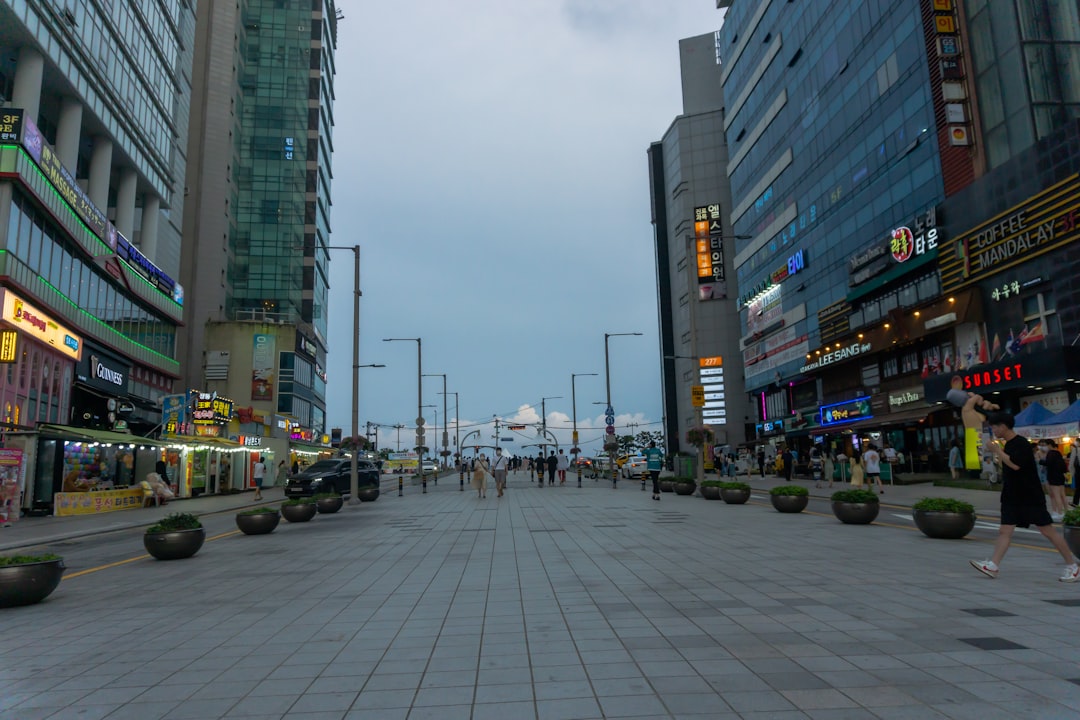
Why Busan Should Be Your Next Big Trip (And How to Plan the Perfect Busan Beach Street Food Itinerary)
I still remember stepping off the KTX train at Busan Station for the first time, the salty Pacific air hitting my face before I even left the platform. Within thirty minutes, I was standing barefoot on Haeundae Beach, watching surfers carve through surprisingly clean waves while grandmothers sold freshly grilled shellfish from tiny stalls behind me. That single afternoon — toes in the sand, a paper cup of hotteok in one hand, the Busan skyline glittering ahead — completely rewired my idea of what a beach city could be. Busan isn’t Cancún. It isn’t Barcelona. It’s something entirely its own: a place where ancient temples cling to coastal cliffs, where fish markets the size of airport terminals hum at 5 AM, and where a $3 street-food lunch can genuinely be the best meal of your week. If you’re building a Busan beach street food itinerary, you’re in for one of Asia’s most underrated travel experiences — and this guide will make sure you don’t miss a single bite or sunset.
Getting There: Flights, Trains, and First Steps in Busan

Flying Into South Korea
Most American travelers land at Incheon International Airport (ICN) near Seoul. Direct flights from LAX run about 12–13 hours, from JFK roughly 14 hours, and from SFO around 11.5 hours. Airlines like Korean Air, Asiana, Delta, and United operate nonstop routes, with round-trip fares typically ranging from $800–$1,400 depending on season. Pro tip: flying midweek in shoulder season (late March or mid-October) can save you $200–$400.
Alternatively, you can fly directly into Gimhae International Airport (PUS) in Busan. A few carriers offer connections through Tokyo Narita or Osaka Kansai, and budget airlines like Jin Air and T’way Air connect domestically from Gimpo Airport in Seoul for as little as $50–$80 one way.
Visa and Entry Requirements for US Citizens
US passport holders enjoy visa-free entry for stays up to 90 days. You will need a K-ETA (Korea Electronic Travel Authorization), which costs about $10 and should be applied for at least 72 hours before departure. The process is straightforward — fill out the online form, upload a passport photo, and you’ll typically receive approval within 24 hours. Note: K-ETA policies can change, so always verify on the official site before travel.
Seoul to Busan by KTX
The KTX (Korea Train Express) is the most popular way to get from Seoul to Busan. The journey takes just 2 hours and 30 minutes from Seoul Station to Busan Station, covering 325 km at speeds up to 305 km/h. Tickets cost around $45–$55 one way in standard class. Book through the KORAIL app or website — seats sell out on weekends and holidays, so reserve 2–3 days ahead.
If you’re on a tighter budget, the SRT (Super Rapid Train) departs from Suseo Station in southern Seoul and is often $3–$5 cheaper. Express buses from Seoul’s Express Bus Terminal take about 4.5 hours and cost around $25–$30.
Once in Busan, grab a T-money card at any convenience store (CU, GS25, 7-Eleven) for $3. Load it with ₩20,000–₩30,000 ($15–$22) and you’re set for subway rides (₩1,400/$1 per trip), buses, and even some taxi payments. Download Naver Map — it’s far more accurate than Google Maps in Korea — and Papago for real-time translation.
Plan your train journey on the official KORAIL websiteBusan’s Best Beaches: Sun, Surf, and Stunning Views
Haeundae Beach — The Icon
Haeundae Beach is Busan’s flagship, a 1.5-km crescent of fine sand backed by a wall of luxury hotels and seafood restaurants. During summer (July–August), this beach draws over 10 million visitors, making it one of the most visited beaches in all of Asia. The water is clean, lifeguards are on duty, and public shower facilities are free.
Beyond sunbathing, Haeundae is a destination in itself. Walk the Haeundae Blueline Park sky capsule ($7–$9) — a beachside monorail with glass-bottomed cabins — for Instagram-worthy aerial views. At night, the Haeundae Traditional Market lights up with sizzling seafood stalls and K-pop buskers. If you’re visiting in June, the Busan International Film Festival’s summer preview events often pop up along the beachfront.
Getting there: Subway Line 2 to Haeundae Station, Exit 5, then a 10-minute walk. Free entry, open 24 hours year-round.
Gwangalli Beach — The Nightlife Spot
If Haeundae is Busan’s Waikiki, Gwangalli Beach is its Santa Monica. This 1.4-km beach faces the spectacular Gwangan Bridge (also called the Diamond Bridge), which lights up in a rainbow of LED colors after sunset. The atmosphere here is younger, more laid-back, and more local.
The beach promenade is lined with craft beer bars, rooftop cafés, and live-music venues. Grab a ₩7,000 ($5) craft IPA from one of the beachside pubs and watch the bridge light show — it runs nightly and is completely free. During the Gwangalli Eobang Festival (typically May), there are fireworks, drone shows, and traditional fishing demonstrations.
Getting there: Subway Line 2 to Gwangan Station, Exit 3 or 5. Five-minute walk to the sand.
Songjeong Beach — The Local’s Secret
Just two stops past Haeundae on the Donghae Line, Songjeong Beach is where Busan’s surfers go. The waves here are gentler and more consistent than Haeundae, making it perfect for beginners. Surfboard rentals start at around $15–$20 for two hours, and group lessons run $30–$40. The surrounding neighborhood is full of cute indie cafés and has a distinctly bohemian vibe — think Busan’s answer to Venice Beach, minus the crowds.
Getting there: Donghae Line to Songjeong Station, 5-minute walk.
suggested topic: Best Surfing Spots in South Korea for BeginnersThe Ultimate Busan Street Food Guide: What to Eat and Where

Let me be direct: Busan has some of the best street food in the world. The city’s coastal location means seafood is absurdly fresh, and the local food culture prizes bold flavors, generous portions, and rock-bottom prices. Building a proper Busan beach street food itinerary means knowing exactly where to eat and what to order.
BIFF Square (Busan International Film Festival Street)
This is ground zero for Busan street food. Located in the Nampo-dong district near Jagalchi Market, BIFF Square is a pedestrian food alley with dozens of vendors. The must-try items:
- Ssiat Hotteok (seed-filled sweet pancakes) — ₩2,000/$1.50. Busan’s version is stuffed with sunflower seeds, pumpkin seeds, and brown sugar. The line at the famous stall near the BIFF sign is always 20+ people deep, and it’s worth every minute.
- Eomuk (fish cake skewers) — ₩1,000/$0.75 each. Busan is the fish cake capital of Korea, and these are nothing like the rubbery things you might imagine. They’re bouncy, flavorful, and served in a hot anchovy broth you can sip for free.
- Tteokbokki (spicy rice cakes) — ₩3,000–₩4,000/$2–$3. Chewy rice cakes in a fiery gochujang sauce. Busan-style tends to be slightly sweeter than Seoul’s version.
- Tornado Potato — ₩3,000/$2. A whole potato spiraled on a stick, deep-fried, and dusted with cheese or barbecue seasoning.
Getting there: Subway Line 1 to Jagalchi Station, Exit 7.
Best Korean Convenience Store Snacks to Try in 2026Jagalchi Fish Market — The Freshest Seafood You’ll Ever Eat
Jagalchi Market is the largest seafood market in all of South Korea, and walking through it is a full sensory experience. The ground floor is a wet market where vendors display live octopus, king crab, abalone, sea squirt, and fish species you’ve probably never seen. The second floor is a sit-down restaurant area where you can have your purchases cooked on the spot.
Here’s how it works: browse the first-floor stalls, pick your seafood, negotiate the price (expect to pay $20–$40 per person for a generous seafood spread), and then take it upstairs. The restaurant charges a small cooking fee (₩5,000–₩10,000/$4–$7 per person) and adds banchan (side dishes) and rice.
Must-try experiences:
- Sannakji (live octopus) — tentacles still wriggling on the plate. Dip in sesame oil. Chew thoroughly. ($8–$12)
- Grilled shellfish platter — clams, scallops, and abalone grilled tableside ($15–$25)
- Raw fish platter (hoe) — sliced sashimi-style, served with ssamjang and perilla leaves ($15–$30)
Hours: 5 AM – 10 PM daily (some stalls close Tuesdays). Go early morning for the best selection and fewest tourists.
Jagalchi Market information on Visit KoreaGukje Market and Beyond
Right next to BIFF Square, Gukje (International) Market is one of Korea’s largest traditional markets, dating back to the Korean War era. While it’s primarily a goods market (clothing, kitchenware, souvenirs), the food stalls tucked inside are exceptional. Try bibim dangmyeon (spicy glass noodles, ₩5,000/$3.50), kalguksu (hand-cut knife noodles in anchovy broth, ₩6,000/$4.50), and bindaetteok (mung bean pancakes, ₩4,000/$3).
For a sit-down meal in the market area, the dwaeji gukbap (pork soup rice) restaurants along “Dwaeji Gukbap Street” near Busan Station serve Busan’s signature comfort dish — a milky pork bone soup with rice and sliced pork for just ₩8,000/$6. It’s hearty, restorative, and open 24 hours at most spots.
Korean BBQ at Home for Beginners: Complete Guide 2026Cultural Gems: Temples, Villages, and History
Gamcheon Culture Village — Busan’s “Machu Picchu”
Gamcheon Culture Village is a hillside community of pastel-painted houses, murals, galleries, and quirky art installations. Originally built as housing for Korean War refugees in the 1950s, it was transformed into an open-air art village in 2009. Think of it as Busan’s answer to Lisbon’s Alfama or Valparaíso’s cerros — except with K-pop photo ops and ₩2,000 stamp-collecting maps that guide you through the alleyways.
The village takes 2–3 hours to explore. Wear comfortable shoes — it’s steep. Grab a star-shaped waffle or sweet potato latte from one of the tiny cafés. Entrance is free, though the stamp map costs ₩2,000 ($1.50) and is totally worth it.
Getting there: Subway Line 1 to Toseong Station, Exit 6, then local bus 1-1, 2, or 2-2 (5 minutes). Or take a taxi for about $3–$4.
Haedong Yonggungsa Temple
Most Korean temples sit in mountains. Haedong Yonggungsa sits on a cliff directly above the ocean, and the effect is staggering. Built in 1376, this Buddhist temple features a golden Buddha statue overlooking the sea, a stone lantern pagoda, and a staircase of 108 steps (representing the 108 worldly desires in Buddhism).
Visit at sunrise for the most magical experience — the light hitting the golden statue as waves crash below is genuinely unforgettable. The temple is free to enter and open from 5 AM to sunset. Expect crowds by mid-morning, especially on weekends.
Getting there: Bus 181 from Haeundae or taxi (~$8 from Haeundae Beach). No direct subway access.
Cultural etiquette tip: Remove your shoes before entering any temple buildings. Dress modestly — shoulders and knees should be covered. Bow slightly when greeting monks. Photography is usually fine outdoors but prohibited inside prayer halls.
Beomeosa Temple
For a more traditional, mountain-temple experience, Beomeosa Temple on the slopes of Geumjeongsan Mountain is Busan’s most important Buddhist temple, founded in 678 AD. It’s quieter, greener, and more meditative than Yonggungsa. The surrounding forest is beautiful year-round but absolutely spectacular during cherry blossom season (late March–early April) and autumn foliage (late October–mid-November).
Beomeosa also offers temple stay programs where you sleep in the temple, eat Buddhist vegetarian meals, and participate in meditation and tea ceremonies. Programs run from $30–$70 per night.
Getting there: Subway Line 1 to Beomeosa Station, Exit 5, then bus 90 (10 minutes to the temple entrance).
suggested topic: Temple Stay in Korea: A Complete Guide for ForeignersBuilding Your Busan Beach Street Food Itinerary: Day-by-Day

Here’s a sample 4-day Busan beach street food itinerary that balances relaxation, culture, and eating your way through the city. Adjust based on your pace and interests.
Day 1: Haeundae and the Coast
- Morning: Arrive in Busan. Check into your hotel near Haeundae (budget: $40–$60/night at a guesthouse, $100–$180 at a beachfront hotel). Walk Haeundae Beach.
- Lunch: Raw fish at one of the beachside hoe restaurants ($12–$18 per person).
- Afternoon: Ride the Blueline Park sky capsule ($8) to Cheongsapo, a fishing village with dramatic cliffside views. Walk the Haeparang Trail coastal path.
- Evening: Sunset at Dongbaekseom Island (connected to Haeundae by a walking path). Dinner at Haeundae Traditional Market — try grilled eel and hotteok.
Day 2: Markets, Street Food, and Nampo-dong
- Morning: Jagalchi Fish Market for a seafood breakfast (yes, Koreans eat fish for breakfast). Live octopus and grilled shellfish.
- Late Morning: BIFF Square for ssiat hotteok and eomuk.
- Lunch: Dwaeji gukbap at one of the legendary spots near Busan Station ($6).
- Afternoon: Gamcheon Culture Village (2–3 hours). Gukje Market for souvenirs and more snacks.
- Evening: Gwangalli Beach for the Diamond Bridge light show. Craft beer and fried chicken on the boardwalk.
Day 3: Temples and Nature
- Sunrise: Haedong Yonggungsa Temple (arrive by 5:30 AM for best light).
- Morning: Breakfast at Songjeong Beach — try the surfer cafés.
- Afternoon: Beomeosa Temple and a short hike on Geumjeongsan Mountain. The Geumjeong Fortress Wall hike is a moderate 2–3 hour trail with panoramic city views.
- Evening: Seomyeon district for Korean BBQ dinner ($15–$25 per person) and bar-hopping in Busan’s busiest nightlife area.
Day 4: Hidden Gems and Departure
- Morning: Huinnyeoul Culture Village — a quieter, less touristy alternative to Gamcheon, perched on seaside cliffs in Yeongdo-gu.
- Lunch: Milmyeon (cold wheat noodles), Busan’s summer specialty, at a Nampo-dong restaurant ($5–$7).
- Afternoon: Last-minute shopping at Shinsegae Centum City — the world’s largest department store according to Guinness. Pick up K-beauty products for souvenirs.
- Evening: KTX back to Seoul or flight out from Gimhae Airport.
Budget Breakdown: What Busan Actually Costs
Busan is remarkably affordable by global standards. Here’s a realistic daily budget breakdown for an American traveler:
| Category | Budget ($) | Mid-Range ($) | Splurge ($) |
|---|---|---|---|
| Accommodation | $25–$40 (hostel/guesthouse) | $60–$120 (hotel) | $150–$300 (beachfront resort) |
| Meals (3/day) | $12–$18 (street food + markets) | $25–$40 (sit-down restaurants) | $50–$80 (fine dining + seafood) |
| Transport | $4–$6 (subway + bus) | $10–$15 (subway + occasional taxi) | $25–$40 (taxis + private transfers) |
| Activities | $0–$10 (free temples + beaches) | $15–$30 (sky capsule + markets) | $50–$100 (spa + tours) |
| Daily Total | $41–$74 | $110–$205 | $275–$520 |
Key savings tip: Convenience stores like CU and GS25 sell surprisingly excellent meals — kimbap rolls for $1.50, microwave bibimbap for $3, and triangle gimbap for $1. These aren’t sad gas-station food; Korean convenience stores are a genuine culinary experience.
Best Korean Convenience Store Snacks to Try in 2026Seasonal Guide: When to Visit Busan

Spring (March–May): Cherry Blossoms and Perfect Weather
Spring is arguably the best time to visit. Cherry blossoms bloom in late March through early April, and Busan’s coastline adds a unique ocean-meets-blossoms aesthetic you won’t find in Seoul. The best cherry blossom spots include Dalmaji Hill (behind Haeundae Beach), Samnak Ecological Park along the Nakdong River, and the road leading up to Beomeosa Temple. Temperatures hover around 55–68°F (13–20°C) — perfect for walking.
Summer (June–August): Beach Season (and Monsoon)
Summer is peak beach season and peak crowd season. Water temperatures reach a swimmable 72–77°F (22–25°C). The Busan Sea Festival in August brings concerts, water sports competitions, and fireworks. However, June and July bring monsoon season (jangma) with heavy rainfall — pack rain gear and expect some indoor days.
Autumn (September–November): Foliage and Festivals
Autumn foliage peaks in late October through mid-November, and Busan’s mountain-meets-ocean geography makes it one of the most beautiful places in Korea to see fall colors. Geumjeongsan Mountain above Beomeosa Temple is particularly stunning. The weather is crisp, clear, and dry — ideal for hiking and exploring. The Busan International Film Festival (BIFF) runs in early October and is Asia’s largest film festival, drawing international stars to Haeundae.
Winter (December–February): Quiet and Affordable
Winter in Busan is milder than Seoul, with temperatures rarely dropping below 30°F (-1°C). The beaches are empty, hotels are cheapest, and the seafood is at its peak freshness. This is the season for hot dwaeji gukbap, steaming fish cake soup at Jagalchi, and uncrowded temples. While Busan doesn’t have ski resorts, the slopes of Muju Deogyusan Resort are a 3-hour drive away.
Cultural Etiquette and Insider Tips
Essential Korean Etiquette for Travelers
- Two-handed giving and receiving: When paying, receiving change, or accepting anything from someone older, use both hands or support your right arm with your left hand. This is deeply ingrained Korean courtesy.
- Shoes off indoors: Always remove shoes when entering someone’s home, traditional restaurants (look for raised seating areas), and temple buildings. There’s usually a shoe rack or designated area.
- Drinking customs: If drinking soju or beer with Koreans, pour for others (never pour your own), receive with two hands, and turn slightly away from elders when drinking. It’s a sign of respect, not avoidance.
- Public transit courtesy: Yield priority seats (usually pink) to elderly passengers, pregnant women, and disabled persons. Talking on your phone on the subway is considered rude — text instead.
- Tipping: Don’t tip. Tipping is not customary in Korea and can even cause confusion. Service charges are included in restaurant prices. This alone can save American travelers significant money.
Pro Tips from a Repeat Busan Visitor
- Download these apps before you go: Naver Map (navigation — Google Maps doesn’t work well in Korea), Papago (translation, better than Google Translate for Korean), KakaoTalk (Korea’s WhatsApp — restaurants and businesses use it), and KORAIL (train bookings).
- Get a Korean SIM or eSIM: Pocket Wi-Fi rentals at Incheon Airport cost $4–$7/day. eSIMs from providers like Airalo or KT start at $5 for 1GB. Connectivity is essential for Naver Map.
- Learn basic Korean numbers: Food stalls often shout prices in Korean. Knowing 1–10 (hana, dul, set, net, daseot, yeoseot, ilgop, yeodeol, ahop, yeol) saves confusion.
- Visit jjimjilbangs (Korean spas): Busan has incredible jjimjilbangs like Spa Land in Shinsegae Centum City ($15–$20 entry). These are Korea’s answer to a day spa — hot tubs, saunas, sleeping rooms, and snack bars, all for the price of a movie ticket back home.
- The Busan City Tour Bus ($12/day pass) covers most major attractions in a hop-on-hop-off loop. It’s the most efficient option if you only have 1–2 days.
- Eat where Koreans eat: If a restaurant has a long line of locals and a handwritten menu, you’re in the right place. If it has an English menu with photos outside, you’re probably paying tourist prices.
- Cash is still useful: While Korea is increasingly cashless, many market stalls and street food vendors are cash-only. Withdraw won from ATMs at CU or GS25 convenience stores — they accept international cards with low fees.
Frequently Asked Questions About Visiting Busan
How many days do you need in Busan?
A minimum of 3 full days is ideal for covering beaches, street food markets, and the major cultural sites. If you want to include day trips (like Gyeongju, Korea’s ancient capital, just 1 hour away by train), plan for 4–5 days. For a complete Busan beach street food itinerary that doesn’t feel rushed, 4 days is the sweet spot.
Is Busan safe for solo travelers and women traveling alone?
South Korea is one of the safest countries in Asia for travelers. Busan is no exception. Violent crime against tourists is extremely rare, public transit runs late into the night, and well-lit streets and 24-hour convenience stores are everywhere. Solo female travelers consistently rank Korea among the safest destinations in the world. Common-sense precautions apply as anywhere, but safety should not be a barrier to your trip.
Can I get by in Busan with only English?
Busan is less English-friendly than Seoul, especially outside tourist hotspots. Younger Koreans (under 35) generally speak some English, and most restaurants in tourist areas have picture menus or English translations. Download Papago and Naver Map before you go — they’ll bridge 90% of language gaps. Learning a few Korean phrases (annyeonghaseyo for hello, kamsahamnida for thank you, eolmayeyo for how much) goes a very long way and is genuinely appreciated by locals.
What is the best area to stay in Busan?
Haeundae is the most popular area for tourists — close to the beach, well-connected by subway, and full of restaurants and nightlife. Seomyeon is the city center and transportation hub — more affordable, more local, and better for nightlife. Nampo-dong/Jagalchi is ideal if food markets are your top priority. Gwangalli is the best mix of beach vibes and bar scene without Haeundae’s premium prices.
Is the street food in Busan safe to eat?
Absolutely. South Korea has strict food safety standards and regular inspections, even for street vendors. The turnover at popular stalls is so high that everything is cooked fresh. In years of eating Busan street food, I’ve never had a single stomach issue. Stick to busy stalls with high turnover, and you’ll be fine. If you have food allergies, the Papago app can help you communicate them.
How do I get from Incheon Airport to Busan?
You have three options: (1) Take the Airport Railroad Express (AREX) from Incheon Airport to Seoul Station (43 minutes, $9), then transfer to the KTX to Busan (2.5 hours, $50). Total time: about 4 hours. (2) Fly directly from Incheon to Gimhae Airport on a domestic flight (1 hour, $50–$100). (3) Take a long-distance bus from the airport (about 5.5 hours, $30). The KTX option is the most popular and reliable.
Plan your visit on the official Visit Korea websiteRelated Posts You’ll Love
- Best Korean Convenience Store Snacks to Try in 2026
- Korean BBQ at Home for Beginners: Complete Guide 2026
- Korean Glass Skin Routine for Beginners: 7-Step Guide 2026
Suggested future articles:
- suggested topic: Seoul vs. Busan: Which Korean City Should You Visit First?
- suggested topic: Gyeongju Day Trip From Busan: Ancient Temples and Tombs
Start Planning Your Busan Beach Street Food Itinerary Today
Busan is the kind of city that rewires your expectations. You come for the beaches, stay for the street food, and leave planning your return trip before your plane even takes off. Whether you’re surfing at Songjeong, slurping live octopus at Jagalchi, or watching the Diamond Bridge light up from a Gwangalli rooftop, this city delivers experiences that are impossible to replicate anywhere else on earth.
Your turn: Have you been to Busan? What was the best thing you ate? Drop your favorite Busan street food memory in the comments below — I read and reply to every single one. If this guide helped you plan your trip, share it with a friend who needs a Busan beach street food itinerary in their life.
Got questions about planning your trip? Leave them in the comments or reach out — I’m always happy to help fellow Korea travelers figure out the details. And if you want more Korea travel and culture content, make sure to bookmark this site and check back regularly for new guides.
Safe travels, and see you in Busan! 🇰🇷