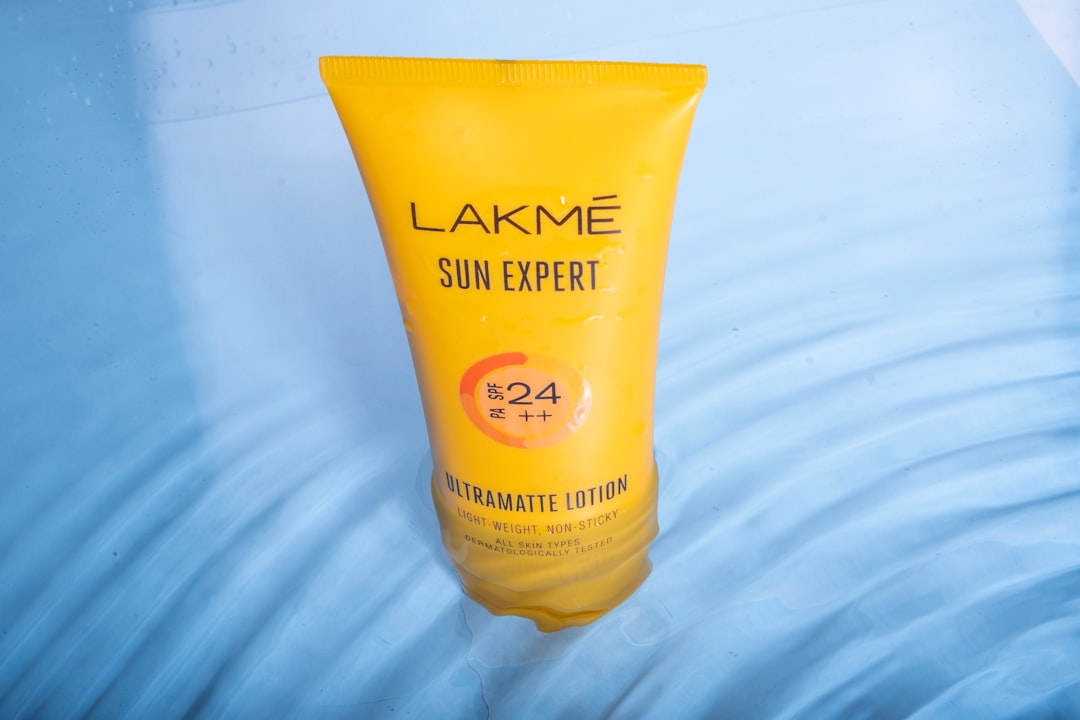
Why Korean Sunscreens Have Taken Over the Global Skincare Market
If you’ve ever slathered on a thick, chalky American sunscreen and immediately regretted every life choice that led you there, you’re not alone. For decades, Western sunscreens were synonymous with greasy white casts, pilled makeup, and that unmistakable “beach lifeguard” smell. Then Korean sunscreens arrived — and changed absolutely everything we thought we knew about sun protection.
Here’s a staggering number: the Korean sun care market surpassed $1.2 billion in 2025, driven largely by international demand. K-beauty brands have spent years perfecting lightweight, elegant UV formulas that feel like skincare — not punishment. And if you’ve been searching for the best Korean sunscreen for sensitive skin, you already know the options can feel overwhelming.
That’s exactly why we created this guide. Whether you have oily, acne-prone skin that breaks out at the mere suggestion of SPF, dry skin that craves moisture alongside protection, or reactive sensitive skin that flares up from fragrance and chemical filters — there is a Korean sunscreen engineered specifically for you. We tested, researched, and compared over 30 formulas to bring you this definitive comparison for 2026.
Let’s break down the best Korean sunscreens by skin type, ingredient analysis, texture, and real-world performance — so you can finally find your holy grail SPF. Best Korean Sunscreen for Oily Skin 2026: Top 7 Picks
Understanding Korean Sunscreen Filters: What Makes K-Beauty SPF Different

Before diving into product recommendations, it’s critical to understand why Korean sunscreens outperform many Western counterparts in both protection and cosmetic elegance. The difference starts at the molecular level — with the UV filters themselves.
Next-Generation UV Filters Approved in Korea
South Korea and the EU approve UV filters that the U.S. FDA has not yet cleared for use. This gives Korean brands access to ingredients like Tinosorb S (Bis-Ethylhexyloxyphenol Methoxyphenyl Triazine), Tinosorb M (Methylene Bis-Benzotriazolyl Tetramethylbutylphenol), and Uvinul A Plus (Diethylamino Hydroxybenzoyl Hexyl Benzoate).
These newer-generation filters offer broad-spectrum UVA1, UVA2, and UVB protection with significantly better photostability than older filters like Avobenzone. They also tend to be less irritating — which is exactly why the best Korean sunscreen for sensitive skin formulas rely heavily on these gentler chemical filters, or combine them with mineral filters for maximum tolerance.
PA++++ Rating System Explained
While American sunscreens only display an SPF number (measuring UVB protection), Korean sunscreens use the PA rating system to indicate UVA protection level:
- PA+ — Some UVA protection (PPD 2-4)
- PA++ — Moderate UVA protection (PPD 4-8)
- PA+++ — High UVA protection (PPD 8-16)
- PA++++ — Extremely high UVA protection (PPD 16+)
For daily wear, dermatologists recommend SPF 50+ PA++++ — and fortunately, most Korean sunscreens in this guide meet or exceed that standard. UVA rays are responsible for photoaging, hyperpigmentation, and collagen degradation, so this rating matters far more than many consumers realize.
Cosmetic Elegance: The Korean Advantage
Korean beauty philosophy treats sunscreen as the final step of skincare, not an afterthought. This means formulas are designed to layer seamlessly under makeup, absorb quickly, and often deliver additional skincare benefits like hydration, brightening, or pore-blurring. Many double as primers. Some replace moisturizer entirely. That “second skin” finish? It’s not marketing — it’s formulation science involving silicone elastomers, lightweight emollients, and micro-encapsulated UV filters.
Allure’s Best Korean Beauty Products
Best Korean Sunscreens for Sensitive Skin: Gentle Protection Without Compromise
Finding the best Korean sunscreen for sensitive skin requires careful attention to ingredient lists. Fragrance, essential oils, alcohol denat, and certain chemical filters (especially Octocrylene and Oxybenzone) are common triggers for redness, stinging, and contact dermatitis. The formulas below have been selected specifically for their minimal irritation potential and dermatologist-tested credentials.
1. Round Lab Birch Juice Moisturizing Sun Cream SPF 50+ PA++++
Price: ~$18–$22 (Amazon, Olive Young Global)
Round Lab’s Birch Juice line has become a cult favorite for reactive skin, and this sunscreen lives up to the hype. The star ingredient is Birch Sap (53%), a natural humectant with anti-inflammatory properties. The formula uses a hybrid filter system — combining Zinc Oxide with newer chemical filters — to minimize irritation while maintaining robust protection.
Key Ingredients:
- Birch Sap (53%) — Soothes and hydrates without heaviness
- Panthenol (Vitamin B5) — Strengthens skin barrier and reduces transepidermal water loss
- Zinc Oxide — Physical UV blocker, inherently gentle
- Centella Asiatica Extract — Calms redness and supports healing
Best for: Sensitive-dry skin, eczema-prone skin, post-procedure skin. No fragrance, no essential oils, no alcohol. If your skin reacts to everything, start here.
2. Isntree Hyaluronic Acid Watery Sun Gel SPF 50+ PA++++
Price: ~$15–$19 (Amazon, Sephora online)
Isntree has built its reputation on clean, no-nonsense formulations, and this watery sun gel is a masterclass in simplicity. With 50% Hyaluronic Acid complex and zero fragrance, it’s one of the most universally tolerated sunscreens on the market.
Key Ingredients:
- 8 types of Hyaluronic Acid — Multi-weight hydration system penetrating different skin layers
- Niacinamide — Brightens and strengthens barrier
- Allantoin — Calms irritation and promotes cell renewal
The texture is genuinely watery — it spreads like a lightweight serum and dries down to a dewy, transparent finish with zero white cast. This makes it an excellent choice for the best Korean sunscreen for sensitive skin that also works beautifully under makeup.
3. Benton Air Fit UV Defense Sun Cream SPF 50+ PA++++
Price: ~$16–$20 (Amazon, iHerb)
Benton has always been a brand that sensitive-skin users trust. This formula is free from 20 common irritants including fragrance, alcohol, parabens, sulfates, and synthetic dyes. The lightweight cream texture absorbs quickly without pilling.
Key Ingredients:
- Centella Asiatica Extract — Anti-inflammatory and redness-reducing
- Green Tea Extract — Antioxidant protection against free radical damage
- Squalane — Biomimetic moisturizer that supports barrier function
Best for: Sensitive-combination skin. The finish is semi-matte, making it versatile enough for those who don’t want excess shine but still need comfort.
Best Korean Sunscreens for Oily and Acne-Prone Skin: Matte, Lightweight, Non-Comedogenic

Oily skin and sunscreen have historically been enemies. Heavy formulas clog pores, trigger breakouts, and turn your face into an oil slick by noon. Korean brands solved this problem with water-based, oil-free, and sebum-controlling technologies that keep you matte for 8+ hours. Best Korean Sunscreen for Oily Skin 2026: Top 7 Picks
4. Beauty of Joseon Relief Sun: Rice + Probiotics SPF 50+ PA++++
Price: ~$10–$16 (Amazon, Ulta, Sephora)
This might be the most viral Korean sunscreen of all time — and it earned that status. At under $16, the Beauty of Joseon Relief Sun delivers SPF 50+ PA++++ protection in a formula that genuinely feels like a lightweight moisturizer. The combination of Rice Bran Extract and Grain Ferment Filtrate (probiotics) gives it a unique “skincare-first” approach.
Key Ingredients:
- Rice Bran Extract (30%) — Brightening, antioxidant-rich, controls excess sebum
- Grain Ferment Filtrate — Probiotic derivative that strengthens the skin microbiome
- Chemical UV filters (no mineral) — Zero white cast, completely transparent
Texture Notes: Slightly dewy on application but sets to a natural, skin-like finish within 2–3 minutes. It works brilliantly under foundation and BB cream. Some users with extremely oily T-zones may want to set with a light translucent powder for extra longevity.
5. SKIN1004 Madagascar Centella Hyalu-Cica Water-Fit Sun Serum SPF 50+ PA++++
Price: ~$14–$18 (Amazon, Olive Young Global)
If you want a sunscreen that literally feels like water, this is it. SKIN1004’s sun serum has the viscosity of a lightweight essence and absorbs in seconds. It’s formulated with Madagascar Centella Asiatica — sourced from the island’s high altitudes where the plant develops stronger active compounds.
Key Ingredients:
- Centella Asiatica (Titrated Extract) — Contains all four key centella compounds: Asiaticoside, Madecassoside, Asiatic Acid, Madecassic Acid
- Hyaluronic Acid — Lightweight hydration
- No alcohol, no fragrance — Makes it suitable for acne-prone AND sensitive skin simultaneously
Best for: Oily-sensitive combination. The watery texture means there is absolutely no pilling risk, even over complex layered routines. Perfect for humid Western climates where heavy sunscreens feel suffocating.
6. Missha All Around Safe Block Aqua Sun Gel SPF 50+ PA++++
Price: ~$10–$14 (Amazon, Ulta)
The budget champion. Missha’s Aqua Sun Gel has been a K-beauty staple for years and remains one of the best value-for-money sunscreens in the entire market. The gel texture is refreshing, oil-free, and dries down completely matte.
Best for: Oily skin on a budget. Contains a small amount of alcohol (for that quick-dry matte finish), so those seeking the best Korean sunscreen for sensitive skin with zero alcohol should look at options #1–3 instead.
Best Korean Sunscreens for Dry Skin: Hydrating SPF That Replaces Your Moisturizer
Dry skin in Western climates — especially during harsh winters in cities like Chicago, Boston, and Denver — needs sunscreen that adds moisture rather than stripping it. The following formulas are rich enough to double as day creams.
7. Laneige Hydro UV Defense SPF 50+ PA++++
Price: ~$27–$34 (Sephora, Ulta, Amazon)
Laneige’s Water Science technology shines in this sunscreen. The formula contains Blue Hyaluronic Acid, a proprietary compound that provides deep hydration while forming a protective moisture barrier. This is a true cream texture — rich but not greasy — that gives dry skin a plump, healthy glow.
Key Ingredients:
- Blue Hyaluronic Acid — Laneige’s proprietary ingredient for long-lasting hydration
- Glycerin + Squalane — Dual humectant-emollient system
- Sunflower Seed Oil — Rich in Vitamin E, nourishing for compromised barriers
Best for: Normal-to-dry and very dry skin types. The dewy finish is gorgeous on dry skin but may be too luminous for oily types. Available at Sephora and Ulta, making it one of the most accessible K-beauty sunscreens in the U.S.
8. Sulwhasoo UV Wise Brightening Multi Protector SPF 50+ PA++++
Price: ~$47–$56 (Sephora, Nordstrom)
For those willing to invest in luxury, Sulwhasoo’s UV Wise is a prestige-level sunscreen that delivers both UV protection and visible skin improvement. Infused with traditional Korean herbal medicine ingredients (Hanbang), it contains Ginseng Berry Extract and Plum Blossom Extract for brightening and anti-aging benefits.
Available in two shades — Creamy Glow (for dry skin) and Milky Tone (for a more matte finish) — this is sunscreen-meets-luxury-skincare at its finest. The Creamy Glow variant is particularly stunning on mature, dry skin that needs both protection and radiance.
Best Korean Sunscreens for Dark Skin Tones: Zero White Cast Guaranteed

White cast is more than a cosmetic inconvenience — it can make sunscreen completely unwearable for medium to deep skin tones, discouraging daily SPF use. Korean sunscreens have largely solved this problem through chemical filters and advanced encapsulation technology, but some formulas still leave an ashy residue. Here are the ones that truly deliver zero white cast.
9. Beauty of Joseon Relief Sun (Rice + Probiotics)
Yes, this one appears again — and for good reason. As a 100% chemical filter sunscreen with no Zinc Oxide or Titanium Dioxide, it is physically incapable of leaving a white cast. It applies completely transparently on every skin tone from fair to deep.
10. Krave Beauty Beet The Sun SPF 47 PA++++
Price: ~$20–$25 (kravebeauty.com, Sephora)
Founded by Korean-American beauty creator Liah Yoo, Krave Beauty was built with inclusivity in mind. Beet The Sun uses Beet Root Extract as its hero antioxidant and applies as a sheer, lightweight cream that adapts to every skin tone. The formula is also reef-safe and free from Oxybenzone and Octinoxate.
Best for: All skin tones, especially those who want a sunscreen with a clean beauty ethos and transparent finish. The SPF 47 is slightly lower than SPF 50, but the PA++++ rating ensures robust UVA protection.
Korean Sunscreen Comparison Table: Quick Reference Guide
Use this table to quickly compare all recommended sunscreens by key attributes:
| Product | SPF/PA | Best Skin Type | Finish | Price (USD) | White Cast |
|---|---|---|---|---|---|
| Round Lab Birch Juice Sun Cream | 50+ / PA++++ | Sensitive-Dry | Dewy | $18–$22 | Minimal |
| Isntree HA Watery Sun Gel | 50+ / PA++++ | Sensitive-All | Dewy | $15–$19 | None |
| Benton Air Fit UV Defense | 50+ / PA++++ | Sensitive-Combo | Semi-Matte | $16–$20 | None |
| Beauty of Joseon Relief Sun | 50+ / PA++++ | Oily / All Tones | Natural | $10–$16 | None |
| SKIN1004 Centella Sun Serum | 50+ / PA++++ | Oily-Sensitive | Watery | $14–$18 | None |
| Missha Aqua Sun Gel | 50+ / PA++++ | Oily | Matte | $10–$14 | None |
| Laneige Hydro UV Defense | 50+ / PA++++ | Dry | Dewy-Glow | $27–$34 | Minimal |
| Sulwhasoo UV Wise | 50+ / PA++++ | Dry / Mature | Luminous | $47–$56 | None |
| Krave Beet The Sun | 47 / PA++++ | All / Dark Tones | Natural | $20–$25 | None |
How to Apply Korean Sunscreen Correctly: The 2-Finger Rule and Reapplication

Even the best Korean sunscreen for sensitive skin won’t protect you if you’re not applying enough — and most people drastically under-apply. Here’s how to get the full SPF value from your product.
The 2-Finger Rule
Squeeze sunscreen along your index and middle fingers from the base to the tip. That’s approximately 1/4 teaspoon (1.25 ml) — the correct amount for your face alone. If you’re also covering your neck and ears, you’ll need a third finger’s worth.
Studies published in the British Journal of Dermatology found that most people apply only 25–50% of the recommended amount, which can reduce SPF 50 protection to an effective SPF of only 10–15. This is why reapplication matters so much.
When and How to Reapply
Reapply every 2 hours of cumulative sun exposure, or immediately after swimming, sweating, or towel-drying. For office workers who primarily face screen time and indirect light, a single morning application plus one midday touch-up is generally sufficient.
Pro tip for reapplication over makeup: Korean cushion sunscreen compacts (like the AHC Natural Perfection Double Shield Sun Stick) or SPF mist sprays allow you to reapply without disturbing foundation. Simply press or mist over your makeup.
- Cleanse your face in the morning with a gentle low-pH cleanser
- Apply toner and serum — let each layer absorb for 30–60 seconds
- Apply moisturizer (skip if your sunscreen is hydrating enough for your skin type)
- Wait 1 minute, then apply sunscreen using the 2-finger rule
- Wait 2–3 minutes before applying makeup to prevent pilling
- Reapply every 2 hours of sun exposure using a cushion compact or mist
Chemical vs. Physical Sunscreen: Which Sets Faster?
A common myth is that you must wait 15–30 minutes after applying chemical sunscreen before sun exposure. Recent research suggests this wait time is largely unnecessary — chemical filters begin absorbing UV radiation immediately upon application. However, waiting 2–3 minutes for the product to set and form an even film does improve performance and reduces transfer to clothing.
Physical (mineral) sunscreens containing Zinc Oxide or Titanium Dioxide work immediately upon application — they physically reflect UV rays. The Round Lab Birch Juice Sun Cream (#1 on our list) uses a hybrid approach, combining both for immediate and long-lasting protection.
Common Sunscreen Mistakes That Reduce Protection
You’d be surprised how many people invest in excellent sunscreen only to sabotage their own protection through simple application errors. Avoid these common pitfalls:
Mistake #1: Mixing Sunscreen With Moisturizer
Never mix sunscreen into your moisturizer. Diluting the formula reduces the concentration of UV filters per square centimeter of skin, effectively lowering your SPF. Always apply sunscreen as a separate, final skincare step before makeup.
Mistake #2: Skipping SPF on Cloudy Days
Up to 80% of UV radiation penetrates cloud cover. UVA rays (the aging rays) are present at consistent levels year-round, even in winter. This is especially relevant for Western climates like the Pacific Northwest, the UK, or Scandinavia, where overcast days dominate.
Mistake #3: Forgetting the Neck, Ears, and Hands
The neck is one of the first areas to show signs of photoaging, yet most people stop applying sunscreen at the jawline. Your ears are also highly susceptible to skin cancer. Extend your application to cover the full neck, both ears, and the backs of your hands — especially if you drive frequently (UVA penetrates car windows).
Mistake #4: Using Expired Sunscreen
UV filters degrade over time. Most Korean sunscreens have a 12-month PAO (Period After Opening) indicated by a small jar icon on the packaging. Using sunscreen beyond this date means reduced — and potentially nonexistent — UV protection. Write the opening date on the tube with a permanent marker.
7 Best Korean Lip Tints for Dry Lips in 2026
Frequently Asked Questions About Korean Sunscreens
What is the best Korean sunscreen for sensitive skin that doesn’t sting?
The Round Lab Birch Juice Moisturizing Sun Cream and Isntree Hyaluronic Acid Watery Sun Gel are our top two picks for the best Korean sunscreen for sensitive skin. Both are fragrance-free, alcohol-free, and formulated without known irritants. The Round Lab option is particularly excellent for those with eczema or rosacea, as the Birch Sap and Centella Asiatica actively calm inflammation rather than just avoiding triggers.
Are Korean sunscreens FDA-approved for use in the United States?
Korean sunscreens sold within the U.S. through retailers like Sephora, Ulta, and Amazon must comply with FDA regulations. However, Korean sunscreens purchased directly from Korean retailers (like Olive Young Global or YesStyle) may contain UV filters not yet FDA-approved — such as Tinosorb S and Uvinul A Plus. These filters are approved in the EU and Asia and have strong safety data, but they are technically classified as cosmetics rather than OTC drugs under FDA rules. This does not mean they are unsafe — it means the FDA approval process is simply slower.
How often should I reapply Korean sunscreen?
Every 2 hours of cumulative sun exposure. If you’re indoors most of the day with limited window exposure, a morning application with one midday touch-up is sufficient. For outdoor activities — hiking, beach days, outdoor dining — strict 2-hour reapplication is essential. Keep a travel-size tube or SPF cushion compact in your bag for convenience.
Do Korean sunscreens leave a white cast on dark skin?
Most Korean sunscreens that use chemical filters only (like Beauty of Joseon Relief Sun, SKIN1004 Centella Sun Serum, and Krave Beet The Sun) leave absolutely zero white cast on any skin tone. Sunscreens containing Zinc Oxide or Titanium Dioxide may leave a slight white or grayish cast on deeper skin tones. Always check the ingredient list for these mineral filters if white cast is a concern.
Can I use Korean sunscreen under makeup?
Absolutely — in fact, Korean sunscreens are specifically designed to layer under makeup. Most K-beauty sunscreens double as primers, creating a smooth, hydrated canvas. For best results, wait 2–3 minutes after sunscreen application before applying foundation or BB cream. Water-based sunscreens like the Isntree HA Watery Sun Gel and SKIN1004 Sun Serum are particularly pill-resistant under makeup.
Is SPF 50+ necessary, or is SPF 30 enough for daily use?
SPF 30 blocks approximately 97% of UVB rays, while SPF 50 blocks about 98%. That 1% difference sounds trivial — but it actually means SPF 50 allows half as much UV radiation through compared to SPF 30. Given that most people under-apply sunscreen (getting only 50–75% of the labeled SPF), starting with SPF 50+ gives you a larger margin of error. Dermatologists overwhelmingly recommend SPF 50+ PA++++ for daily use, especially in sun-intense climates.
Related Posts You’ll Love
If you found this guide helpful, check out these related articles on our site:
- Best Korean Sunscreen for Oily Skin 2026: Top 7 Picks — A deeper dive into matte, oil-controlling SPF formulas
- 7 Best Korean Lip Tints for Dry Lips in 2026 — Complete your K-beauty routine with long-lasting, hydrating lip color
- Busan Beach Hopping Itinerary 2026: Ultimate 5-Day Guide — Planning a Korea trip? You’ll need waterproof sunscreen for those gorgeous Busan beaches
Suggested new articles we should write:
- Best Korean Moisturizers for Winter 2026: Dry Climate Survival Guide
- Korean Double Cleansing Method 2026: How to Remove Sunscreen Properly
- Best Korean Sunscreens for Kids and Babies 2026: Pediatrician-Approved Picks
Final Verdict: Which Korean Sunscreen Should You Buy?
Let’s make this simple:
- Sensitive skin? → Round Lab Birch Juice Sun Cream or Isntree HA Watery Sun Gel. Both are the best Korean sunscreen for sensitive skin options money can buy.
- Oily/acne-prone? → Beauty of Joseon Relief Sun (best value) or SKIN1004 Centella Sun Serum (most lightweight).
- Dry skin? → Laneige Hydro UV Defense (mid-range) or Sulwhasoo UV Wise (luxury).
- Dark skin tones? → Beauty of Joseon Relief Sun or Krave Beet The Sun — zero white cast guaranteed.
- Best overall? → The Beauty of Joseon Relief Sun remains the most universally loved Korean sunscreen for good reason — incredible protection, elegant texture, skincare benefits, and an unbeatable price point.
Your skin deserves daily protection that feels like a treat, not a chore. Korean sunscreens have proven that you don’t have to choose between effective UV defense and a product you actually enjoy wearing. Whether you’re battling harsh Midwestern winters, humid Southern summers, or the relentless California sun — there’s a K-beauty SPF on this list that will transform your daily routine.
Now we want to hear from you! Which Korean sunscreen is your current holy grail? Have you tried any of the products on this list? Drop a comment below with your skin type and your experience — your recommendation might help someone else find their perfect match. And if this guide helped you, share it with a friend who’s still suffering through chalky Western SPF. Trust us, they’ll thank you.
Don’t miss our next K-beauty deep dive — subscribe to our newsletter for weekly product reviews, ingredient breakdowns, and exclusive skincare tips delivered straight to your inbox.