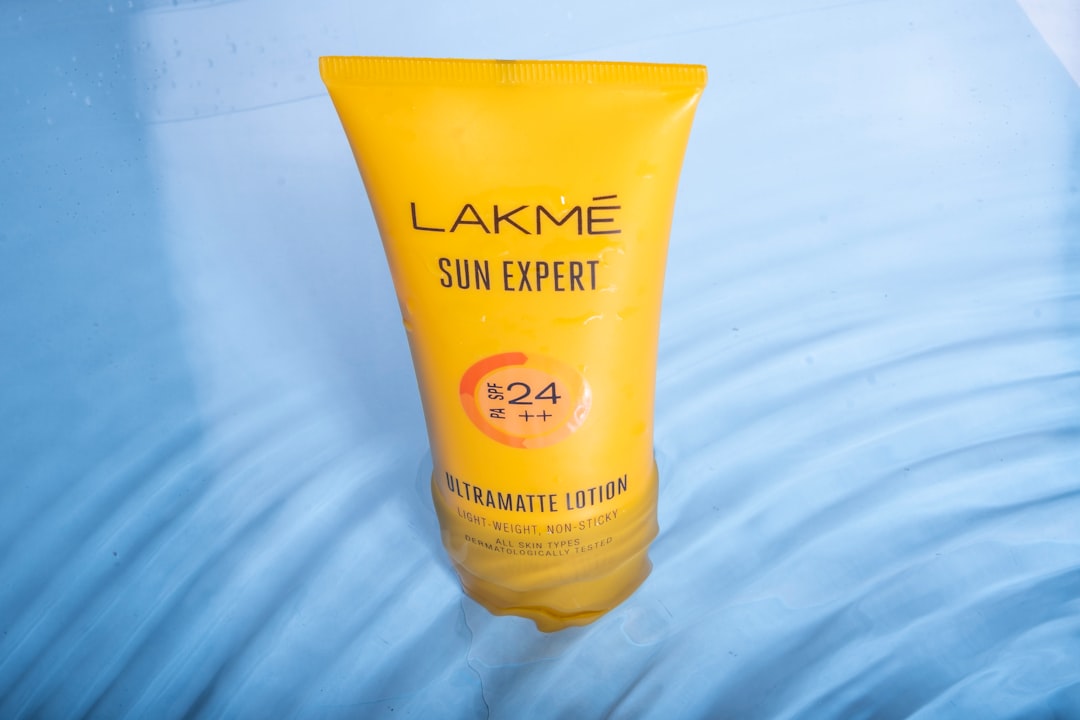
Why Korean Sunscreens Have Taken Over the Global Skincare Market
If you’ve ever slathered on a thick, greasy American sunscreen and immediately regretted every life choice that led you there, you’re not alone. For decades, Western sunscreens felt like a punishment — chalky white casts, pore-clogging formulas, and that unmistakable “I just rubbed cooking oil on my face” shine. Then Korean sunscreens entered the chat, and everything changed.
South Korea’s obsession with sun protection isn’t just cosmetic vanity — it’s rooted in decades of dermatological research and a culture that treats UV damage as the number one cause of premature aging. Korean beauty brands have spent years perfecting lightweight, elegant formulations that actually make you want to wear sunscreen every single day. And when you enjoy wearing it, you reapply it. That’s the secret.
Finding the best Korean sunscreen for sensitive acne prone skin used to mean hours of research, cross-referencing ingredient lists, and hoping the product you ordered from overseas wouldn’t break you out. In 2026, the landscape is completely different. K-beauty sunscreens are now widely available at Sephora, Ulta, and Amazon, with formulas specifically engineered for every skin type — from bone-dry winter skin to the oiliest T-zones imaginable.
In this guide, we’re breaking down the top Korean sunscreens by skin type, diving deep into ingredient science, comparing textures and finishes, and giving you the honest, no-BS recommendations you need. Whether you’re battling hormonal acne, rosacea flare-ups, or just want something that sits beautifully under makeup, there’s a Korean SPF waiting for you. 10-Step Korean Skincare Routine for Beginners (2026)
Understanding Korean Sunscreen Technology: What Makes K-SPF Different

Newer UV Filters Not Yet Approved by the FDA
One of the biggest advantages Korean sunscreens have over their American counterparts comes down to regulatory differences. South Korea and the EU have approved newer-generation UV filters like Tinosorb S (Bemotrizinol), Tinosorb M (Bisoctrizole), and Uvinul A Plus (Diethylamino Hydroxybenzoyl Hexyl Benzoate) that the U.S. FDA still hasn’t cleared for use.
These modern filters offer broader-spectrum protection, are more photostable (meaning they don’t degrade as quickly in sunlight), and can be formulated at lower concentrations — resulting in lighter, more cosmetically elegant textures. This is precisely why a $15 Korean sunscreen can feel like a luxury moisturizer while an American SPF 50 feels like spackle.
Korean sunscreens also frequently combine chemical and physical filters in hybrid formulations. You’ll see zinc oxide or titanium dioxide paired with chemical filters like Homosalate or Octisalate, giving you the best of both worlds: immediate physical protection plus long-lasting chemical defense.
The “Skincare-First” Formulation Philosophy
Korean brands don’t treat sunscreen as just a UV shield — they treat it as the final step of your skincare routine. That’s why you’ll find ingredients like Centella Asiatica, Niacinamide, Hyaluronic Acid, Panthenol, and Mugwort Extract packed into SPF formulas.
This skincare-first approach means your sunscreen is actively working to hydrate, calm, brighten, and repair your skin barrier — not just sitting on top like an inert layer. For anyone searching for the best Korean sunscreen for sensitive acne prone skin, this philosophy is a game-changer because you’re getting anti-inflammatory and barrier-repair benefits built right in.
Texturally, Korean sunscreens come in an incredible range: watery essences, lightweight milks, whipped creams, gel-creams, tone-up formulas, and even sunscreen sticks for on-the-go reapplication. There is truly no excuse not to find one you love. Best Korean Beauty Products — Allure’s Top Picks
PA++++ Rating System Explained
In the U.S., you’ll see “Broad Spectrum SPF 50” on a label and that’s about it. Korean sunscreens use the PA rating system to specifically measure UVA protection — the rays responsible for aging, hyperpigmentation, and deeper skin damage.
- PA+ — Some UVA protection
- PA++ — Moderate UVA protection
- PA+++ — High UVA protection
- PA++++ — Extremely high UVA protection
Always look for SPF 50+ PA++++ for maximum defense. Every sunscreen recommended in this article carries that top-tier rating.
Best Korean Sunscreens for Sensitive and Acne-Prone Skin
This is the category that matters most to the largest number of readers, so let’s get into it with serious depth. If you have skin that breaks out from heavy creams, reacts to fragrance, or flares up at the mere mention of essential oils, these picks are for you.
1. ROUNDLAB Birch Juice Moisturizing Sun Cream SPF 50+ PA++++
Price: ~$18–$22 (Amazon, Olive Young Global)
Key Ingredients: Birch Sap (53%), Panthenol, Squalane, Centella Asiatica
Texture: Lightweight cream, minimal white cast
Best For: Sensitive, dehydrated, acne-prone skin
ROUNDLAB’s Birch Juice line has become a cult favorite for good reason. The birch sap base delivers deep hydration without any heaviness, and the formula is completely free of artificial fragrance, essential oils, and common irritants. Panthenol (vitamin B5) actively soothes redness and supports barrier repair, making this an ideal daily driver for anyone with compromised skin.
The texture disappears into the skin within 30 seconds, leaves zero greasy residue, and layers beautifully under makeup. If you’ve been searching for the best Korean sunscreen for sensitive acne prone skin, this should be your first trial.
2. Beauty of Joseon Relief Sun: Rice + Probiotics SPF 50+ PA++++
Price: ~$10–$16 (Amazon, Sephora, Ulta)
Key Ingredients: Rice Bran Extract, Grain Ferment Filtrate, Probiotics
Texture: Silky, slightly dewy finish
Best For: Sensitive skin, dull skin, budget-friendly option
This sunscreen broke the internet when it launched and has maintained its status as one of the most-repurchased K-beauty SPFs worldwide. The rice bran extract provides gentle brightening, while probiotic-derived ingredients help strengthen the skin’s microbiome — particularly beneficial for acne-prone skin where bacterial balance matters.
At under $16, it’s arguably the best value in the entire K-sunscreen market. The only caveat: it can feel slightly dewy for very oily skin types, so those with excessive oil production might prefer a different pick. But for sensitive, normal-to-dry, or combination skin? Absolute winner.
3. COSRX Aloe Soothing Sun Cream SPF 50+ PA+++
Price: ~$12–$18 (Ulta, Amazon)
Key Ingredients: Aloe Barbadensis Leaf Extract, Centella Asiatica, Niacinamide
Texture: Lightweight cream, no white cast
Best For: Irritated, redness-prone, post-procedure skin
COSRX has built an empire on affordable, no-nonsense formulations, and their Aloe Soothing Sun Cream is no exception. The aloe vera base provides immediate cooling relief — perfect if your skin tends to feel “angry” by mid-afternoon. Niacinamide at an effective concentration helps control oil production and fade post-inflammatory hyperpigmentation (those dark spots acne leaves behind).
This is also an excellent post-treatment sunscreen if you’ve recently had chemical peels, microneedling, or laser treatments where your skin barrier is temporarily compromised.
Best Korean Sunscreens for Oily and Combination Skin

Oily skin and sunscreen have historically been mortal enemies. The key to making them coexist is finding formulas that control sebum, mattify without drying, and survive humidity without sliding off your face by noon.
4. Isntree Hyaluronic Acid Watery Sun Gel SPF 50+ PA++++
Price: ~$14–$20 (Amazon, Olive Young Global)
Key Ingredients: 8 types of Hyaluronic Acid, Niacinamide, Panthenol
Texture: Watery gel, absorbs instantly
Best For: Oily skin, humid climates, under makeup
Isntree packed eight different molecular weights of hyaluronic acid into this sunscreen, ensuring hydration reaches every layer of the skin without adding any surface-level greasiness. The watery gel texture is almost like applying a lightweight serum — it sinks in within seconds and leaves a completely matte, smooth finish.
If you live in a humid Western climate (looking at you, Florida, Houston, and the entire Eastern Seaboard in summer), this sunscreen will not betray you. It holds up remarkably well under sweat and pairs perfectly with oil-control primers. Available in a generous 50ml tube that lasts about 6–8 weeks with daily use.
5. SKIN1004 Madagascar Centella Hyalu-Cica Water-Fit Sun Serum SPF 50+ PA++++
Price: ~$13–$18 (Amazon, Sephora)
Key Ingredients: Centella Asiatica, 5 types of Hyaluronic Acid, Madecassoside
Texture: Serum-like, weightless
Best For: Oily-combination, acne-prone, calming inflamed skin
SKIN1004’s entire brand identity revolves around Madagascar Centella Asiatica, and this sun serum showcases why that ingredient is legendary. The Madecassoside and Asiaticoside compounds in Centella are clinically proven to accelerate wound healing and reduce inflammation — perfect for active breakouts or post-acne healing.
The serum consistency means this sunscreen feels like wearing nothing at all. Zero heaviness, zero pilling, zero white cast. It’s become a go-to recommendation among dermatologists and estheticians for patients who refuse to wear sunscreen because “it feels gross.” This one won’t.
Best Korean Sunscreens for Dry and Mature Skin
Dry and mature skin needs sunscreen that doubles as a moisture treatment. Forget anything that creates a tight, uncomfortable film — you need rich hydration, plumping actives, and a dewy glow that makes skin look alive.
6. Sulwhasoo UV Wise Brightening Multi Protector SPF 50+ PA++++
Price: ~$44–$52 (Sephora, Nordstrom)
Key Ingredients: Ginseng Berry Extract, Plum Blossom Extract, Niacinamide
Texture: Rich cream with tone-up effect
Best For: Dry, mature, dull skin seeking luminosity
Sulwhasoo sits at the luxury end of K-beauty, and this sunscreen justifies the price tag. The Ginseng Berry Extract is backed by Sulwhasoo’s decades of proprietary research and delivers potent antioxidant protection alongside UV defense. The tone-up effect gives an immediate brightness boost without looking artificial.
For mature skin dealing with fine lines and loss of elasticity, the cushiony texture fills in creases rather than settling into them — a common problem with thinner sunscreen formulas. Available in two shades: a creamy white for fair skin tones and a subtle pink for a rosy luminosity.
7. Laneige Watery Sun Cream SPF 50+ PA++++
Price: ~$25–$34 (Sephora, Amazon)
Key Ingredients: Hydro Ion Mineral Water, Blue Hyaluronic Acid, Cica
Texture: Hydrating cream, dewy finish
Best For: Dry to normal skin, winter climates
Laneige’s water science technology makes this sunscreen feel like a tall glass of water for parched skin. The Blue Hyaluronic Acid (a proprietary ingredient) provides multi-layered hydration that lasts throughout the day, while the Cica complex calms any winter-wind irritation.
If you live in dry Western climates — Colorado, Arizona, the Upper Midwest in winter — this sunscreen combats the dehydration that forced-air heating and low humidity inflict on your skin. It creates a beautiful dewy base for foundation and doesn’t pill under heavier moisturizers.
Korean Sunscreen Comparison Table: Quick Reference Guide

Here’s a side-by-side breakdown to help you narrow down your choice quickly:
| Product | Skin Type | Finish | Price (USD) | Fragrance-Free |
|---|---|---|---|---|
| ROUNDLAB Birch Juice Sun Cream | Sensitive / Acne-Prone | Natural | $18–$22 | Yes |
| Beauty of Joseon Relief Sun | Sensitive / Normal | Dewy | $10–$16 | Yes |
| COSRX Aloe Soothing Sun Cream | Irritated / Redness-Prone | Natural | $12–$18 | Yes |
| Isntree HA Watery Sun Gel | Oily / Combination | Matte | $14–$20 | Yes |
| SKIN1004 Centella Sun Serum | Oily / Acne-Prone | Weightless | $13–$18 | Yes |
| Sulwhasoo UV Wise Brightening | Dry / Mature | Luminous | $44–$52 | No (light herbal) |
| Laneige Watery Sun Cream | Dry / Normal | Dewy | $25–$34 | Light floral |
How to Apply Korean Sunscreen for Maximum Protection
Even the best Korean sunscreen for sensitive acne prone skin won’t protect you if you’re not applying it correctly. Here’s the science-backed application method that Korean dermatologists recommend.
The Two-Finger Rule
Squeeze sunscreen along the length of your index and middle fingers — that’s approximately 1.25ml, which is the amount you need to cover your face and neck adequately. Most people use only 25–50% of the recommended amount, which dramatically reduces the effective SPF you’re actually getting.
If your SPF 50 sunscreen is applied at half-thickness, you’re getting roughly SPF 7 protection. That’s barely better than nothing. Use the full two-finger amount every single time.
The Three-Layer Technique
Korean beauty influencers and dermatologists popularized the three-layer method for even coverage:
- First layer: Apply a thin, even coat across your entire face and neck. Wait 30 seconds.
- Second layer: Apply another thin layer over the first, focusing on high-exposure areas (forehead, nose bridge, cheekbones). Wait 30 seconds.
- Third layer: Pat a final thin layer onto areas where sunscreen tends to rub off — nose tip, chin, and under the eyes.
This technique ensures you reach the tested SPF level without the heavy, uncomfortable feeling of applying all the product at once. Each thin layer sets before the next goes on, resulting in a smoother, more comfortable finish.
Reapplication Is Non-Negotiable
Reapply every two hours during direct sun exposure, or immediately after swimming, sweating heavily, or toweling off. For office workers with minimal sun exposure, reapplication after lunch (around the 4-hour mark) is a reasonable approach.
Sunscreen sticks and cushion compacts are excellent reapplication tools because they can go over makeup without disturbing it. The Innisfree Daily UV Protection Stick (~$12, Amazon) and the VT Cosmetics Cica Redness Sun Cushion (~$18, Olive Young) are two standout options for touch-ups throughout the day.
Ingredients to Avoid If You Have Sensitive or Acne-Prone Skin

Not all sunscreens are created equal, and even some popular Korean options contain ingredients that can trigger breakouts or irritation. Here’s your ingredient red-flag checklist:
Known Comedogenic Ingredients
- Isopropyl Myristate — Comedogenic rating 5/5. This emollient is notorious for clogging pores. Avoid at all costs if you’re acne-prone.
- Coconut Oil (Cocos Nucifera Oil) — Comedogenic rating 4/5. Despite its “natural” appeal, it’s a breakout trigger for most acne-prone individuals.
- Ethylhexyl Palmitate — Comedogenic rating 4/5. A common emollient in budget sunscreens that can contribute to closed comedones (those tiny, skin-colored bumps).
- Cetearyl Alcohol + Ceteareth-20 — Individually fine, but this combination in high concentrations can be problematic for very sensitive skin.
Common Irritants to Watch For
- Artificial Fragrance / Parfum — The number one cause of contact dermatitis in skincare. If the ingredient list says “Fragrance” or “Parfum” and you have sensitive skin, proceed with extreme caution.
- Essential Oils (Tea Tree, Lavender, Citrus) — Despite marketing claims, most essential oils are irritants, not treatments. Particularly problematic are Limonene, Linalool, and Citral.
- Denatured Alcohol (Alcohol Denat.) — Listed high on the ingredient list, this can strip the skin barrier and increase transepidermal water loss. A small amount low on the list is generally tolerable.
Every sunscreen recommended in this article’s sensitive/acne-prone section has been selected specifically because it avoids these problematic ingredients. 10-Step Korean Skincare Routine for Beginners (2026)
Korean Sunscreen Myths vs. Facts: What Western Users Get Wrong
There’s a lot of misinformation floating around social media about Korean sunscreens. Let’s clear up the biggest misconceptions.
Myth: “Korean SPF Ratings Are Inflated”
Fact: Korean sunscreens are tested using the ISO 24444 standard — the same international protocol used in Europe, Japan, and Australia. The testing methodology involves applying 2mg/cm² of product to human volunteers and measuring the actual UV transmission. Korean SPF 50+ ratings are legitimate and reliable.
The confusion arose from a few independent tests that showed certain products underperforming, but this happens with every country’s sunscreens, including American ones. Independent testing of U.S. sunscreens has revealed similar discrepancies. The takeaway: buy from reputable brands, apply adequately, and reapply often.
Myth: “You Don’t Need Sunscreen Indoors”
Fact: UVA rays penetrate standard glass windows. If you sit near a window at work or drive regularly, you’re getting meaningful UV exposure. A 2012 study published in the Journal of Clinical Oncology found that left-side skin cancers were significantly more common in countries where people drive on the left side of the car — direct evidence that window-transmitted UV causes real damage over time.
Korean dermatologists recommend sunscreen even on fully indoor days, which is one reason K-beauty SPFs are formulated to be so comfortable — they’re designed for 365-day, all-day wear.
Myth: “Higher SPF Means Oilier Texture”
Fact: This was true a decade ago, but modern Korean formulation technology has completely decoupled SPF level from texture. Products like the Isntree Watery Sun Gel deliver SPF 50+ PA++++ in a formula lighter than most moisturizers. The texture depends on the formulator’s skill, not the SPF number.
Building Your Complete Sun Protection Routine
Sunscreen is just one piece of the UV defense puzzle. Korean dermatologists advocate a multi-layered approach to sun protection that combines topical products with behavioral strategies.
Morning Skincare Order for Maximum SPF Efficacy
- Cleanser — Gentle, low-pH formula (e.g., COSRX Low pH Good Morning Gel Cleanser)
- Toner / Essence — Hydrating layer (e.g., Laneige Cream Skin Refiner)
- Serum — Active treatment (Vitamin C in the morning boosts sunscreen efficacy by neutralizing free radicals)
- Moisturizer — Barrier support (skip if your sunscreen is moisturizing enough)
- Sunscreen — Two-finger amount, three-layer technique
- Makeup — Wait 2–3 minutes after sunscreen before applying
Pro tip: Using a Vitamin C serum (like the Klairs Freshly Juiced Vitamin Drop) underneath your sunscreen provides synergistic protection. Vitamin C neutralizes free radicals that UV filters miss, effectively boosting your overall UV defense by up to 4x according to research published in the Journal of the American Academy of Dermatology.
Behavioral Sun Protection
K-pop idols and Korean celebrities are famously devoted to sun avoidance strategies beyond just SPF. Take a page from their playbook:
- UV-blocking umbrellas — Common in Korea, increasingly available on Amazon for $15–$25
- UPF 50+ clothing — Brands like Uniqlo’s AIRism UV Protection line offer lightweight options
- Seeking shade during peak UV hours (10 AM – 4 PM)
- Sunglasses with UV400 protection — Protects the delicate eye area that sunscreen can’t fully cover
- Wide-brim hats — The Korean “bucket hat” trend is both fashionable and functional
7 K-Pop Idol Fashion Trends to Try in 2026 — Many of these trends incorporate UV-protective accessories that are both stylish and functional.
Frequently Asked Questions About Korean Sunscreens
What is the best Korean sunscreen for sensitive acne prone skin that won’t cause breakouts?
The ROUNDLAB Birch Juice Moisturizing Sun Cream and SKIN1004 Madagascar Centella Sun Serum are the two top picks for sensitive, acne-prone skin. Both are fragrance-free, non-comedogenic, and contain active soothing ingredients (birch sap and Centella Asiatica, respectively) that calm inflammation while protecting from UV damage. The SKIN1004 is lighter and better for oily-acne skin, while the ROUNDLAB is better for dry-sensitive-acne skin.
Are Korean sunscreens safe to use on darker skin tones?
Absolutely. One of the greatest advantages of Korean chemical and hybrid sunscreens is that they typically leave zero white cast. Products like the Beauty of Joseon Relief Sun and the Isntree Watery Sun Gel are completely transparent on all skin tones. Avoid purely physical/mineral Korean sunscreens (those with only zinc oxide or titanium dioxide) if white cast is a concern, as these tend to leave a visible residue on deeper skin tones. Chemical filters and hybrid formulas are your best bet.
How long do Korean sunscreens last once opened?
Check the PAO (Period After Opening) symbol on the packaging — it looks like a small jar icon with a number inside (e.g., “12M” means 12 months). Most Korean sunscreens have a 12-month PAO. UV filters degrade over time, especially if exposed to heat and light. Store your sunscreen in a cool, dry place — never in your car’s glove compartment or a hot bathroom. If the texture, color, or smell has changed, replace it immediately regardless of the expiration date.
Can I use Korean sunscreen under American makeup?
Yes — and they often perform better as makeup primers than actual primers. Korean sunscreens are specifically formulated to create a smooth, even canvas. The key is to let your sunscreen fully absorb for 2–3 minutes before applying foundation. Gel and essence textures (like the Isntree Sun Gel) layer particularly well under liquid foundations. Cream-type sunscreens (like the ROUNDLAB) pair best with cushion foundations or tinted moisturizers.
Do Korean sunscreens work in extreme Western summer heat?
Korean sunscreens are tested and formulated for Korean summers, which are extremely hot and humid (temperatures regularly exceed 95°F / 35°C with 80%+ humidity). They are absolutely built to handle American summer heat. That said, no sunscreen is sweat-proof forever. If you’re at the beach, hiking, or doing any outdoor activity, reapply every 80 minutes regardless of the brand. For extended outdoor activities, consider water-resistant options like the Missha All Around Safe Block Aqua Sun Gel (SPF 50+ PA++++, ~$12 on Amazon).
Where to Buy Authentic Korean Sunscreens in the U.S.
Counterfeit K-beauty products are a real problem, especially on marketplace platforms. Here are your safest purchasing options, ranked by reliability:
- Sephora — Carries Beauty of Joseon, Laneige, Sulwhasoo, and an expanding K-beauty selection. 100% authentic with easy returns.
- Ulta — Growing K-beauty section including COSRX, Laneige, and Peach & Lily. Rewards program offers excellent value.
- Amazon — Only buy from verified brand storefronts (look for “Ships from and sold by [Brand Name]” or official distributor badges). Avoid third-party sellers with suspiciously low prices.
- Olive Young Global — Korea’s largest beauty retailer, ships directly from Korea. The widest selection of authentic Korean sunscreens, but shipping takes 7–14 days.
- Stylevana / YesStyle — Reliable K-beauty retailers shipping from Asia. Frequent sales and bundle deals, but expect 2–3 week delivery.
Red flags for counterfeits: Prices more than 40% below retail, sellers with minimal reviews, packaging that looks slightly different from official product images, and products shipping from unexpected countries.
Related Posts You’ll Love
If you found this guide helpful, check out these related articles on our site:
- 10-Step Korean Skincare Routine for Beginners (2026) — The complete foundation for building your K-beauty routine around proper sun protection.
- K-Drama Filming Locations Seoul Map: 2026 Guide — Planning a trip to Korea? Don’t forget to pack your sunscreen for these outdoor filming locations.
- Hongdae Nightlife & Cafe Guide 2026: 15 Hidden Gems — Explore Seoul’s trendiest neighborhood where you can shop for K-beauty in person.
Topics we should cover next:
- Best Korean Moisturizers for Acne-Prone Skin 2026
- Korean Sunscreen Stick Reviews: Best Options for Reapplication
- How to Build a Minimal K-Beauty Routine in 3 Steps
Your Skin Deserves Better Than Greasy, Chalky SPF — Make the Switch Today
Here’s the truth: the best sunscreen is the one you’ll actually wear every day. And if your current sunscreen makes you dread your morning routine, it’s time for an upgrade. Korean sunscreens have proven that UV protection doesn’t have to feel like a chore — it can feel like skincare, like self-care, like the best part of your morning.
Whether you chose the budget-friendly Beauty of Joseon, the sensitive-skin savior ROUNDLAB Birch Juice, or the luxurious Sulwhasoo, you’re making a decision that your future skin will thank you for. UV damage is cumulative and irreversible — but the good news is that consistent sunscreen use starting today can prevent up to 90% of visible aging over the next decade.
Now it’s your turn. Which Korean sunscreen are you most excited to try? Do you already have a K-beauty SPF holy grail? Drop your thoughts in the comments below — we read every single one and love hearing about your experiences.
If this guide helped you, share it with a friend who’s still suffering through thick, white-cast sunscreens. They’ll thank you. And if you want more K-beauty deep dives, skincare science breakdowns, and honest product reviews delivered straight to your inbox, subscribe to our newsletter — we publish new guides every week.
Your skin is your largest organ. Protect it like you mean it. ☀️