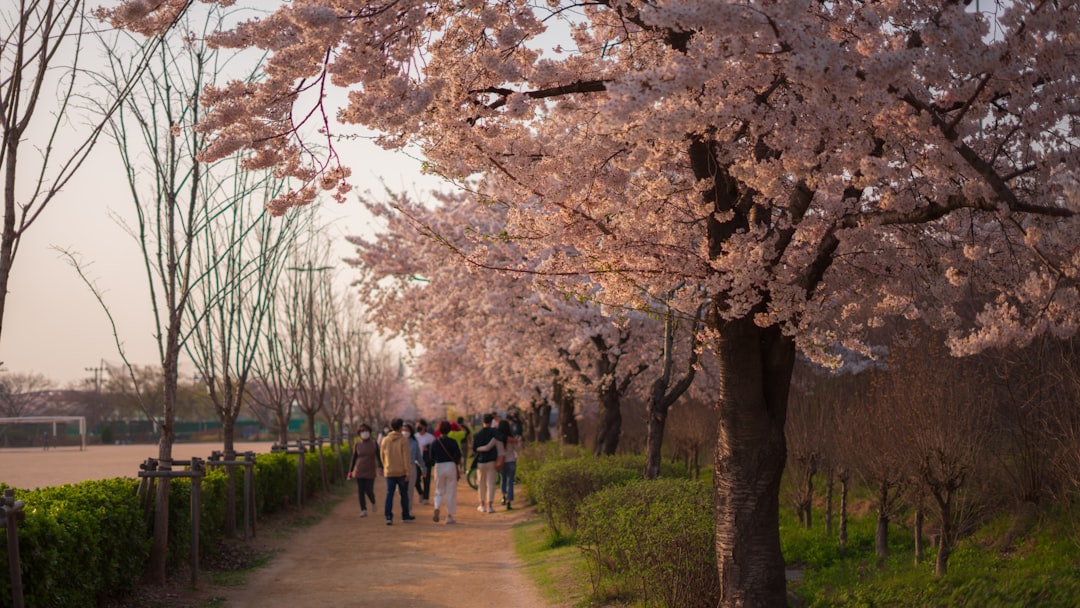
Why Korea’s Cherry Blossoms Hit Different (And Where to See Them in 2026)
I still remember my first spring in Korea. I stepped off the KTX at Jinhae Station, expecting a few scattered pink trees — the kind you see in Washington, D.C. What I got instead was a tunnel of 360,000 cherry blossom trees lining every street, every hillside, every riverbank in sight. Petals drifted down like warm snow, settling on my jacket, my coffee lid, the surface of a canal so thick it looked like a pink carpet. A grandmother handed me a bag of hotteok (sweet Korean pancakes) and gestured at the sky as if to say, “Can you believe this?”
I couldn’t. And honestly, after seven springs in Korea, I still can’t.
If you’re searching for the best cherry blossom spots in Korea 2026, you’ve already made a great decision. South Korea’s cherry blossom season — called beotkkot (벚꽃) — is shorter, more intense, and more culturally immersive than almost anywhere else on the planet. The bloom sweeps north from Jeju Island starting in late March, hits Seoul by early April, and fades by mid-April. That gives you roughly a two-week window to catch peak bloom, depending on the region.
This guide covers the absolute best spots from south to north, with exact costs, transport directions, festival dates, and insider tricks I’ve learned the hard way. Let’s plan your 2026 cherry blossom trip.
When Do Cherry Blossoms Bloom in Korea? (2026 Forecast)

Timing is everything. Korea’s cherry blossom season is notoriously short — peak bloom at any single location lasts only 5 to 7 days. A single rainstorm can end the show overnight. Here’s what you need to know for 2026.
2026 Regional Bloom Forecast
| Region | First Bloom | Peak Bloom | Best Spot |
|---|---|---|---|
| Jeju Island | March 22–25 | March 28–April 2 | Jeonnong-ro (典農路) |
| Jinhae (Changwon) | March 27–30 | April 1–7 | Yeojwacheon Stream |
| Gyeongju | March 28–31 | April 2–8 | Bomun Lake |
| Seoul | April 1–5 | April 5–12 | Yeouido Hangang Park |
| Sokcho / Gangwon | April 7–10 | April 10–16 | Gyeongpo Lake |
Pro tip: The Korea Meteorological Administration releases official bloom forecasts in early March each year. Bookmark their site and the Visit Korea cherry blossom page for real-time updates. In 2026, slightly warmer winter temperatures may push blooms 2–3 days earlier than historical averages.
How to “Chase the Bloom” From South to North
The smartest strategy for catching the best cherry blossom spots in Korea 2026 is to follow the bloom wave northward. Fly into Jeju in late March, train up to Jinhae and Gyeongju in early April, then finish in Seoul by mid-April. This gives you up to three weeks of continuous blossoms instead of gambling on one city’s one-week window.
A sample route: Jeju (March 28–31) → Jinhae (April 1–4) → Gyeongju (April 4–6) → Seoul (April 7–12). All legs are connected by budget airlines or KTX trains, making logistics surprisingly easy.
Top 8 Best Cherry Blossom Spots in Korea for 2026
After visiting every major cherry blossom destination in Korea across multiple years, here are my definitive top picks — ranked by overall experience, not just tree density.
1. Jinhae (Changwon) — Korea’s Cherry Blossom Capital
Nothing in the world prepares you for Jinhae. This small naval port city in South Gyeongsang Province hosts the Jinhae Gunhangje Festival, Korea’s largest cherry blossom festival, attracting over 2 million visitors in just 10 days. The city has approximately 360,000 cherry trees — more per capita than anywhere on Earth.
The two must-see spots are Yeojwacheon Stream, where cherry trees arch over a narrow canal creating a pink tunnel (yes, it’s the one from every Instagram reel), and Gyeonghwa Station, an abandoned railway line flanked by cherry trees so thick you can barely see the sky. Walk the 800-meter track at sunrise before the crowds and you’ll understand why Korean couples call this the most romantic walk in the country.
Festival dates 2026: Estimated March 29 – April 7 (confirm at Korea Tourism Organization)
Getting there: Take the KTX from Seoul Station to Changwon (2.5 hours, ~$35–45 USD). From Changwon Station, take bus 760 to Jinhae (30 min, ~$1.50 with T-money card). Book KTX tickets via the KORAIL app at least one week in advance — trains sell out fast during festival season.
Costs: Festival admission is free. Budget $15–25/day for street food (tteokbokki, hotteok, cherry blossom latte). Accommodations in Jinhae are limited — most visitors stay in Changwon or Busan and day-trip in.
2. Yeouido Cherry Blossom Festival, Seoul
If you only have time for Seoul, Yeouido Spring Flower Festival is your answer. A 1.7-kilometer stretch along the National Assembly building on Yeouido Island transforms into a canopy of roughly 1,800 cherry trees. The backdrop of the Han River and Seoul’s skyline makes this spot uniquely urban and photogenic.
The festival runs for about a week in early April. During peak bloom, the road is closed to traffic and becomes a massive pedestrian promenade with food stalls, buskers, K-pop performances, and photo zones. Go on a weekday afternoon if possible — weekend crowds can exceed 500,000 people in a single day.
Getting there: Take Seoul Metro Line 5 to Yeouinaru Station (Exit 1) or Line 9 to National Assembly Station (Exit 1). Both are a 5-minute walk to the cherry blossom path. Use Naver Map (not Google Maps — it’s unreliable in Korea) for real-time navigation.
Costs: Completely free. Street food runs $3–8 per item. A cherry blossom latte from a nearby café is about $5. For a sit-down dinner after, try the seafood restaurants along the Yeouido waterfront ($15–30 per person).
While you’re in Seoul, combine your cherry blossom trip with visits to K-drama filming locations nearby. K-Drama Filming Locations Seoul Map: 2026 Guide
3. Gyeongju — Blossoms Meet Ancient History
Gyeongju is Korea’s “museum without walls” — the former capital of the Silla Dynasty (57 BC–935 AD). Imagine cherry blossoms falling over 1,000-year-old royal tombs, ancient temples, and stone pagodas. It’s the most culturally rich cherry blossom experience in the country.
The top spot is Bomun Lake Resort area, where a 6-kilometer loop around the lake is lined with cherry and forsythia trees creating layers of pink and gold. For something more atmospheric, visit Bulguksa Temple in the early morning — UNESCO World Heritage site, ancient stone bridges, and cherry petals drifting across the temple courtyard. It’s deeply spiritual. If you’ve ever considered a Korean temple stay, this is the region to do it. Korean Temple Stay: How to Book as a Foreigner (2026)
Getting there: KTX from Seoul to Singyeongju Station (2 hours, ~$35). Then take bus 700 to downtown Gyeongju (20 min). Alternatively, express bus from Seoul Express Bus Terminal to Gyeongju (3.5 hours, ~$20).
Budget tip: Rent a bike at Bomun Lake ($5/2 hours) and cycle the blossom loop. It’s flat, scenic, and infinitely more enjoyable than walking in crowds.
4. Jeju Island — The Earliest Blooms + Unique King Cherry Trees
Jeju is where Korea’s cherry blossom season begins. The island is home to the King Cherry tree (왕벚나무), a species endemic to Jeju with larger, fuller blossoms than the Yoshino variety found on the mainland. The petals are bigger, the clusters denser, and the fragrance noticeably sweeter.
The iconic spot is Jeonnong-ro (典農路) in Jeju City — a 1.2-km street tunnel of King Cherry trees. Walk it at night when the trees are lit up and you’ll feel like you’re in a Studio Ghibli film. Other top spots include Noksan-ro Road (rapeseed flowers + cherry blossoms together = the most colorful road in Korea) and the grounds of Hallim Park.
Getting there: Budget airlines (Jeju Air, Jin Air, T’way) fly from Seoul Gimpo to Jeju in just 1 hour for as low as $30–60 one-way if booked early. From the US, fly into Incheon (ICN) and connect domestically.
Costs: Jeju is slightly pricier than the mainland. Budget $80–120/day including guesthouse ($30–50), rental car ($25–40, strongly recommended — public transit is limited), meals ($20–30), and attractions.
5. Seokchon Lake, Seoul (Lotte World Area)
This one’s a sleeper hit. Seokchon Lake in the Songpa district surrounds Lotte World and is ringed by approximately 1,000 cherry trees. The reflection of pink blossoms on the lake surface, with Lotte World Tower (Korea’s tallest building at 555 meters) piercing the background, is an iconic photo composition.
The Seokchon Lake Cherry Blossom Festival includes evening illuminations, food trucks, and live music. Unlike Yeouido, this spot is more manageable in terms of crowd density and has a much more relaxed vibe.
Getting there: Seoul Metro Line 2 or Line 8 to Jamsil Station (Exit 2 or 10). The lake is directly adjacent.
After your blossom walk, wander over to the Jamsil area for great nightlife and cafés. The vibe is similar to what you’d find in Hongdae. Hongdae Nightlife & Cafe Guide 2026: 15 Hidden Gems
6. Hadong Simni Cherry Blossom Road, South Gyeongsang
If Jinhae is Korea’s most popular cherry blossom destination, Hadong’s Simni (十里) Road is its most romantic. This 6-kilometer stretch along the Seomjin River is locally known as the “Wedding Road” — legend says that any couple who walks it together will stay in love forever.
Unlike the festival atmosphere of Jinhae, Hadong is quiet, rural, and breathtakingly peaceful. The cherry trees here are older and larger, many over 60 years old, creating a towering canopy effect. The combination of the river, tea plantations, and mountains in the background makes this the most photogenic cherry blossom drive in Korea.
Getting there: Take the KTX to Jinju Station, then a local bus to Hadong (1 hour). Alternatively, rent a car — this area is best explored by driving along the river road with the windows down.
7. Incheon Grand Park, Incheon
Just 40 minutes from central Seoul, Incheon Grand Park is a massive urban park with over 20,000 cherry trees. The park’s cherry blossom road stretches 2.4 kilometers, and because it’s slightly outside Seoul, crowds are significantly smaller — often 60–70% less than Yeouido on the same day.
The park also has a free zoo, botanical garden, and cycling paths, making it an excellent full-day family outing.
Getting there: Seoul Metro Line 1 to Incheon Grand Park Station (about 50 minutes from Seoul Station). Follow exit signs directly into the park.
8. Gangneung Gyeongpo Lake, Gangwon Province
For the latest blooms in Korea (mid-April), head to Gyeongpo Lake in Gangneung on the east coast. The 4.3-kilometer lakeside promenade is lined with cherry trees, and the Gyeongpo Cherry Blossom Festival is one of the country’s most scenic. Ocean air, mountain views, and significantly fewer international tourists make this a local favorite.
Getting there: KTX from Seoul to Gangneung (1 hour 40 min, ~$25). It’s the same train line that was built for the 2018 PyeongChang Winter Olympics, so the service is fast and modern.
Getting There: Flights, Trains, and Transport Essentials

Flights From the US
Most US travelers will fly into Incheon International Airport (ICN), consistently ranked the world’s best airport. Direct flights are available from LAX (12 hours), JFK (14 hours), and SFO (12 hours) on Korean Air, Asiana, Delta, and United. Round-trip fares during cherry blossom season typically run $800–1,200 from the West Coast and $900–1,400 from the East Coast.
Visa info: US citizens can enter Korea visa-free for up to 90 days. You do need to register for K-ETA (Korea Electronic Travel Authorization) at least 72 hours before departure — it costs about $10 and is valid for two years. Apply at k-eta.go.kr.
Getting Around Korea
Korea’s transit system is world-class. Here’s what you need:
- T-money Card: Pick one up at any convenience store (CU, GS25, 7-Eleven) for $3. Load it with cash and tap on buses, subways, and even taxis. It works nationwide, not just Seoul. Think of it as Korea’s Oyster Card or Suica.
- KTX (Korea Train Express): Korea’s bullet train connects Seoul to Busan in 2.5 hours at speeds up to 305 km/h. Book via the KORAIL app or korail.com. A KR Pass (foreign tourist rail pass) starts at ~$80 for 2 days of unlimited rides — absolutely worth it if you’re hitting multiple cities.
- Naver Map: Download this immediately. Google Maps is intentionally limited in Korea due to national security regulations. Naver Map has real-time transit, walking directions, and even restaurant reviews. It works in English.
- Papago: Naver’s translation app. Better than Google Translate for Korean. Use the camera mode to translate restaurant menus on the spot.
- KakaoTalk: Korea’s universal messaging app. Some restaurants and tour operators only accept reservations through KakaoTalk. Download it before you arrive.
Budget Breakdown: Cherry Blossom Trip to Korea (7 Days)
Korea is remarkably affordable compared to Japan. Here’s a realistic budget for a 7-day cherry blossom trip in 2026:
| Category | Budget | Mid-Range | Comfort |
|---|---|---|---|
| Flights (round-trip, US) | $800 | $1,000 | $1,400 |
| Accommodation (7 nights) | $210 (hostels) | $490 (3-star hotels) | $840 (4-star hotels) |
| Food (7 days) | $105 ($15/day) | $210 ($30/day) | $350 ($50/day) |
| Transport (KTX + subway) | $80 (KR Pass) | $120 | $180 |
| Activities/Entry | $30 | $80 | $150 |
| TOTAL | ~$1,225 | ~$1,900 | ~$2,920 |
Compare that to a similar trip to Japan during cherry blossom season (easily $2,500–4,000 mid-range). Korea gives you the same caliber of blossoms at 40–60% less cost, with fewer crowds at most locations.
Cultural Etiquette During Cherry Blossom Season

Korean cherry blossom viewing (called 꽃놀이, kkonnori) has its own social norms. Follow these and you’ll have a much smoother experience — and earn genuine appreciation from locals.
Do’s
- Take off your shoes if you enter any temple grounds during blossom viewing (like Bulguksa). This applies even outdoors on raised wooden platforms.
- Clean up after yourself. Korea has surprisingly few public trash cans. Carry a small bag for your garbage and dispose of it at convenience stores or subway stations. Leaving trash under cherry trees is considered deeply disrespectful.
- Pour drinks for others first. If you’re having a picnic with Korean friends under the blossoms (a beloved tradition), always pour their drinks before your own — and use both hands when giving or receiving from someone older.
- Be patient with photos. Everyone wants the same shot. Wait your turn, offer to take photos for others, and don’t block walkways with tripods.
- Try the seasonal food. Cherry blossom season brings special limited items — cherry blossom lattes at Starbucks Korea, cherry blossom rice cakes, and flower-infused makgeolli (rice wine). Participating in seasonal food culture shows cultural awareness that Koreans genuinely appreciate.
Don’ts
- Never shake or pull cherry blossom branches to create a “petal shower” for photos. This damages the trees and locals will absolutely call you out. Branches break easily and trees may take years to recover.
- Don’t climb cherry trees. It seems obvious, but it happens often enough that many festival areas now have security guards watching.
- Don’t play loud music from Bluetooth speakers at blossom spots near temples or residential areas. Use earbuds instead.
- Don’t litter. Worth repeating. Korea takes public cleanliness seriously, and cherry blossom areas are treated almost reverentially during bloom season.
Korean skincare brands also launch cherry blossom-themed limited editions every spring — perfect souvenirs. 10-Step Korean Skincare Routine for Beginners (2026)
Insider Tips for the Best Cherry Blossom Experience in Korea 2026
After seven years of chasing Korean cherry blossoms, here’s what I wish someone had told me on day one:
- Go at sunrise. Every major cherry blossom spot is empty before 7 AM. Yeojwacheon Stream in Jinhae at 6:30 AM is a completely different experience than at 2 PM. You’ll have the entire canal to yourself. Set an alarm.
- Check the “full bloom” vs. “first bloom” dates. Korean weather services report both. First bloom (개화) means the first few flowers are open — not worth a special trip. Full bloom (만개) is when 80%+ of buds are open. Aim for 2–3 days after the official full bloom date for the most dramatic petal fall effect.
- Book accommodation 6–8 weeks early. Hotels near Jinhae, Gyeongju, and Yeouido sell out fast during peak bloom. Airbnb options too. Seoul is easier to find last-minute rooms, but prices spike 30–50% during festival week.
- Bring layers. April in Korea is deceptive — sunny days hit 65°F (18°C) but mornings and evenings drop to 40°F (5°C). A light down jacket that packs small is essential. Korean convenience stores sell emergency hand warmers for $1 if you get caught off guard.
- Night viewing is underrated. Several spots — including Yeouido, Seokchon Lake, and Jeju’s Jeonnong-ro — set up nighttime illuminations during festivals. The trees glow against the dark sky and the crowds thin dramatically after 9 PM. Bring a tripod for your phone.
- Use Naver Map’s “cherry blossom” layer. During bloom season, Naver Map activates a special layer showing real-time bloom status at major spots across the country. It even shows crowd density. Game-changer for trip planning.
- Rent a hanbok (Korean traditional dress). Many rental shops near palace areas (Gyeongbokgung, Bulguksa) offer 4-hour hanbok rentals for $10–20. Wearing a hanbok among cherry blossoms is the quintessential Korean spring photo — and it gets you free admission to all major palaces.
- Don’t sleep on convenience store food. CU, GS25, and 7-Eleven in Korea are nothing like their American counterparts. Cherry blossom season brings seasonal onigiri, sandwiches, and desserts for under $3. A convenience store picnic under the blossoms is a perfectly valid (and very Korean) experience.
While you’re exploring Korea’s spring fashion scene, you might notice K-pop idols spotted at cherry blossom events in their latest looks. 7 K-Pop Idol Fashion Trends to Try in 2026
FAQ: Cherry Blossoms in Korea 2026

When is the best time to see cherry blossoms in Korea in 2026?
The best time varies by region. Jeju blooms earliest (late March), followed by the southern coast cities like Jinhae and Gyeongju (early April), and finally Seoul and northern regions (April 5–15). For the highest probability of catching peak bloom across multiple locations, plan your trip for April 1–10, 2026. This window covers peak bloom in the most popular destinations. Monitoring the Korea Meteorological Administration’s forecasts starting in early March will help you finalize your dates.
Do I need a visa to visit Korea from the United States?
No. US citizens can enter South Korea visa-free for up to 90 days for tourism. However, you must apply for a K-ETA (Korea Electronic Travel Authorization) at least 72 hours before your flight. It costs approximately $10 and is valid for 2 years. Apply online at k-eta.go.kr. Note: K-ETA requirements occasionally change, so verify current status at VisitSeoul official site before booking.
Is Korea cheaper than Japan for cherry blossom season?
Significantly. A mid-range 7-day cherry blossom trip in Korea costs roughly $1,900, compared to $3,000–3,500 for an equivalent trip in Japan. Food, accommodation, and domestic transport are all cheaper in Korea. Street food meals average $5–8 compared to $10–15 in Japan. The Korean Won has also been favorable against the US Dollar in recent years, stretching your budget further.
What should I wear for cherry blossom viewing in Korea?
Dress in layers. April temperatures range from 40°F (5°C) in the morning to 65°F (18°C) in the afternoon. A light jacket, comfortable walking shoes, and sunglasses are essential. Many visitors wear pastel colors (pink, white, light blue) to complement the blossoms in photos — it’s practically an unspoken dress code. If you want the full experience, rent a hanbok ($10–20 for 4 hours) from shops near major palaces.
Can I see cherry blossoms in Seoul without leaving the city?
Absolutely. Seoul has multiple world-class cherry blossom spots: Yeouido Hangang Park (the biggest festival), Seokchon Lake (Jamsil area), Namsan Mountain (views over the city), Seoul Forest (quieter alternative), and the streets around Gyeongbokgung Palace. The palace area combined with hanbok rental creates the most iconic cherry blossom experience without ever leaving the subway network.
What cherry blossom foods should I try in Korea?
Korean food culture goes all-in on cherry blossom season. Must-try items include: cherry blossom latte (available at Starbucks Korea, Ediya, and Mega Coffee — uniquely Korean seasonal drinks), flower rice cakes (hwajeon), cherry blossom makgeolli (slightly sweet rice wine with flower petals), and seasonal street food at festivals including hotteok, tteokbokki, and dalgona candy. For a deeper dive into Korean food, check out How to Make Tteokbokki at Home: Easy 2026 Recipe.
Are cherry blossom festivals in Korea free?
Yes — all major cherry blossom festivals in Korea, including Jinhae Gunhangje, Yeouido Spring Flower Festival, and Seokchon Lake Festival, are completely free to attend. There are no tickets or entry fees. Some temple sites like Bulguksa have a small entrance fee ($3–4), but the cherry blossoms along public streets and parks are always free.
Related Posts You’ll Love
Planning more of your Korea trip? These guides will help:
- K-Drama Filming Locations Seoul Map: 2026 Guide — Visit the exact spots where your favorite dramas were filmed, many surrounded by cherry blossoms in spring.
- Hongdae Nightlife & Cafe Guide 2026: 15 Hidden Gems — After a day of blossom viewing, explore Seoul’s most vibrant neighborhood.
- Korean Temple Stay: How to Book as a Foreigner (2026) — Combine cherry blossoms with a traditional temple stay in Gyeongju.
Suggested new articles:
- Best Hanbok Rental Shops in Seoul 2026: Complete Guide
- Seoul to Busan by KTX: Ultimate Train Travel Guide 2026
- Korean Street Food Guide: 30 Must-Try Items for First-Timers
Start Planning Your Cherry Blossom Trip Now
Korea’s cherry blossom season waits for no one. The best cherry blossom spots in Korea 2026 — from Jinhae’s 360,000-tree spectacle to Yeouido’s urban canopy to Jeju’s rare King Cherry groves — deliver an experience that rivals (and in many ways surpasses) Japan’s more famous hanami season, at a fraction of the cost.
The bloom window is narrow. Flights and hotels fill up fast. If you’re serious about going in 2026, start booking now: lock in flights via Google Flights or Skyscanner, register your K-ETA, download Naver Map and Papago, and start sketching your south-to-north route.
Have you seen Korea’s cherry blossoms before? Drop your favorite spot in the comments below — I’m always adding to my list. If this is your first time planning a Korea trip, ask any question and I’ll personally respond with advice. And if you found this guide helpful, share it with a friend who’s been talking about visiting Korea. Spring is closer than you think.
Last updated: March 2026. Bloom dates are estimates based on historical averages and early meteorological forecasts. Check Visit Korea Official for real-time updates as the season approaches.