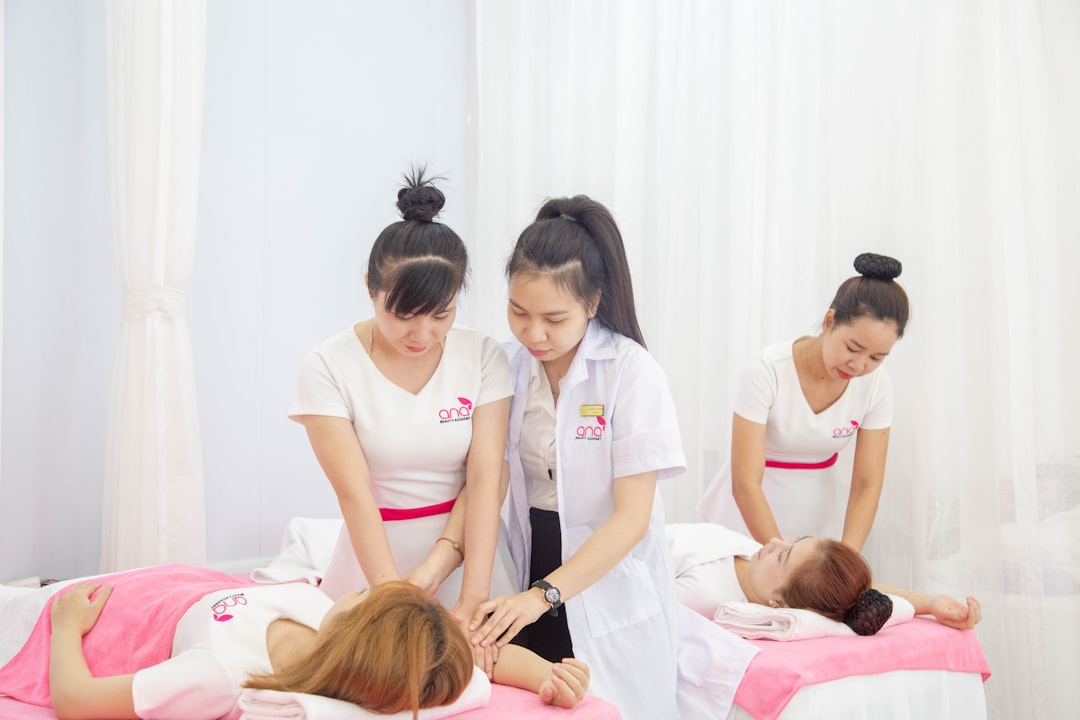
If you’ve ever scrolled through social media and wondered how Korean women maintain that luminous, glass-like complexion, you’re not alone. The 10 step Korean skincare routine for beginners has taken the Western beauty world by storm — and for good reason. According to a 2025 Statista report, the global K-Beauty market surpassed $13.2 billion, with the United States accounting for nearly 18% of total sales. But here’s the thing most people get wrong: the famous 10-step routine isn’t about slathering on ten products every single night. It’s a framework — a philosophy of layering lightweight, targeted treatments so your skin gets exactly what it needs, when it needs it. Whether you’re battling dry winter air in New York, oily summers in Houston, or the unpredictable climates in between, this guide will walk you through every single step with real product picks, ingredient breakdowns, and honest advice on what you actually need versus what you can skip.
What Is the 10-Step Korean Skincare Routine — And Why Does It Work?
The Philosophy Behind Korean Skincare
Korean skincare is rooted in a prevention-first mindset. Rather than waiting for breakouts, wrinkles, or dark spots to appear and then treating them aggressively, the Korean approach focuses on maintaining skin health daily through gentle, consistent care. Think of it like brushing your teeth — you don’t wait until you have a cavity to start.
This philosophy translates into a layering system where products go from thinnest to thickest consistency. Each layer serves a distinct purpose: cleansing, treating, hydrating, and protecting. The result? Your skin absorbs active ingredients more efficiently, and you build a moisture barrier that Western climates — with their harsh central heating, air conditioning, and low humidity — tend to destroy.
Why 10 Steps Isn’t as Crazy as It Sounds
Let’s address the elephant in the room. Ten steps sounds like a lot. But consider this: most Americans already use 4–5 products (cleanser, moisturizer, sunscreen, maybe a serum or toner). The 10 step Korean skincare routine for beginners simply breaks those broad categories into more targeted, lightweight layers. You’re not adding ten heavy creams. You’re replacing one thick moisturizer with several hydrating, fast-absorbing layers that deliver ingredients more effectively.
Board-certified dermatologist Dr. Joyce Park has noted that “the Korean approach to skincare emphasizes hydration at every level, which is especially beneficial for those dealing with transepidermal water loss in dry, heated environments.” If you live anywhere with cold winters or year-round air conditioning, that’s you. Allure’s Best Korean Beauty Products
The Complete 10-Step Korean Skincare Routine for Beginners: Step-by-Step Breakdown

Here’s an overview before we dive into each step in detail:
- Oil Cleanser
- Water-Based Cleanser
- Exfoliator (2–3x per week)
- Toner
- Essence
- Serum / Ampoule
- Sheet Mask (1–3x per week)
- Eye Cream
- Moisturizer
- Sunscreen (AM) / Sleeping Mask (PM)
Now let’s break each one down with specific product recommendations, key ingredients, and tips tailored for Western climates and skin concerns.
Step 1 & 2: Double Cleansing — The Foundation of Clear Skin
Step 1: Oil Cleanser
Purpose: Dissolve oil-based impurities — sunscreen, makeup, sebum, and pollution particles — that water alone can’t remove. This is the single most important step most Westerners skip, and it’s often the reason people struggle with clogged pores and dull skin.
How to do it: Apply the oil cleanser to dry hands and dry skin. Massage gently for 60 seconds, focusing on the nose, chin, and forehead. Add lukewarm water to emulsify (the oil turns milky), then rinse completely.
Top Product Picks:
- Banila Co Clean It Zero Cleansing Balm ($19, Sephora) — Contains Centella Asiatica extract and Vitamin E. Great for sensitive skin. The sherbet-like texture melts into oil on contact.
- DHC Deep Cleansing Oil ($15, Amazon) — Olive oil-based, rich in antioxidants. A cult classic with over 50,000 5-star reviews.
- KOSE Softymo Speedy Cleansing Oil ($10, Amazon) — Budget-friendly Japanese option with mineral oil base. Emulsifies quickly and rinses clean.
Step 2: Water-Based Cleanser
Purpose: Remove water-based impurities — sweat, dirt, and any remaining residue from the oil cleanse. Together with Step 1, this “double cleanse” method ensures your skin is truly clean without being stripped.
Key tip: Look for a low-pH cleanser (pH 5.0–6.0). Your skin’s natural acid mantle sits around pH 5.5. Many Western cleansers have a pH of 8–10, which disrupts this barrier and leads to dryness, irritation, and breakouts. This is a game-changer for anyone dealing with sensitized skin from harsh winters or retinol use.
Top Product Picks:
- COSRX Low pH Good Morning Gel Cleanser ($12, Amazon/Ulta) — pH 5.0, contains tea tree oil and BHA. Perfect for oily and acne-prone skin.
- Sulwhasoo Gentle Cleansing Foam ($36, Sephora) — Luxurious herbal formula with jujube and lily extracts. Ideal for mature or dry skin types.
- Round Lab 1025 Dokdo Cleanser ($16, Amazon) — Contains deep sea water minerals. Gentle enough for daily use, even on irritated skin.
Korean Skincare Routine for Acne-Prone Skin: 2026 Guide
Step 3: Exfoliation — Resurface Without Damage

Chemical vs. Physical Exfoliation
Korean skincare overwhelmingly favors chemical exfoliation over physical scrubs. Here’s why: physical scrubs with walnut shells or microbeads create microscopic tears in the skin. Chemical exfoliants — AHAs, BHAs, and PHAs — dissolve the bonds between dead skin cells without mechanical friction.
Frequency: 1–3 times per week maximum. If you’re a beginner implementing the 10 step Korean skincare routine for beginners, start with once a week and increase gradually.
| Type | Best For | Key Ingredients | Example Product |
|---|---|---|---|
| AHA (Glycolic, Lactic) | Dry, sun-damaged, dull skin | Glycolic acid 7% | COSRX AHA 7 Whitehead Power Liquid ($16) |
| BHA (Salicylic) | Oily, acne-prone, blackheads | Betaine salicylate 4% | COSRX BHA Blackhead Power Liquid ($16) |
| PHA (Gluconolactone) | Sensitive, rosacea-prone | Gluconolactone 3% | SOME BY MI AHA-BHA-PHA Toner ($14) |
Exfoliation Tips for Western Climates
If you live in a dry climate (Colorado, Arizona, inland California) or deal with harsh winters (Midwest, Northeast), reduce exfoliation frequency during cold months. Your skin barrier is already under stress from low humidity and indoor heating. Over-exfoliation in these conditions is the #1 cause of the “dehydrated but oily” skin phenomenon so many Americans experience.
Pro tip: If your skin feels tight after cleansing, stings when applying toner, or looks shiny but feels dry, you may be over-exfoliating. Pull back to once a week and focus on hydration steps instead.
Step 4 & 5: Toner and Essence — The Hydration Powerhouses
Step 4: Toner (Not What You Think)
Forget everything you know about Western toners. American toners historically were astringent, alcohol-based products designed to “shrink pores” (they don’t). Korean toners are the exact opposite — they’re watery, hydrating liquids that prep your skin to absorb everything that follows.
Think of your skin like a dry sponge. If you pour moisturizer on a bone-dry sponge, it just sits on top. But if you dampen the sponge first, it absorbs everything deeply. That’s what Korean toner does.
Application method: Pour into your palms (skip the cotton pad — it wastes product) and press gently into your face. The Korean “7-skin method” involves applying up to 7 thin layers of toner for intense hydration during dry seasons.
Top Product Picks:
- Klairs Supple Preparation Unscented Toner ($22, Sephora/Amazon) — Hyaluronic acid + Centella. Fragrance-free, suitable for all skin types including sensitive.
- Laneige Cream Skin Toner & Moisturizer ($34, Sephora) — Milky texture that combines toner and light moisturizer. Perfect for minimalists.
- Pyunkang Yul Essence Toner ($14, Amazon) — 91.3% Astragalus Membranaceus root extract. Deeply soothing for irritated or reactive skin.
Step 5: Essence — The Heart of Korean Skincare
If there’s one product category that defines Korean skincare, it’s essence. This step has no real Western equivalent. Essences are lightweight, watery treatments loaded with active ingredients — typically fermented extracts, hyaluronic acid, or niacinamide — that boost cell turnover and deep hydration.
The most iconic essence in the world is SK-II Facial Treatment Essence ($185, Sephora), which contains over 90% Pitera — a yeast ferment filtrate. But you don’t need to spend that much. Korean brands offer equally effective essences at a fraction of the price.
Top Product Picks:
- COSRX Advanced Snail 96 Mucin Power Essence ($16, Amazon/Ulta) — 96% snail secretion filtrate. Repairs damaged skin barrier, fades acne scars, and provides intense hydration. This is the #1 best-selling K-Beauty essence in the US for three consecutive years.
- Missha Time Revolution The First Treatment Essence ($22, Amazon) — 95% fermented yeast extract (Saccharomyces). Often called the “SK-II dupe” at one-eighth the price.
- Beauty of Joseon Ginseng Essence Water ($16, Amazon) — 80% ginseng water with niacinamide. Brightening and anti-aging in one step.
Step 6 & 7: Targeted Treatments — Serums, Ampoules, and Sheet Masks

Step 6: Serum or Ampoule
This is where you customize the routine for your specific skin concerns. Serums and ampoules contain the highest concentration of active ingredients. The difference? Ampoules are typically more concentrated and designed for short-term, intensive treatment (think of them as a booster shot for your skin).
Choose your serum based on your top concern:
| Concern | Key Ingredient | Recommended Product | Price |
|---|---|---|---|
| Dark spots / Dullness | Vitamin C (Ascorbic Acid 15–20%) | Klairs Freshly Juiced Vitamin C Serum | $23 (Amazon) |
| Acne / Large Pores | Niacinamide 5–10% | COSRX Niacinamide 15 Serum | $14 (Ulta) |
| Dehydration / Fine Lines | Hyaluronic Acid (multi-weight) | Isntree Hyaluronic Acid Water Essence | $18 (Amazon) |
| Wrinkles / Loss of Firmness | Retinol 0.1–0.5% | COSRX The Retinol 0.5 Oil | $19 (Amazon) |
| Redness / Sensitivity | Centella Asiatica (Cica) | SKIN1004 Centella Ampoule | $18 (Amazon) |
Layering rule: If using multiple serums, apply from thinnest to thickest consistency. Water-based serums (niacinamide, hyaluronic acid) go first, oil-based serums (retinol, vitamin C in oil form) go last. Never mix Vitamin C with niacinamide in the same routine — alternate AM/PM instead.
Step 7: Sheet Masks — The K-Beauty Ritual
Sheet masks are the most recognizable symbol of Korean skincare worldwide. These single-use cotton or hydrogel masks soaked in concentrated serum deliver a 15–20 minute flood of hydration and active ingredients directly into your skin through occlusion (the mask prevents evaporation, forcing ingredients deeper).
Frequency: 1–3 times per week. Some Korean women use them daily, but for beginners following the 10 step Korean skincare routine for beginners, 2–3 times per week is the sweet spot.
Top Product Picks:
- Mediheal N.M.F Aquaring Ampoule Mask ($12 for 10-pack, Amazon) — The best-selling sheet mask in Korea for over a decade. Contains hyaluronic acid and NMF (Natural Moisturizing Factor) complex.
- Dr. Jart+ Dermask Vital Hydra Solution ($8 each, Sephora) — Premium cellulose mask with aquaxyl technology. Deeply hydrating for dehydrated, winter-stressed skin.
- TONYMOLY I’m Real Masks ($16 for 11-pack, Ulta) — Budget-friendly variety pack. Great for beginners who want to try different ingredients.
Pro tip: Don’t rinse after removing a sheet mask. Pat the remaining essence into your skin and continue with your next step. The excess serum is too valuable to wash away.
Step 8, 9, & 10: Seal and Protect — Eye Cream, Moisturizer, and SPF
Step 8: Eye Cream
The skin around your eyes is up to 10 times thinner than the rest of your face. It has fewer oil glands, less collagen, and is constantly moving (you blink approximately 15,000–20,000 times per day). This area shows aging first — crow’s feet, dark circles, puffiness, and fine lines.
Application method: Use your ring finger (it applies the least pressure) and gently tap — never rub — a rice-grain-sized amount around the orbital bone. Start from the inner corner, move under the eye, and continue up to the brow bone.
Top Product Picks:
- Innisfree Green Tea Seed Eye Cream ($22, Sephora) — Lightweight gel-cream with green tea extract and caffeine. Depuffs and hydrates without milia.
- MISSHA Geum Sul Vitalizing Eye Cream ($28, Amazon) — Premium formula with gold, ginseng, and deer antler extract. Targets fine lines and dark circles simultaneously.
- Beauty of Joseon Revive Eye Serum: Ginseng + Retinal ($16, Amazon) — Retinal (more potent than retinol) with ginseng. Anti-aging powerhouse at a budget price.
Step 9: Moisturizer
After all those hydrating layers, the moisturizer’s job is to seal everything in. Think of it as the lid on a jar — without it, all that moisture evaporates. Korean moisturizers tend to be lighter than their Western counterparts because your skin is already hydrated from the previous steps.
Choose by skin type:
- Oily skin: Gel or gel-cream formula. Try Belif The True Cream Aqua Bomb ($38, Sephora) — oil-free, bursting gel texture with Lady’s Mantle herb.
- Normal/Combo: Lightweight cream. Try COSRX Oil-Free Ultra Moisturizing Lotion ($14, Amazon) — birch sap 70%, absorbs fast, no greasy residue.
- Dry skin: Rich cream. Try Laneige Water Sleeping Mask ($28, Sephora) — can be used as both nighttime moisturizer and sleeping mask. Contains SLEEP-TOX™ and beta-glucan for overnight barrier repair.
- Sensitive skin: Barrier-repair cream. Try ETUDE SoonJung 2x Barrier Intensive Cream ($14, Amazon) — panthenol + madecassoside. Zero fragrance, minimal ingredients.
Step 10: Sunscreen (AM) or Sleeping Mask (PM)
Morning — Sunscreen: This is the single most important step in your entire routine. Without SPF, every serum, essence, and treatment you apply is fighting a losing battle. UV radiation causes approximately 80% of visible skin aging, according to a landmark 2013 study published in Clinical, Cosmetic and Investigational Dermatology.
Korean sunscreens are legendary for their elegant textures — no white cast, no greasy feel, no heaviness. They’ve solved every complaint Americans have about wearing sunscreen daily.
Top Sunscreen Picks:
- Beauty of Joseon Relief Sun: Rice + Probiotics SPF50+ PA++++ ($16, Amazon) — The #1 selling Korean sunscreen in the US. Chemical filter, lightweight, slightly dewy finish. Works beautifully under makeup.
- MISSHA All Around Safe Block Essence Sun SPF45 ($12, Amazon) — Budget-friendly daily driver. Watery essence texture that layers well.
- Isntree Hyaluronic Acid Watery Sun Gel SPF50+ ($18, Amazon) — For oily skin types who need a matte finish without alcohol.
Evening — Sleeping Mask: Replace sunscreen with a sleeping mask 2–3 nights per week. These are thicker occlusive treatments designed to lock in all your nighttime layers while you sleep. Laneige Water Sleeping Mask ($28, Sephora) and COSRX Ultimate Nourishing Rice Overnight Spa Mask ($15, Amazon) are excellent choices.
How to Customize the 10-Step Routine for Your Skin Type

Oily and Acne-Prone Skin
If you’re oily, you might think layering products will make things worse. The opposite is usually true. Dehydrated oily skin overproduces sebum to compensate for lack of water. When you hydrate properly with lightweight layers, your skin often calms down and produces less oil within 2–4 weeks.
Your priority steps: Double cleanse (critical for preventing clogged pores), BHA exfoliation, hydrating toner, niacinamide serum, gel moisturizer, and SPF. You can skip eye cream and sleeping mask initially.
Korean Skincare Routine for Acne-Prone Skin: 2026 Guide
Dry and Sensitive Skin
Dry skin thrives on the 10 step Korean skincare routine for beginners because every step adds hydration. Focus on barrier-repair ingredients: ceramides, panthenol, centella asiatica, squalane, and beta-glucan. Avoid AHA exfoliation until your barrier is healthy — stick with PHA or enzyme exfoliants.
Your priority steps: Oil cleanse (skip if not wearing makeup/SPF), gentle water cleanser, hydrating toner (try 3-skin method), essence, hyaluronic acid serum, eye cream, rich moisturizer, sleeping mask. Use sheet masks 2–3x per week for extra hydration boosts during winter months.
Mature Skin (Anti-Aging Focus)
Korean anti-aging philosophy centers on prevention and plumping rather than aggressive resurfacing. Key ingredients: retinol (start at 0.1%, build to 0.5%), peptides, adenosine (a Korean favorite found in almost every moisturizer), fermented extracts, and ginseng.
Layer retinol serum at Step 6 (PM only), always follow with a rich moisturizer, and never skip sunscreen the morning after retinol use. Consider adding a collagen-boosting ampoule like AHC Capture Moist Solution Max Ampoule ($20, Amazon) for extra firmness support.
Budget Guide: Building Your First Korean Skincare Routine Under $100
You don’t need to buy all 10 products at once. Here’s a complete starter kit for under $100 that covers every step:
| Step | Product | Price | Where to Buy |
|---|---|---|---|
| 1. Oil Cleanser | KOSE Softymo Speedy | $10 | Amazon |
| 2. Water Cleanser | COSRX Low pH Good Morning | $12 | Amazon/Ulta |
| 3. Exfoliator | SOME BY MI AHA-BHA-PHA Toner | $14 | Amazon |
| 4. Toner | Pyunkang Yul Essence Toner | $14 | Amazon |
| 5. Essence | COSRX Snail 96 Mucin Essence | $16 | Amazon/Ulta |
| 6. Serum | COSRX Niacinamide 15 Serum | $14 | Ulta |
| 7. Sheet Mask | Mediheal N.M.F (10-pack) | $12 | Amazon |
| 9. Moisturizer | COSRX Oil-Free Lotion | $14 | Amazon |
| 10. Sunscreen | Beauty of Joseon Relief Sun | $16 | Amazon |
Total: ~$122 — and every single product lasts 2–4 months with daily use. That’s less than the cost of one facial at a spa. Skip the eye cream initially if you’re under 30, and you’re at $100 flat.
Where to shop for K-Beauty in the US:
- Amazon — Widest selection, fastest delivery, but verify seller authenticity (buy from official brand stores or Amazon’s Choice)
- Sephora — Curated premium K-Beauty section, easy returns, collect Beauty Insider points
- Ulta — Growing K-Beauty selection, frequent sales and coupons, drugstore + prestige in one place
- YesStyle / Stylevana — Direct from Asia, lowest prices, but 2–3 week shipping
- Olive Young Global — Korea’s #1 beauty retailer now ships to the US. Authentic guaranteed.
Common Mistakes Beginners Make (And How to Avoid Them)
After helping thousands of readers start their Korean skincare journey, these are the most common mistakes I see:
1. Starting all 10 steps at once. Your skin needs time to adjust. Introduce one new product every 1–2 weeks. Start with double cleanse + moisturizer + SPF, then add one product at a time. This also helps you identify which product is causing any reactions.
2. Skipping sunscreen because “I’m indoors.” UVA rays penetrate windows. If you sit near a window, you need SPF. Period. A 2012 New England Journal of Medicine study famously showed a truck driver with severe sun damage only on the window side of his face after 28 years of driving.
3. Using hot water to cleanse. Hot water strips your skin’s natural oils and causes inflammation. Always use lukewarm water — it should feel barely warm on the inside of your wrist.
4. Expecting overnight results. Skin cell turnover takes approximately 28 days. Most Korean skincare products need 4–6 weeks of consistent use before you see real results. Take a “before” photo on Day 1 and compare at Week 6. The difference will surprise you.
5. Ignoring ingredient conflicts. Vitamin C and retinol in the same routine can cause irritation. AHAs and BHAs together are too much for beginners. Niacinamide can flush when layered directly with acidic Vitamin C (use them in separate routines). When in doubt, alternate actives between AM and PM.
Frequently Asked Questions About the 10-Step Korean Skincare Routine
Do I really need all 10 steps every day?
No. The 10 step Korean skincare routine for beginners is a framework, not a rigid prescription. Most Korean women use 5–7 steps daily and save the full routine for evenings or special occasions. At minimum, your daily routine should include: cleanser, toner, moisturizer, and sunscreen (AM). Everything else is customized based on your skin’s needs that day. Listen to your skin — some days it wants more, some days less.
How long does the full 10-step routine take?
Without a sheet mask, about 10–15 minutes. Most of that time is the 60-second oil cleanse massage and waiting for serums to absorb (30 seconds between layers). With a sheet mask, add 15–20 minutes — but you can multitask during that time. Morning routines are faster (skip oil cleanser, exfoliator, mask, and sleeping pack) and take about 5–7 minutes.
Can men follow the 10-step Korean skincare routine?
Absolutely. Skin is skin, regardless of gender. In Korea, the men’s skincare market is booming — South Korean men spend more on skincare per capita than men in any other country. Men may need to adjust for thicker skin and higher sebum production (lean toward gel textures and BHA exfoliation), but the layering principles are identical. Brands like Innisfree, Laneige, and COSRX all offer unisex products with minimal packaging if that’s a concern.
Will Korean skincare work on darker skin tones?
Yes, with one important caveat: avoid products marketed for “whitening” or “brightening” that contain hydroquinone above 2%, as these can cause uneven results on melanin-rich skin. Instead, look for niacinamide, vitamin C, and arbutin for safe, effective brightening. Korean sunscreens have also improved dramatically — many are now truly invisible on all skin tones. Beauty of Joseon Relief Sun and Isntree Hyaluronic Acid Watery Sun Gel leave zero white cast.
What’s the difference between Korean and Western skincare?
The biggest differences are philosophy and texture. Western skincare tends to use fewer, stronger products (think prescription retinoids and high-concentration acids). Korean skincare uses more steps with gentler, lower-concentration products layered for cumulative effect. Korean formulations also tend to be more cosmetically elegant — lighter textures, faster absorption, better under makeup. Neither approach is “better” — many dermatologists now recommend combining both, using Korean hydration layers with Western clinical actives.
Related Posts You’ll Love
- Korean Skincare Routine for Acne-Prone Skin: 2026 Guide
- 7 Easy Korean Banchan Recipes for Beginners (2026)
- Busan Beach & Street Food Itinerary 2026: 5-Day Guide
Suggested new articles:
- Best Korean Sunscreens 2026: Dermatologist-Approved Picks
- Korean Skincare for Men: Complete Beginner’s Guide 2026
- Top 15 K-Beauty Products Under $20 That Actually Work
Start Your Korean Skincare Journey Today
The 10 step Korean skincare routine for beginners isn’t about buying ten expensive products overnight. It’s about building a thoughtful, layered approach to skin health that works with your skin instead of against it. Start with the basics — double cleanse, hydrating toner, moisturizer, and sunscreen — and add one new step every two weeks. Within two months, you’ll have a full routine customized to your unique skin needs.
Your skin is your largest organ and the first thing people see. It deserves more than a splash of water and a prayer. Give it the Korean skincare treatment, and it will thank you with that coveted glow.
Have you tried any of these products? Which step in the Korean skincare routine was a game-changer for you? Drop a comment below — I read every single one and love hearing about your skincare journeys. If this guide helped you, share it with a friend who’s been curious about K-Beauty. And don’t forget to subscribe to our newsletter for weekly K-Beauty reviews, ingredient deep dives, and exclusive discount codes from our favorite Korean brands.