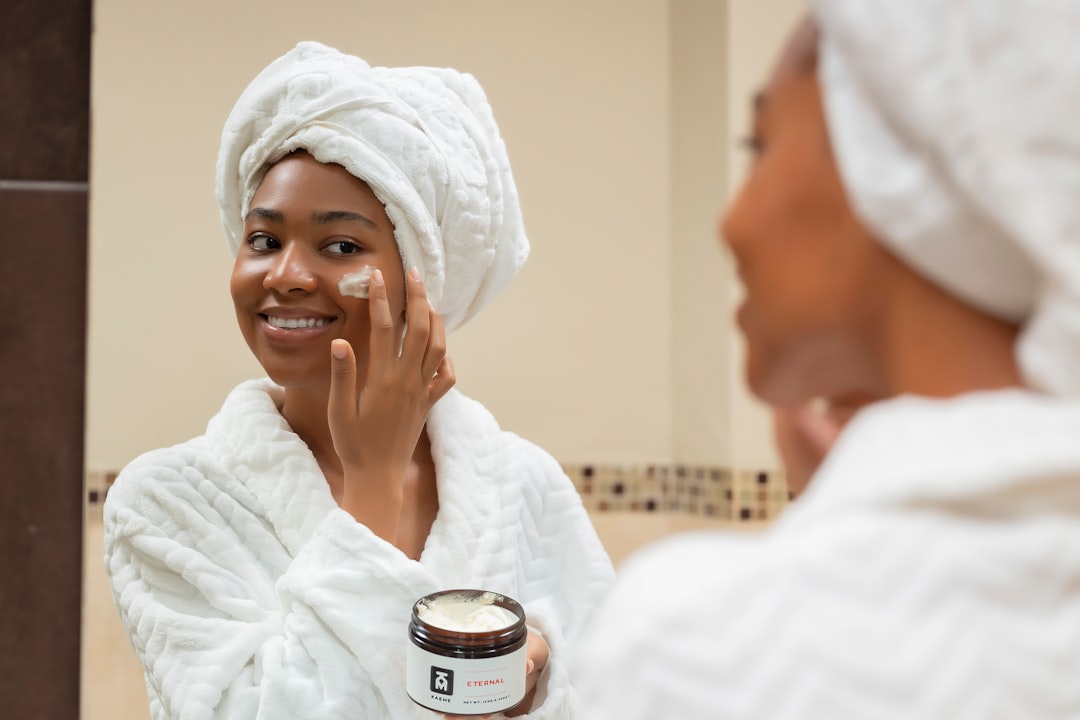
If you’ve ever scrolled through a skincare subreddit or watched a “get ready with me” video, you’ve probably noticed three ingredients pop up again and again: snail mucin, centella asiatica, and rice extract. These aren’t just trendy buzzwords — they’re the backbone of Korean skincare science, backed by decades of research and millions of devoted users across Asia and, increasingly, the Western world. For anyone exploring K-beauty for beginners, understanding these three powerhouse ingredients is the single best foundation you can build.
Here’s a surprising fact: the global K-beauty market was valued at over $10.2 billion in 2023, and analysts project it will surpass $18 billion by 2030. What’s driving that explosive growth? It’s not just cute packaging or 10-step routines — it’s ingredient innovation. Korean cosmetic labs have spent years perfecting formulations around natural, bio-compatible ingredients that deliver visible results without the harshness of many Western actives. Snail mucin, centella, and rice are three of the most celebrated examples, and today we’re going to break down exactly what each one does, how they compare, which products are worth your money, and how to build a routine around them — even if you’ve never tried a single K-beauty product before.
10-Step Korean Skincare Routine: K-Beauty for Beginners
Why These Three Ingredients Dominate K-Beauty in 2026
Watch: skincare routine │ korean skincare, glassy + glowy skin, wha
Before we dive into comparisons, it helps to understand why snail mucin, centella asiatica, and rice extract have earned their legendary status in Korean skincare. The answer comes down to three factors: historical use, clinical validation, and versatility.
Centuries of Traditional Use
Rice water has been a beauty staple in East Asia for well over a thousand years. Japanese geishas famously bathed in it, and Korean women in the Joseon Dynasty used fermented rice water to brighten their skin. Centella asiatica — also known as “tiger grass” — earned its nickname because wounded tigers in Asian folklore were observed rolling in the plant to heal their injuries. And snail mucin, while newer to the scene, gained traction in the 1980s when Chilean snail farmers noticed their hands were unusually soft and healed cuts faster.
These aren’t ingredients that appeared overnight in a lab. They have deep roots in traditional medicine and folk wisdom, which gave Korean cosmetic scientists a head start when they began formulating modern products around them.
Modern Science Backs Them Up
Traditional use is compelling, but what makes these ingredients special in the modern era is published clinical research. A 2013 study in the Journal of Drugs in Dermatology found that snail secretion filtrate significantly improved skin hydration and reduced fine lines after 12 weeks. Centella asiatica’s active compounds — asiaticoside, madecassoside, asiatic acid, and madecassic acid — have been extensively studied for wound healing, collagen synthesis, and anti-inflammatory effects. Rice bran extract has demonstrated antioxidant, brightening, and barrier-strengthening properties across multiple peer-reviewed studies.
For anyone new to K-beauty for beginners, this is reassuring. You’re not gambling on hype — you’re investing in ingredients that have been validated by dermatologists and cosmetic chemists worldwide.
They Work for (Almost) Every Skin Type
One of the biggest barriers to building a skincare routine is figuring out what works for your skin. Retinol can be too harsh for sensitive skin. Salicylic acid can over-dry already-parched cheeks. But snail mucin, centella, and rice are remarkably gentle and broadly compatible. Oily, dry, combination, sensitive, acne-prone — each of these ingredients has something to offer without the irritation risk that comes with more aggressive actives. That versatility is a huge part of why they’ve become gateway ingredients for people just starting their K-beauty journey.
Top 5 K-Beauty Trends of 2026: Expert Guide for Beginners
Snail Mucin: The Hydration and Repair Superstar
Let’s start with the ingredient that makes newcomers do a double-take: snail mucin, technically known as snail secretion filtrate (SSF). Yes, it comes from snails. No, it doesn’t feel slimy on your face. And yes, it genuinely works.
What Snail Mucin Actually Contains
Snail mucin isn’t a single compound — it’s a complex cocktail of beneficial molecules. Here’s what you’ll find inside:
- Glycoproteins: Support skin’s natural moisture barrier and promote hydration retention.
- Hyaluronic acid: A natural humectant that draws water into the skin, plumping fine lines.
- Glycolic acid: A gentle exfoliant that promotes cell turnover and brighter skin tone.
- Zinc: An antimicrobial mineral that helps calm acne and reduce inflammation.
- Allantoin: A soothing compound known for accelerating wound healing and skin regeneration.
- Collagen and elastin: Structural proteins that support firmness and elasticity.
What makes this remarkable is that all these ingredients occur naturally together in snail mucin. It’s like nature designed a multi-functional serum without any help from a cosmetic chemist. The synergistic effect of these compounds working together is part of why snail mucin products deliver results that single-ingredient serums often can’t match.
Best Skin Concerns for Snail Mucin
Snail mucin excels at addressing a wide range of skin concerns, but it’s particularly powerful for:
- Dehydrated skin: If your skin feels tight after cleansing or looks dull and flat, snail mucin delivers deep, lasting hydration without heaviness.
- Post-acne marks and hyperpigmentation: The glycolic acid and allantoin combo gently fades dark spots over time.
- Fine lines and early aging: Hyaluronic acid and collagen support plumper, more youthful-looking skin.
- Damaged skin barrier: Whether from over-exfoliation, retinol overuse, or harsh winter winds common in Western climates, snail mucin helps rebuild and protect the moisture barrier.
If you live somewhere with cold, dry winters — think the Midwest, Northeast, or Pacific Northwest — snail mucin can be a lifesaver during those months when indoor heating strips your skin of moisture.
Top Snail Mucin Products to Try
The undisputed king of snail mucin products is the COSRX Advanced Snail 96 Mucin Power Essence ($16–$25 on Amazon, Ulta, and Sephora). It contains 96% snail secretion filtrate and has a lightweight, slightly viscous texture that layers beautifully under moisturizer. With over 60,000 reviews on Amazon and a 4.6-star average, it’s often the very first K-beauty product that converts skeptics into believers.
For a more luxurious option, the COSRX Advanced Snail 92 All-in-One Cream ($18–$28) works as a standalone moisturizer and is perfect for those who want a simpler routine. And if you want to go premium, the It’s Skin Prestige Crème D’Escargot ($35–$45) combines snail mucin with nourishing botanicals for a richer experience.
See Allure’s picks for the best Korean beauty products
Centella Asiatica: The Calm-and-Heal Powerhouse
If snail mucin is the hydration hero, centella asiatica is the soothing savior. Also marketed as “cica,” “tiger grass,” or “gotu kola,” this herbaceous plant has been used in Ayurvedic and traditional Chinese medicine for thousands of years. In the K-beauty world, it’s become synonymous with calming irritation, healing blemishes, and strengthening skin’s resilience.
The Four Key Actives in Centella (CICA Complex)
When cosmetic chemists talk about centella’s power, they’re really talking about four specific compounds, collectively known as titrated extract of centella asiatica (TECA):
- Madecassoside: The star anti-inflammatory compound. Studies show it reduces redness, calms irritation, and helps repair UV damage. If your skin gets red and blotchy in winter or after workouts, this is the compound doing the heavy lifting.
- Asiaticoside: Promotes collagen type I synthesis, which is essential for wound healing and scar reduction. This is why centella-based products are recommended after procedures like microneedling or chemical peels.
- Madecassic acid: Supports collagen type III production and helps maintain skin’s structural integrity over time.
- Asiatic acid: Works synergistically with the other compounds to boost antioxidant defense and strengthen the skin barrier.
The ratio and concentration of these four compounds varies by product. Higher-quality formulations — like those from Dr. Jart+ and SKIN1004 — use standardized extracts that ensure consistent potency.
Who Should Use Centella Products?
Centella asiatica is especially well-suited for these skin types and concerns:
- Sensitive and reactive skin: If your skin flares up from new products, weather changes, or stress, centella provides a calming effect that few other ingredients can match.
- Acne-prone skin: Centella doesn’t just mask redness — it actively reduces inflammation at the cellular level, helping existing breakouts heal faster and leaving fewer post-inflammatory marks.
- Rosacea and eczema sufferers: While not a medical treatment, many dermatologists recommend centella-based products as a gentle complement to prescription therapies for these conditions.
- Post-procedure recovery: After laser treatments, chemical peels, or microneedling, centella products can significantly reduce downtime and redness.
For people living in Western climates where central heating, air conditioning, and temperature extremes are daily challenges, centella’s barrier-strengthening properties are especially valuable. Your skin barrier is constantly under assault, and centella acts as a reinforcement shield.
Top Centella Products to Try
The Dr. Jart+ Cicapair Tiger Grass Color Correcting Treatment SPF 30 ($38–$52 at Sephora) is arguably the most famous centella product in the Western market. It goes on green and transforms to a skin-toned tint that corrects redness while delivering centella’s soothing benefits — a two-in-one that’s become a cult favorite.
For a pure, no-frills centella experience, the SKIN1004 Madagascar Centella Ampoule ($15–$22 on Amazon) is a minimalist’s dream. It contains centella asiatica extract from Madagascar — widely considered the highest-quality source — with zero fragrance, zero irritants, and a water-like texture that absorbs instantly.
Budget pick? The PURITO Centella Green Level Unscented Sun SPF 50+ PA++++ ($12–$18 on Amazon) combines centella with broad-spectrum sun protection, making it a favorite among K-beauty for beginners who want multi-tasking products.
Best Korean Sunscreens 2024: Top K-Beauty SPF Picks
Rice Extract: The Brightening and Anti-Aging Secret
Rice might be the most underrated of the three ingredients we’re comparing today, but its skincare benefits are extraordinary. Korean and Japanese women have known this for centuries — and modern science is now catching up to what traditional wisdom always understood.
The Science Behind Rice in Skincare
Rice — whether as rice bran oil, rice water, rice ferment filtrate, or rice extract — contains a remarkable array of skin-beneficial compounds:
- Ferulic acid: A potent antioxidant that neutralizes free radicals and enhances the effectiveness of vitamins C and E. It’s particularly effective against UV-induced skin damage.
- Phytic acid: A gentle exfoliant and natural skin brightener that inhibits melanin production, making it a safer alternative to hydroquinone for addressing dark spots.
- Inositol: A carbohydrate that promotes cell growth, improves skin elasticity, and helps minimize pore size over time.
- Oryzanol: A compound unique to rice bran that offers UV-protective and anti-inflammatory properties.
- Ceramides and fatty acids: Essential for maintaining the skin’s lipid barrier, preventing transepidermal water loss (TEWL), and keeping skin supple.
When rice is fermented — as in many premium K-beauty products — its benefits intensify. The fermentation process breaks down molecules into smaller, more bioavailable forms, increases the concentration of amino acids and peptides, and creates new beneficial byproducts like kojic acid, which is a powerful natural brightener.
Who Benefits Most from Rice-Based Products?
Rice extract products are ideal for:
- Dull, uneven skin tone: If your complexion looks tired, sallow, or lacks that coveted “glass skin” glow, rice extract delivers brightening results comparable to vitamin C — but without the irritation or oxidation issues.
- Hyperpigmentation and sun spots: Phytic acid and kojic acid (in fermented formulas) gradually fade dark patches, making rice products a gentle option for melasma and post-inflammatory hyperpigmentation.
- Aging and loss of firmness: The antioxidant profile of rice — especially ferulic acid — combats the environmental damage that accelerates aging, while inositol supports plumper, more elastic skin.
- Dry skin in harsh climates: The ceramides and fatty acids in rice bran strengthen the moisture barrier, which is critical if you live in a dry, cold, or windy climate.
Top Rice Products to Try
The I’m From Rice Toner ($18–$28 on Amazon and Sephora) is the gold standard. Made with 77.78% rice extract from Yeoju, South Korea — a region famous for premium rice — this toner delivers instant brightening, mild exfoliation, and deep hydration. It has a slightly milky texture that feels luxurious without being heavy.
For a wash-off treatment, the SKINFOOD Rice Mask Wash Off ($8–$12 on Amazon) is an affordable way to experience rice’s brightening benefits. Use it 2–3 times a week for noticeably more radiant skin within a couple of weeks.
If you want a fermented rice experience, the SK-II Facial Treatment Essence ($99–$185 at Sephora and Nordstrom) is the iconic choice. Its hero ingredient, PITERA, is a galactomyces ferment filtrate derived from sake (rice wine) brewing. It’s an investment, but many users consider it a “holy grail” product with life-changing results.
Head-to-Head Comparison: Snail Mucin vs. Centella vs. Rice
Now let’s put these three ingredients side by side so you can see exactly how they stack up. This comparison table is designed to help anyone exploring K-beauty for beginners make a smart first choice based on their specific skin needs.
| Category | Snail Mucin | Centella Asiatica | Rice Extract |
|---|---|---|---|
| Primary Benefit | Deep hydration & repair | Calming & anti-inflammation | Brightening & anti-aging |
| Best For Skin Type | Dry, dehydrated, normal | Sensitive, acne-prone, reactive | Dull, mature, hyperpigmented |
| Texture Feel | Slightly viscous, dewy | Lightweight, watery | Milky, slightly creamy |
| Time to See Results | 1–2 weeks (hydration), 6–8 weeks (repair) | 3–7 days (calming), 4–6 weeks (healing) | 2–3 weeks (glow), 8–12 weeks (brightening) |
| Price Range (Hero Product) | $16–$25 | $15–$52 | $8–$185 |
| Irritation Risk | Very low | Extremely low | Very low |
| Pairs Well With | Niacinamide, hyaluronic acid | Retinol, AHAs (as a buffer) | Vitamin C, peptides |
| Vegan-Friendly? | No (animal-derived) | Yes | Yes |
As you can see, there’s no single “winner” — each ingredient solves a different problem. The real power move? Using two or even all three together. They complement each other beautifully, and many experienced K-beauty enthusiasts layer them in the same routine for maximum results.
How to Layer All Three in a Single Routine
One of the most common questions from anyone exploring K-beauty for beginners is: “Can I use all of these together?” The answer is a resounding yes. In fact, layering these ingredients is one of the hallmarks of a well-constructed Korean skincare routine. The key is applying them in the right order.
Morning Routine (Focus: Protection and Glow)
- Cleanser: Gentle water-based cleanser (skip oil cleansing in the AM).
- Rice Toner: Apply the I’m From Rice Toner to damp skin. Pat gently — don’t rub. This brightens and preps your skin for the layers to come.
- Centella Ampoule: Apply 3–4 drops of the SKIN1004 Madagascar Centella Ampoule. This calms any overnight irritation and creates a soothing base layer.
- Snail Mucin Essence: Follow with the COSRX Snail 96 Mucin Essence. Press it into your skin with your palms. This locks in hydration and creates a dewy base for makeup.
- Moisturizer: A lightweight gel moisturizer if you’re oily, a richer cream if you’re dry.
- Sunscreen: Non-negotiable. Korean sunscreens like the PURITO Centella Green Level SPF 50+ double down on the centella benefits.
Evening Routine (Focus: Repair and Renewal)
- Double Cleanse: Oil cleanser first (to dissolve sunscreen and makeup), then a gentle foam or gel cleanser.
- Exfoliate (2–3x/week): A mild AHA or PHA toner. On non-exfoliation nights, skip to step 3.
- Rice Toner: Same application as morning.
- Centella Ampoule: Especially important at night when your skin is in repair mode.
- Snail Mucin Essence: Your skin does most of its regeneration while you sleep, and snail mucin provides the building blocks it needs.
- Heavier Moisturizer or Sleeping Mask: Seal everything in. The COSRX Snail 92 Cream works beautifully here.
- Rice Wash-Off Mask (1–2x/week): Use before your toner step for an extra brightening boost.
Pro tip: The order follows the thin-to-thick rule — apply the most watery product first and the thickest last. Rice toner (watery) → centella ampoule (light serum) → snail mucin (slightly thicker essence) → moisturizer (cream). This ensures each layer absorbs properly without pilling.
10-Step Korean Skincare Routine: K-Beauty for Beginners
Budget Guide: Building Your First K-Beauty Routine Under $60
One of the best things about K-beauty — and a major reason it’s so accessible for beginners — is that effective products don’t have to cost a fortune. You can build a complete routine featuring all three hero ingredients for under $60. Here’s exactly how.
The $55 Starter Kit
| Product | Key Ingredient | Price (Amazon) | Lasts Approx. |
|---|---|---|---|
| I’m From Rice Toner (150ml) | Rice extract (77.78%) | $18 | 2–3 months |
| SKIN1004 Centella Ampoule (100ml) | Centella asiatica extract | $15 | 3–4 months |
| COSRX Snail 96 Mucin Essence (100ml) | Snail secretion filtrate (96%) | $16 | 3–4 months |
| SKINFOOD Rice Mask Wash Off (100g) | Rice bran extract | $8 | 4–6 months |
Total: approximately $57. That’s four targeted products using all three hero ingredients, and they’ll each last months. Compare that to a single bottle of a prestige Western serum at $80–$120, and you’ll quickly understand why K-beauty’s value proposition is so compelling.
Where to Buy Authentic K-Beauty Products
When you’re new to K-beauty, authenticity matters. Counterfeit products are a real issue, especially on marketplace platforms. Stick to these trusted sources:
- Sephora: Carries Dr. Jart+, LANEIGE, I’m From, and other premium K-beauty brands. Reliable authenticity guarantee.
- Ulta Beauty: Growing K-beauty selection including COSRX, PEACH & LILY, and Banila Co.
- Amazon: Great prices, but only buy from verified brand storefronts (look for “Ships from and sold by [brand name]” or the official brand store badge).
- YesStyle and Olive Young Global: Korean-based retailers with massive selection and guaranteed authenticity. Shipping takes 1–3 weeks but prices are often the lowest.
- Soko Glam and Peach & Lily: Curated K-beauty retailers founded by Korean-American beauty experts. Every product is hand-selected and vetted.
Common Myths and Mistakes K-Beauty Beginners Should Avoid
When you’re starting out with K-beauty for beginners, there’s a lot of misinformation floating around. Let’s bust some myths and correct common mistakes that could sabotage your results.
Myth #1: “Snail Mucin Is Cruel to Snails”
This is the number one concern newcomers raise, and it’s valid. However, reputable K-beauty brands like COSRX have publicly shared their harvesting process. Snails are placed on mesh nets in dark, calm environments, and they naturally secrete mucin as they move. They are not harmed, stressed, or killed in the process. The snails are reused and cared for. That said, if you have ethical concerns about animal-derived ingredients, centella and rice are excellent vegan alternatives that provide overlapping benefits.
Myth #2: “You Need a 10-Step Routine”
The famous 10-step Korean skincare routine gets all the headlines, but most Korean women don’t actually use 10 products daily. The “10 steps” are a menu of options, not a mandatory checklist. A 3–5 step routine using the right ingredients for your skin is more effective (and more sustainable) than layering 10 products haphazardly. Start with a cleanser, one treatment product (snail mucin, centella, or rice), moisturizer, and sunscreen. That’s it. You can add steps later as you learn what your skin responds to.
Myth #3: “These Ingredients Can Replace Retinol or Prescription Treatments”
Snail mucin, centella, and rice are powerful, but they’re not prescription-strength actives. If you have severe cystic acne, deep wrinkles, or medical skin conditions, these ingredients work best as complementary support alongside dermatologist-prescribed treatments — not as replacements. Think of them as the foundation of gentle daily care that helps your skin tolerate stronger treatments with fewer side effects.
Mistake: Introducing Too Many Products at Once
This is the biggest mistake K-beauty beginners make. Excited by all the options, they order five new products and start using them all on day one. If you break out or have a reaction, you’ll have no idea which product caused it. The golden rule: introduce one new product at a time, and wait at least two weeks before adding the next. Patch test each product on your jawline or behind your ear first.
Frequently Asked Questions About K-Beauty Ingredients
Can I use snail mucin, centella, and rice extract together in the same routine?
Absolutely! These three ingredients have completely different mechanisms of action and complement each other beautifully. Snail mucin focuses on hydration and repair, centella calms and heals, and rice brightens and protects. There are no known interactions or contraindications between them. In fact, layering all three — in order from thinnest to thickest texture — is one of the most effective strategies in K-beauty. Many Korean skincare enthusiasts use all three daily with excellent results.
Which ingredient should a complete beginner start with first?
If you could only pick one, snail mucin (specifically the COSRX Snail 96 Essence) is the most universally beneficial starting point. It addresses the most common skin concern — dehydration — and works for virtually every skin type. It’s also affordable, widely available, and has the most forgiving texture for layering. That said, if your primary concern is redness or sensitivity, start with centella. If it’s dullness, start with rice. Let your biggest skin concern guide your first purchase.
Are these ingredients safe during pregnancy or breastfeeding?
Snail mucin, centella asiatica, and rice extract are all generally considered safe for topical use during pregnancy and breastfeeding. None of them contain retinoids, salicylic acid, or other compounds that are flagged as concerns during pregnancy. However, always consult your OB-GYN or dermatologist before starting any new skincare product during pregnancy. Individual formulations may contain additional ingredients that require review.
How long does it take to see real results from K-beauty ingredients?
This depends on what you’re hoping to achieve. Hydration improvements from snail mucin can be noticed within days. Calming effects from centella often appear within a week. But for deeper results like fading hyperpigmentation, reducing fine lines, or achieving a lasting brightening effect from rice, you’ll need 6–12 weeks of consistent daily use. Skincare is a marathon, not a sprint. Take progress photos every two weeks so you can track changes that might be too gradual to notice in the mirror day-to-day.
Do these ingredients work for darker skin tones?
Yes — and in some cases, they’re especially beneficial. Darker skin tones are more prone to post-inflammatory hyperpigmentation (PIH), and both snail mucin and rice extract contain compounds that gently address this without the risk of depigmentation that comes with harsher brightening agents like hydroquinone. Centella’s anti-inflammatory properties also help prevent the inflammation that triggers PIH in the first place. K-beauty’s emphasis on gentle, barrier-supporting ingredients makes it well-suited for melanin-rich skin.
Can men use these products too?
One hundred percent. Skin is skin, regardless of gender. In South Korea, men’s skincare is a massive market — Korean men spend more on skincare per capita than men in any other country. Snail mucin is particularly popular among men because it’s lightweight, non-greasy, and helps soothe irritation from shaving. There’s no “women’s formula” or “men’s formula” — the products recommended in this article work identically for everyone.
Related Posts You’ll Love
If you enjoyed this deep dive into K-beauty ingredients, you’ll find these articles just as helpful:
- Top 5 K-Beauty Trends of 2026: Expert Guide for Beginners
- Best Korean Sunscreens 2024: Top K-Beauty SPF Picks
- Korean Cuisine 2026: 6 Insights for Global F&B Brands
Looking for more K-beauty content? We’re also working on in-depth guides to these topics:
- K-Beauty Dupes 2026: Affordable Alternatives to Luxury Korean Skincare
- The Complete Guide to Korean Double Cleansing for Every Skin Type
- Fermented Skincare Ingredients: Why Korean Beauty Brands Swear By Them
Your K-Beauty Journey Starts With One Product
Here’s what I want you to take away from this article: you don’t need to overhaul your entire routine overnight. The beauty of exploring K-beauty for beginners is that you can start with a single product — a $16 bottle of snail mucin essence, a $15 centella ampoule, or an $18 rice toner — and see real, visible improvements in your skin within weeks.
These three ingredients — snail mucin, centella asiatica, and rice extract — represent the best of what Korean skincare has to offer: gentle, effective, science-backed, and affordable. They’ve transformed millions of complexions around the world, and they can transform yours too.
So here’s my challenge to you: pick one product from this article and try it for 30 days. Just one. Commit to using it morning and night, take a “before” photo today, and see where you are in a month. I promise you’ll be glad you did.
Now I want to hear from you! Drop a comment below and tell me: Which of these three ingredients are you most excited to try — snail mucin, centella, or rice? Or are you already a K-beauty veteran with product recommendations of your own? Share your experience — your tip might be exactly what another reader needs to hear.
And if you found this guide helpful, please share it with a friend who’s been curious about Korean skincare. Hit that share button for Instagram, Pinterest, or wherever your skincare community hangs out. The more we spread reliable, science-backed information, the fewer people fall for overpriced gimmicks.
Don’t miss our next deep dive! Subscribe to our newsletter for weekly K-beauty tips, product reviews, and exclusive deals. We break down the science so you can make smarter choices for your skin — no hype, no fluff, just results.
Got a specific K-beauty question? Leave it in the comments and I’ll answer personally. Let’s build better skin — together.